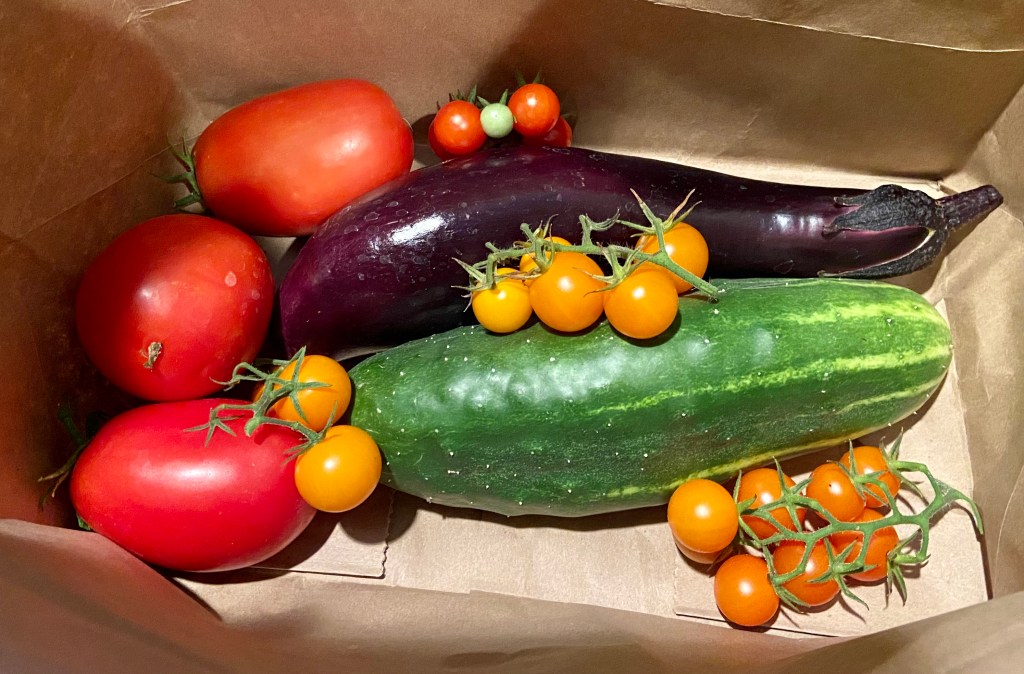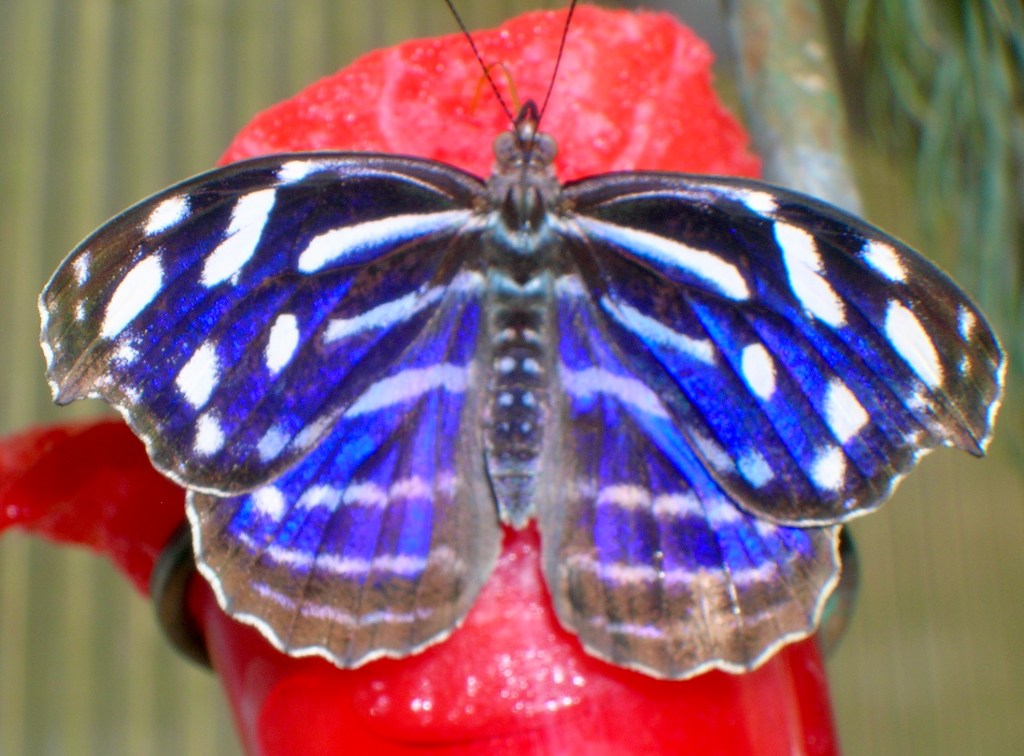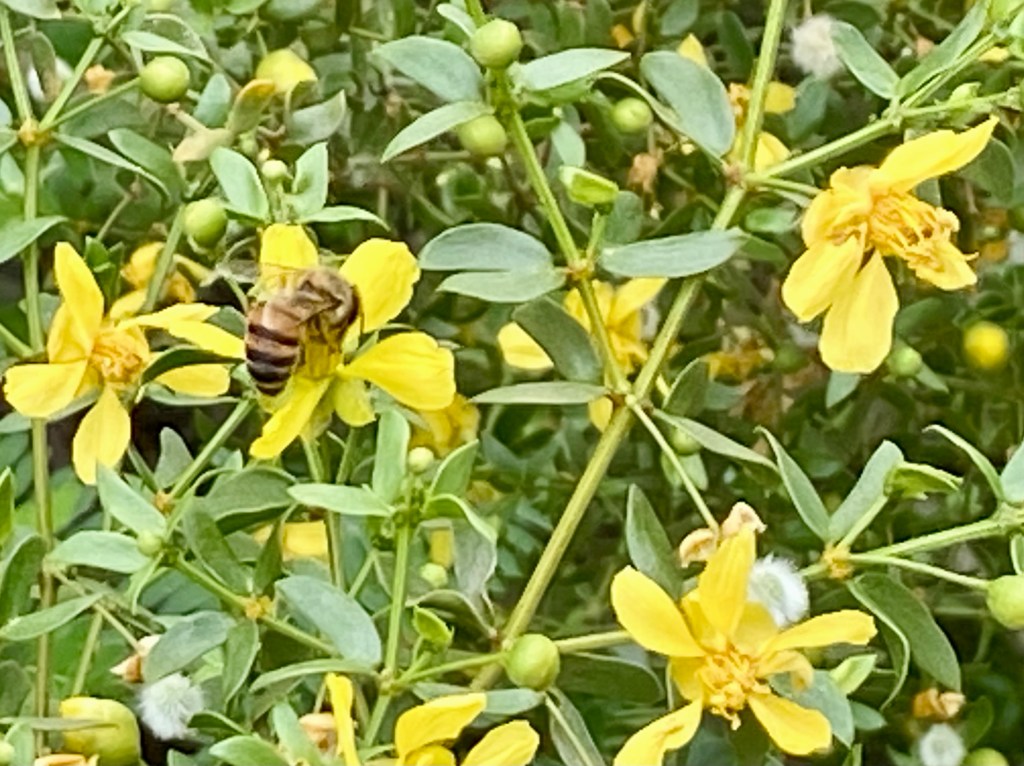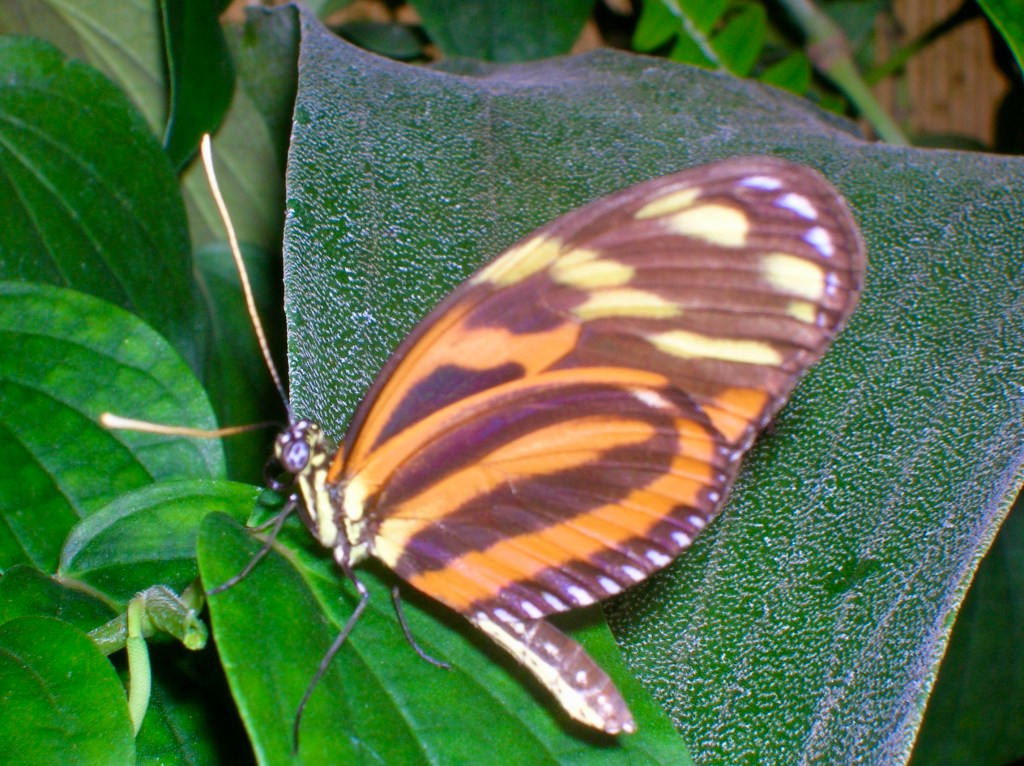
Featured

A Secret to Happiness

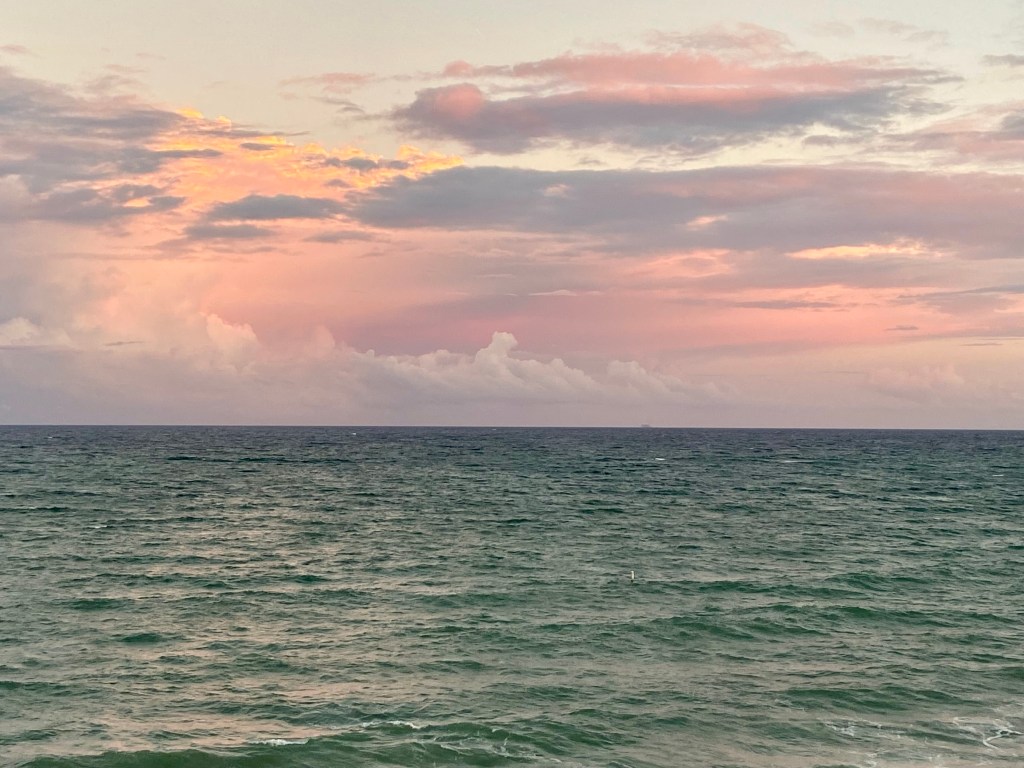
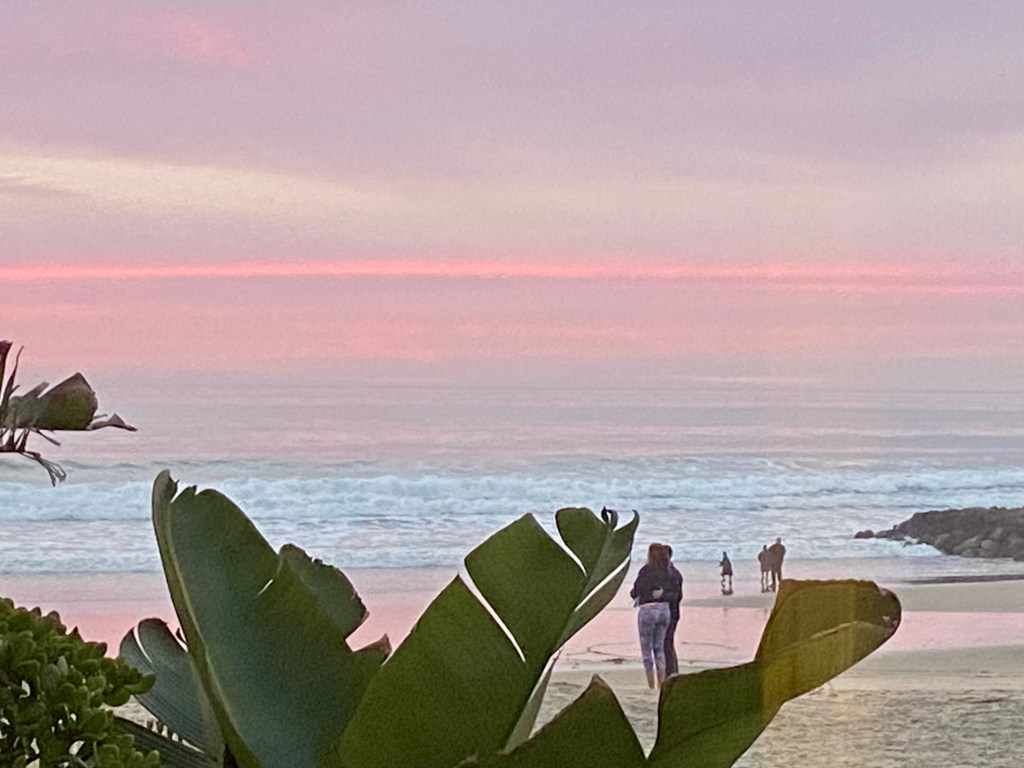
Beach day at St. Maarten

If I were to tell you about a new medication that relieves pain, reduces stress & anxiety, lessens your risk for type 2 diabetes, helps improve memory, increases longevity, and enhances overall life satisfaction, would you drop your to-do list and rush to phone your doctor’s office for a prescription?  According to an article on Medical News Today, social interactions can result in all those benefits and more.

Exploring the Victorian Charm of Cape May, New Jersey

According to Dean Ornish, MD, whose Program for Reversing Heart Disease has been covered by Medicare since 2011, no other lifestyle factor has a greater impact on our quality of life, incidence of illness and premature death from all causes than loneliness and isolation. The real epidemic in our culture is not only physical heart disease, but also what I call emotional and spiritual heart disease, Dr. Ornish explains.  
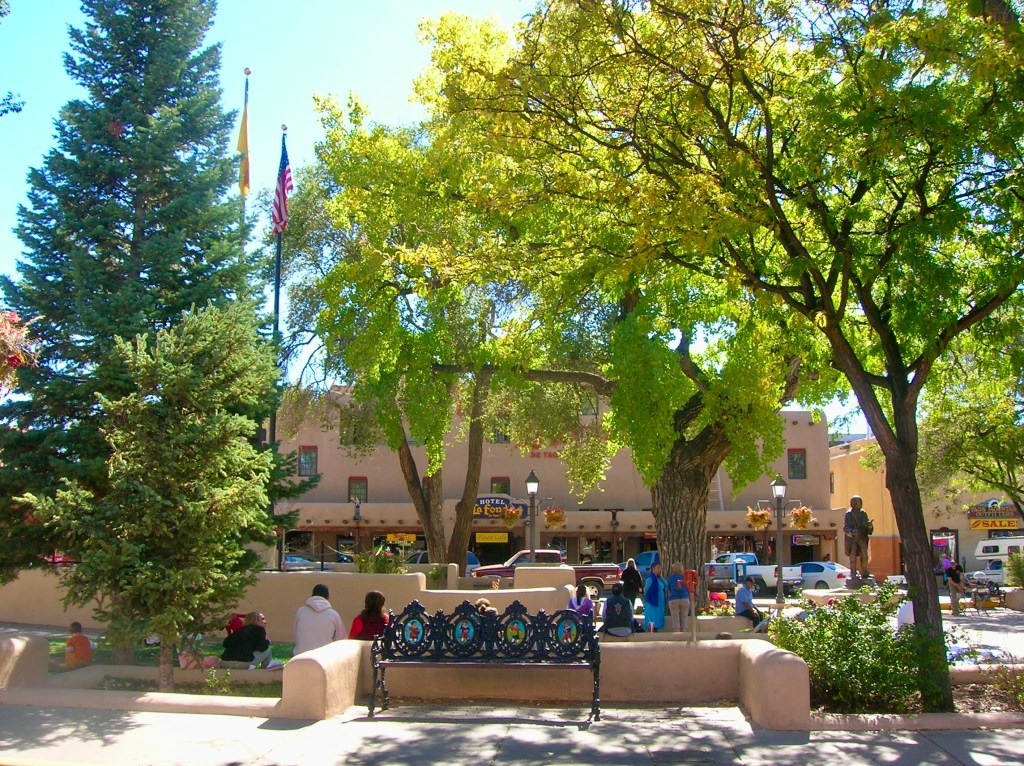
Enjoying the adobe architecture in Taos Plaza, New Mexico

A write-up from Harvard Health informs us that scientists are finding social connections not only give us pleasure, they also influence our long-term health in ways every bit as powerful as adequate sleep, a good diet, and not smoking.  The article goes on to say caring involvement with others may be one of the easiest health strategies to access. It’s inexpensive, it requires no special equipment or regimen, and we can engage in it in many ways.

A Psychology Today article says that engaging socially not only lessens feelings of depression, but also helps you fight off colds, the flu, and even some types of cancer.  I’d say that’s some pretty strong medicine!

Independence Day Parade, Flagstaff, Arizona

Dan Buettner, in writing The Blue Zones of Happiness, reviewed various polls and surveys from countries around the world to discover the factors that contribute to making the happiest populations.  Costa Rica, he found, is one of the countries whose citizens reported being the most content. He attributes this to their focus on spending a great deal of time with others.  Costa Ricans are socially interacting five to six hours a day, face to face, he writes, including barbecues with friends, church services, family meals, and soccer games. The U.S., with its rigorous work philosophy, did not make the top 12 in Buettner’s tally.  

Concert at the original Woodstock site in upstate NY

I find that being outside is one of the most enjoyable ways to feel part of a physical community.  Open-air concerts are absolutely exhilarating. Time outdoors with friends, food, and drink is one of my favorite ways to spend an afternoon.  But even strangers who are hiking, biking, fishing, or sitting in a park are often cheerfully willing to engage in conversation. According to an Evidence Note from Forest Research in the UK, green infrastructure can help bring people together, . . . increasing social activity, improving community cohesion, & developing local attachment. These benefits, the research says, reduce domestic violence and overall crime rates.  It’s no surprise that spending time in the embrace of our Primal Mother brings us together in a way that makes us more tolerant, loving, and supportive.

Strolling around a German village

Social interactions can contribute immeasurably to our lives, helping us feel better about ourselves, enhancing immune function, and prolonging our lives.  Focusing less on our never-ending to-do list and more on sharing time with others is a sure way to increase happiness.  How often are you willing to become happier?

The need for connection and community is primal, as fundamental as the need for air, water, and food. ~Dean Ornish, MD

Blessings for Community,

Lisa

The original version of this post was shared in 2021. My 3-month absence from our blogging community is due to family obligations. I am hoping we can turn the page before next month’s post. May your holidays be bright!

The content of this article is for educational and informational purposes only, and is not intended as medical advice. Please consult with a qualified health care professional before acting on any information presented herein. Any statements about the possible health benefits of any subject discussed have not been evaluated by medical professionals or the Food & Drug Administration and are not intended to diagnose, treat, cure or prevent any disease or illness.

Featured

Need a Reason to Get Away? Here You Go!

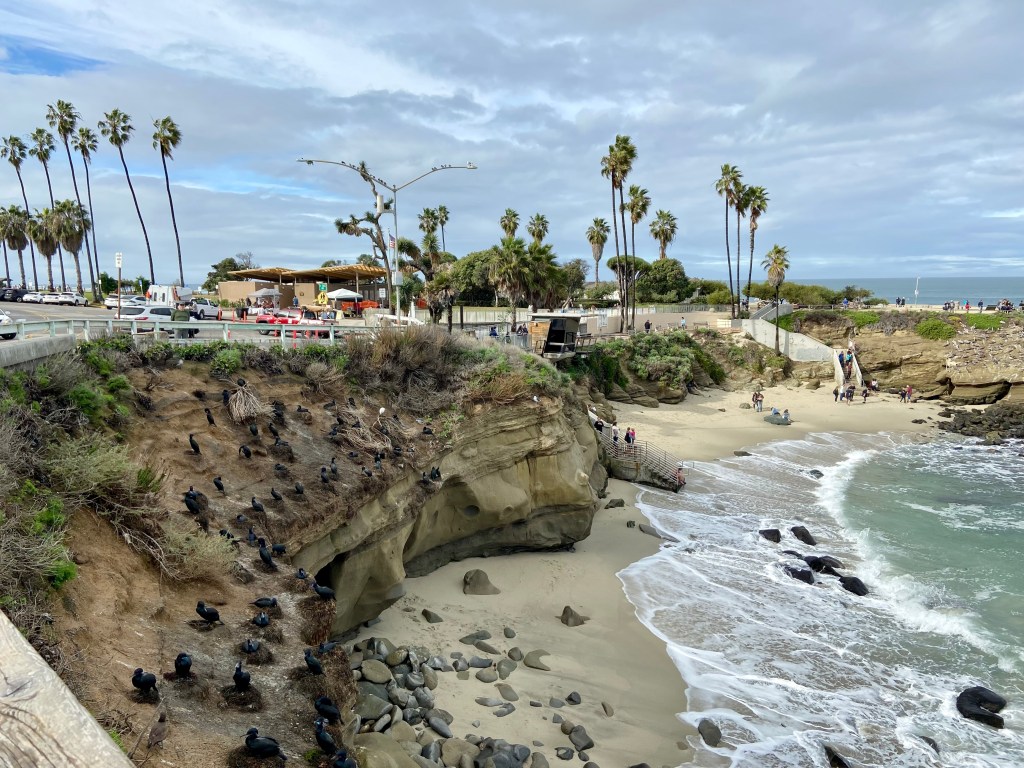
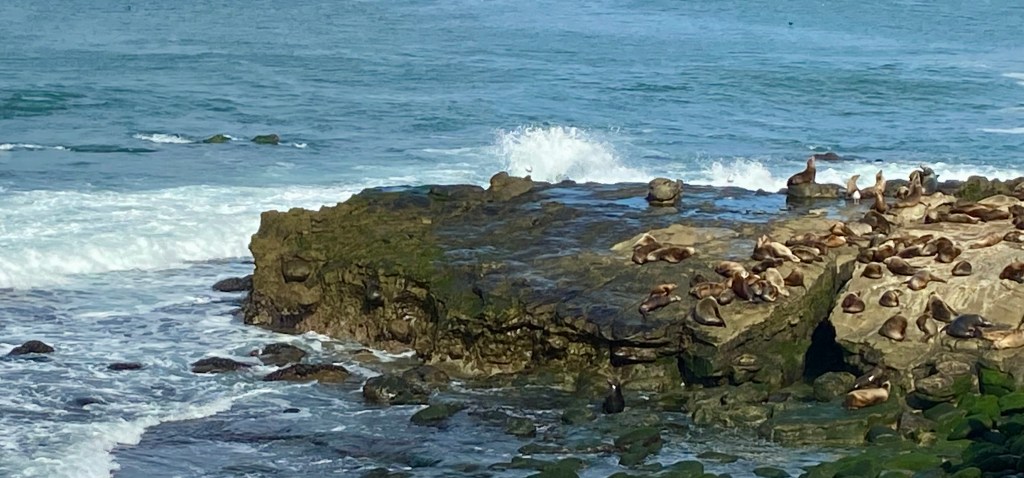
All photos in this post were snapped in California

Do you remember vacations as a kid?  I can recall living for vacations.  My family would always go to the Gulf of Mexico and stay in a motel on Florida’s Panhandle.  We traveled to Flarda, as it’s pronounced in the South, to swim, lie in the sun, play in the surf, and deep sea fish.  My mom and grandma would prepare snacks and sandwiches when we went inside for a break from the heat.  Thinking back, I can still feel the crunch of sand under my feet as I walked barefoot inside the cool, dimly-lit room.  Anticipating those summer Nature escapes helped me through the humdrum of the school year.  Turns out, they were better for me and my family than I could have imagined.

As I got older, things changed, and vacations became less frequent.  That seems to be the case for many of us.  The Center for Economic & Policy Research calls the US the No-Vacation Nation due to the fact that about 25% of American workers have no paid time off, and many who do are reluctant to take it due to workplace pressures.  I am well acquainted with that feeling from past positions – for years, I worked through sickness as well as all kinds of inclement weather, when it wasn’t even safe for me to go to the office.

Not honoring our need to get away, however, can have dire consequences.  A study from the World Health Organization & the International Labour Organization reveals that working 55 or more hours per week is associated with an estimated 35% higher risk of stroke and a 17% higher risk of dying from ischemic heart disease, compared to working 35-40 hours a week.  In 2016, according to their estimates, 745,000 deaths were attributed to longer working hours. 

A Pub Med meta-analysis states vacation has positive effects on health and well-being, but these effects soon fade after work resumption.  Therefore, frequent mini-breaks should be considered, like long camping weekends at a State Park or even a single day escape to hike or bike a new area.  

Vacations can improve mood and reduce stress by removing people from the activities and environments that they associate with stress and anxiety, according to various studies.  Further, vacationing increases happiness and improves productivity: a win-win for employee and employer.

A write-up in the Journal of Positive Psychology asserts meditation and vacation may have overlapping effects, providing multiple pathways to boosts in mindfulness.  If you’ll recall my post on mindfulness, I shared that this state of awareness is shown to bolster immune function, decrease chronic pain, and can help improve behavior in children due to enhanced emotional regulation.

Once we’ve returned from our glorious getaway, we feel more overall life satisfaction owing to our detachment from work, relaxation, and mastery experience during vacation, a paper from the University of Massachusetts sets forth.  The last bit of that statement refers to our tendency to try something new while away – wind surfing, snow boarding, or simply exploring a new area to learn its history or topography.  

Vacationing benefits your head, heart, life satisfaction, and longevity.  Making a regular plan to escape the everyday and enjoy the delights of Nature can have surprisingly positive impacts on you and your family.

Blessings for Time Away,

Lisa

The original version of this post was first shared in June of 2022. At home or away, may your holiday season be warm and wonderful!

The content of this article is for educational and informational purposes only, and is not intended as medical advice. Please consult with a qualified health care professional before acting on any information presented herein. Any statements about the possible health benefits of any subject discussed have not been evaluated by medical professionals or the Food & Drug Administration and are not intended to diagnose, treat, cure or prevent any disease or illness.

Featured

Chai My Way

It’s chai season! Although it’s my favorite hot tea and I drink it throughout the year, the chillier months seem to claim it as their own, and who am I to argue?


I first tried chai while living and working at Omega Institute for Holistic Studies in Upstate New York. One of my supervisors was Kim from Michigan. She brewed up new (to me) and wonderful concoctions almost every day. Once I smelled and sampled her simmering chai, I knew that I had to learn to make it. Near the end of the season, Kim was kind enough to include its ingredients in a letter that I keep in a recipe book to this day. The recipe below is a combination of her ingredients and the measurements I’ve found work best over years of making it in my kitchen.

Part of Omega Institute, Rhinebeck, NY Campus

In the past, I never really thought of the nutritional benefits of spices in the same way as regular foods, but I’ve learned they are surprisingly healthy. Each of the ingredients in this recipe contributes to health & well-being in a number of ways. In addition to its sublime smell and taste, chai is a nutritional powerhouse among teas.

According to Healthline.com, fresh ginger not only helps with nausea, which is the one benefit most of us are familiar with, but can also help lower cholesterol, improve brain function, and reduce A1c levels. Cloves may benefit bone health, liver function, and reduce stomach ulcers. Cinnamon has the potential to reduce chronic inflammation, protect from free radical damage, and lower the risk for heart disease. Black pepper may help with gut health, pain relief, and appetite reduction. Cardamom is shown to fight cavities, improve digestion, and lessen anxiety. The few studies that have been done on bay leaves show that they may help prevent seizures and kidney stones, and kill cancer cells. Pure Chinese star anise has been used for thousands of years to fight viral, bacterial, and fungal infections. And black tea may help lower blood pressure, reduce stroke risk, and improve focus. Impressive for an humble tea, right?


Chai recipes abound on the internet, all with varied flavor profiles. But this one, made super-spicy, is my favorite. You’ll find the taste out of this world, and the aroma just perfect for the holidays.

Makes 1/2 gallon

Ingredients
8 cups water
2-3 inches of thinly sliced ginger (according to your preferred spice level)
2 cinnamon sticks
12 whole black peppercorns
2 bay leaves
8 green cardamom pods
8-12 whole cloves
3 whole star anise
6 black or Earl Grey tea bags
Sweetener of choice (optional – I use coconut sugar)
Milk of choice (optional – for lattes)

Directions
Place first 8 ingredients (through star anise) in a large covered pot & bring to a boil. Reduce heat to a simmer for a minimum of one hour. (The longer it simmers or sits on the warm burner, the spicier it gets.). Remove from heat and add tea bags to steep for 20 minutes. Squeeze out tea bags, strain the chai & enjoy with or without sweetener of your choice. Or add sweetener & milk of your choice for a delicious chai latte. Store extra (without milk) in the fridge in a covered glass container for 3-4 days.

I first shared this recipe the week of Diwali in 2020. If you’re unfamiliar with the holiday, it is an Indian Festival of Lights celebrating light over darkness and good over evil. Happy Diwali, 2025!

The content of this article is for educational and informational purposes only, and is not intended as medical advice. Please consult with a qualified health care professional before acting on any information presented herein. Any statements about the possible health benefits of any subject discussed have not been evaluated by medical professionals or the Food & Drug Administration and are not intended to diagnose, treat, cure or prevent any disease or illness.

Featured

Does the Earth Love You?

If you’ve been around Micro of the Macro for a while, no doubt you’ve read a lot about the benefits of spending time in Nature. For example, being at the beach can reduce stress & cancer risk.  Interacting with animals can result in improved heart & immune function. Visiting a waterfall can reduce chronic pain.  I have written about how working with plants can reduce depression, trauma, and anxiety, and how wildflowers support all living systems. Nature, in Her infinite wisdom, contributes unceasingly to life, including ours.  But let’s drill down further: does the Earth, our Primal Mother, love us?

Butterfly Garden, Tucson, AZ

In another older post, I mentioned the beautiful book Braiding Sweetgrass: Indigenous Wisdom, Scientific Knowledge, and the Teachings of Plants by Robin Wall Kimmerer, member of the Potawatomi Nation and Distinguished Teaching Professor of Environmental Biology at The State University of New York. Early in the book, she writes of the differences in two foundations which have strongly influenced the ways we think of Nature: the Creation Story and the language we use.  

Aspens, ferns and wildflowers near Arizona’s Snowbowl Ski Resort

In Kimmerer’s Native American culture, and many others, the Creation Story does not involve an unhappy expulsion from a perfect garden due to Eve partaking of forbidden fruit.  Instead, it is a story of Skywoman, who falls from the Skyworld, grasping for the Tree of Life on her way down, bringing with her seeds, flowers, and branches, and leaving an opening for the sun to shine through.  During and after her landing, animals lovingly assist her. We are inevitably shaped by (Creation stories) no matter how distant they may be from our consciousness, the author writes.  One (of the stories mentioned) leads to the generous embrace of the living world, the other to banishment.  One woman is our ancestral gardener, a cocreator of the good green world . . . The other, an exile, just passing through an alien world on a rough road to her real home in heaven.  A huge difference between perspectives for the followers of each tradition, wouldn’t you agree?

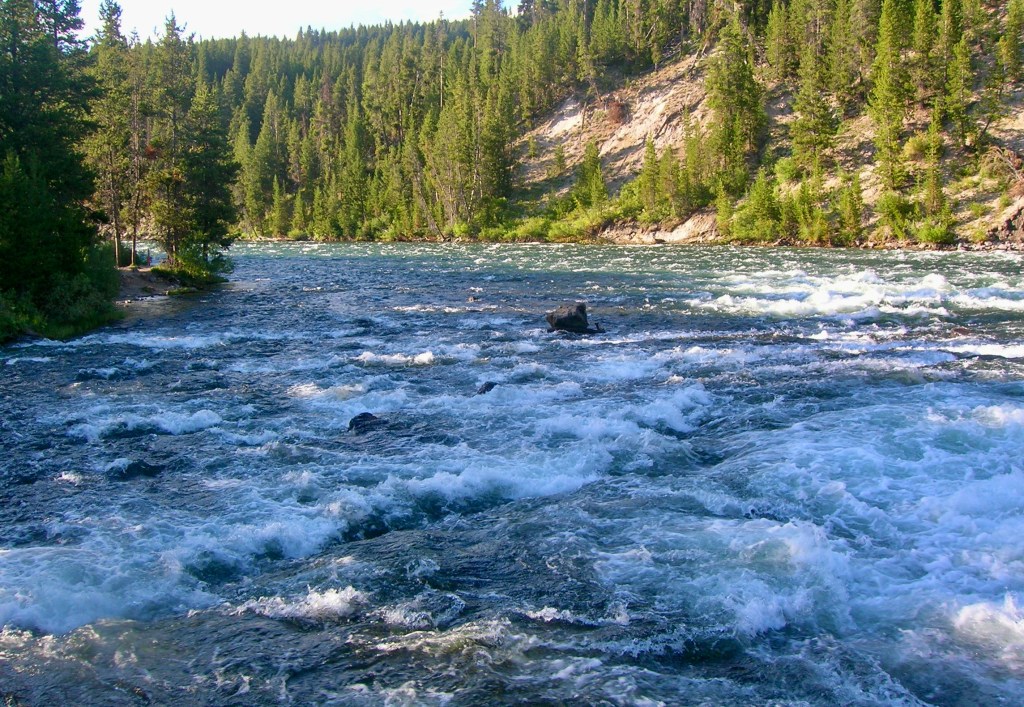
Rushing waters in Montana

Kimmerer’s native language, alive with the energies of the natural world, is almost completely gone.  (This is due in large part to forced government board schooling of Native American children centuries ago, where speaking their native tongue was forbidden.)  The language of her ancestors addressed the Spirit in Nature; it was a mirror for seeing the animacy of the world, the life that pulses through all things, through pines and nuthatches and mushrooms, she writes.  The language reminds us, in every sentence, of our kinship with all of the animate world.  This is a far cry from English, which categorizes the living world as either people or things.  And how easy is it to neglect or abuse when we objectify?  How could we possibly come to believe that things love us?

Cactus blooms in the Sonoran Desert

The author, a scientist and teacher, is a mother of two, as well.  She writes with the greatest affection of her daughters, and says she taught them to garden so they would always have a mother, even after she’s gone.  She composed a list of loving behaviors shared with her girls.  Included in the list are: nurturing health and well-being, protection from harm, encouraging growth, interdependence, and creation of beauty.  When we observe these behaviors between people, she says, we recognize they love each other.  We even make the statement, “She loves her garden” when the same behaviors are demonstrated by someone carefully tending a plot of land.  Why then, the author asks, would we not make the leap to say that the garden loves her back?  The thriving of one is in the best interest of the other.  This, to me, sounds a bit like love, the author concludes. I couldn’t agree more.

A desert dove

Braiding Sweetgrass is packed with practical teachings of the old ways, offering a clear way forward out of the environmental disaster we are presently living.  But there is so much more to this book.  The beauty of Kimmerer’s prose could make a willing student out of anyone.  I find myself rereading some of her lines 3 or 4 times to relish gentle teachings that feed my soul.  Her descriptive, love-infused narrative brings the science of botany to life, revealing the exquisite luminosity of Mother Earth.

Jemez Springs, near Santa Fe, New Mexico

An endless supply of loving support is made available to us by Nature. In addition to making things beautiful, She also provides us with ways to help us feel better and improve our lives overall. Like Robin Wall Kimmerer, I strongly believe that the Earth cares for us beyond measure, and spending time in Nature is the easiest way to feel the embrace of that unconditional love.

Mazatzal Mountains, Arizona, strewn with Saguaro Cactus

Blessings for Motherly Love,

Lisa

The original version of this post was shared in 2021. Robin Wall Kimmerer was a guest speaker at a recent Northern Arizona University presentation. Hearing her speak reminded me just how much I enjoyed her book.

The content of this article is for educational and informational purposes only, and is not intended as medical advice. Please consult with a qualified health care professional before acting on any information presented herein. Any statements about the possible health benefits of any subject discussed have not been evaluated by medical professionals or the Food & Drug Administration and are not intended to diagnose, treat, cure or prevent any disease or illness.

Featured

A Breath of Fresh Air

All photos in this post were taken just outside of Minneapolis, MN,
during a recent visit with a dear friend

In researching for my post this month, I was surprised to find studies on nutrients in the air we breathe, called aeronutrients.  I’ve written about improving the state of our gut’s microbiome by spending time in diverse environments like oceans, forests, mountains, and waterfalls, (see this post & also this one) but that idea points to inhaled microbes, not nutrients.  Still, the idea of getting out in Nature is necessary for both.

Oxygen is a nutrient, but wasn’t considered so until a 2019 report due to its primary absorption through our noses rather than our digestive tract.  The science behind aeronutrients has now been expanded to the point that it is currently utilized in clinical applications.

Iodine, critical for healthy thyroid function, is one of the aeronutrients I read about most. A study done in 2011 compared iodine levels in 3 groups of school children in Ireland: one group living near a coast with plenty of seaweed, another living near a coast with little seaweed, and the third group living about 100 km from the coast.  All three groups were said to have low dietary intake of iodine.  The group living in the coastal area with lots of seaweed was almost 5 times less likely to have iodine deficiency than the inland group, with the coastal group near little seaweed falling somewhere in the middle.

Although I didn’t read it in the above study, I believe the kids near the seaweed-poor coast would have shown higher levels of other vitamins and minerals absorbed from the air than the group living further inland, closer to cities. A Science Direct paper explains people living in rural locations inhale several million (beneficial) bacteria every minute whereas city dwellers may inhale just a few hundred. My guess is, this applies to aeronutrients, as well.

Manganese, needed for macronutrient metabolism and bone formation, is another highly absorbable aeronutrient.  In fact, according to this article, welders exposed to high levels of airborne manganese are at risk of accumulating neurotoxic amounts via the nose-to-brain route, sometimes resulting in cognitive impairment. 

On the clinical side, inhaled vitamin B12 has been shown to increase blood levels 25-fold in less than half an hour.  This is an indication that drugs absorbed through inhalation, unlike those taken up by the GI tract, are not sequestered and detoxified by the liver, requiring a far lower dose of the drug (or nutrient) to achieve the same potency and blood concentration.

Further, this research article explains that intranasal insulin administered to patients with mild cognitive impairment improves brain function, attention, and memory.  The same application is now approved for those with PTSD and mood disorders.  

The air we breathe each day has a much broader effect on us than we realize.  The more we can immerse ourselves in Nature, the healthier the air we can find, and the more our bodies can benefit.

Aeronutrient Blessings,

Lisa

The content of this article is for educational and informational purposes only, and is not intended as medical advice. Please consult with a qualified health care professional before acting on any information presented herein. Any statements about the possible health benefits of any subject discussed have not been evaluated by medical professionals or the Food & Drug Administration and are not intended to diagnose, treat, cure or prevent any disease or illness.

Featured

Good Day, Sunshine

Recently, I watched an online health and longevity presentation, and one of the episodes was on the critical importance of circadian rhythms.  If you’ve been reading my blog for a while, you may remember the post I wrote on this subject a few years back.  Today’s post might be considered an addendum.

As a quick review, circadian rhythms influence the sleep-wake cycle, metabolism, immunity, hormone production, emotional coping skills, energy regulation, and the aging process, among other functions.  In this article, I’ll explore the effects that sunshine and other forms of light have on our innate timekeeping system.

From a PubMed article, our circadian pacemaker, the suprachiasmatic nuclei (SCN) in the hypothalamus, is entrained to the 24-hour solar day via a pathway from the retina and synchronises our internal biological rhythms.  In other words, our eyes take in light information that helps regulate our physiology.

An Endocrine Reviews write-up states since the advent of electric lights around the turn of the 20th century, exposure to artificial and irregular light schedules has become commonplace. And research from the National Library of Medicine tells us during the day, light intensities outside can reach illuminances up to 100,000 lx in direct sunlight. Light intensities in closed rooms are considerably lower and standard office lighting is only ~500 lx.  So you can understand how our bodies can easily become light deficient.

Sunset viewed through an airplane window

An Oxford Academic paper declares people in industrialized societies typically spend approximately 88% of their time in enclosed buildings, sheltered from natural light.  Time spent outdoors in Canada, Great Britain, and the United States is commonly 1 to 3 hours daily, not a lot of time for our eyes to soak up much-needed sunlight as compared with our ancestors.

For the chronically sunlight-deprived among us who may be experiencing sleep problems, there are measures we can take to get back on track.  Making a point to spend more time in Nature is a good start.  Additionally, according to the CDC, the circadian clock is most sensitive to light from 2 hours prior to our regular bedtime until 1 hour after our regular wake-up time, including the hours through the night.  Therefore, avoiding bright lights, including screens, 2 hours before bed may help you fall asleep faster.  During the hours you are trying to sleep, keeping the room cool and dark provides an ideal environment.  And getting direct morning sun shortly after waking can help retrain your SCN, setting you up for better sleep, improved mental activity, and increased physical health.

Synchronizing our circadian rhythms with the cycles of the sun is essential to health and longevity.  Prioritizing the workings of our biorhythms could be fundamental for feeling better on a daily basis.

Blessings for Rhythm,

Lisa

The content of this article is for educational and informational purposes only, and is not intended as medical advice. Please consult with a qualified health care professional before acting on any information presented herein. Any statements about the possible health benefits of any subject discussed have not been evaluated by medical professionals or the Food & Drug Administration and are not intended to diagnose, treat, cure or prevent any disease or illness.

Featured

Scenes from a Hiking Trail

Are you looking for an inexpensive family adventure this summer? Exploring a new hiking trail can be loads of fun while inspiring a sense of awe without breaking the bank.  From prior posts, you know that I love hiking, and I thought it’d be fun to share a few of my favorite trail scenes.

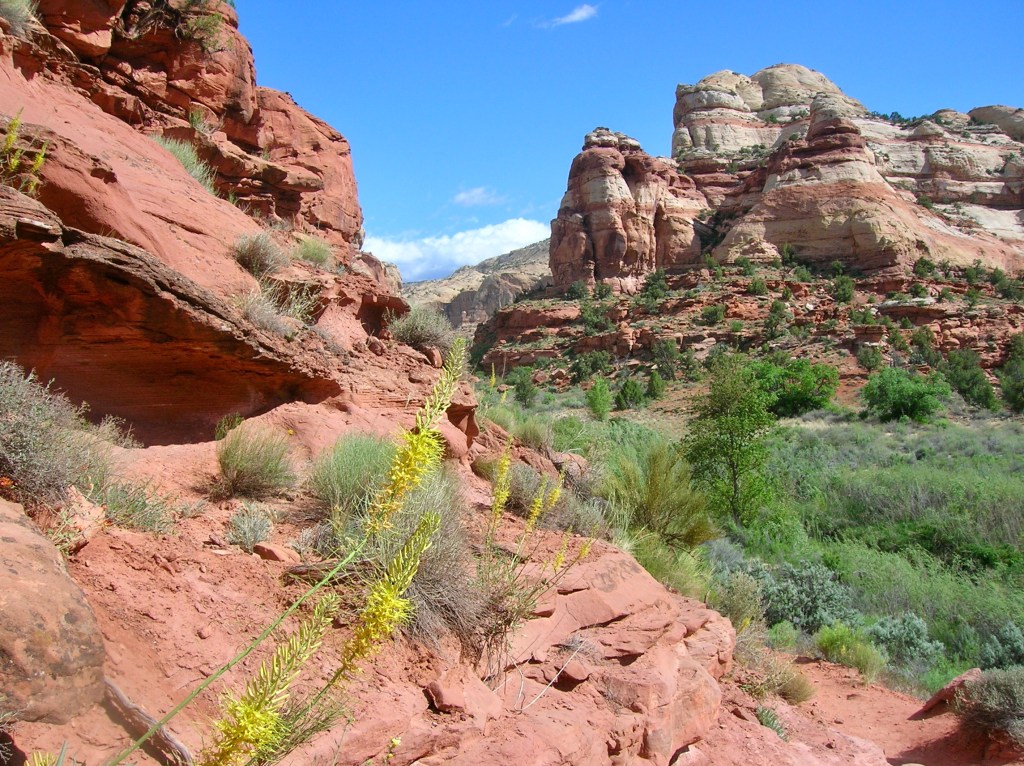
Canyonlands National Park, Utah

Canyonlands National Park, near Moab, Utah, is one of the first parks I visited in the American Southwest.  I’ve heard it called the Little Grand Canyon, and at the time of my visit, it was one of the least-visited National Parks.  From various trails, I saw unforgettable colored canyons, interesting rock formations, various wildflowers, and trees with roots growing up to a foot above the ground.  There was even a big, bushy flowered plant that smelled like chocolate cake!  (If ever I learn its name, you can bet I’ll be planting a few around my house!)

Mt. Rainier from behind the pines

Climb the mountains and get their good tidings. Nature’s peace will flow into you as sunshine flows into trees. The winds will blow their own freshness into you, and the storms their energy, while cares will drop away from you like the leaves of Autumn. ~John Muir

Mt. Rainier, Washington’s tallest peak, topping out at 14,411 feet, is about 60 miles south of Seattle.  The region around the mountain is thick with evergreen trees and wildflower meadows, and has several rivers running through it.  Weather in the area can oftentimes be rainy, but during my visit, I was fortunate to catch a couple days of sun and royal blue skies.

Sand dunes behind the vegetation, with the Rocky Mountains in the background

In southern Colorado, much to my surprise, I saw sand, and lots of it.  Great Sand Dunes National Park encompasses 30 square miles of sand dunes, including the tallest ones on the continent, reaching heights of 750 feet.  The area also has its share of 13,000 foot mountains, as well as creeks, cedars, spruce trees, vibrant wildflowers, and diverse wildlife.

Joshua Trees in the Mojave Desert

Southern California’s Mojave Desert is host to the Joshua Tree (see more about that & other uncommon trees here.)  This tree always makes me smile, due to its formation: sometimes stick straight, but most of the time, twisted with branches going willy-nilly. The surrounding shrubs, sparse multi-colored wildflowers and heaps of small boulders are a perfect backdrop.  If you appreciate deserts, this one is a beauty, but be sure to take lots of water!

Grazing Bison along the Snake River, Wyoming

Ansel Adams, the American landscape artist and environmentalist, captured an amazing photograph of the Grand Tetons overlooking the head waters of the Snake River in Wyoming.  This breathtaking area is home to loads of impressive wildlife.  During my hikes there, I saw wolves, moose, bison, elk, and deer.

Devil’s Bridge, Sedona, Arizona

The red rocks of Sedona, Arizona, boast some of my favorite winter hiking spots.  High temperatures there are usually in the 30’s or 40’s, but at 4000 feet in elevation, the bright sun and low humidity make it feel much warmer.  The area showcases various rock formations with names like Snoopy Rock, Coffee Pot Rock, Chimney Rock, Bell Rock, and Devil’s Bridge.  The red earth is dotted with vivid green in the form of oak shrubs, sugar bush, junipers and cypress trees.  Nature’s striking contrast of colors could be a reason this spot is so popular with tourists.

Alongside a trail in northern Nevada

Hiking can be a thrilling experience offering magnificent beauty and an opportunity to feel closer to Nature. The scenes I’ve witnessed on hiking trails have awed me, and serve as reminders of just how incredible our planet is.  At a time when many of us are reining in our spending, exploring a new hiking trail may be the perfect family adventure.

In every walk with nature one receives far more than he seeks. ~John Muir

Blessings on the Trail,

Lisa

The original version of this post was shared in September of 2021. Thanks for reading!

The content of this article is for educational and informational purposes only, and is not intended as medical advice. Please consult with a qualified health care professional before acting on any information presented herein. Any statements about the possible health benefits of any subject discussed have not been evaluated by medical professionals or the Food & Drug Administration and are not intended to diagnose, treat, cure or prevent any disease or illness.

Featured

Return to West Fork

Recently, on a perfect spring morning, we hiked the West Fork trail that runs alongside, and repeatedly crosses, Oak Creek.  (You may recall my description and photos of this creek and trail in a past post, Red Rocks on the Water.)  It’s one of the most popular hikes in the Sedona/Oak Creek area, and we were lucky to be able to get into the parking lot.  The last time we tried to visit, the lot was full and cars were lined up next to the road waiting for early hikers to exit. 

Not one of the 13 crossings, but such a nice find!

We took a picnic lunch in a cooler, so you can imagine our delight when we were directed to park under a big tree!  It was one of the only shaded spots in the lot, which held 80 cars.  The area has picnic tables, but none of them are shaded midday.

The morning was sunny with temps in the low to mid 70s, but the sun felt intense.  We were grateful for the abundance of shade.  Near the trailhead, we saw lots of deep green ferns as well as tall grasses, roped off in areas protected for healing, according to the signs.  Large patches of wildflowers greeted us.  There were plenty of birds as well as birders sporting their binoculars.  Views of red, orange, and tan walls of towering rock surrounded us.  And the waters of Oak Creek were crystal clear and cold.

An article in Arizona Highways likens this hike to walking in Manhattan for the first time. You’ll be craning your neck a lot.  Captivated.  Later, when you’re looking through your photos, you’ll notice that many of them were taken with the camera pointed upward.  West Fork is truly a feast for the senses.

The trail is 3.3 miles to the point where wading through higher water is necessary.  (The trail continues for a great stretch afterwards, and backpackers can enjoy a campground along the way.)  The trail is considered easy, but the creek crossings can be a challenge if you don’t want to get your feet wet.  You’ll utilize fallen trees and large stones to navigate the primary trail’s 13 creek crossings.

Balance is key for keeping your feet dry

According to visitsedona.com, West Fork has over 300,000 visitors per year from all over the world.  It is consistently found on Best Of hike lists for the area.  The entrance fee is $15.  If you go, take plenty of water and maybe an extra pair of shoes, just in case!

Let me know in the comments if you’ve hiked the very beautiful and popular West Fork Trail in Oak Creek Canyon.  It’s always fun to swap adventure stories!

Spring Blessings,

Lisa

The content of this article is for educational and informational purposes only, and is not intended as medical advice. Please consult with a qualified health care professional before acting on any information presented herein. Any statements about the possible health benefits of any subject discussed have not been evaluated by medical professionals or the Food & Drug Administration and are not intended to diagnose, treat, cure or prevent any disease or illness.
Featured

The Waterfall Effect

As long as I live, I’ll hear waterfalls and birds and winds sing. I’ll interpret the rocks, learn the language of flood, storm, and the avalanche. I’ll acquaint myself with the glaciers and wild gardens, and get as near the heart of the world as I can. ~John Muir

Grand Staircase-Escalante National Monument, Utah

When I see the word waterfall, it evokes exquisite and peaceful yet powerful scenes of Nature.  When I see an actual waterfall, I often find myself holding my breath, as if the awesome, wild beauty I’m witnessing might disappear if I breathe too loudly.  Do you have a similar response?

Through the years, I’ve visited a great many waterfalls.  Niagara Falls, between New York and Canada, is probably the largest I’ve seen; I seemed to capture more spray than falls in every photo I took!  Multnomah Falls in Oregon is one of the most striking, and the area around Portland is home to a host of waterfalls, large and small, lending itself to some amazing hikes. You may remember my photo of Hanging Lake in Colorado, a small green paradise a little over a mile up a canyon wall. Glacier National Park in Montana showcases some spectacular cascades, and is certainly a park I’d like to revisit. Yosemite National Park in California is known for its wealth of waterfall beauty, making it a beautiful place to camp.  In the Navajo Nation of northern Arizona, you can find Grand Falls, often called chocolate falls due to its muddy water from the Colorado River.  And in southern Utah, a sweet waterfall and shallow lake can be found at the end of a hiking trail in Grand Staircase-Escalante National Monument.

Multnomah Falls, Oregon

In past posts, I’ve shared the idea that time near a waterfall is good for the gut’s microbiome and has a positive effect on immune function.  This post will give you more reasons to seek out waterfalls and bask in their glory.  Studies dating back to 1892 show that the natural force of crashing water molecules can cause electrical charges to separate.  As a result, some molecules gain an extra electron, and negative air ions, or NAIs, are formed, which studies show can be most valuable for health.  This process is referred to as spray electrification, or  simply, the waterfall effect

Yosemite National Park, California

According to an article published on the National Institute of Health site, the beneficial effect of NAIs include activation of natural killer cells and improved mental health, . . . which may reduce pain, including chronic pain. If helping with pain were the only benefit they offered, I’d say that’s reason enough to visit these spectacles of Nature.  But there’s more.

Niagara Falls, New York

A PubMed article states that studies reveal NAIs significantly reduced resting heart rate.  Further, it suggests that NAIs have a positive effect on the body’s circadian rhythms, which help regulate our sleep-wake cycle.  Could time at a waterfall help with insomnia?

For a Healthline article entitled The Effect of Negative Ions, various research studies from the past century were examined.  Exposure to NAIs, the science shows, has resulted in reduced depression symptoms, improved cognitive performance, lessened stress, and increased fat metabolism.  The article goes on to say that it is the natural form of NAIs, not the manmade ones, that provide benefits, as there are risks associated with using electric ionizers in your home or office.

View from behind

You may have asked yourself, what about beaches and rapids and other waters that crash?  Negative air ions can be found there as well, but at lower levels.  This is due to a lesser force of gravity acting on them versus waterfalls.  But, hey, if you’re within 10 miles of the sea and over 100 miles away from the nearest waterfall, by all means, catch some NAIs at the beach!

Grand Falls, aka Chocolate Falls, Arizona

Spending time near waterfalls not only puts us in a state of awe owing to their magnificent beauty, but also helps improve our health.  Whether you’re seeking relief from pain, sleep disturbances, or stress, or looking to boost immune function and fat metabolism, the waterfall effect may be reason enough for you and your family to plan an excursion to one of these natural beauties.

Cascades of Blessings,

Lisa

This post was first shared in 2021. Thank you for reading! Happy Earth Week!

The content of this article is for educational and informational purposes only, and is not intended as medical advice. Please consult with a qualified health care professional before acting on any information presented herein. Any statements about the possible health benefits of any subject discussed have not been evaluated by medical professionals or the Food & Drug Administration and are not intended to diagnose, treat, cure or prevent any disease or illness.

Featured

Acclimating to a Warming World

The world’s warmest year on record was 2023, according to this write-up by the National Oceanic and Atmospheric Administration.  That is, until 2024.  And so far in 2025, the Southwestern US has seen most days with much higher temperatures than normal.  In past blogs, I’ve shared some dire overarching consequences of global warming over time.  But how is it affecting us individually right now?  And what can we do to mitigate those challenges?

This CNN article tells us heat-related deaths in the US have been steadily increasing for years.  In fact, between 2016 and 2023, they increased by about 17% each year.  Our bodies have a tough time adjusting to our planet’s new norms.  

Extreme heat can result in confusion, lowered kidney function, lung inflammation, and stress on the heart due to its increased workload.  Add high humidity, and the skin can get to a point that it’s no longer able to cool itself.  Within only 10 minutes, that can lead to permanent disability or death, per this CBC explanation.

I’m guessing our days will continue getting warmer (and our storms will continue getting more dangerous, and our wildfires will continue to proliferate and burn longer, and . . .)  So rather than finding ourselves in the ER from overheating, maybe we can start doing little things to help our bodies better cope.  I’ll share three of my favorite methods. (Please get the thumbs-up of your doc prior to making changes.)

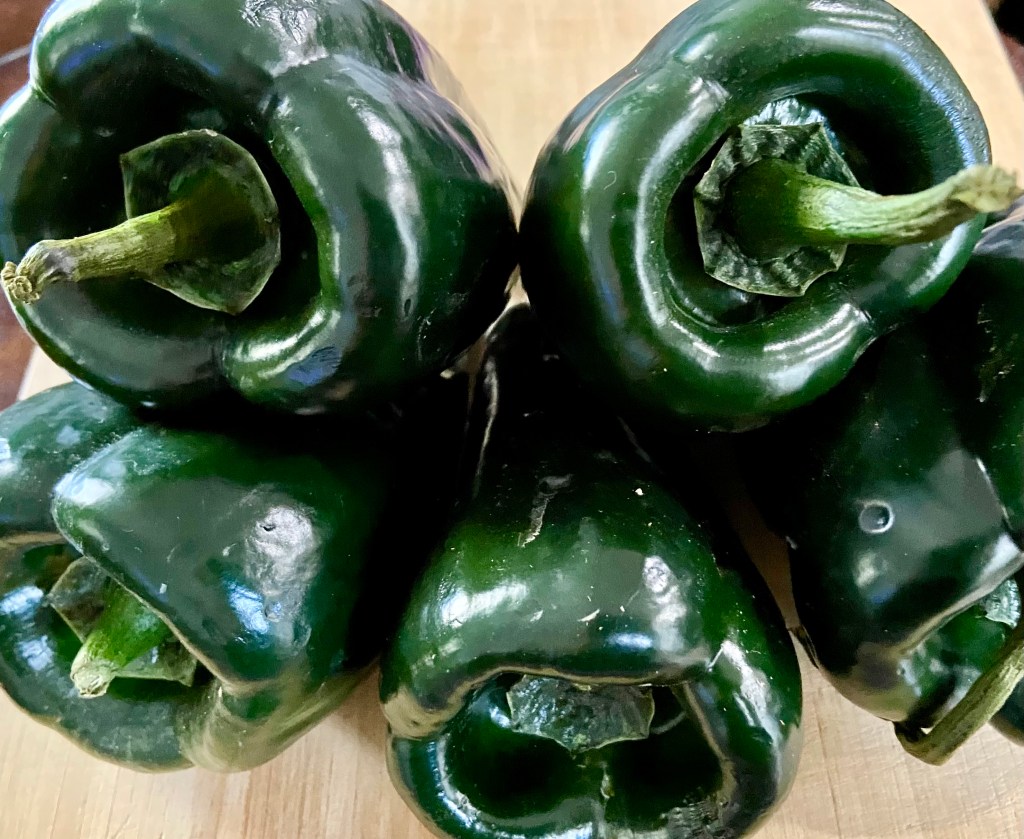
Peppers are a rich source of vitamin C.

When temps start to rise, increase your vitamin C intake.  A paper from the Journal of Applied Physiology reviewed a study that indicates that the rate and degree of acclimatization (to heat stress) is enhanced by (250 – 500 mg) ascorbic acid supplementation.  Easy enough so far, huh?

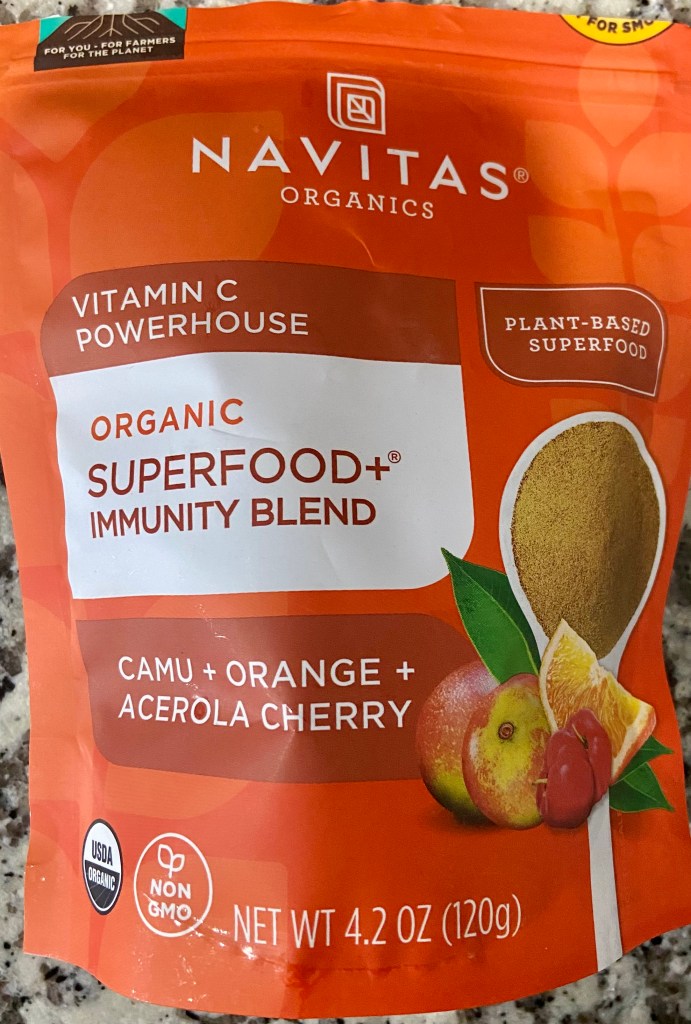
One teaspoon of this fruit powder has over
500% RDA for vitamin C.

Next, be sure to stay hydrated.  If you’re a regular reader of my blog, you might feel that I beat you over the head with this suggestion.  I won’t apologize, because good hydration is much more important than most of us realize.  And I want you to be around and healthy for a long time!  In addition to using powdered electrolytes and coconut water, newer readers can check out this post for more info on proper hydration and just how critical it is.

My final suggestion is to ~gradually~ increase your exercise time in warmer environments.  An article in The Lancet states that this strategy provides additional adaptations to heat over exercise in climate-controlled environments, including a lowered resting core temperature, improved cutaneous vasodilation, increased maximal sweating capacity, improved cardiac function, expanded blood volume, and enhanced cellular protection.  

Go ahead, do the things that will help your body adapt to these crazy high temperatures. You certainly don’t want to become part of our country’s heat-related statistics.

Blessings for Heat Resiliency,

Lisa

The content of this article is for educational and informational purposes only, and is not intended as medical advice. Please consult with a qualified health care professional before acting on any information presented herein. Any statements about the possible health benefits of any subject discussed have not been evaluated by medical professionals or the Food & Drug Administration and are not intended to diagnose, treat, cure or prevent any disease or illness.

Featured

6 Little-Known Habits to Help Achieve Your Resolutions, Part 2 of 2

Happy February!  Wow, did January slip by quickly for anyone else?! 

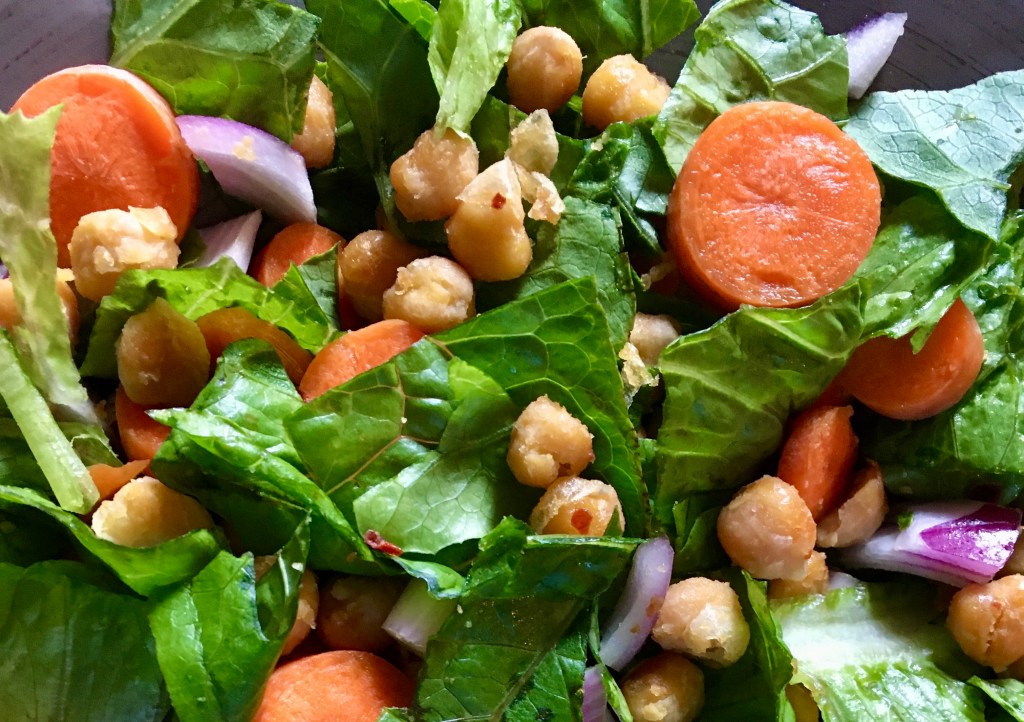
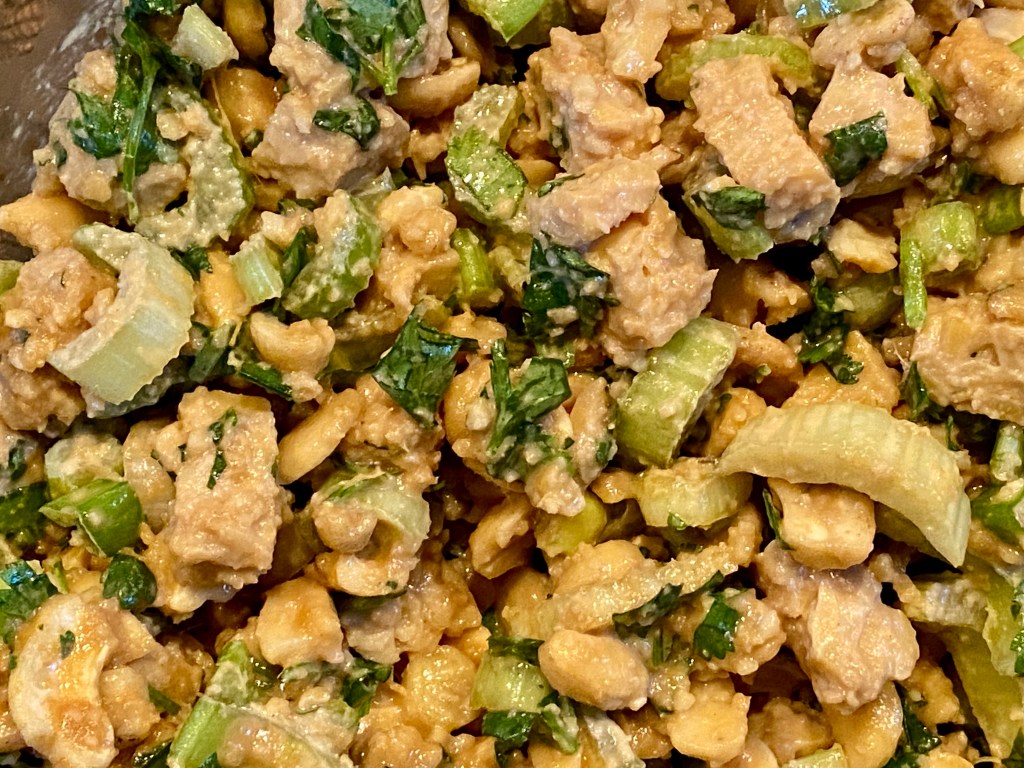
I shared the recipe for this crispy chickpea salad in August of 2020.

Last month, I posted on 3 of the 6 daily practices that I believe are fundamental to my overall health and wellbeing: using electrolytes, healing my gut, and reading labels.  Today I will complete the set by sharing some of the best information on nutrition I’ve learned to date.  It is my hope that this info can help you conquer your new year’s resolutions and live healthier in general.

Matcha lime smoothie bowl made with spinach, topped with coconut, berries and walnuts. Yum!

  1. Drink matcha.  If you’re unfamiliar, matcha is a green tea grown in Japan that is 10 times as powerful as regular green tea.  We started drinking it daily around 2016 for its mood-boosting, anti-carcinogenic, and fat burning properties.  Recently, I found a research article establishing its exceptionally high antioxidant and anti-inflammatory abilities.  The paper also tells us that it increases cognitive function & neuroprotection, decreases oxidative stress, slows the aging process, regulates insulin secretion, reduces glucose & lipids absorption, strengthens blood vessels, provides cardiovascular protection, and has anti-viral properties, including inhibiting COVID.  (Maybe a reason neither of us has had COVID, even though some friends and clients have suffered through it 2 or 3 times.)  Of course, the quality of your matcha determines just how beneficial it is.  I’ve always ordered ours from Got Matcha, a small company with amazing business practices and outstanding products.
  2. Eat legumes, greens, nuts & berries at least once a day.  (Smoothies can help with the last 3 on that list.)  In his book How Not to Age, Dr. Michael Greger reviews thousands of nutrition studies & these are a few of his findings:  Legume consumption has been linked to reducing the risk for cancer, depression, and stroke, as well as inducing weight loss and lowering blood pressure and cholesterol.  The brains of daily leafy green eaters are shown to be 11 years younger than others, and the risks of vision loss, premature death, stroke, and heart disease for that group are lessened.  A half ounce of nuts per day extends your life more than anything else studied.  And berries also have longevity benefits, perhaps because they help prevent damaging senescent cells (also known as zombie cells) from spreading inflammation and contributing to chronic disease.  As you’ve no doubt read here before, locally grown produce is best.
  3. Increase your omega-3 fatty acids while reducing omega-6 intake.  In this write-up, Dr. Mark Hyman, founder of the Cleveland Clinic Center for Functional Medicine, says about 90% of Americans have an omega-3 deficiency.  This is in large part due to the standard American diet, which includes many processed foods containing omega-6 oils.  This creates an imbalance that can predict your risk for many chronic diseases, he says, including heart disease, cancer, diabetes, dementia, depression, and autoimmune disorders.  (Studies also show that an increase in omega-6 oil products has been linked to rises in violent crime in the US, UK, Australia, Argentina, & Canada.)  To correct this imbalance, eat fewer processed foods and fast foods.  At home, choose only olive or coconut oils for low-heat cooking and avocado oil for higher heat.  Eat SMASH fish (salmon, mackerel, anchovies, sardines and herring) and pasture-raised eggs, or take an algae-based supplement if you don’t eat animal products.  I like Garden of Life Vegan DHA.
Down home” Southern cooking is hard to beat in my book!

Now you know my 6 fundamental practices.  These daily habits establish a strong foundation upon which other healthy choices come easier.

May this be the year that you build a stronger foundation for your health and achieve resolutions that stay with you for a lifetime.  

A favorite & delicious way to eat beans: black bean and date cake with cacao avocado frosting

Foundational Blessings, 

Lisa

The content of this article is for educational and informational purposes only, and is not intended as medical advice. Please consult with a qualified health care professional before acting on any information presented herein. Any statements about the possible health benefits of any subject discussed have not been evaluated by medical professionals or the Food & Drug Administration and are not intended to diagnose, treat, cure or prevent any disease or illness.

Featured

6 Little-Known Habits to Help Achieve Your Resolutions, Part 1 of 2

In Flagstaff, there is an annual pine cone drop for New Year’s Eve!

Happy 2025 to all of you in my blogging community!  I hope the year ahead brings you plenty of reasons to smile and be grateful.  If you’re a new year’s resolution maker, whether you share your intentions with others or keep them quiet, I hope you will find something beneficial in this post.

Recently, I spoke with a far-away friend via Google Meet (which is like Zoom without a time limit, apparently.)  It was a fun three-hour chat, with plenty of laughs and hijinks from Izzy, my crazy kitty.  As our conversation came to a close, my friend was asking me health questions and taking notes.  Afterwards, I started thinking, maybe you would be interested in some of the principles that I have studied over the years and adhere to every day.  I feel these habits provide a strong foundation for me to continue to feel good on all levels.  (My yearly lab work is testament to that.)

Happy new year from Izzy! She likes being a part of everything in this house.

That being said, I want to share 6 of my daily practices, 3 today and 3 in next month’s post.  (Please note that I do not receive a commission for the products I mention here.  It’s sometimes hard to find a company you can trust, and these companies formulate great products in my opinion.)

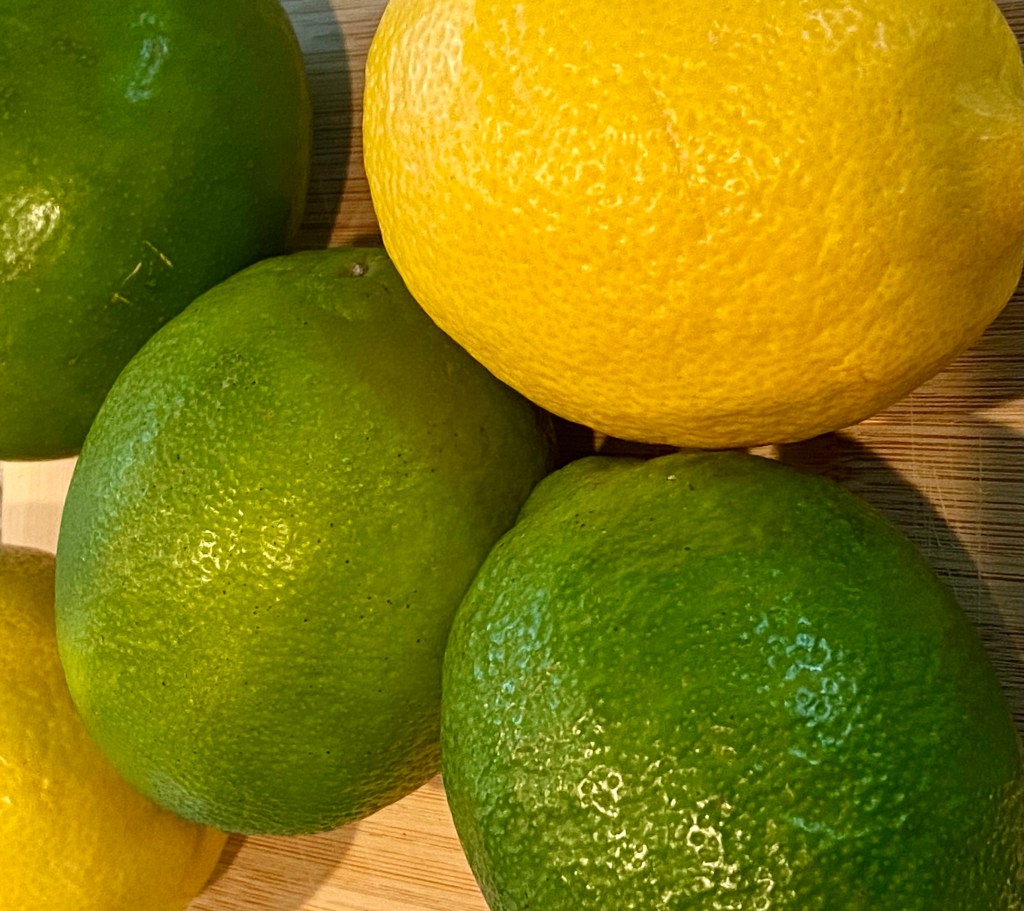
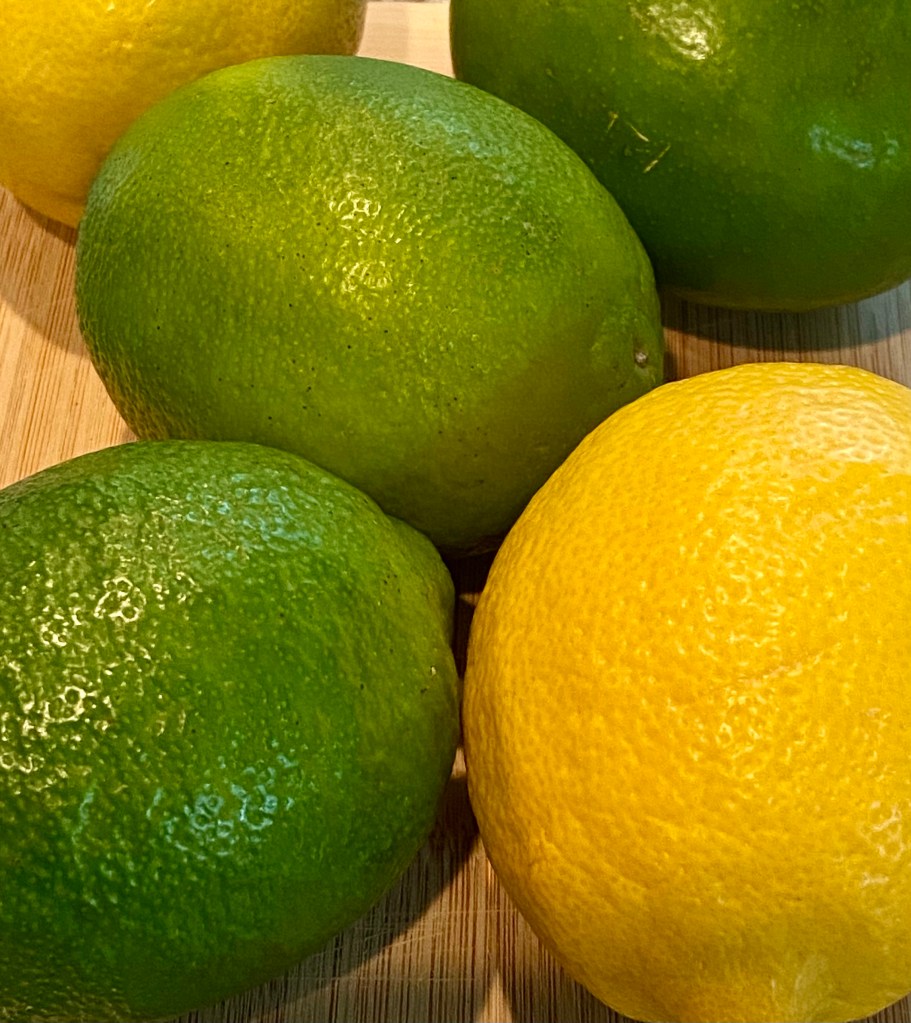
Slices of lemon and/or lime add electrolytes to water.
  1. Hydrate with powdered electrolytes, coconut water, and juicy fruits.  (NOT the stuff filled with sugar, dye, and other chemicals.)  Each time there is any action between or inside our trillions of cells, water is required.  By drinking plain tap or even bottled water, we can’t be sure our cells are absorbing what they need.  Electrolytes (which are basically charged minerals) from quality sources keep your energy going, blood flowing, cells communicating, nerve impulses firing, bones building, muscles contracting, and much more, according to this article.  Because I prefer the salt in my powdered electrolytes to be natural and not lab-made, I get mine from Redmond Life.
  2. Heal your gut lining.  If you’re like me in that you’ve partaken of more than your share of bread over the years, even if that behavior is in the rearview mirror, chances are your gut lining is in need of repair.  Genetically modified wheat can open the cellular connections in your gut that serve to deliver nutrients and keep out toxins.  When this gateway system is compromised, immune function suffers, and your biology can be adversely affected in a number of other ways.  I’ve found Intelligence of Nature’s Gut Support to be a great product.
  3. Limit processed foods, and read labels on those you can’t pass up.  Because food manufacturing is unregulated in this country, you may be eating all kinds of things you wouldn’t dream of consuming otherwise.  For one, most of us eat and drink way too much added sugar.  The CDC’s current recommendation for added sugars is only 10% of total daily calories (that’s 12 teaspoons for a 2000 calorie diet – still too much in my estimation!) for those over 2 years of age.  (If you’re curious, they advise that children 2 and under should not be given any foods or beverages with added sugars.)  In 2018, Americans aged 20 and older averaged 17 teaspoons a day.  Refined sugars contribute to nonalcoholic fatty liver disease, which is now more prevalent than alcoholic liver disease, cirrhosis, liver cancer, or any other liver disease.  In addition, refined sugars can contribute to metabolic syndrome, premature aging, and cognitive deficiencies, according to this Harvard Medical School write-up.
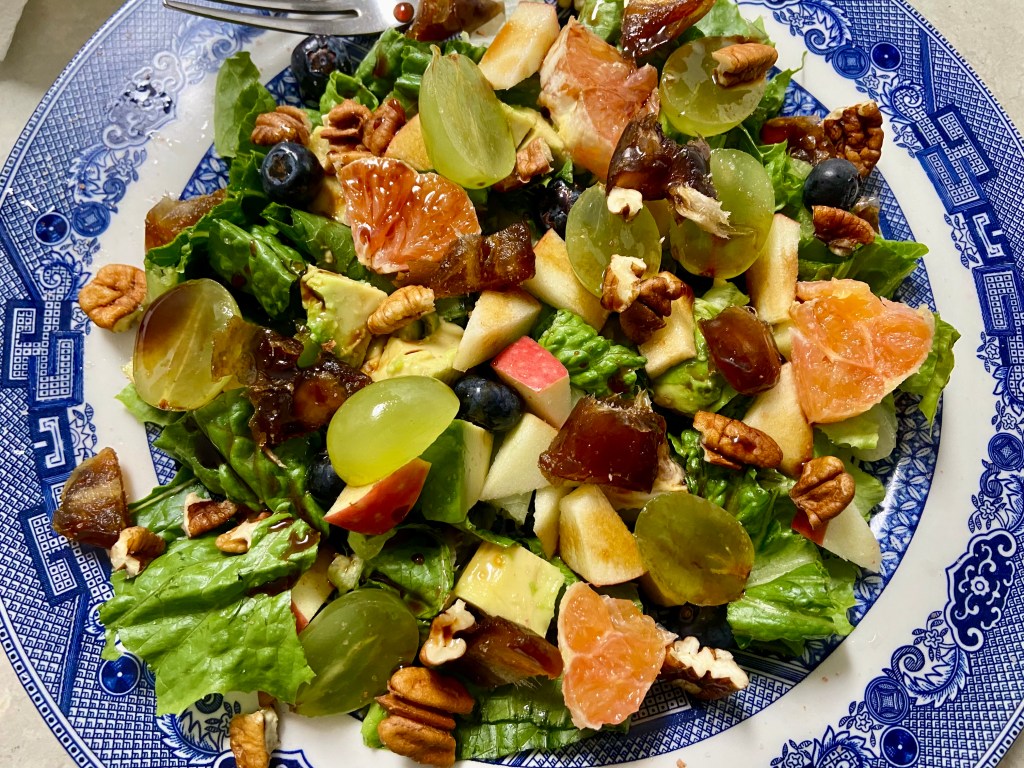
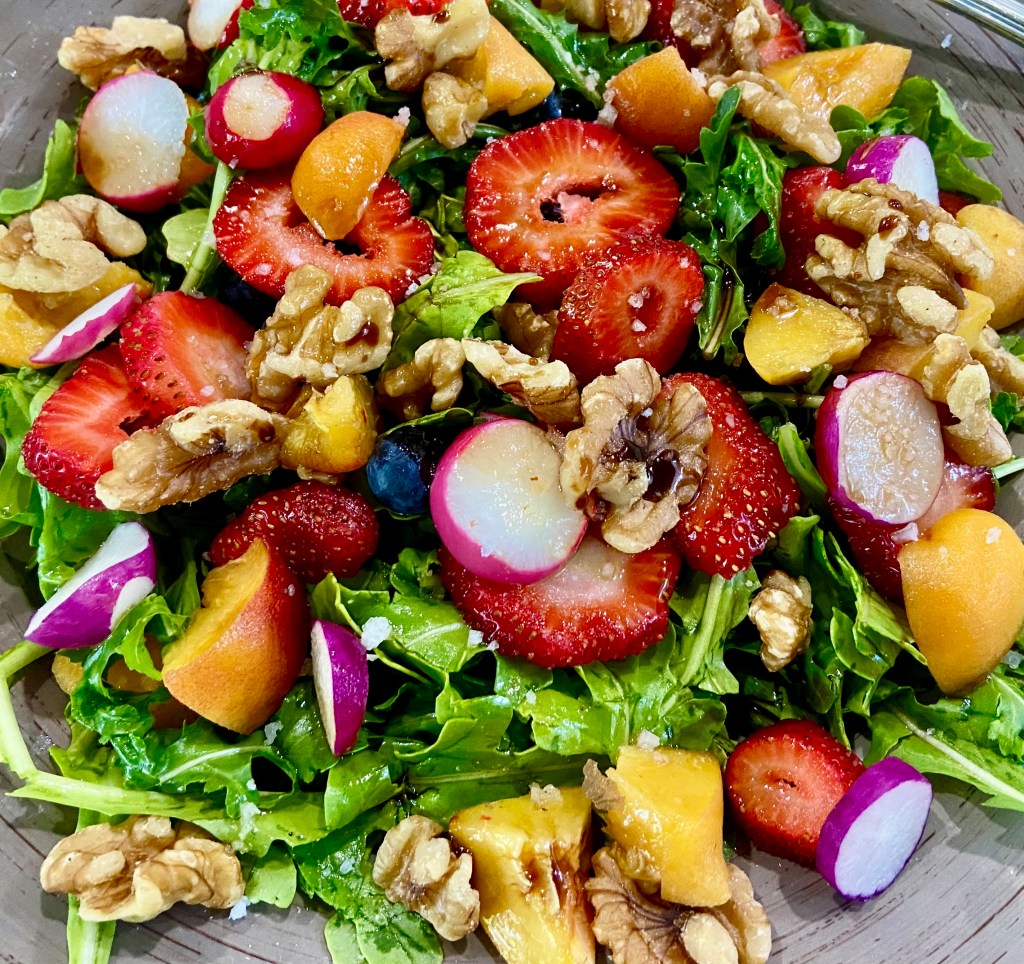
A salad shared at my mom’s recently. Unlike refined sugars, the sugar in fruit is coupled with fiber, a favorite snack of healthy gut microbes.

These habits have changed me.  No more post-workout headaches, I’m fitting into my skinny jeans again, and I haven’t been sick in over a year.  We desire results like these from our new year’s resolutions, right?

I hope you’ll give at least one of my daily foundational habits a try, and please look for my final 3 in next month’s post.  

Habitual Blessings,

Lisa

The content of this article is for educational and informational purposes only, and is not intended as medical advice. Please consult with a qualified health care professional before acting on any information presented herein. Any statements about the possible health benefits of any subject discussed have not been evaluated by medical professionals or the Food & Drug Administration and are not intended to diagnose, treat, cure or prevent any disease or illness.
Featured

Red Rocks on the Water

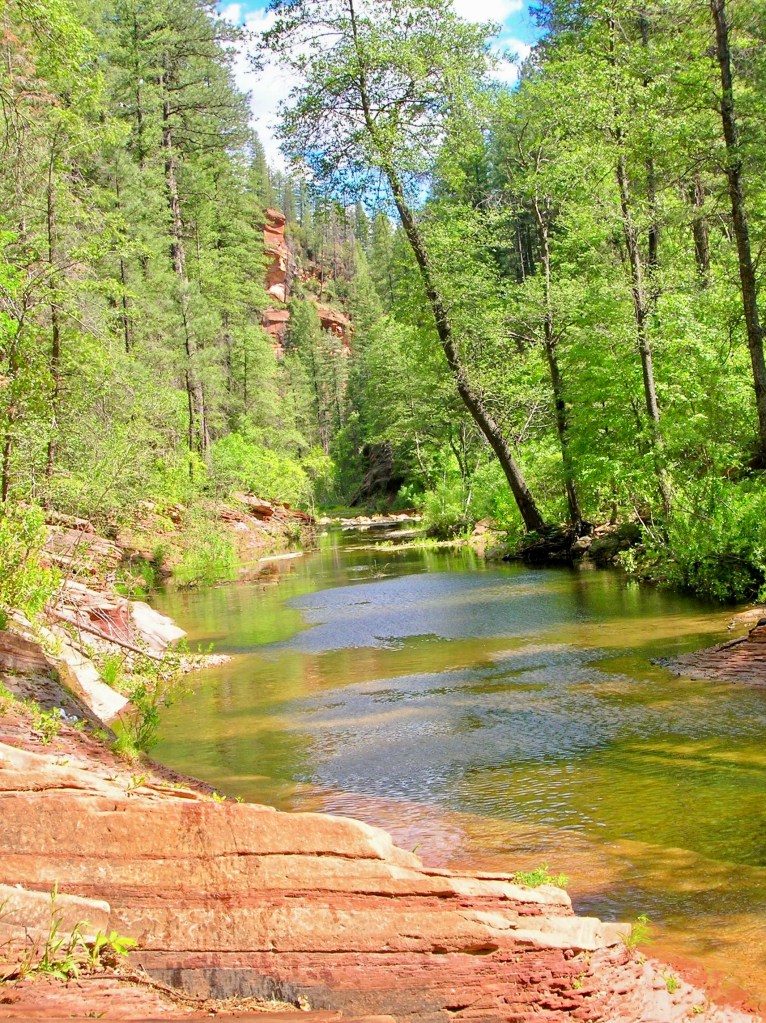
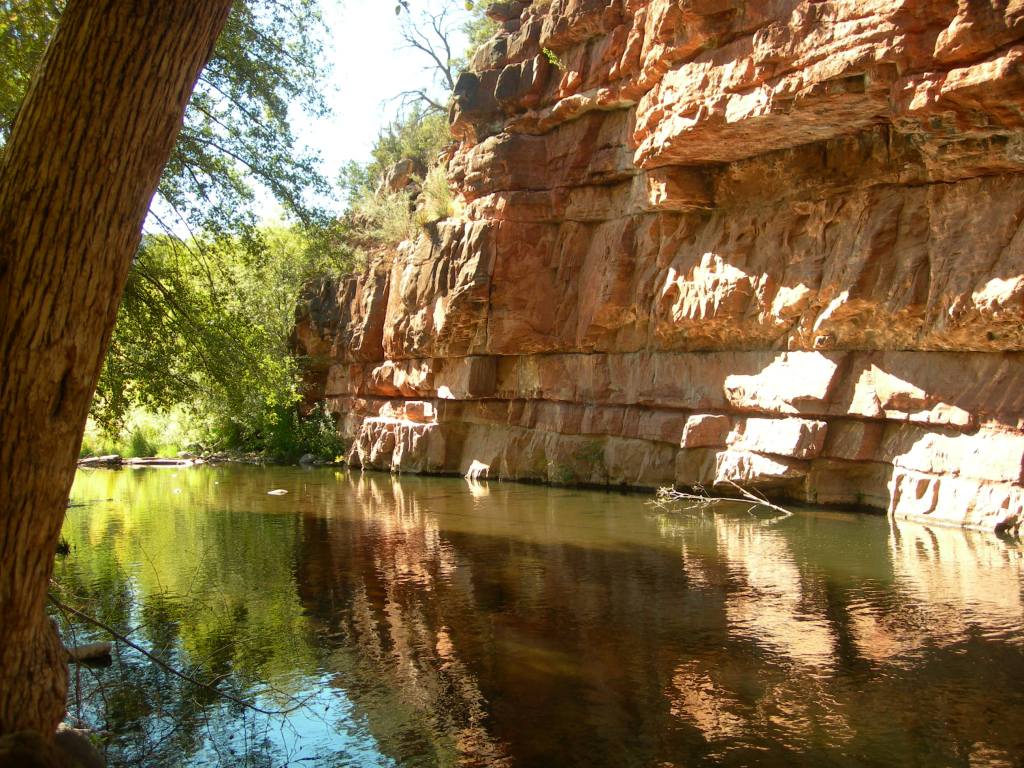
The lovely little desert town of Sedona, Arizona, has more than 400 miles of trails for hiking and biking, and is surrounded by 1.8 million acres of forest land, according to visitsedona.com. Not bad for a destination known for its spas and luxury resorts! The rich colors of Sedona’s earth and trees are a delight for the senses. As much as I love the trails and forestland in the area, my favorite part of Sedona is where the red rocks meet the waters of Oak Creek.


My first experience of Oak Creek was many years ago with a fellow hosteler from Switzerland and a guide. We were thrilled with the areas the guide shared with us, which were not open to the general public. We visited a sacred hollowed-out rock high on a ledge surrounded by breathtaking views. We hiked for miles in areas where we saw nothing but awe-inspiring vistas of trees and shrubs dotting red and orange rock formations. Finally, we found ourselves at a creek with towering colored cliffs on one side and old growth trees on the other. I will never forget how peaceful it was. And gorgeous!


Slide Rock State Park, on Oak Creek just north of Sedona, is a popular destination in the warmer months. The park is on a 43-acre historic apple orchard, and its 80 feet of narrow waters are open for swimming, sliding, and wading. There are also a few short hiking trails for those who’d like the opportunity to warm up after spending time in the extremely cold water!

One of the most photographed images in the Southwest, according to The USDA Forest Service, is the reflection of Cathedral Rock in Oak Creek at Red Rock Crossing, which can be seen inside Crescent Moon Recreation Area. This park offers a picnic area with views unlike any other. Fishing and swimming are allowed. We soaked up the beauty while strolling along the water’s edge and soaking our feet in the creek afterwards.

Many of the hiking trails in Sedona run alongside or occasionally cross Oak Creek, but there is one trail that zigzags it: West Fork. My favorite time to hike this trail is either spring or fall: during springtime, the area is strewn with flowers and blooming trees, and in autumn, leaves are at their most brilliant reds and golds. Crossing the creek can be tricky in places when recent rain and snowfall has been plentiful. Most crossings involve navigating rocks or a fallen tree.

Even if you choose not to hire a guide or pay to enter a park, there are other ways to enjoy Sedona’s Oak Creek. Check out a trail that takes you to the water, and pack some food in a backpack for a hike & picnic. Bring the little ones in their bathing suits with small water toys. Or simply find a place near the creek where you can hear the rushing water and take some time to meditate. However you choose to enjoy it, it’s an experience you won’t soon forget.

Many folks visit Sedona for luxurious accommodations offered among the extraordinary beauty of the red rocks, but the area offers so much more. Whether you are looking to hike, wade, swim, fish, photograph, or simply soak up some natural beauty, Oak Creek takes the beauty of Sedona to the next level.

Blessings for Beauty,

Lisa

This post was first shared in March of 2021. Comments are off, as all of us will be busy over the next couple weeks. I sincerely thank you for being a part of my blogging community. Wishing you & yours lovely, memorable holidays! ☀️

The content of this article is for educational and informational purposes only, and is not intended as medical advice. Please consult with a qualified health care professional before acting on any information presented herein. Any statements about the possible health benefits of any subject discussed have not been evaluated by medical professionals or the Food & Drug Administration and are not intended to diagnose, treat, cure or prevent any disease or illness.

Featured

CSA: An Introduction

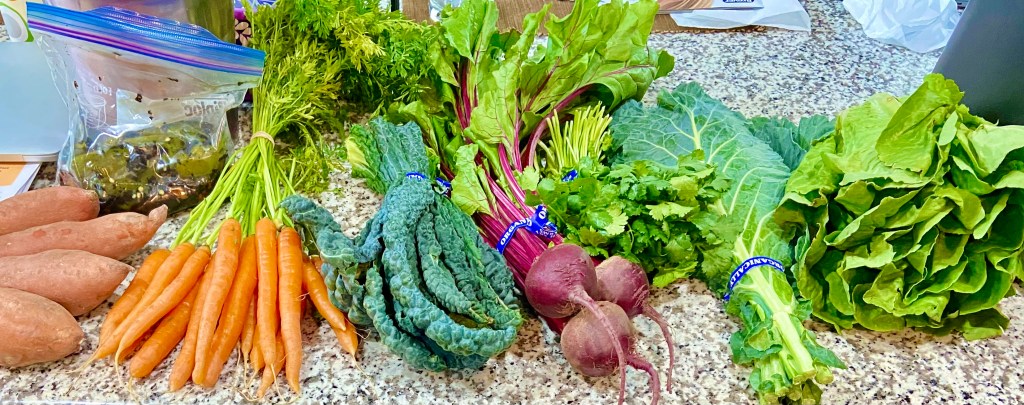
One week’s CSA haul, including roasted chilis

For years, we have purchased the majority of our produce from Community Supported Agriculture (CSA) programs, in both New York and Arizona.  There are over 12,000 in the U.S. now, but I find that when I talk about my new favorite veggie from this week’s CSA haul, most people are unfamiliar with the concept.  Because it’s such a win-win for farmer and consumer (as well as the planet!), I want to share the idea here.

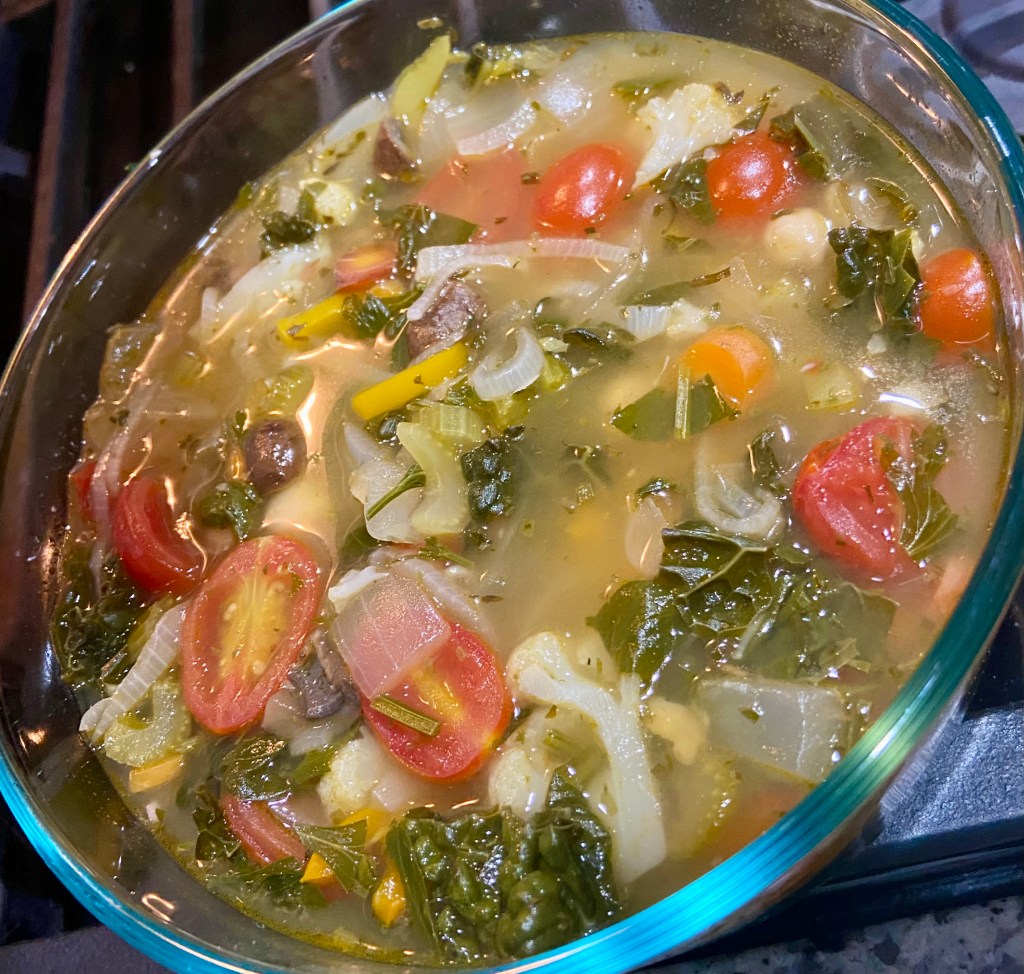
A recent “kitchen soup” made with CSA veggies

CSAs have their origin in mid-1960s Japan, at a time when more & more farm land was being lost to development, farmers were moving to cities, and imported foods were becoming more common at local markets,  according to Robyn Van En, co-founder of the CSA in this country.  In an effort to change that trajectory, a group of Japanese women met with several farmers, and a plan was hatched: the farmers agreed to provide fresh produce weekly if a financial commitment could be made by multiple families.  Today, this kind of partnership continues to benefit thousands in that country.

Purple carrots are the most delicious & beautiful on salads

The idea didn’t catch on in this country until the 1980s, and since that time, there have been evolutions on the theme.  For example, rather than going to participating farms each week, we have a CSA store in Northern Arizona where our goodies are delivered.  When we pick up our box of fresh veggies, we can also shop for homemade soaps, local honey, locally-made jams & pickled items, and the like.  (What a joy to shop there!)  Another variation is the solitary farmer in upstate New York who allowed us to choose our weekly produce from the limited harvest picked from his fields.  If we didn’t want garlic scapes, we didn’t have to take them.  We were able to choose 8 items out of about a dozen.

When I have more than I know what to do with, I roast ’em!

While researching this article, I learned about another variation of the original CSA set-up.  The work of the New York City Coalition Against Hunger includes a program involving a CSA that provides fresh food to underserved communities on a sliding scale.  This is no doubt a welcomed solution to some living in the many food deserts (low-income areas with less access to food and transportation) in and around the city.  

As mentioned before, the CSA concept benefits both farmer and consumer.  I believe one of the most attractive advantages for farmers is the shared risk, meaning if crops don’t do well in a given season, the consumer receives the smaller bell peppers and the chard that doesn’t look so great while still paying the regular fee.  And the steady income is certainly beneficial for the farmers.

I have made lots of pesto varieties with the many greens from our CSA

For the consumer, the benefits are more than ample, well worth the shared risk.  Locally grown foods, as you’ve no doubt read in my past blog posts, are much healthier than those grown elsewhere.  Regional, seasonal microbes provide a huge boost to our immune system.  Also, when produce is shipped from another state or country, it loses nutritional value, and many times is picked green & sprayed, or coated with wax or other additives to extend shelf life.  Smaller, local farms often use sustainable growing methods to avoid chemicals, and many of them are organic, so better for the planet.  Local produce keeps longer in the fridge if you don’t get around to using it right away.  And the taste – you won’t believe how delicious local arugula, carrots, and fruits are!

CSA veggies add lots of color – and therefore phytonutrients- to our meals

If you are interested in purchasing healthier, yummier fruits and veggies (and maybe other locally-made goodies), check out the website local harvest.  Your taste buds and gut bugs will be happy you did!

Locally-Grown Blessings,

Lisa

The content of this article is for educational and informational purposes only, and is not intended as medical advice. Please consult with a qualified health care professional before acting on any information presented herein. Any statements about the possible health benefits of any subject discussed have not been evaluated by medical professionals or the Food & Drug Administration and are not intended to diagnose, treat, cure or prevent any disease or illness.

Featured

Glazed Autumn Bake

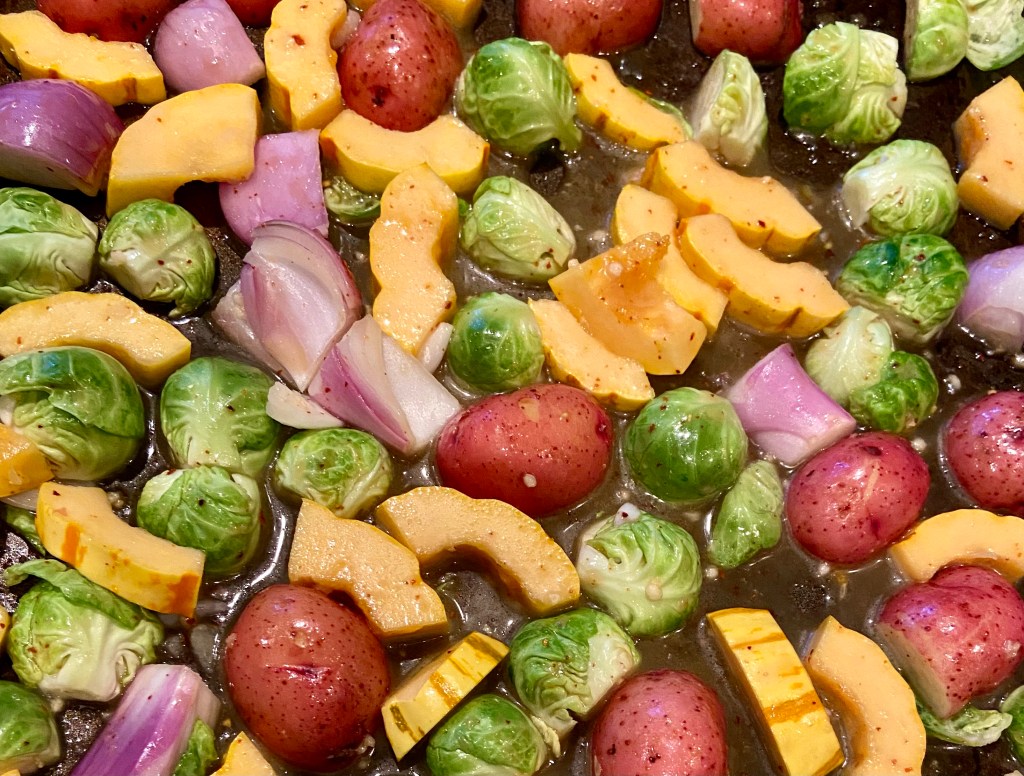
During Autumn, the process of baking seems to take on additional elements of warmth, goodness, and celebration.  Maybe because I relate it to meals shared with loved ones during the upcoming holidays.  Do you think of Autumn baking (or roasting, as the case may be) in a similar fashion?

This is one of those quick, super-flavorful meals that I could devour directly from the pan.  It’s filled with Mother Nature’s love designed specifically for this season.  It also gets high marks on nutrition scales.

Brussels sprouts are loaded with vitamins C and K, and have a wealth of antioxidants, according to Healthline. They contain Omega-3 fatty acids, and may reduce inflammation and help control blood sugar.  From other sources, I’ve read that cruciferous veggies, the group to which the little cabbages belong, are different in that the more you eat, the more your body benefits. Most other vegetable groups have a ceiling, meaning once you eat a certain amount, the nutritional benefits level off.

If you’re unfamiliar with Delicata squash, they don’t need to be peeled, and they are easier to chop than other gourd squash. They are also more subtly flavored.  For these reasons, they have become my favorite winter squash.  Delicatas are rich in vitamins A and C, and have a good bit of iron, according to Nutrition and You.  

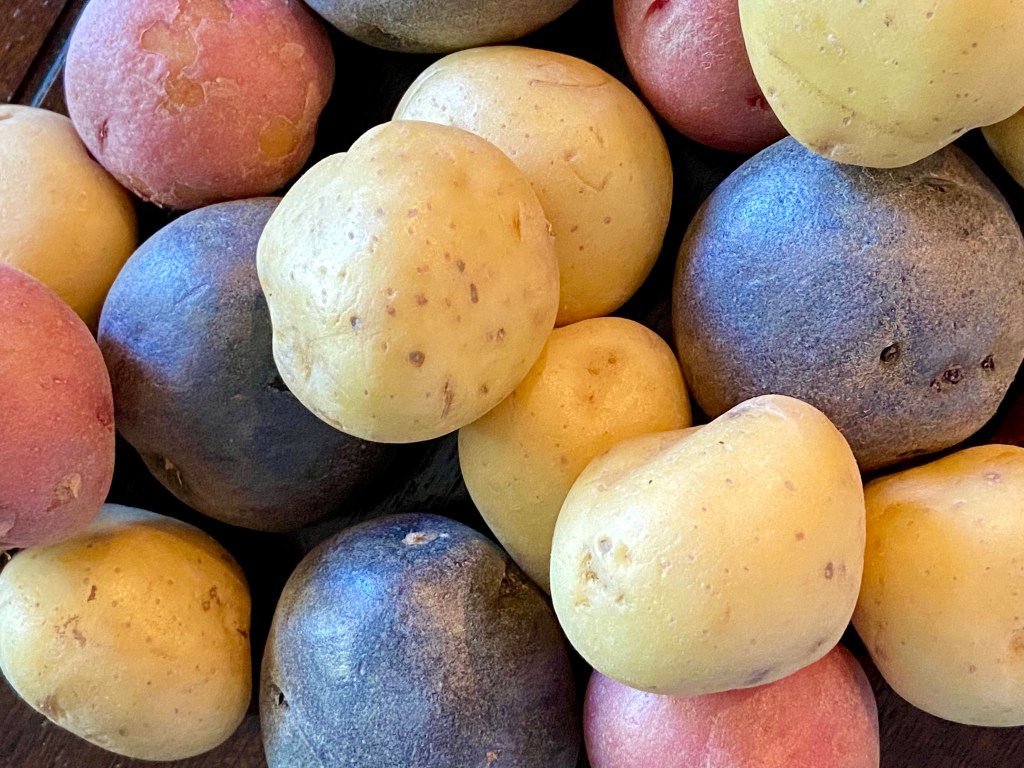
New potatoes have bioactive compounds including antioxidants that are found primarily in their skins, per this Potatoes 101 article.  They supply good amounts of potassium which contributes to cardiovascular health, and vitamin C, which is important for tissue growth and repair, as well as immunity.

For this Fall recipe, I owe a debt of gratitude to the creators of 2 other recipes, one from Simply Recipes and one from Deliciously Ella.  Elements of each are included here, along with the changes that suit my taste. Please let me know if you try it!

Yield: 4 – 5 servings

Ingredients (use organic and/or non-GMO when possible)
A bit of avocado (or olive) oil spray for pan
2 tbsp avocado or olive oil
1 tbsp apple cider vinegar
3 tbsp maple syrup
1 1/2 tsp Himalayan salt
1/4 – 1/2 tsp crushed red pepper (to your preferred heat level)
1 clove garlic, chopped
1/2 lb Brussels sprouts, stems and outer leaves removed, halved
1 medium delicata squash, unpeeled, seeded, quartered lengthwise &
cut into 1/4” crosswise slices
1/2 lb small new red potatoes, unpeeled & halved
3 large shallots, peeled & cut into thirds
1/2 cup hazelnuts (optional but yummy)

Directions
Preheat oven to 400 degrees F. Lightly spray a large baking pan with oil. Spin the next 6 ingredients (2 tbsp oil – garlic) in a small blender cup until uniformly smooth. Place all of the prepped veggies in a pile in the middle of the pan and pour about 3/4 of the combined liquid on top, & use your hands to mix well. Spread into a single layer and bake for 20 minutes. Remove from the oven to turn the veggies, and add the hazelnuts if using. Bake another 10 minutes, or until the veggies are soft with a bit of firmness, and the hazelnuts are lightly browned. Remove from the oven and add the remaining glaze, stirring gently to coat. Taste for salt, adding more if needed.

Serve on brown rice, couscous, or small pasta such as orzo. Enjoy!

It’s been a long time since I’ve shared a recipe, and this one, first posted in November of 2021, is of my most-liked.

The content of this article is for educational and informational purposes only, and is not intended as medical advice. Please consult with a qualified health care professional before acting on any information presented herein. Any statements about the possible health benefits of any subject discussed have not been evaluated by medical professionals or the Food & Drug Administration and are not intended to diagnose, treat, cure or prevent any disease or illness.

Featured

The Promise of Community

The American Heritage Dictionary defines community as a group of people living in the same locality and under the same government.  Or I should say, that is the first definition. Way down at the sixth definition, the words sharing, participation, and fellowship appear. Because our lives can be so enhanced by being part of a community, perhaps the dictionary should reverse the order of those meanings.

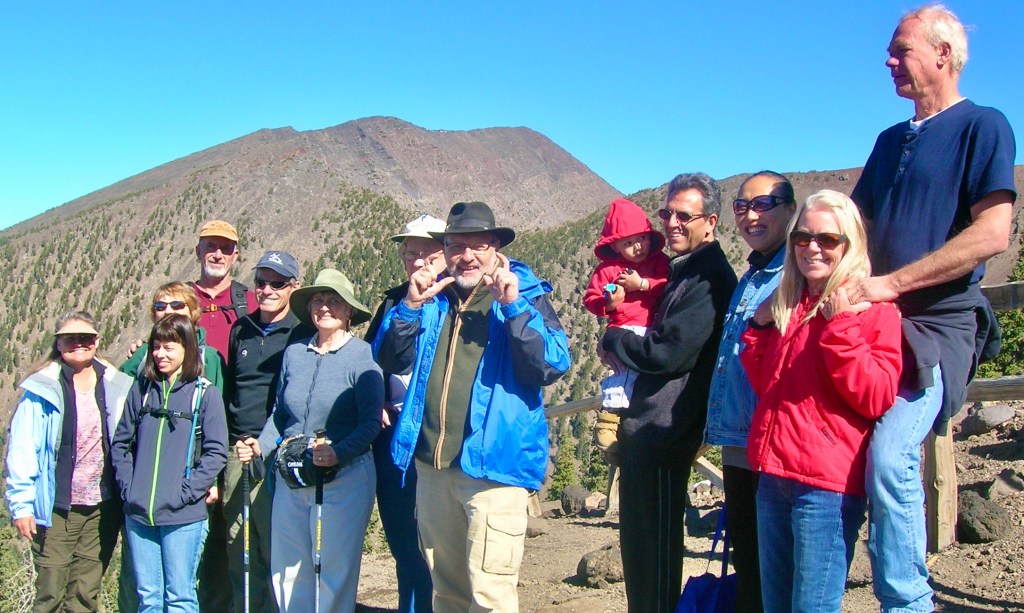
Group kayaking is a fun way to meet and engage with friends. Thank you, Jan, for the photo!

Marta Zaraska, science journalist and author of Growing Young: How Friendship, Optimism, and Kindness Can Help You Live to 100, writes about how strong relationships are just as important to being healthy as what we eat and how much we exercise.  One of the findings she shared: living in a community where neighbors care about one another means, for women, cutting the risk of coronary heart disease by a third.

In fact, an article in Psychology Today states that because our social connections literally shape our brain development, our network of social support serves as the most profound predictor of our health and well-being.  

Hiking with a group allows you a chance to strengthen relationships.

The Center for Compassion and Altruism Research & Education at Stanford University published a write-up indicating that social connection is critical but subjective.  In other words, whether you have loads of friends and family or very few, it’s how connected you feel that counts.  Feeling lonely or unloved can result in compromised immunity, a higher likelihood of depression, and a shorter lifespan. 

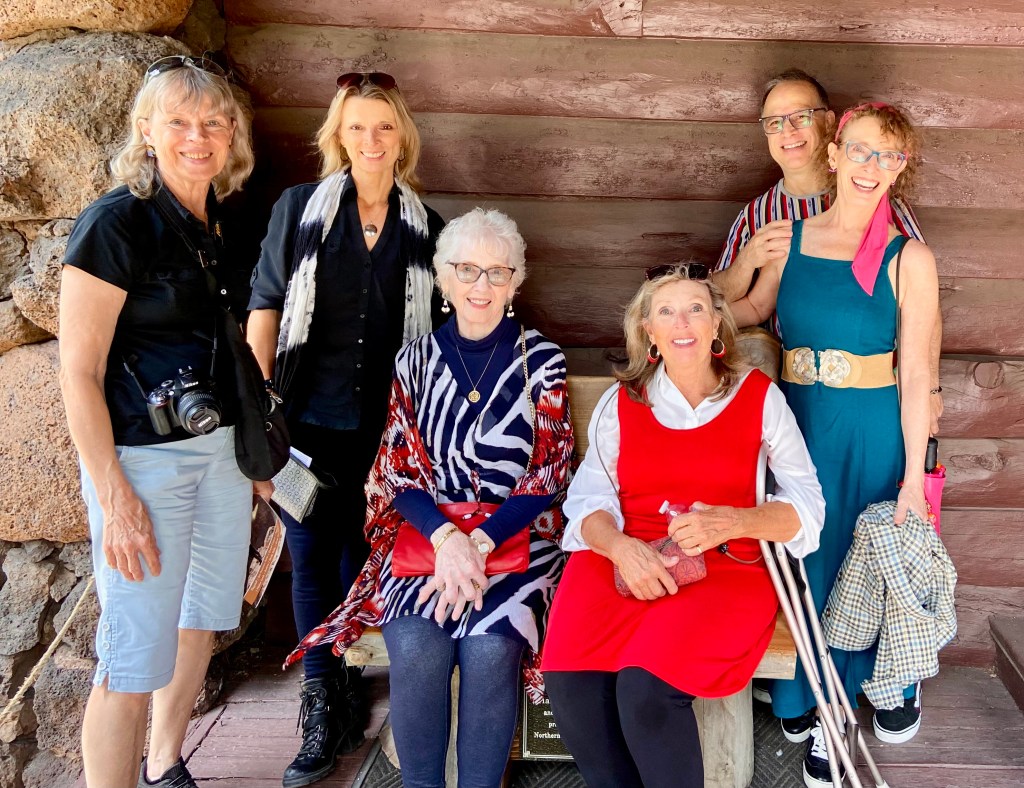
Reconnecting with others in the Arizona blogging community is always a treat!

From a piece in Frontiers in Psychology: Love is the positive emotion that connects people. Attachment, care giving-receiving, and positive affect always have others as the reference point. Raising awareness that we are all one people and that we are all interdependent and connected worldwide is crucial and has become a focus in social support research.

Fostering a stronger sense of connection with others can be done in many ways.  Volunteering, taking a class, hosting game nights, reconnecting with old friends, and attending church services are just a few examples. 

By upping your sense of community, the amount of time you feel good increases immediately.  So let’s get busy connecting!

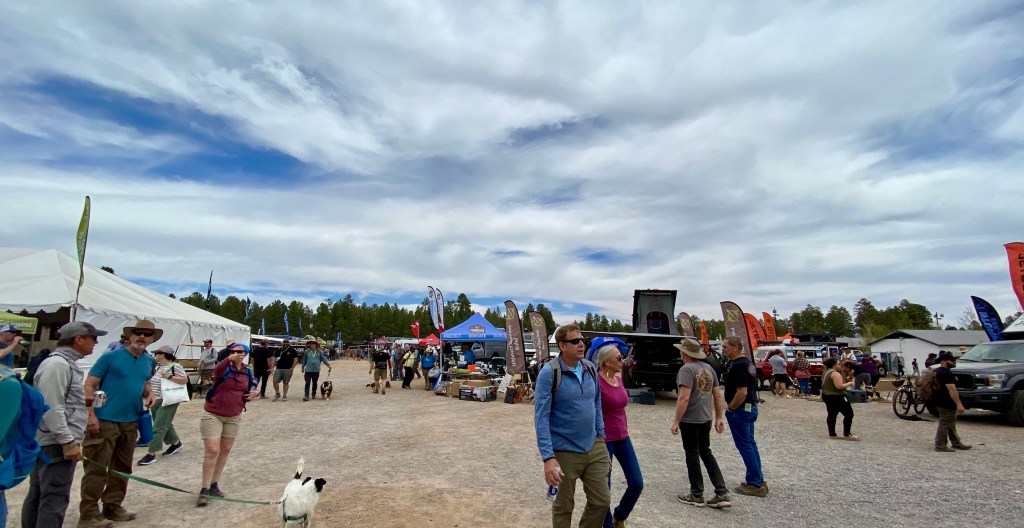
Community events are a great way to reconnect with old friends and meet new ones.

Blessings for Connection,

Lisa

If you enjoyed this post, you might also check out my first post on community, A Secret to Happiness.

The content of this article is for educational and informational purposes only, and is not intended as medical advice. Please consult with a qualified health care professional before acting on any information presented herein. Any statements about the possible health benefits of any subject discussed have not been evaluated by medical professionals or the Food & Drug Administration and are not intended to diagnose, treat, cure or prevent any disease or illness.

Featured

6 Reasons You Shouldn’t Fear Fruit

I’ve been eating and drinking a lot more fruit lately.  In the past, my smoothies have been at least half veggies and half fruit, but as I learn more about the benefits of fruit, I’ve become more generous with it in my morning concoctions.

Morning smoothie with banana, coconut butter, lemon, ginger, & turmeric

Because almost everyone I know is fruit-averse due to its sugar content, I’d like to share some of the things I’ve learned recently.  Most of this info can be found in Dr. Michael Greger’s book How Not to Age, as well as on his nutritionfacts.org website, which offers seemingly endless information on nutrition research, both past and present.

  1. Natural sugar is totally different than added sugar in any food.  When eating whole fruit, the fiber found in it blunts the insulin response.  It is the various forms of added sugar in processed foods, most of which have little or no fiber, that are problematic.
  2. As our climate gets hotter, it’s more important than ever to stay cognizant of hydration levels, and juicy fruits can help with that.  Oranges, lemons, limes, melons, grapes, peaches, plums, and the like are great sources of minerals as well as structured water that is preferred by our cells.
  3. Our bodies respond well to the healthy fats found in fruits like avocados, olives, pomegranates and passion fruit.  They are anti-inflammatory and prepackaged with a rich matrix of phytochemicals, Dr. Greger points out, so their effects are positive, unlike other fats that can contribute to oxidative stress.
  4. Fruits are alkalizing, so they contribute to a healthy blood pH.  This creates a more nourishing environment for our cells, giving us less chance of chronic disease, including cancer and osteoporosis.
  5. An Australian study, which was repeated in the UK, found that eating more fruits (and vegetables) increases psychological wellbeing & motivation, and reduces the risk of anxiety and clinical depression in just 2 weeks.  
  6. Eating more fruit can result in a longer life.  A simple apple a day can add 4 years to your life, and daily berries can add 7 years, decreasing all-cause mortality.

So you can see that not only should fruits not be feared, but they should be embraced for the life-supporting jewels that they are.  I encourage you to check out the book and website mentioned above to learn more.

Sweetest Blessings,

Lisa

The content of this article is for educational and informational purposes only, and is not intended as medical advice. Please consult with a qualified health care professional before acting on any information presented herein. Any statements about the possible health benefits of any subject discussed have not been evaluated by medical professionals or the Food & Drug Administration and are not intended to diagnose, treat, cure or prevent any disease or illness.
Featured

7 Life Lessons from Izzy the Cat

I believe she enjoys having her picture taken

Pets are amazing.  Not only do they provide tons of love and support, but they are also good teachers.  Izzy is the first cat I’ve owned since I was a girl.  When we first adopted her from the shelter, I was stressed because of her daily habit of messing up the house.  But now, although I continue to clean up after her every day, I’ve let go of the stress. I suppose that was my first lesson.

Asking for love

In these last 3 years, she has taught me lots more.  Some are familiar lessons for which she gives constant reminders, and others are new to me.  In today’s post, I thought it would be fun to share some of her teachings.

She enjoys her boxes!

  1. Ask kindly for what you want.  When Izzy wants food, love, or other attention, she asks sweetly with loud purrs, chatty meows, cute head tilts, and good eye contact.  Her requests always bring a smile to my face.
  2. If you don’t get what you want, reach out your paw and swipe for it.  When I’m petting her and start to walk away, she’ll try to grab my sleeve with her paw as if to say, we’re not done here!  And if she feels I’ve been on the phone too long after I’ve closed the shutters at night, she’ll jump up and poke her paw through the slats to reopen them.  She knows that never fails to get my attention!
  3. When forced to do something you don’t like, make your feelings known.  Once a month, I take her to the pet salon to have her nails clipped, and she absolutely hates it.  She gives me a hard time about going into the carrier, and then meows very sadly to express her displeasure during the ride and while we’re at the salon.  If she had her way, she would never leave the house.
  4. Get your love battery charged regularly.  Izzy likes to receive love in small, regular doses.  Each time I climb the stairs, she runs up ahead to wait on the landing, and stopping to pet her is a password I must give before continuing.
  5. It’s better to lead than to follow.  She loves to be followed around the house.  Most times when you’re trying to play, she’ll want you to follow her to this box or to that window.  Even neighbors who help with her when we’re away have commented on it.
  6. Play often, even if you must entertain yourself.  She is no kitten, but she still loves to play.  I believe she knows what I mean when I say I have to work, as she’s very patient, but when I’m done, she’s ready to run and jump and chase!  When I’m preparing dinner, I often hear her tossing her toys up in the air and speeding through the house from window to window.
  7. Get plenty of rest.  I think the only thing she enjoys as much as playing is sleeping.  She takes a long nap during the day, and most nights, she’s a good sleeper.  (But not if she didn’t get enough play earlier!  She sometimes wakes me up at night playing loudly with her boxes and toys.) 
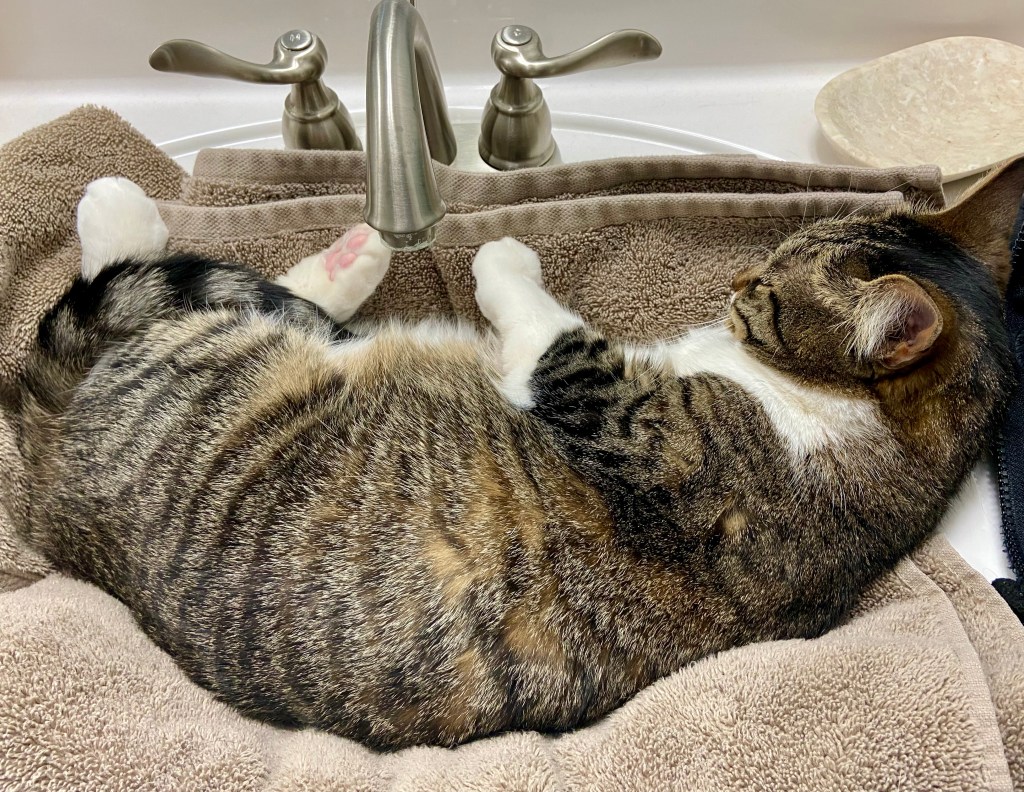
The bathroom sink is one of her favorite spots to sleep

Now you know Izzy’s philosophy for a good life.  She’s a really good teacher and I’m grateful to be her student!  

Kitty Blessings,

Lisa

I’d call that a look of satisfaction!

The content of this article is for educational and informational purposes only, and is not intended as medical advice. Please consult with a qualified health care professional before acting on any information presented herein. Any statements about the possible health benefits of any subject discussed have not been evaluated by medical professionals or the Food & Drug Administration and are not intended to diagnose, treat, cure or prevent any disease or illness.
Featured

America’s Mystical Poet

It was way back in November of 2022 that I last wrote an entire post about poetry (The Gift of Rumi), so I’m super excited to share this follow-up.

My friend Jan in Oregon went to a tulip festival earlier this year and shared these lovely pics with me. Thanks, Jan! I believe tulips and poetry are a great combo!

I’ve long been a fan of spiritual poetry.  To hear it read at church opens my heart like nothing else.  When I heard Rev. Lauri Gist at Unity of Ocala close her Sunday messages with verses from a poet she called her favorite, I knew I needed to read more from Chelan Harkin

From her About page on Amazon.com, Chelan has always had a close connection with the spiritual world, a loving, ecstatic and expressive spirit, and an intimacy in her soul that she longs to share with the whole world. Poetry is one of her favorite ways to accomplish this.  Chelan was raised in the Baha’i faith, and had a profound mystical experience at age 21 during a time of mental and emotional anguish.  She was shown the need to live in a more authentic manner, leading to the unleashing of her poetic force.

Before publishing her first collection of poetry, she came up with the idea of praying to Hafez, a mystical poet who lived in Iran during the 14th century.  Far from a traditional prayer, she asked the Persian poet for help getting published!  After a series of these prayers, she says her incoming stream of poetry became torrential, leading to an invitation to co-author a book with Daniel Ladinsky, who has written four books based on the poetry of Hafez.  She refers to that initial connection as the most nuts moment of her life.

Chelan has published 4 books of poetry since 2020, with another one which will be available in September of this year.  Mark Peters, from Dailygood.org, writes, In her poetry and in life, Chelan continually invites the fumbling, suffering part of ourselves and our divine nature to meet for tea in the heart, have a great laugh in the belly, and share a big hug.

In the early days, she hesitantly posted one of her poems on Facebook, and it went viral. I’ll share it here and you might understand its popularity:

The worst thing we ever did
was put God in the sky
out of reach,
‍‍‍‍‍‍pulling the divinity
from the leaf,
sifting out the holy from our bones,
insisting God isn’t bursting dazzlement
through everything we’ve made
a hard commitment to see as ordinary,
stripping the sacred from everywhere
to put in a cloud man elsewhere,
prying closeness from your heart.
‍‍‍‍‍‍ ‍‍
The worst thing we ever did
was take the dance and the song
out of prayer,
made it sit up straight
and cross its legs,
removed it of rejoicing,
wiped clean its hip sway,
its questions,
its ecstatic yowl,
its tears.
‍‍‍‍‍‍ ‍‍
The worst thing we ever did is pretend
God isn’t the easiest thing
in this Universe
available to every soul
in every breath.

In my post on Rumi, I said the reason for his modern popularity is the beautiful ways he shares truth.  I feel the same applies to Chelan Harkin, in her attempts to disassemble outdated ideas of Divinity while suggesting warmer, more intimate connections.

If you enjoy the poetry of Hafez and Rumi, you should check out Chelan Harkin.  This young poet’s work brims with heart-opening grace.

Poetic Blessings,

Lisa

I truly appreciate your being here! Please note that I will probably be late in responding to comments this week. Happy Summertime!

The content of this article is for educational and informational purposes only, and is not intended as medical advice. Please consult with a qualified health care professional before acting on any information presented herein. Any statements about the possible health benefits of any subject discussed have not been evaluated by medical professionals or the Food & Drug Administration and are not intended to diagnose, treat, cure or prevent any disease or illness.

Featured

Earth Rocks!

Big Sur’s rocky coastline

Wikipedia defines rock as any naturally occurring solid mass or aggregate of minerals that form the Earth’s outer solid layer, the crust, and most of its interior.  In my opinion, that’s a really boring description of a natural element that contains such diverse beauty!

I didn’t used to be a fan of rock, simply because I’d never witnessed its incredible shapes and colors.  But after exploring some of the prettiest areas in the country, I’m all about it!  

One of my first glimpses of unusual rocks was on the rocky shore of a hidden beach in Big Sur, California.  Having spent most of my life in Florida, where flat beaches feature eateries, bars, volleyball courts, and hotels, I was amazed by these natural giants on the sand.

Hiking through Sedona

The unusual red-orange rocks of Sedona, Arizona were among the next I visited.  I can still remember driving this stunning stretch of the state for the first time.  The area is a showcase for weathered rocky terrain, given all kinds of fun names like Coffeepot Rock, Snoopy Rock, and Battleship Rock.  The beauty of hiking its trails cannot be sufficiently described or photographed – it should be experienced.

The Grand Canyon in northern Arizona has quite the story.  Over eons, the Colorado River, rain, and wind have eroded its multi-colored rock to a present state of 277 miles long, 18 miles in width at its widest point, and a little over one mile deep.  Hiking the canyon is epic but can be super hot, so best not done during summer.

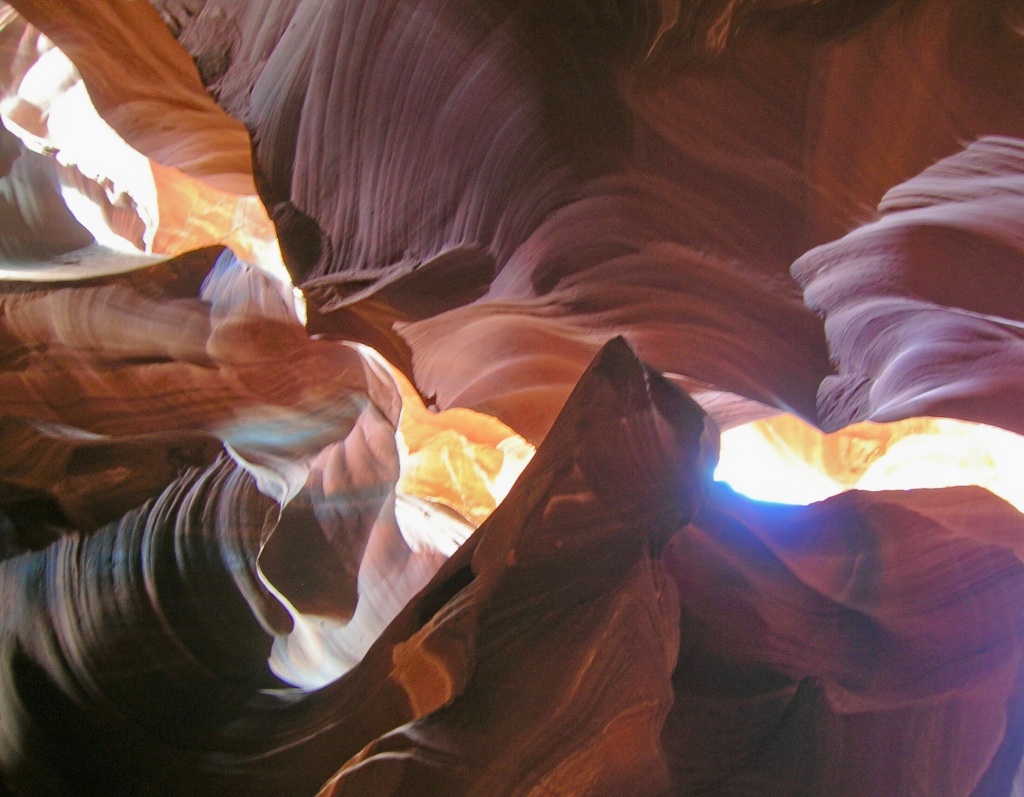
Antelope Canyon

Slot canyons are another distinctive natural wonder in northern Arizona, with Antelope Canyon on the Navajo Reservation being at the top of my list.  The elegant rock formations shaped by flash floods throughout the canyon are like nothing else I’ve seen.  (Stormy days are not recommended for exploring slot canyons!)

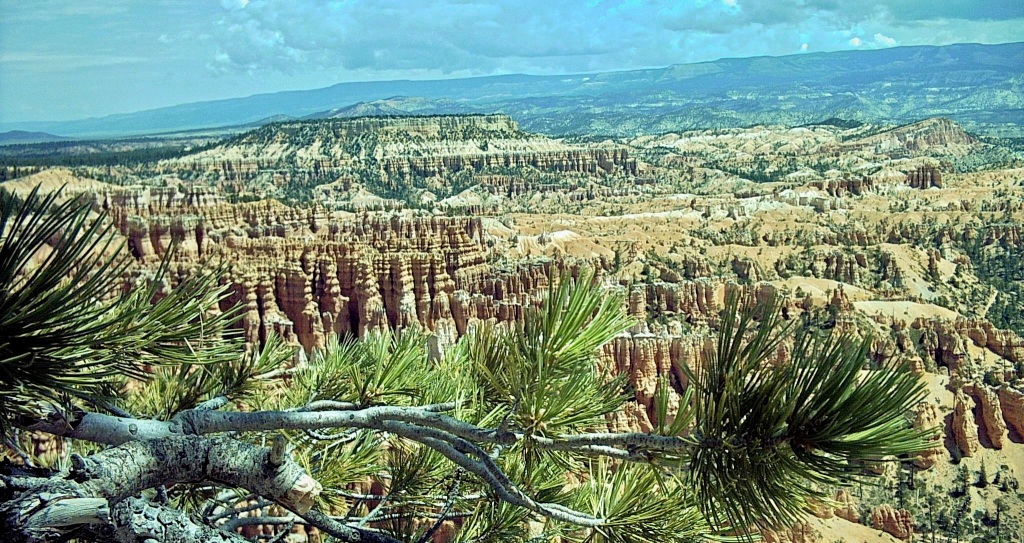
Hoodoos at Bryce

The Painted Desert, near Petrified Forest National Park in Arizona, is a treasure to behold, as well.  These badlands feature banded rocks of red, grey, white, and shades of lavender, depending on their mineral compositions.

Balanced rock at Arches National Park

The orange landscape of Southern Utah includes places like Arches, Zion, and Bryce National Parks with incredible displays of the work of Nature’s elements over time.  True to its name, Arches has over 2000 natural arches, but also strangely balanced rocks and lots of tall, oddly-shaped pinnacles.  Zion’s huge composites of multi-colored sandstone make it a wonderland.  And Bryce has the largest collection of hoodoos (irregular rock columns) on the planet.  In addition to being an outdoor person’s paradise, Moab, just south of Arches, features some amazing pictographs and petroglyphs.

Rock art in Southern Utah

In sharing some of my favorite rocks, I hope I’ve spurred your sense of adventure.  The solid mass that makes up our planet is creatively formed and colored, making it something very special to behold.

Composite Blessings,

Lisa

The content of this article is for educational and informational purposes only, and is not intended as medical advice. Please consult with a qualified health care professional before acting on any information presented herein. Any statements about the possible health benefits of any subject discussed have not been evaluated by medical professionals or the Food & Drug Administration and are not intended to diagnose, treat, cure or prevent any disease or illness.

Featured

5 Merits of Wonder

Mystery creates wonder and wonder is the basis of man’s desire to understand. ~Neil Armstrong

Earlier this week, I was watching Dr. Gay Hendricks, psychologist, body-mind therapist, & author of over 40 books, in an interview and the concept of wonder came up.  Human beings thrive on wonder, he said, and gave examples of his patients utilizing wonder with outstanding results. 

Psychology Today shared an article with a delightful definition of the term: Wonder is a complex emotion involving elements of surprise, curiosity, contemplation, and joy. It is perhaps best defined as a heightened state of consciousness and emotion brought about by something singularly beautiful, rare, or unexpected—that is, by a marvel.  

After exploring further these last few days, I’ve read several times that wonder is an emotion that is ever-present in us as small children, but by the time we get to high school, it’s all but forgotten.  Due to its profound advantages, I’d like to reintroduce you to this powerful concept.

The happiness of the bee and the dolphin is to exist. For man it is to know that and to wonder at it. ~Jacques Cousteau

  1. It can help with relationship issues.  After Dr. Hendricks’ interview, I searched the internet for more from him on the subject, and found these statements addressing relationships: Wonder is the opposite of blame. It opens all your brain and body intelligence powers to make new connections.  It takes you out of the state in which a problem gets generated, an Einsteinian move.  
  2. It fosters environmental protection.  Rachel Carson, author of The Sense of Wonder, among other books promoting environmental ethics, writes of the ways in which we have insulated ourselves in the artificial world of our creation, while quietly and desperately wanting to believe we have a future in the natural world.  The more clearly we can focus our attention on the wonders of the Universe about us, the less taste we shall have for destruction, she urges. 
  3. It prompts learning.  Wikipedia shares that historically, wonder has been seen as an important aspect of human nature, specifically being linked with curiosity and the drive behind intellectual exploration.  And the Greek philosopher Socrates set forth the idea wisdom begins in wonder
  4. It promotes prosocial behaviors.  A study published in the Journal of Personality & Social Psychology reports that the experience of wonder we feel in the presence of something vast that transcends our understanding of the world encourages lovingkindness, altruism, and generosity.  It’s like falling in love with all of life.
  5. It improves mood & mindset.  This point comes from my personal experiences of witnessing amazing sites like wildlife, larger-than-life trees, and wild landscapes so bedazzling that I am stopped in my tracks. A sudden childlike feeling sweeps over me, bringing me into to the present moment, replacing concerns with a sunny disposition.

Cultivating wonder opens a world of possibilities.  Marveling at the mysteries in which our lives are immersed can make us smarter, more loving toward all of life, and happier.  What could be a better way to live?

If this is the way the world is: extraordinary, surprising, beautiful, singular, mysterious and meaningful; then this is how I ought to act in that world: with respect and celebration, with care, and with full acceptance of the responsibilities that come with my role as a human being privileged to be a part of that community of living things. Wonder is the missing premise that can transform what is into a moral conviction about how one should act in that world. ~Kathleen Dean Moore, Writer & Professor of Philosophy, Oregon State University

Wonder-filled blessings,

Lisa

I shared the original version of this post two years ago, and you gave it lots of love in the form of likes, shares, and comments. I hope you enjoyed this edit. Thank you for reading!

The content of this article is for educational and informational purposes only, and is not intended as medical advice. Please consult with a qualified health care professional before acting on any information presented herein. Any statements about the possible health benefits of any subject discussed have not been evaluated by medical professionals or the Food & Drug Administration and are not intended to diagnose, treat, cure or prevent any disease or illness.

Featured

The Wilderness Connection

Great Basin National Park, Nevada

I’ve just finished reading Scott Stillman’s book Wilderness: The Gateway to the Soul.  It evokes many of the feelings and musings I experienced while exploring the wilds of this country.  I realize now that the words I’ve used in describing my 3-year experience (of road tripping, tent camping, hiking, photographing natural beauty, and finding my sacred center) haven’t accurately represented the depth of primal connection I felt or the new perspective of life I gained.

Colorado’s Rocky Mountains

In his book, Stillman describes the wild, raw places he visits with great beauty and soulfulness.  He has explored some of the same mountain ranges, canyons, and deserts I have, and has met with many of the same themes.  He is asked Don’t you get lonely out there all by yourself?, a question I was asked often.  He responds by saying that initially, yes, loneliness can strike, but by paying attention to the beauty of the present, it doesn’t linger.  I can remember feeling an almost overwhelming sense of loneliness in my tent one night in southern Colorado.  But daybreak revealed a cool mountain morning, incredibly blue sky, and abundant wildflowers & butterflies on the hiking trail, replacing that sad feeling; my bonding with Nature had begun.

Arches National Park, Utah

Stillman suggests that being alone in Nature is a time to reboot . . . a time for gratitude and healing, both spiritual and physical . . . a chance to remember the light in us is the same light in all of creation: rocks, streams, and a lizard’s eyes.  This light is the source of pure love.  The light of being.  The light of truth.  In the end there is no separateness.  No lines drawn between you, me, rock and tree.

You will be cleansed, you will be renewed, and given a new perspective.  A fresh start.  Born again into the world.  Wilderness can do all that!  ~ Scott Stillman

Grand Teton National Park, Wyoming

If you must bring a companion (on your wilderness visit), . . . agree that you are going on a sacred journey, he recommends.  Try not to bring along your everyday concerns.  Limit talking to things of the present.

To deal with the ever-pervasive noise around us, the author writes we develop selective hearing, narrow our attention spans, or tune out altogether with our devices.  But this tuning out blocks the good stuff as well.  We walk around with a longing – but for what?  We have everything we think we need, yet still feel unfulfilled.

Sequoia National Park in California

Then one day we experience a moment of clarity . . . perhaps in Hawaii, the Grand Canyon, the Rocky Mountains.  Recognizing the beauty all around, we see through the eyes of God and remember that everything is God.  If we’re lucky, we’ll take this back into our daily lives as we leave the wilds behind.

We create our own world.  Focus on beauty and beauty you find.  Focus on darkness and darkness prevails.  Beauty guides through the heart.  Darkness through the mind.  ~Scott Stillman

On the road to Taos, New Mexico

I wholeheartedly suggest you check out Scott Stillman’s Wilderness: The Gateway to the Soul.  More than that, I urge you to take time enough in Nature to discover your personal primal connection.  You may find, like I did, that it completely changes your perspective of life.

Wild Blessings,

Lisa

The content of this article is for educational and informational purposes only, and is not intended as medical advice. Please consult with a qualified health care professional before acting on any information presented herein. Any statements about the possible health benefits of any subject discussed have not been evaluated by medical professionals or the Food & Drug Administration and are not intended to diagnose, treat, cure or prevent any disease or illness.

Featured

Snowscapes

Oak Creek Canyon, between Flagstaff and Sedona

Before moving to the Southwest, I remember hearing on national news about the havoc caused by large amount of snow deposited in northern Arizona in January of 2010, just four  months before my planned relocation.  A total of 56 inches fell that month; the majority in a single week.  As a result, roofs collapsed, there were power outages for days, food and supplies had to be flown in by the National Guard for remote residents, and the town of Flagstaff was isolated due to road and airport closures.  Upon hearing this, my mother asked incredulously, “And that’s where you want to live?!”

Yup, that’s the place, Mom!  I’ve had no regrets about the move, but I’m truly grateful we haven’t seen a repeat of that winter.  We always get lots of snow (this January we had 61 inches, more than the January noted above) but it is typically more widely distributed throughout the month.

Snow is a marvelous phenomenon.  It can transform landscapes to a degree that getting lost in an area you know well becomes a distinct possibility.  It blankets rocks and boulders, creating a surface smooth enough for sledding.  And the way in which it cloaks mountain peaks elicits in me a sense of awe.

Living in a place that sees so much snow, I find it fascinating that each and every snowflake is unique.  There are so many!  I’ve read that their differences are attributed to the way they form around dust particles (or other substances) and the water vapor they collect as they move through the air.  

I can’t say I’ve ever witnessed a blizzard (a snowstorm lasting 3 or more hours with sustained winds of at least 35 mph.)  There are times that I’ve claimed it’s blizzarding, due to horizontally-blowing snow, but it didn’t go on for hours.

The snowiest spots in the U.S. (that have weather stations) are Mt. Rainier in Washington state, with about 645 inches a year, and Mt. Hood in Oregon, where 550 inches fall annually.  Northern Arizona hits the list at 19th, with just over 100 inches, and if our local ski area had a weather station, it would show up at #8, with 260 inches.

As a small girl living in the South, snow was seldom seen.  You could bet if an inch or 2 fell, it would be accompanied by freezing rain and school would be out for the day.  Woohoo!  Snow days were the best days!

Here, a foot or 2 can fall overnight, and schools and some businesses will have a delayed start.  That gives road crews long enough to take care of major thoroughfares to provide safe passage for school buses and the rest of us.

Having snow as a frequent visitor every year is truly wondrous.  But my mother would disagree. She still insists I’m crazy for living here. 😊

Winter Blessings,

Lisa

The content of this article is for educational and informational purposes only, and is not intended as medical advice. Please consult with a qualified health care professional before acting on any information presented herein. Any statements about the possible health benefits of any subject discussed have not been evaluated by medical professionals or the Food & Drug Administration and are not intended to diagnose, treat, cure or prevent any disease or illness.
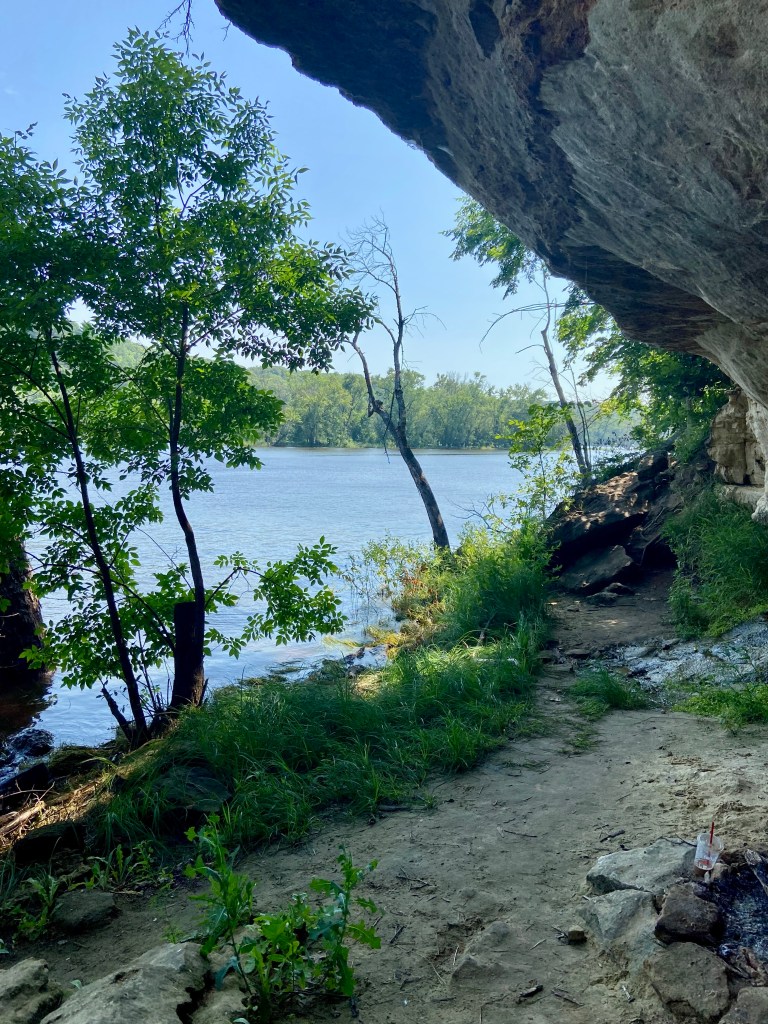
Featured

Grandfathers of the Sonora Desert

We recently vacationed in southern Arizona.  The weather was warm and dry, and we enjoyed hiking, biking, and riding horses through the desert.  Saguaro cactus plants were plentiful and huge.  Visiting Saguaro National Park, we saw some that towered over us.

I’ve learned a lot about the growth of saguaros.  I was surprised to find that they grow only 1 – 1.5 inches total during their first 8 years.  At about age 35, white flowers may appear on the plant, and continue throughout their lifetime.  Just before the white blooms close, green buds may emerge that eventually turn red and reveal sweet red fruit, to the delight of desert animals and humans alike.  Branches, or arms, form once the cactus has reached 50 – 100 years of age, depending on precipitation in the area.  Adult saguaros, those that are 125 years or older, can reach heights of 50 feet and weigh more than 6 tons.  Their average lifespan is 150 – 175 years, although it is believed some live over 200 years.

Small holes in saguaros at the Riparian Preserve are entryways to bird nests

I first witnessed birds nesting inside saguaros at the Riparian Preserve at Water Ranch in Gilbert, AZ, with my friend Janet from This, That, and the Other Thing.  I’ve read that these nests are actually created by gila woodpeckers and gilded flickers, who eventually abandon them.  Other winged creatures, such as elf owls, house finches, and purple martins, are happy to take them over.

According to Wikipedia, the saguaro provides voluminous amounts of pollen, nectar, and fruits. Its fruits are eaten by ants and white-winged doves.  These doves are important pollinators, visiting blooms more often than any other bird species. For white-winged doves making their homes in or near the desert, 60% or more of their diet is saguaro-based, and the blooming of the saguaros coincides with their breeding cycle.

For ages, every part of the saguaro, living or dead, has been used by Native Americans.  The fruits are carefully harvested and made into wine, jams, and syrup.  Seeds are eaten raw, ground into meal, pressed for oils, or used for chicken feed.  Once the plant dies, its ribs are used for building furniture or fences.  Even the old bird nests found inside are used as storage vessels.

The declining status of the saguaro cactus has resulted in protection initiatives.  On federal lands, it is now illegal to harm or remove them, and in other areas, a permit is needed to relocate them.  Additional requirements have been established in various municipalities.  Even when a saguaro dies, a permit is necessary to remove its dried ribs.

These desert grandfathers sparked joy and reverence in our hearts.  Saguaro National Park is a treasure that shouldn’t be missed when you’re near the Tucson, Arizona area.

Blessings for a Long, Productive Life,

Lisa

The content of this article is for educational and informational purposes only, and is not intended as medical advice. Please consult with a qualified health care professional before acting on any information presented herein. Any statements about the possible health benefits of any subject discussed have not been evaluated by medical professionals or the Food & Drug Administration and are not intended to diagnose, treat, cure or prevent any disease or illness.
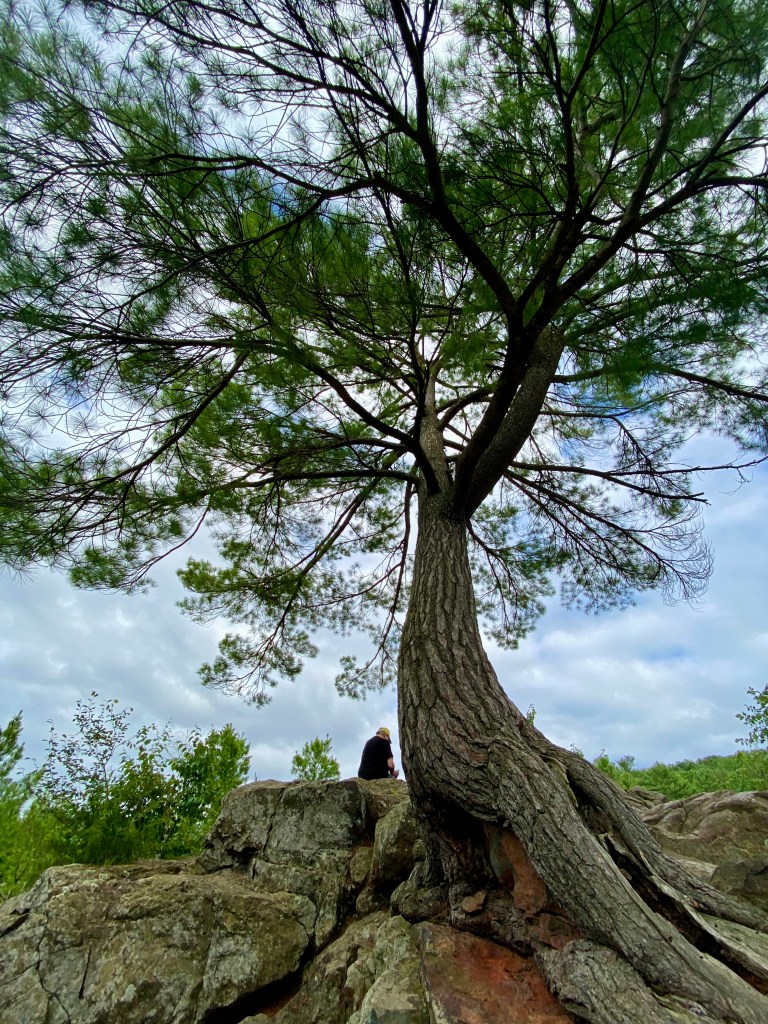
Featured

6 Benefits of Winter Hiking

I hiked one of my favorite winter trails recently.  Its abundance of volcanic rock reflecting the heat of the sun makes it one of the warmest hikes around.  Snow and ice still covered over half the footpath, courtesy of a weather system that enshrouded parts of northern Arizona for over a week.  Ascending the slick ice was a little frightening (foolishly, I didn’t wear my Yaktrax).  But, lucky for me, the sun had cleared the descent.  The beauty of the entire mountain was transformed due to the snow, causing me to stop at times and assess if I was still on the trail. 

My trek through the winter woods elated me with picturesque views of the earth, crisp air, and azure sky.  I began thinking of other benefits Nature was conferring on me, and the idea for this post was born.  In addition to the enjoyment of exploring a seemingly new landscape, with its snow, ice, and leafless deciduous trees, below are 5 more benefits of hiking during winter months.

  1. Weight loss. A Scientific American article reports that brown fat, mitochondria-containing adipose tissue that converts calories into heat, is activated and increased with exercise in cold temperatures.  Recent research reveals that brown fat can reduce excess stores even in the obese, due in part to its browning activity of white fat.  The article also says this calorie-burning phenom can lessen chances of metabolic syndrome, heart disease, stroke, and diabetes, making cold weather hiking a great formula for weight loss and physical health in general.
  2. Increased fitness levels, faster.  If your heart is healthy (and only if your heart is healthy!), trekking in cold weather can make it even stronger.  Cold temperatures cause arteries to tighten, restricting blood flow and reducing the oxygen supply to the heart, a WebMD write-up states.  These factors cause the heart to work harder, improving endurance and respiratory function.
  3. Enhanced immunity.  According to this post from the ION (Intelligence of Nature) blog, Respiratory infections are especially prevalent in the winter months for two reasons: enclosed spaces and (lower) humidity.  These conditions (as well as holiday gatherings) often result in us eating more, exercising less, and failing to consider hydration.  Hoofing it in the cold, mineralized water in hand, allows us to deeply hydrate our bodies, helping to prevent respiratory issues.
  4. Improved mental health.  Hiking during winter can help with the winter blues and seasonal affective disorder (SAD).  An article from Mayo Clinic suggests on cold or cloudy days, outdoor light can help — especially within two hours of getting up in the morning, and further, exercise and other types of physical activity help relieve stress and anxiety, thereby reducing SAD symptoms.
  5. Heightened sense of awe.  Greater Good Magazine, published by the University of California, Berkeley, reports researchers are uncovering the benefits of awe for clear thinking, good health, and close relationships. Witnessing the splendor of deer, birds, and weasels (among many other animals) whose fur changes colors in winter induces wonder and delight.  Once during a cold weather hike, I saw a small herd of deer wearing lovely dark chocolate-colored coats. Spotting these beauties in their winter finest filled my heart with awe.

Although the weather is not presently balmy, it’s an ideal time to get outside and do some hiking.  I hope one of the benefits mentioned above piques your interest & motivates you to get on a trail.  Nature has a profusion of benefits just waiting for you.

Blessings on the Winter Trail,

Lisa

The original version of this post was published almost 2 years ago, and I thought it was worth a review. Thank you for reading, liking, commenting on, and sharing my posts throughout the year. I hope the holiday season fills you with love, including the love of Nature. Comments are off for this post. Let’s be sure to catch up in January!

The content of this article is for educational and informational purposes only, and is not intended as medical advice. Please consult with a qualified health care professional before acting on any information presented herein. Any statements about the possible health benefits of any subject discussed have not been evaluated by medical professionals or the Food & Drug Administration and are not intended to diagnose, treat, cure or prevent any disease or illness.

Featured

Protein: Functions & Risks

This is another in a series of posts from my Nutritional Certification program.  I hope you are enjoying learning what I was taught!

Protein is the subject of today’s post.  I’ve studied protein in years past, but mostly about the problems it can cause. I know that more protein is required as we get older, so in addition to learning more about it in general, I’ve started paying more attention to how much I consume.  

This delicious rice has 4 grams of protein per serving.

The functions of proteins in our body are many.  In addition to growth, repair, and structure, they also act as chemical messengers, aid digestion, help fluid balance & immune function, play a major role in maintaining pH levels, and transport nutrients.  Proteins are critical, but we should be aware of their risks, too.

The dried beans I’ve bought from this company are by far the best I’ve eaten! These have 9 grams of protein per serving.

Over the past few decades, animal protein has been considered superior to plant protein (due in large part to marketing by those who benefit financially from our eating animal products.)  But many functional medicine physicians and other experts on natural healing, including Dr. Joel Fuhrman, have shined a light on studies that disprove that.  In fact, research shows that those who eat more animal proteins have a greater risk of disease and a shorter life span.

Tahini boasts 6 grams of protein per serving & is delicious in sauces!

Recommendations for how much protein we should get vary greatly.  I’ve known many athletic people through the years that swear by a very high-protein diet. Throughout my certification program, various presenters suggested between 1.2 grams to .6 gram per kg of body weight.  That’s a huge disparity.  Especially considering that too much protein can result in advanced aging, osteoporosis, and degeneration of capillary circulation. (Those are some of the first things I learned about high protein diets, from Dr. Gabriel Cousens’ book Conscious Eating.)  A lengthy report on the World Health Organization website includes a table entitled Safe level of protein intake for adult men and women showing .83 g/kg of body weight.  I wonder about the word safe in the naming of the chart. 

Broccoli has 2.3 grams of protein per cup.

I have upped my protein intake in recent months to .6 – .7 g/kg of body weight.  Most plant foods have protein – not just nuts, beans, and grains, but also sweet potatoes, asparagus, broccoli, and even seaweed!  And soy products, of course, are packed with protein.

Spirulina supplies 2 grams of protein per teaspoon.

I have come to believe that it’s best to err on the side of caution, shooting for the lower end of suggested protein consumption and obtaining it primarily from plant foods.  But we’re all different, and even the experts are far from agreeing on how much we need.  Maybe by becoming aware of the amount of protein we’re consuming and switching out some animal foods to plant foods, we can live longer & be healthier to the end.  

Blessings for Healthy Choices,

Lisa

The content of this article is for educational and informational purposes only, and is not intended as medical advice. Please consult with a qualified health care professional before acting on any information presented herein. Any statements about the possible health benefits of any subject discussed have not been evaluated by medical professionals or the Food & Drug Administration and are not intended to diagnose, treat, cure or prevent any disease or illness.
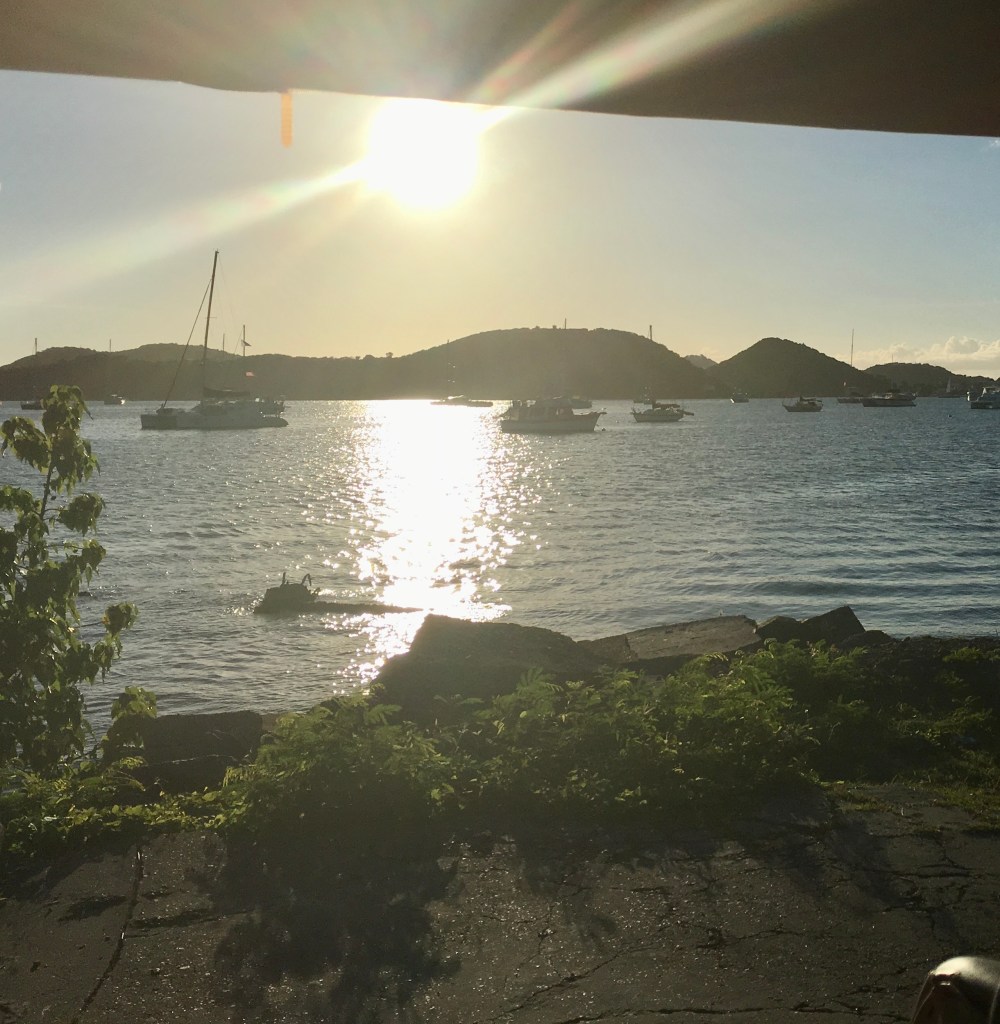
Featured

What’s Really Up with Dietary Fats?

For as long as I can remember, I’ve lived and breathed the mantra fatty foods cause body fat, and I’ve gone to great lengths to limit or avoid them.  There was a period of time that I completely avoided using oil in my cooking. In recent years, I’ve added water for part of the oil required in pestos, sauces, and sautés. I’ve felt guilty eating nuts, but continued to do so because they helped provide the protein that I was missing from animal foods.  And of course, sweet treats have been strictly rationed, even raw, healthier ones.

These healthy treats can be in regular rotation now!

During my Nutrition Certification course, I learned a little about the importance of fats, but wanted to know more, so I picked up Dr. Mark Hyman’s Eat Fat, Get Thin.  Dr. Hyman is the founder and Senior Advisor for the Cleveland Clinic Center for Functional Medicine.  I’m happy I chose to learn from his writing, as it incorporates a plethora of studies (not just about weight loss, but health in general), as well as research he himself has done and the experience of thousands of his patients.

One of the most striking truths I will share is that fats, in and of themselves, are not the cause of obesity and other inflammatory issues.  (Except for trans fats – avoid them at all costs!)  In fact, we need more fat, omega 3 fatty acids in particular, in order to truly thrive. Omega 6s (like in nuts & sunflower seeds) are important, too, but the ratio between the number of omega 3s and omega 6s that we consume is critical.  That ratio should be around 1:2, but as a result of the Standard American Diet, about 90% us consume about 10 times the amount of omega 6s we need.  This, it turns out, is a precursor for disease.

When looking to increase omega 3s and decrease omega 6s, there are some important considerations.  Omega 3s can be found in chia, flax, hemp seeds, walnuts, and wild-caught fatty fish.  And the omega 3s in pasture-raised meats, dairy, and eggs are substantially higher than those in factory-farmed animals. Omega 6 overconsumption is largely due to vegetable oils: the inexpensive corn, soybean, canola, and safflower oils sometimes used at home & in restaurants and often found in processed foods. Healthy alternatives include extra virgin olive oil, coconut oil, sustainably grown palm oil, and ghee from pasture-raised cows.

But omega fatty acids have not been the only misunderstanding.  Saturated fats have been blamed for the majority of our cholesterol and heart disease problems for decades. But we were never given the full story. I’ve learned that healthy saturated fats (like those in coconut oil, cacao butter, & humanely raised animal products) can actually suppress inflammation and provide many much-needed nutrients. Here’s what we weren’t told: to avoid health problems, saturated fats should be eaten with plenty of fiber, without refined carbs or added sugars, and in the absence of omega 3 deficiency.  (That is not a direct quote, but was gathered from several pages of Dr. Hyman’s book.) So if you are a big junk food, fast food, or even restaurant food eater, it might not be a bad idea to make some lifestyle changes before continuing to consume saturated fats.

My muesli – an overnight soak makes it easier to digest

As a result of my new knowledge, I have made changes to my diet.  I’m no longer afraid to use good olive or coconut oil in my cooking, sauces, and on my salads.  I prepare a muesli of oats, nuts, seeds, spices, and dried fruit for breakfast when I’m not having a green smoothie (that also contains nuts & seeds!)  I’m eating coconut butter right out of the jar. (Sooooo yummy!)  Olives and avocados have become regular joyful indulgences. And before buying anything packaged, I make sure it has no added sugar or bad oils.  (Even dried fruit can contain these menaces!)

Dr. Hyman refers to coconut oil as superfuel for your cells
(coconut butter is 60% oil plus fiber)

I no longer fear fats, and I hope you don’t either.  Understanding what fats to maximize, which to minimize, and how best to consume the good ones is key to a healthier you.  Now, where is that coconut butter??

Big Fat Blessings,

Lisa

The content of this article is for educational and informational purposes only, and is not intended as medical advice. Please consult with a qualified health care professional before acting on any information presented herein. Any statements about the possible health benefits of any subject discussed have not been evaluated by medical professionals or the Food & Drug Administration and are not intended to diagnose, treat, cure or prevent any disease or illness.

Featured

The Amazing Science of Grounding

Through the years, I’ve written a lot about the healing powers of Nature.  In Escaping Normal, I shared how my experience of spending many months exploring areas of natural beauty rehabilitated me from burn-out and loss, bringing me back to life.  The Waterfall Effect outlined a number of health benefits of natural crashing natural waters.  Smellscapes told of how the scents of trees and other plants can bless us physically and mentally.  And Healing Made Simple presented the idea that we’re only as healthy as our connection with Nature.  But only recently have I learned of and experienced the power of grounding, and I am so excited to share it with you!

Grounding, or earthing, is a technique that realigns the human body with the electrical charges of the earth.  When our skin makes contact with the ground, or natural elements touching the ground like trees or lakes, we absorb electrons that act as potent antioxidants.  (Manufactured items are also available that allow you to bring this incredible technology into your home.)  Studies show these electrons reduce inflammation, lessen persistent pain, help with sleep, and significantly improve symptoms of anxiety, depression, and chronic fatigue.  I have read many self-reported benefits related to a variety of other conditions, as well.

Indigenous peoples of long ago received ongoing benefits of grounding by being closer to Nature: sleeping on natural materials on the earth and wearing shoes like leather moccasins.  In modern times, with our indoor beds and plastic or rubber-soled shoes, we’ve lost that daily connection.  (For more on the history and science of it, I encourage you to check out The Earthing Movie: The Remarkable Science of Grounding on YouTube.)

As for personal experience, I have been using a grounding mattress pad for about 4 weeks now, and I’ve really noticed a difference in my sleep: I fall asleep more quickly, awaken fewer times, and fall back to sleep faster than before grounding.  I also sleep more deeply and feel more rested each morning.  (My kitty, Izzy, really likes the mattress pad, too!)  Additionally, the swelling and pain in my knuckles that almost always results from climbing disappears fast.  And an ongoing pain and tightness in the palms of my hands, also from climbing, is completely gone.  In general, I have more energy and stamina, which helps with everything! 

Mother Nature offers amazing healing potential; it’s up to each of us to take advantage of the gifts we’re extended.  Grounding is an old way of being in the world that may be more advantageous now than ever.  Your chances of getting or staying healthy can be greatly enhanced by this natural technology.

Grounded Blessings,

Lisa

The content of this article is for educational and informational purposes only, and is not intended as medical advice. Please consult with a qualified health care professional before acting on any information presented herein. Any statements about the possible health benefits of any subject discussed have not been evaluated by medical professionals or the Food & Drug Administration and are not intended to diagnose, treat, cure or prevent any disease or illness.
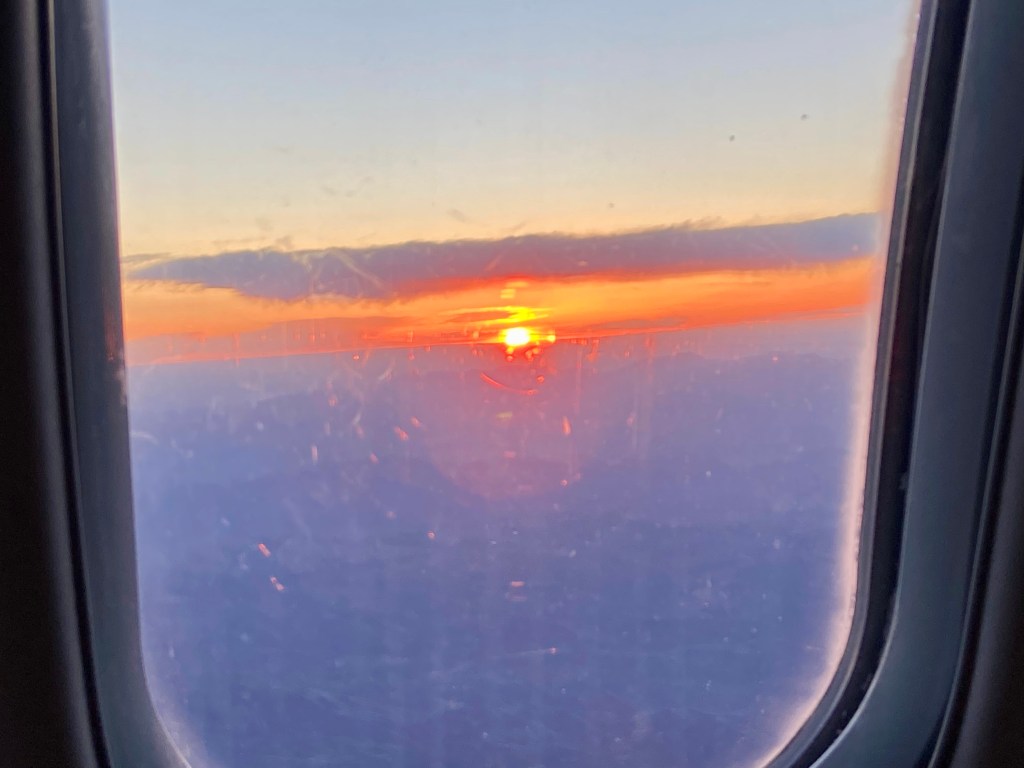
Featured

5 Ways for All of Us to Work with Our Body’s Hormones

In my last post, I shared that I’d begun a Nutrition Certification Program.  Today, I’m excited to share with you some info on hormones from a recent module. 

Even if the morning sun is obscured by clouds, it still helps.

I knew hormones were important for good health, but never really understood just how important until now.  In case you’re unclear like I was, I’ll start with a definition: hormones are chemical messengers secreted in the body that travel through the blood, regulating tissue function.  They are produced by both our larger organs, like the kidneys, brain, stomach, and liver, as well as our smaller endocrine organs, like the thyroid, pineal gland, pancreas, hypothalamus, and adrenals.  All of us, regardless of sex or other differences, share the same hormones, found in different quantities.  There are more than 50 total, including estrogen, testosterone, progesterone, insulin, adrenaline, cortisol, human growth hormone, and oxytocin.

When our hormones are working in balance, health is optimal on all levels.  But that is seldom, if ever, the case.  This fragile system is hindered by lifestyle choices such as poor sleep, stress, & unhealthy foods, as well as chemicals (found in plastics, can linings, nonstick cookware, cosmetics, cleaning products, conventionally-grown food, tap water, & many other sources) called endocrine disruptor compounds. These hindrances can lead to abnormal functioning including cancer & other chronic diseases, infertility and birth defects, nutritional deficiencies, impaired immunity, anxiety, depression, and ever-present fatigue.

Making changes to our daily activities can help correct hormonal imbalances and avoid dire outcomes.  Below, I’ve listed some important changes for your consideration.

Izzy demonstrating sound sleep.

  1. Find ways to manage your stress, and practice daily.  Sing, write, spend time outside, snuggle with pets, meditate, do yoga, get a massage – whatever works best to chill you out.  Stress decreases insulin sensitivity and increases cortisol production, leading to diminished progesterone, a hormone which acts as a powerful antidepressant.
  1. Prepare for quality sleep.  Make your bedroom cool & dark, turn off screens an hour or two before bed, get out in the morning sun, go to bed & get up at the same time each day whenever possible, and minimize caffeine & alcohol.  Quality sleep helps stabilize stress-related cortisol and regulates the release of anxiety-reducing progesterone.
  1. Choose your body’s fuel carefully.  Limit or avoid processed foods, fast foods, and factory-farmed meat, eggs, and dairy.  Fast and processed foods are not real foods that aid in hormonal balance.  And the hormones used in factory farming have adverse effects on animals, including humans.  Choose organic whole foods like fiber-rich cruciferous veggies, healthy fats like nuts, avocado, chia, olives & coconut oil, and good proteins like organic tempeh, tofu, and pasture-raised meats, eggs, and dairy products. 
If you don’t love these crucifers, you haven’t had them prepared well.

  1. Avoid buying and using plastics whenever possible.  Switch out your plastic storage containers for glass.  If you purchase water, use large refillable glass or steel containers at a refill machine.  Don’t microwave your leftover take-out in its plastic container.  A compound called BPA found in plastics has been linked with diabetes, cancer, infertility, obesity, and heart disease.
  1. Use clean cosmetics, toiletries, and cleaning products.  When feasible, buy organic.  Otherwise, buy products with mostly natural ingredients.  A great way to check the cleanness of a product is by scanning its UPC code on an app called EWG Healthy Living.  (EWG stands for the Environmental Working Group, the same folks who bring us the Dirty Dozen and the Clean Fifteen each year.)  Over 85,000 chemicals are used in US products, the great majority of which are unregulated, meaning manufacturers can use them as they wish, regardless of the harm they cause our bodies.

I know, I know. The situation is overwhelming and we need to change almost everything. But our new chemically-laden world is dangerous to our ancient biology (as well as that of all forms of life); we must protect ourselves.  It is critical for us to adopt new ways of being in the world for the benefit of our health and longevity.  (You may have noticed, these changes benefit the planet, as well!)

Hormones are an intricate part of the workings of our entire body, and imbalances are common in our modern world.  Making efforts to correct them by managing stress, sleep, food intake, and otherwise limiting chemicals can help us avoid disease, feel better, and live longer.  

Blessings for Balance,

Lisa

The content of this article is for educational and informational purposes only, and is not intended as medical advice. Please consult with a qualified health care professional before acting on any information presented herein. Any statements about the possible health benefits of any subject discussed have not been evaluated by medical professionals or the Food & Drug Administration and are not intended to diagnose, treat, cure or prevent any disease or illness.

Featured

The Superpower of Antioxidants

Recently, I enrolled in a Nutrition Certification Program.  Currently in week 5, I’m surprised at how much I’ve already learned.  I’m guessing I’ll be sharing quite a bit of information from the program with you over the next few months.  I’ll start today by focusing on antioxidants.

Wikipedia explains: antioxidants are compounds that inhibit oxidation (usually occurring as autoxidation), a chemical reaction that can produce free radicals. Free radicals are oxygen molecules that are missing an electron, making them unstable and dangerous to our health.  Wiki continues:  Autoxidation leads to degradation of organic compounds, including living matter.  In doing so, it establishes the groundwork for disease and premature aging. Any kind of stressor can contribute to oxidation, including chemicals in our food, water, & air, as well as the stress we feel at work or home, so getting more antioxidants into our diets is always a good idea.

According to Christa Orecchio, clinical & holistic nutritionist, there are two primary types of antioxidants: direct and indirect.  Direct antioxidants (DA) include those that donate an electron to a free radical, rendering them harmless, after which, the DA is no longer effective.  Indirect antioxidants (IA) work for hours at disabling free radicals.  Who knew?!

We need both direct and indirect antioxidant foods in our diet, and I’ll share with you some of the best of each.  First, because I know you’re as excited as I am to learn about them :-), the IAs include turmeric, broccoli sprouts, ceylon cinnamon, and cloves.  Sources of other high antioxidant foods are wild blueberries, pecans, artichokes, kidney beans, green tea, cilantro, parsley, basil, ginger, and garlic.

Superfoods were discussed a little later in the program, and many of them include antioxidants in their arsenal of health properties, as well.  They include raw cacao, acai, maca root, goji berries, medicinal mushrooms, and bee products such as royal jelly, bee pollen, and wild honey.

A great way to incorporate lots of these free radical tamers into your daily fare is to toss them into a green smoothie along with some good organic veggies and fruits, which may contain even more antioxidants.  This can be done as a sub for any meal, not just breakfast.  Additionally, a concentrated form of green tea called matcha combined with medicinal mushrooms, turmeric, and cacao is a potent morning boost!

After just beginning my Nutrition Certification Program, I’m already making alterations to my diet, like getting in more powerful antioxidants, and considering other changes.  I hope you can benefit from my learning as well.  

Radical Blessings,

Lisa

The content of this article is for educational and informational purposes only, and is not intended as medical advice. Please consult with a qualified health care professional before acting on any information presented herein. Any statements about the possible health benefits of any subject discussed have not been evaluated by medical professionals or the Food & Drug Administration and are not intended to diagnose, treat, cure or prevent any disease or illness.

Featured

Where Have All Our Bird Friends Gone?

With no birds at the feeder, Izzy watches dogs walking their owners

We were away for the majority of last month, and although I filled the bird feeder before leaving, I was surprised to find it half-full upon my return.  (Normally, between the birds and squirrels, the feeder is emptied within 3-4 days’ time.)  Even more surprisingly, I’ve seen a total of only 5 birds in our front yard during the 4 weeks I’ve been back.  

During the pandemic, I read an article about hundreds of thousands of birds, including warblers, bluebirds, sparrows, blackbirds, and flycatchers, that were found dead in New Mexico.  It is thought these birds were forced to flee areas further West that were burning with widespread wildfires before they had enough fat on their bodies to complete their regular migrations.  This sad & frightening result of global warming still haunts me.

Steller’s Jays usually frequent our yard

And after weeks without birdsong outside my Northern Arizona home, my thoughts have returned to the planet’s ongoing destruction.  I find the absence of that auditory delight both sad and terrifying.  And my precious kitty Izzy is now starting her daily naps by 10:00 am, two to three hours earlier than usual, because she has no friends to interact with at the front window. 😦

A Hummingbird visitor from last year

At first I thought the birds abandoned us because they didn’t like the new feed I had purchased, so I ordered another bag of seeds I’d used in the past.  Still no birds.  Then I decided the cat next door had “hunted” and killed one of them near the feeder & word had gotten out through the all-bird network to avoid the area.  After a couple weeks of silently cursing the neighbor cat each time I saw the vacant feeder, I overheard a couple ladies at a gardening presentation discussing the disappearance of their birds.

Acorn Woodpeckers are typically a common sight here

Since then, I’ve learned from a local Nature expert that birds can still be found in large numbers in surrounding forest lands.  Maybe the combination of almost 14 feet of snow over the winter and the untimely monsoon-like rains that fell last month created watering holes that they find irresistible.  I did see many large areas covered with water on my return flight from Phoenix, a sight I can’t remember ever having seen.

I am grateful for the abundance of moisture we’ve had this year, and I’m thrilled to know our forests are still teeming with the little feathered guys.  But Izzy and I continue to hope for the return of our bird friends to the feeder & woods around our house.  Our world seems eerie without the sweet sights and sounds of them.

Tired of doing nothing

Winged Blessings,

Lisa

The content of this article is for educational and informational purposes only, and is not intended as medical advice. Please consult with a qualified health care professional before acting on any information presented herein. Any statements about the possible health benefits of any subject discussed have not been evaluated by medical professionals or the Food & Drug Administration and are not intended to diagnose, treat, cure or prevent any disease or illness.
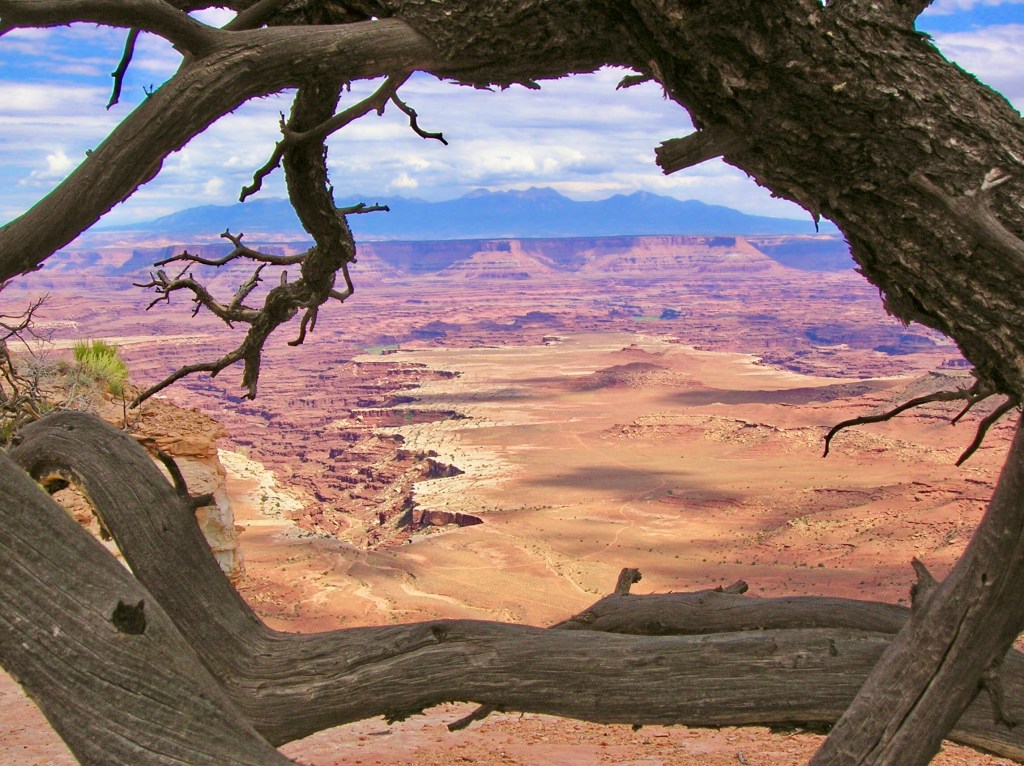
Featured

The Consequences of Choice

Our lives are a sum total of the choices we have made. ~Wayne Dyer

Florida has orchids (and lizards!) in abundance. This giant beauty belongs to my mom.

Hello, friend.  How are you?  What’s new for you over these past few weeks?  My experiences this month have been unusually deep, so my post today will be a heavy one. If you’re looking for some light reading today, you might want to pass this one up.

My primary focus this month has been life and death and the choices we make that structure our existence.  Like I said, heavy.  Sitting by the deathbed of a loved one can give rise to that. 

While working with hospice, I learned that a component of the dying process for each of us is a life review: the process of recalling past events and memories in an effort to find meaning in and achieve resolution of one’s life (a description from a paper out of the University of Utah.)  I was curious:  Where in this process is my loved one?  Is the life review detailed at times or one quick summary?  Does he have unresolved conflicts that sadden him even now?  If he never recognized the meaning of his life before, (too many of us don’t, in my opinion) will finding it now feel like being wrapped in a warm blanket or create a sense of having missed out?

Magnolia trees were blooming everywhere. This shot was shared with me by a friend in Michigan who had just visited the South.

After days of pondering, I began to think of how my life review might go.  Will I have regrets?  Will I wish I had reconciled relationships, or at least attempted reconciliations? Thoughts of two individuals popped into my head.  Each of them was a huge part of my life for many years, and I still feel great love for them.  But now, we no longer communicate.  Not even Christmas card exchanges.  I’ve decided to work at bridging the chasms between us.

I’ve also given a lot of thought to lifestyle choices: the environments in which we work and live, the water we drink, the foods we eat, and the activities we pursue.  Each of these is important in its own right, and if you’ve read my past posts, you got loads of info on the reasons why.  But considering all of them together at the end of someone’s life, after witnessing intense prolonged suffering, creates a lump in my throat and brings tears to my eyes.  What if . . .

Moss hangs from many trees in rural Florida. The water bird on the dock is scanning for breakfast.

The profundity of life viewed from this angle inspires me to be more grateful, act with more generosity, and love more deeply.  It’s as though a reset button has been pushed.

Every choice we make, big or small, has far-reaching consequences.  Each one builds on the other and affects us down to the cellular level over our entire lifetime.  I strongly agree with the words of French Existential Philosopher Jean-Paul Sartre: We are our choices.

Blessings,

Lisa

The content of this article is for educational and informational purposes only, and is not intended as medical advice. Please consult with a qualified health care professional before acting on any information presented herein. Any statements about the possible health benefits of any subject discussed have not been evaluated by medical professionals or the Food & Drug Administration and are not intended to diagnose, treat, cure or prevent any disease or illness.

Featured

A Change in Course (For Now)

Hello, my friend.  I appreciate your visit today.  I’m sad to report that my family concerns continue, and I just don’t have the oomph for a regular post.  Do you know what I mean? But I miss you.  So for now, I am changing course.

My version of cashew tempeh, which was sold in the deli of New Frontiers Marketplace before Whole Foods replaced them.

Tell me, what’s going on with you this month?  What are you reading or watching?  Are you taking a class?  Joining a club?  Learning to play an instrument?  Planning a journey? Volunteering?  Building/creating something?  Planting a garden? Making a lifestyle change for health reasons?

As for me, frequent travels over the past few months have allowed for a good bit of reading and online classes, and I would like to tell you briefly about what I’m learning.  At some point, I’ll probably flesh out these ideas into full posts.  But for now, I will enjoy reading anything you might want to share about them.

Izzy popping in to say hello. (She’s not big on eye contact.)

  • Transcendental Meditation (TM) – I have recently completed TM training, and am presently reading about different aspects of it, including its fascinating history and health benefits.  
  • Master Gardener (MG) Continuing Education – I’ve attended online classes to maintain my MG Certification, and I’m hoping to plant in early June.  (That’s the normal planting time for my area due to the regularity of May frosts.)
  • Pollution’s role in disease & early death – Pollution is a much bigger problem than we are being told.  Not only is it a strong contributor to debilitating diseases, but in many countries, it is sending 10% – 18% of the population to an early grave.  
We had almost 14 feet of snowfall here this winter season.

This is my new format for now.  What do you think?  Fun?  Boring?  Let’s chat.  (And please know that my response times may lag a bit.)

Many Blessings,

Lisa

The content of this article is for educational and informational purposes only, and is not intended as medical advice. Please consult with a qualified health care professional before acting on any information presented herein. Any statements about the possible health benefits of any subject discussed have not been evaluated by medical professionals or the Food & Drug Administration and are not intended to diagnose, treat, cure or prevent any disease or illness.
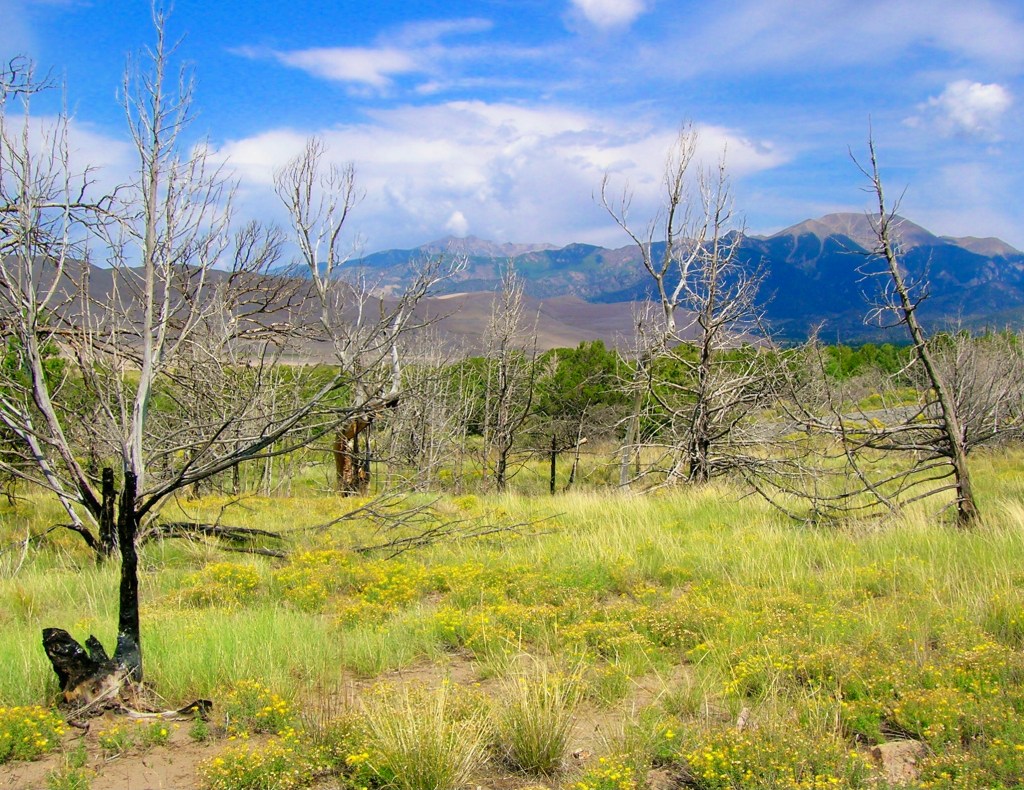
Featured

5 Ways to Nudge Your Body Toward Optimal Function

Family challenges have me busy physically & mentally this month, so I hope you’ll enjoy this repost from April of 2021. You won’t be able to comment below – let’s be sure to catch up next month.

The human body is a marvel.  Its ultra-intelligent design allows it to function in large part without your attention.  The billions and billions of chemical reactions occurring each second are nothing short of symphonic.  The habits that become your lifestyle radically influence that symphony, for better or worse.  By providing your cells with the support they need to function at their highest levels, you make it possible to prevent or reverse disease, increase energy, and lengthen your time on the planet.  

In his book The Healer Within, Roger Jahnke, Doctor of Classical Chinese Medicine, explains, “Dozens of spontaneous self-healing mechanisms are programmed to sustain or restore our health and vitality automatically.” And further, “The foundation of all self-healing, health enhancement, stress mastery, and personal empowerment is deep relaxation.” Below, you will find some of the best techniques I know to help you develop that foundational sweet spot. 

  1. Yoga – It took me many years to understand the statements get out of your head and drop into your body, bits of advice often dispensed by well-meaning yoga teachers.  But finally, it hit me: by placing attention on my breath and body alignment during poses, I put aside the process of jumping from one distracting thought to another for the duration of the class.  Dropping into my body calms my mind, and this calm stays with me.  According to an article in Psychology Today, regular yoga results in the central nervous system’s release of GABA, a chemical which works to suppress anxiety for hours after the practice ends. 
  1. Massage – According to an article from Mayo Clinic, massage is good not only for stress release, sore muscles, and circulation, but also insomnia, nerve pain, fibromyalgia and digestive disorders.  I have been a huge fan of massage as long as I can remember, primarily because it feels so good on tight fascia and sore muscles.  My twice-monthly massages are a prerequisite to my ability to continue being active.  No massage therapist? No problem. Even self-massage can yield benefits.
Massage tables on the cliffs of Big Sur, CA

  1. Meditation – This practice dates back for thousands of years, and I believe the reason it’s still around is because it is so advantageous.  U.C. Berkeley’s Greater Good Magazine published an article stating that in addition to meditation boosting emotions, decreasing anxiety, and helping with depression, it also improves heart function, slows age-related cognitive decline, and strengthens the immune system.  What’s more, I’ve read from other sources that it increases creativity.  Years ago, when living and working at a Buddhist Retreat Center in Northern California, I began my first regular meditation practice.  I have recently renewed that commitment.
  1. Music – Research shows that Celtic music, jazz, classical, and Native American music are great for reducing stress, says an article on Chopra.com.  In addition, playing an instrument or singing causes endorphins (happy chemicals) to be released in the body.  The article goes on to say this is especially beneficial for children and cancer patients.  Personally, I can’t imagine getting through a single day without listening to music, humming, and singing. Can you?
Golden Gate Park

  1. Nature – I’ll bet you knew this was coming, didn’t you?!  As I wrote this post, I was sitting outside in the warm Arizona sunshine listening to birdsong and wind blowing through the trees.  According to the article Why Nature Sounds Help You Relax, According to Science on Health.com, sounds such as rustling leaves and a babbling brook can help reduce stressful fight or flight feelings and increase the body’s capacity for relaxation.  

As you can see, these techniques not only help you achieve the foundation of relaxation needed by your body for optimal function; they have beneficial side effects as well. Combining one or more of them with other healthy habits can be the key to unlocking your best possible life. What could be better?

Blessings for Healthy Foundations,

Lisa

The content of this article is for educational and informational purposes only, and is not intended as medical advice. Please consult with a qualified health care professional before acting on any information presented herein. Any statements about the possible health benefits of any subject discussed have not been evaluated by medical professionals or the Food & Drug Administration and are not intended to diagnose, treat, cure or prevent any disease or illness.
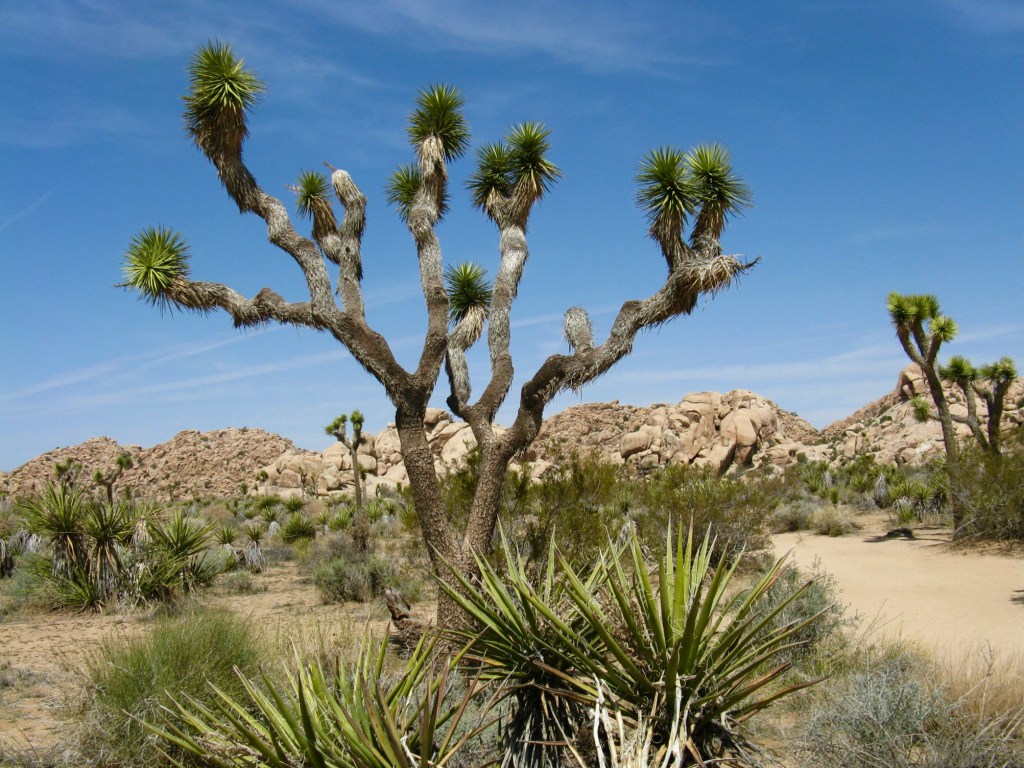
Featured

Understanding the Pleasure Trap

Brightly colored goodies at San Diego’s farmers market

Last year, I came across a TEDx talk by psychologist Douglas Lisle on what he calls the pleasure trap.  It is a hidden force in today’s world, he says, that can hijack your inborn satiation circuitry and undermine your pursuit of health and happiness.  After a little more exploration, I discovered that he co-authored a book by the same name with Alan Goldhamer, DC, that goes into much greater detail.

The ideas presented in this work answer the question When it comes to eating, why do we make choices that harm us?  In the book, the doctors review evolutionary history, throughout which our ancestors ate only amounts needed to sustain health. Any more or less, they write, would have resulted in an unsuccessful perpetuation of our species.  What happened over the course of the centuries to change that so dramatically?  Why is much of the current population (in industrialized countries) afflicted with obesity and disease?

Yummy veggie burger salad

The doctors explain that humans, like other complex animals, are innately motivated to survive and reproduce.  The mental tools for this motivation include neural feedback by means of good and bad feelings.  We are wired to seek pleasure, avoid pain, and conserve energy.  In the short TEDx mentioned above, Dr. Lisle gives a clear (and entertaining) talk on how this motivational triad works – and can malfunction – in the life of a desert bird called the gray shrike.

Veggies ready for roasting

The shrike goes about its business day to day, happily doing the things needed to stay alive and produce offspring as long as it’s in a natural environment.  But if that environment is disturbed by the introduction of unnatural substances or situations, the gray shrike, via this system of seeking pleasure, avoiding pain, and conserving energy, can begin making bad decisions.  This can lead to poor health and early death.

The same applies to humans.  For example, cocaine prevents dopamine from its normal process of reabsorption, resulting in an extended sense of pleasure. Processed foods, loaded with calories, unhealthy fats, refined sugar, and salt, act on our brains in a similar manner.  Like cocaine, these magic foods, as they’re called in the book, cause neuroadaptation, a gradual decrease in sensory responsiveness.  That causes us to need more and more of a substance to make us feel as good as before.  This can result in habitual overeating, leading us down a perilous path.

My Southern roots are showing: beans, mustard greens, cornbread & onion

It is possible to change poor eating habits, lose weight, and halt or reverse disease.  By eating only whole, healthy foods from the earth for several weeks, Dr. Lisle points out, dopamine receptors can normalize, leaving us feeling better without a desire for the bad stuff.  But those weeks are tough, he says.  A better way to downregulate neural signals and cause taste buds to become more sensitive is a 24-hour water fast (with physician approval.)  However it’s accomplished, making the change to healthy eating habits is one of the best decisions you’ll ever make.

Homemade muesli soaked overnight served with fresh orange & banana

In the modern world, we are subject to a great many unnatural foods and other substances that can quietly steal our health, leaving us with chronic disease and a shorter life span. The Pleasure Trap elucidates why and how easily it can happen, but also how we might recover proper brain response and health. Cheers to eating well and avoiding disease! 

Blessings for Healthy Pleasures,

Lisa

The content of this article is for educational and informational purposes only, and is not intended as medical advice. Please consult with a qualified health care professional before acting on any information presented herein. Any statements about the possible health benefits of any subject discussed have not been evaluated by medical professionals or the Food & Drug Administration and are not intended to diagnose, treat, cure or prevent any disease or illness.

Featured

Winter Vaca and a Change of Schedule

I’m back!  My month-long break was superb.  I visited family on the East Coast, and vacationed with my life partner on the West Coast.  I had never before seen an ocean generate such huge waves or roar so loudly!  If you were unaware, a series of storms out of the Pacific pummeled California & points north for weeks.  Thankfully, our vaca weather was not all bad.  We soaked up lots of yummy sunshine.

We also immersed ourselves in plenty of culture and other delights in the San Diego area.  In Little Italy, after watching a few bocci matches, we sat outside at an Italian restaurant and had an incredible vegan meal.  In La Jolla, seals, sea lions, sea birds, squirrels and a solitary lobster on the sand were most entertaining.  We discovered a rooftop vegan cafe there, as well, with drool-worthy food.  In Ocean Beach, we found the world’s best espresso in a truck on a corner a couple blocks from the beach.  A sizable Saturday morning farmer’s market in downtown San Diego presented lots of new-to-us goodies, including delicious cherimoyas, accurately described by the seller as exotic pears with flavors of banana & pineapple.  We visited museums, walked on beaches, and ventured out onto a long pier where we watched surfers young & old riding the enormous waves.  Point Loma, at 300 feet in elevation, offered us panoramic views of the city and the bay, although we didn’t catch sight of any highly anticipated migrating whales.  Back at our Airbnb, we witnessed an incredible pink sunset that reflected in a pool of water deposited by high tides.

I want to express my sincerest gratitude for your reading, liking, commenting, following, and sharing my posts over the years.  You have taught me that being a good blogger comes with responsibilities requiring commitment.  I have enjoyed getting to know you through your comments and posts.  And although this paragraph sounds as though I’m ending my blogging career, I’m not.  I’m just changing things up.

I will continue posting, but only about once a month.  I want to spend more time in Nature than I spend writing about Nature this year.  And less time sitting.  It’s funny how, in the process of doing what we feel called to do, we sometimes lose sight of what’s most important.  Have you experienced that?

I wish you a 2023 filled with unexpected goodness.  I hope to maintain your special friendship, and I’ll look forward to your visit each month.

Blessings of Friendship,

Lisa

The content of this article is for educational and informational purposes only, and is not intended as medical advice. Please consult with a qualified health care professional before acting on any information presented herein. Any statements about the possible health benefits of any subject discussed have not been evaluated by medical professionals or the Food & Drug Administration and are not intended to diagnose, treat, cure or prevent any disease or illness.

Featured

Peanut-Cinnamon Christmas Stir-Fry and A Holiday Note

Ok, it’s not your normal Christmas dish, but who wants normal all the time?!  We’ve prepared many Italian dishes for holiday eating through the years – so why not Asian?

Stir-fries are much easier than traditional ham and sides, and take a lot less time than lasagna.  And they are super healthy, with a wide range of colored veggies (see this post for more on that) and a higher total nutrient count due to being cooked only to a firm-tender consistency.  (Prolonged cooking kills much of the health-enhancing potential of foods.)

This recipe includes the alliums of garlic & onion, which are antibacterial, antiviral, anti-inflammatory and immune boosting.  The crucifers, broccoli and cabbage, assist our bodies in producing more glutathione (a high-powered antioxidant that our bodies typically produce less of as we age) to help us continue looking & feeling younger.  The ginger rhizome has  chemical compounds that help with nausea, pain relief, and blood sugar regulation.  And as I shared in my Kitchen-Crafted Broth recipe, studies show that mushrooms help protect the brain from cognitive impairment, boost gut health, and reduce cancer risk.

If you’ve never had cinnamon and peanut butter together, you will be surprised how tasty the combination is.  So don’t be afraid to try it! 

Now that you can feel really good about serving this dish to your family, let’s get on to the yummy recipe!

Peanut-Cinnamon Christmas Stir-Fry

Yield: 3 – 4 servings (when eaten with rice)

Ingredients (use all organic or non-GMO if possible)

For the sauce:
2 tbsp tamari
2 1/2 tbsp maple syrup
1 tbsp freshly grated ginger
2 tsp freshly grated or minced garlic
1 1/2 tbsp toasted sesame oil
1/4 tsp cayenne (optional)
6 tbsp peanut butter
1/3 cup warm water
mineral salt to taste, if needed

For the stir-fried veggies:
2 tbsp coconut oil
3 cloves garlic, minced or grated
1 inch ginger, minced or grated
1 med onion, sliced into 1/2 inch thick pieces
2 med carrots, julienned
1 med red bell pepper, sliced into 1/4 inch thick pieces
1/4 med head green cabbage, sliced into 1/4 inch thick pieces
1 large head broccoli, cut into medium florets
1/4 lb mushrooms, thickly sliced
mineral salt to taste

For the top:
ground cinnamon

Directions

Place the first 7 ingredients (tamari through peanut butter) in a small blender cup & spin until creamy and well combined. Add the water & spin again. Taste for salt, adding a dash if needed.

Heat the oil over medium heat in a wok or large sauté pan.  (When using coconut oil, high heat should be avoided, as it has a low smoke point.)  Add garlic & ginger and stir for a minute.  Toss in the next 5 ingredients (onion through broccoli.)  Stir-fry on medium heat for about 8 minutes, or until the veggies start getting soft.  Add the mushroom slices and stir-fry for another 3 minutes, until the mushrooms are medium-soft.  Add salt to taste.

Turn the heat down to low and pour the sauce over the veggies & mix well.  If you find that your sauce is not thin enough, add more water in very small amounts, stirring until the sauce covers everything well.  Once the sauce has warmed, remove from heat.

Divide into individual bowls over your choice of rice, adding a sprinkle of cinnamon to each.  Enjoy & happy Christmas! 

For the first time in 3 years, I am taking a blogging break, so this will be my last post until mid-January.  I hope the specific holidays you celebrate find you surrounded by love and taking time to recognize more of life’s simple, sublime blessings.  I am grateful for your continued support, and I look forward to reading your stories and poetry after the start of the new year! 

The content of this article is for educational and informational purposes only, and is not intended as medical advice. Please consult with a qualified health care professional before acting on any information presented herein. Any statements about the possible health benefits of any subject discussed have not been evaluated by medical professionals or the Food & Drug Administration and are not intended to diagnose, treat, cure or prevent any disease or illness.
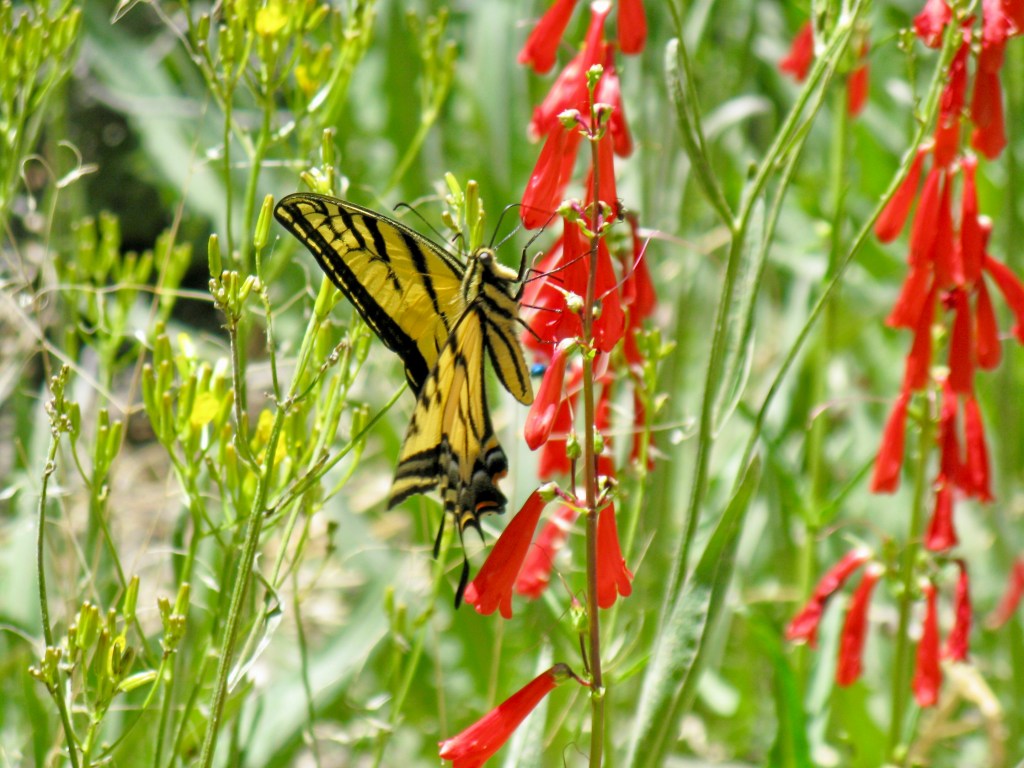
Featured

For the Love of Mountains: A Photo Odyssey

Yosemite National Park, California

We are now in the mountains and they are in us, kindling enthusiasm, making every nerve quiver, filling every pore and cell of us. Our flesh-and-bone tabernacle seems transparent as glass to the beauty about us, as if truly an inseparable part of it, thrilling with the air and trees, streams and rocks, in the waves of the sun,—a part of all nature, neither old nor young, sick nor well, but immortal. ~John Muir

Yosemite’s High Country

I’ve been thinking a lot about mountains.  It’s been too long since I last visited some of the ranges I’m especially fond of.  With their lovely snow caps, exquisite waterfalls, clear-running streams, crystal alpine lakes, rugged terrain, variety of trees & wildlife, and incredible vistas, what’s not to miss?  John Muir, the Scottish-American who dedicated the latter part of his life to exploring the mountains of the Western US, was also enamored of them.  It is said that Muir exemplified our oneness with the earth, and biographer Donald Worster wrote that Muir believed his mission was saving the American soul from total surrender to materialism.” 

Alpine lake in Great Basin National Park, Nevada

You must ascend a mountain to learn your relation to matter, and so to your own body, for it is at home there. ~Henry David Thoreau

Rocky Mountain National Park, Colorado

I suppose my love of mountains was forged at an early age. As a child, I lived in the foothills of the Smoky Mountains, and my family would sometimes drive north to see the more majestic areas of the range.  You might imagine how, years later, my infatuation grew as I began exploring areas with higher and higher elevations.

Rocky Mountain stream, Colorado

Every inch of the mountains is scarred by unimaginable convulsions, yet the new day is purple with the bloom of youth and love. ~Ralph Waldo Emerson

Sequoia National Park, California

I have visited a lot of little mountain towns in this country.  Oftentimes, I hear that the indigenous people of the area consider their mountains sacred and go to great measures to protect them.  That’s not hard for me to understand, as mountains evoke a sense of reverent connection within me.  I believe that’s what Muir must have experienced, as well.  He wrote letters, articles, & books, and shared conversations with scientists, artists, celebrities, and statesmen in his preservation efforts.  Perhaps the pinnacle of his life’s work was co-founding the Sierra Club, thereby helping establish a number of National Parks in this country, which serve to protect his beloved peaks.

King’s Canyon National Park, California

The mountains are calling and I must go.  ~John Muir

King’s Canyon

I am grateful for the hard work and dedication of John Muir. Thanks to him, much of the mountains of the American West can still be enjoyed in their pristine glory. And if we’re really lucky, that will never change.

Grand Tetons, Wyoming

Oh, these vast, calm, measureless mountain days, days in whose light everything seems equally divine, opening a thousand windows to show us God. ~John Muir

Grand Teton National Park

Blessings for Mountain Love,

Lisa

This was one of my most popular posts of 2020. Thank you for reading! I won’t be available for comments this week, but let’s catch up next week!

The content of this article is for educational and informational purposes only, and is not intended as medical advice. Please consult with a qualified health care professional before acting on any information presented herein. Any statements about the possible health benefits of any subject discussed have not been evaluated by medical professionals or the Food & Drug Administration and are not intended to diagnose, treat, cure or prevent any disease or illness.

Featured

Primal Connection: A Need for Credence

All photos in this post were taken in Southern Utah

Whether or not we acknowledge it, each of us is a part of Nature.  In past posts, I’ve written about the importance of staying cognizant of and nurturing this connection.  That is in fact the theme of Micro of the Macro.  But it’s always a delight to explore further and better understand this all-encompassing blessing.

In Healing Made Simple, I shared the work of triple board certified physician & international microbiome educator Zach Bush, who states we are only as healthy as our connection to Nature.  That connection includes the Nature we take inside our bodies as well as the natural environments in which we immerse ourselves externally.

Nature Interrupted is a write-up in which I pointed to a study showing climate change causing lower birth rates in newborns, which can affect health and development throughout life.  In the same post, I mentioned other research showing that when young children play on screens rather than playing outdoors, aggressive behavior, depression, lack of motivation, and obesity can result.

petrified wood

Shortly after the Civil War in late 19th Century America, an illness called neurasthenia was widely recognized, characterized by depression, ennui, anxiety, migraines, and insomnia.  The diagnosis was so common that it was often referred to as Americanitis. It was considered the consequence of moving into a mode of living too fast resulting from a rapid population explosion, urbanization, and modernization due to cars, air travel, and telephones.  For the men afflicted, including President Theodore Roosevelt & poet Walt Whitman, a Nature cure was prescribed: working with horses on ranches in the West. 

Similar to neurasthenia, although not a clinical diagnosis, nature deficit disorder is a concept proposed by Richard Louv, author of Last Child in the Wood.  Louv explains that elements of modern life, including fewer natural spaces, a car-focused culture, more screen time, changes in the perception of risk (e.g., stranger danger), less leisure time, and increased time pressures from work or school, combine to decrease or even eliminate contact with nature for both adults and children.  Direct exposure to Nature is vital for health on all levels, he says.  Scores of research studies support his theory.

In an essay from Wild Earth Journal, David Abram, Distinguished Fellow of Schumacher College in England and founder & creative director of the Alliance for Wild Ethics writes our bodily senses bring us into relation with the breathing earth at every moment.  If humankind seems to have forgotten its thorough dependence upon the earthly community of beings, it can only be because we’ve forgotten (or dismissed as irrelevant) the sensory dimension of our lives. The senses are what is most wild in us — capacities that we share, in some manner, not only with other primates but with most other entities in the living landscape. 

By objectifying other animals, plants, wild running waters, and mountains, which we are often taught to do from an early age, we learn to see humans as superior, causing an unfortunate disconnect.  (To explore this idea a bit further, check out my post Does the Earth Love You?)  Resuming Abram’s essay: If we continue to speak of other animals as less mysterious than ourselves, if we speak of the forests as insentient systems, and of rivers and winds as basically passive elements, then we deny our direct, visceral experience of those forces.  We become spectators of other life, limiting our sensual experiences and living more in our heads, he writes.

E.O. Wilson, who was an American biologist, naturalist and writer, proposed the biophilia hypothesis in the mid 80’s, suggesting humans have an innate desire to connect with Nature.  By deepening this connection, he explains, we can foster loving attitudes and behaviors toward all of life.  Shouldn’t we be nurturing this inborn tendency in ourselves and our children, rather than allowing it to be buried by the insane thinking that has led us to the environmental and human crises in which we presently find ourselves?

Being a part of this miracle known as Nature is a blessing – one that should be not only acknowledged but embraced.  History and science continue to validate the importance of our Nature connection.  Nurturing this relationship has the potential to improve everything.

Blessings for Primal Connection,

Lisa

The content of this article is for educational and informational purposes only, and is not intended as medical advice. Please consult with a qualified health care professional before acting on any information presented herein. Any statements about the possible health benefits of any subject discussed have not been evaluated by medical professionals or the Food & Drug Administration and are not intended to diagnose, treat, cure or prevent any disease or illness.
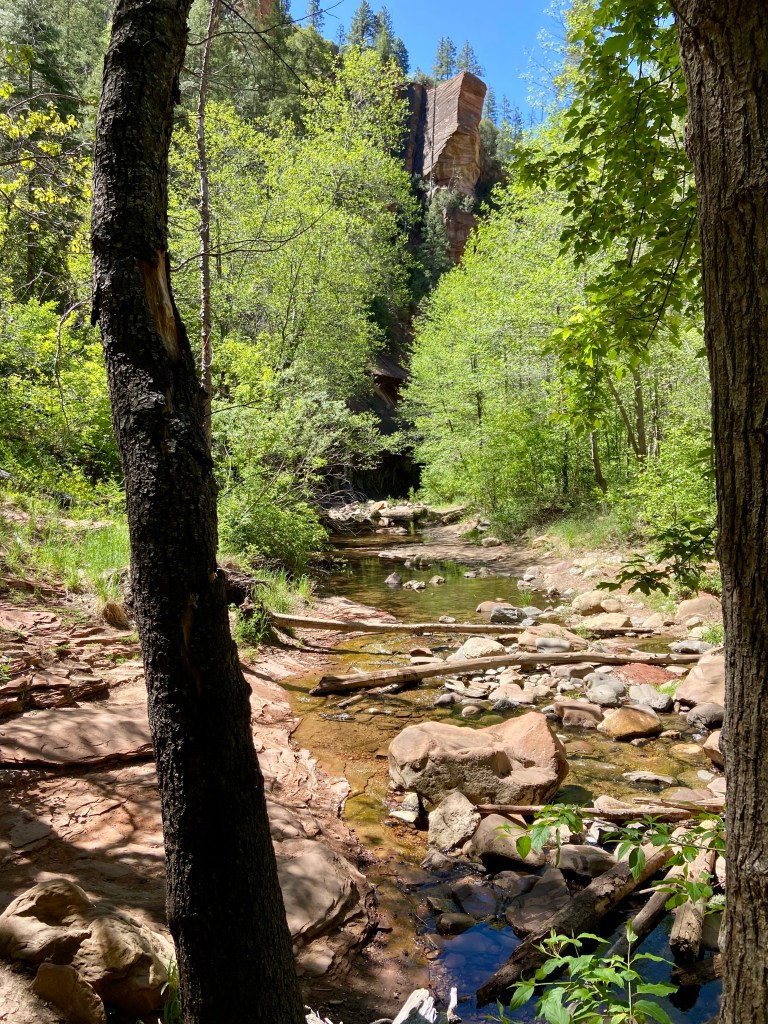
Featured

pH Balance Explained (And Why It Matters)

Plant foods help keep your blood healthy

I have mentioned pH balance and acidic foods in past posts, but never taken the time to explain them.  Various parts of the human body have different pH balances, but it’s the blood’s pH that this write-up addresses.  

First off, the abbreviation pH indicates the potential of hydrogen.  Hydrogen is an important element in our bodies, playing roles in functions such as immunity, hydration, energy production, toxin elimination, joint lubrication, and transportation of nutrients, to name a few.  The pH scale ranges from 0 to 14, with 0 being most acidic and 14 being most alkaline.  The pH balance of healthy blood serum is around 7.4.  

Normally, the lungs and kidneys are able to maintain this homeostasis.  However, when those processes become overwhelmed, balance is lost, and the blood can leach minerals from the bones to restore it.

There are several reasons why imbalance occurs in the blood’s pH.  Various diseases, medications, stress, and diet (now widely known to be one of the most important factors) can cause the body to work harder to sustain balance, often with poor outcomes. The constant pressure on the body’s physiology to compensate for acid-inducing challenges is known to contribute to a wide range of diseases, such as metabolic syndrome, cancer, osteoporosis, kidney stones, and increased susceptibility to environmental toxins—and new research is adding to the list, according to this article from PubMed.  

This scientific review explains that the diet of most people in the US is acid-promoting due to heavy consumption of meats, eggs, dairy, and the processed stuff.  This chart (near the end of the article) from Doctor’s Health Press gives the pH levels of various foods and drinks.  You’ll see that sodas and energy drinks are in the most acidic category, followed closely by  processed and animal foods.  At the most alkaline end of the range, spinach, carrots, cucumbers, olive oil, and other plant foods can be found.

Chances are, your PCP will never mention your blood’s pH.  You can, however, request a lab test.  (Be aware that insurance probably will not pay for it.)  Chronic pain, difficulty breathing, or ongoing fatigue could be signs that your body is no longer doing a good job of ridding itself of excess acid, and you need to make some changes.

The National Kidney Foundation advocates for a diet that includes more plant-based proteins than animal-based proteins, along with a high intake of fruits and vegetables, (to) help keep acid levels from rising in the blood.  A recommendation from this source carries a lot of weight, wouldn’t you agree?

The importance of maintaining a normal blood pH cannot be overstated.  Regardless of your age, making changes to the way you eat may help you achieve that balance so that you feel better, avoid disease, and live longer.  And who doesn’t want those things?!

Blessings for Balance,

Lisa

Comments are turned off for this post, but I look forward to seeing you next week!

The content of this article is for educational and informational purposes only, and is not intended as medical advice. Please consult with a qualified health care professional before acting on any information presented herein. Any statements about the possible health benefits of any subject discussed have not been evaluated by medical professionals or the Food & Drug Administration and are not intended to diagnose, treat, cure or prevent any disease or illness.
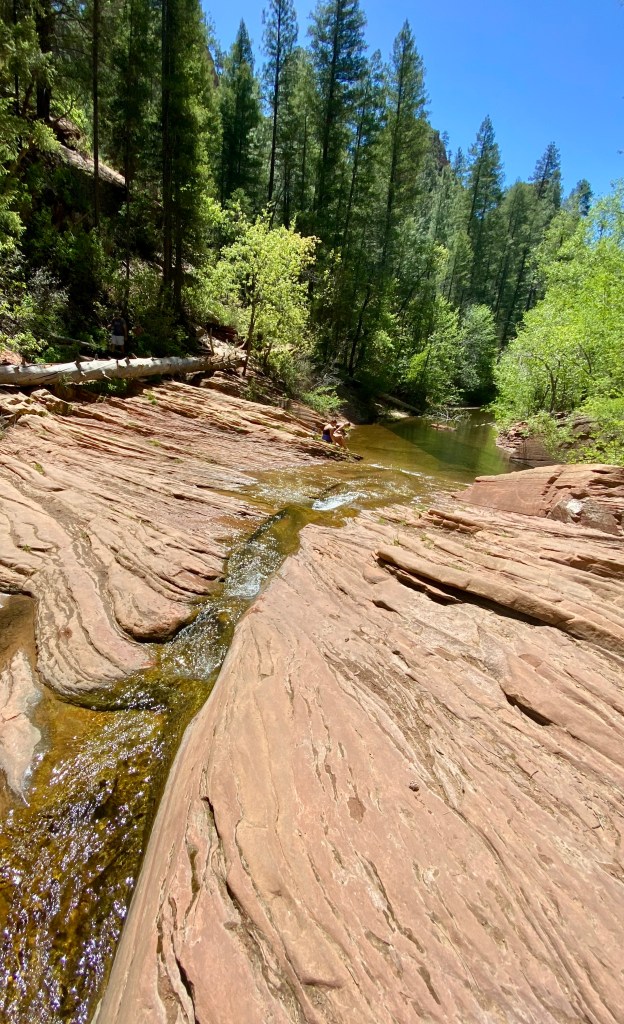
Featured

Working Toward Oneness: Meditation

Attention to the present moment can be most gratifying

After a 14-year hiatus, I have reestablished a daily meditation practice.  It  is part of a deep Ayurvedic cleanse I’m doing, and its purpose is to release stored emotions. After only 3 weeks, I’m already experiencing positive results; I no longer feel the stress of getting things done at a hurried pace.  My daily mode of living had become a super-stressful rush, rush, rush to do everything.  I’m not sure why.  But what a relief to leave the race behind!

Looking through past posts, I see that I’ve touched on meditation in 10 of them.  In 5 Little Known Secrets for Looking & Feeling Younger, I reference the work of Dr. Deepak Chopra, who discusses the hormone DHEA. He says this chemical that improves muscle & bone strength and reduces body fat & skin atrophy is often depleted over a lifetime, but can be found in elevated levels in meditators of all ages.  In Awaken Your Healer Within, I shared Dr. Roger Jahnke’s explanation that the lowered brain activity and reduced blood pressure resulting from meditation can help neutralize the effects of stress on the body and heal disease.  And in Mindfulness: What’s In It for Me?, I wrote that over 200 studies show mindfulness practices including meditation are effective at boosting immune function, decreasing chronic pain, helping with depression, improving relationships, and even ameliorating addictive behaviors. I’ve long known how beneficial the practice is.  I’m not sure why it took me such a long time to get back into it.

Meditation has been practiced for thousands of years, and is referenced in texts across philosophical and religious traditions.  I’m sure I’ve mentioned this before, but practices that are around for such prolonged periods survive because they are effective.  In fact, Dr. Kulreet Chaudhary, integrative neurologist and author of The Prime: Prepare and Repair Your Body for Spontaneous Weight Loss, describes meditation as a daily brain detox, and states that it is indisputably a beneficial practice which will change your life.

I put a lot of pressure on myself to understand & do things correctly, so I was grateful to find the YouTube video Debunking the 5 Most Common Meditation Myths.  In it, I learned that the wondering of the mind does not take away from the benefits of the practice; it may in fact help.  I do hope you’ll check out the clip if you’re feeling either discouraged in your practice, or set on your inability to meditate because your mind is too active.

Maybe you’ve never tried a meditation practice, or it’s been a long time since your last attempt.  In this Healthline article, 9 types of meditation are listed, along with descriptions of each.  Maybe you can find one that’s a good fit for you.  Also, YouTube has plenty of guided meditations, many of them less than 5 minutes long.

I’m excited to be experiencing the profound benefits of my new meditation practice.  Will I continue after the cleanse is complete?  Absolutely.  With all its physical, mental, and emotional benefits, I can hardly wait to see the next positive change!

Blessings for Stillness,

Lisa

The content of this article is for educational and informational purposes only, and is not intended as medical advice. Please consult with a qualified health care professional before acting on any information presented herein. Any statements about the possible health benefits of any subject discussed have not been evaluated by medical professionals or the Food & Drug Administration and are not intended to diagnose, treat, cure or prevent any disease or illness.
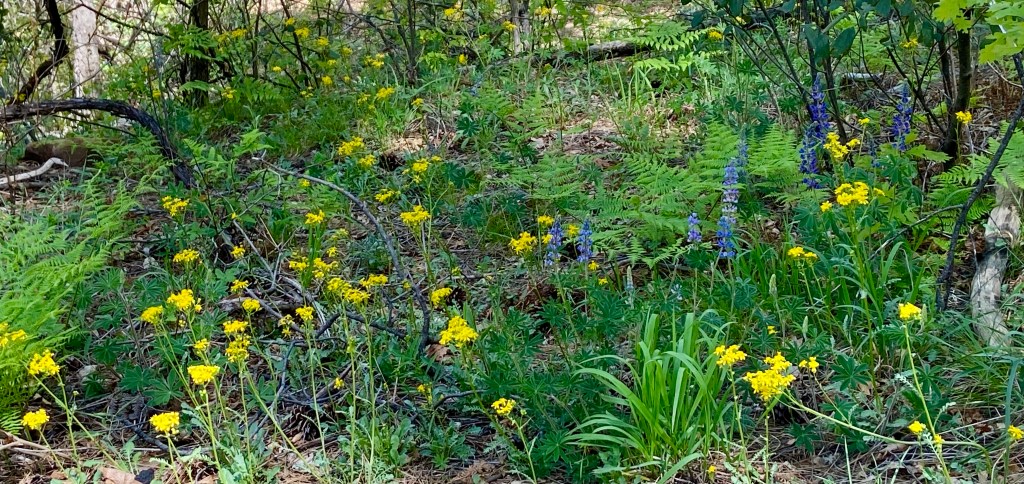
Featured

Very Cheesy Vegan Ziti

It’s recipe time again!  I always look forward to these weeks because they stir my creativity in the kitchen, and I’m excited to share the results with you.  This week, I’ve prepared a dish that I’ve been considering since late last year!  I have been hesitant (maybe lacking confidence) because it’s the veganization of a delicious recipe by Mollie Katzen from Moosewood.  Back in my dairy-eating days, it was a favorite cool-weather dish.  Her recipe calls for butter, cottage cheese, cheddar, and buttermilk, and is called Macaroni & Cheese Lite.  (Her recipe was lite as compared with the recipe from which it was adapted.)

I’ve mentioned in past posts that I’ve found lots of really good subs for different types of cheese.  Cottage cheese is my latest discovery.  The first formula I tried was bad, I mean not even close.  Usually, I can salvage things that don’t turn out well by adding a little more of this or that, but this went right into the compost bin.  Thankfully, I found a version at Ela Vegan that is similar to real cottage cheese in both taste & texture, and I knew I could go forward with Mollie’s recipe once I tasted it.

While I’m giving credit, my super-tasty cashew sour cream was modified slightly from Angela Liddon’s recipe at Oh She Glows.

It would be easier if I used ready-made packaged vegan cheeses, of course.  But my body doesn’t like them.  If the difference between your trying my recipe and not trying it hinges on it, please use ready-made products!  (And because this is a big recipe, you might want to save it for the holidays, when others might be around to help you devour it & clean up afterwards!)

Cheese was one of the last things I gave up to become completely vegan.  I loved cheese, and I know many of you do.  But it’s unhealthy for so many reasons.  In the US, cheese often contains antibiotics, hormones, pesticides, herbicides, and other dangerous chemicals, all results of industrialized farming.  (And let’s not forget the inhumane treatment of the animals involved.)  Additionally, pasteurization of the milk followed by further heating in the cheese-making process kills many of the live enzymes that are essential for proper digestion and assimilation.  Making matters worse is the fact that it’s a mucus-producing food.  And although it has a great deal of calcium, cheese is acidic on the pH scale, and research shows that acidic foods can result in a very high excretion of calcium through urine, resulting in lower bone density.  (So, no, dairy is not good for healthy teeth & bones!) I could go on, but let me just wrap it up by mentioning that cheese and other dairy foods, due in large part to the inflammation they cause, can contribute to obesity as well as many other chronic diseases.

Back to the recipe.  I haven’t mentioned how yummy my veganized version is.  I believe Mollie herself would approve!

Very Cheesy Vegan Ziti

Yield: 6 – 8 servings

Ingredients (use all organic or non-GMO if possible)

For the cottage cheese: make an hour ahead of the rest & refrigerate
8 – 10 oz firm tofu, drained
1/2 cup vegan unsweetened yogurt
1/2 tsp Himalayan salt
1/4 tsp onion powder
1/4 tsp garlic powder
1 1/2 tsp white vinegar
1 tsp nutritional yeast

For the cashew sour cream:
1 cup cashews, soaked for 2 hours for easier processing
1/2 cup water (or as needed to achieve desired consistency)
3 tbsp fresh lemon juice
heaping 1/4 tsp Himalayan salt, or to taste

For the rest:
oil for the baking dish
salted water for boiling pasta
2 tbsp olive oil
2 cups yellow onion, small diced
3 med cloves garlic, minced
1/2 lb cremini mushrooms, sliced
4 cups green cabbage, shredded
1 tsp Himalayan salt
1 1/4 tsp caraway seeds
3 handfuls fresh spinach, chopped
12 oz ziti
all of cottage cheese from recipe provided
all of cashew sour cream from recipe provided
1/2 cup vegan yogurt
2 tsp dried dill
fresh ground black pepper to taste
handful of sunflower seeds

Directions

Make the cottage cheese at least an hour ahead of time & refrigerate to allow flavors to marry.  In a medium bowl, crumble the tofu, leaving plenty of texture to mimic curds.  In a smaller bowl, whisk together the rest of the cottage cheese ingredients.  Pour the liquid mixture over the tofu, stir gently to combine, and taste for salt.  Chill for at least 1 hour prior to using.

For the cashew sour cream, if you have soaked your cashews, drain them well.  Add them, the 1/2 cup water, lemon juice, and salt to a small food processor & spin until completely smooth.  Taste for salt, lemon, & consistency.

Heat your oven to 350 F & lightly oil a 9 x 13 inch baking dish.  Get the water started heating for the pasta.

Sauté the onions in the oil on medium heat in a large sauté pan for 5 minutes.  Add the next 5 ingredients (garlic – caraway seeds,) stir, and cover.  Cook until the cabbage is just tender, about 10 minutes, stirring every few minutes.  (If your stove is like mine, you may need to turn the heat down to med-low.)  Stir in the spinach and remove from heat.

Cook the pasta about 1 – 2 minutes less than your package directions, until barely tender.  (It will cook more in the oven.)  Drain well.  Place in a large bowl and stir in the sautéed veggies.  Add the next 5 ingredients (cottage cheese through black pepper,) stirring gently but thoroughly.  Taste for salt & other seasonings. Pour into your baking dish and sprinkle sunflower seeds evenly over the top.  Bake for 30 minutes.

Enjoy!  And please let me know if you give it a try! 😊

The content of this article is for educational and informational purposes only, and is not intended as medical advice. Please consult with a qualified health care professional before acting on any information presented herein. Any statements about the possible health benefits of any subject discussed have not been evaluated by medical professionals or the Food & Drug Administration and are not intended to diagnose, treat, cure or prevent any disease or illness.

Featured

The Gift of Rumi

All images in this post are from New Mexico

Why do you stay in prison
When the door is so wide open?
Move outside the tangle of fear-thinking.
Live in silence.
Flow down and down in ever
widening rings of being
. ~Rumi

Recently, I watched Rumi: Poetry of the Heart, a short documentary in which teachers, historians, and American translators shared some important events from the poet’s personal life.  Eight hundred years after being composed, Rumi’s translated works are the best-selling poetry in the US. Among the many things we Americans choose to collect, this is truly a gift.

Jalal ad-Din Muhammad Rumi was born in 1207 in present-day Afghanistan, at the time a part of Persia.  His father was a Sufi teacher, and immersed his son in the teachings of Islamic mysticism.  Upon his father’s death, Rumi, at 25 years of age, stepped into his father’s teaching role, amassing many followers.  Twelve years later, his life was changed by a wandering stranger, Shams of Tabriz, who challenged the scholarly educator with the idea of putting aside his books to experience the life in his teachings.  Shams is credited with inspiring Rumi to create many of the beautiful verses we know today.

Why should I seek?
I am the same as He.
His essence speaks through me.
I have been looking for myself!
~Rumi

According to Coleman Barks, an American translator who worked with a Sufi master for 9 years, Rumi’s sense of the Divine is the jewel-like quality of our inner awareness.  It is reflected in a baby’s smile, in natural beauty, and even in a group of friends sharing a meal.  

Years ago, I bought an exceptional recording, A Gift of Love: Music Inspired by the Love Poems of Rumi.  It’s one of those collections that requires more than one play – when I listen to it, I have to hear it again every day for a week or more.  I can’t describe how it opens my heart, elevates my spirit, and encourages me to ponder spiritual truths. This partial poem is from that recording:

From the beginning of my life
I have been looking for your face
but today I have seen it.
Today I have seen
the charm, the beauty,
the unfathomable grace
of the face
that I was looking for.
Today I have found you
and those who laughed
and scorned me yesterday
are sorry that they were not looking as I did.
I am bewildered by the magnificence
of your beauty
and wish to see you
with a hundred eyes.
My heart has burned with passion
and has searched forever
for this wondrous beauty
that I now behold. 
~Rumi

An opinion shared by all those featured in the documentary is the reason for Rumi’s modern popularity: truth.  The ways in which the poet intertwined spiritual truth and beauty speaks directly to the heart.

At night, I open the window
and ask the moon to come
and press its face against mine.
Breathe into me.
Close the language door and open the love window.
The moon won’t use the door, only the window.
~Rumi

Since first hearing his work, Rumi has been far and away my favorite poet.  I find it encouraging that the American population is embracing the writings of this ancient mystery tradition teacher.  Our culture’s need for love, beauty, and truth has never been greater.

Poetic Blessings,

Lisa

The content of this article is for educational and informational purposes only, and is not intended as medical advice. Please consult with a qualified health care professional before acting on any information presented herein. Any statements about the possible health benefits of any subject discussed have not been evaluated by medical professionals or the Food & Drug Administration and are not intended to diagnose, treat, cure or prevent any disease or illness.
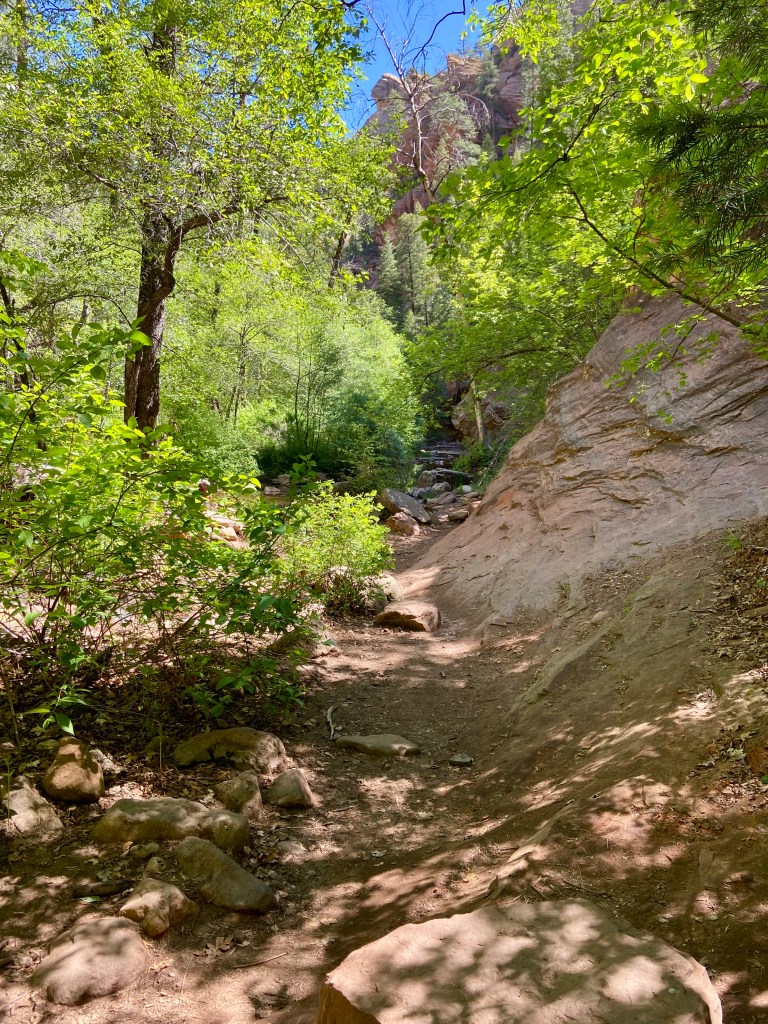
Featured

Interdependent by Design

The whole idea of compassion is based on a keen awareness of the interdependence of all living beings, which are all part of one another, and all involved in one another.  ~Thomas Merton

Merriam-Webster defines the term interdependence as the state of being dependent upon one another.  Examples are given for interdependent economies as well as little universes we call ecosystems.  On a macro level, coronavirus has shown us just how interdependent we all are.  On a micro level, the workings of this concept are not always as evident.

All photos in this post were snapped in California

For example, we humans host an ecosystem in our guts called the microbiome.  That community consists of trillions of microbes that help digest food, extract nutrients, build or diminish the immune system, and inform the brain.  The microbiome is interdependent with every other system in the body, a fact which should be considered when any kind of health issue or disease presents itself. 

Similar to our hosting of this internal ecosystem, Nature hosts humans within an external ecosystem.  We depend on soil, plants, the ocean, and animals for our basic needs.  Soil, like our microbiome, is an ecosystem unto itself.  The life in our soils determine the health of our plants.  (Read about our struggling soils here.)  Plants release oxygen, absorb carbon dioxide and have the ability to clean our toxic wastes.  Our oceans’ seaweed is responsible for producing even more oxygen than land plants.  (Both rainforests and oceans are referred to as the lungs of the planet.)  Animals play an important role in controlling the population of other animals as well as inhibiting plant overgrowth. And domesticated animals, as you know, can provide us with wonderful companionship and unconditional love.  By caring for all of life, we are interdependently supporting the soil, plants, oceans, and animals that sustain us.

In her book Symbiosis in Cell Evolution: Life and Its Environment on the Early Earth, microbiologist Lynn Margulis writes about an important process undertaken by ancient bacteria.  About 2 billion years ago, she explains, bacteria covered our planet.  To complete their life processes of respiration, photosynthesis, and fermentation, they utilized natural resources alongside other bacteria.  When the number of bacteria increased, forcing resources to go further, the bacteria found themselves in crisis. Their once peaceful ways of living changed, fueled by the fear of scarcity.  Many of them struggled.  (Does this remind you of the human story?) Because it became evident that none of them would survive if this competitive way of living continued, they realized the need for interdependence.  Due to making a shift which was better for all, their kind is still around today, living in cooperatives known as nucleated cells. 

The interdependence of biological systems offers strong evidence for intelligent design. They function synergistically in such a way that the sum of their actions is greater than the addition of separate, individual actions. ~CreationWiki

We were intelligently conceived to thrive in cooperation with all forms of life, including soil, plants, other animals, the ocean, and all of humankind.  Now more than ever, understanding the concept of our interdependence with the whole, and living in a way that honors it, is needed to ensure our perpetuation on the planet.

Blessings for Embracing Interdependence,

Lisa

The original version of this post was shared in November of 2020.

The content of this article is for educational and informational purposes only, and is not intended as medical advice. Please consult with a qualified health care professional before acting on any information presented herein. Any statements about the possible health benefits of any subject discussed have not been evaluated by medical professionals or the Food & Drug Administration and are not intended to diagnose, treat, cure or prevent any disease or illness.

Featured

The Gift Economy

When I was a small girl in the Southern US, my Grandmother kept a sizable vegetable garden, a large number of chickens, a few cows, and several pigs. My memories of time in the garden and with the animals outnumber any others from those days.  I befriended one of the chickens, actually a rooster, who would sit in my lap & allow me to pet him.  And I helped slop the hogs many evenings, although I never got too close to them or the cows, for fear of being bitten or stepped on.

A bounty recently shared from a neighbor’s harvest

When it came time to harvest, some vegetables were canned or placed in my granny’s deep freeze, and some went to family members, neighbors, and friends.  This sharing also took place when one of the animals was slaughtered.  And folks were always bringing by free baskets of beans, corn, apples, berries, and jars of freshly made jam.  I didn’t know I was witnessing a gift economy; that’s just the way things were done.  

In a recent essay in Emergence Magazine, Robin Wall-Kimmerer, State University of NY Distinguished Professor of Environmental Biology and the Founder and Director of the Center for Native Peoples and the Environment, considers a similar gift economy as she’s picking Serviceberries, also called Juneberries.  These unique fruits are enjoyed not only by her and her neighbors, but also many other citizens. It is a preferred browse of Deer and Moose, a vital source of early pollen for newly emerging insects, and host to a suite of butterfly larvae—like Tiger Swallowtails, Viceroys, Admirals, and Hairstreaks—and berry-feasting birds who rely on those calories in breeding season, she writes.

Kimmerer names the essential gifts received by the tree in return for this bounty of sweet berries, stating its economy is based upon reciprocity rather than accumulation, where wealth and security come from the quality of relationships, not from the illusion of self-sufficiency. Without gift relationships with bees and birds, Serviceberries would disappear from the planet.  All flourishing is mutual, she sets forth.

Wildflowers in Kachina Peaks Wilderness, Northern Arizona

Generosity is a major theme of the essay.  In past posts including The Generosity of Plants and Wildflowers: Resilience, Beauty, & Grace, I have written about benefits of altruism in the plant world.  And human studies show that generosity can boost immune function, reduce stress, improve mental health, and prolong life.  

I am blessed to be a part of a gift economy with a small group of neighbors & friends, with whom I exchange garden veggies, nuts, farmers market picks, flowers, holiday goodies, and help with snow removal & cat sitting. They are always willing to lend a helping hand, and vice versa. But since childhood, I have seen less and less of this good-hearted reciprocity.  I believe the inflation and short supply of goods and services (in the US) brought about by covid has resulted in a population consumed with thoughts of scarcity.  But must fear prevent us from establishing a strong, loving community?  

Kimmerer has the perfect antidote for this fear: naming the world as a gift.  She explains: Conceiving of something as a gift changes your relationship to it in a profound way.  She gives an example of a hat knitted by a beloved auntie vs. one bought at a store, saying that you’re much more likely to take better care of the hand-knitted one because it is knit of relationships. She continues, this is the power of gift thinking. I imagine if we acknowledged that everything we consume is the gift of Mother Earth, we would take better care of what we are given.  To name the world as gift is to feel one’s membership in the web of reciprocity. It makes you happy—and it makes you accountable.

Reading Kimmerer’s essay makes me even more appreciative of those practices from my formative years, based on the infinitely renewable resource of kindness, which multiplies every time it is shared rather than depreciating with use, in her words.  (To sample more of her writing, check out my post Does the Earth Love You?)

I hope your heart, like mine, has been opened by sharing in Kimmerer’s knowledge and ideas.  May our inspiration and collective willingness to participate more fully in a gift economy be spurred to create a kinder world. 

Blessings for Shared Abundance,

Lisa

All flourishing is mutual. ~Robin Wall-Kimmerer

The content of this article is for educational and informational purposes only, and is not intended as medical advice. Please consult with a qualified health care professional before acting on any information presented herein. Any statements about the possible health benefits of any subject discussed have not been evaluated by medical professionals or the Food & Drug Administration and are not intended to diagnose, treat, cure or prevent any disease or illness.

Featured

Aspects of Autumn

If I were a bird, I would fly about the Earth seeking the successive autumns. ~George Eliot

Fall hasn’t always been my favorite season.  As a kid, I loved Summer, when school was out, more than any other.  (Maybe that’s true for everyone?) As I got older, vibrant colors & cooler temperatures started having a stronger pull on me.  Now in the hottest of the hot days of Arizona’s summer, I long for the gentle qualities of Autumn.

Lord: it is time. The summer was immense.
Lay your shadow on the sundials
and let loose the wind in the fields.

Bid the last fruits to be full;
give them just two more southerly days,
press them to ripeness, and chase
the last sweetness into the heavy wine.

Whoever has no house now will not build one.
Whoever is alone now will remain so for a long time,
will stay up, read, write long letters,
and wander the avenues, up and down,
restlessly, while the leaves are blowing.
~Rainer Maria Rilke

Dr. Vasant Lad, the Ayurvedic Physician largely responsible for bringing Ayurveda to the US, says that the autumnal change that happens in Nature also occurs in the human body.  Trees pull in energy from their leaves which results in their coloring & eventual falling.  In a similar manner, the human body pulls in energy, which can result in a feeling of ungroundedness as well as insomnia, dry skin, painful joints, constipation, bloating, and ringing in the ear.  Moisturizing from both the outside & inside is necessary to help with these maladies.  In this clip, Dr. Lad shares methods for applying moisturizing oils and explains how they benefit us.  During this cold, dry Vata season, we also benefit from eating heavier, sweet, and cooked whole foods, including soups with warming spices, and avoiding raw foods.

I notice that Autumn is more the season of the soul than of nature. ~Friedrich Nietzsche

Because this is my second post on this gorgeous season (go to this link for the first), I simply want to share some of my favorite things about Fall.  

Nature’s colors are at the top of the list, but not just those of the leaves.  I also enjoy the many shades of gourds that appear at the market this time of year.  And I’ve seen brilliant hues of wild mushrooms on recent hikes.

We don’t eat many desserts, but Autumn finds me making more sweet treats.  Same goes for foods like casseroles, baked ziti, and stuffed veggies.

Just the thought of apple cider (which I’ll make at home this year for the first time) and chai (see my recipe here) make me warm!  I feel these spiced concoctions are musts for the season.  And they can make the house smell delightful for days!

I love wearing beanies, scarves, and boots.  Even if I don’t don a coat, these 3 are essentials for me in cooler months.

And who doesn’t love the holidays?!  Planning what foods to cook, considering invitations, cards, and gifts – I look forward to these preparations each year.  And we always take a winter vacation, usually on the Atlantic or Pacific Coast. When going someplace new, my planning includes reading guidebooks to make sure we don’t miss anything!

Sidewalk art

As long as autumn lasts, I shall not have hands, canvas and colors enough to paint the beautiful things I see. ~Vincent Van Gogh

I hope your heart, like mine, is filled by the joy and beauty this glorious season imparts. And I wish you the good grace to embrace & work with the changes it brings in mind and body.  

Warmest Fall Blessings,

Lisa

This little guy is at the top of a large bush trying to get to the bird feeder after we lubed the pole to prevent him & his buddies from climbing up & emptying it!

The content of this article is for educational and informational purposes only, and is not intended as medical advice. Please consult with a qualified health care professional before acting on any information presented herein. Any statements about the possible health benefits of any subject discussed have not been evaluated by medical professionals or the Food & Drug Administration and are not intended to diagnose, treat, cure or prevent any disease or illness.
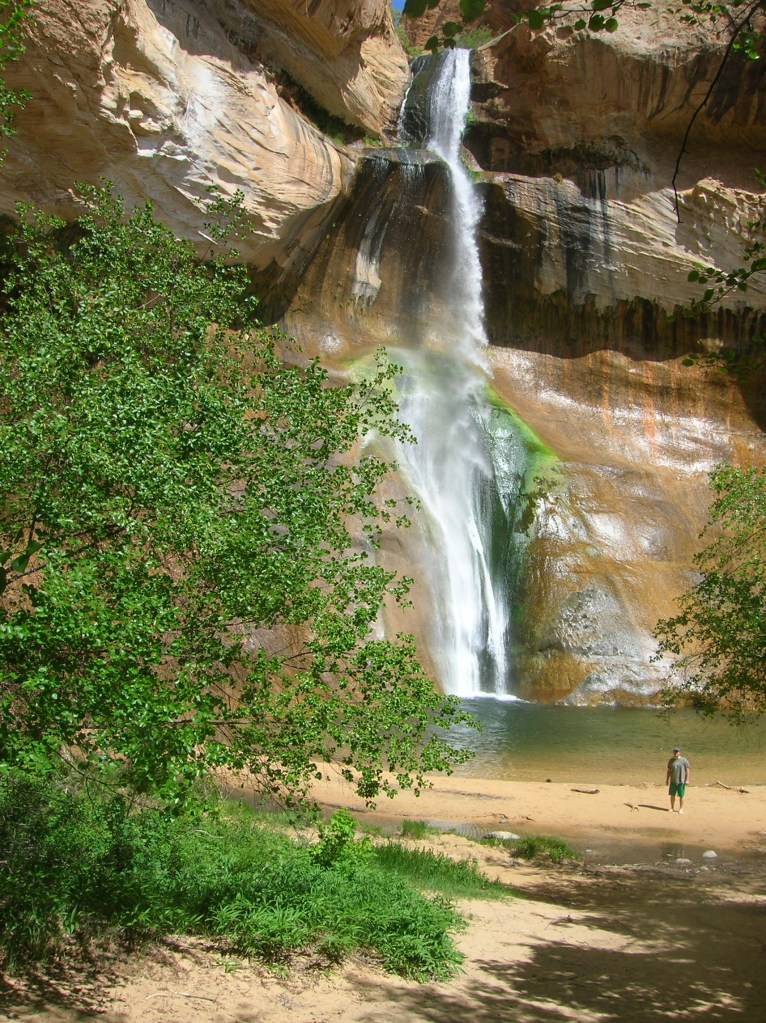
Featured

5 Ideas to Reduce the Cost of Travel

An unusually gentle view of the California coast

Other than airfare, (which, unfortunately, has gone through the roof over the past couple years) lodging is usually the biggest expense when traveling.  Hotel stays are pretty pricey, so unless you have friends and family all over or a home on wheels, you might be finding the cost of traveling prohibitive these days.

Just as the fog burns off

There are alternatives.  With an open mind and a sense of adventure, you can still enjoy exploring new lands without paying an arm and a leg.  And you will come home with stories unlike any you’ve shared in the past!

Redwoods

Below you will find some of my best suggestions.

  1. Sleep in your tent.  There’s nothing quite like sleeping outside, with only a thin sheet of material between you and the stars (and a queen-size inflatable mattress between you and the ground!)  Through the years, I’ve stayed in my tent at State and National Parks, as well as on Public Lands.  Hiking new trails each day, photographing extraordinary Nature scenes, building sweet-smelling campfires at night, and listening to the gentle thump of raindrops before falling asleep are a few of the wonderful memories I’ve collected.  There is usually a small fee for a campsite, and, if not reserved in advance (which can be done online at the Park’s website), they are typically first-come-first-serve.  
  2. Stay in a hostel.  Fellow hostelers are some of the nicest people I’ve ever met.  I bunked with a young woman at a San Francisco hostel who later hosted me at her home in Germany, and a gal from London whom I got to know at a Kanab, Utah hostel met up with me in Paris, where we stayed in, yes, a hostel.  You can opt for a private room (the most expensive option, but still a fraction of the price of a hotel room) or a shared dorm room (the least expensive.)  Everyone shares the living area & kitchen.  Sometimes you share a bathroom.  Often, a hostel stay will include the opportunity for tours, various activities in a game room, and even food for purchase.  I recommend reserving your stay directly or through HostelWorld.com.
  3. Teach English as a foreign language.  Although I didn’t try this one, I came very close.  I researched a position in Chile & was learning Spanish through Rosetta Stone.  (Before committing, I decided that I was much more excited to explore the western half of this country.) However, I have a friend who taught EFL for many years, working in countries in Europe and the Middle East.  She loved the experience and is still in contact with many of her students.  If you’re interested, The TEFL Academy is a reputable organization.
  4. Do a different kind of work exchange.  I’ve participated in work exchanges twice in California and once in Upstate New York.  At Esalen in Big Sur, I paid a reasonable amount in addition to working part-time for room, board, and classes.  At Ratna Ling in California’s redwoods, room and board were payment for my 6-day workweek.  At Omega Institute, which is 90 minutes north of NYC, I worked 32 hours a week and received a small stipend in addition to room, board, and classes.  Check out CoolWorks.com to see the wide variety of possibilities available.
  5. Stay at an ashram, mission, or monastery.  Again, this is not something I’ve done, but looked into & met folks who’ve experienced it.  (And I have every intention of staying at the ashram in Taos, New Mexico at some point!)  This type of stay is not for everyone, as it is often necessary to observe periods of silence, keep your shoulders covered, or other protocol.  But costs are minimal, and you can often work in the kitchen or garden to offset part of your stay.  For more information, call directly or check out a few monasteries at this link.
The waterfall at Julia Pfeiffer Burns State Park

There is a world of reasonable lodging options available to the traveler willing to try something new and different.  Don’t let today’s high prices of most everything keep you from visiting new destinations.  Look into some of these alternative ideas, or explore some of your own.  Happy traveling! 

Traveling south from Big Sur

Blessings for Traveling on the Cheap,

Lisa

The content of this article is for educational and informational purposes only, and is not intended as medical advice. Please consult with a qualified health care professional before acting on any information presented herein. Any statements about the possible health benefits of any subject discussed have not been evaluated by medical professionals or the Food & Drug Administration and are not intended to diagnose, treat, cure or prevent any disease or illness.

Featured

Kitchen-Crafted Broth

This broth would be great in my bok choy souprecipe here

I recently had a conversation with a member of my climbing gym’s staff about making broth.  (Yes, I’ll talk about food & nutrition with anyone!)  His version, which calls for fresh vegetables, sounded delicious.  My recipe is a bit different, using leftover pieces of veggies collected & frozen over a period of months.  And I have to say, it’s the best broth I’ve ever tasted.

I defrosted my bag of veggies, but it’s not necessary

I like using homemade broth over store-bought not only because it tastes so much better, but also because it helps keep those broth boxes from ending up in a landfill.  Good broth is essential in so many recipes, especially during the upcoming holidays.  Now’s a great time to start saving the scraps needed for a big batch.  I make it throughout the year so I’ll always have some on hand to use in soups, risotto, and casseroles.

It also works well with my Asian Veggie Noodle Soup – recipe here

Anytime I cook with mushrooms, I break off the (washed) stems and place them in a gallon bag kept in the freezer.  At some point, I’ll add the green parts from 2 leeks.  When the bag gets full after a few months, it’s time to make this yummy concoction!

Throughout history, a variety of these edible fungi have been used medicinally.  They are a good source of vitamins and minerals, and studies show that mushrooms can help protect the brain from cognitive impairment, boost gut health, and reduce cancer risk.

It’s gonna taste sooooo good!

My recipe was inspired by others that utilize a variety of food scraps, as well as my love for the taste of the water used to reconstitute dried mushrooms.  I hope you’ll find this broth as delightful as I do!

Ready to strain

Yield: 3/4 – 1 gallon, depending on the amount of water used

Ingredients (use organic or non-GMO if possible)
12 – 16 cups water (use less for a more concentrated broth)
1 gallon bag of mushroom stems
2 green parts of leeks (as part of the gallon bag)
Himalayan salt to taste

Directions
Place water in a large pot over high heat. Add frozen mushroom stems & leek greens. Put the lid on and bring to a boil. Reduce heat and simmer for an hour. Remove from heat and add salt to taste.

Remove the stems and greens from the broth before straining, using tongs and a mesh dipper.  Set up a regular mesh strainer lined with 2 layers of cheesecloth over another large pot.  Pour the broth slowly so that it doesn’t pull down the sides of the cheesecloth.  

Use the broth immediately in the dish of your choice or freeze in glass containers for use over the next several months. Enjoy!

The finished product

I am not available for comments this week, but look forward to catching up with you next week! 🌞

The content of this article is for educational and informational purposes only, and is not intended as medical advice. Please consult with a qualified health care professional before acting on any information presented herein. Any statements about the possible health benefits of any subject discussed have not been evaluated by medical professionals or the Food & Drug Administration and are not intended to diagnose, treat, cure or prevent any disease or illness.
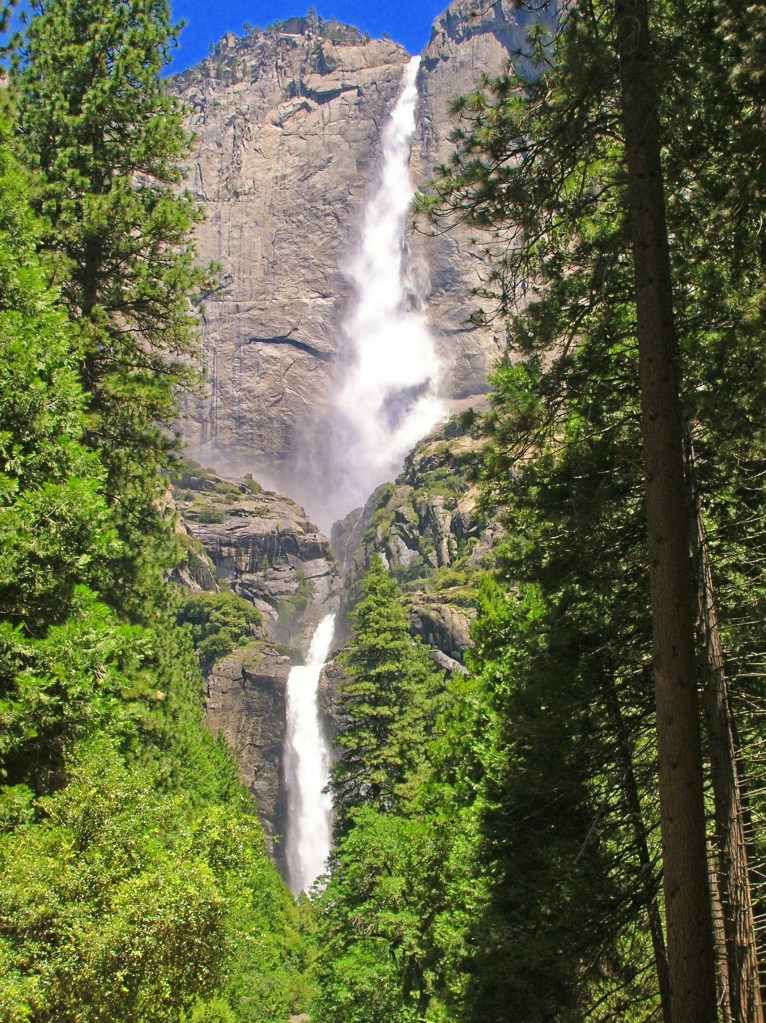
Featured

Down by the Creek

All photos in this post were taken in or near the Wind River Range of Wyoming

I have always been irresistibly drawn to water, particularly creeks, streams, and brooks.  While road tripping, I’ve stopped to photograph them more than any other feature in Nature.  Their beauty can be breathtaking, nestled beside a mountain, surrounded by trees and wildflowers.  And the sound of the water running over the stones in the creek bed is one of the most soothing I know.  In fact, it’s the white noise I use to lull me to sleep each night.

Looking at a topographical map, the myriads of little creeks in the US look like a diagram of human capillaries, and are similar in that they also transport oxygen and other nutrients.  Only after spending time in the Southwest did I learn that in much of the desert, trees can be found only where water runs through the land.  That may seem obvious, but it never occurred to me when I was living full-time on the East Coast of the US, where trees are much more abundant.

I’ve heard many stories about funny happenings at creeks, and I have one to share.  Years ago, I met a new friend from Texas at a hostel in Northern New Mexico.  We enjoyed spending time under some ancient trees that shade a creek running behind the village’s few merchants. We once bought a bottle of wine to share on the edge of the water and took it out of the bag to realize we had no way of opening it.  There was a bar a short walk away, so I strolled inside and asked the bartender, whom we had befriended, to lend us a corkscrew.  Back by the creek, we tried in every way known to man to get that cork out of the bottle, but couldn’t get it to budge.  (If anyone was watching, I can imagine what a belly laugh they had!)  Embarrassed, we took the wine and the cork screw into the bartender who smirked while opening it for us.  We laughed at ourselves the whole time we were drinking it.

On a more serious note, there is a little stream I crossed at least twice each day for a month when I did a work-study program at Esalen Holistic Institute in Big Sur, California.  It was canopied by trees and had a small wooden foot path. I often passed someone meditating beside it on my way to or from classes or my work in the kitchen.  It is one of the most peaceful places I’ve known.

In Eastern Nevada, I once camped at Great Basin National Park.  I arrived early enough during the week to have my pick of campsites, and chose one with a brook running through the back.  I set up my tent close enough that I could hear the water babbling at night.  It is by far my favorite-ever campsite.

The unique beauty of Sedona, Arizona, is magnified by Oak Creek, a canyon stream that runs through much of town.  West Fork, a hike mentioned in my post Red Rocks on the Water, is among the area’s 400 miles of trails.  It’s very popular, especially in Spring and Fall, due to the many wildflowers and changing leaves that flank the creek, which the trail crosses many times.  Fallen logs and small boulders form the paths across the water, and can be quite the challenge.  But the water is pretty shallow for the distance of the hike, and the surrounding red cliffs and colored stones on the creek bed are gasp-worthy.  So what if you get your feet wet!

The sights and sounds of creeks, streams, and brooks bring me joy, entertainment, and peace.  And I’m certain I’m not the only one.  Do you have similar stories that you’re willing to share?

Blessings from the Creek,

Lisa

The content of this article is for educational and informational purposes only, and is not intended as medical advice. Please consult with a qualified health care professional before acting on any information presented herein. Any statements about the possible health benefits of any subject discussed have not been evaluated by medical professionals or the Food & Drug Administration and are not intended to diagnose, treat, cure or prevent any disease or illness.
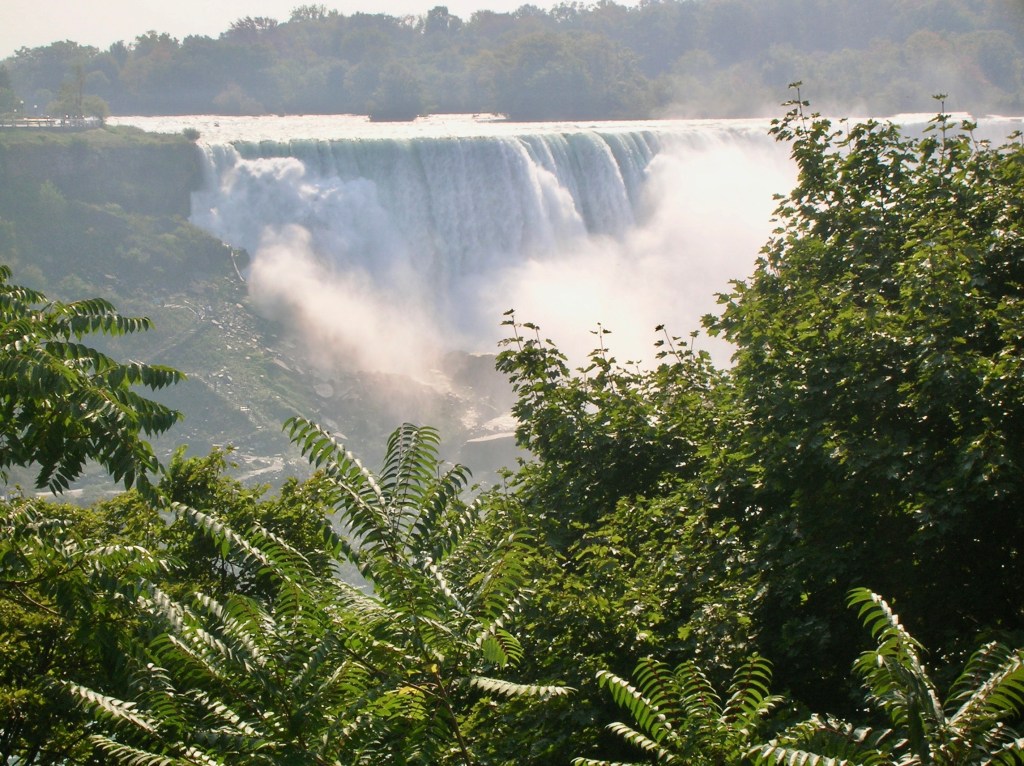
Featured

Essential Oils: A Primer

Rose oil is one of the best for anti-aging

If you’re like me, you’ve been using essential oils for as long as you can remember without a clear understanding of how they work.  Over the years, I’ve read a little about them here and there and been inspired to try them for various issues.  The more I’ve used them and learned about them, the more I appreciate them.  Finally, I’ve taken the time to get a better understanding of the how and the why.

I find their history fascinating.  This write-up from The Essential Oils Academy shares from the beginning of recorded history, the plant kingdom has provided powerful extracts and essences that have been prized for their beauty-enhancing, medicinal, spiritual, aromatic, and therapeutic values.  There is evidence of plant elixir use in Egypt, Ancient Greece, and past- & present-day India, where they are a remedial element of Ayurveda. You will find mention of them in the Bible. They have even been utilized by physicians through the ages to treat soldiers during wartime.  And now in Europe and North America, their use is widespread.

Oregano oil is a powerful household cleaner & immune booster

If you’ll remember, in my post For the Love of Trees, I shared that plants emit an abundance of chemicals that benefit themselves as well as animals, including us.  Essential oils are a condensation of these phytochemicals as a result of distillation.  Because so much plant material is required to make them, the oils are super-concentrated, strong medicine.  (And sometimes quite pricey.)  

Essential oils are used in all kinds of products, from cleaners to insect repellants, body lotions, and face creams.  But even when we don’t apply the oils directly, their aromas can have profound impacts.

Essential oils of lemon & lime heighten mood

Years ago, I remember walking into a casino in Las Vegas and realizing I was being drenched in aromatherapy.  I read up on it, and learned that casinos began using these scents to increase profits in 1991.  Presently, every spot on the Las Vegas Strip has a proprietary scent that is constantly emitted from their ventilation system.  Scent marketing is now a multi-million dollar industry, also used in medical offices, retail stores, and sports stadiums to help us remember our visits as pleasant ones, encouraging our return.

How can the scent of these plant oils have such strong effects?  I was curious, too.  In The Ultimate Guide to Aromatherapy, Jade Shutes and Amy Galper elucidate: the olfactory tract sends nerve impulses to the limbic system, including the heavily-innervated amygdala.  The role of the amygdala in emotion, memory, and autonomic control directly ties olfaction to these primordial functions and adds complexity to the odor perceptual experience, they writeThat explains why scents from the past can take us back.  (For more on the power of smell, check out my post Smellscapes.)  

There are a number of essential oils made from conifer trees, and many have analgesic effects

The book is filled with information on specific oils and their benefits.  Many are anti-bacterial, anti-viral, anti-inflammatory, and anti-aging.  In my experience, a whiff of lavender oil can help with sleep.  A couple drops of peppermint oil on the hairline gets rid of headaches, and rubbed onto muscles, it eliminates or reduces pain.  I’ve also found diffusing eucalyptus while showering helps with a stuffy nose.  But that’s just scratching the surface.  There are oils used for healing wounds & various skin afflictions, reducing anxiety, increasing alertness, and helping with nausea.  (I would suggest adding the oils to an unscented lotion or carrier oil for application, doing a test patch before applying liberally, and reading up on possible effects on children and pets prior to using.  Also, make sure you’re purchasing oils that are organic if possible & sustainably-sourced.)

The little bit of digging I’ve done on essential oils has helped me to understand just how they have helped me through the years. I hope the information I’ve shared encourages you to try these phytochemical powerhouses, yet another of Nature’s gifts to us, in a variety of ways. 

Some of my favorite essential oils

Blessings from the Plant World,

Lisa

The content of this article is for educational and informational purposes only, and is not intended as medical advice. Please consult with a qualified health care professional before acting on any information presented herein. Any statements about the possible health benefits of any subject discussed have not been evaluated by medical professionals or the Food & Drug Administration and are not intended to diagnose, treat, cure or prevent any disease or illness.