Does the Earth Love You?

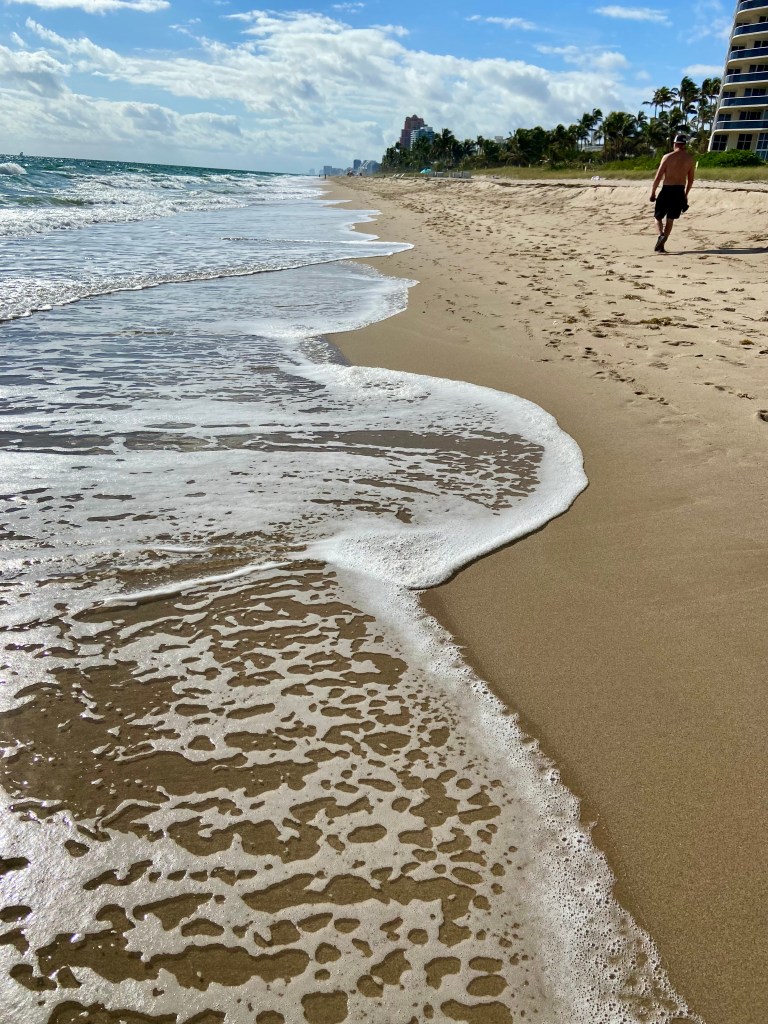
If you’ve been around Micro of the Macro for a while, no doubt you’ve read a lot about the benefits of spending time in Nature. For example, being at the beach can reduce stress & cancer risk.  Interacting with animals can result in improved heart & immune function. Visiting a waterfall can reduce chronic pain.  I have written about how working with plants can reduce depression, trauma, and anxiety, and how wildflowers support all living systems. Nature, in Her infinite wisdom, contributes unceasingly to life, including ours.  But let’s drill down further: does the Earth, our Primal Mother, love us?

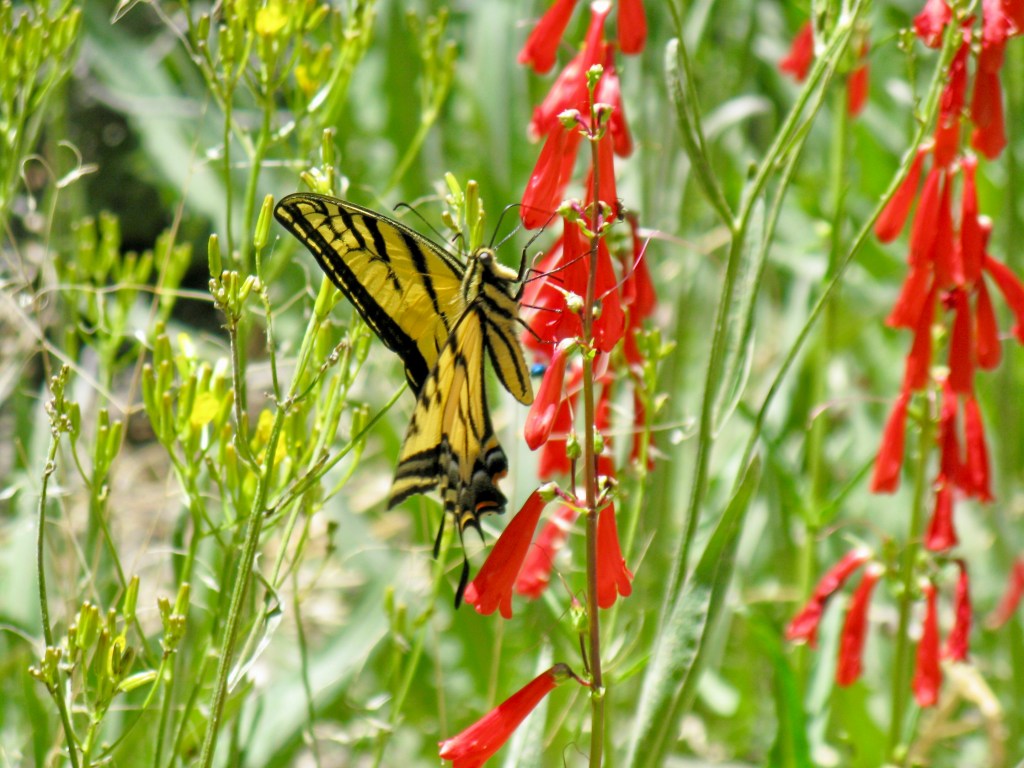
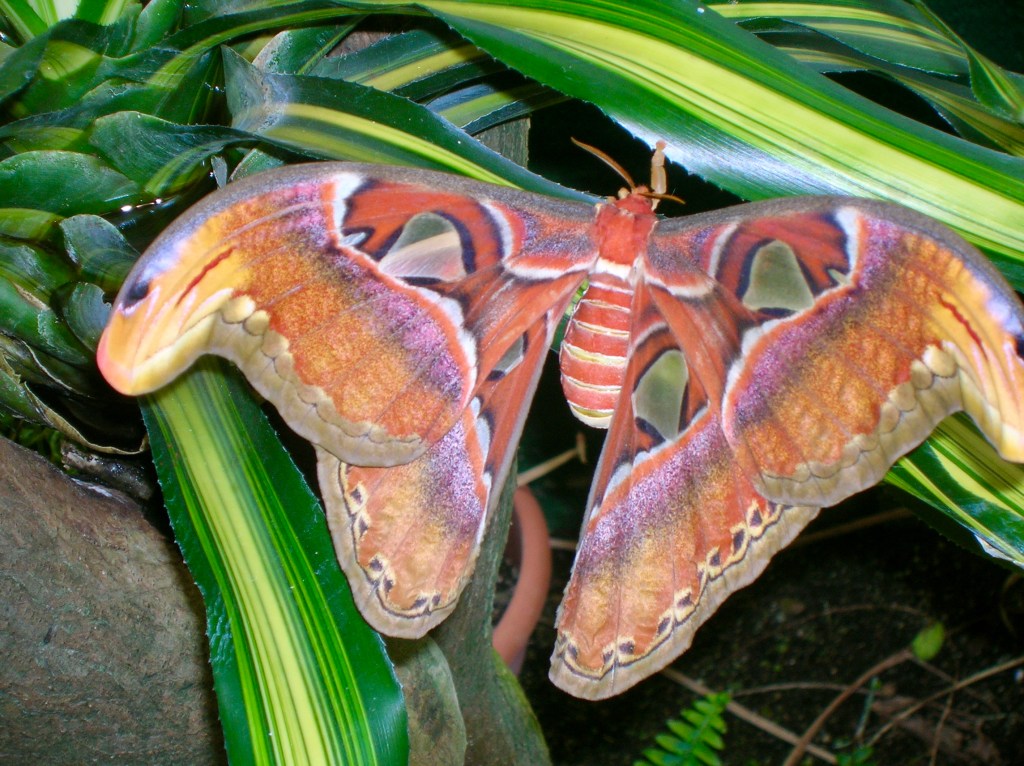
Butterfly Garden, Tucson, AZ

In another older post, I mentioned the beautiful book Braiding Sweetgrass: Indigenous Wisdom, Scientific Knowledge, and the Teachings of Plants by Robin Wall Kimmerer, member of the Potawatomi Nation and Distinguished Teaching Professor of Environmental Biology at The State University of New York. Early in the book, she writes of the differences in two foundations which have strongly influenced the ways we think of Nature: the Creation Story and the language we use.  

Aspens, ferns and wildflowers near Arizona’s Snowbowl Ski Resort

In Kimmerer’s Native American culture, and many others, the Creation Story does not involve an unhappy expulsion from a perfect garden due to Eve partaking of forbidden fruit.  Instead, it is a story of Skywoman, who falls from the Skyworld, grasping for the Tree of Life on her way down, bringing with her seeds, flowers, and branches, and leaving an opening for the sun to shine through.  During and after her landing, animals lovingly assist her. We are inevitably shaped by (Creation stories) no matter how distant they may be from our consciousness, the author writes.  One (of the stories mentioned) leads to the generous embrace of the living world, the other to banishment.  One woman is our ancestral gardener, a cocreator of the good green world . . . The other, an exile, just passing through an alien world on a rough road to her real home in heaven.  A huge difference between perspectives for the followers of each tradition, wouldn’t you agree?

Rushing waters in Montana

Kimmerer’s native language, alive with the energies of the natural world, is almost completely gone.  (This is due in large part to forced government board schooling of Native American children centuries ago, where speaking their native tongue was forbidden.)  The language of her ancestors addressed the Spirit in Nature; it was a mirror for seeing the animacy of the world, the life that pulses through all things, through pines and nuthatches and mushrooms, she writes.  The language reminds us, in every sentence, of our kinship with all of the animate world.  This is a far cry from English, which categorizes the living world as either people or things.  And how easy is it to neglect or abuse when we objectify?  How could we possibly come to believe that things love us?

Cactus blooms in the Sonoran Desert

The author, a scientist and teacher, is a mother of two, as well.  She writes with the greatest affection of her daughters, and says she taught them to garden so they would always have a mother, even after she’s gone.  She composed a list of loving behaviors shared with her girls.  Included in the list are: nurturing health and well-being, protection from harm, encouraging growth, interdependence, and creation of beauty.  When we observe these behaviors between people, she says, we recognize they love each other.  We even make the statement, “She loves her garden” when the same behaviors are demonstrated by someone carefully tending a plot of land.  Why then, the author asks, would we not make the leap to say that the garden loves her back?  The thriving of one is in the best interest of the other.  This, to me, sounds a bit like love, the author concludes. I couldn’t agree more.

A desert dove

Braiding Sweetgrass is packed with practical teachings of the old ways, offering a clear way forward out of the environmental disaster we are presently living.  But there is so much more to this book.  The beauty of Kimmerer’s prose could make a willing student out of anyone.  I find myself rereading some of her lines 3 or 4 times to relish gentle teachings that feed my soul.  Her descriptive, love-infused narrative brings the science of botany to life, revealing the exquisite luminosity of Mother Earth.

Jemez Springs, near Santa Fe, New Mexico

An endless supply of loving support is made available to us by Nature. In addition to making things beautiful, She also provides us with ways to help us feel better and improve our lives overall. Like Robin Wall Kimmerer, I strongly believe that the Earth cares for us beyond measure, and spending time in Nature is the easiest way to feel the embrace of that unconditional love.

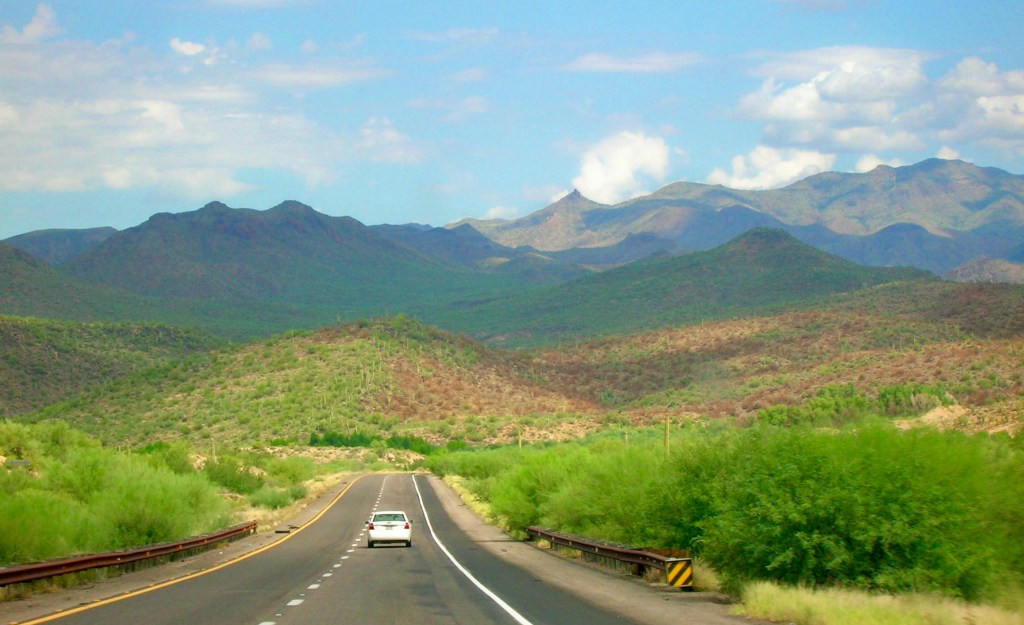
Mazatzal Mountains, Arizona, strewn with Saguaro Cactus

Blessings for Motherly Love,

Lisa

The original version of this post was shared in 2021. Robin Wall Kimmerer was a guest speaker at a recent Northern Arizona University presentation. Hearing her speak reminded me just how much I enjoyed her book.

The content of this article is for educational and informational purposes only, and is not intended as medical advice. Please consult with a qualified health care professional before acting on any information presented herein. Any statements about the possible health benefits of any subject discussed have not been evaluated by medical professionals or the Food & Drug Administration and are not intended to diagnose, treat, cure or prevent any disease or illness.

A Breath of Fresh Air

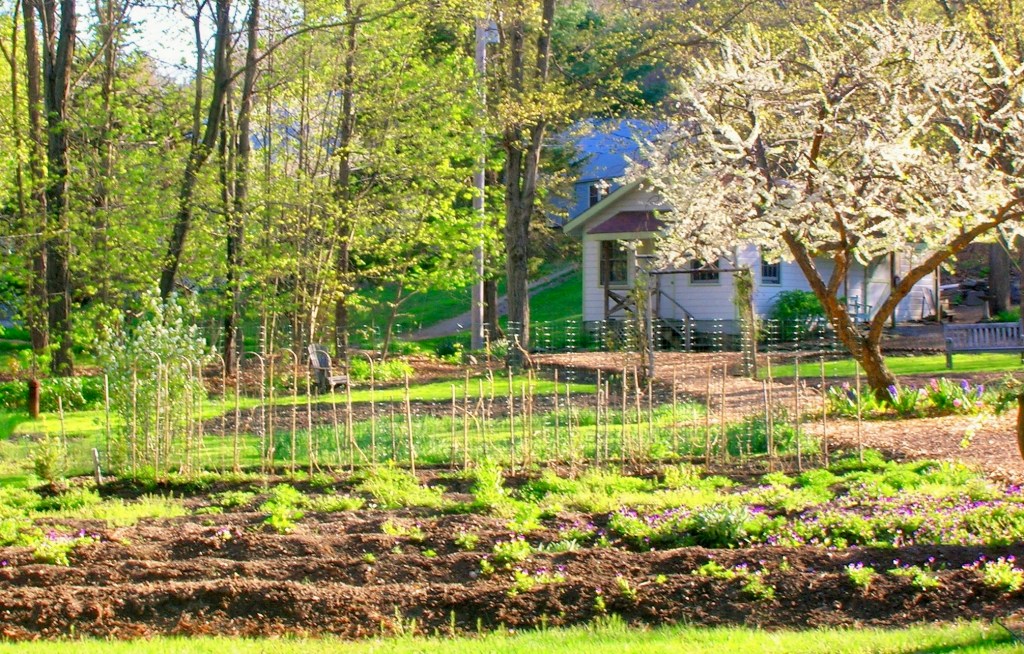
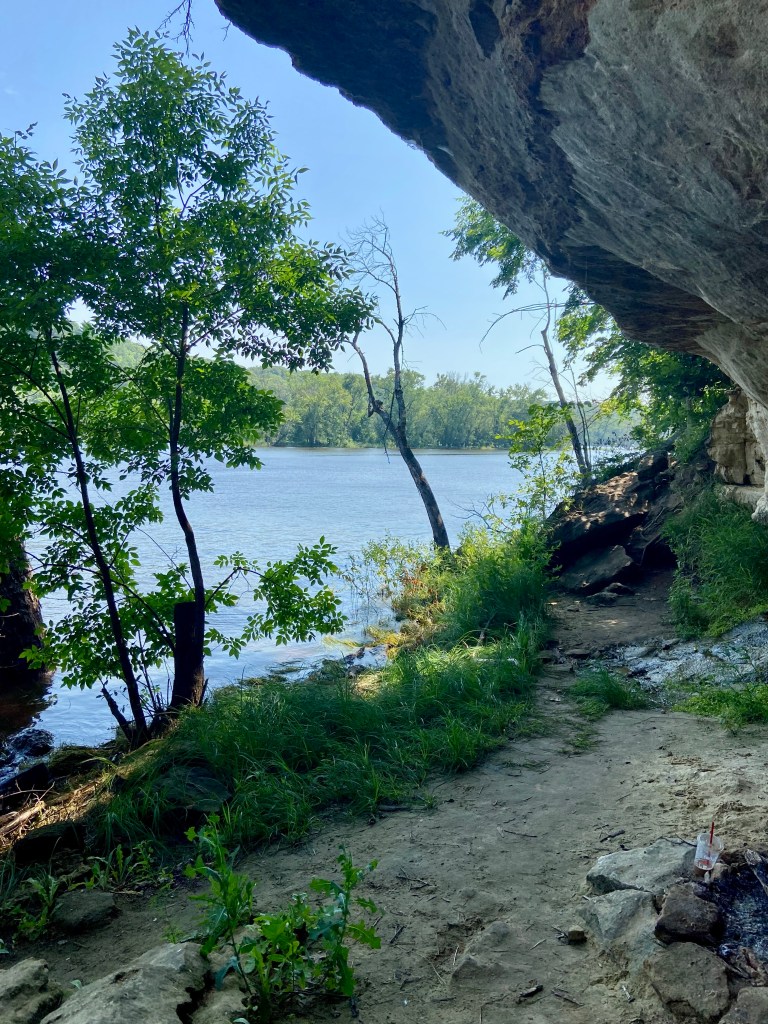
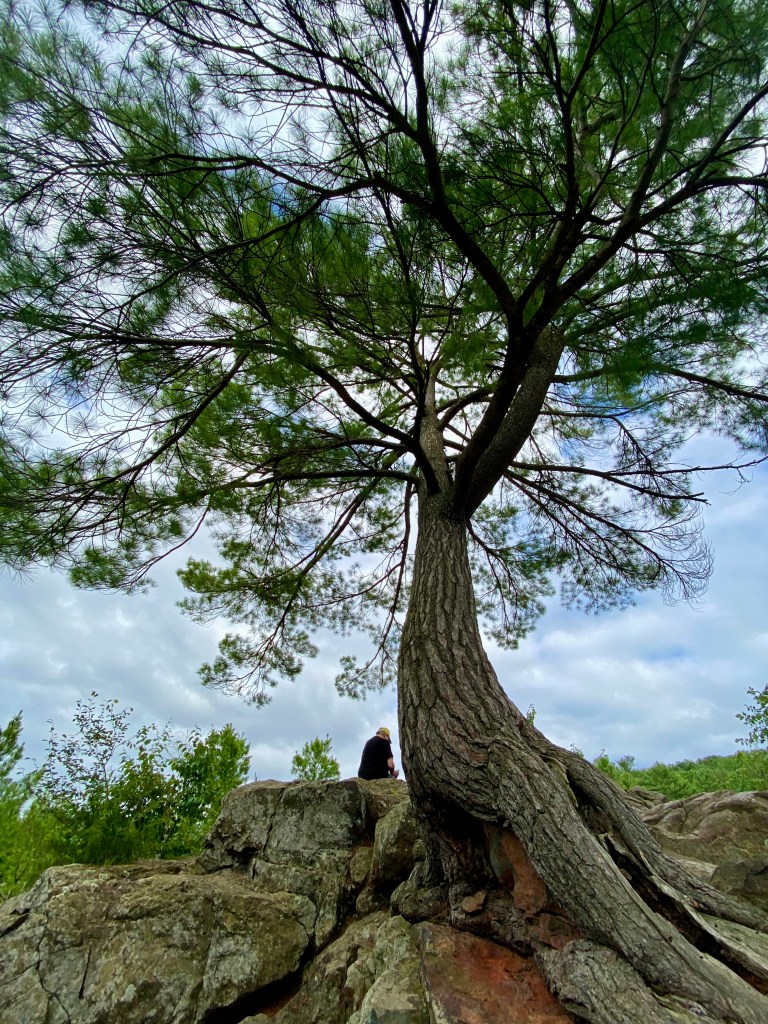
All photos in this post were taken just outside of Minneapolis, MN,
during a recent visit with a dear friend

In researching for my post this month, I was surprised to find studies on nutrients in the air we breathe, called aeronutrients.  I’ve written about improving the state of our gut’s microbiome by spending time in diverse environments like oceans, forests, mountains, and waterfalls, (see this post & also this one) but that idea points to inhaled microbes, not nutrients.  Still, the idea of getting out in Nature is necessary for both.

Oxygen is a nutrient, but wasn’t considered so until a 2019 report due to its primary absorption through our noses rather than our digestive tract.  The science behind aeronutrients has now been expanded to the point that it is currently utilized in clinical applications.

Iodine, critical for healthy thyroid function, is one of the aeronutrients I read about most. A study done in 2011 compared iodine levels in 3 groups of school children in Ireland: one group living near a coast with plenty of seaweed, another living near a coast with little seaweed, and the third group living about 100 km from the coast.  All three groups were said to have low dietary intake of iodine.  The group living in the coastal area with lots of seaweed was almost 5 times less likely to have iodine deficiency than the inland group, with the coastal group near little seaweed falling somewhere in the middle.

Although I didn’t read it in the above study, I believe the kids near the seaweed-poor coast would have shown higher levels of other vitamins and minerals absorbed from the air than the group living further inland, closer to cities. A Science Direct paper explains people living in rural locations inhale several million (beneficial) bacteria every minute whereas city dwellers may inhale just a few hundred. My guess is, this applies to aeronutrients, as well.

Manganese, needed for macronutrient metabolism and bone formation, is another highly absorbable aeronutrient.  In fact, according to this article, welders exposed to high levels of airborne manganese are at risk of accumulating neurotoxic amounts via the nose-to-brain route, sometimes resulting in cognitive impairment. 

On the clinical side, inhaled vitamin B12 has been shown to increase blood levels 25-fold in less than half an hour.  This is an indication that drugs absorbed through inhalation, unlike those taken up by the GI tract, are not sequestered and detoxified by the liver, requiring a far lower dose of the drug (or nutrient) to achieve the same potency and blood concentration.

Further, this research article explains that intranasal insulin administered to patients with mild cognitive impairment improves brain function, attention, and memory.  The same application is now approved for those with PTSD and mood disorders.  

The air we breathe each day has a much broader effect on us than we realize.  The more we can immerse ourselves in Nature, the healthier the air we can find, and the more our bodies can benefit.

Aeronutrient Blessings,

Lisa

The content of this article is for educational and informational purposes only, and is not intended as medical advice. Please consult with a qualified health care professional before acting on any information presented herein. Any statements about the possible health benefits of any subject discussed have not been evaluated by medical professionals or the Food & Drug Administration and are not intended to diagnose, treat, cure or prevent any disease or illness.

Good Day, Sunshine

Recently, I watched an online health and longevity presentation, and one of the episodes was on the critical importance of circadian rhythms.  If you’ve been reading my blog for a while, you may remember the post I wrote on this subject a few years back.  Today’s post might be considered an addendum.

As a quick review, circadian rhythms influence the sleep-wake cycle, metabolism, immunity, hormone production, emotional coping skills, energy regulation, and the aging process, among other functions.  In this article, I’ll explore the effects that sunshine and other forms of light have on our innate timekeeping system.

From a PubMed article, our circadian pacemaker, the suprachiasmatic nuclei (SCN) in the hypothalamus, is entrained to the 24-hour solar day via a pathway from the retina and synchronises our internal biological rhythms.  In other words, our eyes take in light information that helps regulate our physiology.

An Endocrine Reviews write-up states since the advent of electric lights around the turn of the 20th century, exposure to artificial and irregular light schedules has become commonplace. And research from the National Library of Medicine tells us during the day, light intensities outside can reach illuminances up to 100,000 lx in direct sunlight. Light intensities in closed rooms are considerably lower and standard office lighting is only ~500 lx.  So you can understand how our bodies can easily become light deficient.

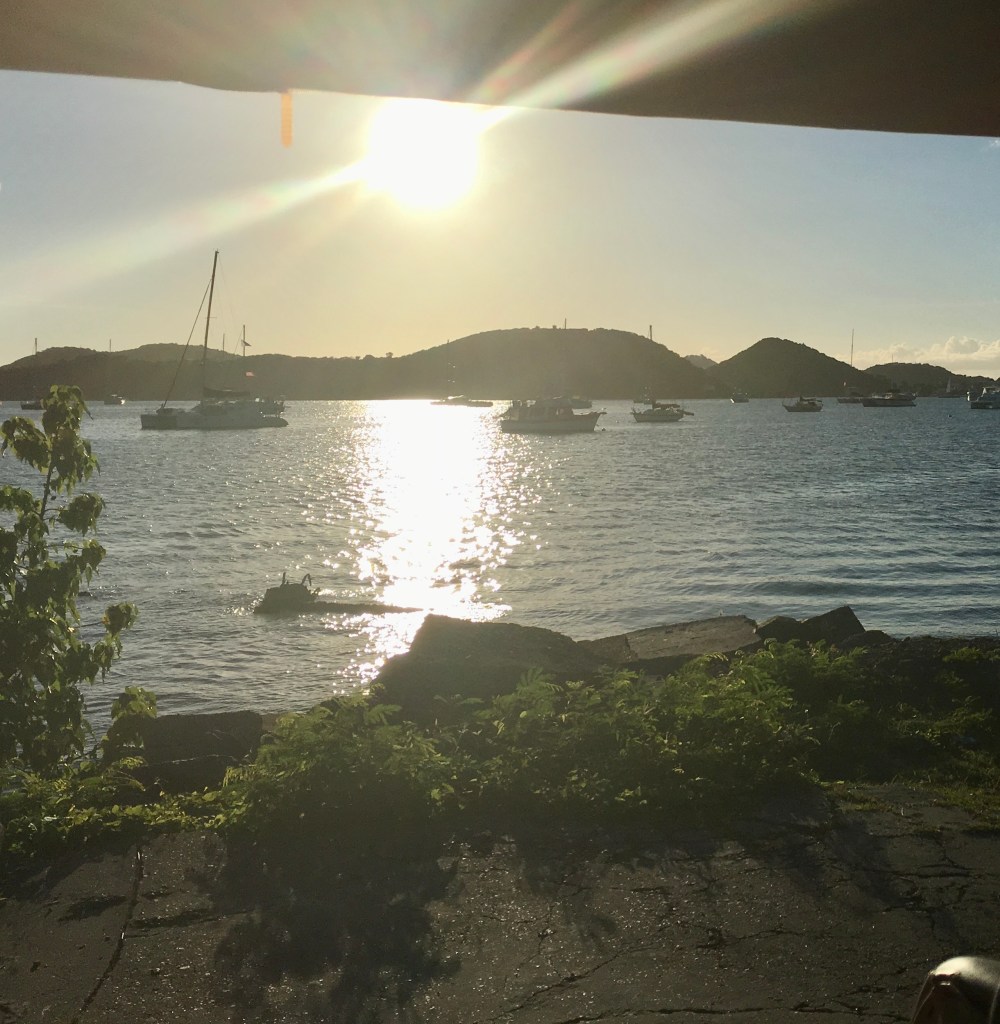
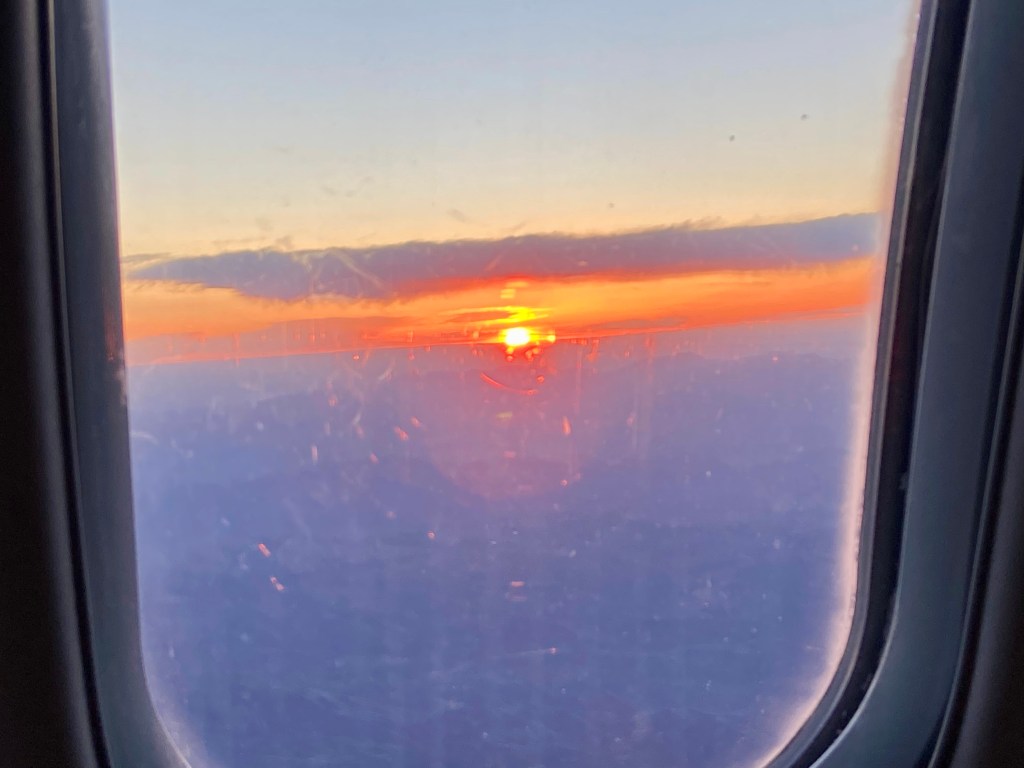
Sunset viewed through an airplane window

An Oxford Academic paper declares people in industrialized societies typically spend approximately 88% of their time in enclosed buildings, sheltered from natural light.  Time spent outdoors in Canada, Great Britain, and the United States is commonly 1 to 3 hours daily, not a lot of time for our eyes to soak up much-needed sunlight as compared with our ancestors.

For the chronically sunlight-deprived among us who may be experiencing sleep problems, there are measures we can take to get back on track.  Making a point to spend more time in Nature is a good start.  Additionally, according to the CDC, the circadian clock is most sensitive to light from 2 hours prior to our regular bedtime until 1 hour after our regular wake-up time, including the hours through the night.  Therefore, avoiding bright lights, including screens, 2 hours before bed may help you fall asleep faster.  During the hours you are trying to sleep, keeping the room cool and dark provides an ideal environment.  And getting direct morning sun shortly after waking can help retrain your SCN, setting you up for better sleep, improved mental activity, and increased physical health.

Synchronizing our circadian rhythms with the cycles of the sun is essential to health and longevity.  Prioritizing the workings of our biorhythms could be fundamental for feeling better on a daily basis.

Blessings for Rhythm,

Lisa

The content of this article is for educational and informational purposes only, and is not intended as medical advice. Please consult with a qualified health care professional before acting on any information presented herein. Any statements about the possible health benefits of any subject discussed have not been evaluated by medical professionals or the Food & Drug Administration and are not intended to diagnose, treat, cure or prevent any disease or illness.

Scenes from a Hiking Trail

Are you looking for an inexpensive family adventure this summer? Exploring a new hiking trail can be loads of fun while inspiring a sense of awe without breaking the bank.  From prior posts, you know that I love hiking, and I thought it’d be fun to share a few of my favorite trail scenes.

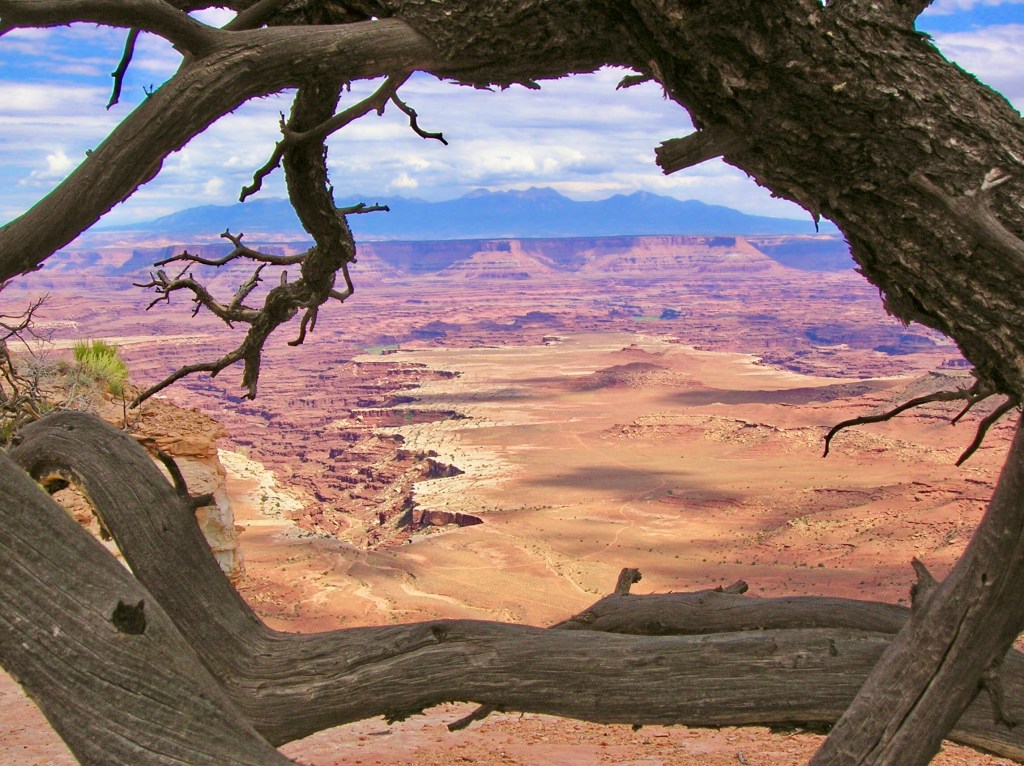
Canyonlands National Park, Utah

Canyonlands National Park, near Moab, Utah, is one of the first parks I visited in the American Southwest.  I’ve heard it called the Little Grand Canyon, and at the time of my visit, it was one of the least-visited National Parks.  From various trails, I saw unforgettable colored canyons, interesting rock formations, various wildflowers, and trees with roots growing up to a foot above the ground.  There was even a big, bushy flowered plant that smelled like chocolate cake!  (If ever I learn its name, you can bet I’ll be planting a few around my house!)

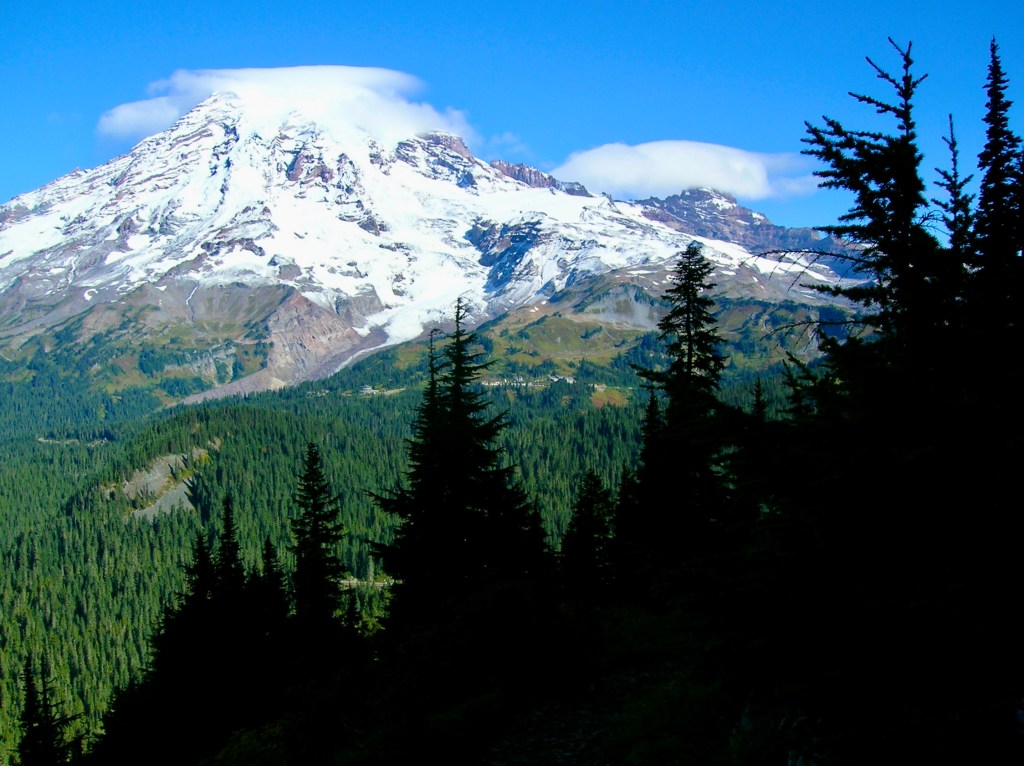
Mt. Rainier from behind the pines

Climb the mountains and get their good tidings. Nature’s peace will flow into you as sunshine flows into trees. The winds will blow their own freshness into you, and the storms their energy, while cares will drop away from you like the leaves of Autumn. ~John Muir

Mt. Rainier, Washington’s tallest peak, topping out at 14,411 feet, is about 60 miles south of Seattle.  The region around the mountain is thick with evergreen trees and wildflower meadows, and has several rivers running through it.  Weather in the area can oftentimes be rainy, but during my visit, I was fortunate to catch a couple days of sun and royal blue skies.

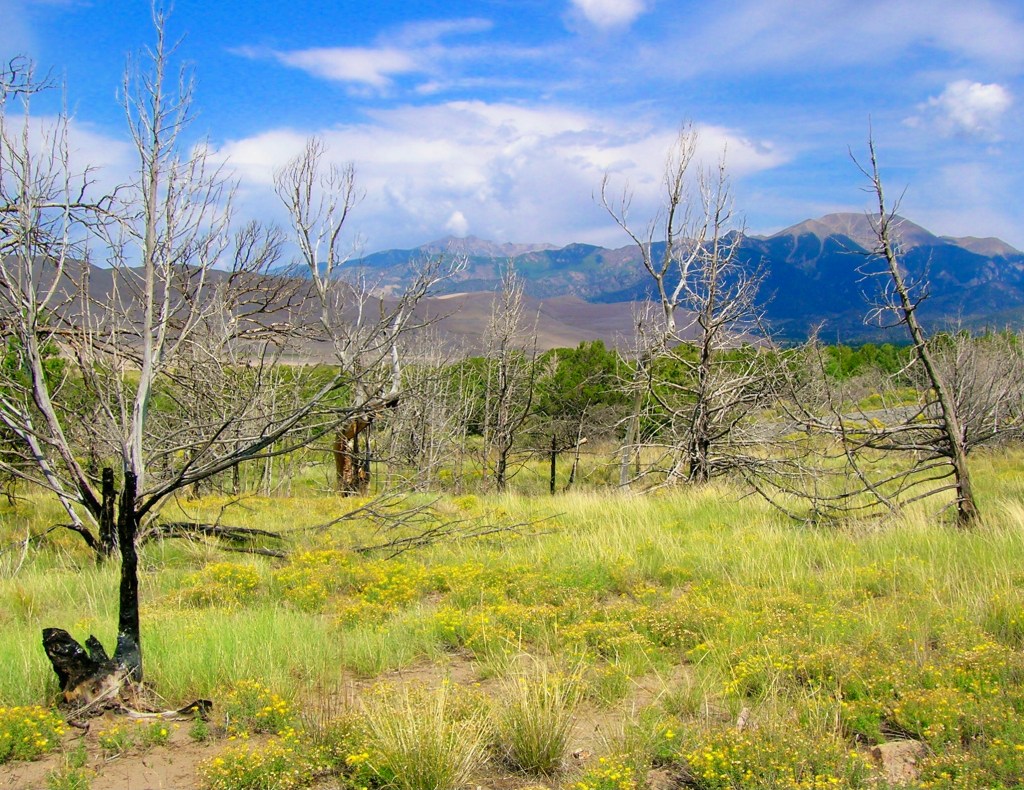
Sand dunes behind the vegetation, with the Rocky Mountains in the background

In southern Colorado, much to my surprise, I saw sand, and lots of it.  Great Sand Dunes National Park encompasses 30 square miles of sand dunes, including the tallest ones on the continent, reaching heights of 750 feet.  The area also has its share of 13,000 foot mountains, as well as creeks, cedars, spruce trees, vibrant wildflowers, and diverse wildlife.

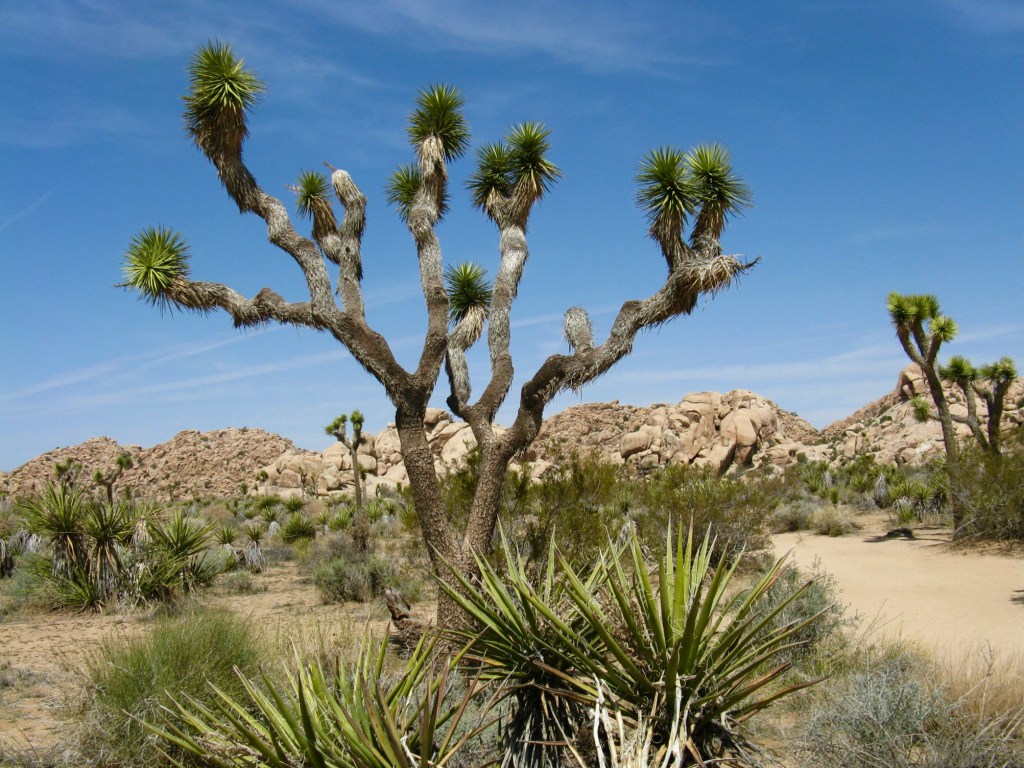
Joshua Trees in the Mojave Desert

Southern California’s Mojave Desert is host to the Joshua Tree (see more about that & other uncommon trees here.)  This tree always makes me smile, due to its formation: sometimes stick straight, but most of the time, twisted with branches going willy-nilly. The surrounding shrubs, sparse multi-colored wildflowers and heaps of small boulders are a perfect backdrop.  If you appreciate deserts, this one is a beauty, but be sure to take lots of water!

Grazing Bison along the Snake River, Wyoming

Ansel Adams, the American landscape artist and environmentalist, captured an amazing photograph of the Grand Tetons overlooking the head waters of the Snake River in Wyoming.  This breathtaking area is home to loads of impressive wildlife.  During my hikes there, I saw wolves, moose, bison, elk, and deer.

Devil’s Bridge, Sedona, Arizona

The red rocks of Sedona, Arizona, boast some of my favorite winter hiking spots.  High temperatures there are usually in the 30’s or 40’s, but at 4000 feet in elevation, the bright sun and low humidity make it feel much warmer.  The area showcases various rock formations with names like Snoopy Rock, Coffee Pot Rock, Chimney Rock, Bell Rock, and Devil’s Bridge.  The red earth is dotted with vivid green in the form of oak shrubs, sugar bush, junipers and cypress trees.  Nature’s striking contrast of colors could be a reason this spot is so popular with tourists.

Alongside a trail in northern Nevada

Hiking can be a thrilling experience offering magnificent beauty and an opportunity to feel closer to Nature. The scenes I’ve witnessed on hiking trails have awed me, and serve as reminders of just how incredible our planet is.  At a time when many of us are reining in our spending, exploring a new hiking trail may be the perfect family adventure.

In every walk with nature one receives far more than he seeks. ~John Muir

Blessings on the Trail,

Lisa

The original version of this post was shared in September of 2021. Thanks for reading!

The content of this article is for educational and informational purposes only, and is not intended as medical advice. Please consult with a qualified health care professional before acting on any information presented herein. Any statements about the possible health benefits of any subject discussed have not been evaluated by medical professionals or the Food & Drug Administration and are not intended to diagnose, treat, cure or prevent any disease or illness.

Return to West Fork

Recently, on a perfect spring morning, we hiked the West Fork trail that runs alongside, and repeatedly crosses, Oak Creek.  (You may recall my description and photos of this creek and trail in a past post, Red Rocks on the Water.)  It’s one of the most popular hikes in the Sedona/Oak Creek area, and we were lucky to be able to get into the parking lot.  The last time we tried to visit, the lot was full and cars were lined up next to the road waiting for early hikers to exit. 

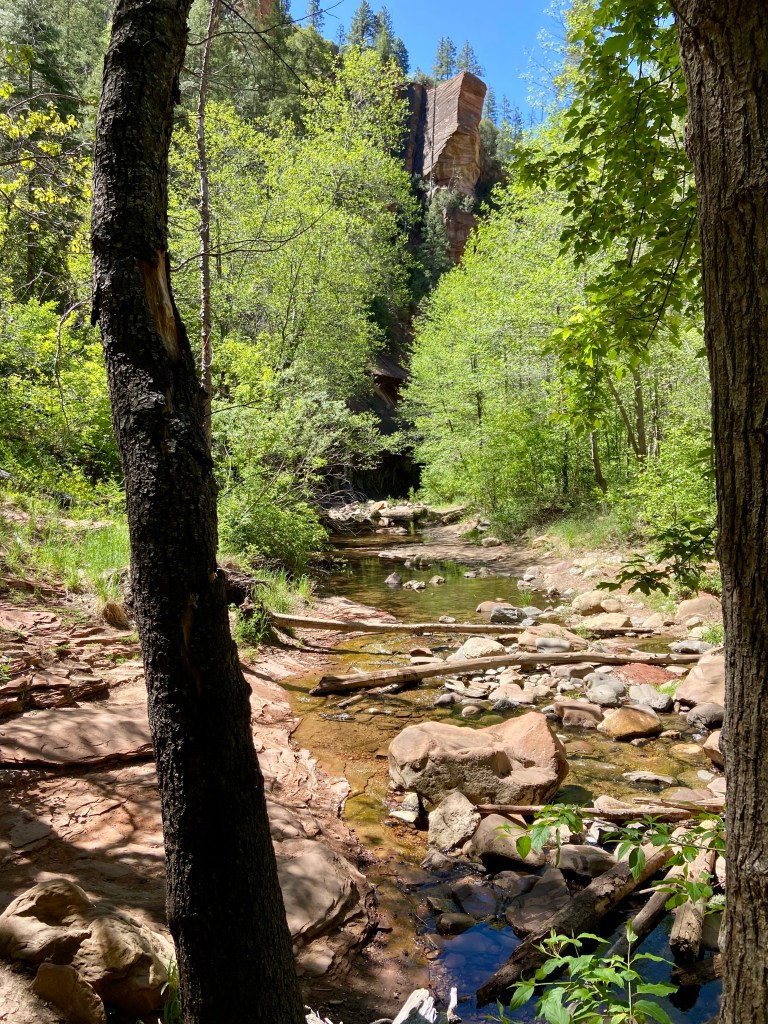
Not one of the 13 crossings, but such a nice find!

We took a picnic lunch in a cooler, so you can imagine our delight when we were directed to park under a big tree!  It was one of the only shaded spots in the lot, which held 80 cars.  The area has picnic tables, but none of them are shaded midday.

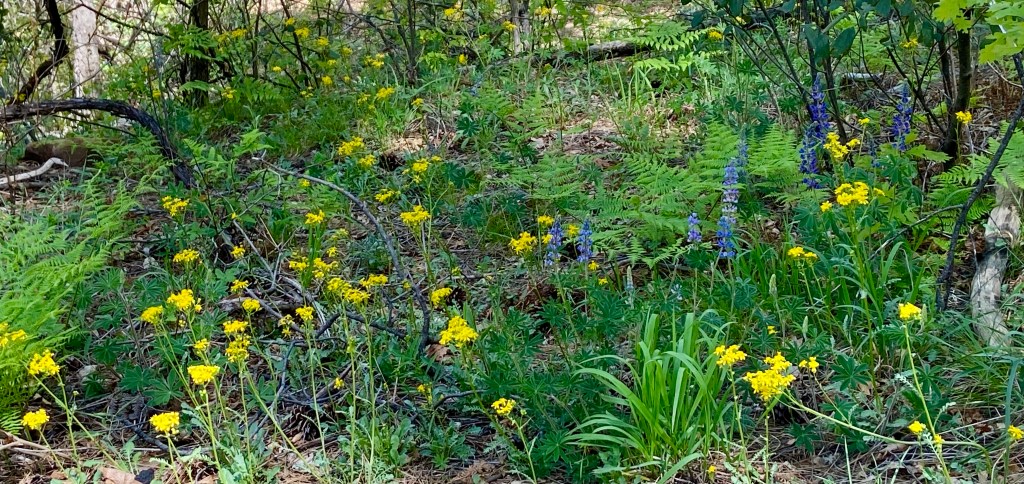
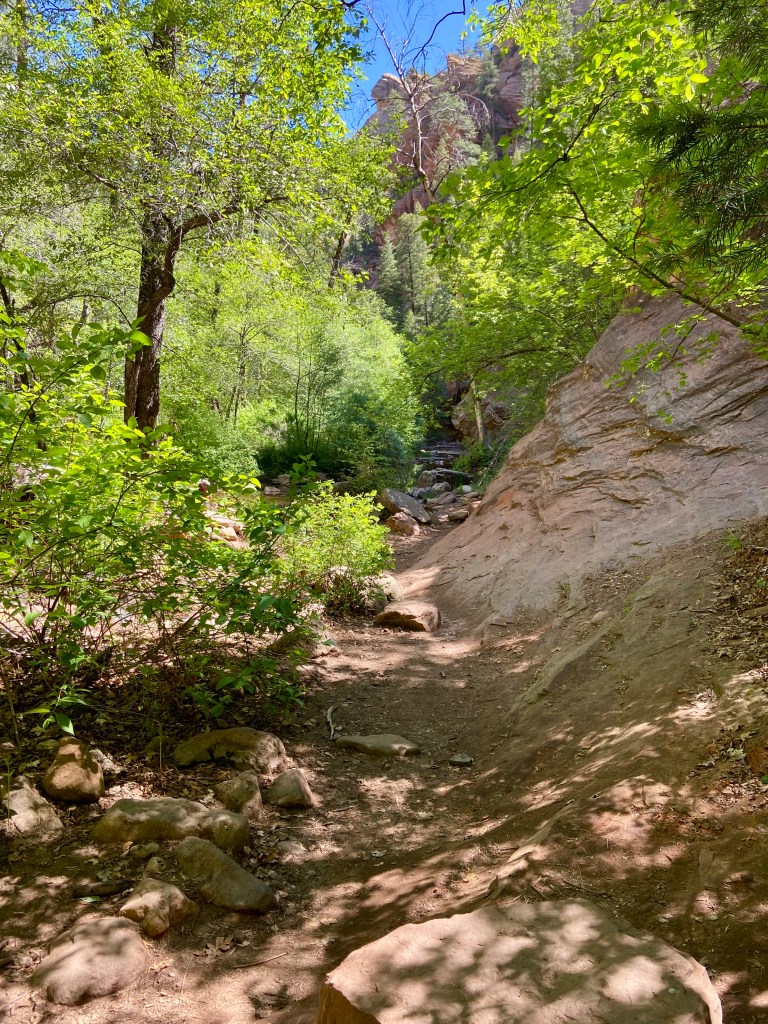
The morning was sunny with temps in the low to mid 70s, but the sun felt intense.  We were grateful for the abundance of shade.  Near the trailhead, we saw lots of deep green ferns as well as tall grasses, roped off in areas protected for healing, according to the signs.  Large patches of wildflowers greeted us.  There were plenty of birds as well as birders sporting their binoculars.  Views of red, orange, and tan walls of towering rock surrounded us.  And the waters of Oak Creek were crystal clear and cold.

An article in Arizona Highways likens this hike to walking in Manhattan for the first time. You’ll be craning your neck a lot.  Captivated.  Later, when you’re looking through your photos, you’ll notice that many of them were taken with the camera pointed upward.  West Fork is truly a feast for the senses.

The trail is 3.3 miles to the point where wading through higher water is necessary.  (The trail continues for a great stretch afterwards, and backpackers can enjoy a campground along the way.)  The trail is considered easy, but the creek crossings can be a challenge if you don’t want to get your feet wet.  You’ll utilize fallen trees and large stones to navigate the primary trail’s 13 creek crossings.

Balance is key for keeping your feet dry

According to visitsedona.com, West Fork has over 300,000 visitors per year from all over the world.  It is consistently found on Best Of hike lists for the area.  The entrance fee is $15.  If you go, take plenty of water and maybe an extra pair of shoes, just in case!

Let me know in the comments if you’ve hiked the very beautiful and popular West Fork Trail in Oak Creek Canyon.  It’s always fun to swap adventure stories!

Spring Blessings,

Lisa

The content of this article is for educational and informational purposes only, and is not intended as medical advice. Please consult with a qualified health care professional before acting on any information presented herein. Any statements about the possible health benefits of any subject discussed have not been evaluated by medical professionals or the Food & Drug Administration and are not intended to diagnose, treat, cure or prevent any disease or illness.

The Waterfall Effect

As long as I live, I’ll hear waterfalls and birds and winds sing. I’ll interpret the rocks, learn the language of flood, storm, and the avalanche. I’ll acquaint myself with the glaciers and wild gardens, and get as near the heart of the world as I can. ~John Muir

Grand Staircase-Escalante National Monument, Utah

When I see the word waterfall, it evokes exquisite and peaceful yet powerful scenes of Nature.  When I see an actual waterfall, I often find myself holding my breath, as if the awesome, wild beauty I’m witnessing might disappear if I breathe too loudly.  Do you have a similar response?

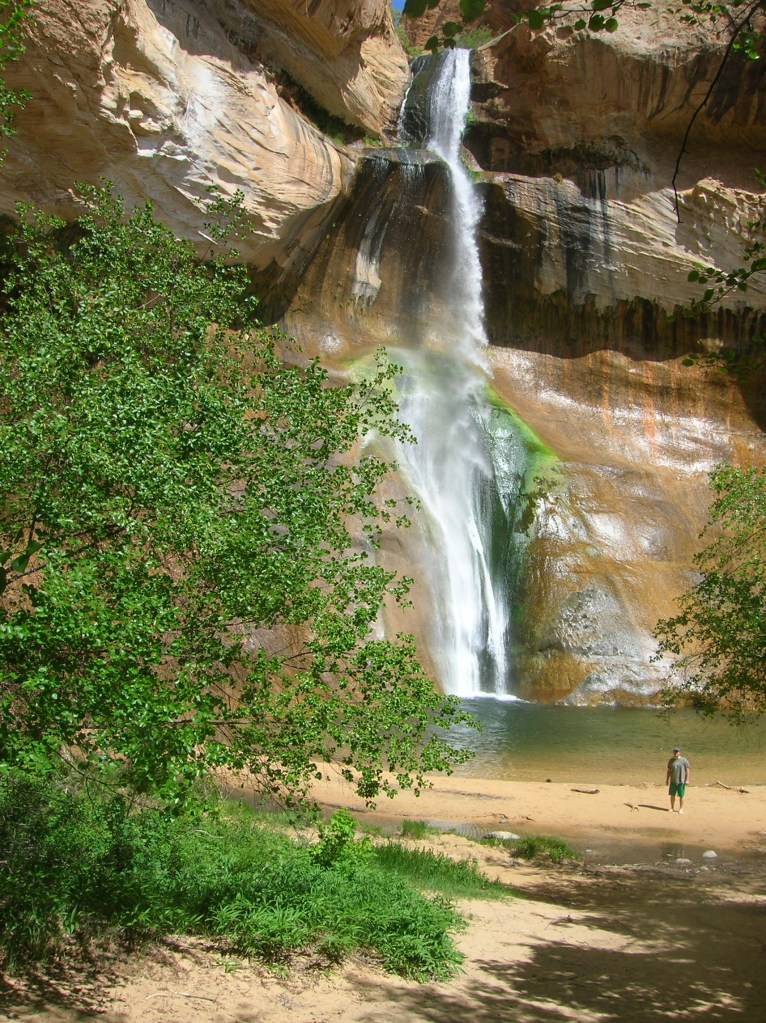
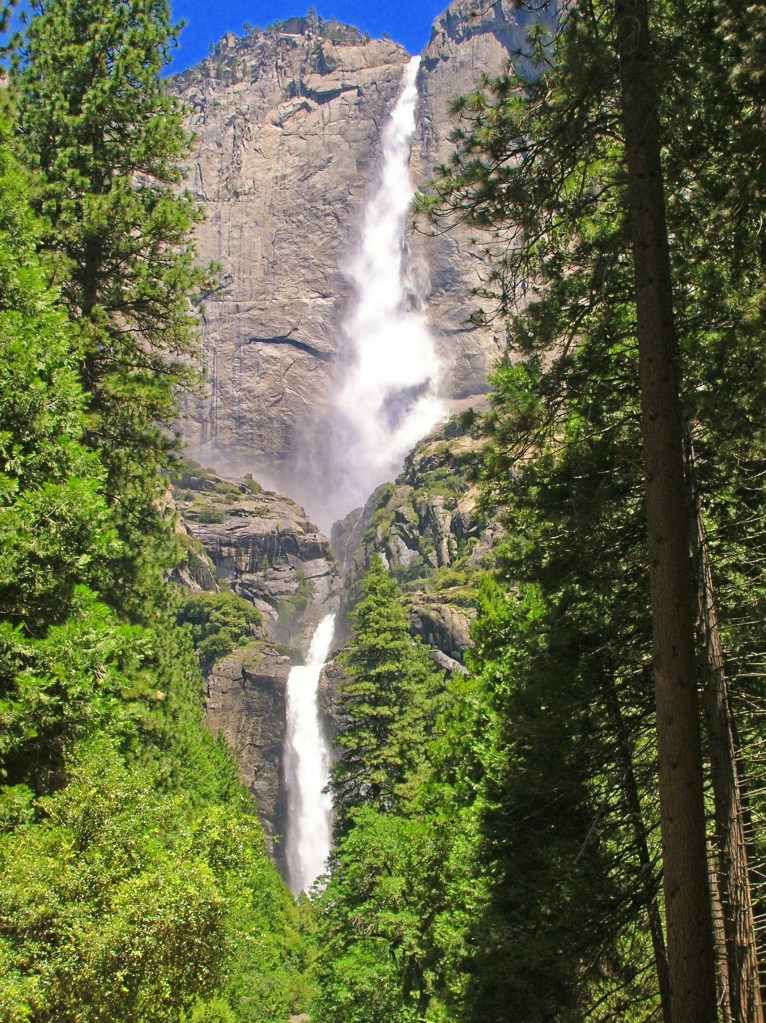
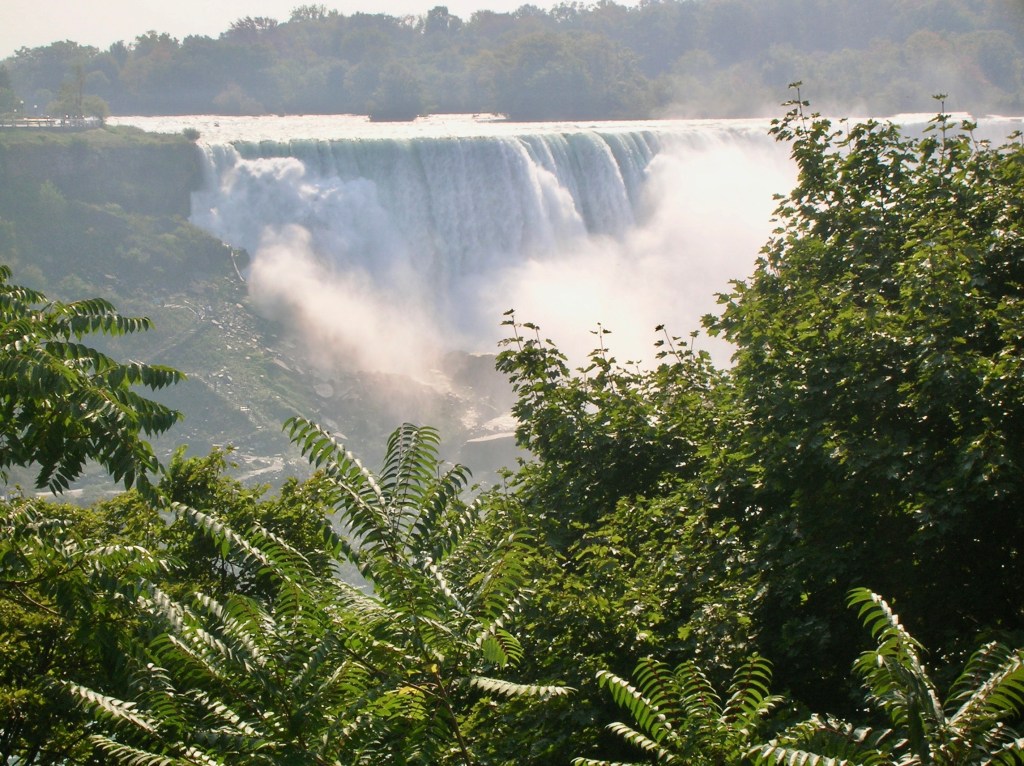
Through the years, I’ve visited a great many waterfalls.  Niagara Falls, between New York and Canada, is probably the largest I’ve seen; I seemed to capture more spray than falls in every photo I took!  Multnomah Falls in Oregon is one of the most striking, and the area around Portland is home to a host of waterfalls, large and small, lending itself to some amazing hikes. You may remember my photo of Hanging Lake in Colorado, a small green paradise a little over a mile up a canyon wall. Glacier National Park in Montana showcases some spectacular cascades, and is certainly a park I’d like to revisit. Yosemite National Park in California is known for its wealth of waterfall beauty, making it a beautiful place to camp.  In the Navajo Nation of northern Arizona, you can find Grand Falls, often called chocolate falls due to its muddy water from the Colorado River.  And in southern Utah, a sweet waterfall and shallow lake can be found at the end of a hiking trail in Grand Staircase-Escalante National Monument.

Multnomah Falls, Oregon

In past posts, I’ve shared the idea that time near a waterfall is good for the gut’s microbiome and has a positive effect on immune function.  This post will give you more reasons to seek out waterfalls and bask in their glory.  Studies dating back to 1892 show that the natural force of crashing water molecules can cause electrical charges to separate.  As a result, some molecules gain an extra electron, and negative air ions, or NAIs, are formed, which studies show can be most valuable for health.  This process is referred to as spray electrification, or  simply, the waterfall effect

Yosemite National Park, California

According to an article published on the National Institute of Health site, the beneficial effect of NAIs include activation of natural killer cells and improved mental health, . . . which may reduce pain, including chronic pain. If helping with pain were the only benefit they offered, I’d say that’s reason enough to visit these spectacles of Nature.  But there’s more.

Niagara Falls, New York

A PubMed article states that studies reveal NAIs significantly reduced resting heart rate.  Further, it suggests that NAIs have a positive effect on the body’s circadian rhythms, which help regulate our sleep-wake cycle.  Could time at a waterfall help with insomnia?

For a Healthline article entitled The Effect of Negative Ions, various research studies from the past century were examined.  Exposure to NAIs, the science shows, has resulted in reduced depression symptoms, improved cognitive performance, lessened stress, and increased fat metabolism.  The article goes on to say that it is the natural form of NAIs, not the manmade ones, that provide benefits, as there are risks associated with using electric ionizers in your home or office.

View from behind

You may have asked yourself, what about beaches and rapids and other waters that crash?  Negative air ions can be found there as well, but at lower levels.  This is due to a lesser force of gravity acting on them versus waterfalls.  But, hey, if you’re within 10 miles of the sea and over 100 miles away from the nearest waterfall, by all means, catch some NAIs at the beach!

Grand Falls, aka Chocolate Falls, Arizona

Spending time near waterfalls not only puts us in a state of awe owing to their magnificent beauty, but also helps improve our health.  Whether you’re seeking relief from pain, sleep disturbances, or stress, or looking to boost immune function and fat metabolism, the waterfall effect may be reason enough for you and your family to plan an excursion to one of these natural beauties.

Cascades of Blessings,

Lisa

This post was first shared in 2021. Thank you for reading! Happy Earth Week!

The content of this article is for educational and informational purposes only, and is not intended as medical advice. Please consult with a qualified health care professional before acting on any information presented herein. Any statements about the possible health benefits of any subject discussed have not been evaluated by medical professionals or the Food & Drug Administration and are not intended to diagnose, treat, cure or prevent any disease or illness.
Acclimating to a Warming World

The world’s warmest year on record was 2023, according to this write-up by the National Oceanic and Atmospheric Administration.  That is, until 2024.  And so far in 2025, the Southwestern US has seen most days with much higher temperatures than normal.  In past blogs, I’ve shared some dire overarching consequences of global warming over time.  But how is it affecting us individually right now?  And what can we do to mitigate those challenges?

This CNN article tells us heat-related deaths in the US have been steadily increasing for years.  In fact, between 2016 and 2023, they increased by about 17% each year.  Our bodies have a tough time adjusting to our planet’s new norms.  

Extreme heat can result in confusion, lowered kidney function, lung inflammation, and stress on the heart due to its increased workload.  Add high humidity, and the skin can get to a point that it’s no longer able to cool itself.  Within only 10 minutes, that can lead to permanent disability or death, per this CBC explanation.

I’m guessing our days will continue getting warmer (and our storms will continue getting more dangerous, and our wildfires will continue to proliferate and burn longer, and . . .)  So rather than finding ourselves in the ER from overheating, maybe we can start doing little things to help our bodies better cope.  I’ll share three of my favorite methods. (Please get the thumbs-up of your doc prior to making changes.)

Peppers are a rich source of vitamin C.

When temps start to rise, increase your vitamin C intake.  A paper from the Journal of Applied Physiology reviewed a study that indicates that the rate and degree of acclimatization (to heat stress) is enhanced by (250 – 500 mg) ascorbic acid supplementation.  Easy enough so far, huh?

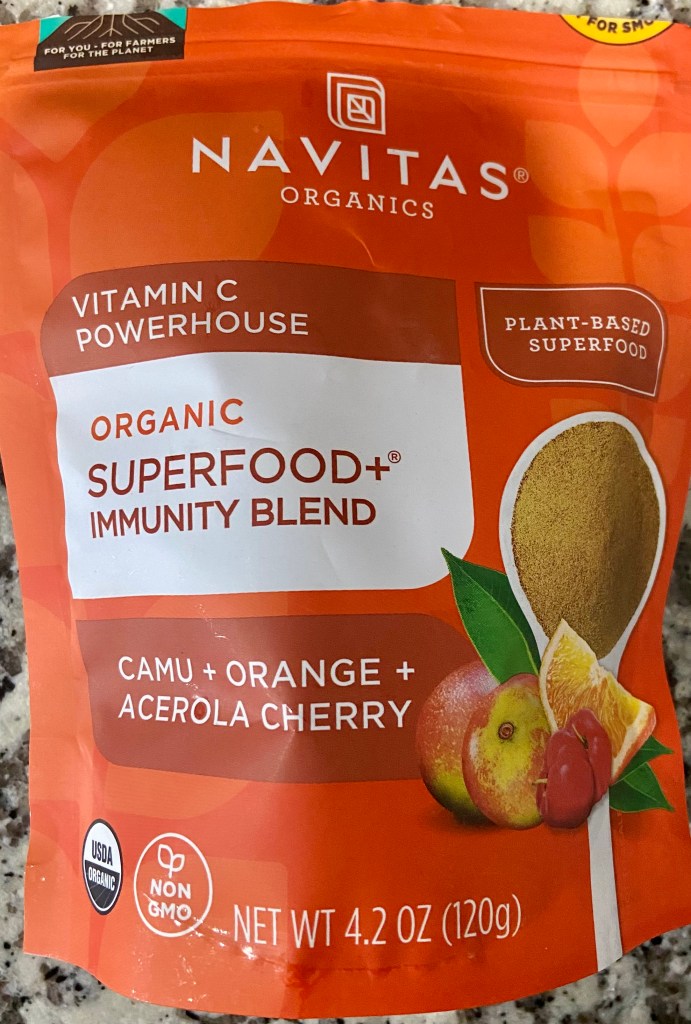
One teaspoon of this fruit powder has over
500% RDA for vitamin C.

Next, be sure to stay hydrated.  If you’re a regular reader of my blog, you might feel that I beat you over the head with this suggestion.  I won’t apologize, because good hydration is much more important than most of us realize.  And I want you to be around and healthy for a long time!  In addition to using powdered electrolytes and coconut water, newer readers can check out this post for more info on proper hydration and just how critical it is.

My final suggestion is to ~gradually~ increase your exercise time in warmer environments.  An article in The Lancet states that this strategy provides additional adaptations to heat over exercise in climate-controlled environments, including a lowered resting core temperature, improved cutaneous vasodilation, increased maximal sweating capacity, improved cardiac function, expanded blood volume, and enhanced cellular protection.  

Go ahead, do the things that will help your body adapt to these crazy high temperatures. You certainly don’t want to become part of our country’s heat-related statistics.

Blessings for Heat Resiliency,

Lisa

The content of this article is for educational and informational purposes only, and is not intended as medical advice. Please consult with a qualified health care professional before acting on any information presented herein. Any statements about the possible health benefits of any subject discussed have not been evaluated by medical professionals or the Food & Drug Administration and are not intended to diagnose, treat, cure or prevent any disease or illness.
6 Little-Known Habits to Help Achieve Your Resolutions, Part 2 of 2

Happy February!  Wow, did January slip by quickly for anyone else?! 

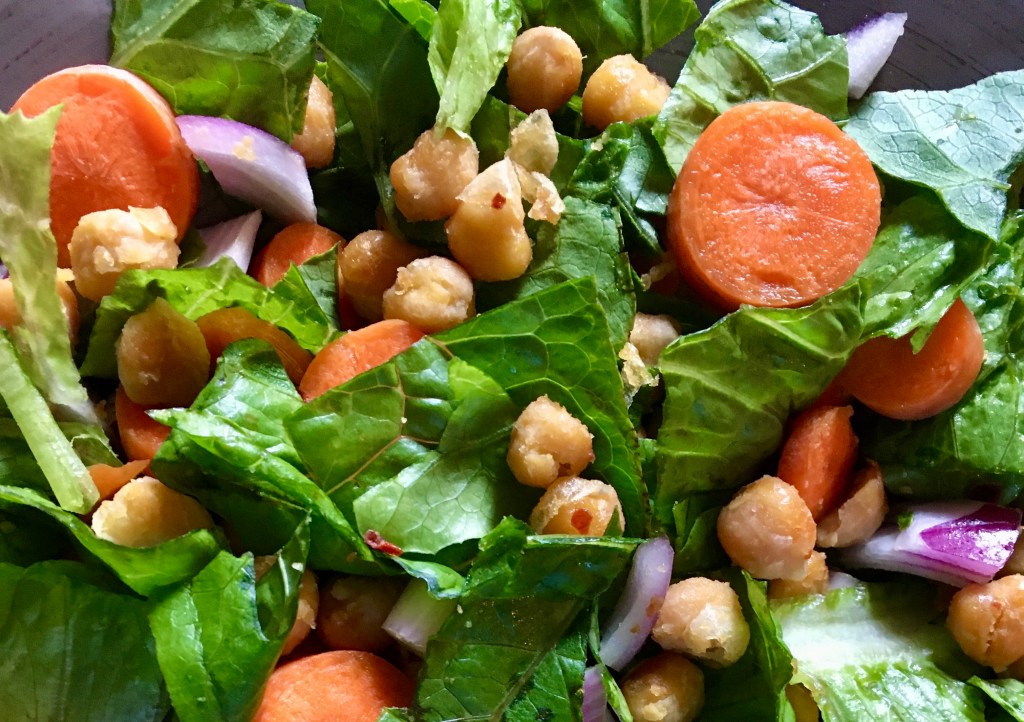
I shared the recipe for this crispy chickpea salad in August of 2020.

Last month, I posted on 3 of the 6 daily practices that I believe are fundamental to my overall health and wellbeing: using electrolytes, healing my gut, and reading labels.  Today I will complete the set by sharing some of the best information on nutrition I’ve learned to date.  It is my hope that this info can help you conquer your new year’s resolutions and live healthier in general.

Matcha lime smoothie bowl made with spinach, topped with coconut, berries and walnuts. Yum!

  1. Drink matcha.  If you’re unfamiliar, matcha is a green tea grown in Japan that is 10 times as powerful as regular green tea.  We started drinking it daily around 2016 for its mood-boosting, anti-carcinogenic, and fat burning properties.  Recently, I found a research article establishing its exceptionally high antioxidant and anti-inflammatory abilities.  The paper also tells us that it increases cognitive function & neuroprotection, decreases oxidative stress, slows the aging process, regulates insulin secretion, reduces glucose & lipids absorption, strengthens blood vessels, provides cardiovascular protection, and has anti-viral properties, including inhibiting COVID.  (Maybe a reason neither of us has had COVID, even though some friends and clients have suffered through it 2 or 3 times.)  Of course, the quality of your matcha determines just how beneficial it is.  I’ve always ordered ours from Got Matcha, a small company with amazing business practices and outstanding products.
  2. Eat legumes, greens, nuts & berries at least once a day.  (Smoothies can help with the last 3 on that list.)  In his book How Not to Age, Dr. Michael Greger reviews thousands of nutrition studies & these are a few of his findings:  Legume consumption has been linked to reducing the risk for cancer, depression, and stroke, as well as inducing weight loss and lowering blood pressure and cholesterol.  The brains of daily leafy green eaters are shown to be 11 years younger than others, and the risks of vision loss, premature death, stroke, and heart disease for that group are lessened.  A half ounce of nuts per day extends your life more than anything else studied.  And berries also have longevity benefits, perhaps because they help prevent damaging senescent cells (also known as zombie cells) from spreading inflammation and contributing to chronic disease.  As you’ve no doubt read here before, locally grown produce is best.
  3. Increase your omega-3 fatty acids while reducing omega-6 intake.  In this write-up, Dr. Mark Hyman, founder of the Cleveland Clinic Center for Functional Medicine, says about 90% of Americans have an omega-3 deficiency.  This is in large part due to the standard American diet, which includes many processed foods containing omega-6 oils.  This creates an imbalance that can predict your risk for many chronic diseases, he says, including heart disease, cancer, diabetes, dementia, depression, and autoimmune disorders.  (Studies also show that an increase in omega-6 oil products has been linked to rises in violent crime in the US, UK, Australia, Argentina, & Canada.)  To correct this imbalance, eat fewer processed foods and fast foods.  At home, choose only olive or coconut oils for low-heat cooking and avocado oil for higher heat.  Eat SMASH fish (salmon, mackerel, anchovies, sardines and herring) and pasture-raised eggs, or take an algae-based supplement if you don’t eat animal products.  I like Garden of Life Vegan DHA.
Down home” Southern cooking is hard to beat in my book!

Now you know my 6 fundamental practices.  These daily habits establish a strong foundation upon which other healthy choices come easier.

May this be the year that you build a stronger foundation for your health and achieve resolutions that stay with you for a lifetime.  

A favorite & delicious way to eat beans: black bean and date cake with cacao avocado frosting

Foundational Blessings, 

Lisa

The content of this article is for educational and informational purposes only, and is not intended as medical advice. Please consult with a qualified health care professional before acting on any information presented herein. Any statements about the possible health benefits of any subject discussed have not been evaluated by medical professionals or the Food & Drug Administration and are not intended to diagnose, treat, cure or prevent any disease or illness.

6 Little-Known Habits to Help Achieve Your Resolutions, Part 1 of 2

In Flagstaff, there is an annual pine cone drop for New Year’s Eve!

Happy 2025 to all of you in my blogging community!  I hope the year ahead brings you plenty of reasons to smile and be grateful.  If you’re a new year’s resolution maker, whether you share your intentions with others or keep them quiet, I hope you will find something beneficial in this post.

Recently, I spoke with a far-away friend via Google Meet (which is like Zoom without a time limit, apparently.)  It was a fun three-hour chat, with plenty of laughs and hijinks from Izzy, my crazy kitty.  As our conversation came to a close, my friend was asking me health questions and taking notes.  Afterwards, I started thinking, maybe you would be interested in some of the principles that I have studied over the years and adhere to every day.  I feel these habits provide a strong foundation for me to continue to feel good on all levels.  (My yearly lab work is testament to that.)

Happy new year from Izzy! She likes being a part of everything in this house.

That being said, I want to share 6 of my daily practices, 3 today and 3 in next month’s post.  (Please note that I do not receive a commission for the products I mention here.  It’s sometimes hard to find a company you can trust, and these companies formulate great products in my opinion.)

Slices of lemon and/or lime add electrolytes to water.
  1. Hydrate with powdered electrolytes, coconut water, and juicy fruits.  (NOT the stuff filled with sugar, dye, and other chemicals.)  Each time there is any action between or inside our trillions of cells, water is required.  By drinking plain tap or even bottled water, we can’t be sure our cells are absorbing what they need.  Electrolytes (which are basically charged minerals) from quality sources keep your energy going, blood flowing, cells communicating, nerve impulses firing, bones building, muscles contracting, and much more, according to this article.  Because I prefer the salt in my powdered electrolytes to be natural and not lab-made, I get mine from Redmond Life.
  2. Heal your gut lining.  If you’re like me in that you’ve partaken of more than your share of bread over the years, even if that behavior is in the rearview mirror, chances are your gut lining is in need of repair.  Genetically modified wheat can open the cellular connections in your gut that serve to deliver nutrients and keep out toxins.  When this gateway system is compromised, immune function suffers, and your biology can be adversely affected in a number of other ways.  I’ve found Intelligence of Nature’s Gut Support to be a great product.
  3. Limit processed foods, and read labels on those you can’t pass up.  Because food manufacturing is unregulated in this country, you may be eating all kinds of things you wouldn’t dream of consuming otherwise.  For one, most of us eat and drink way too much added sugar.  The CDC’s current recommendation for added sugars is only 10% of total daily calories (that’s 12 teaspoons for a 2000 calorie diet – still too much in my estimation!) for those over 2 years of age.  (If you’re curious, they advise that children 2 and under should not be given any foods or beverages with added sugars.)  In 2018, Americans aged 20 and older averaged 17 teaspoons a day.  Refined sugars contribute to nonalcoholic fatty liver disease, which is now more prevalent than alcoholic liver disease, cirrhosis, liver cancer, or any other liver disease.  In addition, refined sugars can contribute to metabolic syndrome, premature aging, and cognitive deficiencies, according to this Harvard Medical School write-up.
A salad shared at my mom’s recently. Unlike refined sugars, the sugar in fruit is coupled with fiber, a favorite snack of healthy gut microbes.

These habits have changed me.  No more post-workout headaches, I’m fitting into my skinny jeans again, and I haven’t been sick in over a year.  We desire results like these from our new year’s resolutions, right?

I hope you’ll give at least one of my daily foundational habits a try, and please look for my final 3 in next month’s post.  

Habitual Blessings,

Lisa

The content of this article is for educational and informational purposes only, and is not intended as medical advice. Please consult with a qualified health care professional before acting on any information presented herein. Any statements about the possible health benefits of any subject discussed have not been evaluated by medical professionals or the Food & Drug Administration and are not intended to diagnose, treat, cure or prevent any disease or illness.

Red Rocks on the Water

The lovely little desert town of Sedona, Arizona, has more than 400 miles of trails for hiking and biking, and is surrounded by 1.8 million acres of forest land, according to visitsedona.com. Not bad for a destination known for its spas and luxury resorts! The rich colors of Sedona’s earth and trees are a delight for the senses. As much as I love the trails and forestland in the area, my favorite part of Sedona is where the red rocks meet the waters of Oak Creek.

My first experience of Oak Creek was many years ago with a fellow hosteler from Switzerland and a guide. We were thrilled with the areas the guide shared with us, which were not open to the general public. We visited a sacred hollowed-out rock high on a ledge surrounded by breathtaking views. We hiked for miles in areas where we saw nothing but awe-inspiring vistas of trees and shrubs dotting red and orange rock formations. Finally, we found ourselves at a creek with towering colored cliffs on one side and old growth trees on the other. I will never forget how peaceful it was. And gorgeous!


Slide Rock State Park, on Oak Creek just north of Sedona, is a popular destination in the warmer months. The park is on a 43-acre historic apple orchard, and its 80 feet of narrow waters are open for swimming, sliding, and wading. There are also a few short hiking trails for those who’d like the opportunity to warm up after spending time in the extremely cold water!

One of the most photographed images in the Southwest, according to The USDA Forest Service, is the reflection of Cathedral Rock in Oak Creek at Red Rock Crossing, which can be seen inside Crescent Moon Recreation Area. This park offers a picnic area with views unlike any other. Fishing and swimming are allowed. We soaked up the beauty while strolling along the water’s edge and soaking our feet in the creek afterwards.

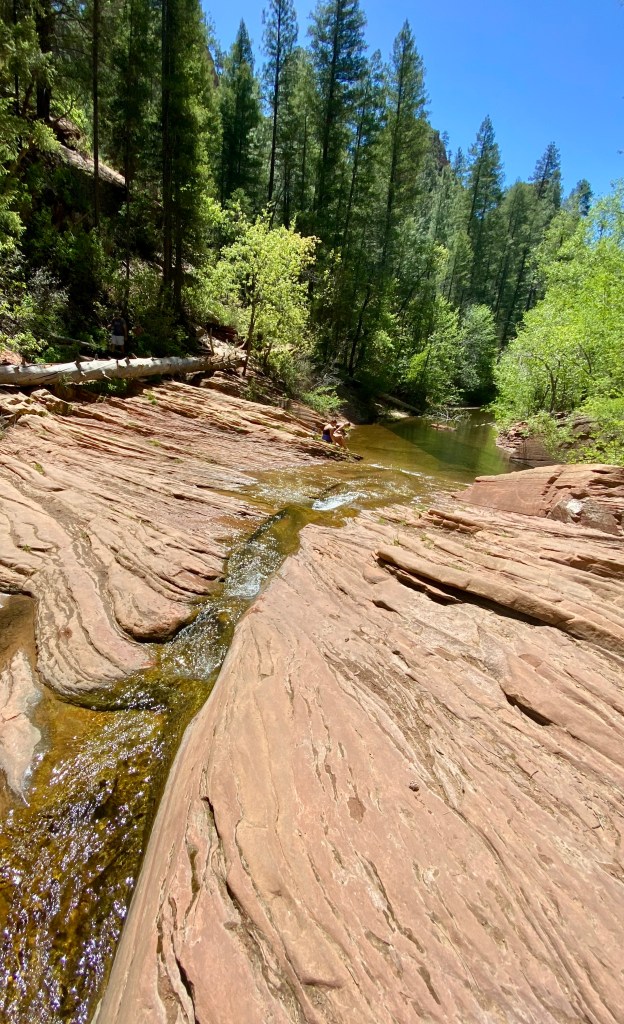
Many of the hiking trails in Sedona run alongside or occasionally cross Oak Creek, but there is one trail that zigzags it: West Fork. My favorite time to hike this trail is either spring or fall: during springtime, the area is strewn with flowers and blooming trees, and in autumn, leaves are at their most brilliant reds and golds. Crossing the creek can be tricky in places when recent rain and snowfall has been plentiful. Most crossings involve navigating rocks or a fallen tree.

Even if you choose not to hire a guide or pay to enter a park, there are other ways to enjoy Sedona’s Oak Creek. Check out a trail that takes you to the water, and pack some food in a backpack for a hike & picnic. Bring the little ones in their bathing suits with small water toys. Or simply find a place near the creek where you can hear the rushing water and take some time to meditate. However you choose to enjoy it, it’s an experience you won’t soon forget.

Many folks visit Sedona for luxurious accommodations offered among the extraordinary beauty of the red rocks, but the area offers so much more. Whether you are looking to hike, wade, swim, fish, photograph, or simply soak up some natural beauty, Oak Creek takes the beauty of Sedona to the next level.

Blessings for Beauty,

Lisa

This post was first shared in March of 2021. Comments are off, as all of us will be busy over the next couple weeks. I sincerely thank you for being a part of my blogging community. Wishing you & yours lovely, memorable holidays! ☀️

The content of this article is for educational and informational purposes only, and is not intended as medical advice. Please consult with a qualified health care professional before acting on any information presented herein. Any statements about the possible health benefits of any subject discussed have not been evaluated by medical professionals or the Food & Drug Administration and are not intended to diagnose, treat, cure or prevent any disease or illness.