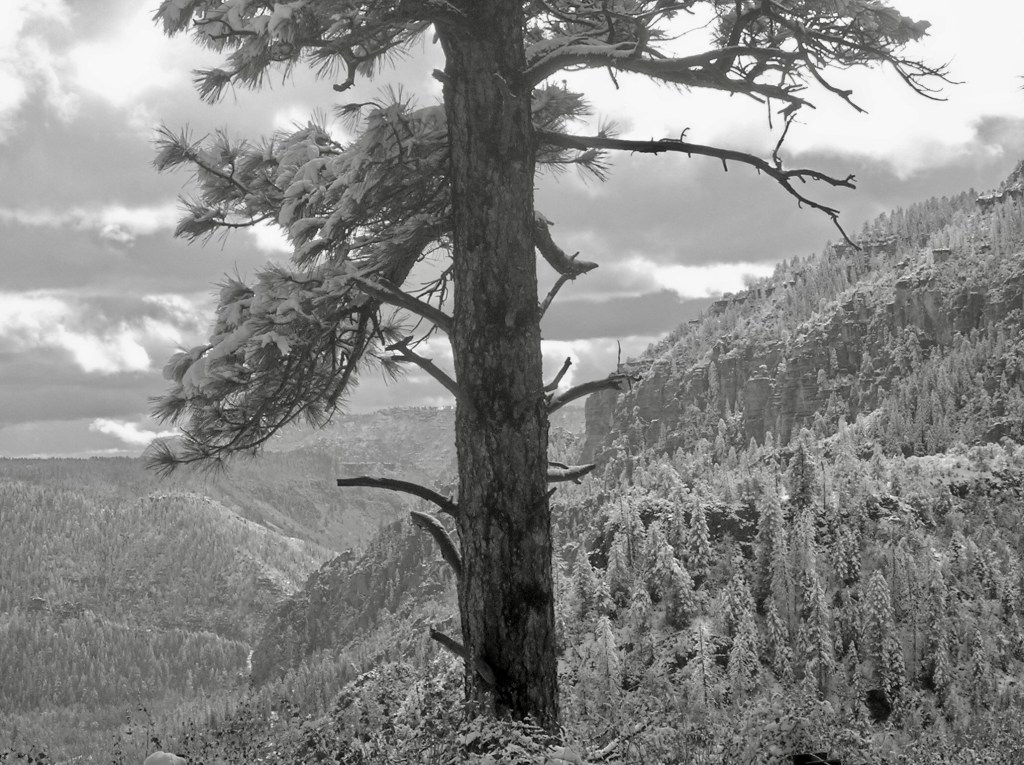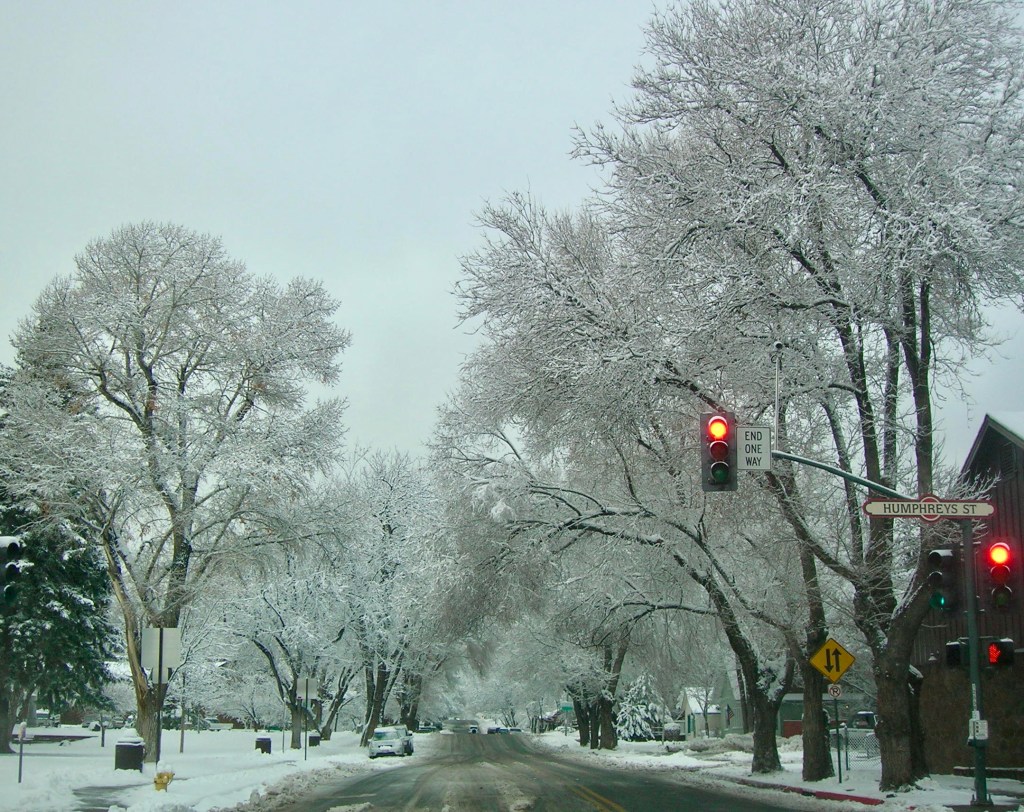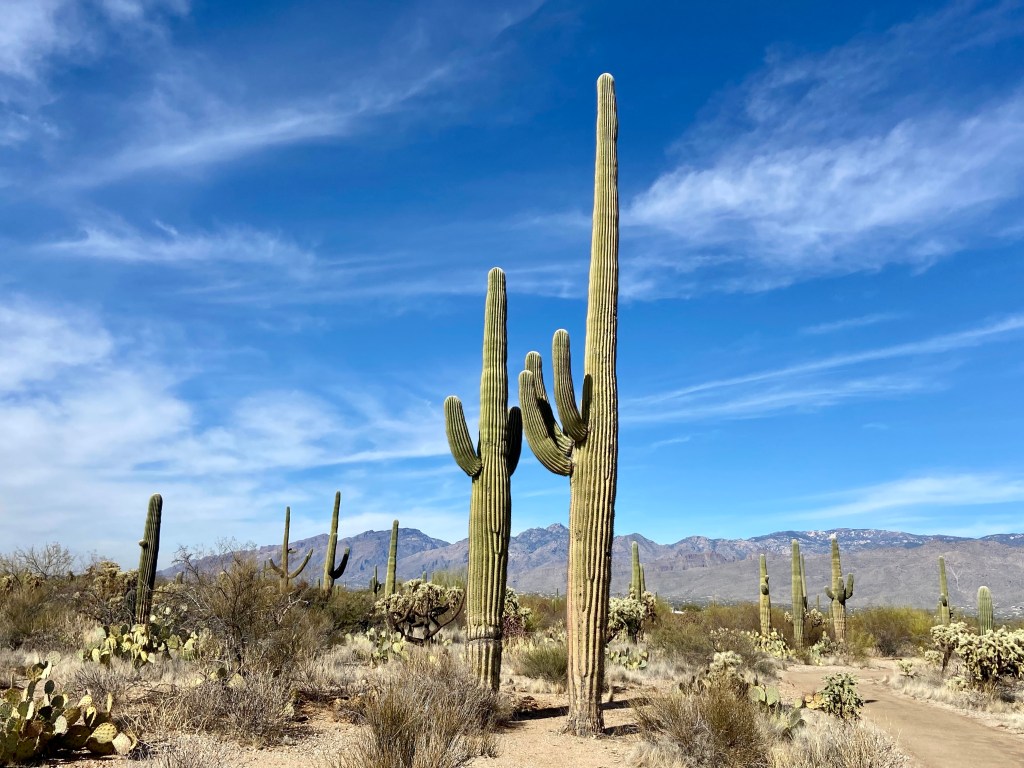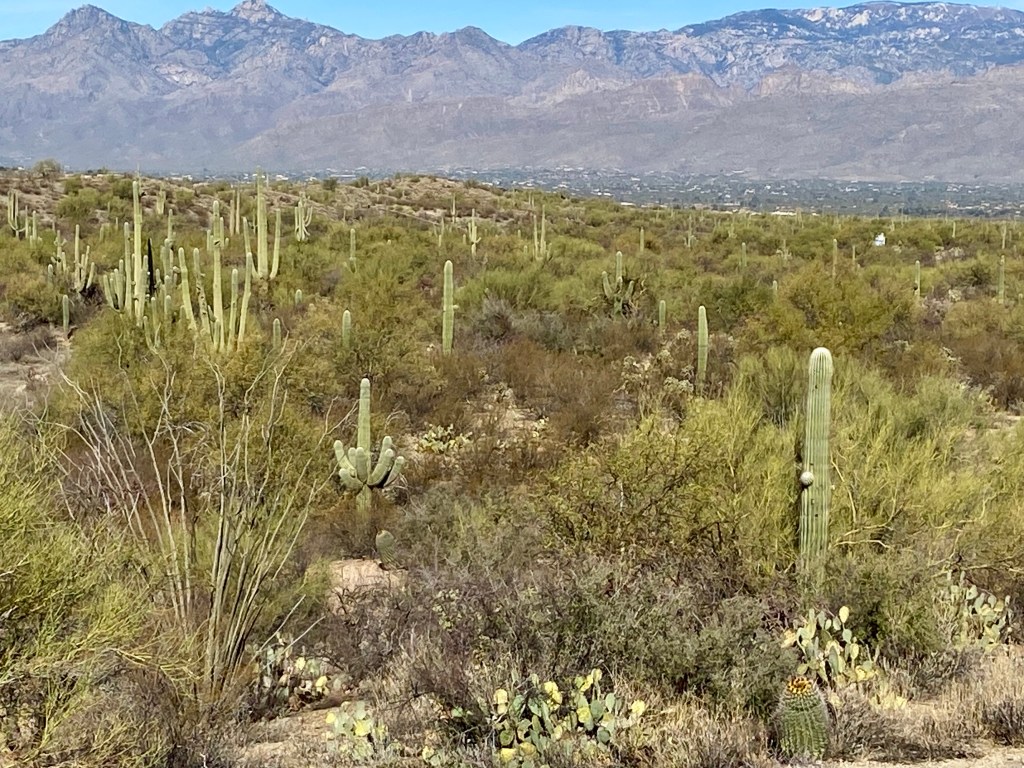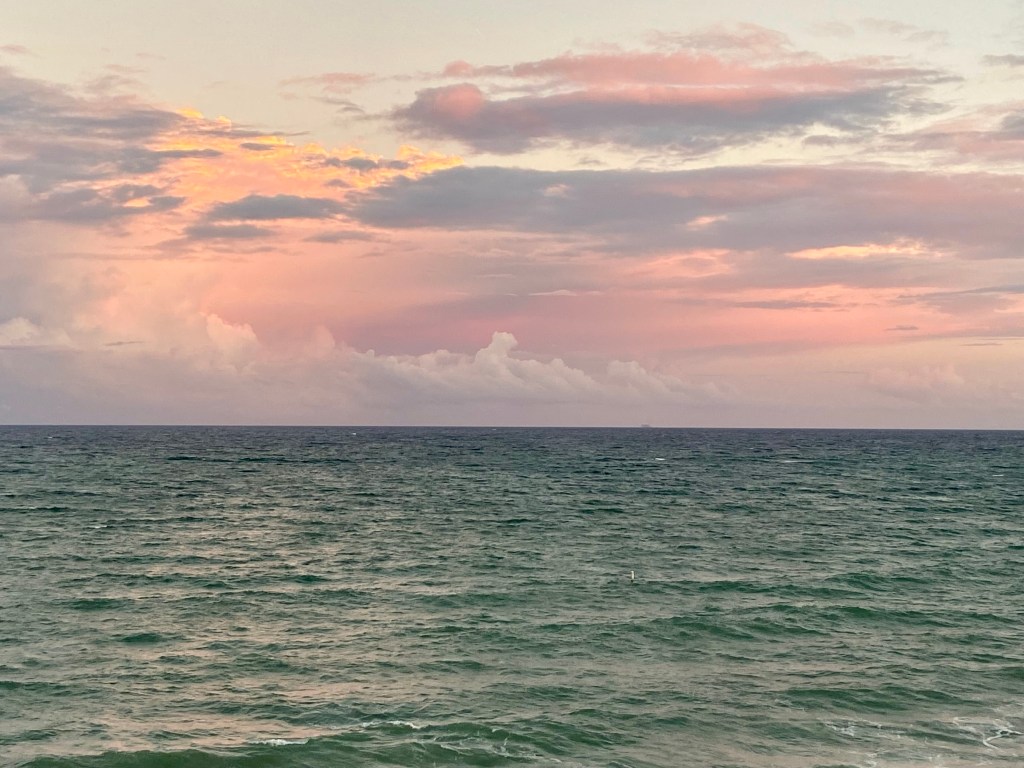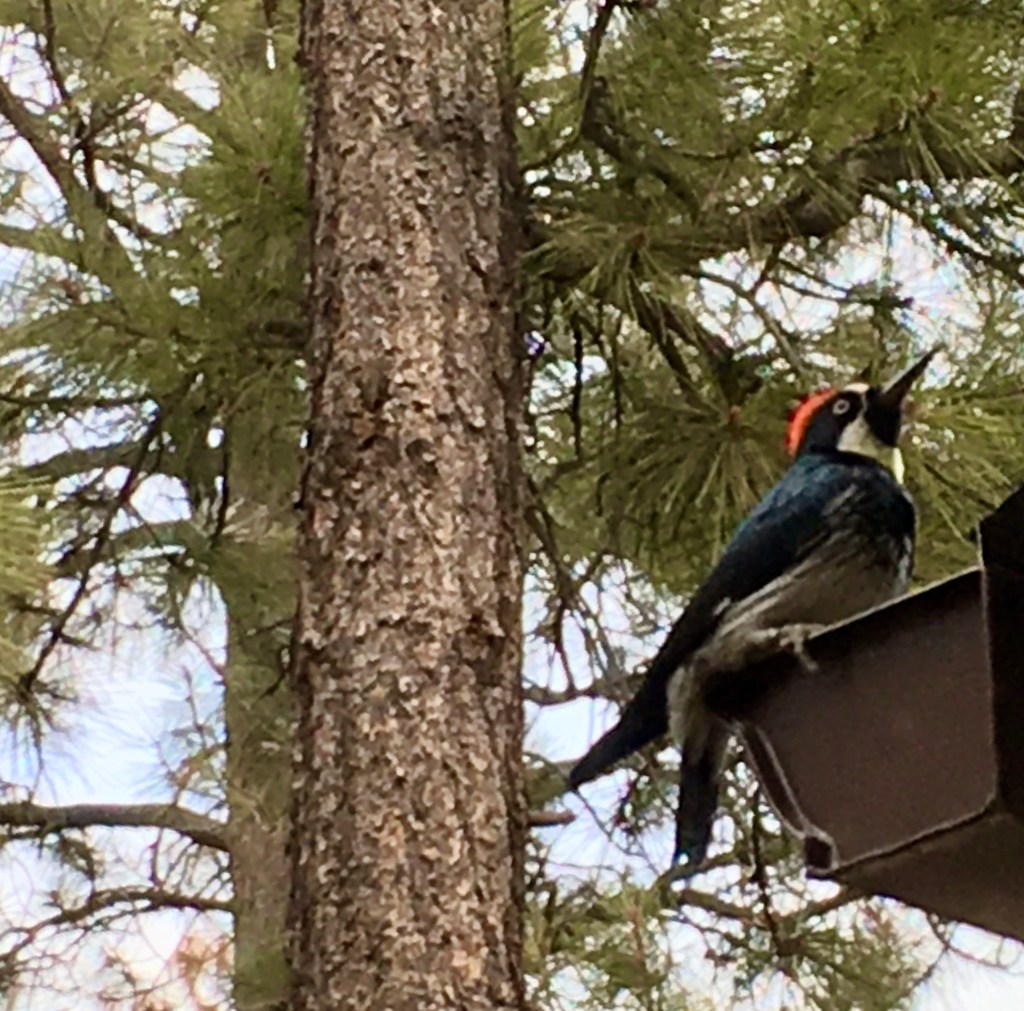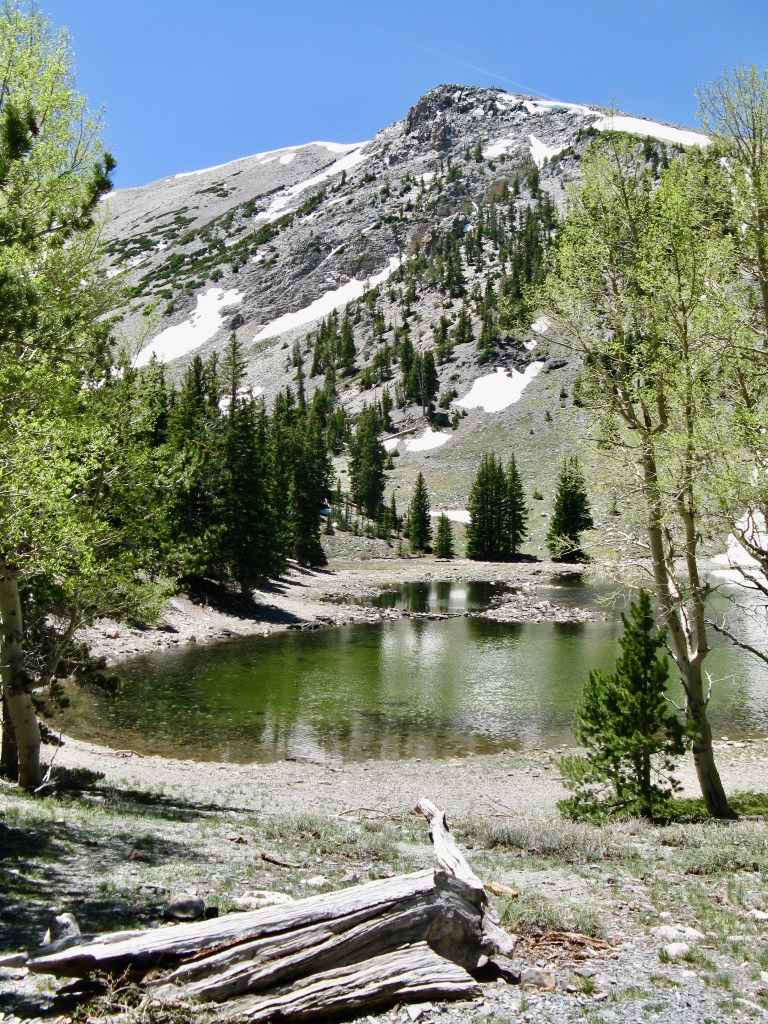
I’ve just finished reading Scott Stillman’s book Wilderness: The Gateway to the Soul. It evokes many of the feelings and musings I experienced while exploring the wilds of this country. I realize now that the words I’ve used in describing my 3-year experience (of road tripping, tent camping, hiking, photographing natural beauty, and finding my sacred center) haven’t accurately represented the depth of primal connection I felt or the new perspective of life I gained.

In his book, Stillman describes the wild, raw places he visits with great beauty and soulfulness. He has explored some of the same mountain ranges, canyons, and deserts I have, and has met with many of the same themes. He is asked Don’t you get lonely out there all by yourself?, a question I was asked often. He responds by saying that initially, yes, loneliness can strike, but by paying attention to the beauty of the present, it doesn’t linger. I can remember feeling an almost overwhelming sense of loneliness in my tent one night in southern Colorado. But daybreak revealed a cool mountain morning, incredibly blue sky, and abundant wildflowers & butterflies on the hiking trail, replacing that sad feeling; my bonding with Nature had begun.

Stillman suggests that being alone in Nature is a time to reboot . . . a time for gratitude and healing, both spiritual and physical . . . a chance to remember the light in us is the same light in all of creation: rocks, streams, and a lizard’s eyes. This light is the source of pure love. The light of being. The light of truth. In the end there is no separateness. No lines drawn between you, me, rock and tree.
You will be cleansed, you will be renewed, and given a new perspective. A fresh start. Born again into the world. Wilderness can do all that! ~ Scott Stillman

If you must bring a companion (on your wilderness visit), . . . agree that you are going on a sacred journey, he recommends. Try not to bring along your everyday concerns. Limit talking to things of the present.
To deal with the ever-pervasive noise around us, the author writes we develop selective hearing, narrow our attention spans, or tune out altogether with our devices. But this tuning out blocks the good stuff as well. We walk around with a longing – but for what? We have everything we think we need, yet still feel unfulfilled.

Then one day we experience a moment of clarity . . . perhaps in Hawaii, the Grand Canyon, the Rocky Mountains. Recognizing the beauty all around, we see through the eyes of God and remember that everything is God. If we’re lucky, we’ll take this back into our daily lives as we leave the wilds behind.
We create our own world. Focus on beauty and beauty you find. Focus on darkness and darkness prevails. Beauty guides through the heart. Darkness through the mind. ~Scott Stillman
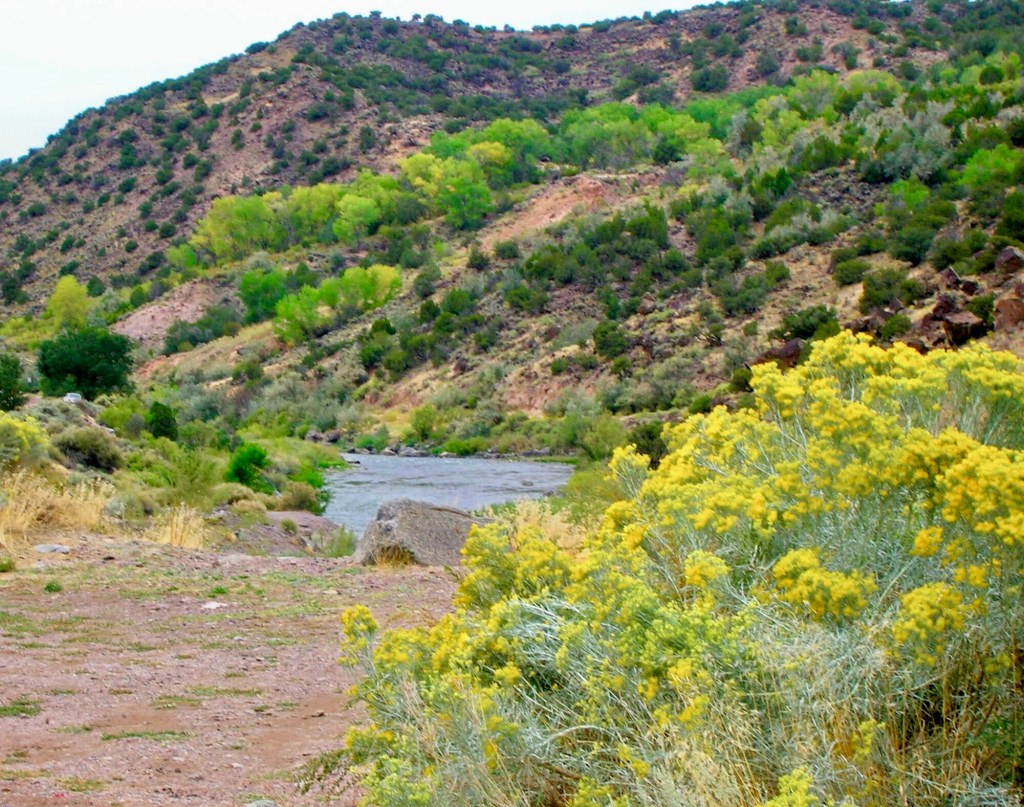
I wholeheartedly suggest you check out Scott Stillman’s Wilderness: The Gateway to the Soul. More than that, I urge you to take time enough in Nature to discover your personal primal connection. You may find, like I did, that it completely changes your perspective of life.
Wild Blessings,
Lisa
The content of this article is for educational and informational purposes only, and is not intended as medical advice. Please consult with a qualified health care professional before acting on any information presented herein. Any statements about the possible health benefits of any subject discussed have not been evaluated by medical professionals or the Food & Drug Administration and are not intended to diagnose, treat, cure or prevent any disease or illness.