6 Ways Gardening Can Elevate Your Life

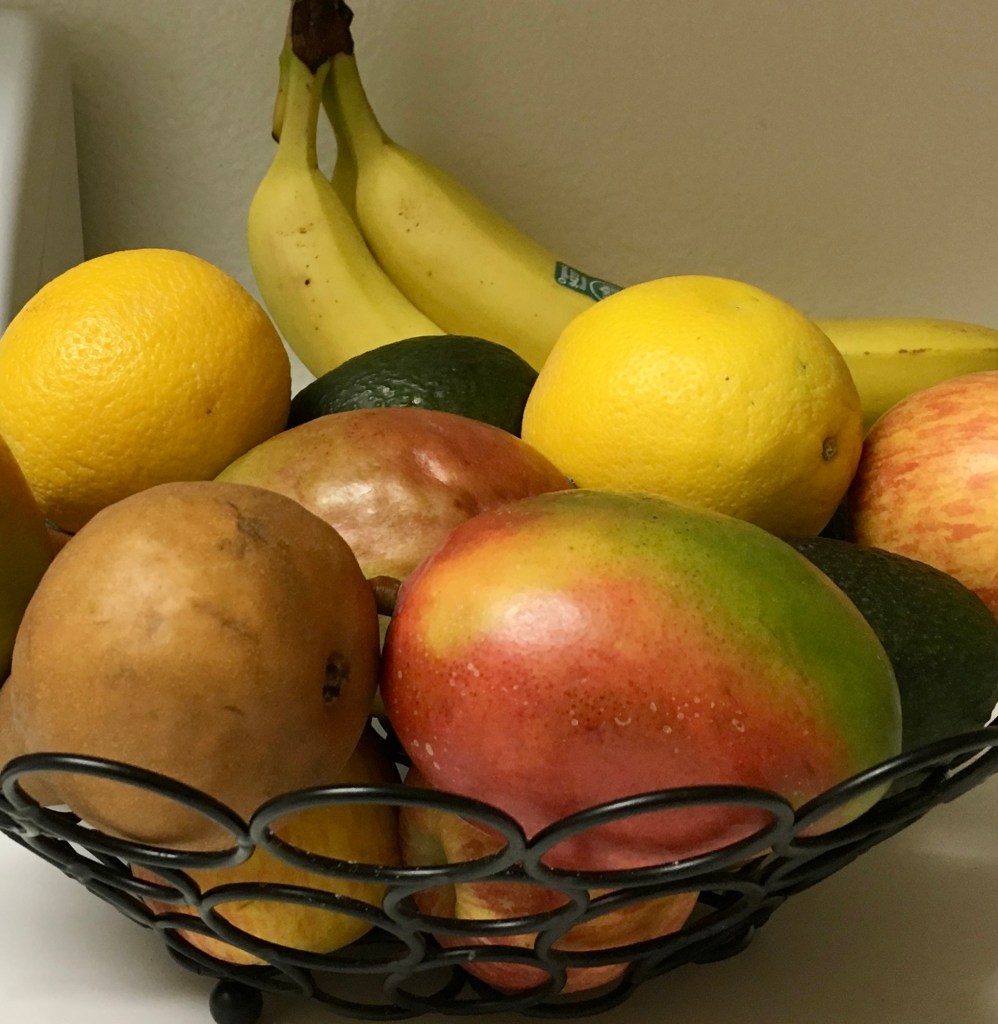
My Aunt & Uncle’s tropical garden of limes, oranges, mangoes, avocados, and bananas in Cocoa, Florida

The glory of gardening: hands in the dirt, head in the sun, heart with nature. To nurture a garden is to feed not just the body, but the soul. ~Alfred Austin, English Poet (1835 – 1913)

Some of my earliest memories involve sights of rich, dark soils, green leaves that seemed to go on forever, plump black and yellow bumblebees, and sweet smells of tomatoes on the vine.  I couldn’t estimate the number of times I ran barefoot on the cool, fragrant soil path of my Grandmother’s vegetable garden or the hours I spent alongside her picking beans in the searing sun.  On the warmest of days, she would cut a freshly-picked watermelon or cantaloupe beneath the giant twin oak trees of her backyard, and we would devour the sweet, cooling, sticky fruit with great delight.  I guess you could say I am nostalgic about gardening.

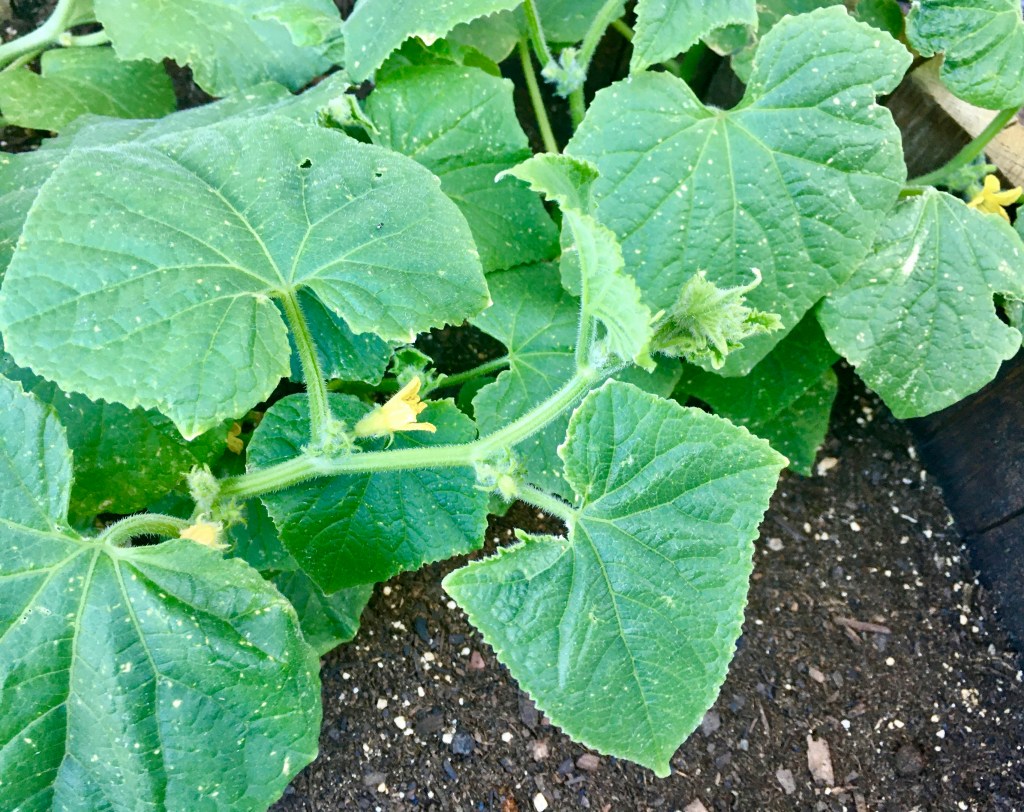
From my small garden last year

Although I’ll always cherish those memories, the idea of horticulture has taken on a more urgent meaning for me through the years.  During my childhood, most everyone we knew had a garden. Both small- and large-scale cultivation was a clean, healthy way to work with Nature and harvest good food. Ideas of genetically engineered seeds and herbicides & pesticides that destroy the Earth’s soils and harm human health had not yet hit the radar.  Now, after decades of folks devoting less time to growing, (and often suffering the effects of industrially-grown foods) home and community gardens seem to be making a comeback.  Below are a few ways gardening can bring more joy and health into your life.

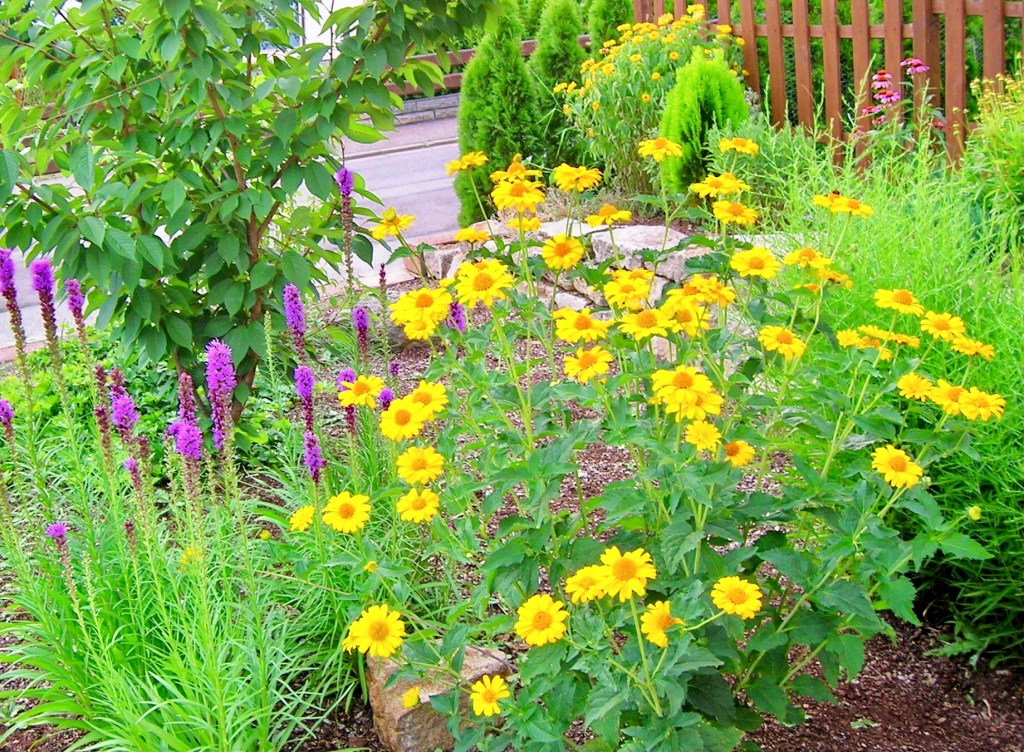
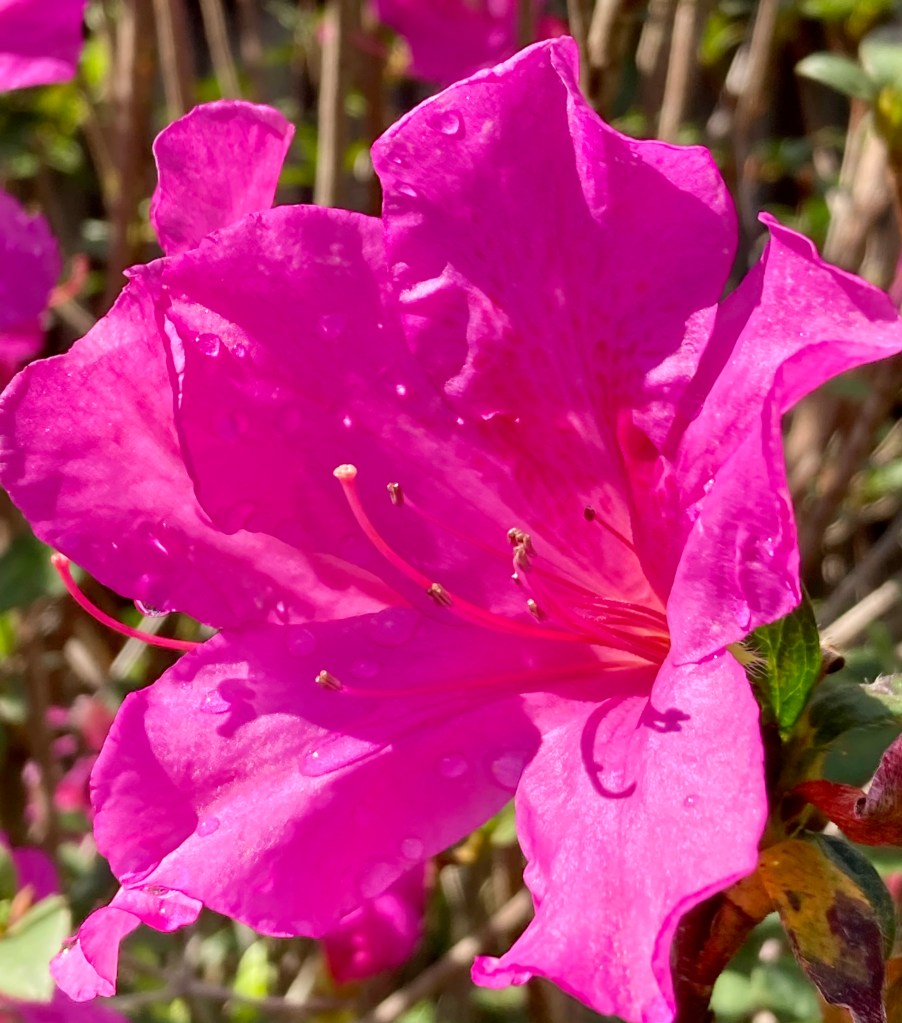
Blooms!

Plant so your own heart will grow. ~Hafiz

  1. You choose the growing methods.  If you need to amend the soil or protect against pests or weeds, you decide what products or practices to use.  You may choose to go organic, or at the least, avoid harsh chemicals.  The microbes in your soil and your gut will benefit as a result.
  2. Good stewardship of your little piece of Earth affects the whole.  You might seed plants that attract bees, hummingbirds, or butterflies that can help pollinate your garden as well as others.  Plants produce oxygen and absorb carbon, so you’re reducing global warming on a small scale (imagine if every one of us gardened!)  Flowers can improve the look of your plot of land as well as your neighborhood.  And the fragrance of some blooming trees can enthrall anyone within a stone’s throw.
  3. Working in a garden is good for your mindsetSue Stuart-Smith, psychiatrist, psychotherapist, and author of The Well-Gardened Mind: The Restorative Power of Nature, writes about researched effects of gardening programs on those suffering from trauma, depression, & anxiety, learning-disabled children, and prisoners.  The positive differences gardening makes for these diverse populations is nothing short of amazing: mood, confidence, and self-esteem are boosted, and chances of recidivism are reduced.  When we work with nature outside us, we work with nature inside us, the author says.  
  4. Protect yourself from food and nutrition insecurity.  In the US, supply chains have been slow for many months.  Purchasing healthy food has become more challenging, especially in heavily populated areas of the country.  In addition, a CNN article entitled The US Food System is Killing Americans states our food system is our country’s pre-existing condition that leaves us all at greater risk (for Covid and its possible consequences.) Having home-grown veggies at the ready, along with a few simple recipes, can help you change that.
  5. Get your good, green exercise!  Exercising in the great outdoors (and rest assured, gardening is exercise!) is doubly beneficial. Alive Magazine, a leader in natural health publishing for almost 50 years, shared a write-up encouraging outdoor exercise due to its ability to enhance vitamin D levels, which can help us avoid cancers and heart disease.  Furthermore, due to outside sights and sounds being more interesting, outside exercise increases the chances that we will stick to our routine. When you find you’re short on motivation to move, gardening might be the perfect fix.
  6. Nothing tastes better than freshly-picked fruits and veggies!  I believe I first became a foodie at a very young age, after eating almost exclusively the crops planted and harvested by my Grandma’s hand.  When produce is pulled from the earth, vine, or tree and eaten soon after, it has more nutrients and much more flavor than that which is shipped for hundreds or thousands of miles for distribution.  I encourage you to test this for yourself!
More beauty from the garden in Cocoa

Breathing in the scent of Mother Earth stimulates the release of the hormone oxytocin, the same chemical that promotes bonding between mother and child. ~Robin Wall Kimmerer, from Braiding Sweetgrass: Indigenous Wisdom, Scientific Knowledge, and the Teachings of Plants

Gardening is an endeavor that benefits mind, body, and spirit.  Whether or not you are nostalgic about it like me, planting a garden is making a stand that you will protect the health of the Earth and your family, and that you trust in your connection with Nature to help sustain you.

Blessings for Happy Cultivation,

Lisa

The content of this article is for educational and informational purposes only, and is not intended as medical advice. Please consult with a qualified health care professional before acting on any information presented herein. Any statements about the possible health benefits of any subject discussed have not been evaluated by medical professionals or the Food & Drug Administration and are not intended to diagnose, treat, cure or prevent any disease or illness.


5 Tips for Eating Based on the Science of Life

The healing system of Ayurveda (meaning knowledge or science of life), dates back thousands of years and is still widely practiced in India. A primary focus of Ayurveda is to find and maintain balance of mind, body, and consciousness through lifestyle, including environment, activity, and diet.  According to this ancient medicinal system, poor digestion is at the root of all disease, and modern science, widely researching the microbiome of the gut in recent years, is starting to align with that position.

Digestion involves so much more than nutrient breakdown & distribution.  The waste products of the gut’s microbes, largely a result of the foods that are digested, play a role in informing the brain of gut health, and the brain responds by altering bodily processes.  Research is showing that poor gut health is directly related to brain issues such as depression, anxiety, schizophrenia, and autism.  In addition, I’ve shared past posts on the importance of the gut’s microbiome in the processes of weight loss and boosting immune function, both of which are important in maintaining or restoring health.  Further, a poorly functioning gut is involved in chronic inflammation, a condition, studies show, that is often found in abundance with diseases like cancer, heart disease, stroke, diabetes, liver disease, and autoimmune disorders.

Below, I’m sharing 5 of the precepts of eating based on Ayurveda, which can help you find balance and thrive.

  1. Eat in a manner that supports your dosha type.  In a past post, I shared a very brief write-up on doshas, also called constitutional types.  Most of us are primarily vata, pitta, or kapha, and the foods we eat or avoid can have strong effects on our body’s balance.  For a more thorough description of the dosha types, check out this guide from the Ayurvedic Institute.  And for a good idea of the foods you should eat or avoid based on that info, go to this link.
  2. Stay mindful of your digestive fire.  Make lunch a larger meal than dinner, because agni, or digestive fire, is strongest when the sun is high in the sky.  And according to this article from Chopra.com, eating a light dinner at least 3 hours prior to bedtime, when agni is weaker, assists sleep, a time when the body repairs, heals, and restores while the mind digests thoughts, emotions, and experiences from the day. If the body’s energy is diverted into physical digestion, the physical healing and mental digestive processes are halted. 
  3. Hydrate with warm, or room temperature water throughout the day.  This helps with lubrication of the digestive system. Dr. Pratik Bhoite, an Ayurvedic physician in Mumbai, says cold drinks should be avoided because the body must first heat it to body temperature before it can digest it. 
  4. Eat fresh foods & avoid prepackaged. Erin Easterly, Ayurvedic Therapist & Educator, writes that the best way to nourish yourself is to increase your prana, or life force.  Foods with abundant prana come straight from the Earth. Their prana has been derived through the mingling of sunshine, water, and earth energies, she says.  Therefore, seasonal, local veggies are optimal.  
  5. Shoot for getting each of the 6 tastes at every meal.  Ayurveda recognizes the tastes of sweet, sour, salty, bitter, astringent, & pungent as distinct informational energies for our cells.  Incorporating each taste in meals gives us a full nutritional energy palate and, according to this article from US News & World Reports, boosts overall satisfaction.  For sweets, think sweet fruits, nuts, or carrots.  Sour fare includes fermented foods & citrus.  Seaweed is a good salt source in addition to mineral salts.  Bitter foods include kale and spices like turmeric.  Beans and dark leafy greens are astringent.  And ginger, garlic and onions fall into the pungent category.

Working toward balance in your life can lead to increased health and well-being.  Changing up your eating habits can be a super-important aspect of that balance for reversing or preventing disease.  I hope the tips above inspire you to thrive by bolstering your body’s digestion based on the science of life.

Ayurvedic Blessings,

Lisa

The content of this article is for educational and informational purposes only, and is not intended as medical advice. Please consult with a qualified health care professional before acting on any information presented herein. Any statements about the possible health benefits of any subject discussed have not been evaluated by medical professionals or the Food & Drug Administration and are not intended to diagnose, treat, cure or prevent any disease or illness.

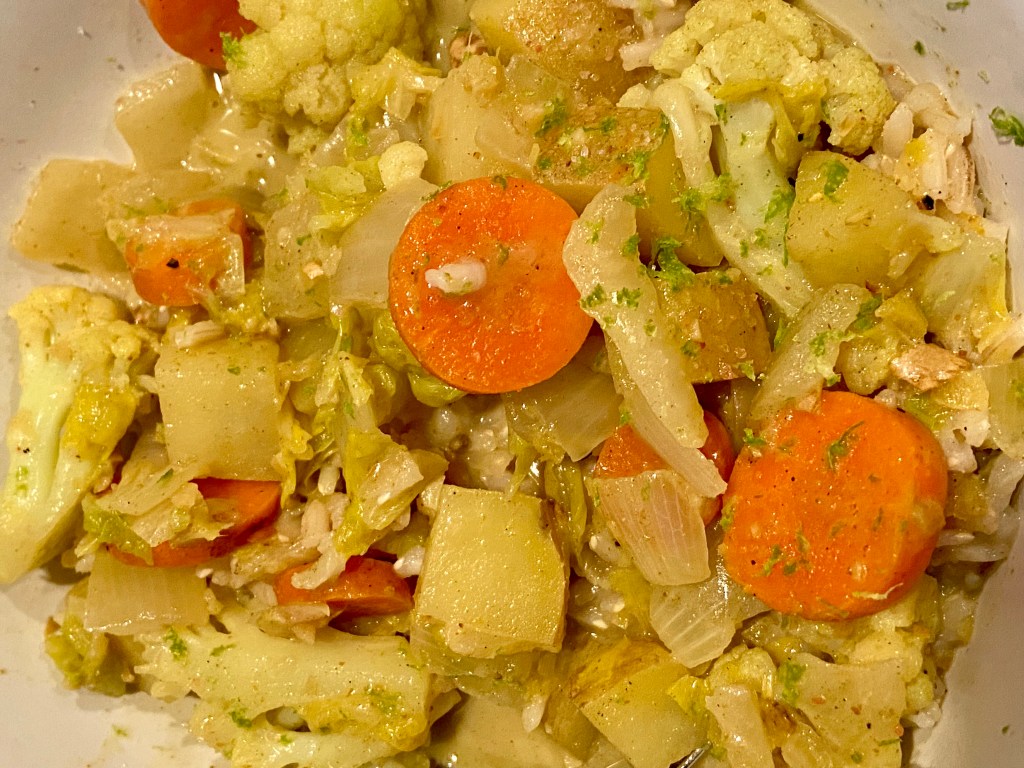
Curried Winter Vegetables

I learned to make this dish during my travels.  It was at a hostel in Moab, Utah, where I first had a Thai curry so tasty that I decided I had to learn to make it myself.  It took me several attempts, but I managed to create one that hit all the right notes.  My go-to recipe has evolved over the years, influenced by the distinct flavors of many Thai restaurants and recipes, as well as the seasons, but the sweet & savory complexity remains. A good curry is like a warm hug on the inside.  And the health benefits abound.

If you’re familiar with some of the other recipes I’ve shared, you’ll know that I cook with a lot of garlic. I sometimes joke that my stove won’t turn on unless there’s a pile of minced garlic beside it!  Studies show that regular garlic eaters reduce their risks of stomach and colon cancer by about 50% as compared with those who eat little to none. 

Spices in curry are good for digestion.  In addition to adding fabulous flavors, black pepper, cumin, and coriander are all good for the gut in various ways.  Yummy and healthy: what could be better?!

Turmeric is such a beneficial spice that I sneak it into everything I possibly can, including morning smoothies.  I’ve read a lot about it helping with chronic inflammation. But, according to this article from Healthline, studies show it also helps prevent Alzheimer’s, heart attacks, and cancer.

Now that you have the low-down on just a few of its health-giving properties, you can feel good about enjoying this wonderful dish.

Yield: 4 – 5 servings

Ingredients (use organic and/or non-GMO when possible)
2 tbsp coconut oil
4 cloves garlic, minced
1 inch fresh ginger, grated
2 tsp Kaffir lime leaf powder, or 3 lime leaves
2 stalks lemon grass, inner yellow fleshy parts only, crushed
1 tsp cumin
2 tsp coriander
1/4 tsp turmeric
1/8 – 1/4 tsp cayenne (to your heat level)
1 tsp salt (or more to taste)
1/4 tsp fresh ground black pepper
1 medium yellow onion, medium diced
2 medium carrots, cut into coins
2 medium red or yellow potatoes, small diced
1/3 head med cauliflower, cut into small florets
1/2 head small Napa cabbage, sliced into thin ribbons
water as needed
1 14.5 can coconut milk
2 tbsp coconut sugar (optional)
lime zest for the top

Directions
Melt coconut oil over med-low heat. Add garlic and ginger and stir for 1 minute. Add the next 8 ingredients, lime leaf powder through black pepper, and stir for 3 minutes. Add the next 5 ingredients, onions through cabbage, and increase the heat to medium. Cover and sauté, stirring regularly, for 10-12 minutes, adding small amounts of water as needed to keep from sticking. Once the veggies are tender, stir in the coconut milk and bring just to a simmer. If your coconut milk is unsweetened, add the sugar and stir to combine. Check for salt.

Serve on brown basmati rice topped with a little lime zest. Enjoy!

The content of this article is for educational and informational purposes only, and is not intended as medical advice. Please consult with a qualified health care professional before acting on any information presented herein. Any statements about the possible health benefits of any subject discussed have not been evaluated by medical professionals or the Food & Drug Administration and are not intended to diagnose, treat, cure or prevent any disease or illness.

7 Lifestyle Touchstones from the Healthiest Person I Know

Over the years, I have learned that regularly investing in the health of my mind, body, and spirit is vital.  I don’t want to live forever, but I do want to feel good, enjoy life, and thrive as long as I’m on the planet.  When I go to my annual doctor’s visit for a check-up and blood draw, I remind her with a smile that I am the healthiest person I know!  There are certain lifestyle elements that I feel are essential to maintaining optimal health, and below, I share them with you. 

  • Hydration is one of the most vital processes in my body, and I have control over it.  When I haven’t adequately hydrated, I become forgetful, I have no energy, I get headaches, and my body temperature goes unregulated.  (I can suddenly get way too hot or cold, and stay that way despite my efforts.)  After having worked in a lab, I’ve seen first-hand the way blood cells clump together when they aren’t dispersed with enough water.  Anthony William, author of Liver Rescue, among many other books, says that this thickening of the blood caused by dehydration results in the heart and liver being forced to work harder.  I believe it must force all our organs to struggle.  The human body simply cannot function properly without good hydration.
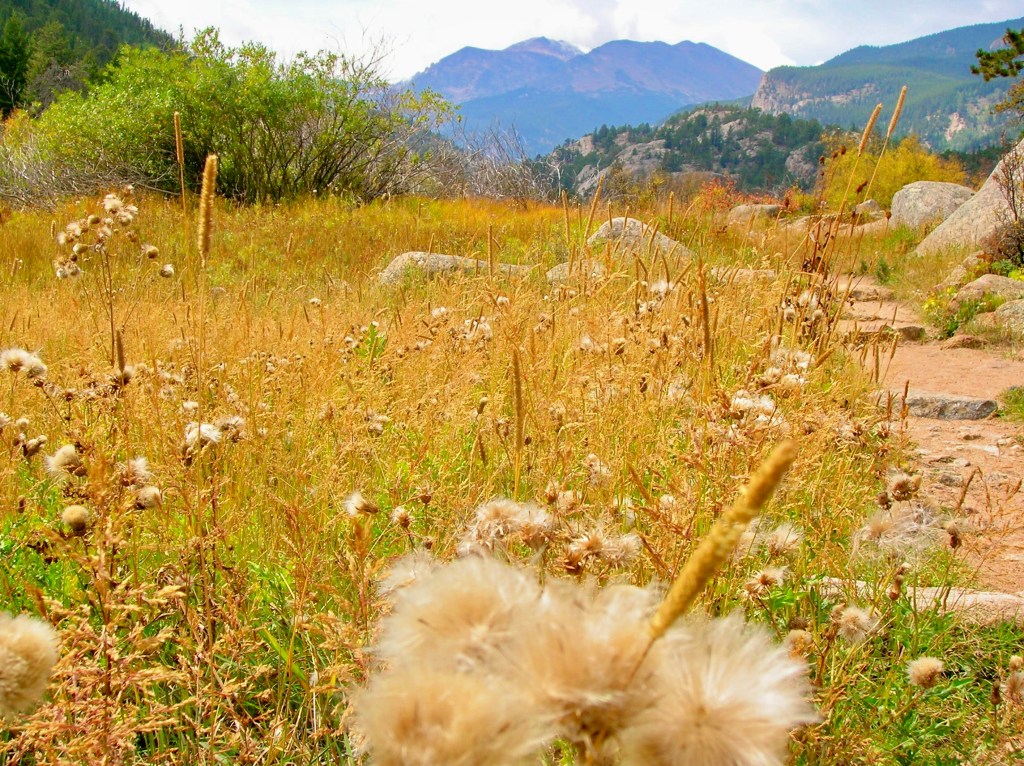
Inner Basin view of the San Francisco Peaks
  • Spending time outside is one of the most important things I can do for my mental well-being.  When I’ve been inside for too long, I can get lethargic and grumpy.  Studies show that being outside has loads of beneficial effects.  For me, going outside can be like flipping a switch: I instantly feel happier, more grateful, and energetic.

  • Working with the microbiome in my gut is one of the best ways to ensure my continued good health.  According to Dr. Zach Bush, a triple board certified physician, each of our bodies is an ecosystem through and through colonized by bacteria.  The majority of that bacteria resides in our guts, and we have a symbiotic relationship with it.  By eating fibrous, non-GMO whole plant foods, avoiding antibiotics whenever possible, consuming probiotic food and drinks, and breathing in diverse ecosystems by visiting lakes, waterfalls, mountains, oceans, & deserts, I keep my microbiome healthy and happy, which in turn keeps me healthy & happy.
Eat this, not that processed stuff!
  • Regular exercise, including stretching, strengthening, and cardio, is essential not only for my physical health but also for feeling good about myself.  Climbing, hiking, biking and yoga classes are my favorite forms of exercise, but we have a workout room at home for the days we can’t do our preferred activities.  Dr. David Perlmutter, author of Brain Maker, asserts that exercise can be just as effective as anti-depressants.  I can attest to that!  (Of course, you shouldn’t go off anti-depressants without working with your doc.)
Hiking in the snow
  • Focusing on the positives in my life helps me stay positive.  When less-than-pleasant ideas start to dominate my mindset (like when I get bad news), I step back, refocus, and recall my blessings & belief that everything happens for a reason.  According to Dr. Joe Dispenza, New York Times best-selling author, the term emotion can be thought of as energy in motion, and it goes wherever you place your attention.  Rather than worrying and dwelling on negatives, I find I am much more productive and cheerful when I am in a state of gratitude, expressing love for my life and the beautiful world around me.
  • Being generous opens my heart unlike anything else. Expressing compliments, sending a card to a far-away friend, sharing home-cooked food, focusing my full attention on one with whom I’m speaking, and giving small gifts are all great little ways of showing generosity. Research shared by UC Berkley’s Greater Good Magazine shows that giving releases feel-good endorphins, activates a part of the brain associated with pleasure, results in a helper’s high, and provides a myriad of long-term health benefits.  
  • Continuing to travel and learn about health, spirituality, cuisine, the planet, and other animals feeds my soul.  It also keeps my brain functioning optimally by forming new synapses.  You know the old saying use it or lose it?  That applies here.
Lake Powell, Arizona

An important caveat: as soon as I realize I’m feeling off, I assess.  What have I eaten?  Have I taken in ample water & electrolytes?  When did I last exercise?  Where have my thoughts been focused?  I want to feel good in mind, body, and spirit all of the time.  Figuring out the reason I’m not up to par is critical to getting back on track as soon as possible.

To me, feeling good on every level means thriving in a world teeming with love & beauty as opposed to enduring a joyless existence.  Staying conscious of the touchstones that support my health are of utmost importance.  My hope is that you may benefit from my experience. Regardless of your age, investing in your health and well-being is always one of your very best endeavors.

Blessings for Health,

Lisa

This was one of my most popular posts from last year. The original version was first shared in January of 2021.

The content of this article is for educational and informational purposes only, and is not intended as medical advice. Please consult with a qualified health care professional before acting on any information presented herein. Any statements about the possible health benefits of any subject discussed have not been evaluated by medical professionals or the Food & Drug Administration and are not intended to diagnose, treat, cure or prevent any disease or illness.

6 Benes of Winter Hiking

I hiked one of my favorite winter trails a few days ago.  The abundance of volcanic rock in the area reflecting the heat of the sun makes it one of the warmest hikes around.  Snow and ice still covered over half the footpath, courtesy of a weather system that enshrouded parts of northern Arizona for over a week.  Ascending the slick ice was a little frightening (foolishly, I didn’t wear my Yaktrax).  But, lucky for me, the sun had cleared the descent.  The beauty of the entire mountain was transformed due to the snow, causing me to stop at times and assess if I was still on the trail. 

My trek through the winter woods elated me with picturesque views of the earth, crisp air, and azure sky.  I began thinking of other benefits Nature was conferring on me, and the idea for this article was born.  In addition to the enjoyment of exploring a seemingly new landscape, with its snow, ice, and leafless deciduous trees, below are 5 more benefits of hiking during winter months.

  1. Weight loss. A Scientific American article reports that brown fat, mitochondria-containing adipose tissue that converts calories into heat, is activated and increased with exercise & in cold temperatures.  Recent research reveals that brown fat can reduce excess stores even in the obese, due in part to its browning activity of white fat.  The article also says this calorie-burning phenom can lessen chances of metabolic syndrome, heart disease, stroke, and diabetes, making cold weather hiking a great formula for weight loss and physical health in general.
  2. Increased fitness levels, faster.  If your heart is healthy (and only if your heart is healthy!), trekking in cold weather can make it even stronger.  Cold temperatures cause arteries to tighten, restricting blood flow and reducing the oxygen supply to the heart, a WebMD write-up states.  These factors cause the heart to work harder, improving endurance and respiratory functions.
  3. Enhanced immunity.  According to this post from the ION (Intelligence of Nature) blog, founded by Dr. Zach Bush, a physician specializing in internal medicine, endocrinology, and hospice care, Respiratory infections are especially prevalent in the winter months for two reasons: enclosed spaces and (lower) humidity.  These conditions (as well as the holidays) often result in us eating more, exercising less, and failing to consider hydration.  Hoofing it in the cold, mineralized water in hand, allows us to mobilize our tissues, deeply hydrating our bodies.
  4. Improved mental health.  Hiking during winter can help with the winter blues and seasonal affective disorder (SAD).  An article from Mayo Clinic suggests on cold or cloudy days, outdoor light can help — especially within two hours of getting up in the morning, and further, exercise and other types of physical activity help relieve stress and anxiety, thereby reducing SAD symptoms.
  5. Heightened sense of awe.  Greater Good Magazine, published by the University of California, Berkeley, reports researchers are uncovering the benefits of awe for clear thinking, good health, and close relationships. Witnessing the splendor of deer, birds, and weasels (among many other animals) who change colors in winter induces wonder and delight.  Once during a cold weather hike, I saw a small herd of deer wearing lovely dark chocolate-colored coats. Spotting these beauties in their winter finest filled my heart with gratitude.

Although the weather is not presently balmy, it’s an ideal time to get outside and do some hiking.  I hope one of the benefits mentioned above piques your interest & motivates you to get on a trail.  Nature has a profusion of benefits just waiting for you.

Blessings on the Winter Trail,

Lisa

The content of this article is for educational and informational purposes only, and is not intended as medical advice. Please consult with a qualified health care professional before acting on any information presented herein. Any statements about the possible health benefits of any subject discussed have not been evaluated by medical professionals or the Food & Drug Administration and are not intended to diagnose, treat, cure or prevent any disease or illness.

Biorhythms: Wisdom or Hooey?

Although circadian rhythms have been observed by scientists for centuries, they never gained much footing in the Western medicine paradigm, and therefore seem to be on the periphery in terms of importance.  This shouldn’t be the case.  In this post, I’ll share some beneficial reasons for learning about and supporting these internal cycles that are tied to Nature.

Derk-Jan Dijk, director of the Surrey Sleep Research Centre in Guildford, UK, explains in an article for the international journal Nature that the human body is a house with clocks in every corner, yet in one way or another they work in an organized way.  The timing of our internal clocks profoundly influences metabolism, immunity, and many other critical functions, he goes on to say.  Pretty important, wouldn’t you agree?

A fact sheet from the National Institute of General Medical Sciences describes the body’s various clocks.  Circadian rhythms are physical, mental, and behavioral (processes) that follow a 24-hour cycle. (They) respond primarily to light and dark and affect most living things, including animals, plants, and microbes.  We also have biological clocks, which regulate the cycling of our circadian rhythms.  And then there is the master clock found in the brain which helps keep everything in sync.   

In a past post, Nature Interrupted, I mentioned the importance of these biological time keepers.  Disruption of circadian rhythms, whether through jet travel, shift work, or sleep disturbances, is a known risk factor for several types of cancer, states a release from the Public Library of Science: Biology.  Additionally, a paper from Aging-US indicates many physiological processes such as hormone production and the sleep-wake cycle are under direct control of the circadian clock, and interferences in these cycles are linked to various diseases. 

Over the years, I’ve read a lot about how psychological issues can be brought on or exacerbated by poor sleep.  A Harvard Health Publishing write-up reports a person’s circadian tendency can affect their choice of emotional coping skills, such as assertiveness or rationalization.  And an article from the National Institute of Health asserts the disruption of circadian rhythms can contribute to depression.

Disturbances in our biological rhythms can contribute to premature aging, as well.  The fact that several different components of the circadian clock are involved in the regulation of aging supports the idea that an intact circadian clock is important for longevity, and disruption of circadian oscillations may lead to the acceleration of aging, according to this research paper out of Cleveland State University.  

As for metabolism, Dr. Michael Greger’s site nutritionfacts.org reports on a most interesting weight loss study. Two groups of women were given the same number of calories throughout the day, although the timing of the calorie loads differed: one group was given a 700-calorie meal for breakfast with a lighter lunch & dinner, while the others got a 700-calorie meal for dinner, and fewer calories for breakfast & lunch.  The group that ate most of their calories early in the day lost 11 pounds more than the other group.  This, the article says, is due to the power of biological timing.  I’ve read from various sources that lunch should be larger than dinner, but breakfast as the most calorie-dense meal of the day?  Fascinating!

Supporting healthy biorhythms is pretty simple, but requires habituation. Viewing the sun as it rises and sets, spending time outside during the day, and shutting down devices a couple hours before bedtime are good places to start. In addition, this article from The Holistic Ingredient suggests trying to stick to a pretty regular schedule of sleeping, waking, eating, working, and exercise. Keeping a schedule can help you maintain your internal rhythms, even after a restless night’s sleep, and your focus and attentiveness will improve because your body learns how to get ready for (your planned activities), the article states.

How Western medicine can virtually ignore the significance of circadian rhythms is beyond me.  Taking steps to keep our bio-clocks in sync with the rhythms of our primal Mother Earth appears to be of utmost importance for a healthy mind and body, as well as a long life. 

Blessings for Biorhythmic Sync,

Lisa

The content of this article is for educational and informational purposes only, and is not intended as medical advice. Please consult with a qualified health care professional before acting on any information presented herein. Any statements about the possible health benefits of any subject discussed have not been evaluated by medical professionals or the Food & Drug Administration and are not intended to diagnose, treat, cure or prevent any disease or illness.
My Journey to Veganism

 . . . Or maybe I should say, “back to veganism,” as I believe I was born vegan.  I never liked the taste of meat or milk or eggs as a kid.  My grandmother would slather my scrambled eggs with mustard to get me to eat them.  The only milk I would drink had to be flavored with chocolate, because I found the taste of white milk repulsive.  And meats?  I was coerced into eating them by threat of punishment.

Once I was old enough to decide for myself, I seldom ate flesh foods. Years later, in my doctoral studies, I learned a lot about the ways various foods can affect the human body. Gabriel Cousens, MD, broadened my knowledge of important concepts like pH balance, enzymes, and Ayurveda through his book Conscious Eating.  

The same book motivated me to end my animal eating altogether.  I wish I could tell you it was due to ethics, because I do love animals and Nature in its entirety, as you know.  But my motives were selfish: I did it for health reasons. Dr. Cousens’s text presents an abundance of information that made me think more than twice about the harm flesh foods could be causing my body.  Some of that info includes: Since World War II, farm animals have been inundated with a brew of pesticides, hormones, growth stimulants, insecticides, tranquilizers, radioactive isotopes, herbicides, antibiotics, and other assorted drugs.  He also quotes Dr. Carl Telleen, a retired USDA veterinarian, who wrote, Chicken carcasses contaminated with feces, once routinely condemned or trimmed, are now simply rinsed with chlorinated water to remove stains.  Further, Dr. Cousens asserts, Eating fish is potentially dangerous because of the widespread, ever-increasing pollution of the waters of the world. The biggest contaminants are mercury and PCBs, which are among the most toxic chemicals on the planet.  And now, we can add to that the dangers of micro plastics.

For years afterwards, I ate only plant foods with occasional cheeses and boiled eggs.  That is, until I enrolled in a Certification in Plant Based Nutrition course.  Much of the learning in the program is based on The China Study: Startling Implications for Diet, Weight Loss and Long-term Health, by Drs. T. Colin Campbell and Thomas Campbell.  The book shines a light on the harmful effects, often carcinogenic, of animal protein on the human body.  Before the course was over, I gave up animal products completely.

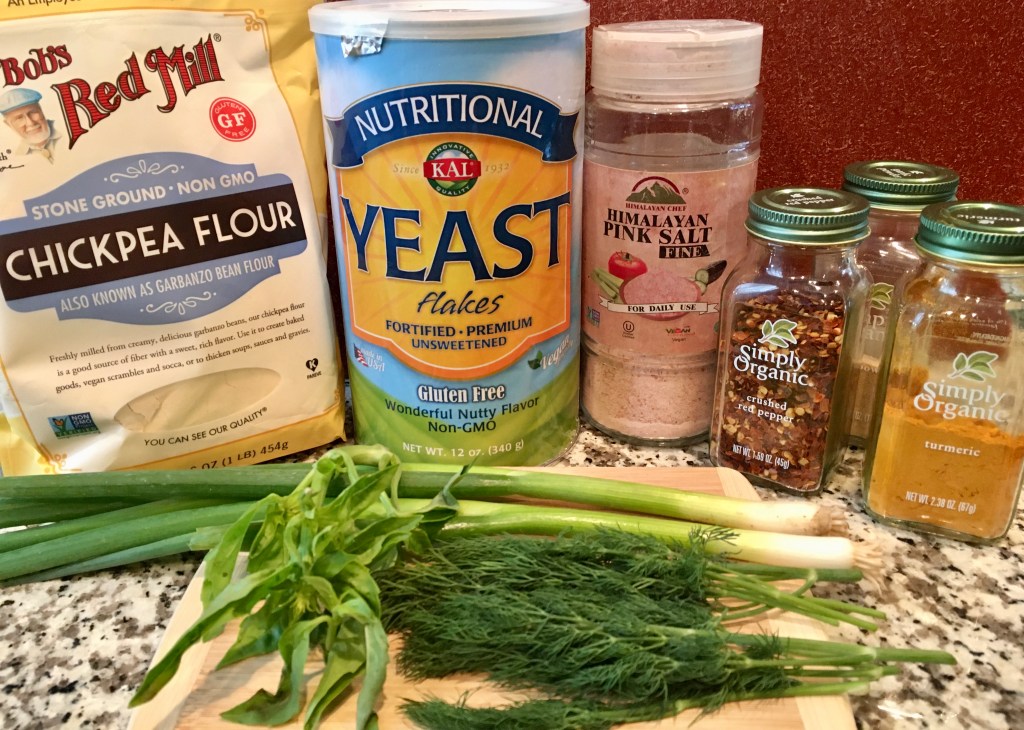
The makings for a delicious vegan omelette

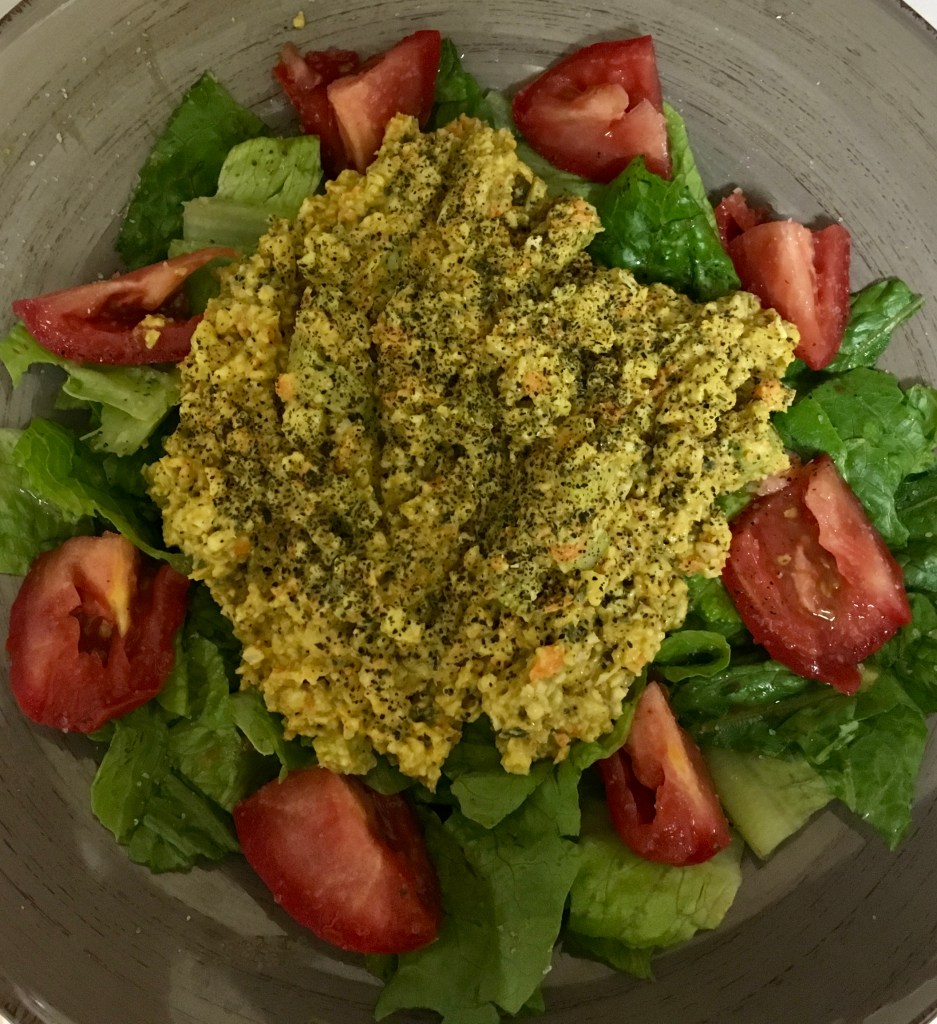
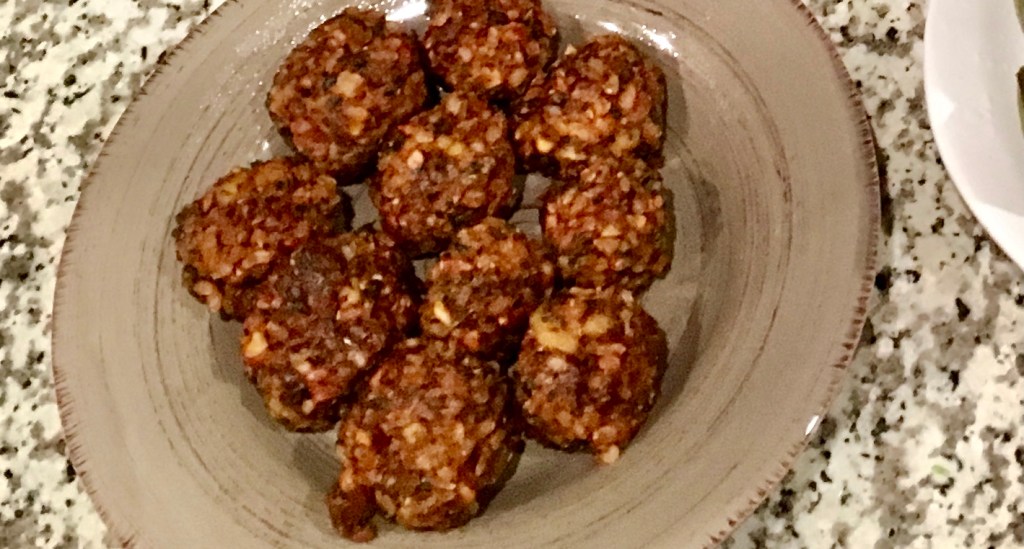
During my first couple years as a vegan, I purchased a lot of prepared foods in delis and from the cold sections in markets.  Some were ok, others were disgusting, and some tasted fine but made me sick.  (Today’s pre-made items are much more palatable, but their ingredient lists can be far from health-promoting.)  Out of exasperation, I began looking for recipes to make my own vegan foods.  What a difference that has made!  My homemade preparations are not only tastier, but my yearly lab work numbers improved, as well.  (And as I’ve shared before, I lost quite a bit of weight.)  Other than tofu, tempeh, and coconut yogurt, I seldom feel the need to purchase ready-made items anymore.  I have found fantastic recipes for vegan sour cream, mozzarella, parmesan, ricotta, cheddar, and nacho cheese.  I’ve learned to use ground flax in water as an egg substitute for pancakes and baking, as well as chickpea flour with just the right spices for omelettes and frittatas.  I struck gold when I came across a formula for vegan meatballs – they are some of the best I’ve ever tasted (even compared to real meatballs!)  Same goes for “meat” loaves. The directions I’ve found for a smoky, crispy bacon substitute for BLTs is out of this world.  And burgers, oh my!  I have discovered so many recipes for a variety of delectable vegan burgers.  Even ice cream, sorbet, pudding, and fudge can be made creamy & delicious with vegan ingredients.  My point is, it’s quite possible to have healthy, varied, and flavorful vegan foods every day; they might just need a little more effort at times than non-vegan meals.  (Check out my Recipe Category for some simple, yummy preparations.  I post a new one every 6 – 7 weeks.)

Mouthwatering vegan meatballs

I realize being vegan isn’t for everyone, but if you are considering eating less meat and dairy for any reason, I hope my story has provided a bit of encouragement. My journey continues to be one of experimenting and learning, and its rewards are far-reaching.  In addition to being environmentally sustainable and harmless to animals, the foods I eat contribute to my body’s optimal function – all reasons that cause me to feel I’m making the best choice for myself and the planet.

Blessings on Your Food Journey,

Lisa

The content of this article is for educational and informational purposes only, and is not intended as medical advice. Please consult with a qualified health care professional before acting on any information presented herein. Any statements about the possible health benefits of any subject discussed have not been evaluated by medical professionals or the Food & Drug Administration and are not intended to diagnose, treat, cure or prevent any disease or illness.
A Holiday Lesson

I’m pleased to report that I’ve just returned from a much-needed tropical getaway.  Sun, surf, humidity, and the expansive beauty of the Atlantic Ocean – what a treat!  Throw in a few visits with family & old friends, and you have a recipe for a super enjoyable & rejuvenating vacation.

The trip involved a 17-hour travel day going, and a 12-hour travel day returning, as well as many more hours of driving between destinations.  So lots of sitting.  Although I did quite a bit of walking & some daily yoga, it wasn’t enough to counter all the immobility and keep my fascia supple and happy.  As a result, I often found it necessary to do additional stretches at night to get out of pain and enable sleep.

If you’re unsure your fascia has ever been unhappy, an article from Johns Hopkins Medicine explains that a painful back or neck could be due to tight fascia rather than muscles or joints.  Too much sitting or other limited movement day after day can cause fascia to thicken and become sticky. When it dries up and tightens around muscles, it can limit mobility and cause knots to develop.  If restoring elasticity to the tissue helps you feel better, the article goes on to say, the problem can be attributed to fascia. 

In a past post, I mentioned a video clip by Dr. Gil Hedley, Board President of the Institute for Anatomical ResearchWorking with a cadaver, he shares The Fuzz Speech, demonstrating how fascia creates a fuzzy connection to muscles as we sleep (or are otherwise inactive.)  Stretching each day dissolves the fuzz, he says.  To forgo stretching can result in thicker fuzz and result in stiffness and pain.  The importance of regular stretching cannot be overstated.

Jaap van der Wal, MD, retired associate professor of Anatomy and Embryology at the University of Maastricht, Holland, refers to fascia as the integrating matrix of the body.  Further, he says the architecture of the connective tissue, including structures such as fasciae, sheaths and membranes, is more important for understanding functional meaning than is more traditional anatomy.  A pretty strong endorsement for learning to care for your fascia, wouldn’t you say?

A while back, I found a website called The Fascia Guide that goes into detail on all kinds of info about fascia, as well as research articles and a Q&A page with plenty of practical info. From this source, you can glean facts like fascia is the only tissue that has contact with all other tissues in the body and it contains collagen-producing fibroblasts in abundance. If you’d like to learn more about this fascinating connective network, I encourage you to spend a few minutes on the site.  You might be amazed!

I’ve also discovered a website called Pilates Tonic that shares free, short clips of really nice stretches targeting specific areas.  I find that the outside of my thighs (the IT bands) and my lower back need the most attention when I’m out of my regular routine. Yoga, varied exercises, cupping therapy, massage, and foam rolling can also help keep connective tissue pliable. 

Even with fascial issues, my little winter escape was a delight.  The trip taught me that carving out sufficient time for various exercises between long periods of inactivity is crucial for staying out of pain, an especially desirable pursuit during vacation!  Can I get a do-over??

Blessings for Pain-Free Holidays,

Lisa

The content of this article is for educational and informational purposes only, and is not intended as medical advice. Please consult with a qualified health care professional before acting on any information presented herein. Any statements about the possible health benefits of any subject discussed have not been evaluated by medical professionals or the Food & Drug Administration and are not intended to diagnose, treat, cure or prevent any disease or illness.
Pumpkin Ginger Truffles

Recently, a favorite cold weather gourd has made a frequent appearance among my kitchen preparations: in buckwheat pumpkin pancakes, warm pumpkin smoothies, Thanksgiving pumpkin pie, and now pumpkin ginger truffles. There’s just something about pumpkin that some of us can’t get enough of once the longer days of the year are behind us.

Unlike the ones that Godiva makes, these truffles don’t have a crunchy shell. (If you feel you must dip them in chocolate for that effect, you have my forgiveness blessing.) They are on the softer side, but with the addition of a pecan coating, they would be a little closer to having that firm, crunchy exterior.

These spicy gems are not just tasty, they’re also nutritious. Pumpkin is loaded with Vitamins A & C, potassium and iron. It also has a substantial water content and is low in calories. According to Healthline, the vitamins and minerals pumpkin contains can help with skin issues, weight loss, eyesight, immunity, and chronic disease risk, including cancer.

Ginger, writes Lauren Venosta at Chopra.com, is considered a superfood due to its wealth of benefits. In addition to helping control cholesterol, blood sugar, and blood pressure, it also aids digestion and reduces nausea. Its anti-bacterial properties are effective against drug-resistant bacteria, research shows. What’s more, it inhibits bacterial growth in the gums.

Cacao powder can be subbed for cocoa in many baking recipes to add more nutrition. Packed with flavonoids, fiber, magnesium, potassium, and protein, cacao powder may decrease chances of heart disease and diabetes, reduce inflammation, lower blood pressure, and help with digestive problems, according to Web MD.

You get the picture: these yummy truffles are super healthy! I hope you’ll enjoy them as much as we did.

This recipe was inspired by a recipe from Nicole at VegKitchen.com called Pumpkin Pie Squares.

Yield: 12 truffles

Ingredients (use organic or non-GMO if possible)
2 tbsp cacao powder
3/4 cup rolled oats
1/3 cup pecan pieces
1 tbsp chia seeds
1 tsp ground cinnamon
1/2 tsp ground ginger
1/4 tsp freshly-grated nutmeg (ground nutmeg will work, but isn’t nearly as tasty)
pinch of ground cloves
7 soft medjool dates, pitted & chopped (soak in water for 1/2 hour if necessary to soften)
1/2 tsp vanilla extract
1/3 can, or about 5 oz. cooked pumpkin (not pumpkin pie mix)
1/4 cup additional pecans, chopped small, as a final outer coating (optional)

Directions
Sprinkle the cacao powder so that it covers most of a platter. (See note.) Set aside.

Spin the oats, pecans, chia seeds, and spices (cinnamon through ground cloves) in a food processor until the oats & pecans are in small pieces, stopping before they become flour-like. Add the dates, vanilla, & pumpkin and process until the dates are well broken down & combined. Test the consistency. If the mixture is too thick, add a tiny bit of water. If it’s too thin to roll, add a few more oats. Once you have your perfect consistency, roll into 12 golf-size balls using slightly wet hands if needed, placing each on the platter of cacao powder. Roll the truffles in the cacao, coating fully or partially, your choice. Refrigerate. This will make them a bit firmer. Enjoy!

Note: If you choose to use the additional pecan pieces as a final coating, combine them with the cacao powder prior to sprinkling on the platter.

Comments are not open this week.

The content of this article is for educational and informational purposes only, and is not intended as medical advice. Please consult with a qualified health care professional before acting on any information presented herein. Any statements about the possible health benefits of any subject discussed have not been evaluated by medical professionals or the Food & Drug Administration and are not intended to diagnose, treat, cure or prevent any disease or illness.

Six Science-Backed Reasons to Get Outside

Did you enjoy spending time outside as a kid? I did. As a matter of fact, I don’t remember spending much time inside. I loved playing outdoors with pets we had over the years, including lots of dogs and cats, a couple rabbits, and a rooster that I treated like a baby. I enjoyed riding my bicycle and skateboard up and down the driveway. I reveled in turning cartwheels and doing handstands in the grass. I liked climbing trees and fishing with my grandmother at our little pond. I spent many hours on the cool ground looking for lucky four-leaf clovers. Sometimes, I’d link together the little clover flowers to make a crown garland. What are your most cherished childhood memories of being outside?

I don’t remember being sick very often as a child, and I think all the time I spent outdoors had a lot to do with it. Research shows time and time again how Nature makes us healthier. And increased vigilance due to ongoing covid concerns doesn’t preclude getting outside. In fact, being out in the elements can be a better bet than staying indoors.

I love to think of nature as an unlimited broadcasting station, through which God speaks to us every hour, if we will only tune in. ~George Washington Carver

  • In an article on the Centers for Disease Control website entitled Are There Benefits to Spending Time Outdoors?, it is reported that, due to benes such as the opportunity to be active and the sun’s role in producing vitamin D, being outside may elevate your overall health and wellness. If those were the only significant findings from science in this area, they’re reason enough to get out in Nature, wouldn’t you agree? But there’s more.

  • From The Journal of Positive Psychology, Noticing Nature: Individual and Social Benefits of a Two-Week Intervention describes a 2-week study of 3 undergraduate groups assigned to focus on different environments: natural, man-made, and a control group with no change from the norm. The results of the study showed that those assigned the natural environment had more elevated experiences and felt more connected to others and life in general than the other groups. In just two weeks’ time!

The earth laughs in flowers. ~Ralph Waldo Emerson

  • An article from Environmental Health and Preventive Medicine, Trends in Research Related to “Shinrin-Yoku” (Taking in the Forest Atmosphere or Forest Bathing) in Japan, describes many study findings, including those on the smell of plants. Many trees release chemicals that, when inhaled, decrease heart rate, lower blood pressure, and reduce the activity of the sympathetic nervous system, which works to stimulate fight or flight responses and regulate homeostasis. These bodily changes lead to feeling less stressed. We could all use some of that now, right?

  • In the book they co-authored, Quench: Beat Fatigue, Drop Weight & Heal Your Body Through the New Science of Optimum Hydration, Gina Bria and Dana Cohen, MD, write about the ways our modern indoor work lives contribute to dehydrating us, which can result in chronic struggles within our bodies leading to pain and disease. Closed environments like offices, with bright artificial lights, screens and other electronics, air conditioning, heating, and even furniture and flooring, absorb vapor from the air. Transportation methods, including cars, trains, and airplanes, can have super-low humidities. Combine those factors with long periods of sitting that constrict the flow of fluids in the body, and you can see how you might become extremely dehydrated by the end of the day. According to the authors, in addition to consuming hydrating fruits & drinks, taking quick outside walks and bringing the outdoors in by opening a window and keeping a plant on your desk help you stay hydrated, providing your body with critical sustenance for normal functioning.

  • In her book The Well-Gardened Mind: The Restorative Power of Nature, Sue Stuart-Smith shares research done with diverse subjects in outdoor environments.  In prisons, she has witnessed the difference that gardening programs have made for inmates, in some cases offering them opportunities to find work as gardeners post-release, which has been shown to lessen chances of recidivism.  She also writes of a garden project done for inner-city 7-year-olds with a high rate of learning disabilities, which not only resulted in a sense of pride and accomplishment for the little ones, but also transformed their sense of self-esteem and motivation.  Additionally, she addresses the use of therapeutic horticulture for those with depression, trauma, and anxiety, as studies have shown that the benefits of regular gardening are similar to those of cognitive behavioral therapy.  

Spending time outdoors is not only fun, but also incredibly healthy on every level, according to science. Maybe the fact that it makes us feels so good accounts for the many hours we spent playing in trees, dirt, and water as kids. As we get older, outdoor activities like hiking, biking, and kayaking can take us out of our adulting mindset and put us in touch with a sillier, more playful part of ourselves. It can still makes us feel like carefree, healthy kids.

Look deep into nature, and then you will understand everything better. ~Albert Einstein

Blessings for Time Outdoors,

Lisa

The original version of this post was first shared in July of 2020. Comments will not be open this week.

The content of this article is for educational and informational purposes only, and is not intended as medical advice. Please consult with a qualified health care professional before acting on any information presented herein. Any statements about the possible health benefits of any subject discussed have not been evaluated by medical professionals or the Food & Drug Administration and are not intended to diagnose, treat, cure or prevent any disease or illness.