As the holidays zoom by, we are faced with the idea of making new year’s resolutions. We regard the new year as a fresh beginning, an opportunity to improve the habits and divergences that plague us. I am not one to make & announce resolutions in January, as so many of my intentions have met with failure, causing guilt that worsened behaviors. Instead, I like to quietly get a head start.

For most of my life, I struggled with bad eating habits. I went from eating fast food, processed foods, & refined sweets to eating so little of anything that nutritional deficiencies starting making themselves known. It wasn’t until I made some lifestyle changes that I was able to shift that. Because these adjustments have worked so well for me, I’d like to share them with you now – before the start of the new year!
- Plan your week’s meals in advance. And write them down or record them in your phone so you can refer back. This is a foundational change that, once established, you’ll never want to give up. This practice prevents you from eating on the fly, which is often dictated by what’s quick, easy, and often unhealthy, like pizza, fast food, & overpriced packaged foods. Go to the farmer’s market or supermarket once or twice a week to purchase the items you’ll need for home-prepared meals. Planning and preparation are fundamental requirements for eating healthy, I’ve found.
- Find some healthy options at your favorite restaurants. These may appear on your weekly meal plan or work as a plan B when you are unable – or unwilling – to stick to the original due to working late, crises, or other diversions. Go online now to look at menus, noting the dishes that sound healthy and delicious. Creating your own menu of restaurant options can assist you in prioritizing your health, even when you’re in a hurry.
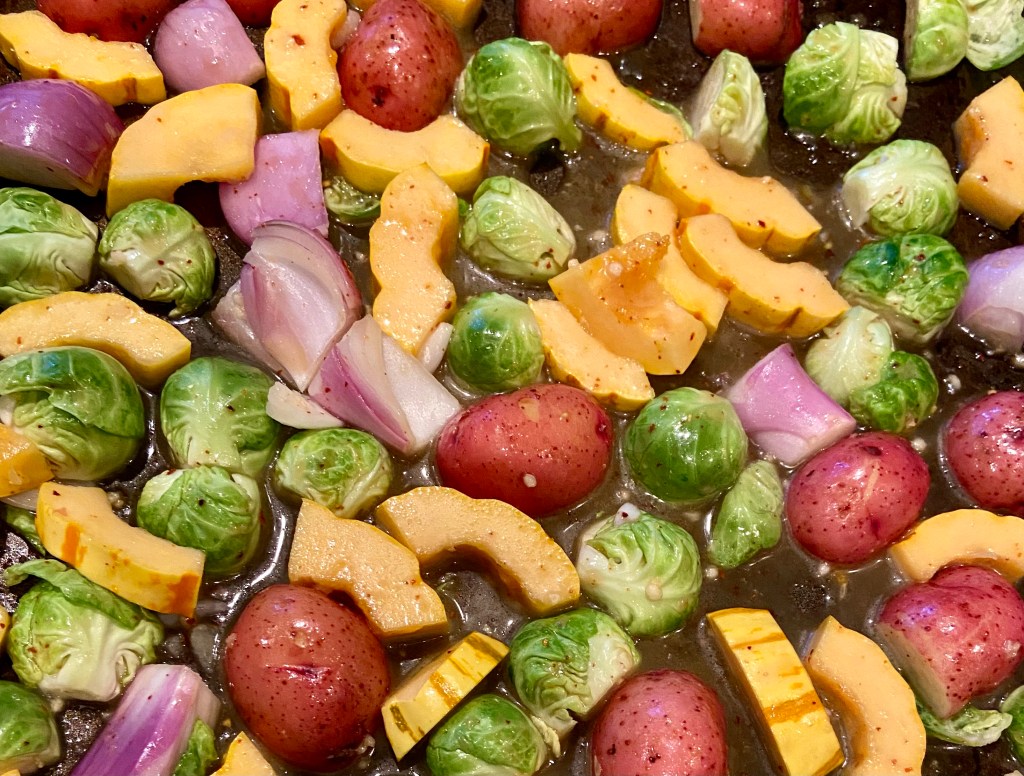
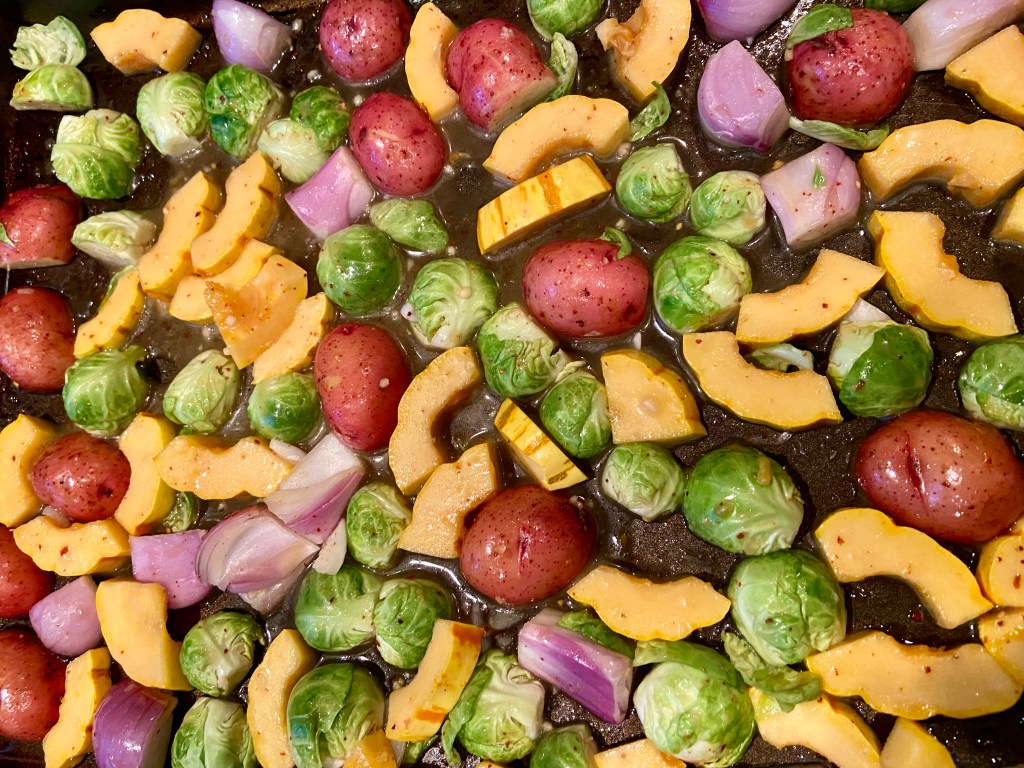
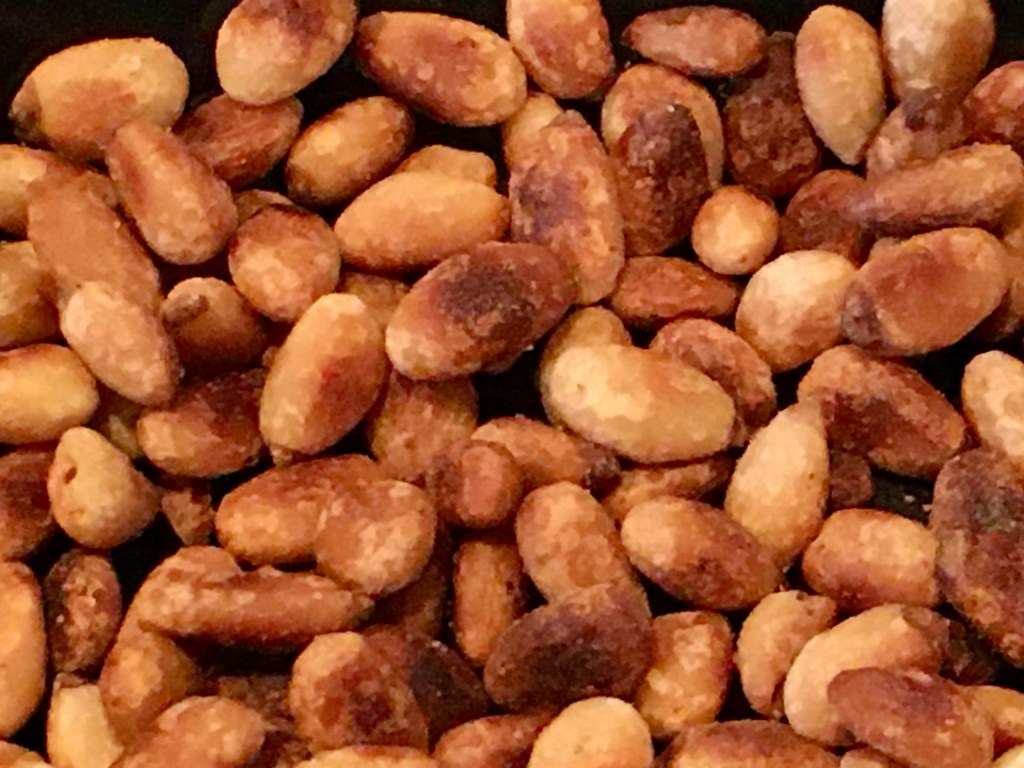
- Prepare a few quick items at the start of each week. Things like marinated tofu, cooked lentils, steamed or roasted veggies, roasted nuts, a big pot of rice or quinoa, and a special dressing or sauce require little active preparation time and can inspire you to look forward to throwing together your weeknight meals.
- Don’t buy candy, cookies or other junk foods that might tempt you. Make eating the bad stuff inconvenient, and have nutritious snacks at the ready. Whip up some healthy baked goods or truffles at home. Or go with fresh fruit instead. We enjoy dates with peanut butter. And apple slices with sunflower butter. Yum!
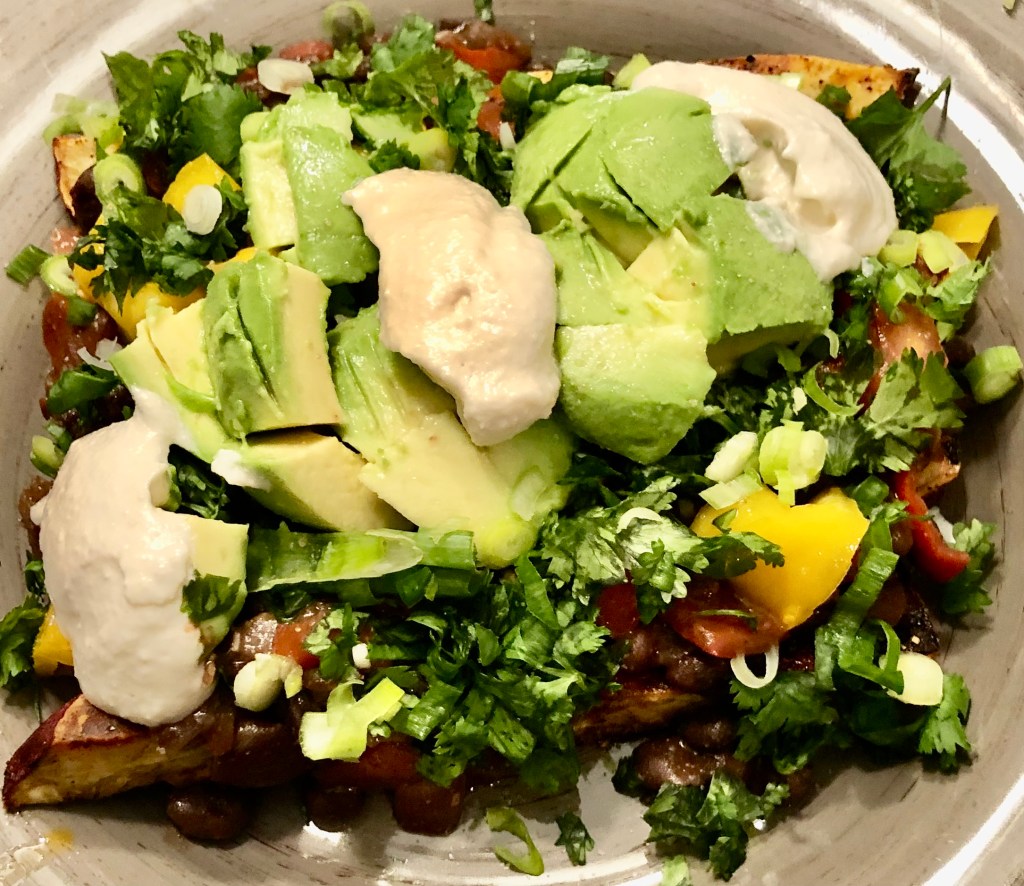
- Find a new healthy recipe to try once every few weeks. Something about preparing healthy meals just feels nourishing, and sharing your tasty discoveries with friends can be great fun. New foods bring diversity and excitement to your kitchen and to your gut’s microbiome. Your happy microbes will reciprocate your good efforts.
- Express gratitude for your meals and eat in the calmest possible environment. Feeling grateful on a regular basis alters brain chemistry for the better, studies show. And eating in a stress-free environment, being mindful of the process, has been shown to benefit weight loss, mental health, and disease management. Slowing down and paying attention wins again.
If you choose to forgo boisterous new year’s resolutions and attempt some quiet, December lifestyle changes instead, I hope you’ll include one or more of my healthy eating suggestions. You may find that by the turn of the new year, you have already implemented healthier habits, resulting in beneficial changes in the way you look and feel.

Blessings for Good Choices,
Lisa
The content of this article is for educational and informational purposes only, and is not intended as medical advice. Please consult with a qualified health care professional before acting on any information presented herein. Any statements about the possible health benefits of any subject discussed have not been evaluated by medical professionals or the Food & Drug Administration and are not intended to diagnose, treat, cure or prevent any disease or illness.