This is my third post on Ayurveda, a health system that originated thousands of years ago and is still in use by over 75% of the populations of India and Nepal. This approach to wellness is holistic in its entirety; emphasis is placed on finding and maintaining balance of mind, body, spirit, & environment. My first post is a simple overview of doshas to help you determine your constitutional type (kind of like your energetic fingerprint.) My second post shares tips on Ayurvedic eating practices, including enjoying all 6 tastes of sweet, sour, salty, bitter, astringent, & pungent in each meal. To some, this may sound woo-woo. But the practicality of this balanced method can be profound, putting weight loss & better overall health within our reach.

Incorporating all 6 tastes into meals is ideal because it provides satiation, so it helps you steer clear of snacking. This is due to the balance of fundamental elements (space, air, fire, water, & earth) in that taste combination. You will find below the composition of each taste:
Sweet = Earth and Water
Sour = Earth and Fire
Salty = Water and Fire
Bitter = Air and Space
Astringent = Air and Earth
Pungent = Air and Fire
Kate Siraj, an Ayurvedic Practitioner in London, writes, We, as human beings, are also formed of the 5 principle elements and we need to maintain our bodies and minds in equilibrium. It is thus easy to see why we need the correct balance of each of these tastes to keep us healthy. If we eat primarily with only a few of the tastes, this carefully maintained balance within our set-up will be lost and we will become unwell.

A Yoga International article tells us that the tastes of sweet, sour, & salty are considered building: they build tissues, and are said to have more soft, wet, and heavy qualities. (This helps to explain why much of the US population is overweight: these 3 tastes predominate our diets.) The article goes on to say that the tastes of bitter, astringent, and pungent are considered lightening—they are cleansing, stimulating, and help us to remove wastes.
Cate Stillman, in her fantastic book Body Thrive: Uplevel Your Body & Your Life with 10 Habits from Ayurveda and Yoga, shares the outer ecosystem becomes your inner ecosystem through your senses. The role of taste is paramount in this process because food provides the majority of the gut’s microbes, your primary determinants in health or disease. Balancing the 6 tastes helps keep your inner ecosystem happy. It allows you to avoid unhealthy cravings, Stillman explains.
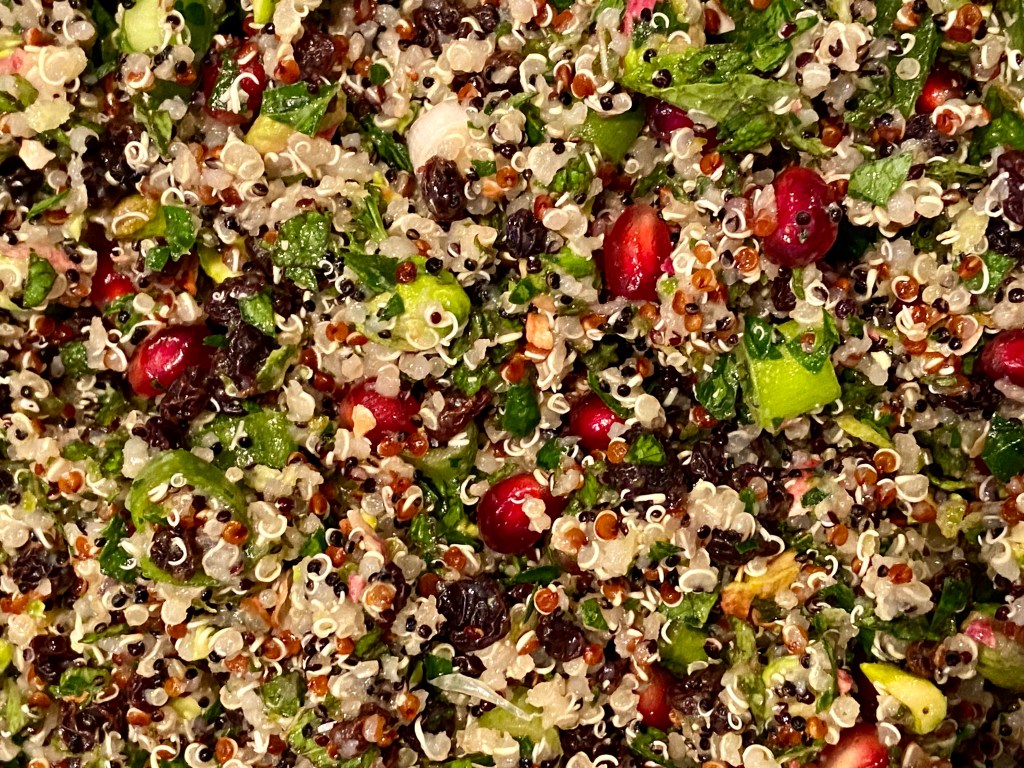
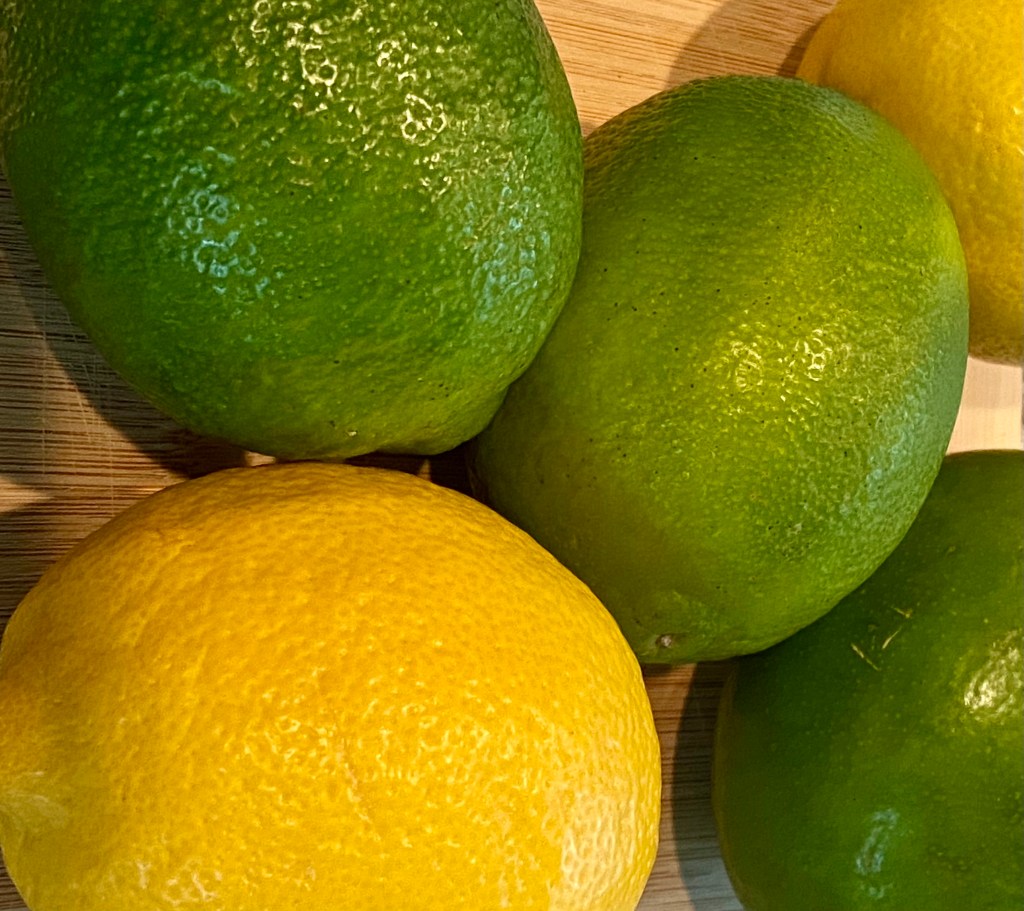
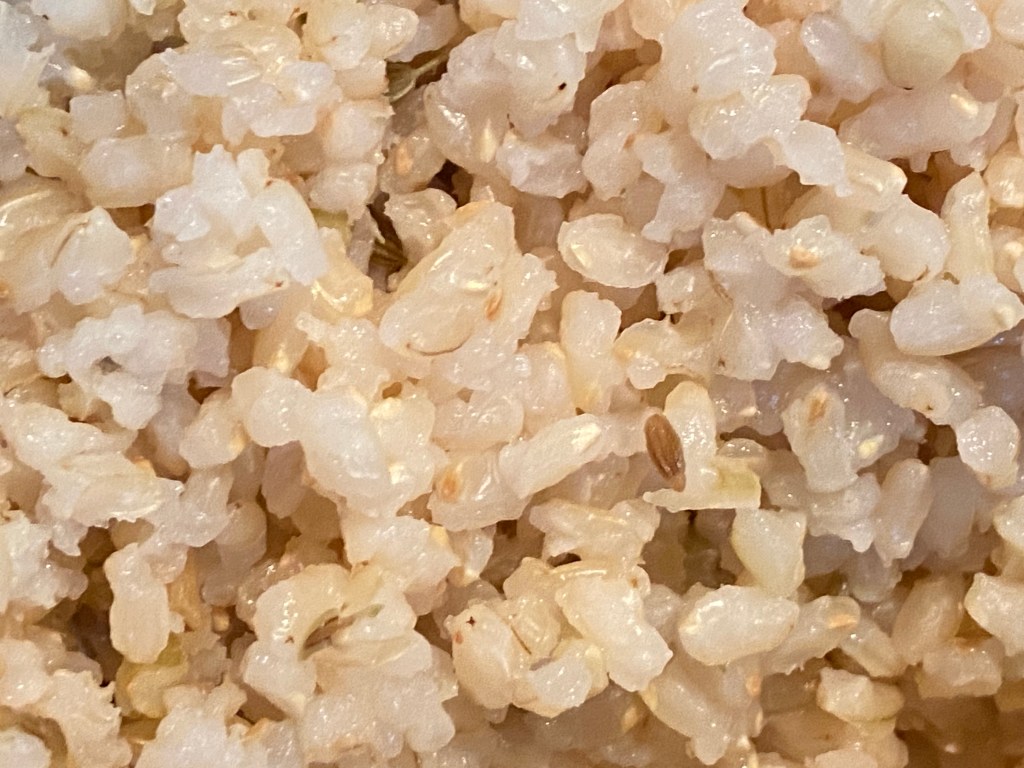
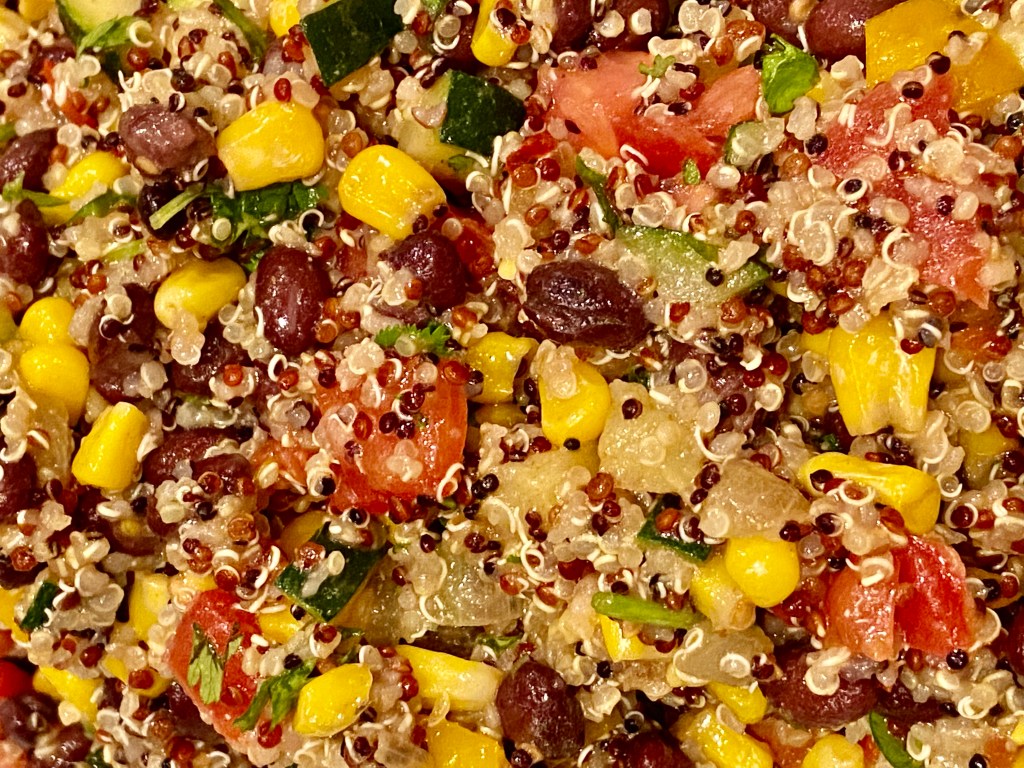
I believe it is important to emphasize the idea of whole foods here, not processed or fast foods. Your body cannot be properly nourished by the 6 tastes unless they come from whole foods. So, for the sweet taste, consider sweet fruits, rice, oats, corn, sweet nuts, sweet potatoes, carrots, and local honey. Sour fare includes lemons, limes, green apples, star fruit, berries, & fermented foods. Seaweed is a good salt source in addition to mineral salts. Bitter foods include cacao, green tea, spinach, kale, sprouts, and spices like turmeric. Quinoa, lentils, beans, chickpeas, cranberries, rosemary, and nutmeg are astringent. And horseradish, ginger, garlic, onions, basil, allspice, coriander, and cumin fall into the pungent category.
Creating soups, stews, salads, and curries with a veggie or spice from each taste category is simple and so satisfying. No recipe is required. I’ve made a number of “kitchen soups” where I chop up a bunch of veggies and throw them in a pot with a selection of fresh herbs, spices, & sometimes grains, and the final product is always delicious. A little spice adjustment may be required when taste testing, but that’s part of the fun!

Making a fruit and vegetable smoothie is another way to enjoy the yummy, nourishing, hydrating potential of the 6 tastes. My smoothies include local honey, a bit of lemon, spirulina, cacao powder, cinnamon, basil, and a zing of ginger in addition to apples, oranges, celery, cucumber, parsley, fennel, and spinach.
Choosing to eat in a balanced manner according to Ayurveda is a choice for better overall health. The six tastes are the perfect guideline. Maintaining equilibrium of the fundamental elements of our bodies is a simple lifestyle change that can help us reach our weight loss goals and flourish.
Balanced Blessings,
Lisa
The content of this article is for educational and informational purposes only, and is not intended as medical advice. Please consult with a qualified health care professional before acting on any information presented herein. Any statements about the possible health benefits of any subject discussed have not been evaluated by medical professionals or the Food & Drug Administration and are not intended to diagnose, treat, cure or prevent any disease or illness.