**100**

This is post #100 on Micro of the Macro.  On each Friday since the blog’s inception, other than a 10-day Travel Photo Challenge for which I posted daily, I have shared write-ups and photos on Nature, health, travel, and recipes.  On one hand, it doesn’t seem possible that many Fridays have passed, but on the other, I began the blog just prior to this country’s initial spread of covid-19, so it feels like ages.  

I want to express my gratitude to each of you for reading, liking, following, commenting, and sharing my links with others.  Your ongoing kindness, support, and encouragement of my writing and photos makes me feel like I have found my tribe.  I appreciate hearing your stories and ideas, and I’ve learned a lot from you.  I am thankful for the laughs you’ve given me, the instances you’ve touched my heart, and your ever-present warmth.  The time you share with me is an indication of your generosity, and I am most grateful.

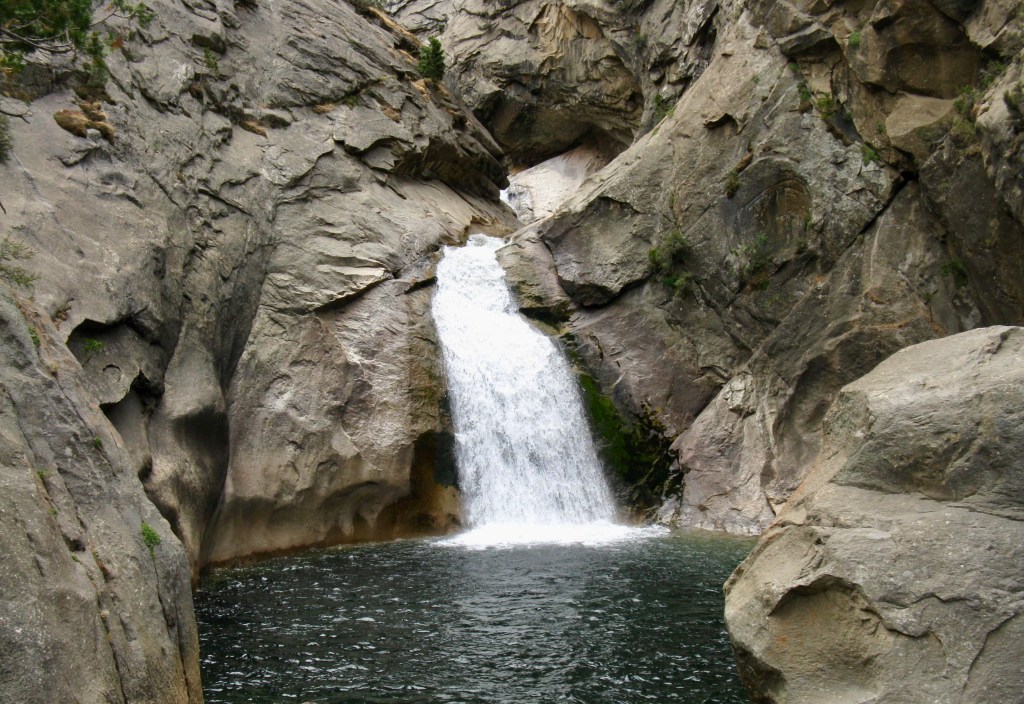
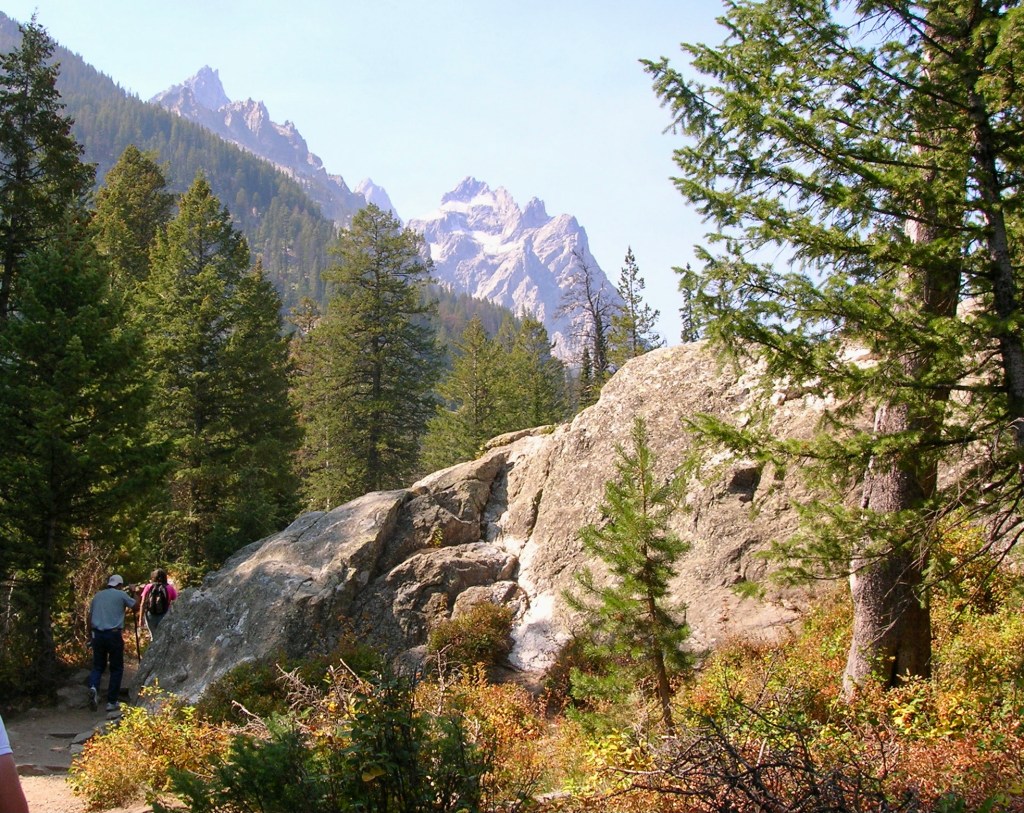
If you’re curious as to how the blog has fared, I’m including a few stats.  My most-viewed post to date is For the Love of Mountains: A Photo Odyssey.  The write-up that has received the most likes is Scenes from a Hiking Trail.  And my most-liked photo of the Travel Photo Challenge is this foggy shot taken in Big Sur, California.

Since starting the blog in March of 2020, Micro of the Macro has had almost 11,000 visitors and more than 21,000 views from folks in 110 countries. Over 4500 comments have been posted – half of them mine, of course.  And at present, the blog is closing in on 1000 followers.

Looking back, I see that Health and Well-being has been my leading category. The theme of the blog, recognizing and appreciating our oneness with Nature, underlies that category’s posts.  We are at our best on every level when in conscious relationship with Nature: eating fresh, whole foods, spending time in a garden or in the wild, feeling gratitude for the natural beauty in which our lives are immersed, and working toward environmental sustainability.

Going forward, I hope to continue writing content that you will find useful (or entertaining!) I’m also looking forward to a bit more travel that will inspire new photos, which of course I’ll share.  I’ll be cutting back on screen time (and sitting – see this for more on that!) so comments won’t always be open on new posts.  (The idea of not responding to your kind comments and reciprocating on your blogs feels wrong; I couldn’t do that to you or to me!)  I do hope you’ll stick around!

You have my sincerest thanks for all the good you’ve brought to my blogging experience. It’s a privilege to be showered with your attention, appreciation, love, and support each week.  I am super grateful you are a part of my tribe.  And here’s to the next 100 posts!

Blessings of Gratitude,

Lisa

The content of this article is for educational and informational purposes only, and is not intended as medical advice. Please consult with a qualified health care professional before acting on any information presented herein. Any statements about the possible health benefits of any subject discussed have not been evaluated by medical professionals or the Food & Drug Administration and are not intended to diagnose, treat, cure or prevent any disease or illness.

6 Simple Lifestyle Changes for Healthier Eating

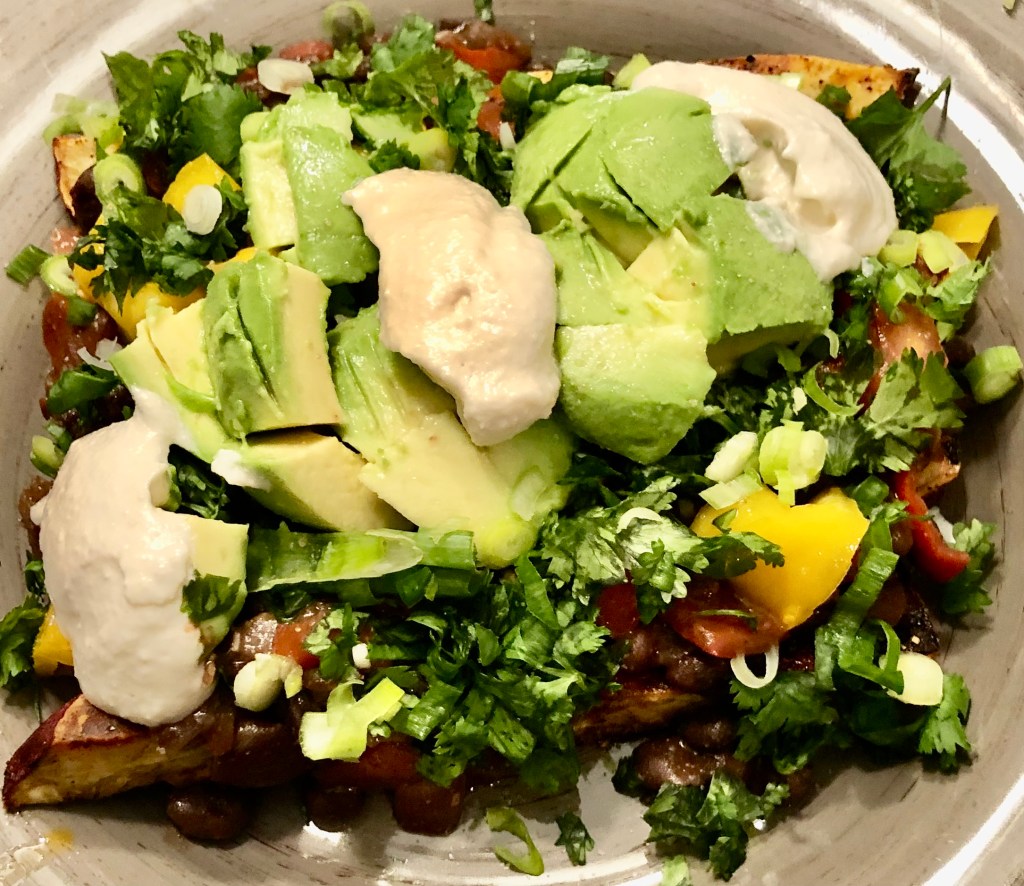
Roasted potatoes with lots of goodness on top, including cashew sour cream

As the holidays zoom by, we are faced with the idea of making new year’s resolutions.  We regard the new year as a fresh beginning, an opportunity to improve the habits and divergences that plague us.  I am not one to make & announce resolutions in January, as so many of my intentions have met with failure, causing guilt that worsened behaviors.  Instead, I like to quietly get a head start.  

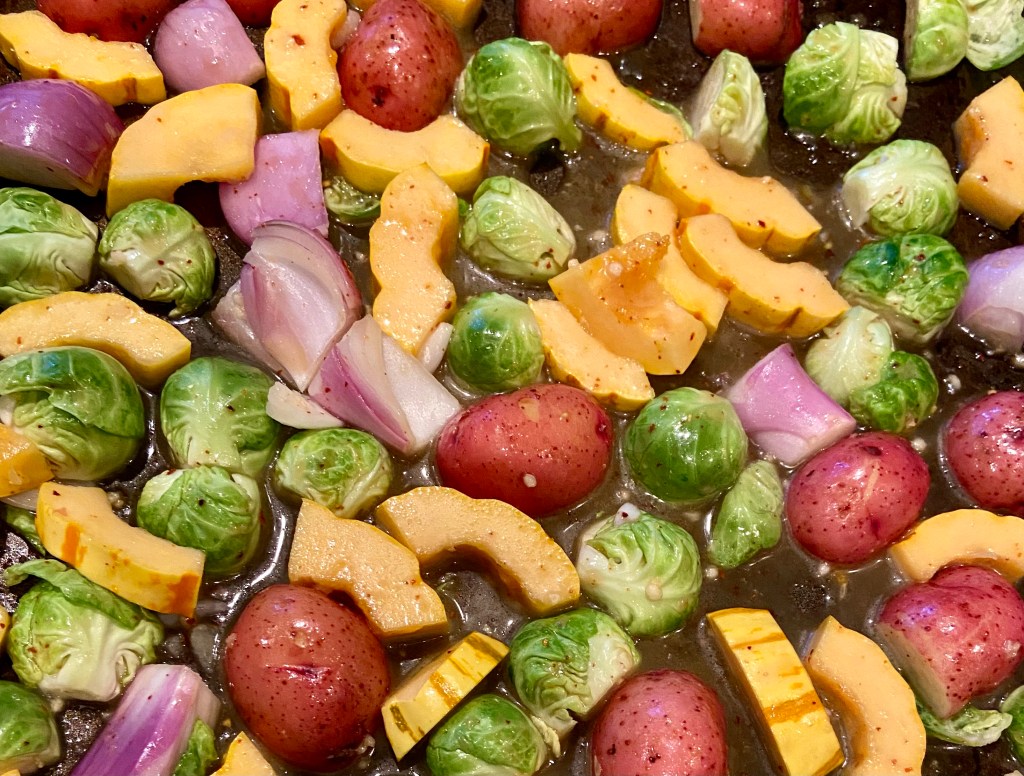
Autumn veggie sauté

For most of my life, I struggled with bad eating habits. I went from eating fast food, processed foods, & refined sweets to eating so little of anything that nutritional deficiencies starting making themselves known. It wasn’t until I made some lifestyle changes that I was able to shift that.  Because these adjustments have worked so well for me, I’d like to share them with you now – before the start of the new year!

  1. Plan your week’s meals in advance.  And write them down or record them in your phone so you can refer back.  This is a foundational change that, once established, you’ll never want to give up.  This practice prevents you from eating on the fly, which is often dictated by what’s quick, easy, and often unhealthy, like pizza, fast food, & overpriced packaged foods.  Go to the farmer’s market or supermarket once or twice a week to purchase the items you’ll need for home-prepared meals. Planning and preparation are fundamental requirements for eating healthy, I’ve found.
  2. Find some healthy options at your favorite restaurants.  These may appear on your weekly meal plan or work as a plan B when you are unable – or unwilling – to stick to the original due to working late, crises, or other diversions.  Go online now to look at menus, noting the dishes that sound healthy and delicious.  Creating your own menu of restaurant options can assist you in prioritizing your health, even when you’re in a hurry.
  3. Prepare a few quick items at the start of each week.  Things like marinated tofu, cooked lentils, steamed or roasted veggies, roasted nuts, a big pot of rice or quinoa, and a special dressing or sauce require little active preparation time and can inspire you to look forward to throwing together your weeknight meals.
  4. Don’t buy candy, cookies or other junk foods that might tempt you.  Make eating the bad stuff inconvenient, and have nutritious snacks at the ready.  Whip up some healthy baked goods or truffles at home.  Or go with fresh fruit instead.  We enjoy dates with peanut butter.  And apple slices with sunflower butter.  Yum!
  5. Find a new healthy recipe to try once every few weeks.  Something about preparing healthy meals just feels nourishing, and sharing your tasty discoveries with friends can be great fun.  New foods bring diversity and excitement to your kitchen and to your gut’s microbiome.  Your happy microbes will reciprocate your good efforts.
  6. Express gratitude for your meals and eat in the calmest possible environment.  Feeling grateful on a regular basis alters brain chemistry for the better, studies show.  And eating in a stress-free environment, being mindful of the process, has been shown to benefit weight loss, mental health, and disease management.  Slowing down and paying attention wins again.
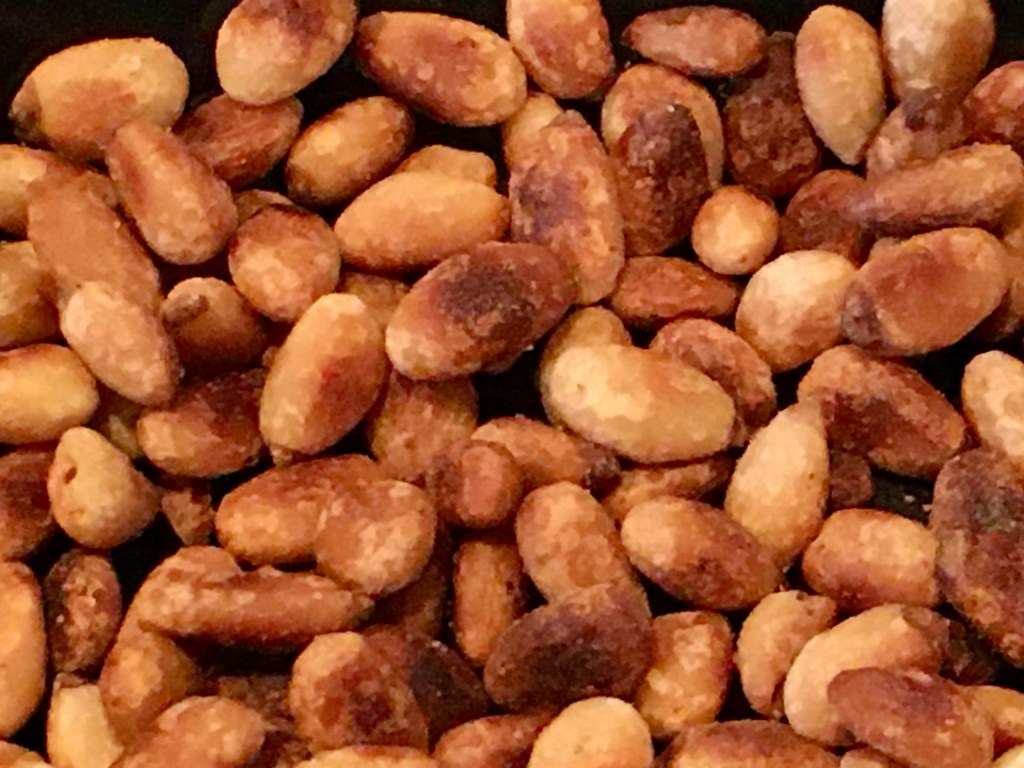
Roasted pine nuts

If you choose to forgo boisterous new year’s resolutions and attempt some quiet, December lifestyle changes instead, I hope you’ll include one or more of my healthy eating suggestions.  You may find that by the turn of the new year, you have already implemented healthier habits, resulting in beneficial changes in the way you look and feel.

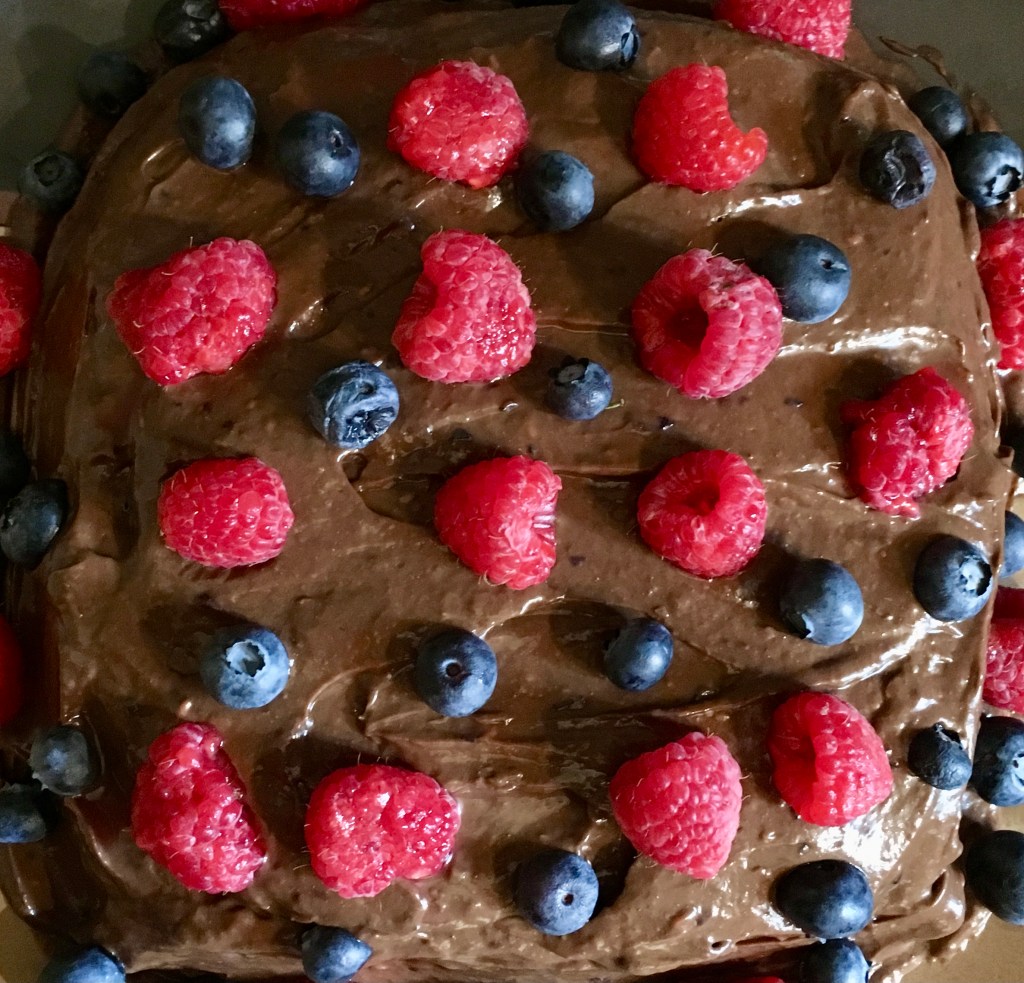
Black bean & date cake with avocado-cacao frosting topped with fresh berries

Blessings for Good Choices,

Lisa

The content of this article is for educational and informational purposes only, and is not intended as medical advice. Please consult with a qualified health care professional before acting on any information presented herein. Any statements about the possible health benefits of any subject discussed have not been evaluated by medical professionals or the Food & Drug Administration and are not intended to diagnose, treat, cure or prevent any disease or illness.
Could This Be the Way to World Peace?

Surrender is faith that the power of love can accomplish anything… even when you cannot foresee the outcome. ~Deepak Chopra

The most brilliant rainbow I’ve seen

Recently, spiritual surrender has been a recurring theme in my life.  At  Unity of Ocala, Florida, my friend Rev. Lauri shared her story of the challenges that led to her living a surrendered life.  Dr. Betty, a Science of Mind friend here in Arizona, composed a beautiful fictional account of a surrendered humanity this week; its characters spoke of loving, sharing, healing, and peace, but its underlying theme was surrender.  Personally, I’ve had a couple situations present themselves recently that require nothing less than surrender and acceptance.  And I have other Florida friends who have been a living embodiment of surrender for well over a year now due to unfavorable circumstances. Considering all of this, I decided to blog about the topic.  Then, the realization occurred to me that my experiences have been intermittent. Do I understand the concept of surrender in navigating day-to-day life?

During the Unity service, Rev. Lauri read from Michael Singer’s New York Times Bestselling book The Untethered Soul: The Journey Beyond Yourself. The author, who established a meditation center in Gainesville, Florida in 1975, writes that there is an ocean of love within each of us that can free us and nourish us, if only we open to it. Last year, in an interview with Tami Simon of Sounds True entitled Living from a Place of Surrender,  Singer explained the idea of surrender in terms of daily life.  Our fears and desires, the products of past conditioning, cause us to resist or cling to the new, which results in the witnessing of our reactions to events rather than the events themselves.  By letting go of self-serving thoughts, we return to our divine center, that ocean of love, where decisions can be made that are not ego-driven.  This allows us to experience the present unembellished. Regular meditation, yoga, time in Nature, and other mindful practices can help with this exercise of letting go.  The natural outcome of this process, Singer says, is service to others.

There’s something captivating about this skewed reflection

Trust your heart, give of your time and talents to your family, your neighbors, and your world. And don’t be afraid of the silence – it’s where guidance emerges. ~Dr. Betty Campbell-Henderson

Michael Beckwith, New Thought minister & founder of the Agape International Spiritual Center in California, has a great take on connecting with our divine center.  In a short video, he says the practice isn’t religious, it’s real, it’s waking up to reality, it’s beyond the perception of scripture.  Regardless of your religion, or lack thereof, it is possible for you to connect with your higher, wiser self.

Overlooking the Pacific Ocean

In a SuperSoul Sunday clip, Oprah Winfrey interviews Mark Nepo, bestselling author of The Book of Awakening: Having the Life You Want by Being Present to the Life You Have.  Due to a rare cancer diagnosis in his 30’s, Nepo writes and teaches about living fully within the embrace of the unknowable.  Acceptance of the oft-accompanying tough, uncomfortable stuff is an important part of surrender, he says, because it helps keep our thinking fresh and present.  And a relationship with what’s presently taking place, not our worn-out reaction to it, is what we’re shooting for, right?

They are the chosen ones who have surrendered. ~Rumi

From a Yoga Journal article, Many of us first experience spontaneous surrender during an encounter with some great natural force—the ocean, the process of childbirth, or one of those incomprehensible and irresistible waves of change that sweep through our lives and carry away a relationship we’ve counted on, a career, or our normal good health. My first experience was challenging, but one for which I’ll always be grateful.  After incomprehensible waves of significant change swept over me in the space of a few short months, I surrendered to the idea that the Universe must have a better plan for my life.  Although I was terrified, I decided to go in search of it. (Read a bit more here.) Once I fully committed to the idea, things became easy, as if I were being pulled, rather than having to push to sell my home & belongings.  And once my journey began, I was surrounded by natural beauty, which helped me stay in the present moment, centered in my ocean of love. This surrendered exploration of life resulted in considerable healing, rejuvenation, peace of mind, and reconnection.

High in California’s Sierra Nevada

I am blessed by friends who remind me of the importance of returning to my divine center.  And I am grateful to you for tagging along for my quick course of learning.  Surrendering daily to our higher selves can have far-reaching consequences, greatly benefitting us individually and collectively. It’s an idea whose time has come, especially for those unfamiliar with the process. It is my hope that each of you will join me in experimenting daily with the process of surrender, keeping in mind the optimistic outcome of Dr. Betty’s story, in which love and peace reign now and forever!

Blessings for Surrender,

Lisa

Always say ‘yes’ to the present moment… Surrender to what is. Say ‘yes’ to life – and see how life suddenly starts working for you rather than against you. ~Eckhart Tolle

The content of this article is for educational and informational purposes only, and is not intended as medical advice. Please consult with a qualified health care professional before acting on any information presented herein. Any statements about the possible health benefits of any subject discussed have not been evaluated by medical professionals or the Food & Drug Administration and are not intended to diagnose, treat, cure or prevent any disease or illness.

Ayurveda Basics: Discover Your Specific Needs

Ayurveda (from the Sanskrit Ayur, meaning life, and Veda, meaning science or knowledge) is a healing system that dates back 5000 years. This ancient system is rooted in the idea that a healthy balance between mind, body, spirit, and environment creates an optimal state, giving us the opportunity for our best possible lives.  (And it was the inspiration for naming this blog Micro of the Macro. See my About page for a little more on that.)  The three doshas, or energy types at the heart of Ayurveda, govern the seasons, the days, and our lives, right down to the specifics of what’s beneficial for us to eat or avoid, our best possible work environment, and the climate that most suits us.  Knowing your primary dosha(s), or constitutional type, can guide your decision-making in creating a healthier, happier life.

The three doshas of Kapha, Pitta, and Vata are present in all of us from birth, but typically, one or two are dominant.  From Dr. Gabriel Cousens’ book Conscious Eating, A person’s constitutional type predetermines which doshas tend to become imbalanced more easily than others.  When in balance, there is a healthy psychophysiological state.  If the doshas are unbalanced, one may feel a disharmony in the body-mind.  If chronically imbalanced, disease may result. 

Kapha governs our earthy and watery attributes, and is associated with stored energy, heaviness, strength, stability, growth, and bodily fluids.  Some qualities of Kapha include a heavy bone structure, a slow, graceful gait, large eyes, thick hair, a preference for staying home, and a calm demeanor.  Their stress tolerance is high, and sleep comes easily. Those who are predominantly Kapha tend to gain weight easily and may struggle to lose it. They have a tendency toward colds and flus. Imbalances may occur if they become sedentary; eat a lot of sweets, fried foods, or dairy products; avoid emotional expression or creativity; or live in a humid, cold climate.

Pitta controls the element of fire in our bodies, along with a smidgen of our watery aspect.  This dosha is associated with balance, passion, intensity, and digestion.  A few Pitta qualities include an athletic build, a brisk gait, light-sensitive eyes, & fine hair; being organized, pragmatic, & competitive; and having a desire to travel and explore. If Pitta is your dominant dosha, your may have a medium tolerance for stress and fall into short but sound sleep.  Maintaining a normal weight may come easier to you.  You might find that inflammation is a common occurrence.  Imbalances can occur as a result of a stressful, competitive job; bullying others; associating with argumentative people; or consuming too many spicy or sour foods, red meats, or too much caffeine.  A hot, dry climate can also adversely affect Pittas.

Vata governs our ether and air elements, and is associated with change, movement, lightness, and creativity.  Qualities of a Vata-dominant person include a thin build, a fast, irregular gait, small eyes, dry & curly hair, and being impulsive, quick-witted, and talkative.  Vatas have a tendency to wander, both externally and internally, which contributes to their creativity.  They have a low stress tolerance and expend energy quickly.  Their sleep may be elusive. They may have a hard time gaining weight. They tend toward diseases involving the nervous system as well as joint problems.  Imbalances present themselves most when Vatas are in chaotic environments, are excessively physical, suppress feelings, engage in worry, eat lots of cold, dry foods, or don’t get enough rest.  A windy, cold environment does not work well for one who is Vata-dominant.

By these very brief descriptions, you can see that increasing an already-dominant quality in any form can result in imbalance.  For example, I am primarily Pitta, and adding an additional fiery component to my life isn’t often beneficial.  In past years, I held high-stress jobs in toxic environments that affected me in ways resulting in poor food choices, excessive drinking, and overspending. I don’t often get angry, but when I do, my blood seems to boil, so quickly talking myself down is a skill I’ve had to acquire. Neither hot tubs nor long, steamy baths are an indulgence for me due to a tendency to overheat.  And the intense sun and low humidity of the Desert Southwest create a need to be hypervigilant with hydration & shade seeking.

To learn your dominant doshas, you can take a quiz on this site.   I would love to hear any feedback you have.  There is so much more to the science of Ayurveda, and I will no doubt be sharing more in future posts.  In fact, I’m currently reading Cate Stillman’s book Body Thrive: Uplevel Your Body & Your Life with 10 Habits from Ayurveda and Yoga.  The author offers suggestions on simple, sensible lifestyle changes that prompt a deeper connection with life.

Finding balance between your mind, body, spirit, and environment can help you select the foods, work, and climate that best suit your specific needs. Determining your dosha type can assist you in making better decisions of all kinds, resulting in a healthier, happier you.

Ayurvedic Blessings,

Lisa

The content of this article is for educational and informational purposes only, and is not intended as medical advice. Please consult with a qualified health care professional before acting on any information presented herein. Any statements about the possible health benefits of any subject discussed have not been evaluated by medical professionals or the Food & Drug Administration and are not intended to diagnose, treat, cure or prevent any disease or illness.

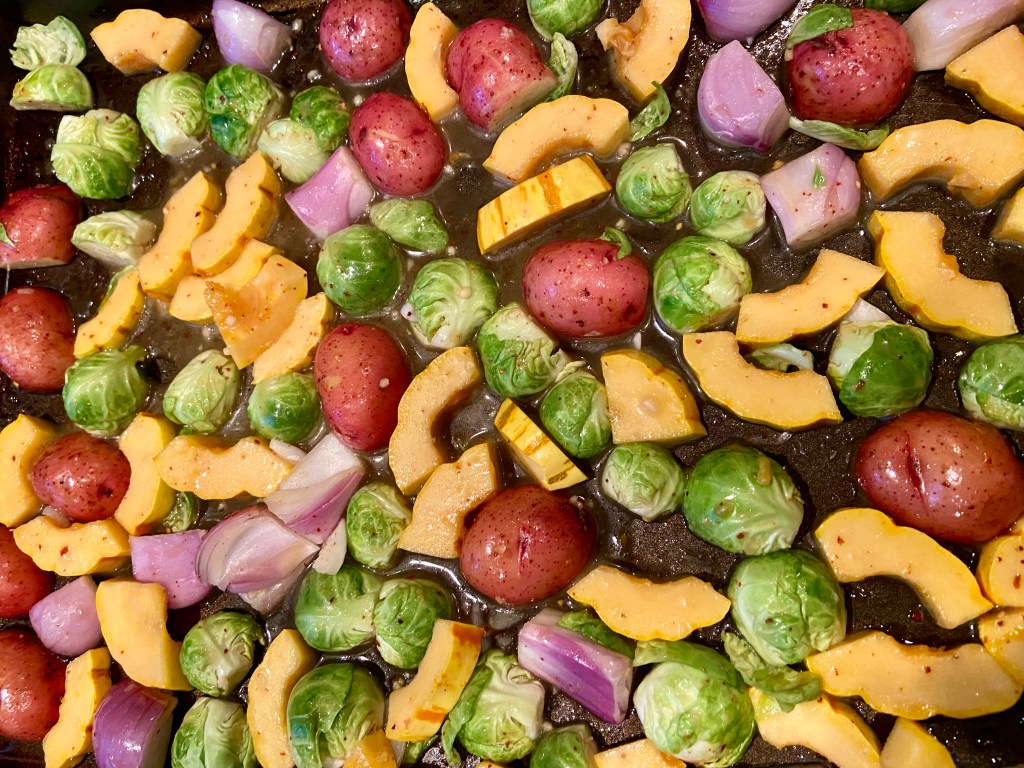
Glazed Autumn Bake

During the Autumn season, the process of baking seems to take on additional elements of warmth, goodness, and celebration.  Maybe because I relate it to meals shared with loved ones during the upcoming holidays.  Do you think of Autumn baking (or roasting, as the case may be) in a similar fashion?

I shared a picture of this dish on last week’s post, and had a couple friends comment on it, so I didn’t want to delay the recipe.  This is one of those super-flavorful meals that I could devour directly from the pan.  It’s filled with Mother Nature’s love designed specifically for this season.  It also gets high marks on nutrition scales.

Brussels sprouts are loaded with vitamins C and K, and have a wealth of antioxidants, according to Healthline. They contain Omega-3 fatty acids, and may reduce inflammation and help control blood sugar.  From other sources, I’ve read that cruciferous veggies, the group to which the little cabbages belong, are different in that the more you eat, the more your body benefits. Most other groups have a ceiling, meaning once you eat a certain amount, the nutritional benefits level off.

If you’re unfamiliar with Delicata squash, they don’t need to be peeled, and they are easier to chop than other gourd squash. They are also more subtly flavored.  For these reasons, they have become my favorite winter squash.  Delicatas are rich in vitamins A and C, and have a good bit of iron, according to Nutrition and You.  

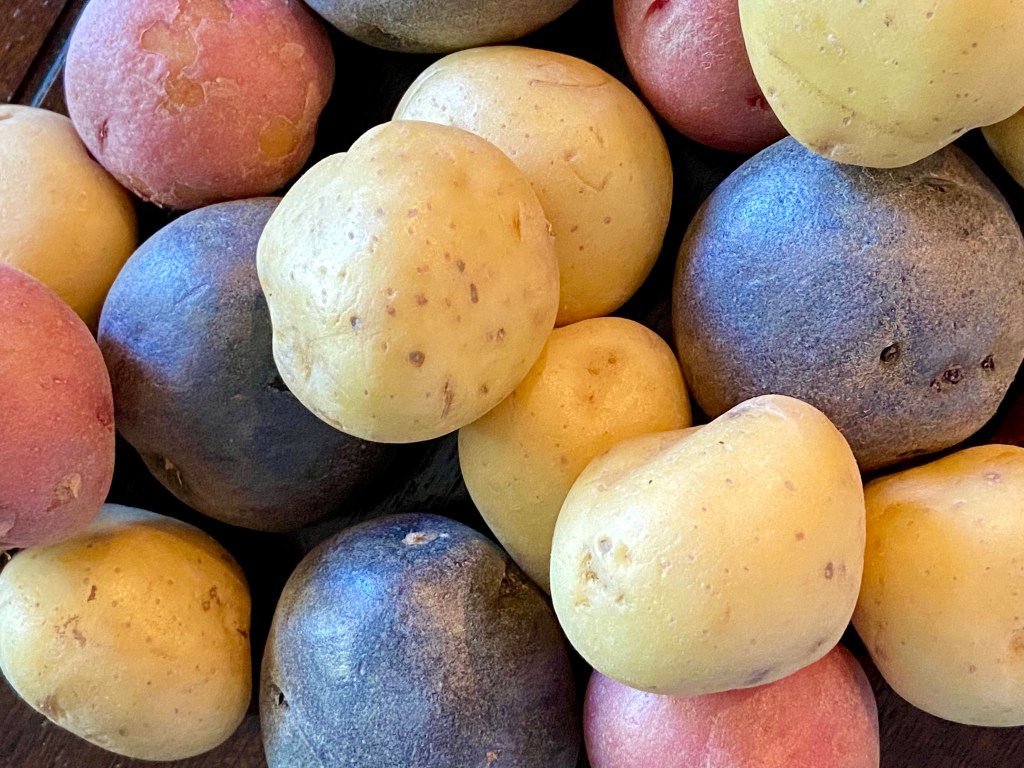
New potatoes have bioactive compounds including antioxidants that are found primarily in their skins, per this Potatoes 101 article.  They supply good amounts of potassium which contributes to cardiovascular health, and vitamin C, which is important for tissue growth and repair, as well as immunity.

For this Fall recipe, I owe a debt of gratitude to the creators of 2 other recipes, one from Simply Recipes and one from Deliciously Ella.  Elements of each are included here, along with the changes that suit my taste. Please let me know if you try it!

Yield: 4 – 5 servings

Ingredients (use organic and/or non-GMO when possible)
A bit of avocado (or olive) oil spray for pan
2 tbsp avocado or olive oil
1 tbsp apple cider vinegar
3 tbsp maple syrup
1 1/2 tsp Himalayan salt
1/4 – 1/2 tsp crushed red pepper (to your preferred heat level)
1 clove garlic, chopped
1/2 lb Brussels sprouts, stems and outer leaves removed, halved
1 medium delicata squash, unpeeled, seeded, quartered lengthwise &
cut into 1/4” crosswise slices
1/2 lb small new red potatoes, unpeeled & halved
3 large shallots, peeled & cut into thirds
1/2 cup hazelnuts (optional)

Directions
Preheat oven to 400 degrees F. Lightly spray a large baking pan with oil. Spin the next 6 ingredients (2 tbsp oil – garlic) in a small blender cup until uniformly smooth. Place all of the prepped veggies in a pile in the middle of the pan and pour about 3/4 of the combined liquid on top, & use your (clean!) hands to mix well. Spread into a single layer and bake for 20 minutes. Remove from the oven to turn the veggies, and add the hazelnuts if using. Bake another 10 minutes, or until the veggies are soft with a bit of firmness, and the hazelnuts are lightly browned. Remove from the oven and add the remaining glaze, stirring gently to coat. Taste for salt, adding more if needed.

Serve on brown rice, couscous, or small pasta such as orzo. Enjoy!

The content of this article is for educational and informational purposes only, and is not intended as medical advice. Please consult with a qualified health care professional before acting on any information presented herein. Any statements about the possible health benefits of any subject discussed have not been evaluated by medical professionals or the Food & Drug Administration and are not intended to diagnose, treat, cure or prevent any disease or illness.

Magnificent Autumn

Color against an ominous sky over the San Francisco Peaks

Season of mists and mellow fruitfulness,
Close bosom-friend of the maturing sun;
Conspiring with him how to load and bless
With fruit the vines that round the thatch-eves run;
To bend with apples the moss’d cottage-trees,
And fill all fruit with ripeness to the core . . .

~John Keats

The first line of Keats’ lovely ode To Autumn always reminds me of a really funny scene in the movie Bridget Jones’ Diary.  Anybody else?

In the Northern Hemisphere, we are enjoying Autumn, without a doubt my favorite season.  The sun has become less intense, allowing for cooler temperatures, making it a perfect time for hiking, biking, and other outdoor activities amongst luscious scents and sounds of underfoot crackling.  The kids are back in school, and thoughts have turned toward planning for the holidays, prompting memories of years past.  And the leaves, oh the leaves!

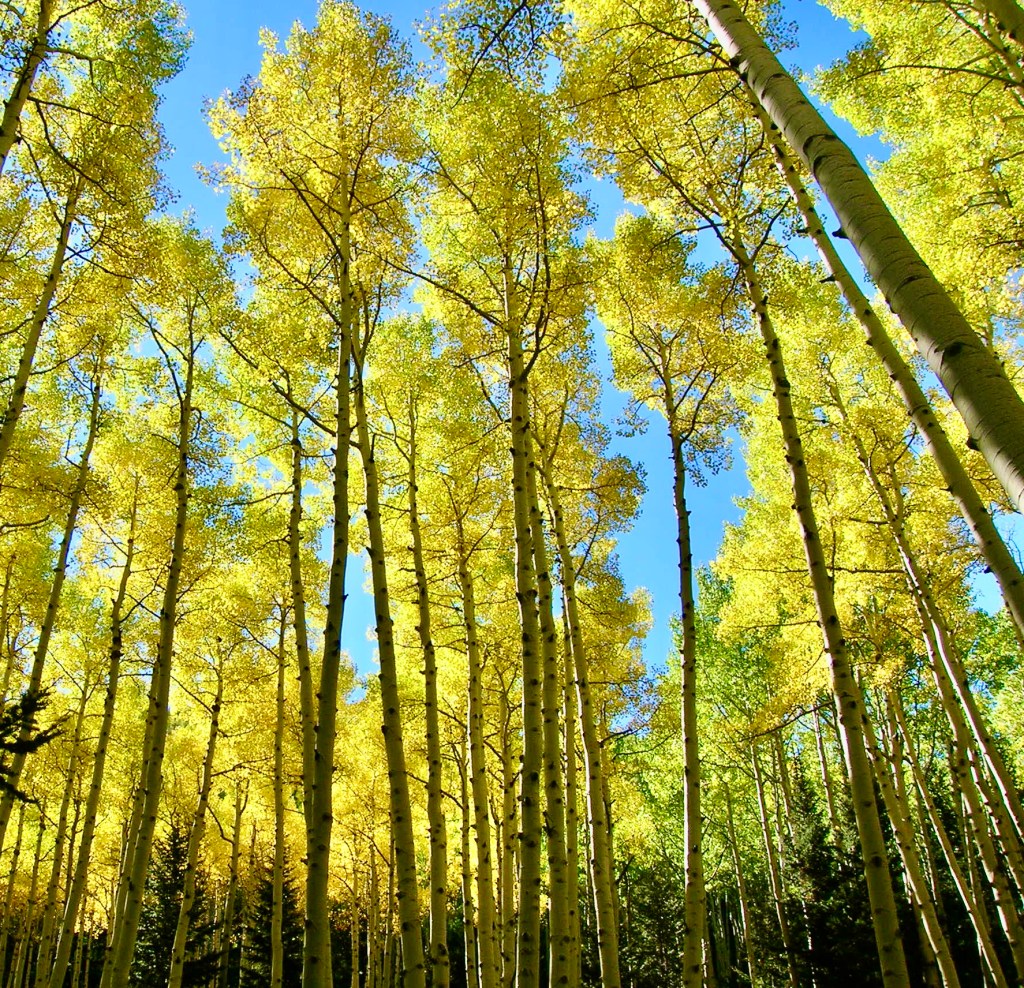
Golden Aspen in Flagstaff’s Southside neighborhood

According to Wikipedia, prior to the 16th century, this season was called Harvest.  But as more and more people moved away from the countryside and into towns, the term gradually lost its reference to the time of year and came to refer only to the actual activity of reaping.  Afterwards, the season became known as Fall, referring to the fall of the leaves, or Autumn, which may have derived from a Latin word meaning increase.

Broadleaf trees of orange and yellow following Oak Creek, with Sedona in the distance

An article from the US Forest Service explains the breathtaking beauty exhibited by the leaves of many trees this time of year. Deciduous tree leaves possess various pigments, including chlorophyll.  During warmer months, chlorophyll is dominant, causing green hues.  But as the hours of daylight grow shorter in the Fall, other pigments become more obvious, resulting in amazing palates of yellow, gold, orange, and many shades of red.  During this glorious time, a wall of tissue is formed beneath each leaf, stopping the flow of fluids, causing the leaves to eventually drop.  Here in Northern Arizona, those gorgeous leaves are seen on the ground much too early each year, an unhappy consequence of frequent high winds.

I was surprised to find that this is a good time to plant new trees.  From a piece written for the Arbor Day Foundation, Planting in the fall gives trees an extra growing season before the stress of summer. The combination of cooler temperatures and fall rain allows trees to establish their roots, making it easier on them to adjust to extreme heat or drought in the summer.  Further, the article says, there is no need to fear the effects of winter on the newly planted trees, because they, like bears and bats, sleep during the cold months.   

Yummy Autumn meal fixings whose recipe I will share in a future post

Nature’s timing also indicates the plant foods we should be eating now. Those that are best to consume during Autumn are crops that have been harvested recently and locally.  This is due to newly-introduced regional microbes that help our gut’s existing microbiome (and therefore, our immunity) transition to the changing climate. According to Dr. Elson Haas of the Preventive Medical Center in San Rafael, California, Nature gives us what we need, when we need it. This website offers information on what’s being harvested this season.

Aspens towering over Pines, inside the Inner Basin of the San Francisco Peaks

Call it Harvest, Fall, or Autumn, I hope you and your family are enjoying the lavish delights of this time of year.  May the season’s sights, scents, sounds, and tastes bestow upon you beautiful new experiences and bring to mind joyful memories.  

Now, where is that Bridget Jones dvd?

Autumn Blessings,

Lisa

The content of this article is for educational and informational purposes only, and is not intended as medical advice. Please consult with a qualified health care professional before acting on any information presented herein. Any statements about the possible health benefits of any subject discussed have not been evaluated by medical professionals or the Food & Drug Administration and are not intended to diagnose, treat, cure or prevent any disease or illness.

Why Is Sitting the New Smoking?

Sitting is more dangerous than smoking, kills more people than HIV and is more treacherous than parachuting. We are sitting ourselves to death. ~James Levine, professor of medicine, Mayo Clinic

If you’re like me, you’ve probably heard the phrase sitting is the new smoking for years without really understanding it. Regular exercise is important, as we all know. But why has sitting been compared to smoking, a habit often started while young, that, according to the Centers for Disease Control, harms almost every organ in the body and results in more than 7 million yearly deaths worldwide?  Smoking is the leading cause of preventable death, the site statesThat proclamation inspired an aha moment: the comparison is due to the vast number of resulting ill effects which can be prevented.

Hoping these images motivate you to do some moving outside! (Sedona, AZ)

From the Mayo Clinic, Research has documented that sitting for long periods of time is associated with a higher risk of heart disease, cancer, diabetes, depression and anxiety.  Additionally, too much sitting leads to decreased hip mobility, tighter hip flexors, and weaker legs, the article says, setting the stage for falls in aging adults.  Further, a sedentary lifestyle leads to a thinning of the part of the brain where memory is formed.  Reading about all the harm I could be doing my body has motivated me to break up the time I spend sitting in front of my laptop. 

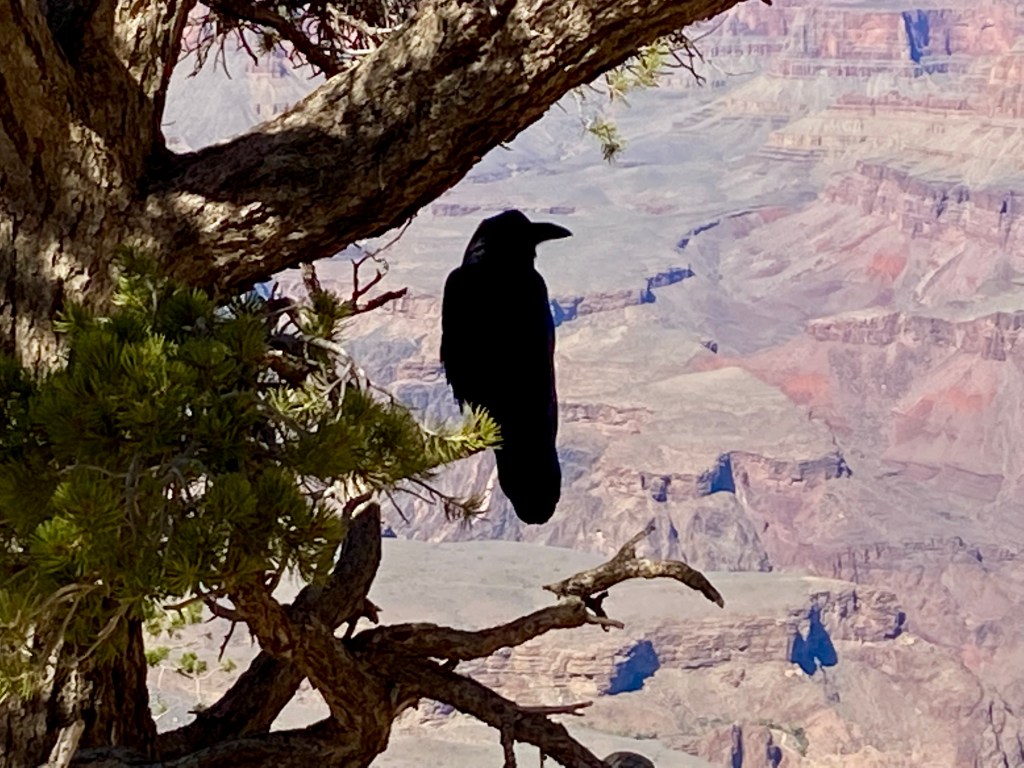
This big dude was surveying the lay of the land, maybe looking for a little lunch. (The Grand Canyon)

But that’s not all.  According to an article on Harvard Health Publishing, a newer study shows the more hours spent sitting at work, driving, lying on the couch watching TV, or engaging in other (sedentary) pursuits, the greater the odds of dying early from all causes.  This applies even when the subjects exercise regularly.  Pretty frightening, I’d say, especially with the constraints of covid that have dominated for almost 2 years.

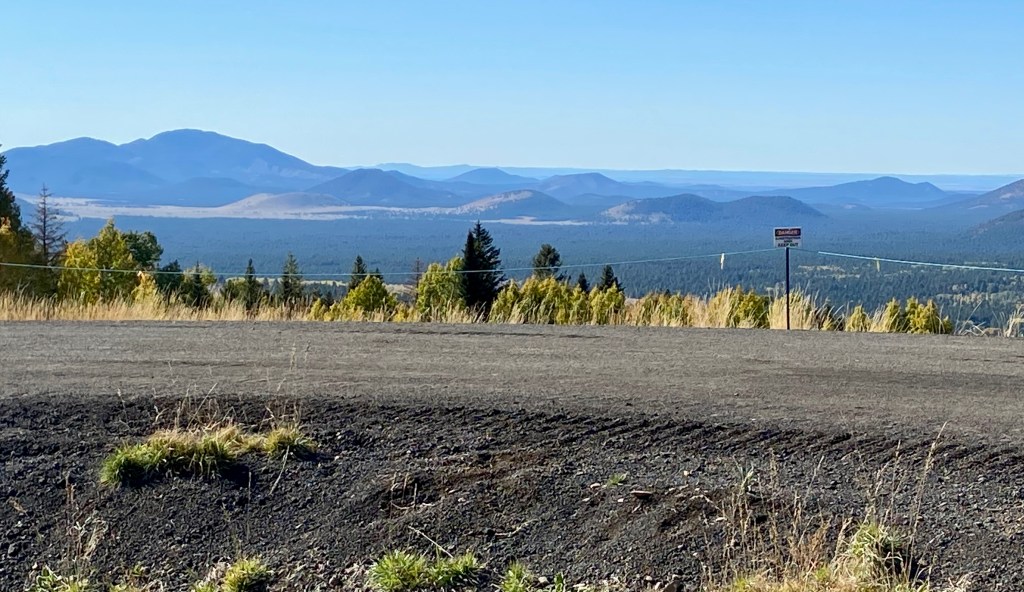
Looking over Northern Arizona from the San Francisco Peaks

So why does prolonged perching result in so much damage?  The Heart Foundation offers a few explanations: blood flow decreases, the possibility for blood clots increases, fat processing slows considerably, and insulin resistance becomes more likely.  The Hydration Foundation offers another reason: the miles of fascia in our bodies, serving as connective tissue between all of our organs, joints, muscles, etc., also acts as our personal irrigation system.  It’s up to us to hydrate (see last week’s post for more on that) and help our fascia move that water to all cells for their daily processing.  When this is not done, our cells struggle and can malfunction, leading to the harmful/fatal effects mentioned above. 

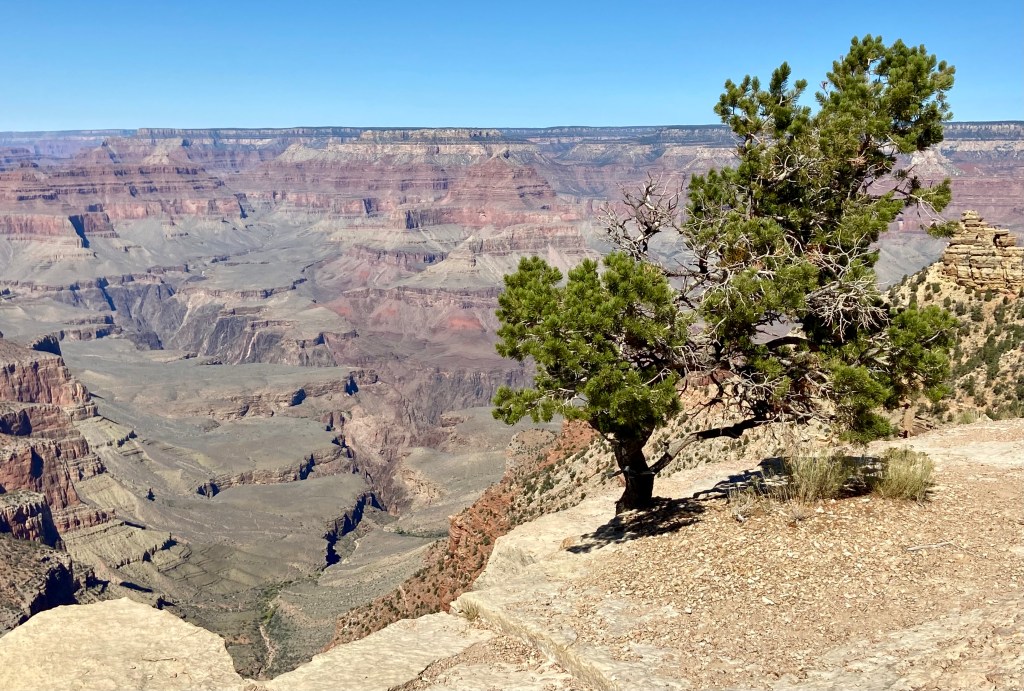
Tree beauty on the edge of the Grand Canyon

So, what to do?  When you are unable to stand, moving your shoulders, neck, legs, & feet and stretching (see my post on favorite yoga poses, most of which can be done seated) are beneficial, because all movement contributes to healthy functioning.  But whenever possible, break up your sitting every half hour with a few minutes of marching in place, walking, or some other activity to get your blood pumping and your internal water moving deep into your cells.  This keeps your body happy and in active mode during waking hours, fostering prolonged good health.

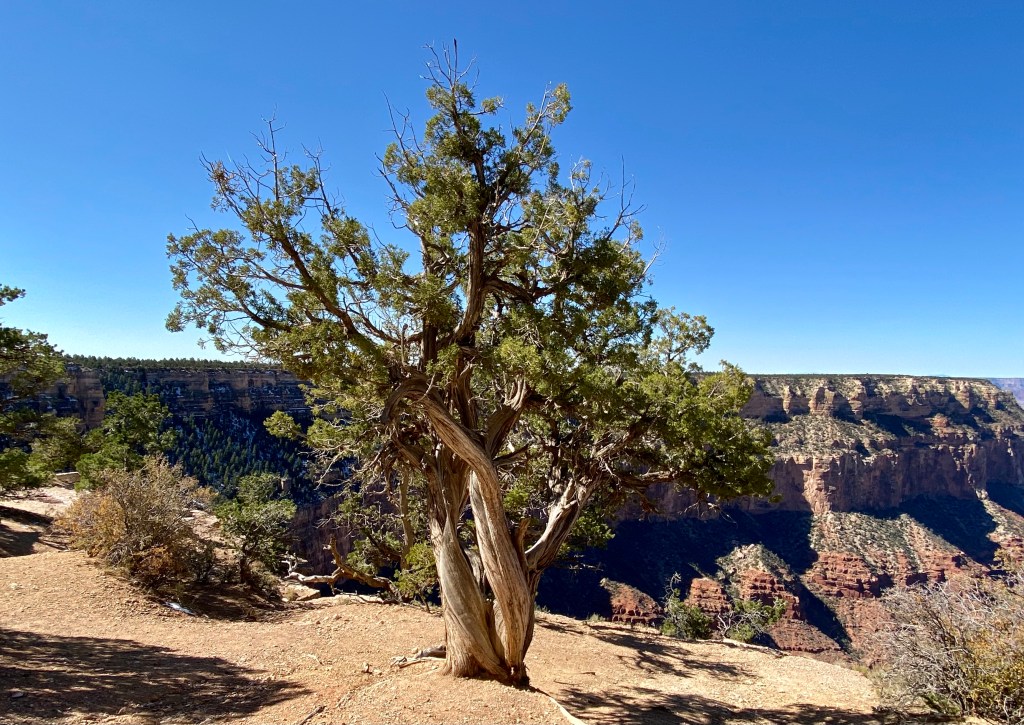
I love this twisted tree. If you’ll look hard to the left, you’ll see snow in the background – a first for me at the GC!

Making daily efforts to move more and sit less not only adds years to your life, but also contributes to good physical & mental health for the present and future.  The power to prevent many undesirable outcomes is in your hands.  Whether you’re 25 or 85, don’t allow sitting to become your new smoking.

You can’t afford to get sick, and you can’t depend on the present health care system to keep you well. It’s up to you to protect and maintain your body’s innate capacity for health and healing by making the right choices in how you live. ~Andrew Weil, MD

Many thanks to our visiting family last week who gave us the opportunity to show off some of the immense beauty of this area! (And, some of these photos may have been taken by them, so thanks again!)

Kinetic Blessings,

Lisa

The content of this article is for educational and informational purposes only, and is not intended as medical advice. Please consult with a qualified health care professional before acting on any information presented herein. Any statements about the possible health benefits of any subject discussed have not been evaluated by medical professionals or the Food & Drug Administration and are not intended to diagnose, treat, cure or prevent any disease or illness.
Hydration – Does It Really Matter?

It’s a glorious, sunny day here in Arizona.  But it’s dry.  Always dry.  As much as I dislike the humidity of the East Coast and the South, the dry cold (and heat) is a challenge for me as well.  So as I write, I’m hydrating by drinking a huge breakfast smoothie made with lots of fruits, veggies, & coconut water.  

Due to unfavorable experiences brought about by exercising in this climate, I have in recent years taken a deep dive into the science of hydration.  During college, I read Dr. F. Batmanghelidj’s Your Body’s Many Cries for Water, and it made a lasting impression, with information on how chronic dehydration can result in high cholesterol, high blood pressure, pain, asthma, allergies, etc.  However, since I hadn’t heard anything in the media or read other books supporting these ideas, I concluded that the body’s need for hydration couldn’t possibly be that critical.  Otherwise, we’d all know about it.  Right? 

Wrong. Decades of studying human health has taught me that much of the information we most need is not very publicized or, if it does happen to make a media appearance, a campaign of propaganda is often initiated to cause us to believe otherwise. Many times this is done in the name of profit, and usually to the detriment of our health and environment.  Or, the propaganda has been around for a lifetime and it’s really difficult to believe anything different.  (Prime examples include the myths that we should all eat a high-protein diet and that dairy is essential for healthy teeth and bones.)  Dehydration creates a great many problems in the human body, driving the need for pharmaceuticals, a trillion dollar industry.

You may have read other posts I’ve shared touching on why proper hydration is such a big deal. Our body is composed of more than 2/3 water. Each one of the mind-boggling number of cellular processes that occur within us requires water, according to Dr. Gerald Pollack, at the University of Washington’s Pollack Lab. Hydration influences our abilities to remember & feel energized, our cells’ capacity to clear debris vs. generate inflammation, and our power of creativity. (Check out my post Water: The Miraculous Molecule for more on these benefits.) It is essential for strong immunity, youthful aging, and proper cellular communication. It works to space blood cells, assisting with heart and kidney functions. It helps with elimination. And due to the fact that hydration helps the body run more efficiently, it also assists with weight loss.

Dr. Zach Bush, a triple board-certified physician, says that virtually all of us are chronically dehydrated.  Pretty strong assertion, right?  At his clinic in Virginia, he offers a device called a Phase Angle that measures the ability of cells to hold an electrical charge, which translates into an individual’s hydration level.  Dr. Bush says typically, a patient’s results are less than 7 on a scale that tops out at 10, even those considered healthy.  His cancer patients generally show a result of 4.5 or less, and those scoring nearer the 3.5 mark are usually close to death.  And improvement is not something that happens quickly.  A full year of committed lifestyle changes may increase your score by only 1/2 point.  For me, this brings the importance of proper daily hydration to the forefront.  Does it change your thinking?

My understanding of proper hydration has been broadened by listening to The Hydration Solution Summit from the Hydration Foundation and reading the book Quench: Beat Fatigue, Drop Weight, and Heal Your Body Through the New Science of Optimum Hydration coauthored by the podcast host, Gina Bria, and Dana Cohen, MD.  Interestingly, Bria is an anthropologist who has studied desert dwellers to learn their hydration secrets. The lessons from the podcast and the book are most practical, like the fact that (most) fruits & some vegetables like celery & cucumbers are more hydrating than plain water; fresh lemon juice and/or Himalayan salt added to water mineralizes it, making it easier for our cells to absorb; and placing your water in a glass in direct sunlight supercharges it, upping its hydration capacity. The eight glasses of plain water a day that most of us believe we need is no longer the best recommendation, Bria says. This is due to decades of heavy chemical exposure and tap water being forced through less than ideal city water systems & home pipes.  

Staying on top of your hydration needs is one of the best things you can do to assist your body with optimal function. If you’re suffering with health issues, there’s a good chance that getting and staying hydrated will help you feel better. You can’t always assume the media will share the health info that truly benefits you & your family. Don’t sell your health short: hydrate and thrive!

Blessings for Hydration,

Lisa

The original version of this post, entitled Hydration – No Really, was my first-ever blog post on WordPress, back in March of 2020. Thank you for reading (and if you’re reading for a second time, thank you for sticking around!)

The content of this article is for educational and informational purposes only, and is not intended as medical advice. Please consult with a qualified health care professional before acting on any information presented herein. Any statements about the possible health benefits of any subject discussed have not been evaluated by medical professionals or the Food & Drug Administration and are not intended to diagnose, treat, cure or prevent any disease or illness.

Working Toward Oneness: Empathy for All

I’ve just finished Dr. Aysha Akhtar’s book Our Symphony with Animals: On Health, Empathy, and Our Shared Destinies. I had seen it referenced in other books I’ve read this year, and assumed reading it would be akin to reading poetry.  How I came to that expectation, I’m not sure, but it was most inaccurate; the author writes about animal & child abuse, the deplorable conditions of factory farms, and how violence toward animals is often commonplace for serial killers. The information is vital, the kind of knowledge that each of us should posses, but it’s hard not to wince at the recurrent brutality presented.

If you have men who will exclude any of God’s creatures from the shelter of compassion and pity, you will have men who will deal likewise with their fellow men. ~St. Francis of Assisi

My little climbing friend who believes the contents of the bird feeder are just for him! I think he enjoys entertaining us, too.

Dr. Akhtar has examined studies and done her own research on the direct correlation between savagery toward animals and violence toward humans.  In the chapter of her book entitled The Making of a Murderer, she describes face-to-face conversations with Keith Jesperson, a man serving life in prison due to the rape and murder of 8 women.  Prior to the age of 10, Jesperson’s father encouraged and praised him for killing animals.  He estimates that he clubbed to death thousands of gophers, sometimes with his dad laughing & recording the attacks on video.  Later, he moved on to strangling and stabbing domestic animals when they didn’t act in accordance to his will, and poisoning a flock of about 50 birds for soiling his truck.  Dr. Akhtar’s chilling accounts of these & other stories from Jesperson’s upbringing demonstrate a young mind being primed for murder.

Psychologist Frank Ascione, an authority on the connection between animal cruelty and other violent acts, says animal abuse may be part of the history of between 25% and 66% of hardened criminals.  A propensity for violence is common for those carrying out the sanctioned killing of animals, as well.  According to the university paper Slaughterhouses and Increased Crime Rates, areas with a high number of slaughterhouse workers have more than twice the problems with crime than areas with none.  In her book, Dr. Akhtar shares quotes from past and present employees of slaughterhouses that reveal the extreme attitude of indifference they had to develop during their job of stabbing or beating animals to death. More and more studies are showing that compartmentalizing such apathy is not possible: it spills over into our personal lives.

The worst sin toward our fellow creatures is not to hate them, but to be indifferent to them: that’s the essence of inhumanity. ~George Bernard Shaw

A beloved Aunt in Montana shared these cuties

Animal Clock is an organization that was created to bring attention to the incredible number of animals currently suffering on factory farms.  According to their calculations, over 42 billion animals have been killed for food in the US alone so far this year, including over 8 billion chickens, 23 million ducks, 36 million cattle, and 124 million pigs.  Dr. Akhtar writes, If there is a trait that truly distinguishes us from other animals, it’s this: No other species is as capable of self-deceit as humans.  We ignore what affronts our worldview.  We disbelieve what we can’t ignore.  We rationalize what we can’t disbelieve.  “These things happen.  They’re necessary.  It’s not as bad as we think.”  And most dangerous of all, “it’s normal.”

The animals of the world exist for their own reasons. They were not made for humans any more than black people were made for white, or women created for men. ~Alice Walker, American novelist & social activist

Our empathy is divided: the thought of eating our beloved pets is outrageous, but a slab of flesh from another species is a different story.  Many of us still buy products that have been tested on lab rats.  We purchase leather items, never pausing to think of the animal who unwillingly donated that skin.  It is important to realize all animals are sentient creatures: they love, experience joy, support each other, learn, get excited, mourn, and console as needed.  By purchasing meats and other animal-derived products, we disregard their endearing, human-like qualities and cast a vote for continued violence. 

Our Symphony with Animals shows that animal abuse is often found along the same path as human brutality.  I believe Mahatma Gandhi was spot-on when he said the greatness of a nation and its moral progress can be judged by the way its animals are treated. Holding ourselves accountable for respecting the lives of all animals could be the panacea for reducing overall violence.

Blessings for Empathy,

Lisa

The content of this article is for educational and informational purposes only, and is not intended as medical advice. Please consult with a qualified health care professional before acting on any information presented herein. Any statements about the possible health benefits of any subject discussed have not been evaluated by medical professionals or the Food & Drug Administration and are not intended to diagnose, treat, cure or prevent any disease or illness.

Nature’s Supreme Design

Is it your face
that adorns the garden?
Is it your fragrance
that intoxicates this garden? Is it your spirit
that has made this brook
a river of wine?
Hundreds have looked for you and died searching
in this garden
where you hide behind the scenes.

But this pain is not for those who come as lovers.
You are easy to find here. You are in the breeze
and in this river of wine.
~Rumi

I started taking an online gardening course a few weeks ago, and the new learning has inspired an abundance of thoughts on the attributes we share with plants, including an ultra-intelligent design.  In their work of supporting other forms of life, including ours, plants breathe, age, make hormones, reproduce, and employ highly developed means for adapting to environmental conditions. The overarching theme here at Micro of the Macro is recognizing our oneness with Nature, and in this post, I want to share a few specific thoughts on the ways in which we imbibe this intelligent design we’re so blessed to inhabit.

Crater Lake, Oregon

In the spring, we had our backyard landscaped.  Tiny plants were placed in the soil, so small that I thought they would need a couple years before growing large enough to really add to the aesthetics.  Although they are irrigated daily, I didn’t notice much growth until our monsoons started.  And even though the rains were light this year, the plants shot up, sometimes inches a day.  I’ve never seen anything like it!  Nature’s watering system seems to be the preferred moisture of our green, rooted friends.

Unfortunately, we are already dealing with plant-decimating pests. Robin Wall Kimmerer’s book Braiding Sweetgrass: Indigenous Wisdom, Scientific Knowledge, and the Teachings of Plants reveals how pests were controlled by Native Americans prior to the advent of pesticides.  (Learn a bit more about her beautiful book in this post.)  The secret was The Three Sisters: corn, beans, and squash planted together, surrounding other plants; various bugs were attracted to the sisters and attacked each other, leaving the plants to thrive. I don’t believe most modern-day landscapers consider such methods. And the current widespread farming practice of mono-cropping attracts pests for the singular crop planted, making pesticides necessary. (This brings to mind a beautiful documentary I’ve recently watched, called The Biggest Little Farm. If you are a grower, you’ll find its lessons most practical.)

In addition to light, water and protection from pests, plants also need carbon, oxygen, & hydrogen; primary and secondary nutrients like potassium & magnesium; and macro- and micronutrients like nitrogen & iron. It is due in large part to their nutrient requirements that they benefit us internally. The effects on our bodies of eating plants is totally different than eating processed pseudo foods.  The reason for that is the huge number of microbes we host.  About 99% of our genes are their genes, according to Drs. Justin & Erica Sonnenburg from Stanford University School of Medicine.  Most of those microbes reside in our guts and control much of our thoughts on food and, therefore, the possible consequences of obesity and disease. Our microbes flourish on real, unprocessed foods, and when they are happy & healthy, so are we.  But when we eat processed foods, the microbiome population is altered adversely, resulting in unhealthy cravings.  And I’m sure you, like I, have battled unhealthy cravings at some point!  (For more on these ideas, check out my post Little-Know Weight Loss Strategies.)

In our external environment, plants help manage the continuation of life on the planet. Jim Robbins, author of The Man Who Planted Trees: Lost Groves, Champion Trees, and an Urgent Plan to Save the Planet, writes that plants absorb not only carbon dioxide, but also various other pollutants that might otherwise end up in our lungs. The root system of trees can render harmless toxic wastes, and their trunks and canopies help control the distribution of flooding rain and searing heat. They generate over 100 chemicals that benefit not only their own species, but also animals, including humans.  Plants are vital to our existence.  Their ongoing destruction in the name of progress is paradoxical and shortsighted.  How much more green life can be destroyed before the reduced oxygen supply and increased unabsorbed pollution and carbon affect us directly?  Could it be that our bodies, much like our environment, are already struggling from the harmful changes brought about by these practices?

Man is the most insane species. He worships an invisible God and destroys a visible Nature, unaware that this Nature he’s destroying is this God he’s worshipping. ~Hubert Reeves, Canadian Astrophysicist

Reading over the paragraphs I’ve written, I can’t help but notice a common thread of human arrogance. What prompted us to decide that human intelligence is superior to that of other life forms?  Why did we feel the need to turn away from the old ways, those of honoring and respecting Nature that Native Americans and other indigenous peoples practiced?

Big Sur, California

The intelligence of all of Nature is astounding, and we are privileged to be a part of it.  Keeping in mind our shared design can go a long way in changing paradigms and ensuring our existence for future generations.  Our very lives, and those of our children, depend on it.

Blessings for Recognizing Oneness,

Lisa

The content of this article is for educational and informational purposes only, and is not intended as medical advice. Please consult with a qualified health care professional before acting on any information presented herein. Any statements about the possible health benefits of any subject discussed have not been evaluated by medical professionals or the Food & Drug Administration and are not intended to diagnose, treat, cure or prevent any disease or illness.