
According to an article from Woodland Trust, the largest woodland conservation charity in the UK, Exercise . . . releases endorphins, improves both physical and mental health and helps you sleep better. . . But did you know that where you exercise can make a real difference? Exercising outdoors in a green space, studies show, results not only in profound benefits for physical health, but can also boost mental health in as little as 5 minutes. Five minutes!
The term green exercise was coined in a paper from 2003 by researchers at University of Essex. Their writings include an idea set forth by the American Biologist E. O. Wilson, called the Darwin of the 21st century, that humans have an innate connection with Nature, and therefore, time outdoors increases well-being in general and can even be transformative. Coupling that with the merits of exercise, this paper was the first to address body movement in the great outdoors, declaring it doubly beneficial.

I prefer exercising outside whenever possible, probably because I so enjoy being near plants, natural waters, wildlife, and looking at the sky. Hiking and trail riding are activities that we enjoy on a regular basis. If I must exercise inside, I make sure there’s a view and fresh air if possible. When I belonged to a regular gym, I would focus on the trees outside the window while lifting or on the treadmill. At my climbing gym, all the doors are propped open to allow the wind to blow through. In our home workout room, I like to open the window and watch the birds while I’m on the boxing bag or glider. Yoga is best practiced, in my opinion, with an outside view. In fact, many classes are now offered in park settings. I used to attend classes at a studio with windows revealing a direct view of the San Francisco Peaks, Arizona’s tallest mountains. On snow days, it was particularly lovely and inspiring.
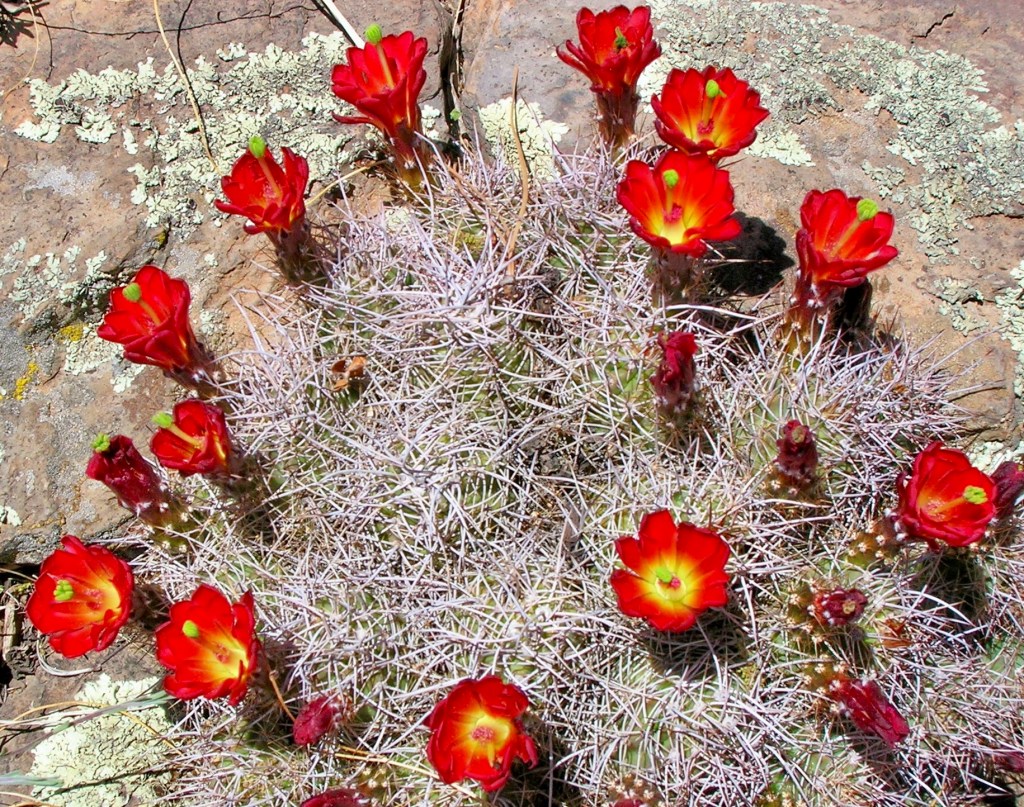
An article entitled The Great Outdoors: How a Green Exercise Environment Can Benefit All from the National Institute of Health states we may be still genetically designed to be hunter-gatherers in the great outdoors, (but) we are not being stimulated physically or mentally in the same way and this may be detrimental to health . . . maybe green exercise should be used to facilitate physical activity to improve health. Going to the farmer’s market just doesn’t do it! The article goes on to say that, owing to various factors, outdoor exercise can be perceived as less demanding. (Maybe that’s another reason I prefer it?!)

Although there aren’t a great number of studies on green exercise, the research that has been done shows it yields many benefits physically, mentally, emotionally, and spiritually. Alive, a leader in natural health publishing for almost 50 years, shared a write-up encouraging outdoor exercise due to its ability to reduce stress and confusion; improve self-esteem, mood, and focus; and offer better recovery from training. It can also reduce behavioral problems, especially in children. Plus, limited sun exposure enhances vitamin D levels, which can help us avoid cancers and heart disease. And, bonus, due to outside sights and sounds being more interesting, green exercise increases the chances that we will stick to our exercise routine. When you find you’re short on motivation, this might be the perfect fix.

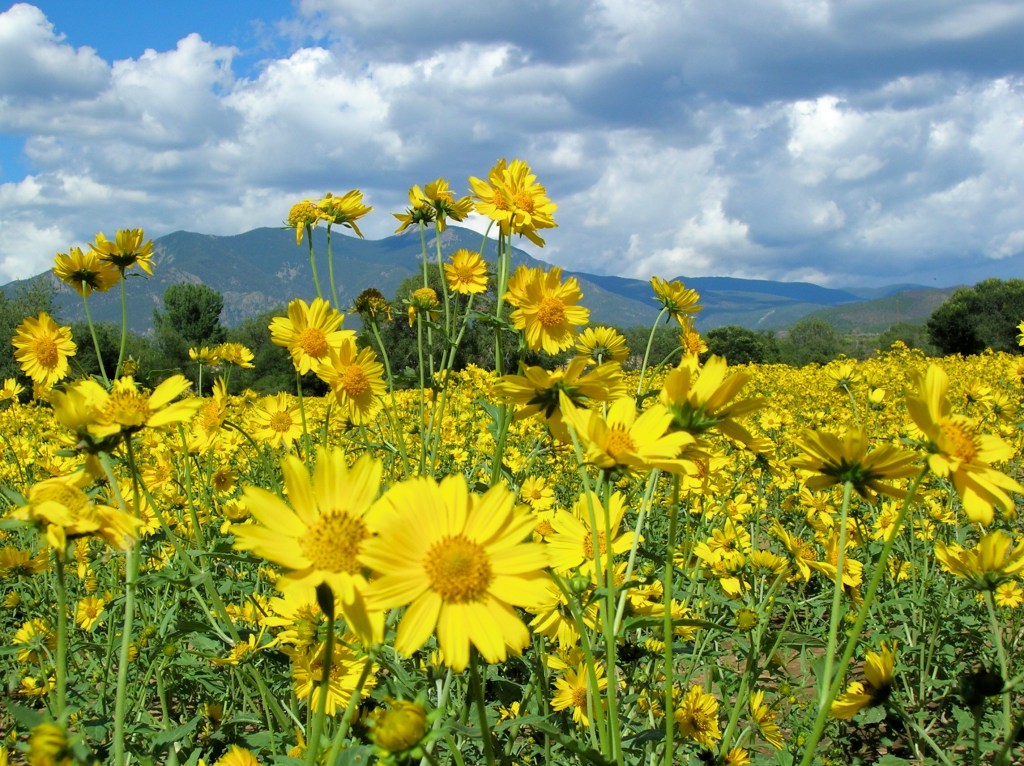
I’ve shared in past posts some of the many benefits we derive from simply being among trees, wildflowers, near waterfalls, and at the beach. (Check out my Categories link for more.) Incorporate those benefits with the value of physical activity and you have a combination that’s hard to beat. Not to mention, being outside makes exercise so much more fun!

The many advantages of green exercise, even if limited to only 5 minutes at a time, shows a great deal of promise for improving our lives. You are intimately connected to Nature; being active in this nurturing environment is a practice from the distant past that can easily transform your future.
Green Space Blessings,
Lisa
The content of this article is for educational and informational purposes only, and is not intended as medical advice. Please consult with a qualified health care professional before acting on any information presented herein. Any statements about the possible health benefits of any subject discussed have not been evaluated by medical professionals or the Food & Drug Administration and are not intended to diagnose, treat, cure or prevent any disease or illness.





















































 Micro of the Macro