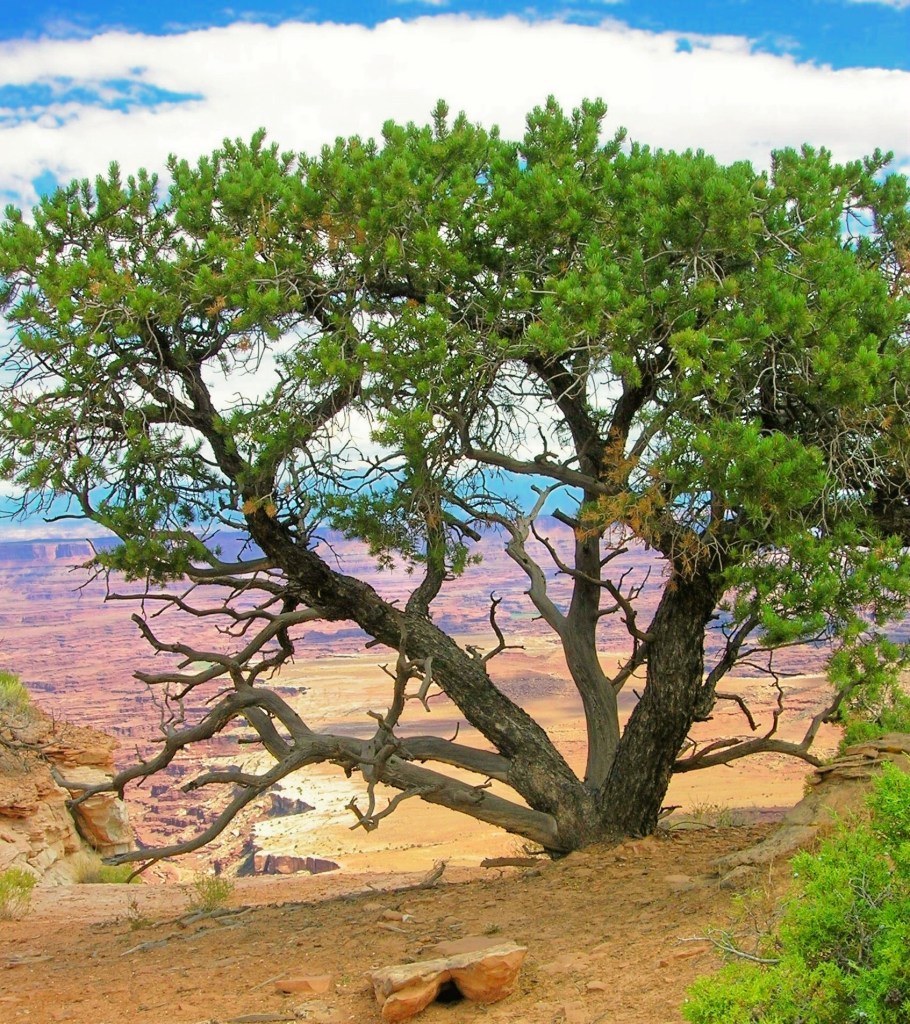
This post was first shared close to a year ago. Although it’s a personal favorite, it didn’t get a whole lot of love because, at that time, few folks knew this blog existed. I am reposting it for all my current readers, in an effort to instill the vital importance of trees for each of us.
I grew up on a small farm in the Deep South, surrounded by trees and animals. My family had a couple cows, a few pigs, and lots of chickens. My grandmother, or Mawmaw, as we called her, maintained a huge vegetable garden on one side of her house, and a slightly smaller flower garden on the other side. Her property had several pecan trees, a walnut tree, a fig tree, and apple trees. Each time a grandchild was born into the family, she planted a new tree in her front yard. My birth tree was a magnolia, and even now, the scent of a magnolia blossom makes me swoon.
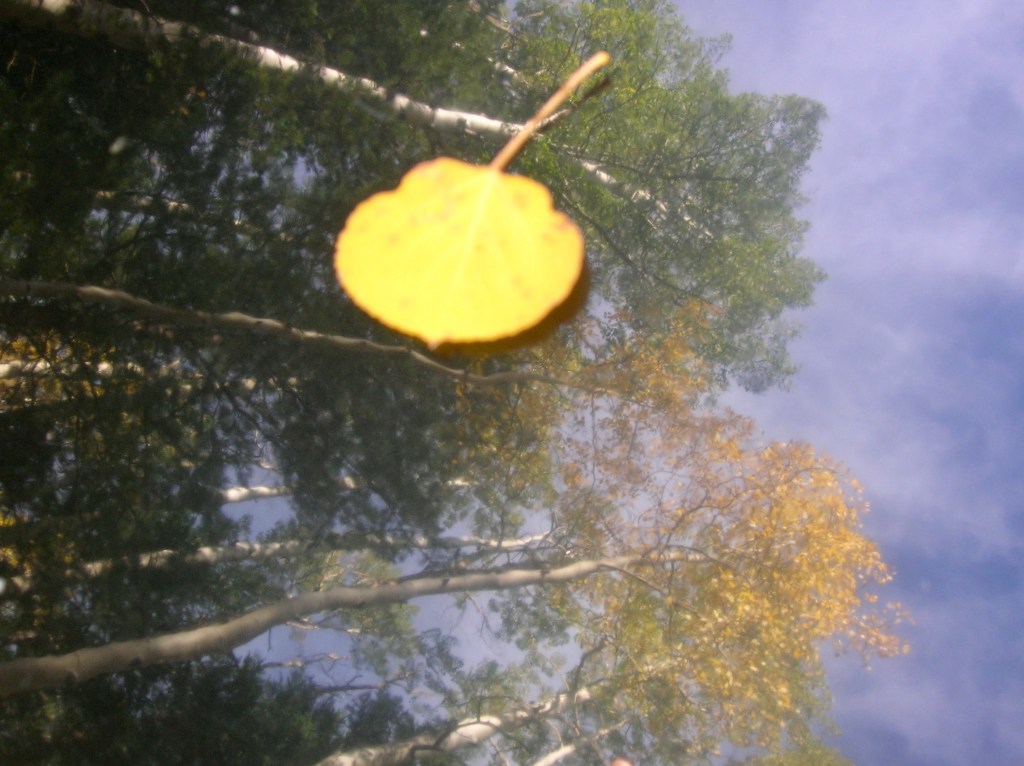
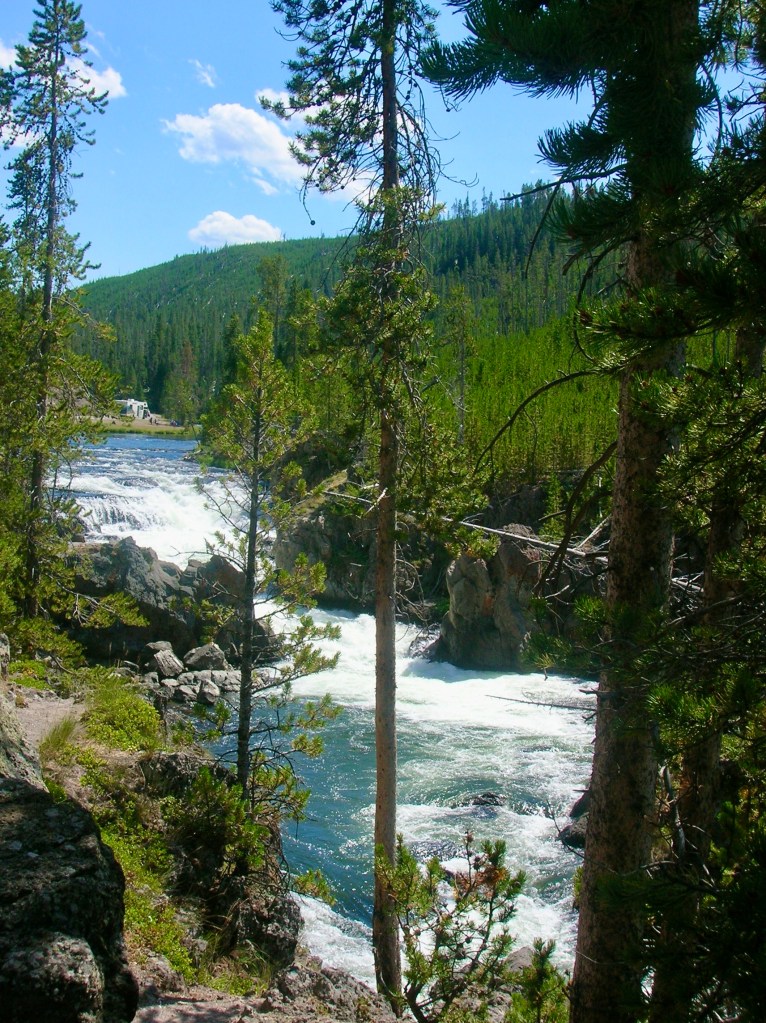
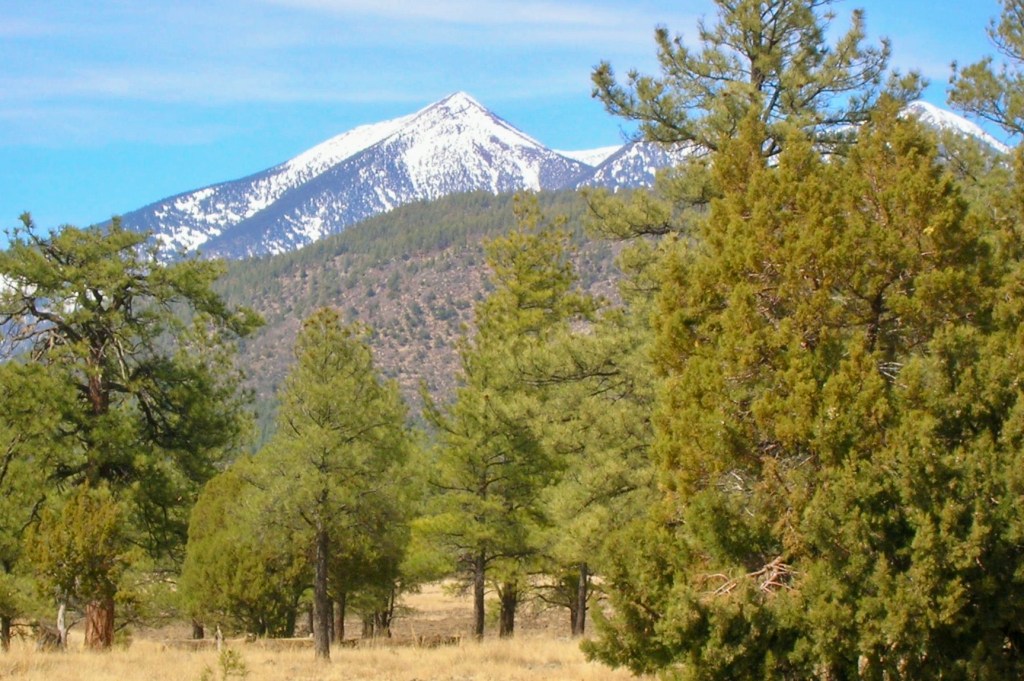
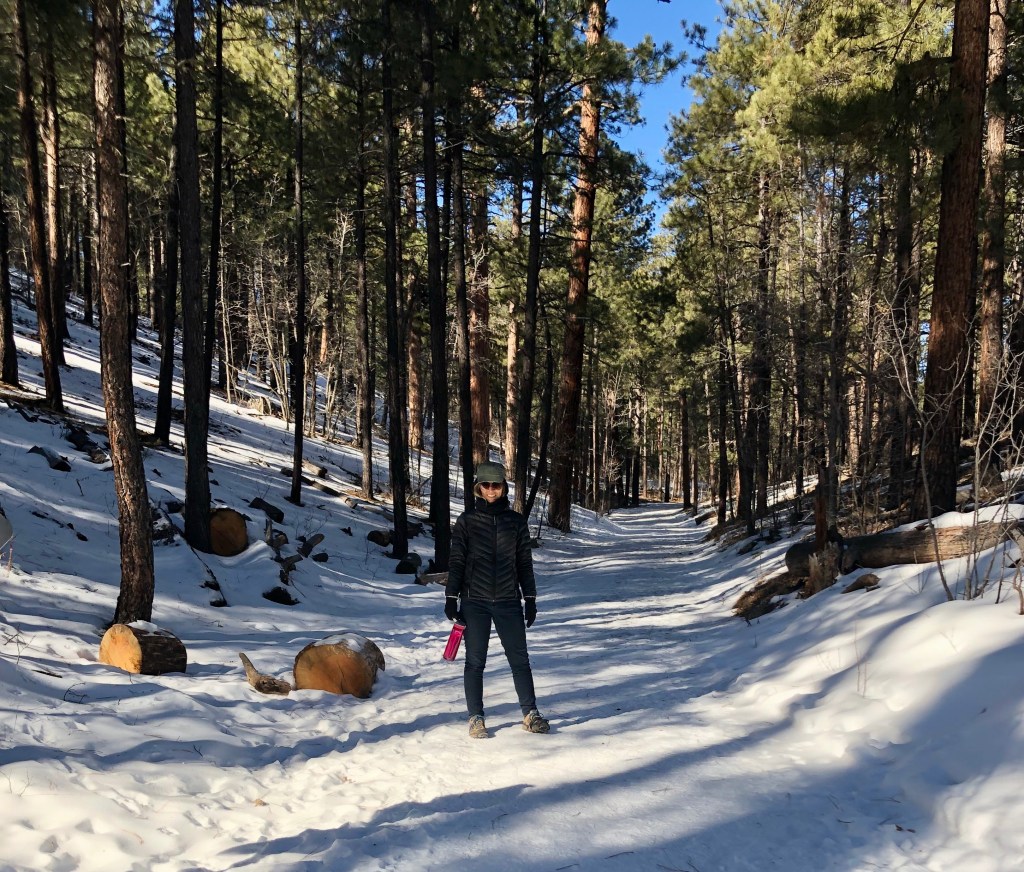
In those early years, I spent a lot of time climbing trees. It was great fun and I loved the views from above. Recently, I’ve learned to appreciate trees for other reasons. When I checked out of real life and took up traveling for a few years, (see Escaping Normal for more on that!) I discovered that trees were healing. Hiking in a forest or canyon or up a mountain surrounded by redwoods, ponderosa pines, aspens, or birch trees made me feel nurtured. And that’s as true now as before.

Trees have not been the subject of a great number of scientific studies, although the studies that have been done reveal that their functions are vital for life on the planet. Most of us know that trees produce oxygen, take in harmful carbon dioxide, and provide shelter and food for animals. But after reading Jim Robbins’ The Man Who Planted Trees: Lost Groves, Champion Trees, and an Urgent Plan to Save the Planet, I’ve learned that trees are more important than I ever imagined. The author, who has written on environmental issues for The New York Times for more than 35 years, asserts that planting trees could in fact be our most important ecotechnology for saving this troubled planet.
According to Robbins, trees absorb not only carbon dioxide, but also various other pollutants that might otherwise end up in our lungs. Their root system can render toxic waste harmless. They can control the distribution of flooding rain and filter searing heat. They generate over 100 chemicals, many in aerosol form, that benefit not only their own species, but sometimes other plants, as well as some animals, including humans.
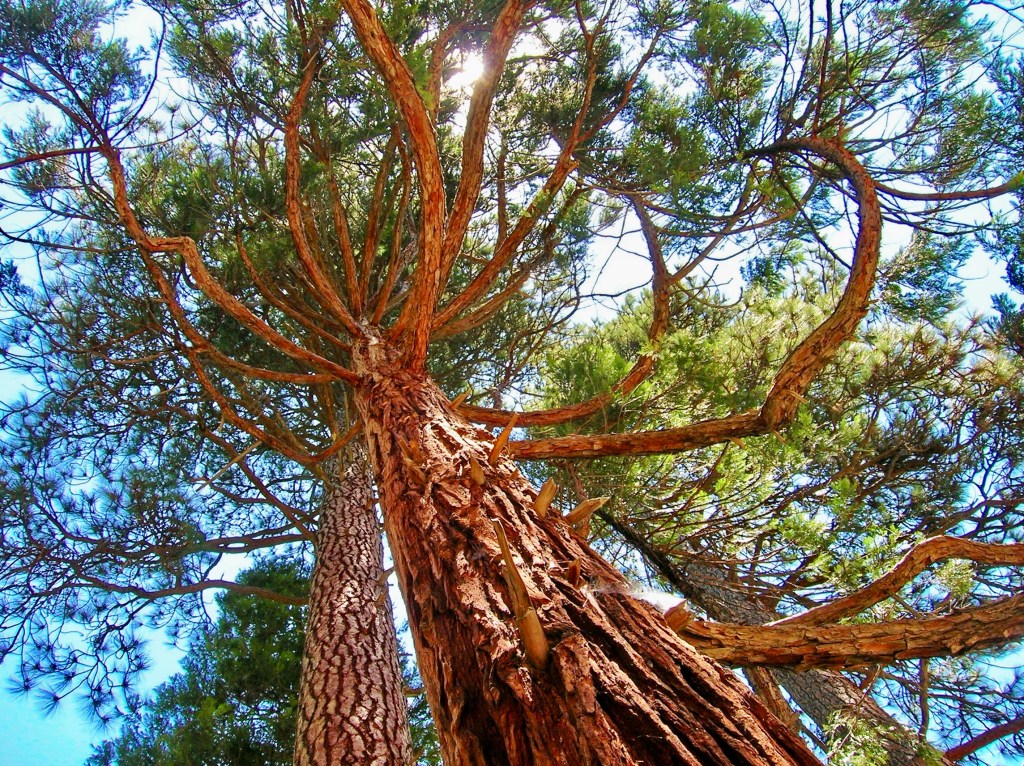
During my travels, I have witnessed some really unique trees with interesting stories. From the Joshua Tree in the Mojave Desert, to the Great Basin’s ancient Bristlecone Pines, to the Giant Sequoias in California’s Sierra Nevada, the encounters were fascinating and unforgettable.
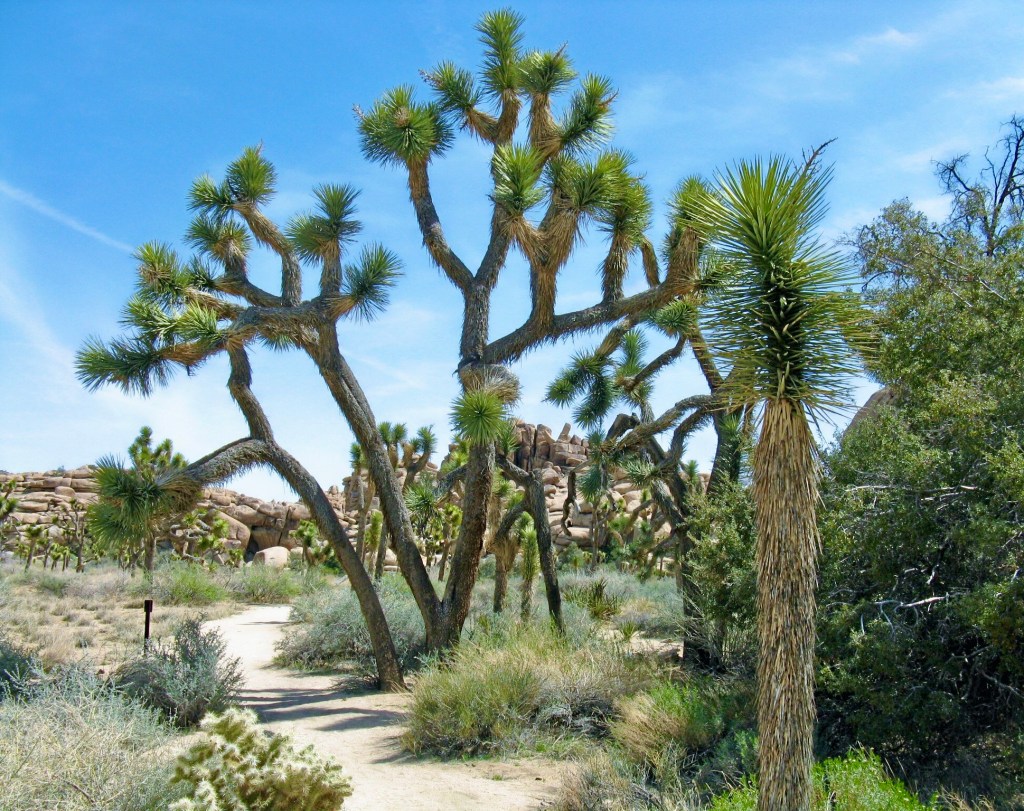
The Joshua Tree is said to have been named by Mormons in the mid-19th century who were trekking through the Mojave Desert in search of a place to settle. The shaggy bark and open branches of the trees seemed to point them toward Utah, reminding them of Joshua from the Bible, who, with outstretched hands, guided the Israelites to Canaan. I couldn’t help but laugh when I first saw these unusual trees; they look like Dr. Seuss creations!
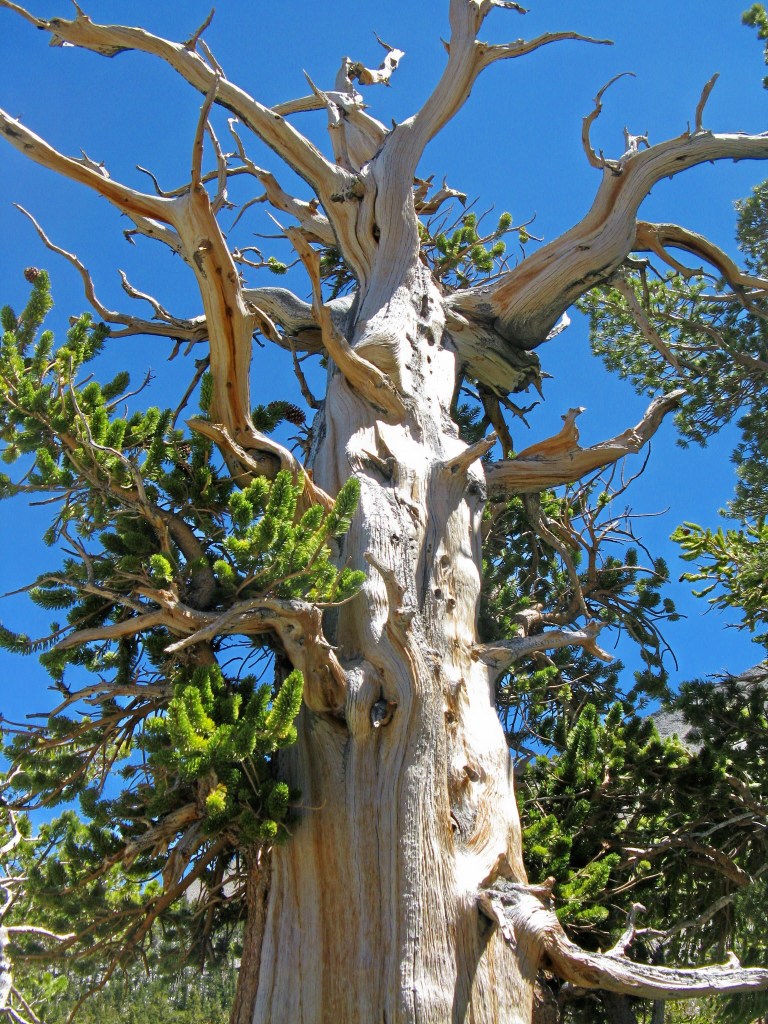
In Nevada’s Great Basin National Park, I came upon Bristlecone Pines, which are between 3000 – 5000 years old, making them some of the oldest living trees in the world. Their ability to withstand extremely inhospitable conditions accounts for their longevity. These ancient sentinels produce healthy pine needle clusters within a form that is partially dead. Instead of rotting, their decay-resistant trunks are polished by wind and rain. Even after dying completely, the Bristlecone Pine can remain standing for thousands of years.
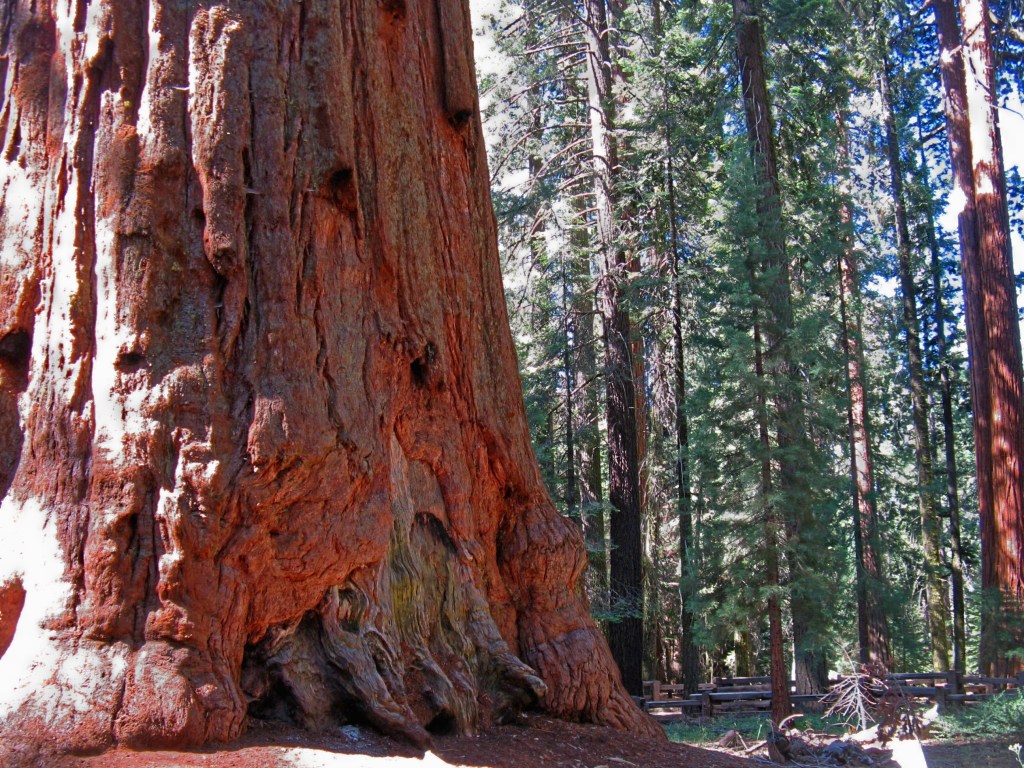
Giant Sequoias, according to Treehugger.com, can live up to 3000 years, and have branches that are bigger around than the height of 2 humans. Vertically, they can grow up to 300 feet, as high as a 26-30 story building. They can weigh over 2.5 million pounds, and may have a ground circumference of 100 feet. If you have never witnessed these gentle giants first-hand, I strongly encourage it. You’ll gain a new respect for biology! Sequoia National Park in California has some of the largest ones on record.
I would feel more optimistic about a bright future for man if he spent less time proving that he can outwit Nature and more time tasting her sweetness and respecting her seniority. ~E. B. White
Trees work quietly for the betterment of life. Unfortunately, they are disappearing at an alarming rate. In his book, Robbins estimates that 80% of the world’s old-growth forests have been destroyed, and the destruction process continues. Trees and forests, he writes, “are ecosystem engineers that create the conditions for other forms of life to exist on every level.” Their disappearance, often the result of “progress,” may be facilitating the extinction of the human race.
You have stolen my dreams and my childhood with your empty words. . . . People are suffering. People are dying. Entire ecosystems are collapsing. We are in the beginning of a mass extinction, and all you can talk about is money and fairy tales of eternal economic growth. ~Greta Thunberg
Demonstrating love for trees is a great place to start in resolving our ever-worsening environmental problems. If you have kids, talk to them about the importance of trees. Ask them to help you plant and care for some fruit trees or an oak or maple. (BTW, trees increase property value.) Teach your kids to climb trees, or climb with them. Take them to the forest to hike or bike. Visit an apple orchard. Check out state and national parks renowned for their grand species of trees. If you must have a live Christmas tree each year, decorate one in your yard instead of cutting one down. Showing love and respect for trees helps all life forms, and might just prolong our existence on this planet.
In the time when the world is sick and dying, a tribe of people will come together of many races. They will be a people who put their faith in deeds, not words, and the world shall become green again. ~Cree Prophecy
Blessings for the Love of Trees,
Lisa
The content of this article is for educational and informational purposes only, and is not intended as medical advice. Please consult with a qualified health care professional before acting on any information presented herein. Any statements about the possible health benefits of any subject discussed have not been evaluated by medical professionals or the Food & Drug Administration and are not intended to diagnose, treat, cure or prevent any disease or illness.