This week, I’ve begun reading The Well-Gardened Mind: The Restorative Power of Nature by Sue Stuart-Smith. The book presents various research findings on working with Nature and draws beautiful parallels between gardening and developing a healthy mindset. Stuart-Smith is a psychiatrist and psychotherapist, and her book was chosen by The Times, Britain’s oldest national daily newspaper, as one of the best books of 2020. I guess you can tell I’m pretty excited about it, as I’m not even halfway through, but already wanting to share!
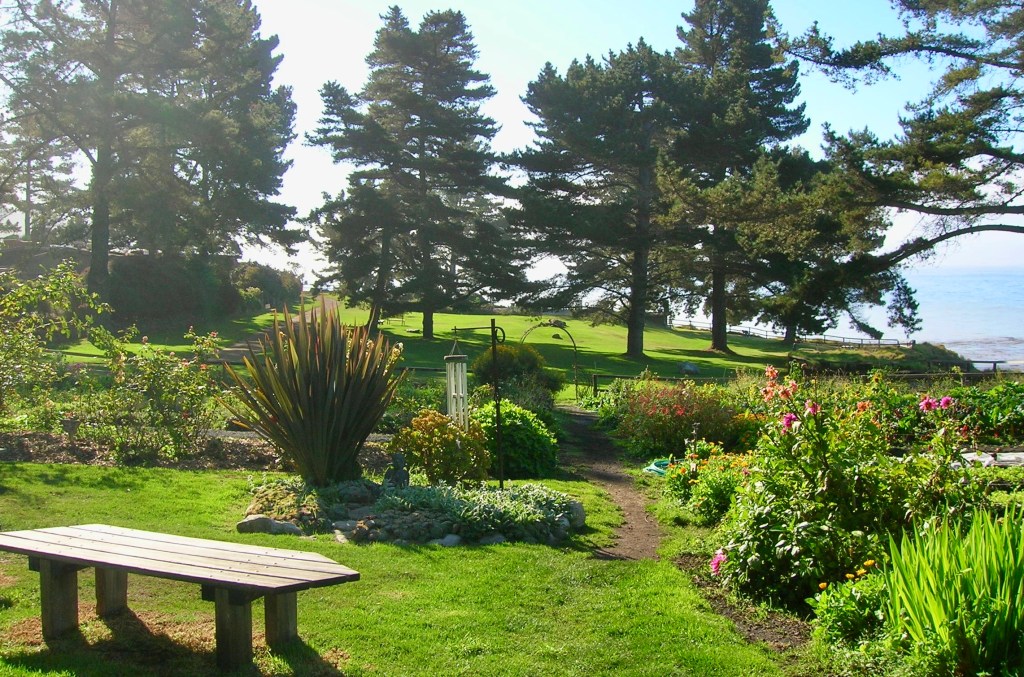
Early on, the author asserts that our species emerged in the savannah landscapes of Africa, and over the course of evolution, our nervous and immune systems have been primed to function best in response to various aspects of the natural world. These aspects, she says, include the microbes we eat and breathe, the amount of sunlight we are exposed to, and the natural vegetation around us. Further, she states, When we work with nature outside us, we work with nature inside us.

Stuart-Smith shares research done with many subjects in diverse environments. She’s visited prisons to witness the difference that gardening programs have made for inmates, in some cases offering them opportunities to find work as gardeners post-release, which has been shown to lessen chances of recidivism. She also writes of a garden project done for inner-city 7-year-olds with a high rate of learning disabilities, which not only resulted in a sense of pride and accomplishment for the little ones, but also transformed their sense of self-esteem and motivation. Additionally, she addresses the use of therapeutic horticulture for those with depression, trauma, and anxiety, as studies have shown that the benefits of regular gardening are similar to those of cognitive behavioral therapy.

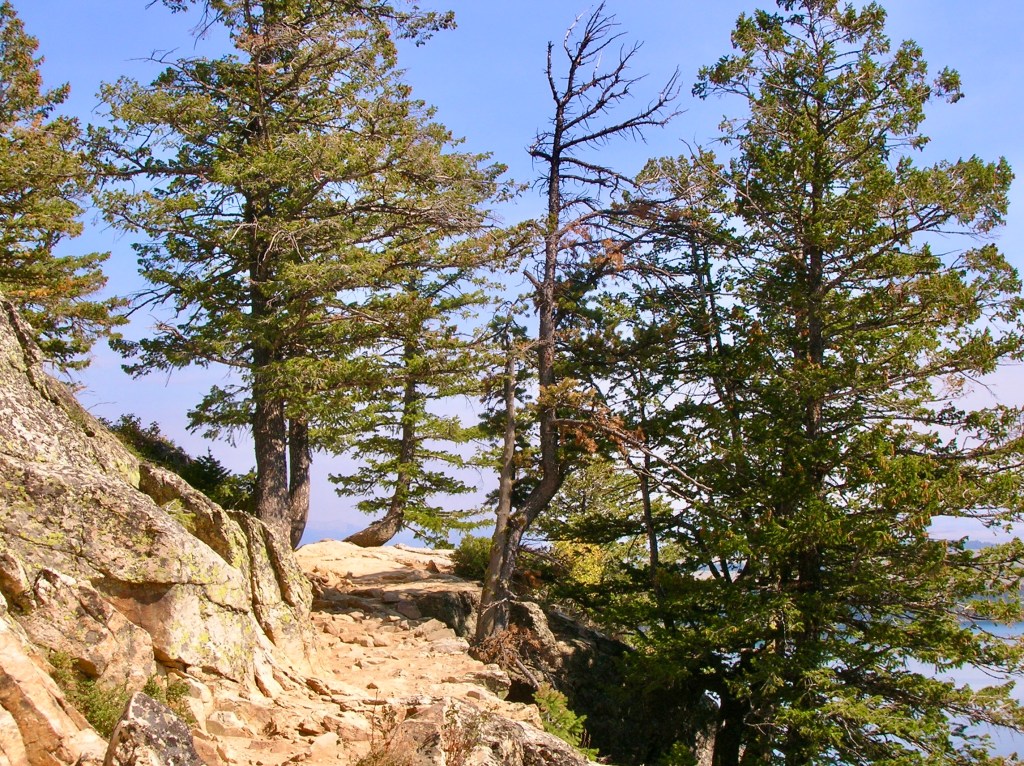
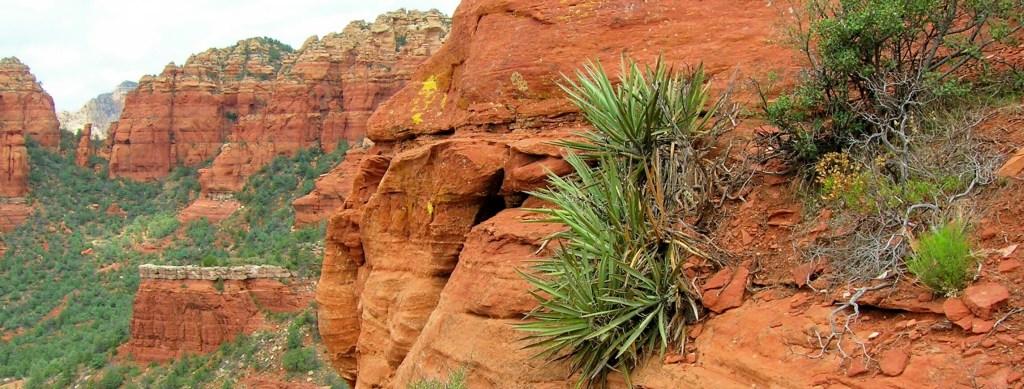
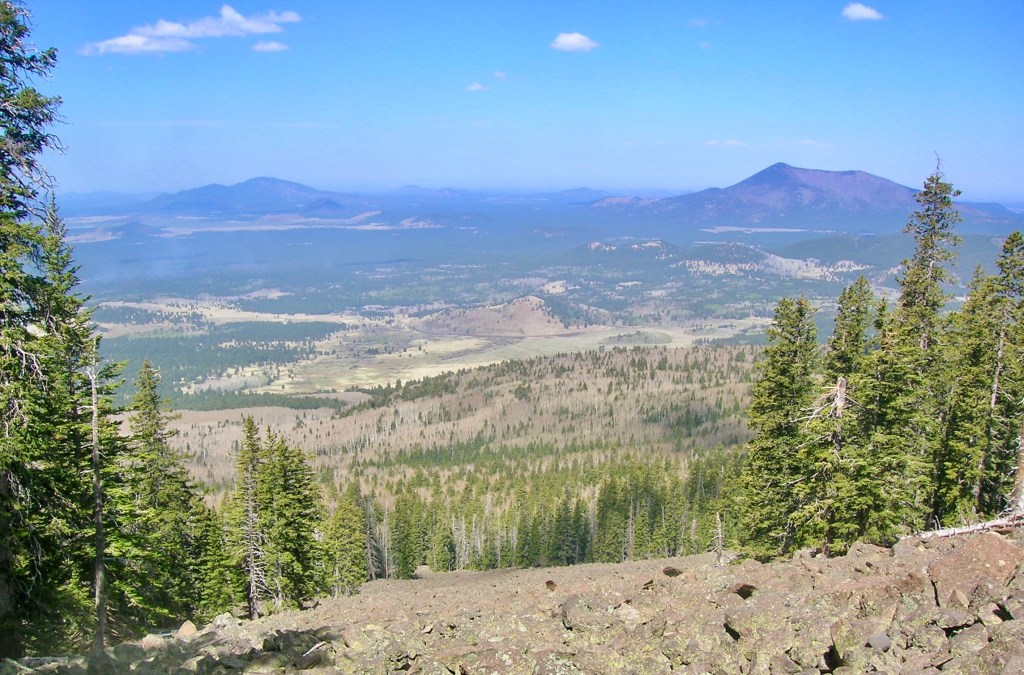
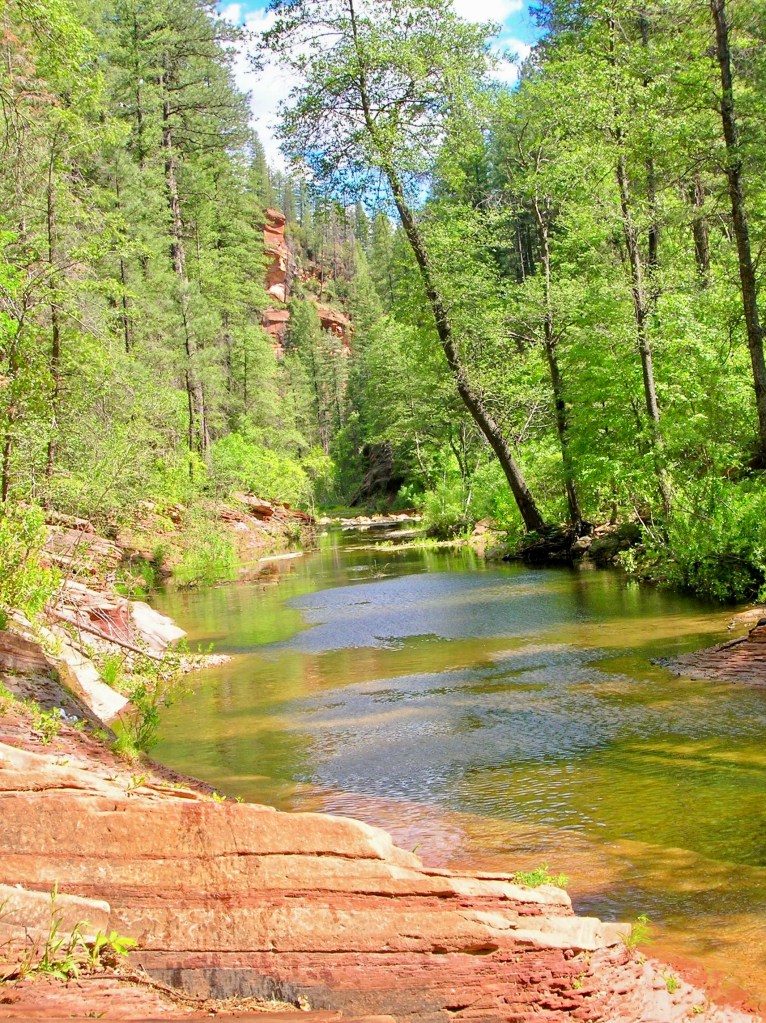
I am enjoying the book immensely not only because it supports the ideas of Micro of the Macro, but also because of the memories it evokes. As a small child, I often worked with my grandmother and uncle in our family garden. No matter what was going on, working in the garden brought me into the present moment, with the sweet smells of tomato vines and dark soil, the intense feel of the sun on my skin, and the sight of bumblebees attracted to the yellow squash and cucumber blooms. Years later, when I began hiking on a regular basis, I learned to treasure the smells of mountain tree blossoms and spruce needles, Ponderosa Pine bark, and an occasional deliciously earthy whiff of unknown origin. Being present in this manner provides a calming escape from past regrets and worries of the future, wouldn’t you agree?
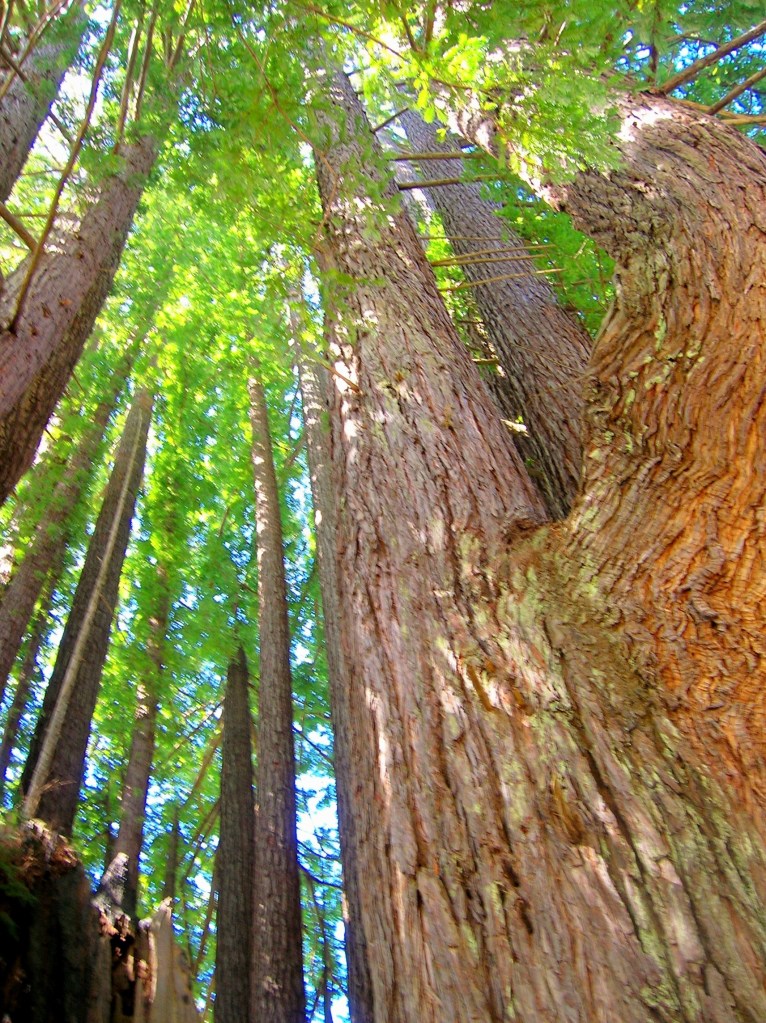
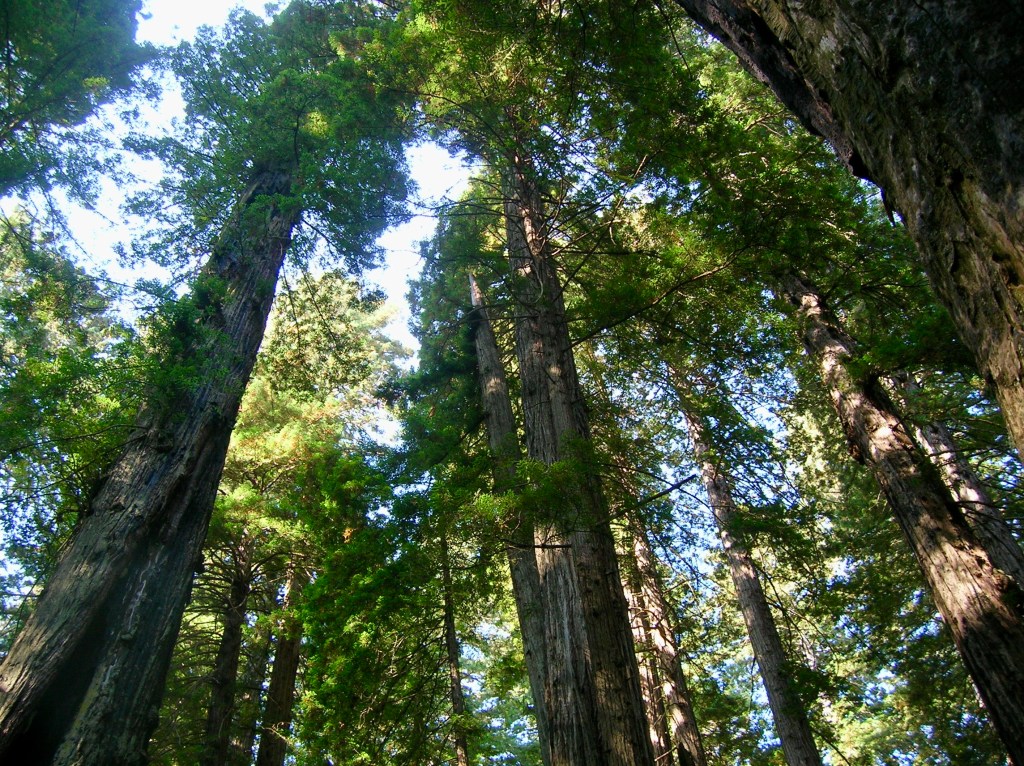
Although we can derive amazing benefits from plants, their compassionate actions aren’t exclusively for humans. In a delightfully-written article for Bay Nature, a 20-year-old publication advocating for the good of the environment, Endria Richardson brings our attention to the generosity of the California Redwoods. Their biology, she states, does not require open-heartedness or a daily decision to be kind; it simply is, as a matter of design. This biology, or blueprint for being, can give rise to collective wellbeing: needles drop, bark is shed, a rich duff develops that protects not only one tree’s roots, but the root networks of clusters of trees. During the time I lived among the Coastal Redwoods of Sonoma County, I was fascinated to learn about their root system; their underground support of each other allows them to grow to dizzying heights and withstand high winds. On hiking trails, I also witnessed new trees sprouting from old, seemingly lifeless trunks. Richardson continues her article by writing that acts of Redwood generosity help not only other trees, but also contribute to the lives of a variety of plants, animals, birds, and berries high off the forest floor.
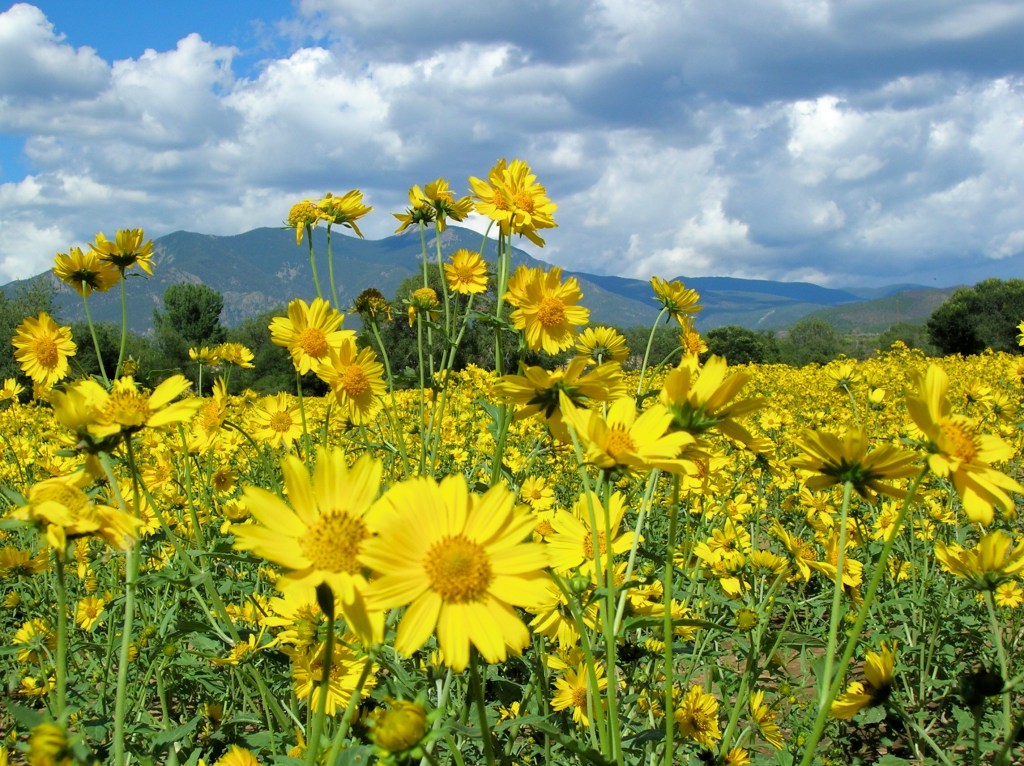
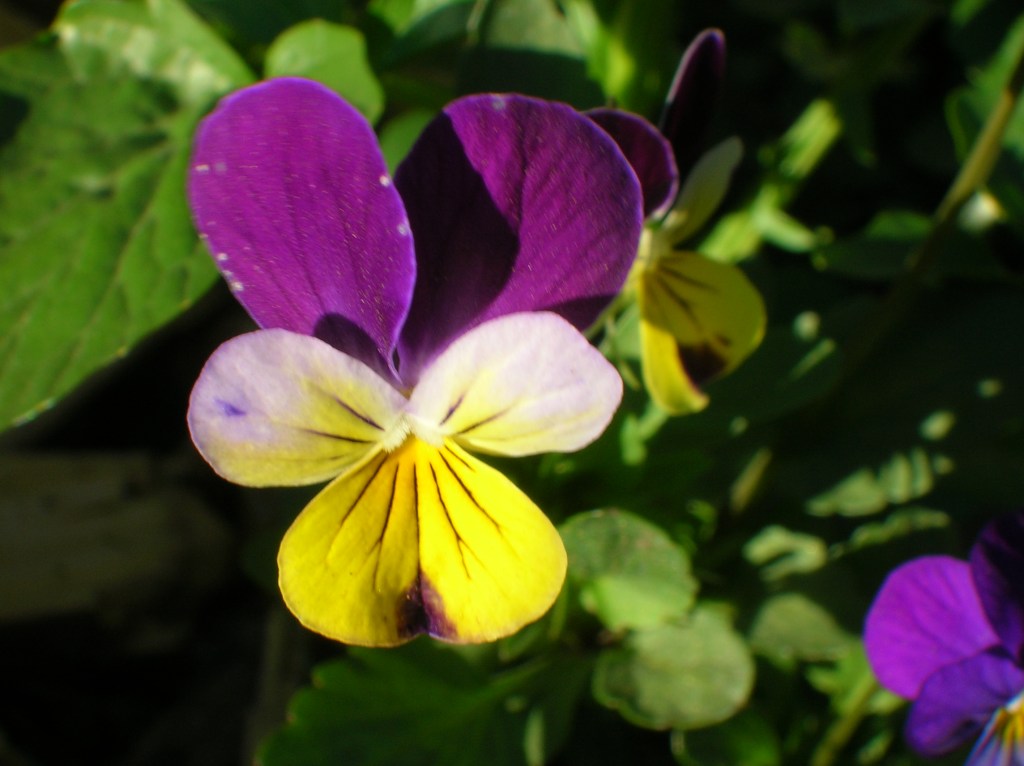
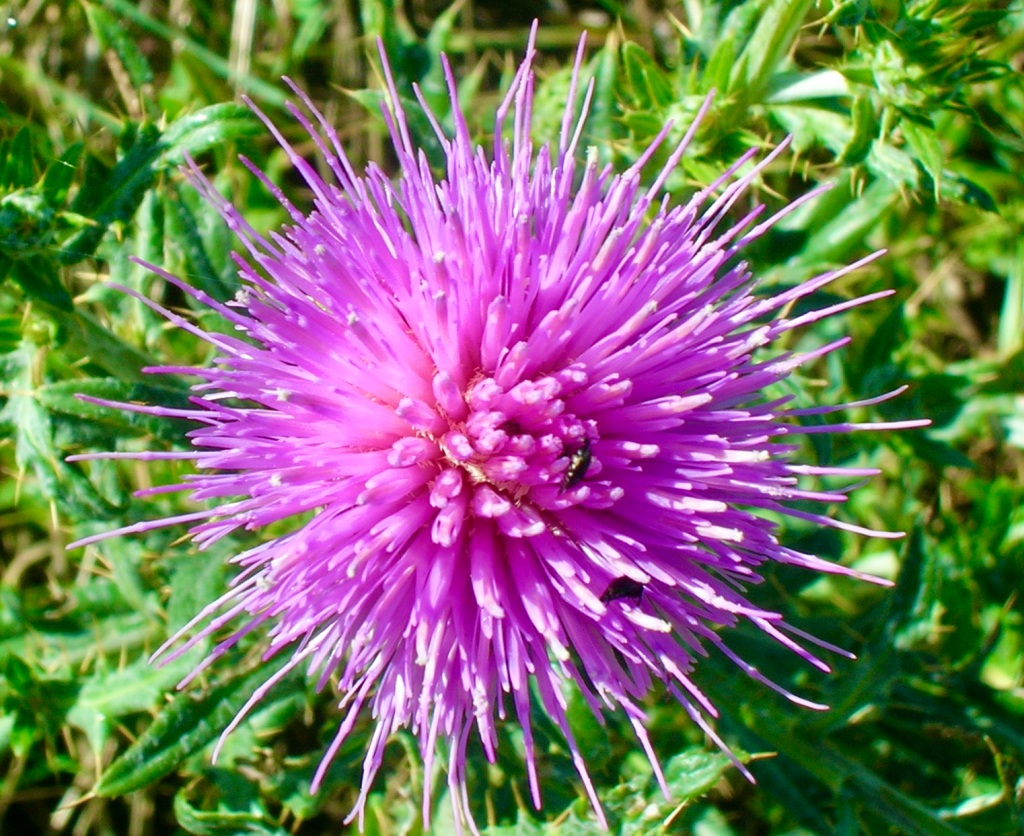
In an article written for the US Forest Service, we learn the extent of selflessness of the humble wildflower. They support entire ecosystems . . . Butterflies and other insects, small birds, and animals depend on seeds, nectar, and pollen for their food supply and life support, according to the write-up. Are you noticing a pattern?

Believe it or not, even weeds can demonstrate generosity! A Mother Earth News article shares that some weeds can benefit surrounding plants by protecting the soil, pulling up water and nutrients from great depths, and helping with insect control. (Check out the article to determine which weeds you should keep!)

Nature provides us with an endless array of magnanimous acts. The plant kingdom supports not only our well being, but also the health of its various members as well as other life. This generosity seems to be part of Nature’s design of plants. Working with vegetation gives us access to that life-enriching bounty.
Blessings for Generosity,
Lisa
The content of this article is for educational and informational purposes only, and is not intended as medical advice. Please consult with a qualified health care professional before acting on any information presented herein. Any statements about the possible health benefits of any subject discussed have not been evaluated by medical professionals or the Food & Drug Administration and are not intended to diagnose, treat, cure or prevent any disease or illness.