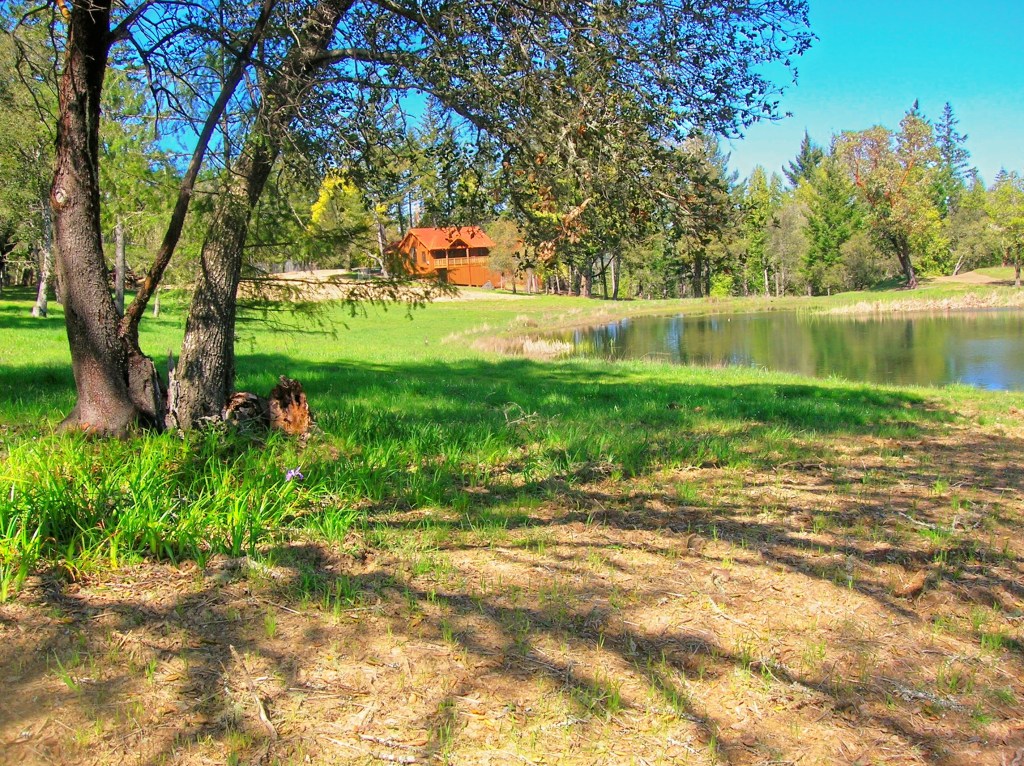
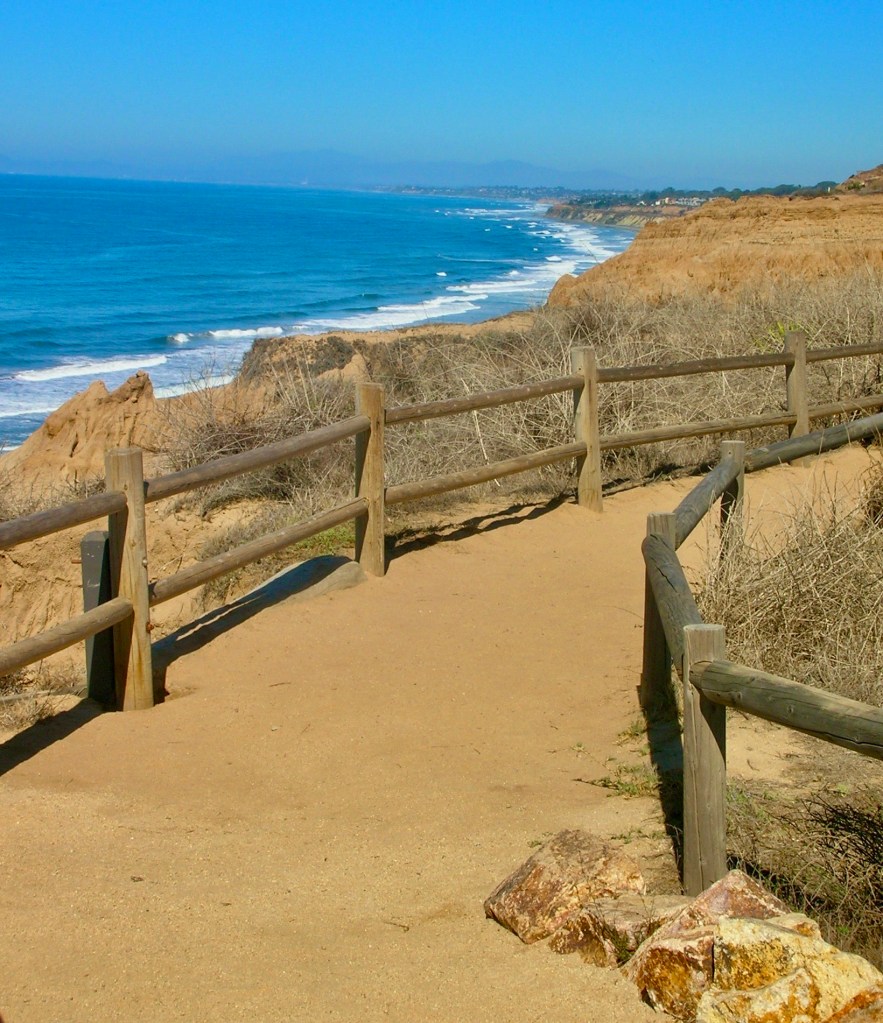
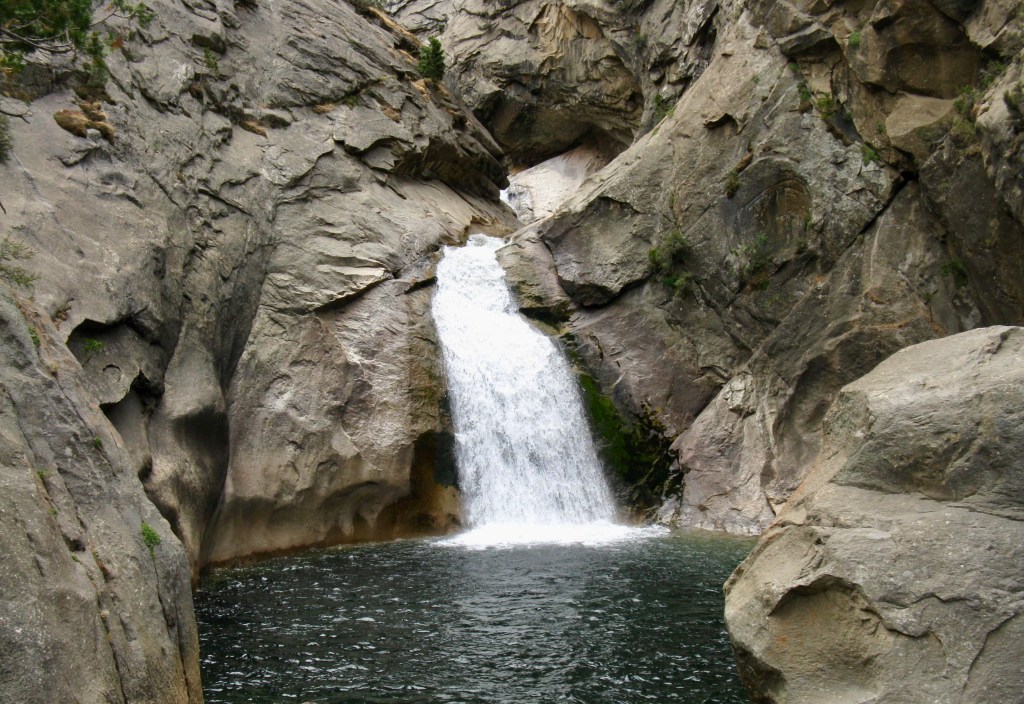
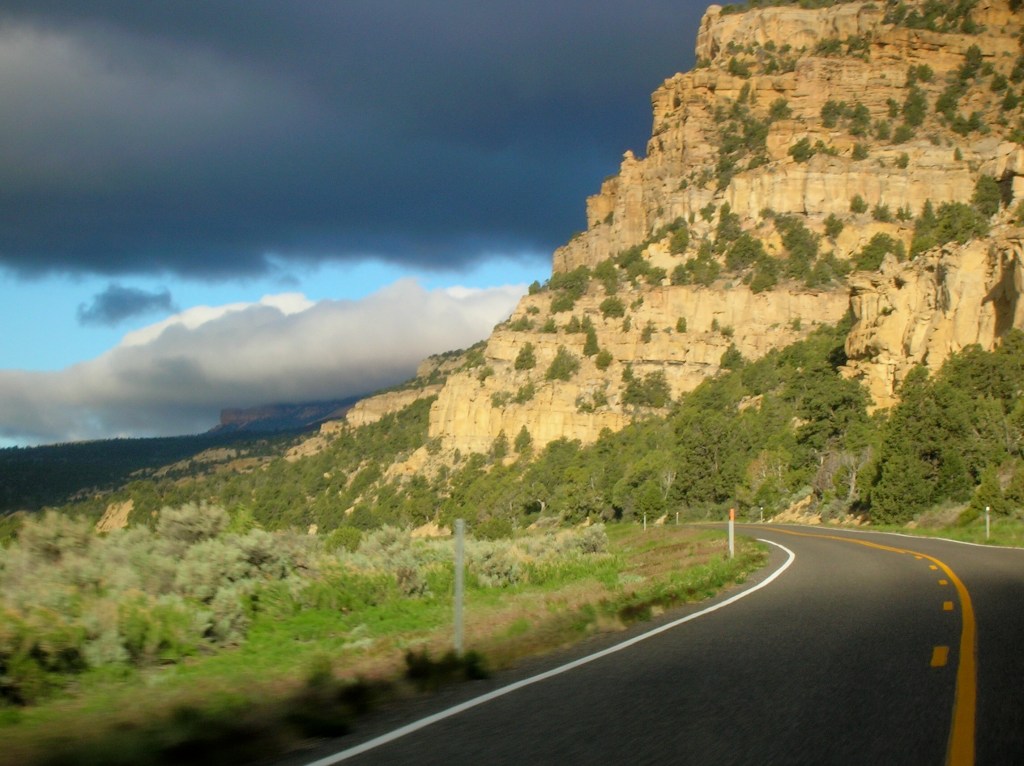
I am happy to share that I have been nominated for the Great Achiever Mahasiddhi Blogger Award by the award’s designer, Kamal Shrestha! From his post describing the award, “I am from a birthplace of Gautam Buddha who enlightened many parts of the world in his lifetime by his wisdom and knowledge of equanimity, or peace of mind which is achieved by detaching oneself from the cycle of craving that produces trouble.” I am delighted to have been chosen to share in an award that continues the work of this spiritual leader by helping bring peace and environmental concerns front and center. Thank you, Kamal – I am honored by your nomination!
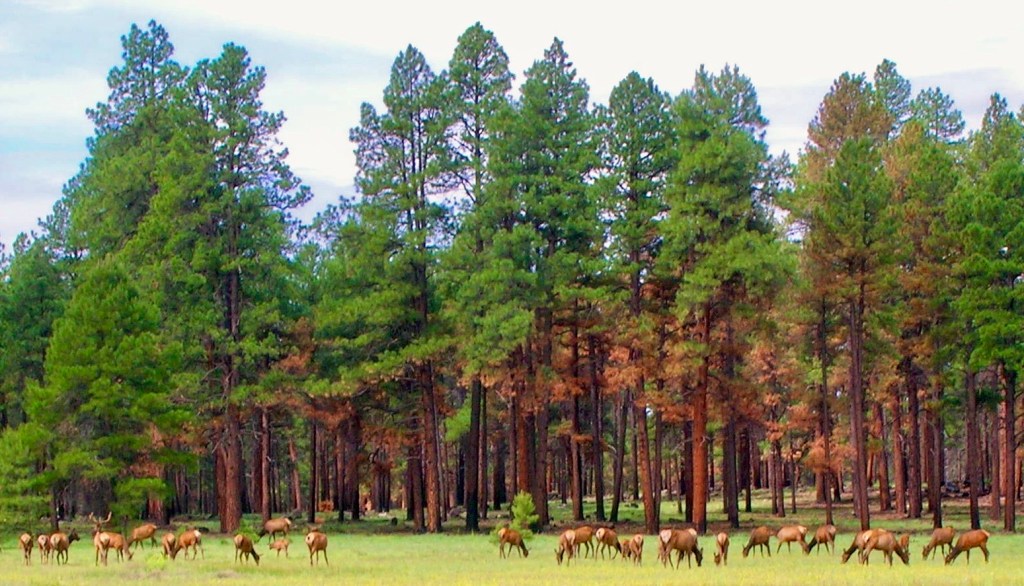
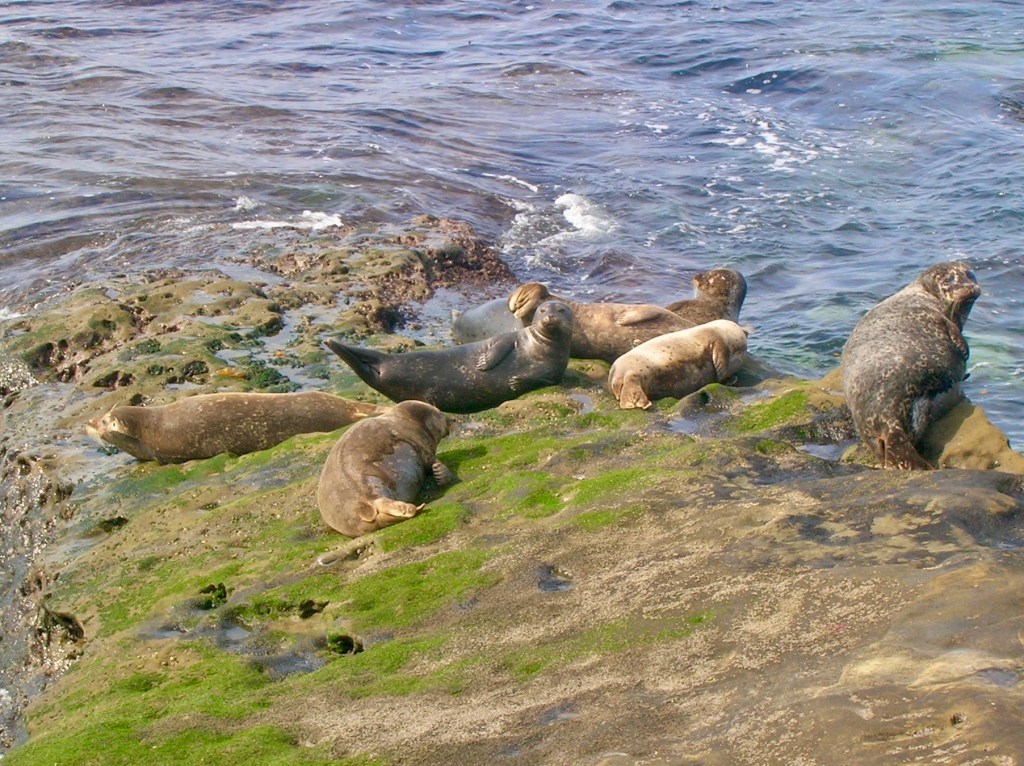
The greatness of a nation and its moral progress can be judged by the way its animals are treated. ~Mahatma Gandhi
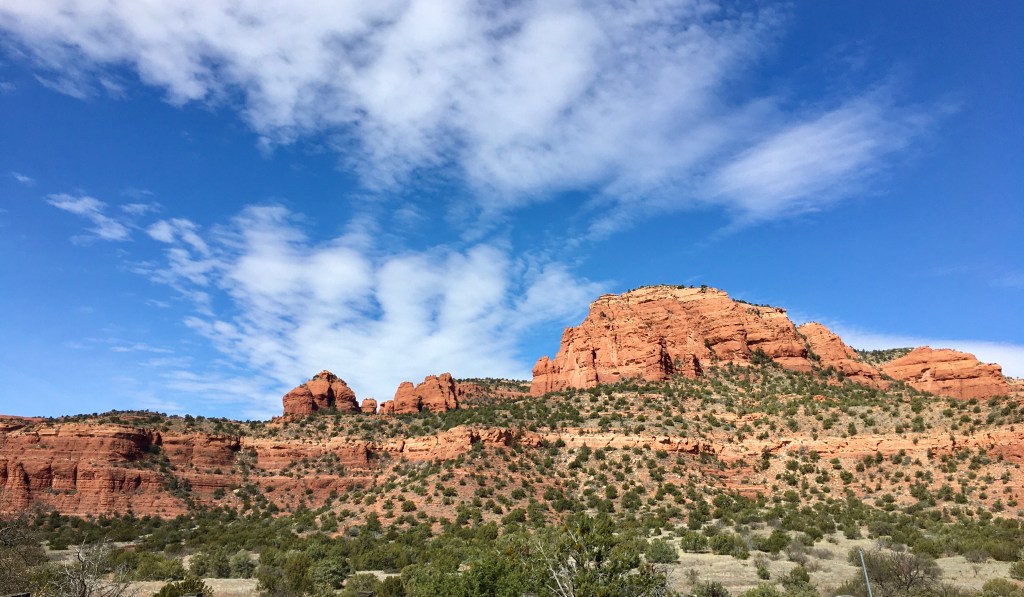
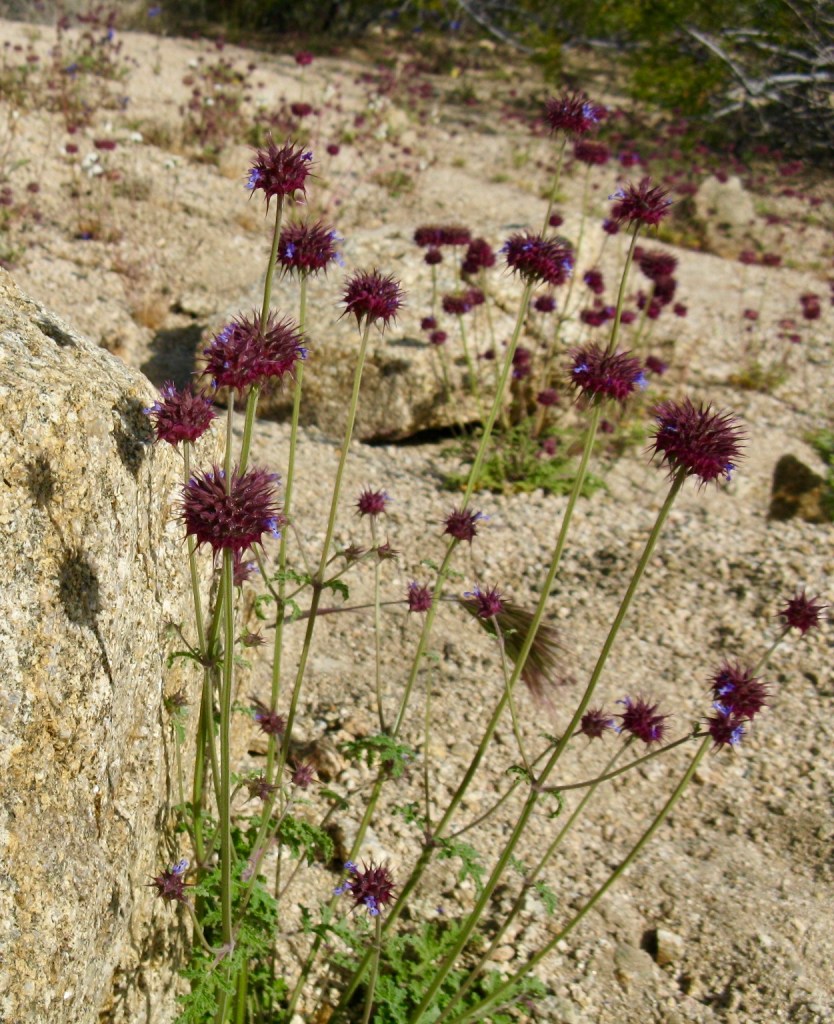
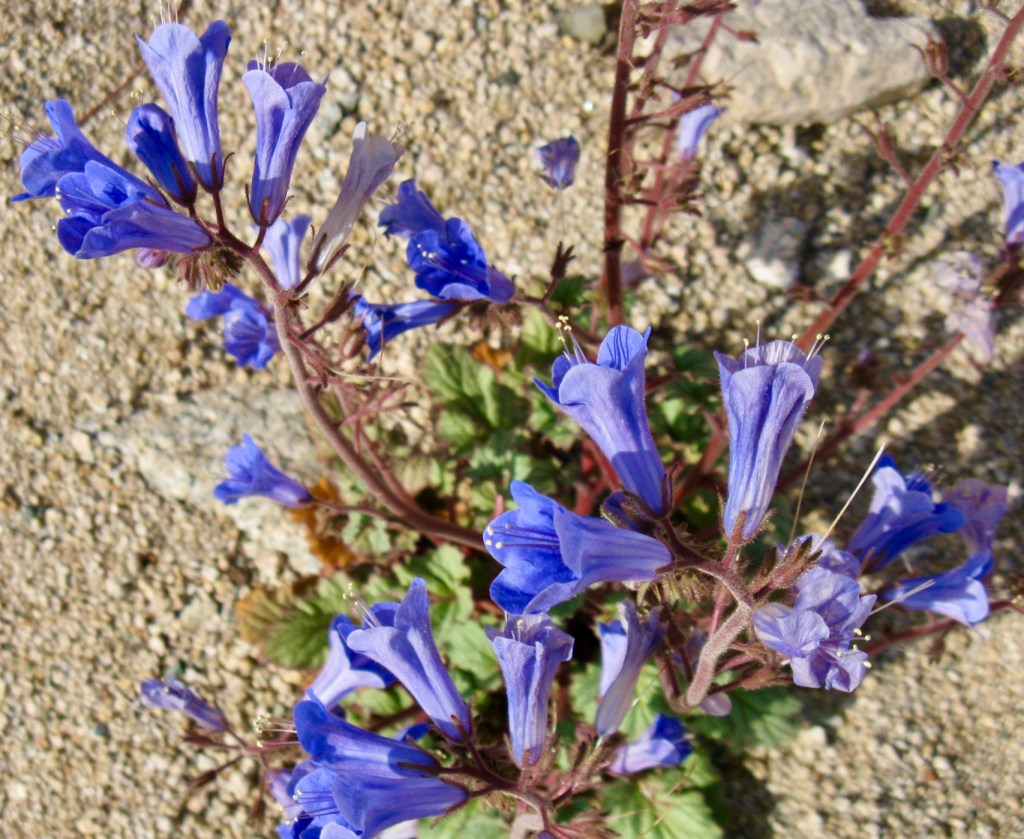
In addition to the idea of animal treatment in Gandhi’s quote above, my feeling is that the treatment of all living things could be included. The ideas of peace and caring for the environment are inseparable in my estimation. By taking care of the earth and all the life that She supports, including humans, other animals, trees, flowers, etc., we:
1. Position ourselves & our vibrations (which show up in all aspects of our personal creations) on the side of love, empathy, & responsibility for that which sustains us
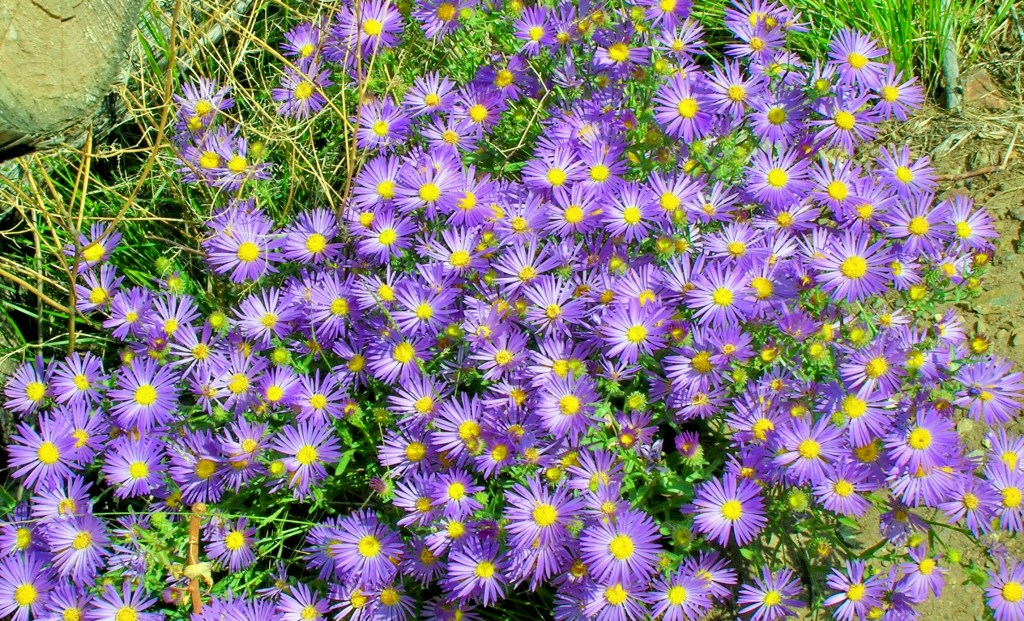
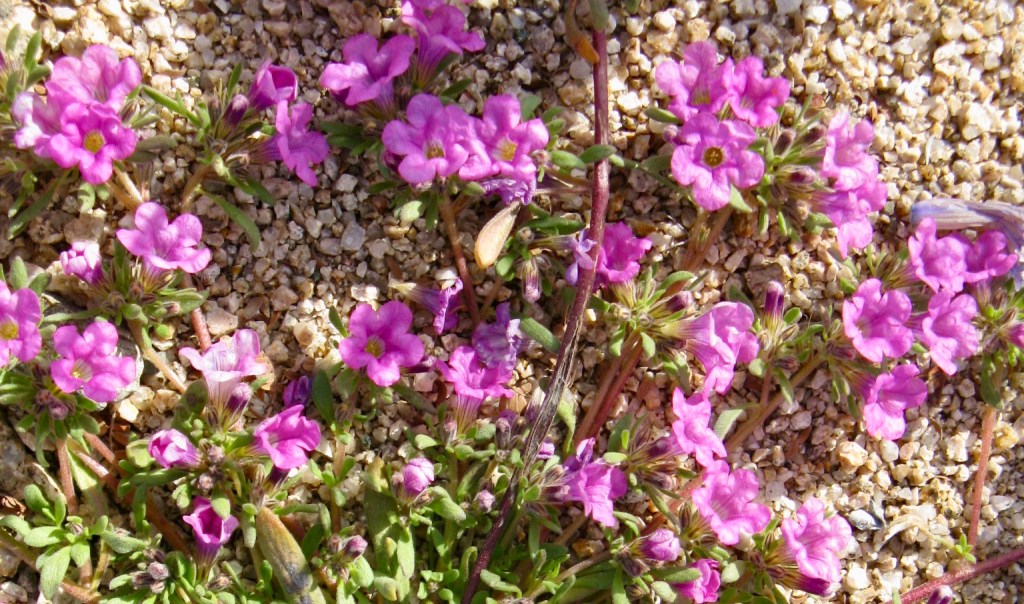
2. Reciprocate the benefits gifted us (usually without our awareness) by plants and animals (for more on this, please check out my posts on Trees, Wildflowers, and Animals)
3. Set the stage for more peaceful weather patterns, rather than the ravages of the last few decades.

Rules & Regulations
1. Thank the person who nominated you and share a link to their blog.
2. Create a post of the award with a statement on the concept of peace & environment.
3. Tag your post with #greatachiever.
4. Share the rules and regulations.
5. Ask 7 questions of your choice. Your questions must include the concepts of peace and environment.
6. Nominate 7 or more fellow bloggers and notify them.
7. Visit & follow @kamalsbloggingcafe (https://kamalsbloggingcafe.wordpress.com) for more details and to secure a badge for certification of GAMBA WORDPRESS SHINING STAR AWARD for PEACE & SAVE ENVIRONMENT.

Kamal’s Questions
- How can you be a good blogger as a member of WordPress Global Village?
I believe writing from the heart results in good content, and respectfully networking with other bloggers creates a true sense of community.
2. Could you please define a word “PEACE” from your point of view?
My definition of peace is a state of mind attained by following your heart in all decision-making to help you become the best version of yourself, thereby avoiding the need to constantly compete, compare, and grasp for material things, power, and addictive substances/activities. (And when you slip & make a bad decision, forgive yourself quickly and continue on with your heart-centered life!)
3. How can we save a tree?
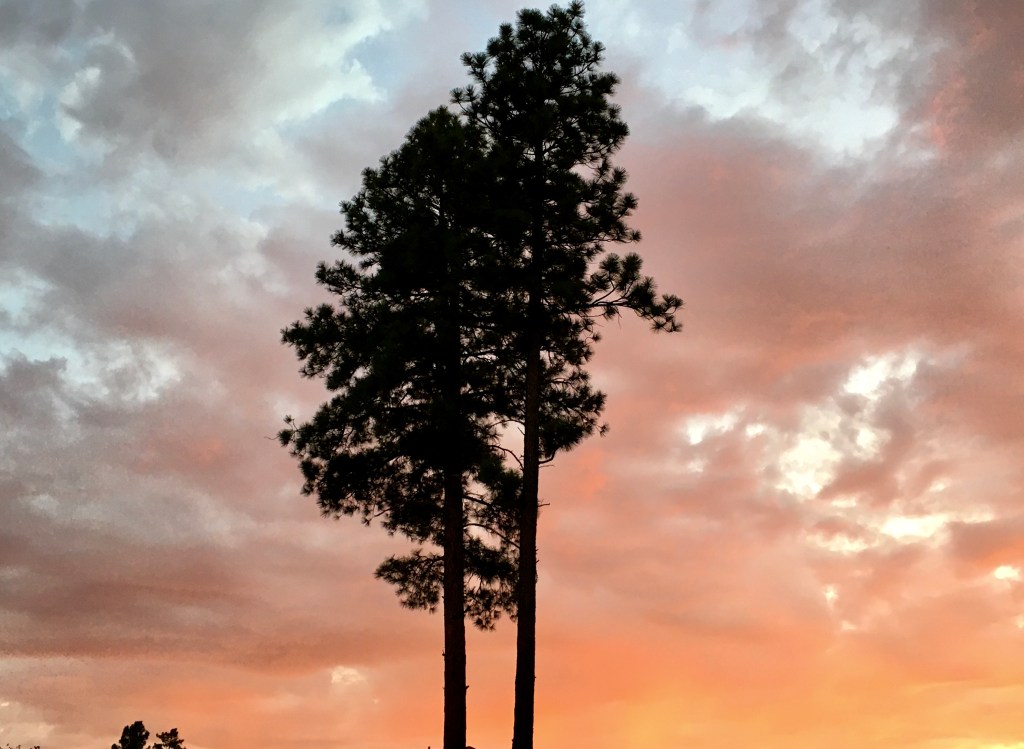
Recycle, reuse, repurpose. In my house, when we print something in error, we save the paper and use the back for grocery lists, to do lists, etc. We save (lightly-used) gift bags to use again. We utilize reusable grocery bags. And at Christmas, to avoid cutting down a tree, we will decorate a pine tree just outside our window. (Our neighbors do this lovely gesture each year!)
4. Do you think human trafficking is still a crosscutting issues?
Absolutely. There are signs in post offices in the Northeastern US warning about human trafficking.
5. What thing do you sacrifice to make a happy family environment?
Time and energy; but I wouldn’t call it sacrificing as much as sharing, which all members do (or might consider doing!) to contribute to a happy family unit.
6. Which animal do you like most? Why?
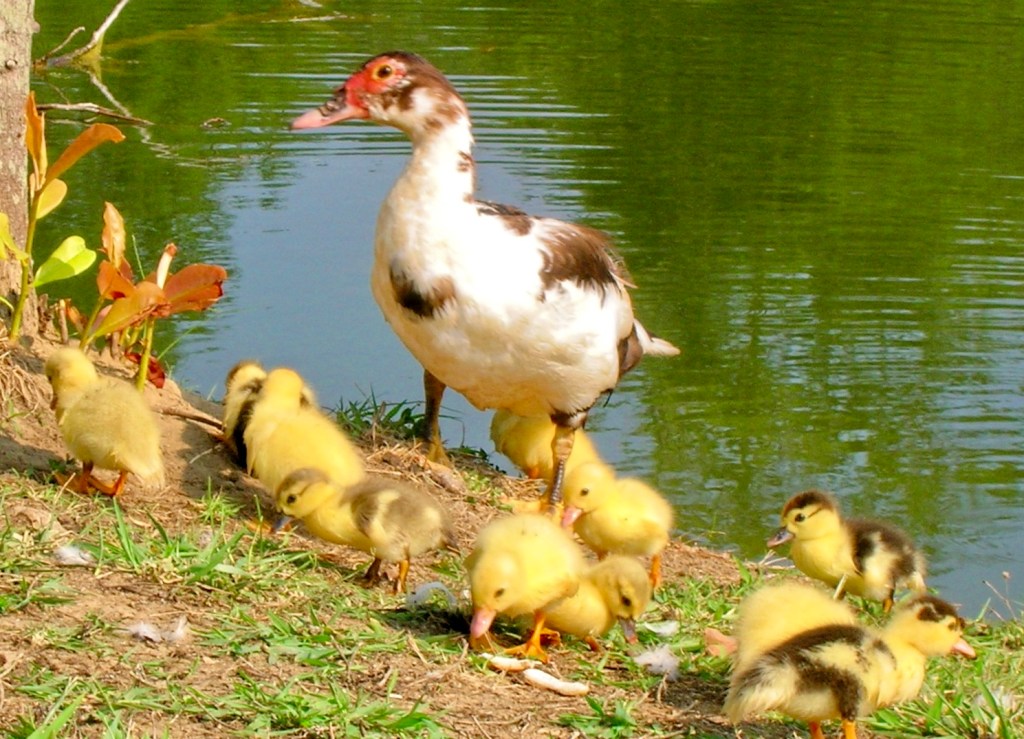
I am a lover of all animals!
7. What do you think about the journalist or YouTubers?
I enjoy a lot of journalists and Youtubers. When reporting “news,” I believe they have a responsibility to either present the truth, or make it obvious that their presentations are fictional.
8. Is a movie-star play a vital role to aware most of the people around the world or just they present their performance to earn money?
Celebrities have a great platform from which to encourage kindness to our fellow man, responsibility for the Earth, and other positive endeavors, and so many of them are doing just that.

My Nominees
- https://hegdetravelphotos.com
- https://reconcile2chaos.wordpress.com
- https://sanctuaryofgreatness.wordpress.com
- https://guyofvibez.art.blog
- https://nonsothewriter.wordpress.com
- https://outanabout.com
- https://eightskies.com
Questions to my Nominees
- Do you believe the intensity of recent wildfires, hurricanes, earthquakes, and other natural disasters have anything to do with the rate at which the Earth is being raped and pillaged for profit?
- Is it your opinion that humans can have meaningful communication with other animals?
- Do you plant or care for trees or flowers?
- How do you define inner peace?
- What small actions do you take to help improve the crisis we are currently living due to environmental degradation?
- Do you think traveling is important to the planet & human race? Why?
- Do you feel it is important to spend time outside? Why?

Congratulations to my nominees, and I look forward to reading your posts! Thank you again, Kamal, this nomination means a lot to me!
Blessings for Peace & Environmental Love,
Lisa
The content of this article is for educational and informational purposes only, and is not intended as medical advice. Please consult with a qualified health care professional before acting on any information presented herein. Any statements about the possible health benefits of any subject discussed have not been evaluated by medical professionals or the Food & Drug Administration and are not intended to diagnose, treat, cure or prevent any disease or illness.