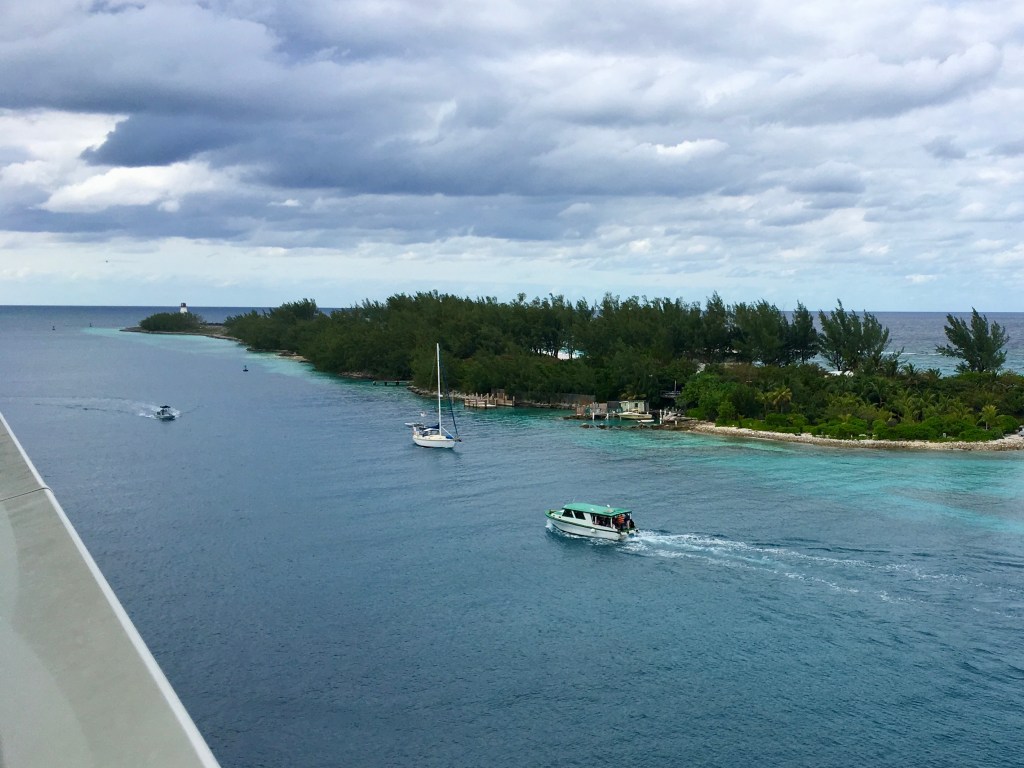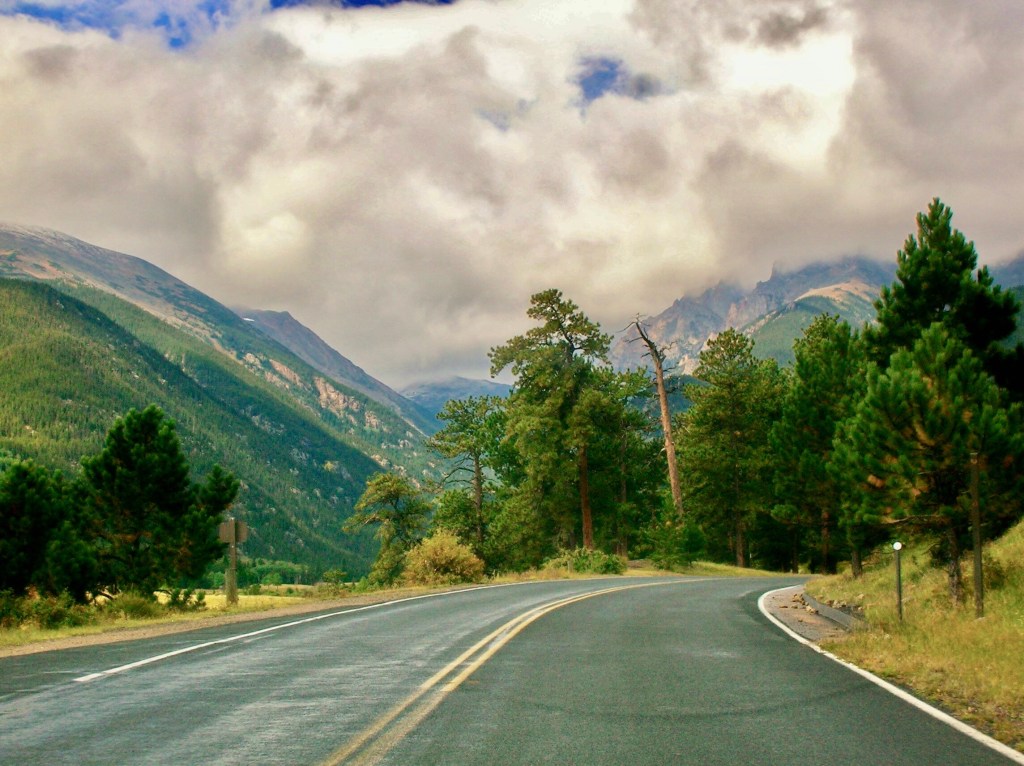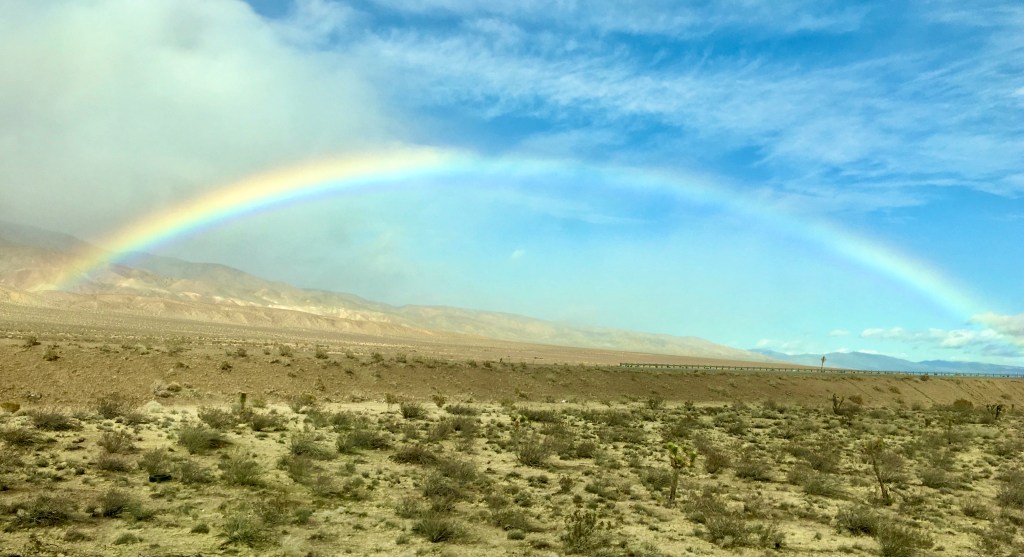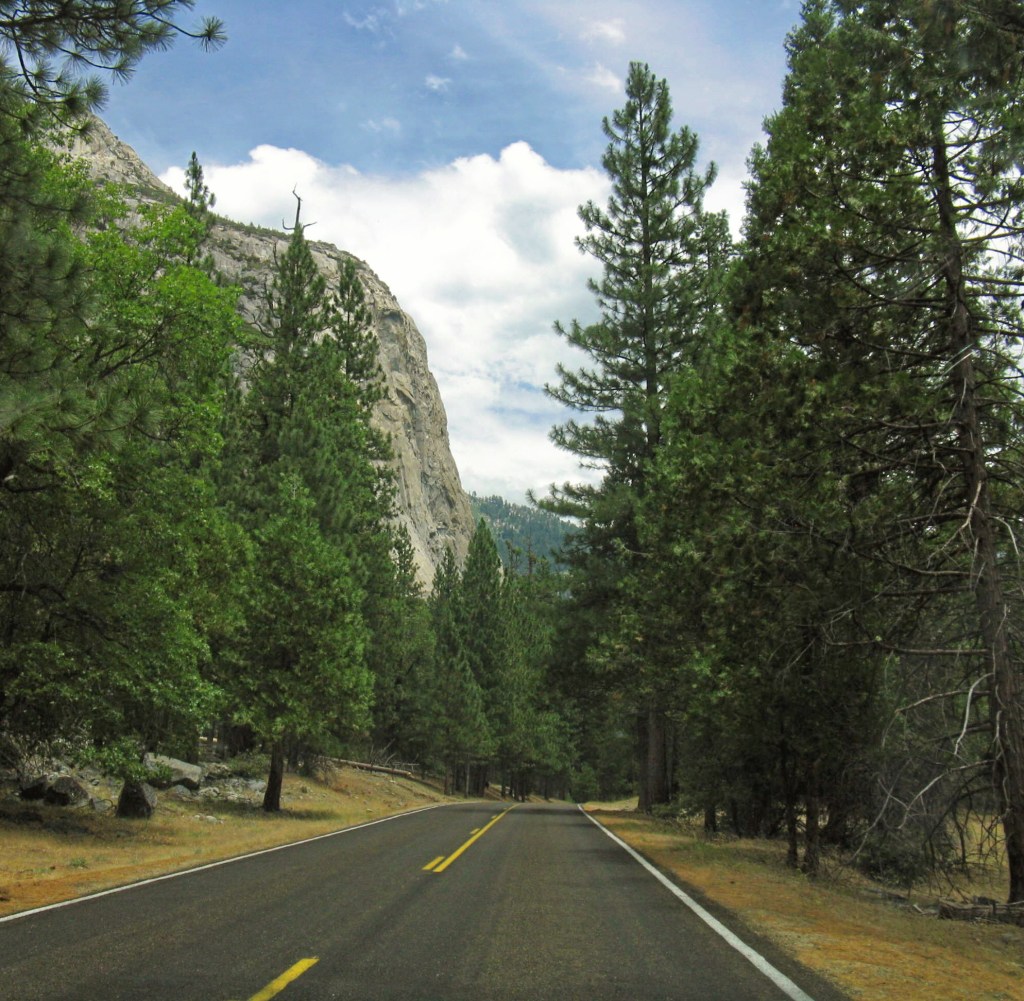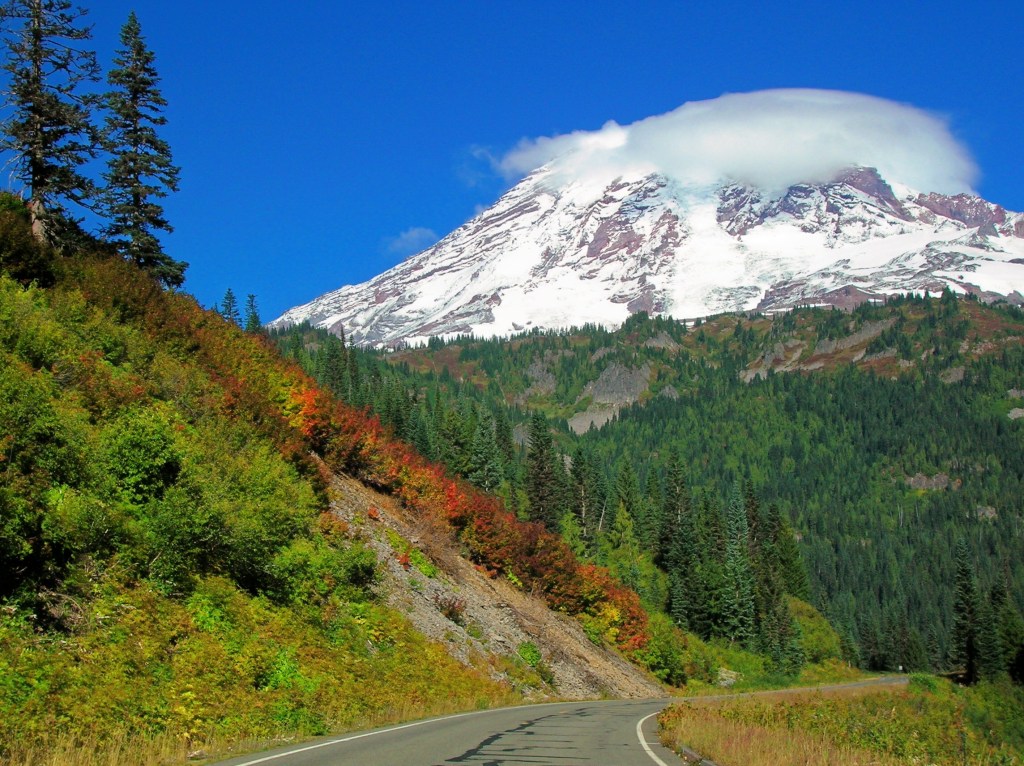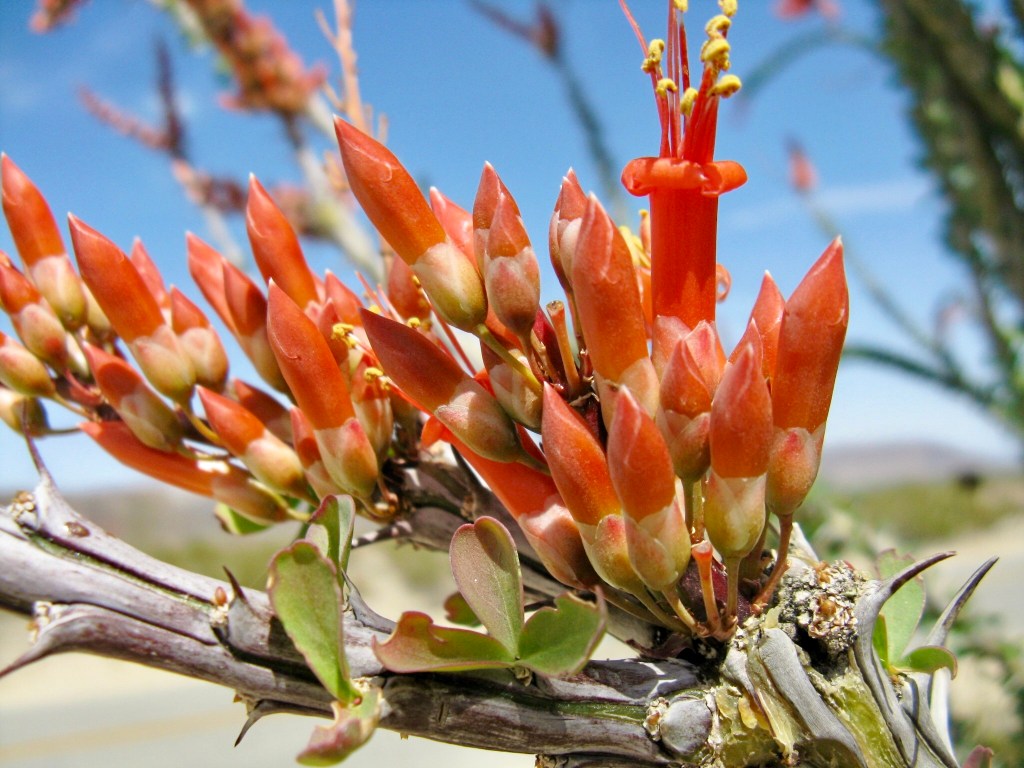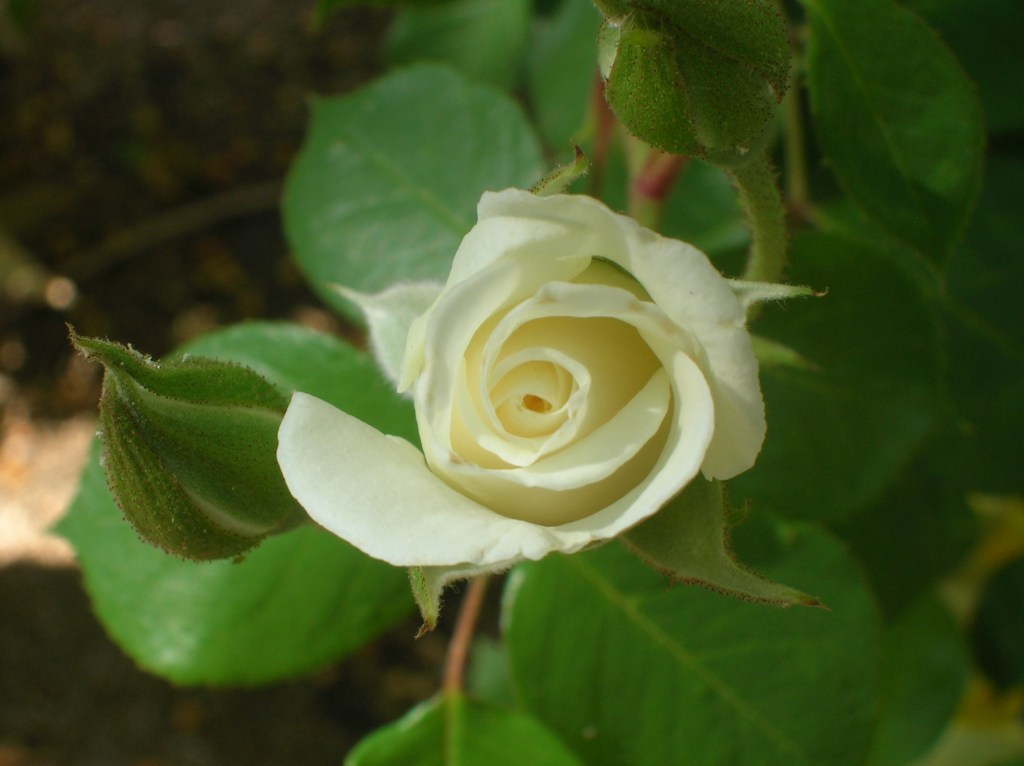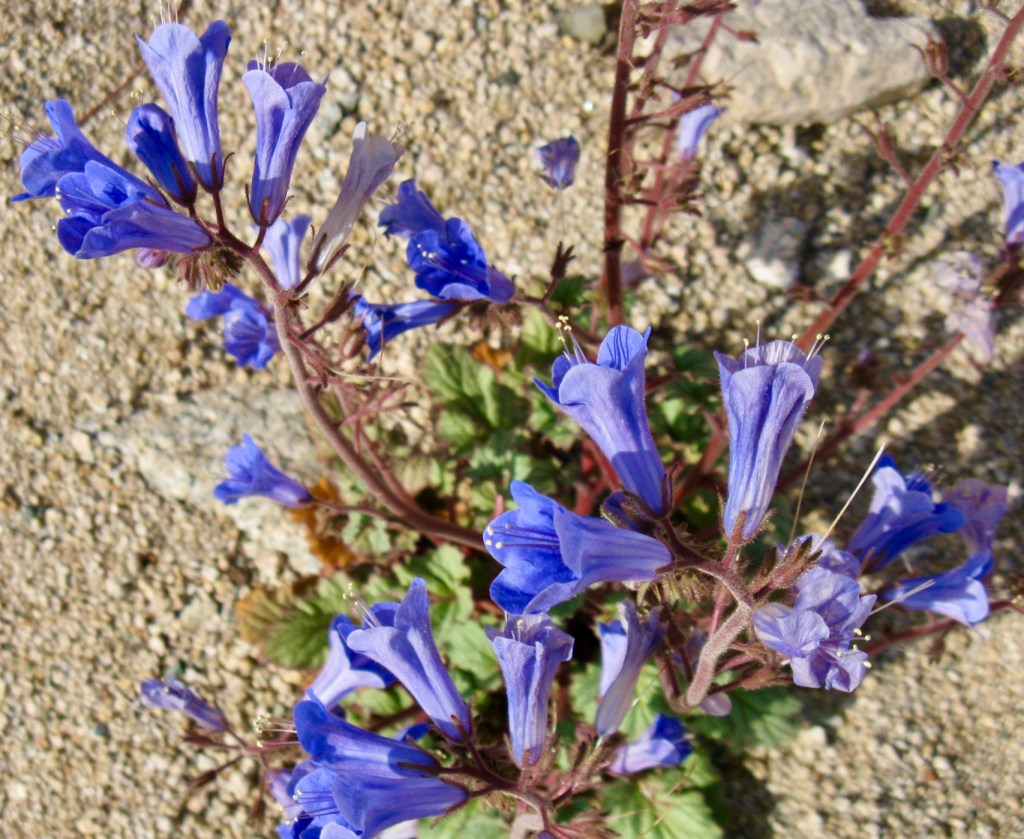
We were made to enjoy music, to enjoy beautiful sunsets, to enjoy looking at the billows of the sea . . . Human beings are actually created for the transcendent, for the sublime, for the beautiful, for the truthful . . . and all of us are given the task of trying to make this world a little more hospitable to these beautiful things. ~Desmond Tutu
What is it about water that we are so drawn to? Why do we crowd beaches on summer holidays? Why do we gasp at the site of a waterfall? What makes a stoney creek so appealing?
So extravagant is Nature with her choicest treasures, spending plant beauty as she spends sunshine, pouring it forth into land and sea, garden and desert. And so the beauty of lilies falls on angels and men, bears and squirrels, wolves and sheep . . . ~John Muir
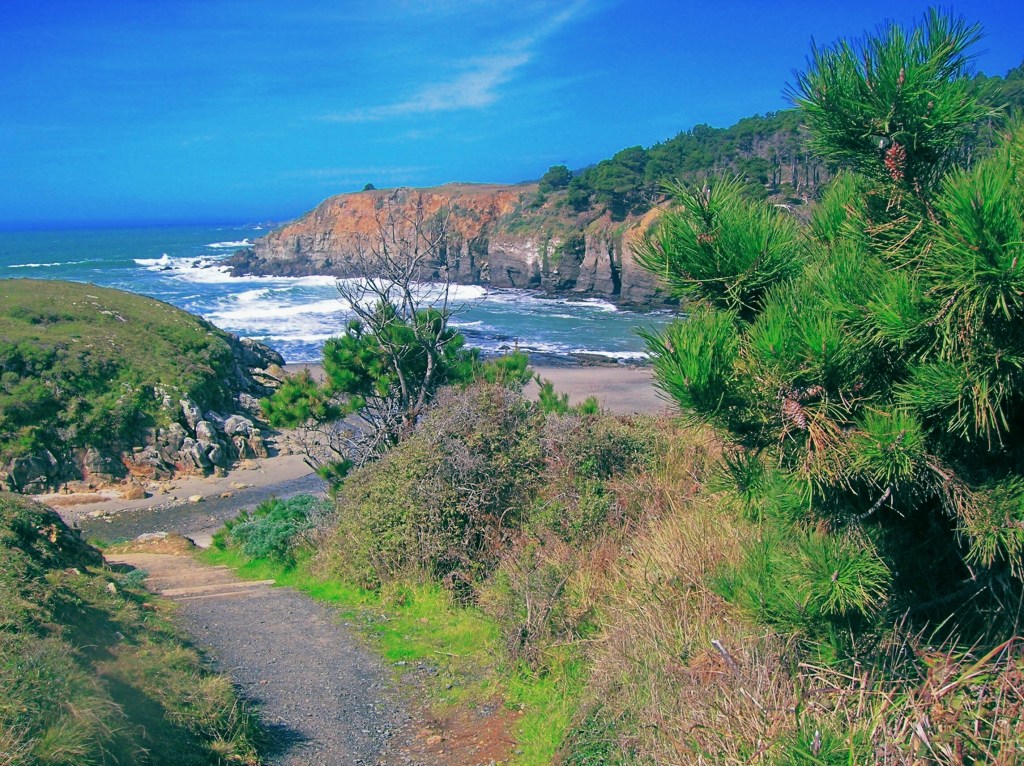
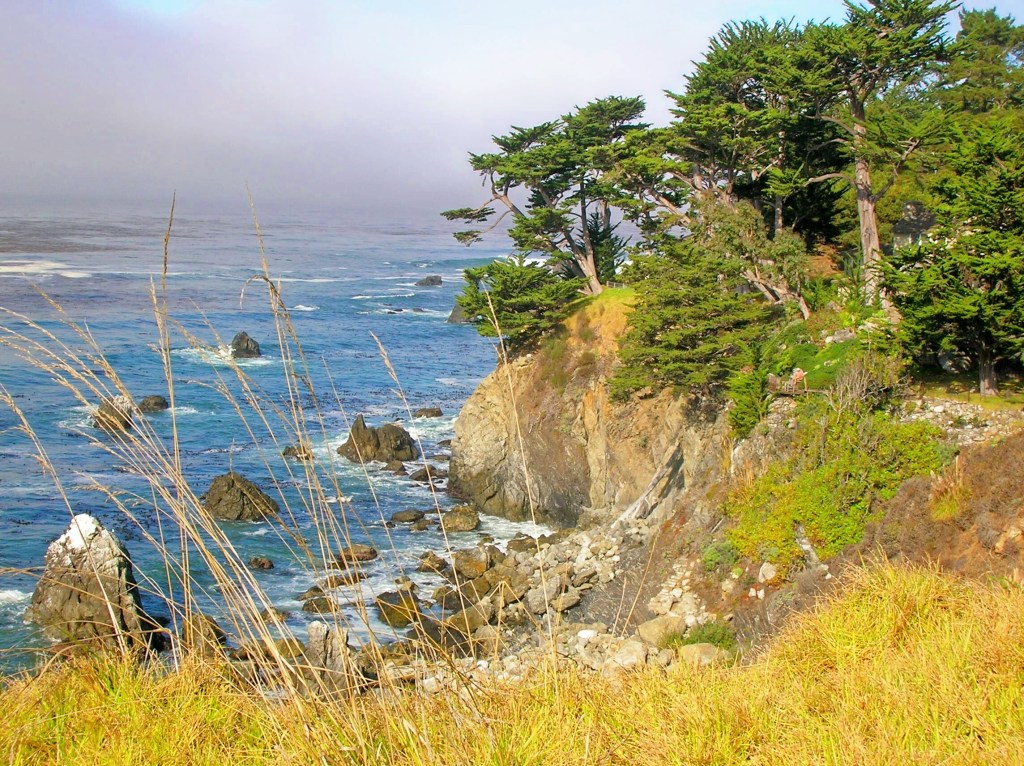
Hidden Inlet in Northern California
Live in the sunshine, swim the sea, drink the wild air. ~Ralph Waldo Emerson
Many have written about water through the ages, including poets, authors, artists, explorers, statesmen, philosophers, and spiritual leaders. They’ve addressed water as our source, as the driving force in nature, and as a metaphor for the whole of humanity.
Water is the softest of all things, yet it is the most powerful. ~Wayne Dyer
Some of my fondest childhood memories involve water. As a small girl, I remember digging for worms in the rich black soil of my grandmother’s back yard. We would then walk together down a rocky dirty road to the pond, carrying our freshly-dug bait and fishing poles made from sugar cane stalks. I don’t recall ever catching any fish, but I will never forget watching the big green dragon flies lighting on the red and white bobs, and being transfixed by the ever-expanding water ripples created when we would cast. We spent a lot of time at that little pond, and the sight of it now takes me back to a sweeter world.
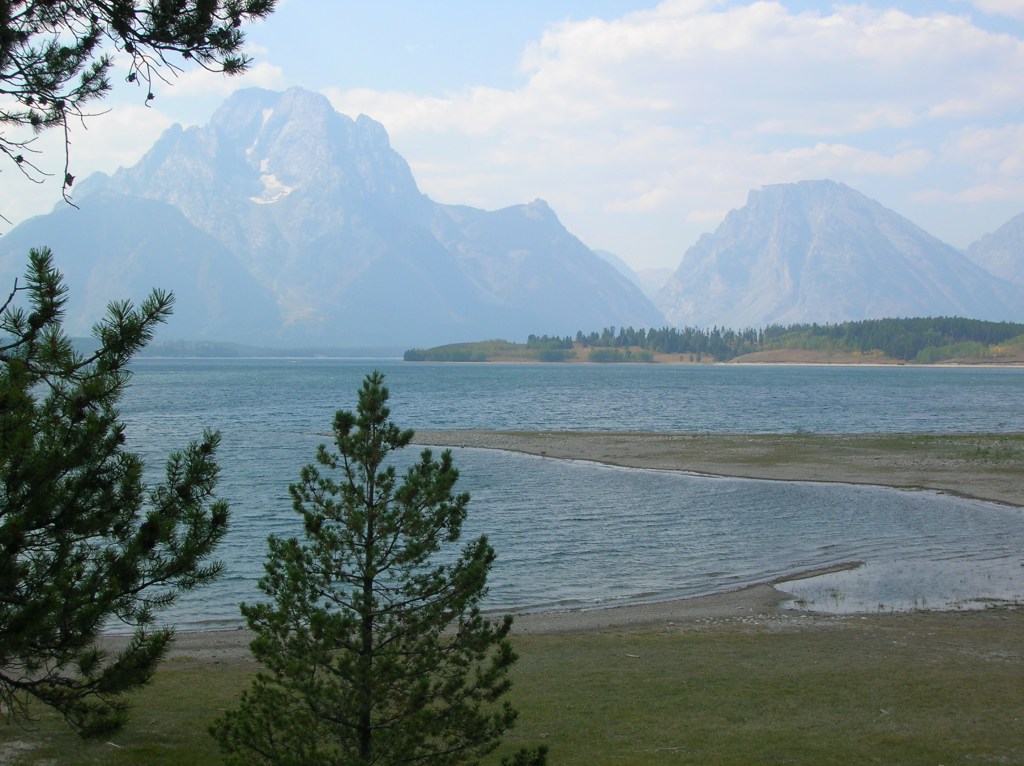
Grand Tetons, Wyoming
The majority of our family vacations were on water, as well. We would load up the car and drive to the panhandle or Crystal River on Florida’s west coast. We swam, sunbathed, and went deep sea fishing. It was always the highlight of the year.
What memories of water do you have? Do you have a special beach, river, or lake that you return to again and again?
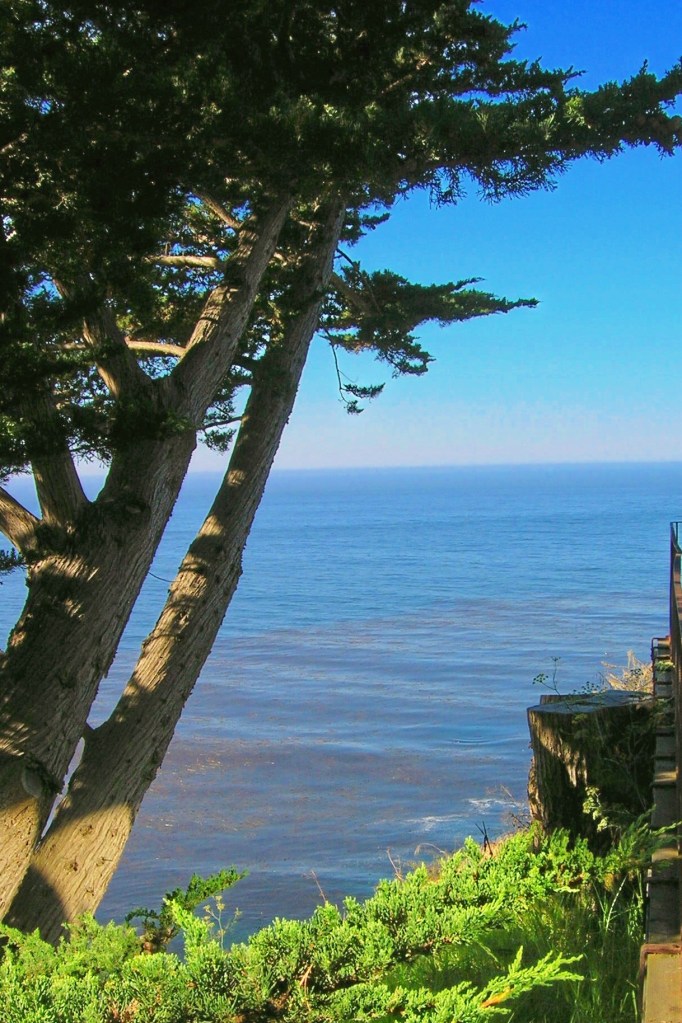
Rocky Coast of Northern California
Don’t sit and wait. Get out there, feel life. Touch the sun, and immerse in the sea. ~Rumi
Blessings for the Love of Water,
Lisa
The content of this article is for educational and informational purposes only, and is not intended as medical advice. Please consult with a qualified health care professional before acting on any information presented herein. Any statements about the possible health benefits of any subject discussed have not been evaluated by medical professionals or the Food & Drug Administration and are not intended to diagnose, treat, cure or prevent any disease or illness.
For the past 4 months, internet searches worldwide have shown a significant increase in the quest for weight loss information, according to Google Trends. It seems covid-19 has taken away not only our freedoms, but also our willpower. Many of us have put on weight as a result of gym closures, more time at home, fewer social interactions, and higher stress levels. Several recent news stories have focused on increased consumer demand for comfort foods such as hamburgers & fries, hot dogs, pizza, and ice cream. These foods, which are often filled with artificial ingredients, salt, sugar, fat, and excess calories, can offer a brief sense of stress relief as a result of their effects on the brain’s reward center, much like cocaine or heroine. But once that fades, we can be left with a sugar crash, extra calories to burn (or store as fat), an unhappy gut, guilt, and/or an overall sense of feeling worse than before we ate them.
So what can we do to make ourselves feel better and drop the extra weight? Learn to work with our bodies. As you may have already discovered from past articles, the health information I share is well outside the box, based on new and not-yet-popular scientific studies. The star of this article, the microbiome, has become an area of extensive study over recent years, and the findings are changing the way we understand the concepts of health and disease. (Side note: some physicians now assert that an unhealthy microbiome underlies all disease. But that is a subject for a future post!)
The beauty of transformation
I’ve written before about the importance of this colony of bacteria in our guts (check out this article for my tips on immunity). What I didn’t mention in past posts is the fact that those bacteria are often in charge of the foods we crave and those we choose to eat. Yes, that’s right, in charge. According to an article from the US National Library of Medicine/National Institutes of Health entitledIs Eating Behavior Manipulated by the Gastrointestinal Microbiota?, the gut bacteria that we “host” can manipulate not only the brain’s reward center, but also our tastebuds, cravings, and mood. Furthermore, the less diverse the bacteria colony (a consequence of taking antibiotics and eating the same nutrient-depleted foods), the more power the bacteria has to manipulate us, increasing our chances of obesity. In fact, the control of the gut bacteria is so exacting that the article refers to them as puppet masters! Frightening, right?
Holiday lunch on the hotel balcony
In order to regain mastery of your cravings and relationship with food, and therefore your weight, it is necessary to diversify your microbiome. Making healthy choices, such as fresh organic fruits and vegetables, seasonal if possible, is a great first step. Introducing new foods to your diet results in new bacteria in your gut. Probiotic food and drinks, such as miso, sauerkraut, tempeh, kombucha, and kefir result in greater numbers of diverse healthy bacteria. Fiber-rich prebiotic foods, such as onions, garlic, leeks, asparagus, artichokes, dandelion greens and jicama support the growth of those good bacteria. And a healthy, diversified colony of microbes can help you make healthier food choices in the days, months and years ahead.
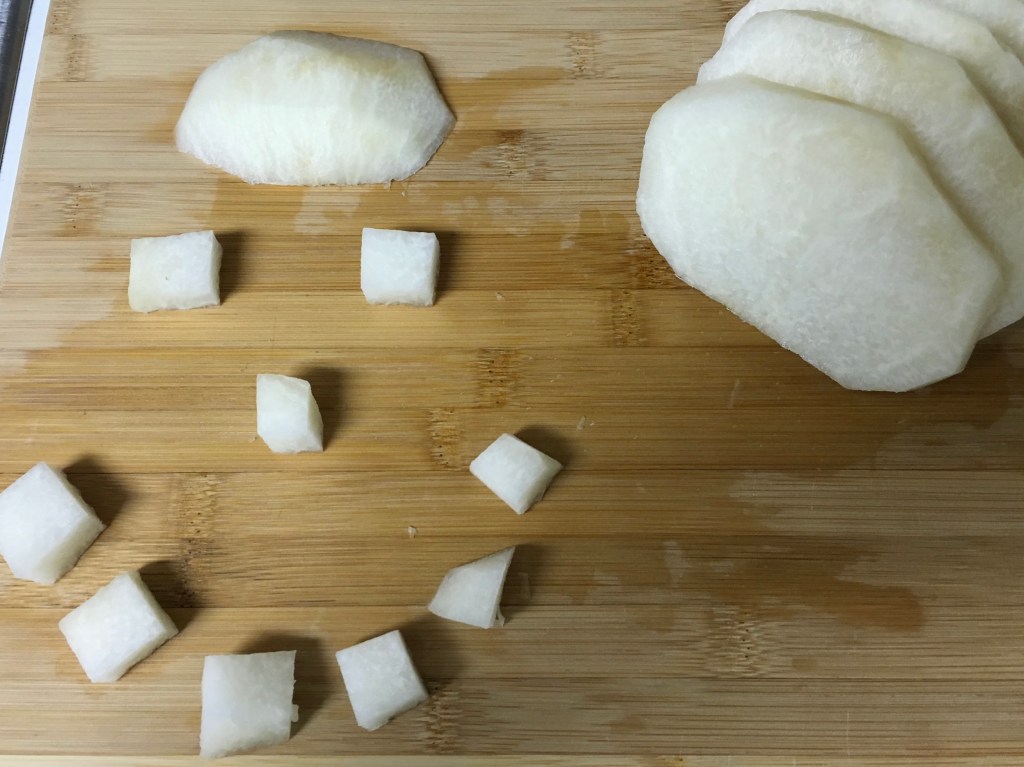
The joys of jicama!
Fiber is extremely beneficial for gut bacteria, according to Justin & Erica Sonnenburg, PhDs, researchers at Stanford’s University of Medicine. Fiber is actually a carbohydrate (something you might want to consider if you’re doing keto or another low-carb diet) that is indigestible. The Sonnenburgs’ research team has done long-term studies of the gut bacteria of a hunter-gatherer tribe in Tanzania, whose members are considered models of vitality. Their studies revealed that each member of the tribe consumes between 100 and 150 grams of dietary fiber daily. Most Americans, it pains me to say, take in about 15 grams per day.
In addition to being a favorite food of the good gut bacteria, fiber also helps your body eliminate toxic chemicals, such as artificial food additives, pesticides, and environmental pollutants. These toxins, often stored in fats, interrupt the body’s normal functioning around blood sugar and cholesterol, which can lead to diabetes and obesity. (For more on this, click this link : Environmental Pollution and Diabetes: a Neglected Association.)
Proper hydration makes your microbiome happy, as well. (For additional info, see my article Hydration – No, Really). Healthy fats like seeds, nuts, and avocados are deeply hydrating and should be a part of your daily intake. Drinking plenty of mineralized water (made with fresh lemon juice and/or Himalayan salt) & eating lots of melons, cucumbers, celery, grapes, peaches, berries, & other water-rich fruits keeps your cells & fascia hydrated. When your body is not properly hydrated, you become unable to regularly eliminate food and toxins. You have less energy. You can feel dull and heavy. Your blood thickens, making your heart and kidneys work harder. (Check out New York Times best-selling author Anthony William’s book Liver Rescue.) A poorly-hydrated body cannot function optimally, and may very well thwart your weight loss efforts.
A happy sunflower field
Eating fewer flesh foods, dairy, and eggs may also help. Not to say that you need to become vegan, but I’d like to share my experience with you. I adopted a whole foods plant based vegan diet in stages. I became vegetarian first, and lost so much weight, so fast, that it scared me. In fact, I started binging on granola to stop the weight loss! Years later, after learning about the evils of animal protein, I gave up cheese and eggs, which made me totally vegan. Again, I lost a lot of weight in a very short period. A testament, I believe, to the power of good plant food bacteria crowding out animal food bacteria in my gut.
The folks that live in Blue Zones, the places that have the healthiest, longest-lived populations in the world, also eat whole food plant based diets. If they do eat meat or dairy, it is only a few times a month, and in very small portions. In these areas, it is common for people to age without the chronic diseases that plague the majority of Americans, and to have leaner builds.
Weight loss is something many of us struggle with. At a time like the present, when stress and uncertainty abound, food often becomes a great source of comfort. Choosing to supply your microbiome with the good stuff goes a long way in helping you accomplish your weight loss goals and feel better. And, not just for now, but for a lifetime.
Blessings for a Healthy Microbiome,
Lisa
The content of this article is for educational and informational purposes only, and is not intended as medical advice. Please consult with a qualified health care professional before acting on any information presented herein. Any statements about the possible health benefits of any subject discussed have not been evaluated by medical professionals or the Food & Drug Administration and are not intended to diagnose, treat, cure or prevent any disease or illness.
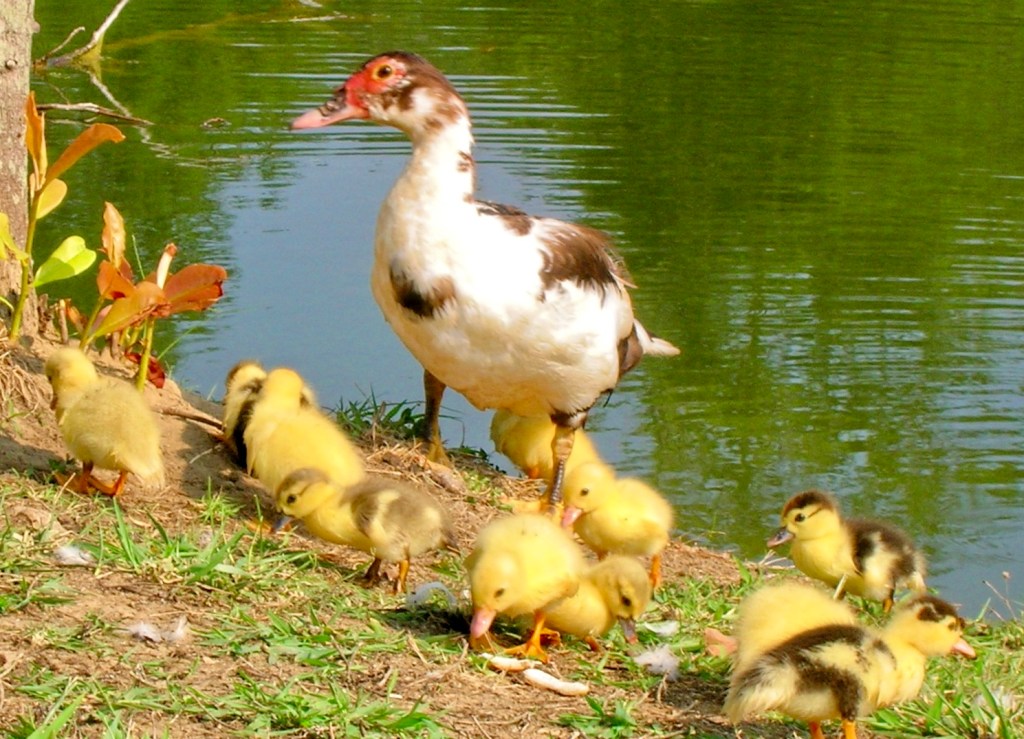
Recently, I was asked about the theme of my blog. I’ve written on human health, environmental issues, the beauty of nature, travel, vegan recipes, gratitude and unity. You, too, may have wondered in past weeks, what do these ideas have in common? After giving a lot of thought to helping you better understand, I have updated my About page. The revised text follows.
Humans are a part of the biological system called Nature. Mother Earth, all living things, every mountain, drop of water, and grain of sand are made of the same elements that we are, and together, we exist within the same Universal Fabric. Quantum physics shows this Universal Fabric, even the part we see as empty space, to be conscious and interdependent. All of our actions, large or small, feelings, thoughts, and intentions affect not only our own lives, but all that exists within the entire Fabric, for better or for worse. What’s good for one of us, the Micro, is good for the whole, the Macro. (For example, feelings of love and gratitude are good for each of us, as well as all of existence.) And those things that are not beneficial for the Macro do not benefit the Micro. (For example, chemically treated crops are not good for the Earth’s soils or a person’s gut.)
This idea is not new. The Micro of the Macro concept originated in the healing system of Ayurveda, (from the Sanskrit Ayur, meaning life, and Veda, meaning science or knowledge) which dates back 3000 years. This ancient system is firmly rooted in the idea that a healthy balance between mind, body, spirit, and environment creates an optimal state, therefore preventing disease.
In this blog, we explore themes that can help balance the Micro with the Macro. You’ll see data from new health studies, nature photos, travel essays, vegan recipes, philosophy, poetry, and other reverent musings. You’ll also receive links to empowering websites and podcasts, as well as information on the physicians, scientists, & other individuals on the cutting edge of helping further an aligned humanity, and whose voices need to be heard.
Please join me in exploring and celebrating this beautiful privilege and responsibility each of us has, living as a Micro of the Macro.
In short, this blog is about Life: our lives in relation to those of other living beings and our interactions with Earth, the only home that we have. When we take measures to improve our individual lives in meaningful ways, the whole of Life benefits.
Healthy eating is one of the best ways to improve your own health and that of the planet. By eating an organic whole food plant based diet, not only can you spare the lives of innocent animals, but you also vote (with your dollars) for a food system that is less toxic, and therefore healthier for us and our environment. When you supply your microbiome with these much-needed nutrient-dense foods, it responds in ways that nourish the brain and other vital organs. (Learn more in my article Thinking Outside the COVID-19 Box: 10 Ways to Boost Immune Function.) You feel better physically and mentally, which can result in positive interactions between you and your family, colleagues, and community.
Traveling allows you to better understand and accept people and ways of living that may have at one time seemed frighteningly different. In last week’s post, Six Reasons to Gift Yourself with Travel, I outlined some of the benefits of travel, both individually and collectively speaking. Some of those benefits include increased tolerance and appreciation of other populations and the natural world, a broader understanding of current events, and an education unlike any other. These ideas can benefit not only the traveler, but also the human race and the planet.
According to Nancy Etcoff, psychologist and researcher at Harvard University, beauty is instinctual and essential to life. (Did you see my photo essay For the Love of Beauty?) Spending time in nature, surrounded by the beauty of mountains, ocean, forest, or wildlife, reconnects us with our origins and opens our hearts. Sunshine super-charges our mitochondria and helps our bodies produce vitamin D. Trees emit love in the form of oxygen, along with health-inducing chemicals. The sounds of birdsong and rustling leaves result in stress reduction. Colorful sunsets can be awe-inspiring. Again, a win-win for the Micro and the Macro.
Maintaining an ongoing practice of gratitude can help you get through trying times. Focusing on and being grateful for the positives in any situation helps infuse a higher vibration in all your thoughts and deeds. Many studies have been done on gratitude, and its health benefits include lower blood pressure, better cholesterol levels, feeling more socially connected, experiencing less anger & anxiety, and better sleep. (Check out my article Does “In All Things Give Thanks” Apply to These Times?) The kicker is, the Universe matches your vibration, providing more higher-vibe situations. You can see how this can help align your efforts with the betterment of the whole, right?
And unity. What a time to address the subject of unity, when people around the world are more divided than ever by disease, politics, prejudice, and financial status, but so many are raising their hearts and voices in defiance of it all. Some changes have already been implemented, and I believe many more are imminent. (Did you catch my article Unity Rising?) Unity and equality involve not only reformed interaction between the powers that be and our communities, but also a renewed commitment to caring for the Earth that sustains us. This sentiment is being echoed far and wide, by indigenous peoples, environmental journalists, animal rights advocates, and youngsters who are rightfully fearful of climate change robbing them of long lives. Unity is woven by love, a love demonstrated by peaceful protestors, food pantry volunteers, and a host of front-line workers. It is strengthened by attention shared with families and friends as we continue to shelter at home, check on our neighbors, and stay in touch with friends. It is made brighter by an appreciation of Mother Earth, as we go outdoors for temporary respite from this heavy reality. And, rest assured, it has always been a part of us, but must have gotten lost on our to-do lists in the pre-covid status quo.
I hope you now have a better understanding of the theme of my blog. Fact is, each of us is a Micro of the Macro, entrenched in the biology of Nature. This platform, with its many diverse subjects, is designed to lovingly encourage you to align with the whole, for improved personal & planetary health, and the betterment of mankind.
Blessings for Clarity,
Lisa
The content of this article is for educational and informational purposes only, and is not intended as medical advice. Please consult with a qualified health care professional before acting on any information presented herein. Any statements about the possible health benefits of any subject discussed have not been evaluated by medical professionals or the Food & Drug Administration and are not intended to diagnose, treat, cure or prevent any disease or illness.
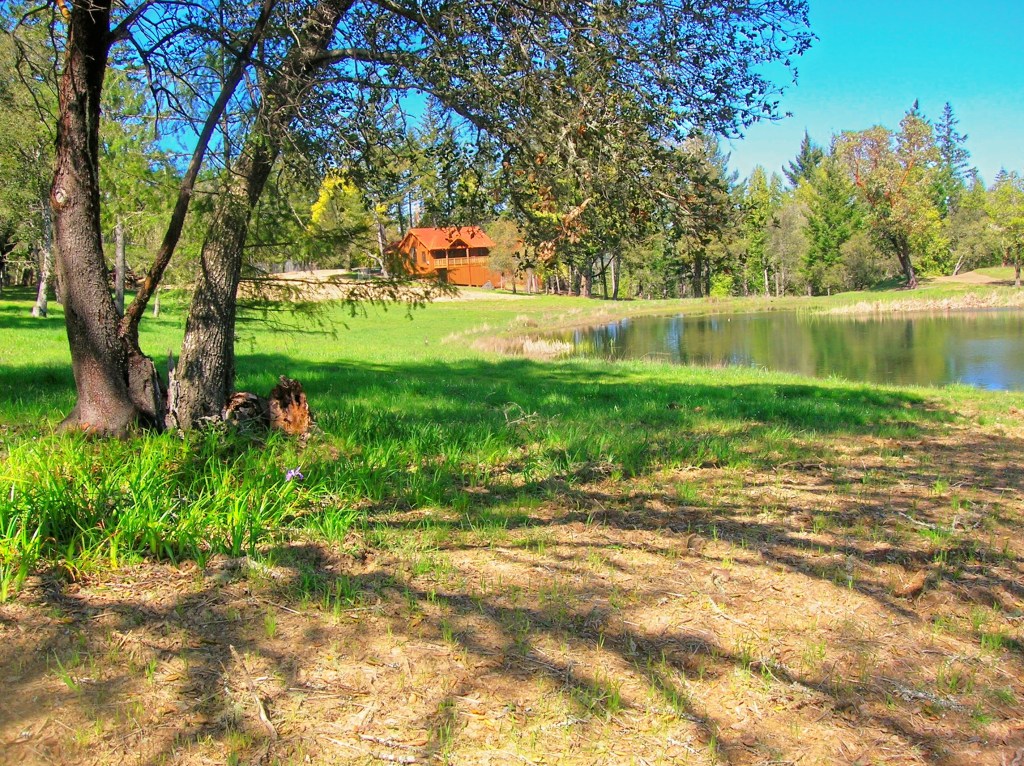
Before I started traveling, I was showered with advice from friends and family. They said things like travel is dangerous, those people don’t like Americans, and you’ll be back home sooner than later (a home that I never, by the way, returned to.) They all meant well, of course, but I’m not sure how many of them had done any traveling of their own, especially to destinations across the pond. In retrospect, I’m thinking maybe they were giving me their often fear-based advice based on what they had heard or assumed. Fact is, I’ve enjoyed all the places I’ve visited, and I’ve never felt ill at ease. Learning about new cultures is fascinating to me. I love hiking and biking new landscapes, towns, and villages. It’s thrilling to see with my own eyes the ancient structures first glimpsed in the textbook of my college Renaissance Art and Architecture class. And the people I’ve met couldn’t have been nicer, both the other travelers and the locals, who are always more than happy to direct me to the nearest train station or cafe, or point me in the right direction when I’m lost. In fact, I have come to believe that travel is a gift with life-long benefits, and I’m so grateful for my experiences (as well as the opportunities that await!)
As a result, my advice is much different: I feel you’re selling yourself short if you don’t travel! Of course, it’s never a bad idea to check for travel advisories, read guidebooks in advance, and be aware of your surroundings (which is true at home, as well), but there’s no need to be fearful with good attention and preparation, even if you’re not part of a group. Below, you’ll find some of the reasons I feel travel can be a gift for all of us, both individually and collectively.
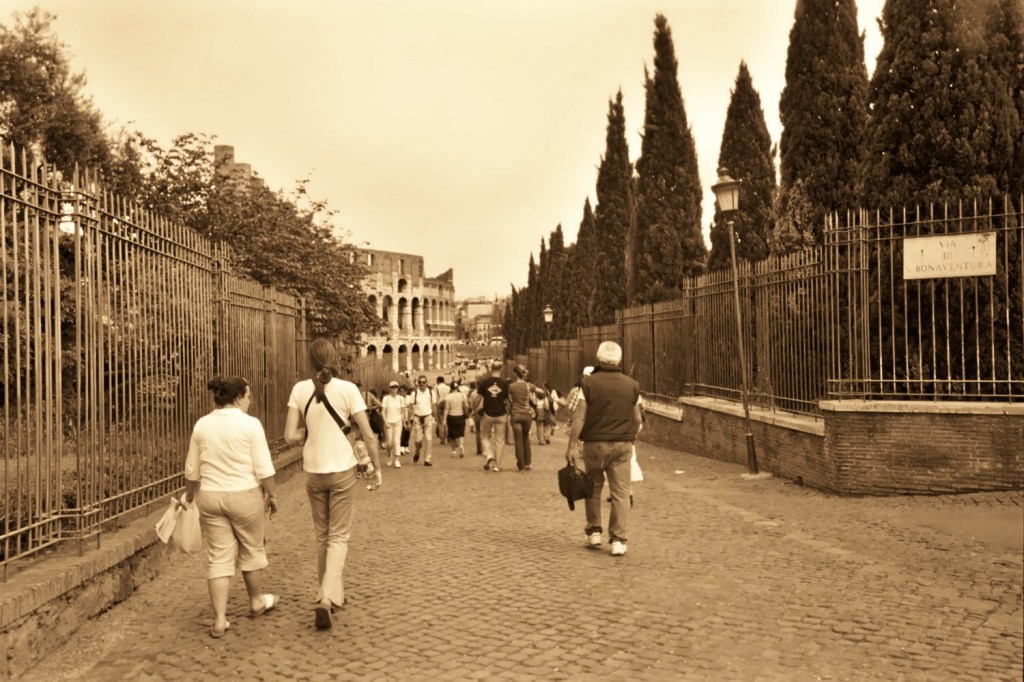
Walkway to the Colosseum in Rome
Experiencing new places and cultures allows you to get to know some of the populations you’ve heard about in the news, and therefore reduces fear. The idea of hate, or intense aversion, is often rooted in fear. Being in a distant land, whether in this country or another, you learn that people are fundamentally like you: they love, care for their families, work, take part in community, walk their dog, prepare meals, and treasure their beliefs. It’s truly an affirmation of life to witness the similarities.
Travel is fatal to prejudice, bigotry, andnarrow-mindedness. ~Mark Twain
Second only to the benefit of reducing fear is the fact that travel is one of the best educational experiences there is. While you’re experiencing new cultures, you learn about history, politics, religion, art, language, food, flora, fauna, geography, topography, and on and on. You may gain a new understanding of why things are as they are in that part of the world. Additionally, you might be challenged to plan your train or bus route, communicate with native speakers, find a restaurant, or locate a merchant who sells good wine and crusty bread or locally sourced souvenirs for the folks back home. Being outside your daily norm can really augment your brain activity.
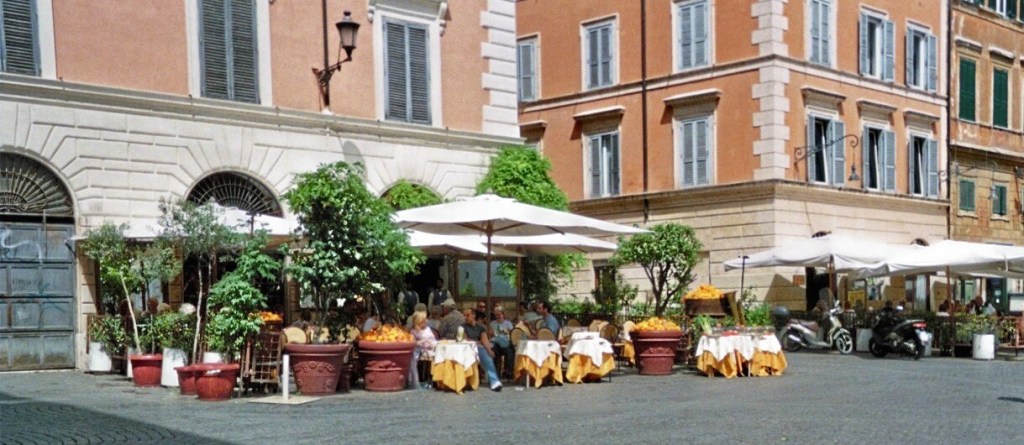
Tables in an alley at a cafe in Rome
Travel will broaden your appreciation of nature and humanity in general. This planet is amazingly diverse and beautiful, and that realization could lead you to the ideas of protecting and preserving Her for future generations. During your travels, you may come upon trees, flowers, or animals you’ve never seen. You might be delighted by waterfalls, snow-capped mountains, green seas, or volcanos. And after getting comfortable with the folks you once considered foreigners, your capacity for empathy expands.
The world is full of wonderful things you haven’t seen yet. Don’t ever give up on the chance of seeing them. ~J.K. Rowling
Moderate stress, the kind that traveling causes, can be good for you. Being in a strange land, interacting with new people, doing new things, trying new foods, and simply going outside of your normal routine brings about moderate stress, which can result in increased energy and focus, improved memory, and bolstered immunity (https://www.learning-mind.com/positive-effects-of-stress/).
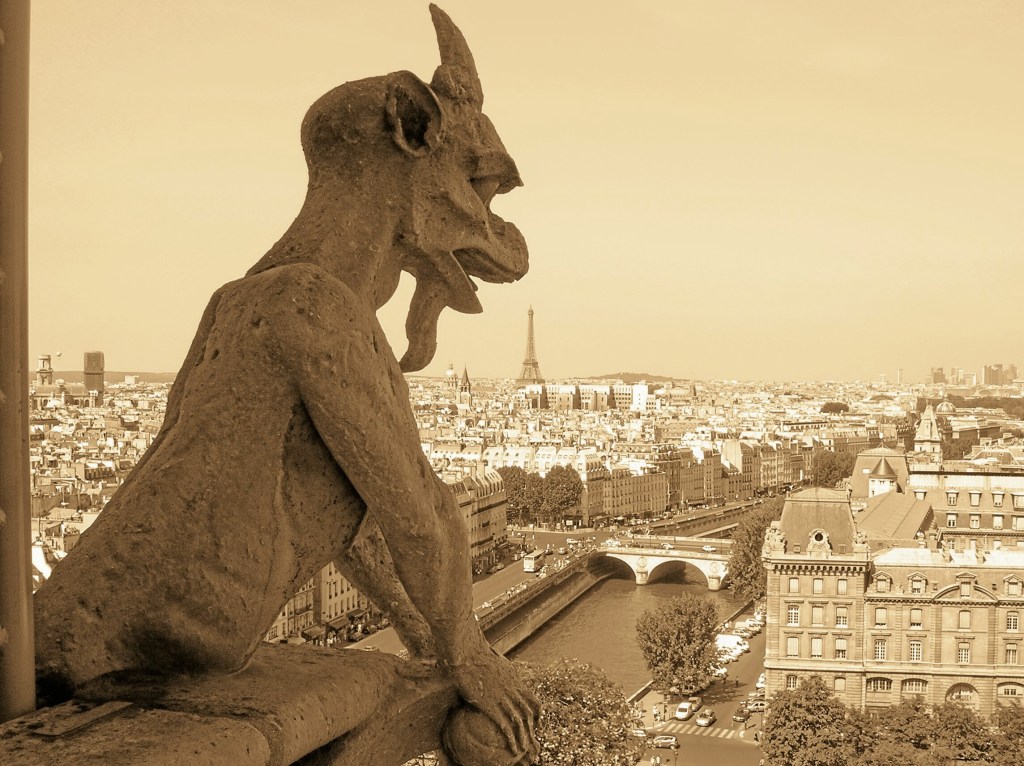
Gargoyle on Notre Dame Cathedral poised to gobble the Eiffel Tower
Travel changes your perspective on life in general. With a broadened worldview, you’ll find your conversations will change. You may read or hear news stories with a different understanding. Your spending habits may shift, after realizing the value of experiences over objects. Your beliefs may even become less rigid and appear less black or white.
Finally, as I mentioned before, the benefits of travel last a lifetime. The memories, photographs, knowledge, new ideas, and increased cognitive abilities experienced can be with you forever. Perusing travel photographs and journals always brings joy to my heart and a big smile to my face. And you know I enjoy sharing them with you!
View from the Seine, Paris
As soon as covid-19 allows, show yourself some love and gift yourself with travel. Every chance you get. For a month, a week, or even a weekend. In this country or elsewhere. Even if you do it on the cheap, like many of my trips. You’ll come back home with an enhanced sense of what it means to be fully alive. As Mark Twain said, “Twenty years from now you will be more disappointed by the things you didn’t do than by the ones you did do. So throw off the bowlines, sail away from the safe harbor . . . Explore. Dream. Discover.” I couldn’t agree more.
Blessings for Travel,
Lisa
The content of this article is for educational and informational purposes only, and is not intended as medical advice. Please consult with a qualified health care professional before acting on any information presented herein. Any statements about the possible health benefits of any subject discussed have not been evaluated by medical professionals or the Food & Drug Administration and are not intended to diagnose, treat, cure or prevent any disease or illness.
I grew up on a small farm in the Deep South, surrounded by trees and animals. My family had a couple cows, a few pigs, and lots of chickens. My grandmother, or Mawmaw, as we called her, maintained a huge vegetable garden on one side of her house, and a slightly smaller flower garden on the other side. Her property had several pecan trees, a walnut tree, a fig tree, and apple trees. Each time a grandchild was born into the family, she planted a new tree in her large yard. My birth tree was a magnolia, and even now, the scent of a magnolia blossom makes me swoon.
In those early years, I spent a lot of time climbing trees. It was great fun and I loved the views from above. More recently, I’ve learned to appreciate trees for other reasons. When I took up traveling for a few years, (check out Escaping Normal for my story) I discovered that trees were healing. Hiking in a forest or canyon or up a mountain surrounded by redwoods, ponderosa pines, aspens, or birch trees made me feel nurtured. And that’s as true now as ever before. (You know how your dog or cat can be extra loving and attentive when you’re sick or sad? Same idea.)
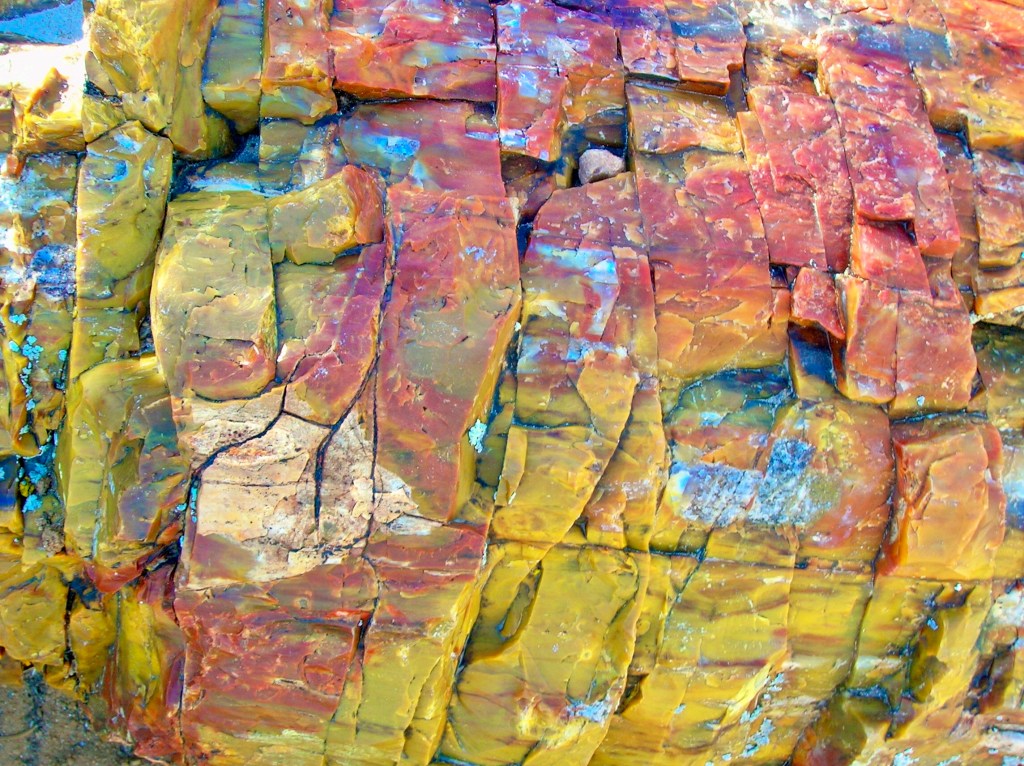
Petrified wood in southern Utah
Trees have not been the subject of many scientific studies, although the studies that have been done reveal that their functions are vital for life on the planet. Most of us know that trees produce oxygen, take in harmful carbon dioxide, and provide shelter and food for animals. But after reading Jim Robbins’ The Man Who Planted Trees: Lost Groves, Champion Trees, and an Urgent Plan to Save the Planet, I’ve learned that trees are more important than I ever imagined. The author, who has written on environmental issues for The New YorkTimes for more than 35 years, asserts that planting trees could in fact be our most important ecotechnology for saving this troubled planet.
According to Robbins, trees absorb not only carbon dioxide, but also various other pollutants that might otherwise end up in our lungs. Their root system can render toxic waste harmless. They can control the distribution of flooding rain and filter searing heat. They generate over 100 chemicals, many in aerosol form, that benefit not only their own species, but sometimes other types of trees, as well as some animals, including humans.
During my travels, I have witnessed some really unique trees with interesting stories. From the Joshua Tree in the Mojave Desert, to the Great Basin’s ancient Bristlecone Pines, to the Giant Sequoias in California’s Sierra Nevada, the encounters were fascinating and unforgettable.
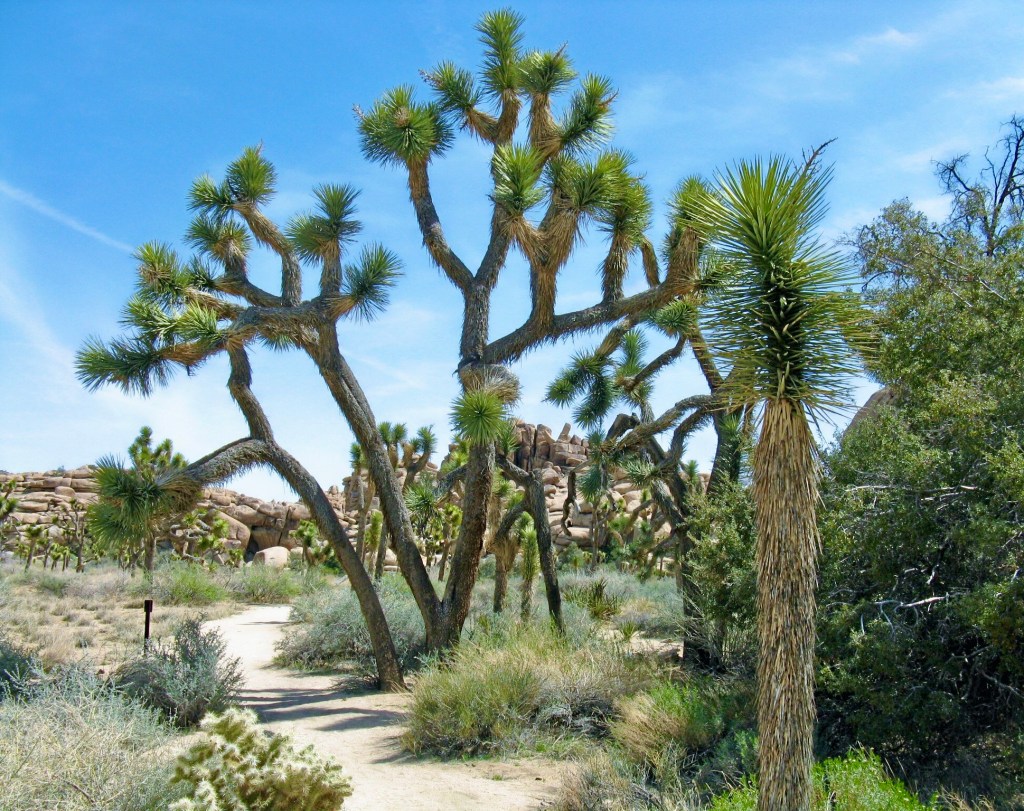
Joshua Trees inside California’s Joshua Tree National Park
The Joshua Tree is said to have been named by Mormons in the mid-19th century who were trekking through the Mojave Desert in search of a place to settle. The shaggy bark and open branches of the trees seemed to point them toward Utah, reminding them of Joshua from the Bible, who, with outstretched hands, guided the Israelites to Canaan. I couldn’t help but laugh when I first saw these unusual trees; they look like Dr. Seuss creations!
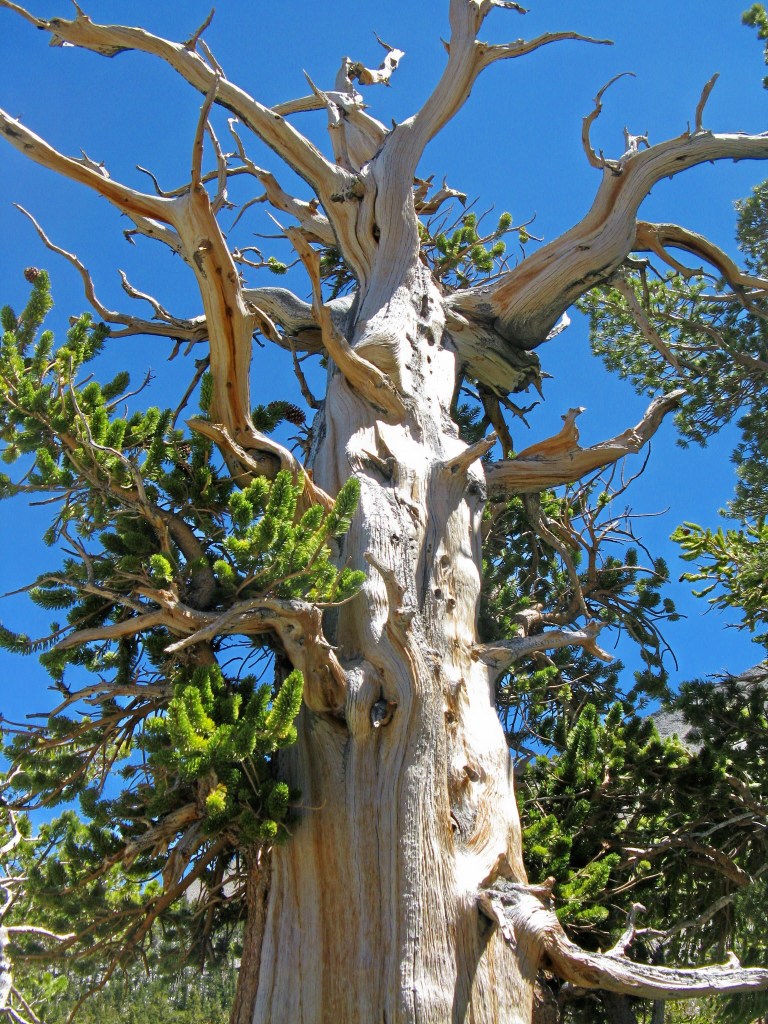
Bristlecone Pine inside Great Basin National Park
In Nevada’s Great Basin National Park, I came upon Bristlecone Pines, which are between 3000 – 5000 years old, making them some of the oldest living trees in the world. Their ability to withstand extremely inhospitable conditions accounts for their longevity. These ancient sentinels produce healthy pine needle clusters within a form that is partially dead. Instead of rotting, their decay-resistant trunks are polished by wind and rain. Even after dying completely, the bristlecone pine can remain standing for thousands of years.
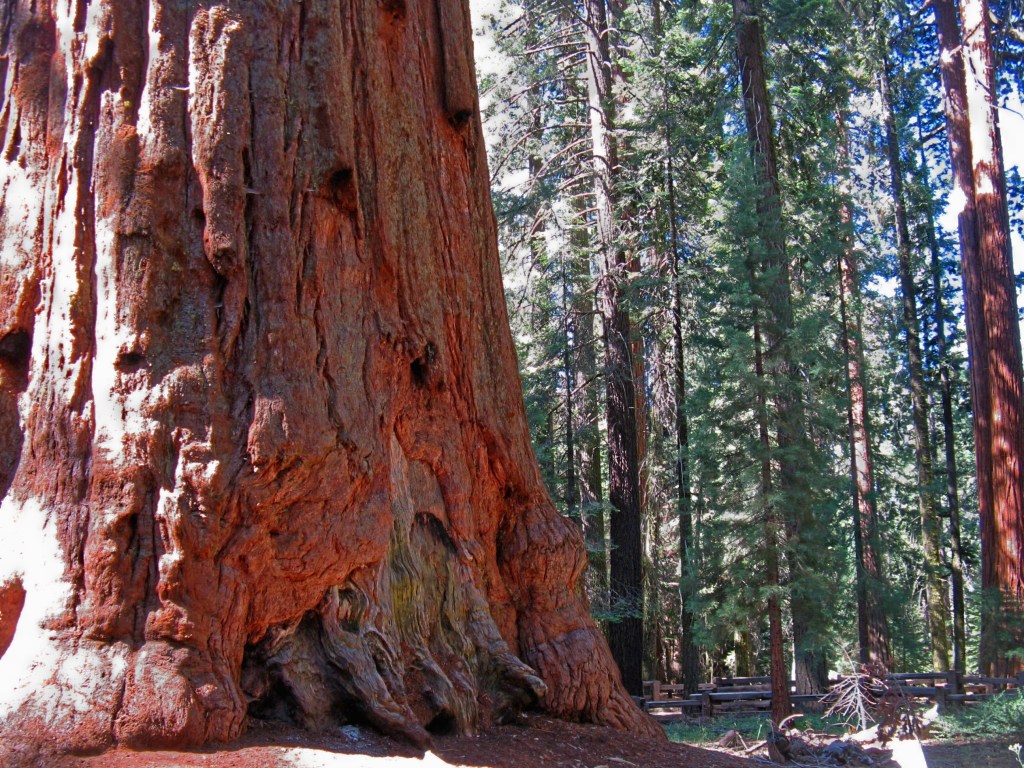
Giant Sequoia dwarfing its neighbors inside Sequoia National Park
Giant Sequoias, according to Treehugger.com, can live up to 3000 years, and have branches that are bigger around than the height of 2 humans. Vertically, they can grow up to 300 feet, as high as a 26-30 story building. They can weigh over 2.5 million pounds, and may have a ground circumference of 100 feet. If you have never witnessed these gentle giants first-hand, I strongly encourage it. You’ll gain a new respect for and perspective on biology! Sequoia National Park in California has some of the largest ones on record.
I would feel more optimistic about a bright future for man if he spent less time proving that he can outwit Nature and more time tasting her sweetness and respecting her seniority. ~E. B. White
Trees work quietly for the betterment of life. Unfortunately, they are disappearing at an alarming rate. Jim Robbins estimates that 80% of the world’s old-growth forests have been destroyed, and the destruction process continues. Trees and forests, he writes, “are ecosystem engineers that create the conditions for other forms of life to exist on every level.” Their disappearance, often the result of “progress,” may be facilitating the extinction of the human race.
You have stolen my dreams and my childhood with your empty words. . . . People are suffering. People are dying. Entire ecosystems are collapsing. We are in the beginning of a mass extinction, and all you can talk about is money and fairy tales of eternal economic growth. ~Greta Thunberg
Demonstrating love for trees is a great place to start in resolving our ever-worsening environmental problems. If you have kids, talk to them about the importance of trees. Ask them to help you plant and care for some fruit trees or an oak or maple. (BTW, trees increase property value.) Teach your kids to climb trees, or climb with them. Take them to the forest to hike or bike. Visit an apple orchard. Check out state and national parks renowned for their grand species of trees. If you must have a live Christmas tree, decorate one outdoors instead of cutting one down. Showing love and respect for trees helps all life forms, and might just prolong our existence on this planet.
Canyonlands National Park
In the time when the world is sick and dying, a tribe of people will come together of many races. They will be a people who put their faith in deeds, not words, and the world shall become green again. ~Cree Prophecy
Blessings for the Love of Trees,
Lisa
The content of this article is for educational and informational purposes only, and is not intended as medical advice. Please consult with a qualified health care professional before acting on any information presented herein. Any statements about the possible health benefits of any subject discussed have not been evaluated by medical professionals or the Food & Drug Administration and are not intended to diagnose, treat, cure or prevent any disease or illness.
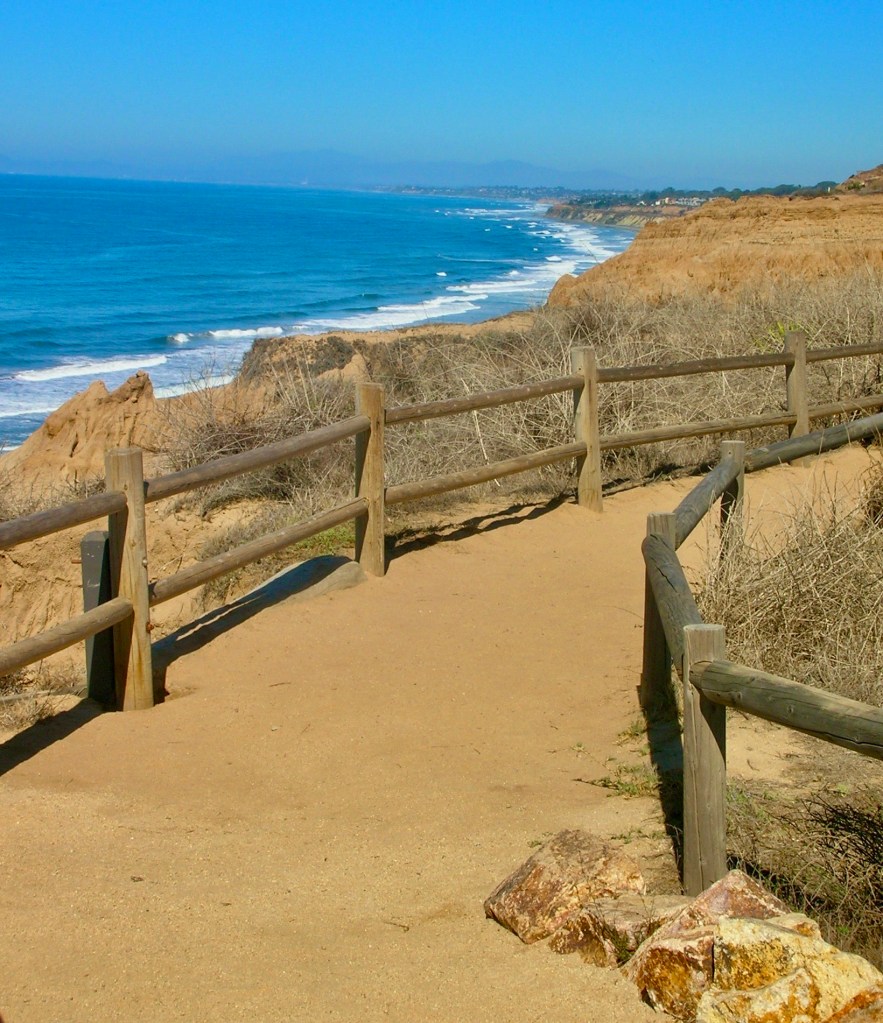
When it comes to oatmeal, I don’t believe there are a lot of fence-sitters: folks seem to either like it a lot or not at all. I was never a fan, but decided I should find a way to enjoy it after reading Brain Food: The Surprising Science of Eating for Cognitive Power, by Lisa Mosconi, PhD. (https://www.lisamosconi.com/brainfood) Dr. Mosconi is an expert in neuroscience and nutrition, and her book is most insightful. Oats, she writes, are high in phenylalanine, an amino acid that is crucial for dopamine production, among other healthy brain needs.
This dish, with its beautiful, celebratory presentation, combines brain-healthy oats with lots of other nutrient-dense foods to benefit not only the gray matter, but the whole body. It’s chock full of vitamins, minerals, fiber, and essential fatty acids. And it’s really tasty!
Within 15 minutes, you’ll go from measuring out the oats to sitting down to eat, or scooping it into a container before rushing out the door. It’s a quick, healthy, and delicious way to show gratitude to your body, mind, and spirit for all you’ve endured this year!
Thank you, Jeanine Donofrio, of LoveandLemons.com, for inspiring me to be bold with my choice of toppings.
Please leave me a comment if you give this a try!
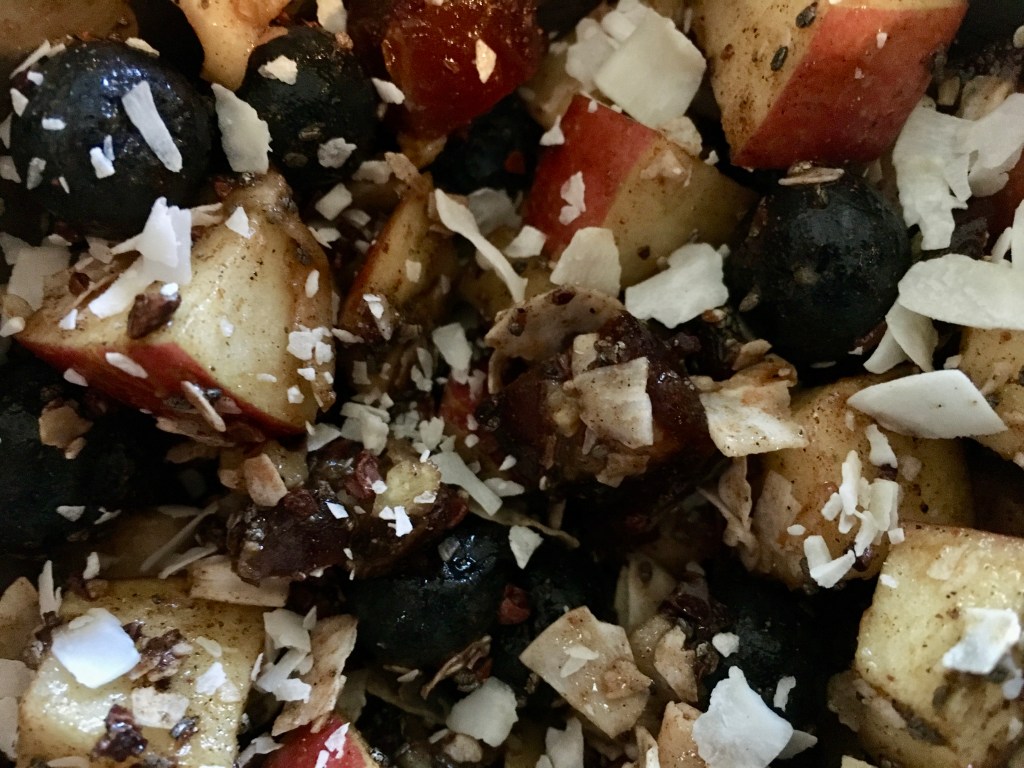
Yield: 2 servings Ingredients(use organic and/or non-GMO ingredients if possible) 1 cup water big pinch of salt 1/2 cup regular or thick-cut whole grain rolled oats (I use gluten-free) 1 small or medium Fuji or Pink Lady apple (or any variety of ripe pear) 2-3 whole dates, pitted 1/4 cup fresh blueberries 1-2 tablespoons unsweetened coconut flakes 1 tablespoon cacao nibs 1 tablespoon hemp or chia seeds 1 tablespoon raw, shelled sunflower seeds 2 tablespoons walnut pieces 1/4 teaspoon cinnamon 1/4 teaspoon cardamom powder (optional, but oh, so good!) 1-2 tablespoons maple syrup
Directions Bring water and salt to a boil. Add oats, return to a boil, and reduce to a simmer for about 10 minutes, or until most of the water is absorbed.
While the oats are cooking, prepare the celebration topping. Chop the apple & dates, and place in a bowl with all other ingredients. Stir until combined.
Allow oats to sit for 2 minutes after cooking. Scoop into bowls and add a big mound of toppings. Enjoy your hearty, celebratory breakfast (or brunch or lunch)!
*Note – Feel free to skip an ingredient or two if you don’t have them or want smaller servings!
The content of this article is for educational and informational purposes only, and is not intended as medical advice. Please consult with a qualified health care professional before acting on any information presented herein. Any statements about the possible health benefits of any subject discussed have not been evaluated by medical professionals or the Food & Drug Administration and are not intended to diagnose, treat, cure or prevent any disease or illness.
We may have all come on different ships, but we’re in the same boat now. ~ Dr. Martin Luther King, Jr.
It’s been a tough week. Stories of protests, violence and rioting in the U.S. have dominated headlines. The tone of sadness mixed with outrage has been palpable, bringing to mind the 1992 riots following the Rodney King trial in Los Angeles. Black lives do matter, and it is my prayer that this civil unrest will be closely followed by policy changes that bring equality to our populations of color, resulting in an unprecedented unity in this country.
The true measure of any society can be found in how it treats its most vulnerable members. ~ Gandhi
The city of Flint, Michigan, is already implementing such changes. In an article entitled “Flint Emerges as Symbol of Peace and Unity Amid Protests and Turmoil,” (https://www.mlive.com/news/flint/2020/06/flint-emerges-as-symbol-of-peace-and-unity-amid-protests-and-turmoil.html) it was reported that Mayor Sheldon Neeley announced the creation of a coalition to address systemic racism in the state. Further, the Flint Police Chief is instituting a training program for the police department that will focus on diversity and healing. Former President Barack Obama praised the city and its residents in a recent essay, stating that these actions could spur “real change.”
Change is often the outcome of a new understanding. To that end, I want to share a Facebook page called Sustainable Human. Recently, a video clip was posted on the page called How to Understand a Human Being. The video is short and succinct, but most valuable. The big takeaway is this: All human behavior is either an attempt to meet a need, or a reaction to a need not being met. That really resonates with me. What about you?
Attempting to understand others can create much-needed unity. We share a common existence with the entire human race and all of nature. Quantum physics shows that we are all made of the same elements within the same conscious Universal Fabric. Therefore, all of our actions, feelings, thoughts, and intentions affect not only our own lives, but everyone and everything in the entire Fabric, for better or for worse.
We cannot live only for ourselves. A thousand fibers connect us with our fellow men. ~ Herman Melville
In the spirit of unity, I want to share some music with you. A big thanks to my friend Darlene, who “introduced” me to the super-talented international group Playing for Change. I’ve watched this video clip & listened to the song repeatedly over the past few days: https://www.youtube.com/watch?v=3hGSqqhhokE. (It makes my heart happy to see & hear these talented musicians performing this uplifting song from various countries, often using traditional instruments. And the kids in this clip are ebullient!) This is the group’s cover of Stevie Wonder’s Higher Ground, from an album entitled Songs Around the World that includes the collaboration of 100 musicians from 21 countries. If you are old enough to remember the powerful lyrics and funky bass in Stevie’s version, you’re not going to want to miss this one. (And if you don’t remember, having a listen will stir your soul!)
Valarie Kaur is a unity-promoting author, lawyer, civil rights activist, and creator of The Revolutionary Love Project, designed “to champion love as a force for justice and wellspring for social action.” Her Ted Talk, 3 Lessons of Revolutionary Love in a Time of Rage (https://www.revolutionarylove.net/ted/), is a beautiful and poignant presentation that couldn’t be more relevant to our current reality. Each time I watch this 22-minute clip, I gain more insight and appreciation of her strong desire for unity and love.
Love as a force: I really like that. Thinking of love as a force causes me to draw parallels with the reliability of gravity and the aggressive nature of the forces of hurricanes, earthquakes, and tornados. May the reliable, aggressive force of love permeate your every thought and steel your resolve of gratitude for all of life. May it envelop the hearts and minds of your local police officers and policymakers. And may the beautiful force of love awaken in us all a sense of unity at this precarious time when big change seems imminent and absolutely anything is possible.
Finally, all of you, be like-minded, be sympathetic, love one another, be compassionate and humble. ~ 1 Peter 3:8
Blessings for Unity,
Lisa
The content of this article is for educational and informational purposes only, and is not intended as medical advice. Please consult with a qualified health care professional before acting on any information presented herein. Any statements about the possible health benefits of any subject discussed have not been evaluated by medical professionals or the Food & Drug Administration and are not intended to diagnose, treat, cure or prevent any disease or illness.
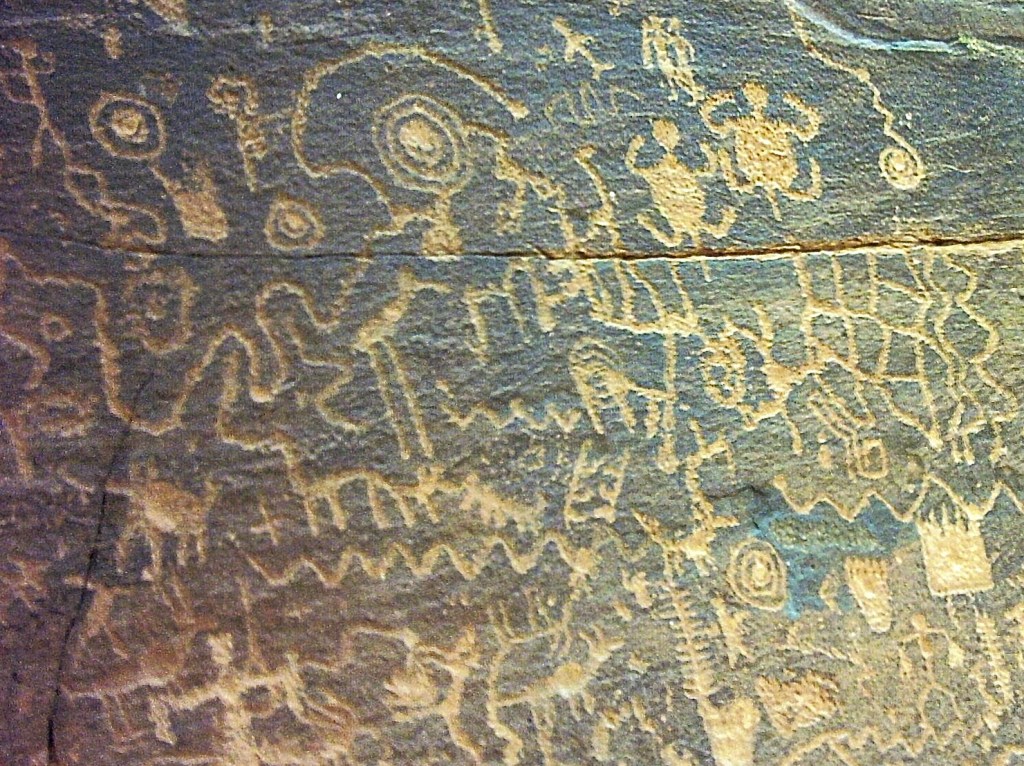
The first time I spent a little time in Northern Arizona, it stole my heart. It was early springtime, and the trees were budding and blooming and smelling more beautiful than any trees I had ever known. The hiking trails were numerous, and lined with boulders, multi-colored sandstone, red cliffs, huge ponderosa pine trees, alligator junipers, small cactus shrubs, and aspen groves. Some trails featured Native American cliff dwellings, mud-walled structures, and petroglyphs. Other trails crossed creeks or lead to lakes, big and small. The most interesting trail I hiked, Cathedral Wash (a workout for both the body and mind due to the trail dropping between 5 and 30 feet in areas, leaving you to figure out how to descend) ends at the Colorado River, just outside the Grand Canyon.
Cathedral Wash Trail. Look closely and you will see me (dwarfed, but waving!)
I find that a great number of people are unaware of Arizona’s elevation changes, the presence of trees, and the dramatic climate differences in the state. If you think of a featureless, sandy, flat state with no water, trees, flowers, or beauty when you hear someone speak of Arizona, this post is for you.
“Whales” in Oak Creek, Sedona
You may have heard of the lovely red rocks of Sedona, or read the posts I’ve written on the area. Before beginning my big road-trip adventure years ago, a few people suggested I visit Sedona due to its incredible beauty and reputation as a spiritual hub. I took that advice, and they were right: its beauty is extraordinary, and with a guide, I was able to access a remote area that felt very sacred. But, did you know that Sedona is located 4000 feet above sea level? And have you heard of Oak Creek? It’s a big, beautiful stream that runs through the little desert town, much of it recreation-accessible. During the late fall and winter, trees along the creek turn spectacular reds, oranges, and yellows. When snow falls on the red rocks, the sight is nothing short of glorious.
Hiking trail among Sedona’s red rocks
Speaking of snow, the highest point in the state, Humphreys Peak, topping out at 12,633 feet in elevation, sits among The San Francisco Peaks to the north of the small town of Flagstaff. At about 7000 feet above sea level, Flagstaff is one of the snowiest areas in the country, getting an average of 100 inches annually. Each of the seasons could not be more beautiful in “Flag,” as the locals call it. After winter covers Humphreys Peak with a bright white blanket, a lovely springtime arrives, bringing with it happy meadowlarks, woodpeckers, blue jays, hummingbirds, ground squirrels, and white-tailed deer. When summer takes over, there are a couple weeks of 90+ degree temps, but most days are cooler. It is possible during the summer to need a jacket at night, as high desert summer temps can drop into the 40s. Beginning around the first week in July, the area gets super-saturated with rain as a result of monsoon season, which lasts through September. The heavy precipitation encourages a myriad of wildflowers to pop up in meadows & canyons, alongside roads, and on hiking trails, once again transforming the beauty of the little mountain town. And then, fall arrives, causing local leaves to sing with vibrant colors.
Spring tree blooms in Flagstaff The San Francisco Peaks overlooking a field of wildflowers in Flagstaff.Humphreys Peak is on the far left.
The drive north from Flagstaff reveals an other-worldly topography. Most of the land in the northeast corner of the state belongs to Navajo Nation and is largely undeveloped. About 90 minutes north of Flagstaff, you will see the turn-off to the Grand Canyon, which of course is a must-see. Carved by the Colorado River over millions of years, the Canyon is immense, sporting an elevation change of 8000 feet between its highest point and the mighty Colorado.
View of the Grand Canyon
About an hour farther north, you will discover Horseshoe Bend, Lake Powell, and Antelope Canyon. A boat tour on Lake Powell (located in both Arizona and Utah) offers spectacular views of the red, orange and white sandstone cliffs surrounding the water. With a Navajo guide, a walk through the narrow, beautifully formed Antelope Canyon will astound you. The slot canyons are the happy result of flash floods causing erosion of the soft sandstone.
Horseshoe Bend, part of the Colorado River running through the Grand Canyon Antelope Canyon’s unique beauty
As for the rest of the state, points farther south are uniquely interesting as well. A drive south on I-17 just north of Phoenix yields a plethora of saguaro cactus plants at a certain point, and although I’ve never witnessed it, I’m told their beauty is astounding when they’re all in bloom. Tombstone, made famous by outlaws like Wyatt Earp and Doc Holliday, is a cool little town where gunfight reenactments are performed in the unpaved streets. It has been designated one of the best-preserved rugged frontier towns of the late 1800s. And Tucson offers an extensive Botanical Gardens network, Saguaro National Park, and Mt. Lemmon, a jewel that rises over 9000 feet out of the Sonoran Desert.
Part of the set from the gunslinger performance, Tombstone
If you have always pictured the entire state of Arizona as hot, sandy, and drab, I hope this essay has forever changed that image. Its diverse and unique terrain is explorer-friendly, and the state is reopening, with restrictions, of course. Experience its unique beauty and natural history, and let me know how much you love it, too.
Blessings for Southwestern Beauty,
Lisa
The content of this article is for educational and informational purposes only, and is not intended as medical advice. Please consult with a qualified health care professional before acting on any information presented herein. Any statements about the possible health benefits of any subject discussed have not been evaluated by medical professionals or the Food & Drug Administration and are not intended to diagnose, treat, cure or prevent any disease or illness.
Two roads diverged in a wood and I took the one less traveled . . . And that has made all the difference. – Robert Frost
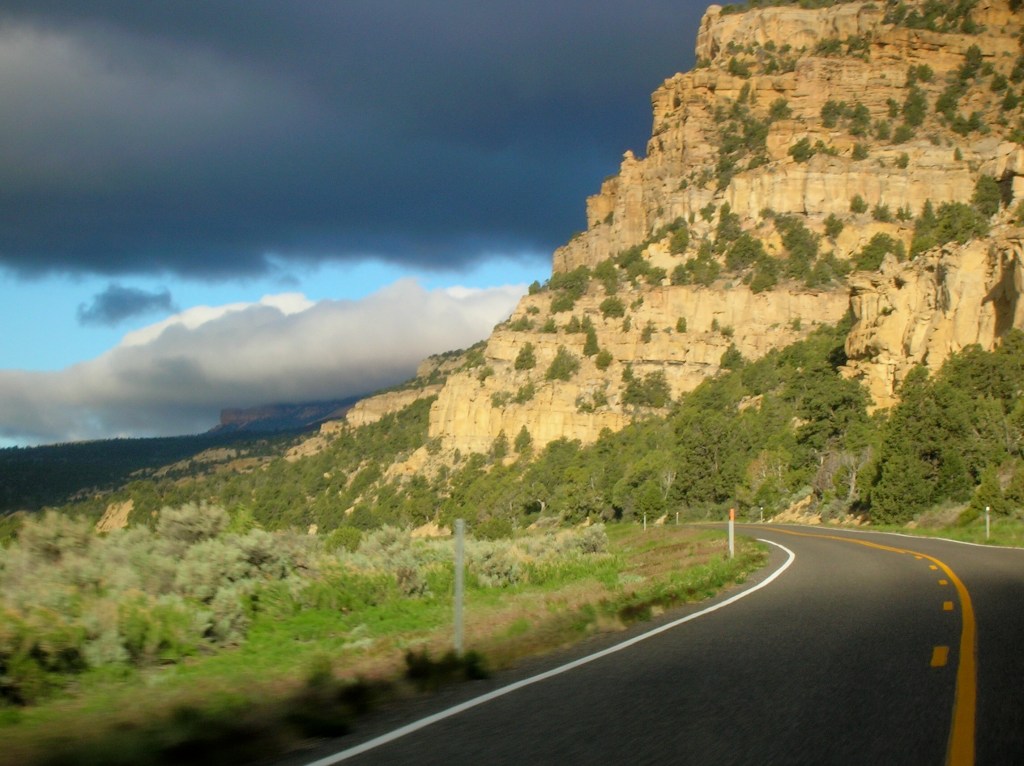
The road to Taos & the Chama River
With many hardships of the pandemic still looming, I think I’d be right in saying a great many of us would like to escape our new normal. Would you agree?
I recently watched Into the Wild, which is based on a true story. I had never seen a preview or read the book, but fell in love with “Society” & a couple other songs from the soundtrack, sung by Eddie Vedder of Pearl Jam, and knew I had to see the film. A Rolling Stone journalist wrote that the songs temper the romance of absolute freedom with an eerie foreboding. Such a perfect description.
Another view of the Rio Chama
The movie, written and directed by Sean Penn, documents the cross-country journey of a young Emory University graduate, Christopher McCandless, after having given up most of his savings, credit cards, and other worldly possessions. During his travels, his heart is flung wide open by beauty, freedom, and some of the colorful characters he meets. Spoiler alert – the movie does not have a happy ending. But if you have ever escaped, or longed to escape, what society considers normal, the spirit of the movie will move you.
Life shrinks or expands in proportion with one’s courage. – Anaïs Nin
Before I left my home in South Florida, I was feeling lost and desperately wanting to escape. I didn’t know what I wanted to do or where I wanted to be, but I knew it was something and somewhere else. I had lost the job that was my primary source of income. My 5-year romantic relationship had ended. My best friend (of over 15 years) and I had stopped talking, and other friendships had dissolved. My favorite (husband & wife) ministers were moving over a thousand miles away. I shared with a Buddhist Monk energy healer that I felt the cornerstones of my life had collapsed. He suggested that these painful changes were preparing me for a huge shift in my life’s trajectory. He couldn’t have been more accurate.
The Rio Grande Gorge Bridge, just north of Taos
There is a universal, intelligent life force that exists within . . . as a deep wisdom, an inner knowing. We can access (it) through our intuition, an inner sense that tells us what feels right and true for us at any given moment. – Shakti Gawain
Because the idea of traveling had always appealed to me, (and frankly, I didn’t know what else to do) I decided to sell my home and almost everything I owned and hit the road. Once I made that decision, however, I was terrified. I couldn’t even talk about it without crying. I knew in my heart that it was right, but I wrestled with fearful thoughts most days and nights until I left. Thankfully, once I embarked, a sense of freedom and happiness came over me almost immediately. The spirit of travel was revealed to me, and love seemed to ooze back into my life.
The untamed beauty of Northern New Mexico
On this path let the heart be your guide for the body is hesitant and full of fear. – Rumi
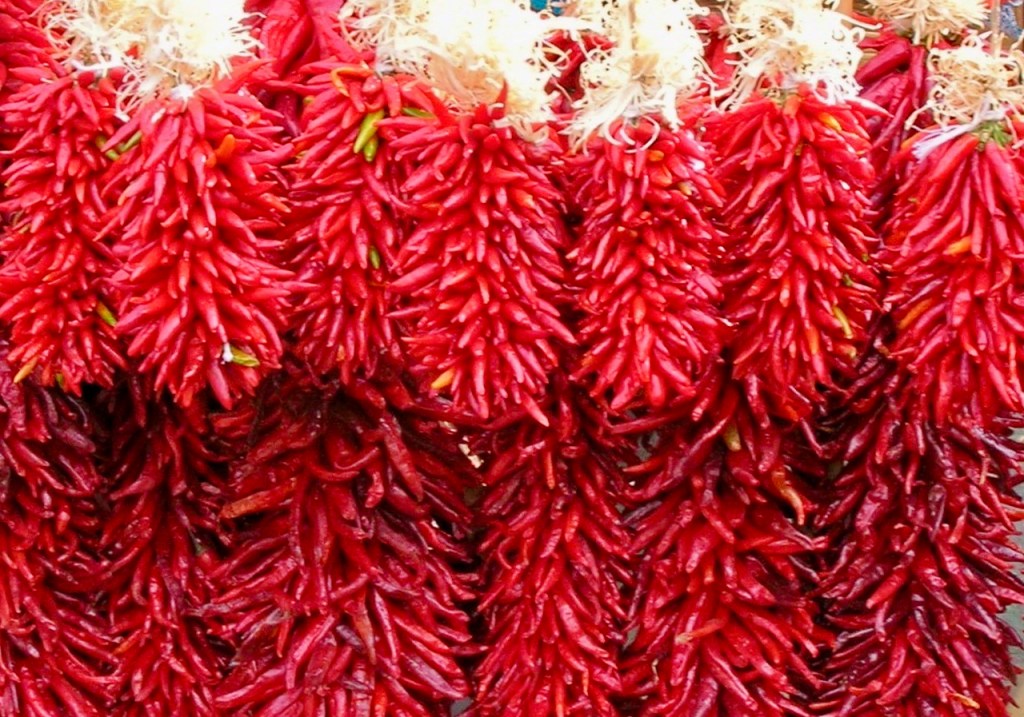
My first extended stay was in Taos, New Mexico. I had read about the wild beauty of Taos Mountain, sagebrush, buttes, and canyons, and I longed to see them for myself. Staying at a hostel, I met a group of people of various ages and backgrounds who felt like family after just a couple weeks. That group included a Vietnam Vet from New York who listened to a lot of Grateful Dead. There was a girl from Oregon who was taking a break from college. I met a 30-something guy who lived in a tepee nearby and traveled by bicycle. I shared a dorm room with a beautiful young lady from Texas who, like me, was taking a much-needed break from life in general. (I’m happy to say we are still friends today.) And, there was an Asian gal who had fled San Diego after learning her boyfriend had cheated & smashing his car windows. Like a family, we all shared food, rides, ideas, stories, and music. During the day, we explored Taos Ski Valley, the Rio Grande Gorge & the Mesa; drove the Turquoise Trail & visited Durango; and checked out art galleries, unique shops, & the farmers market. In the evening, after sharing meals, we would sit around a fire pit, stare into the mesmerizing flames & savor the sweet smell of the smoke while listening to someone play guitar. It was a soothing balm for my sad, weary soul.
The Mesa, thick with delightfully-scented sagebrush
For three years, I would continue my journey on the road, staying in community, with friends & family, in hostels, and in my tent. I drove great distances all over the country and hiked hundreds of miles. I fell in love with Nature and shot thousands of photos. I saw animals in their natural habitat, many of them up close. I learned to love the ascent of a mountain and appreciate geography and topography in general. I met lovely people. I learned to cook new foods. And when my big road trip was over, I felt wholly rehabilitated.
I resonate strongly with Christopher McCandless’ story. The beauty, education, hospitality, and healing I experienced from my extended travels permeated every aspect of my being and changed me forever. Escaping the normal life I once had was the best decision I could have ever made.
The Mother Road
Blessings for Escaping Normal,
Lisa
The content of this article is for educational and informational purposes only, and is not intended as medical advice. Please consult with a qualified health care professional before acting on any information presented herein. Any statements about the possible health benefits of any subject discussed have not been evaluated by medical professionals or the Food & Drug Administration and are not intended to diagnose, treat, cure or prevent any disease or illness.
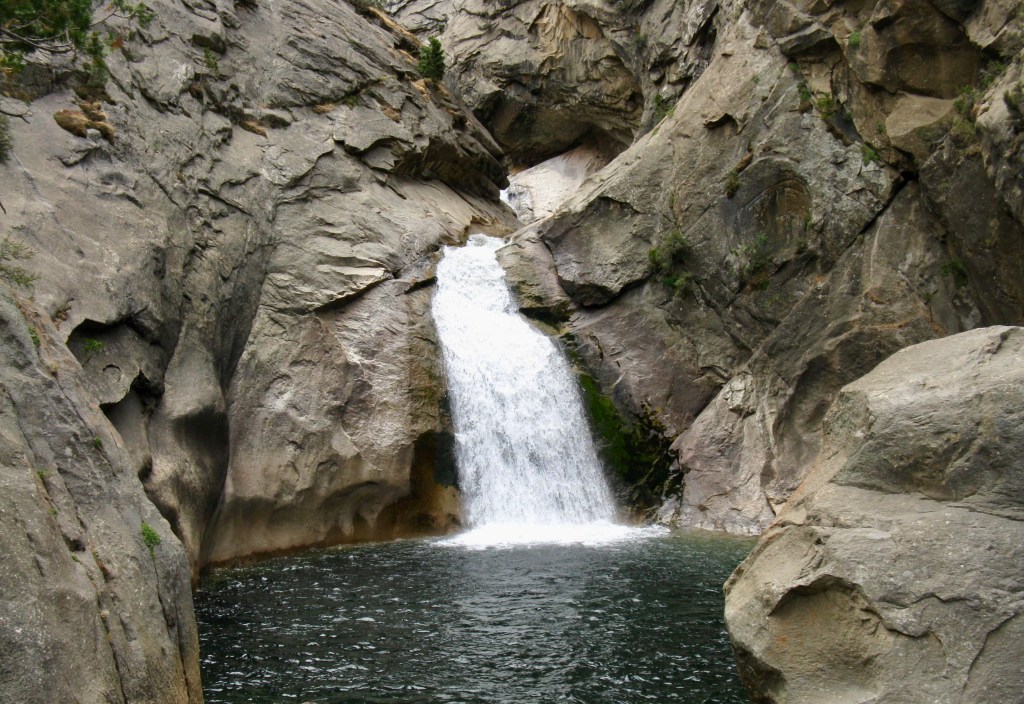
It seems as though we might be making progress with some of our coronavirus problems. A few states are starting to reopen. I am cautiously optimistic. But a bigger part of me, for various reasons, is seeking peace.
Again this week, I attempted to produce a meatier blog. (Does that sound strange, coming from a vegan?) But, again, the gentler aspects of my being would not have it. After putting up an extended fight for the same reason last week, (with this result: https://microofthemacro.com/2020/05/08/awed-by-beauty-a-collage/), I didn’t try to oppose it this time. So, in an effort to evoke a calming peace for myself and for you, I’d like to share more images and inspirational words on Nature.
As long as I live, I’ll hear waterfalls and birds and winds sing. I’ll interpret the rocks, learn the language of flood, storm, and the avalanche. I’ll acquaint myself with the glaciers and wild gardens, and get as near the heart of the world as I can. – John Muir
Colorado vista
I went to the woods because I wished to live deliberately, to front only the essential facts of life, and see if I could not learn what it had to teach, and not, when I came to die, discover that I had not lived. – Henry David Thoreau
Simplicity, patience, compassion. These three are your greatest treasures. – Lao Tzu
View from a hiking trail inside Grand Teton National Park, Wyoming
The goal of life is to make your heartbeat match the beat of the universe, to match your nature with Nature. – Joseph Campbell
Beartooth Highway, Montana
The earth does not belong to man; man belongs to the earth. This we know. All things are connected like the blood which unites one family. All things are connected. – Chief Seattle
Blessings for Peace,
Lisa
The content of this article is for educational and informational purposes only, and is not intended as medical advice. Please consult with a qualified health care professional before acting on any information presented herein. Any statements about the possible health benefits of any subject discussed have not been evaluated by medical professionals or the Food & Drug Administration and are not intended to diagnose, treat, cure or prevent any disease or illness.