Let’s Go to the Beach!

Oh how we’re missing our annual winter trip to the beach.  Cool, early morning walks in the surf.  Breakfast and lunch on the balcony surrounded by palm trees overlooking green water.  The moon and clouds playing hide-and-seek late at night, a brilliant shine reflecting intermittently on the sea.  We always look forward to the trip, as it’s a balmy, breezy respite from our regularly scheduled winter.  It also helps clear our heads, recharge our biological batteries, and reset our perspectives on life.

Ft. Lauderdale

This year, thanks to covid, we are visiting the beach via our imagination, and we’re happy to have you join us. Studies show that actions we imagine can seem real to our minds, “tricking” the brain into providing us benefits as if we were performing those actions.  Many athletes utilize this technique, called visualization, to attain their specific goals.

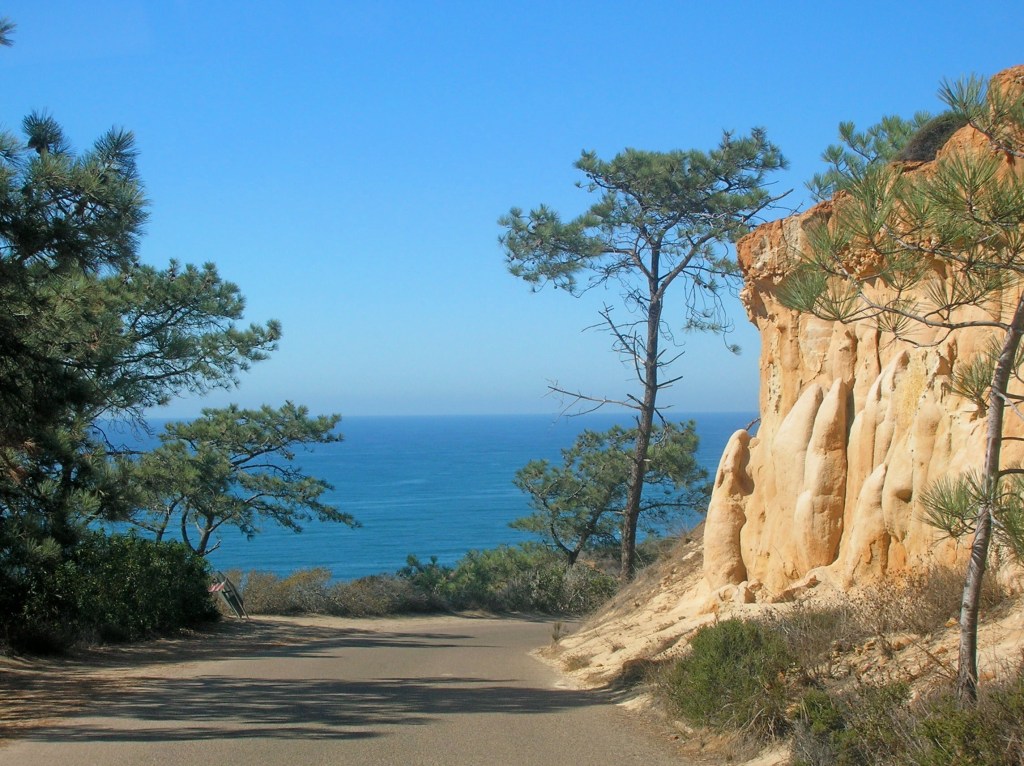
San Diego

Ok, ready?  Got your beach bag?  We close our eyes, breathe slowly & deeply, and . . . smell the sea . . . picture clumps of seaweed in the gently lapping surf . . . notice the wet sand between our toes . . . feel the sun and wind on our skin . . . hear the forlorn cries of seabirds . . . and taste the salt on our lips.  Be sure to wear your lip balm!

Seaweed art on the sand

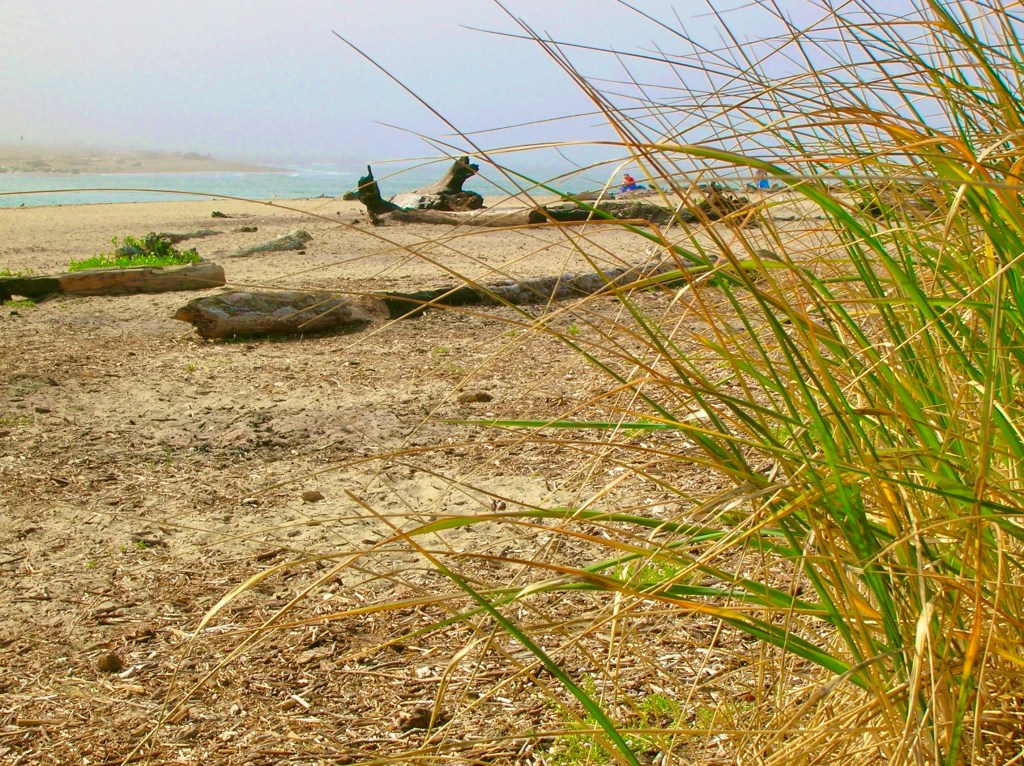
Let’s take a walk along the water’s edge and soak up the recurrent, grounding sound of the waves.  According to an article from the University of New Hampshire, Is Being at the Beach Good for Your Health?, the beach can relieve stress fast.  The heat of the sun, the sound of the waves, and your feet in the sand, the article says, are the reasons for this happy result.

Coronado, with a storm approaching

While we’re absorbing the sun’s heat, (making sure we don’t overdo it) we are improving our health: increasing Vitamin D levels, helping prevent autoimmune disorders, and reducing our risk of certain cancers, according to Environmental Health Perspectives’ article Benefits of Sunlight: A Bright Spot for Human Health.  Maybe we were designed to enjoy the feel of the sun on our skin for these reasons.

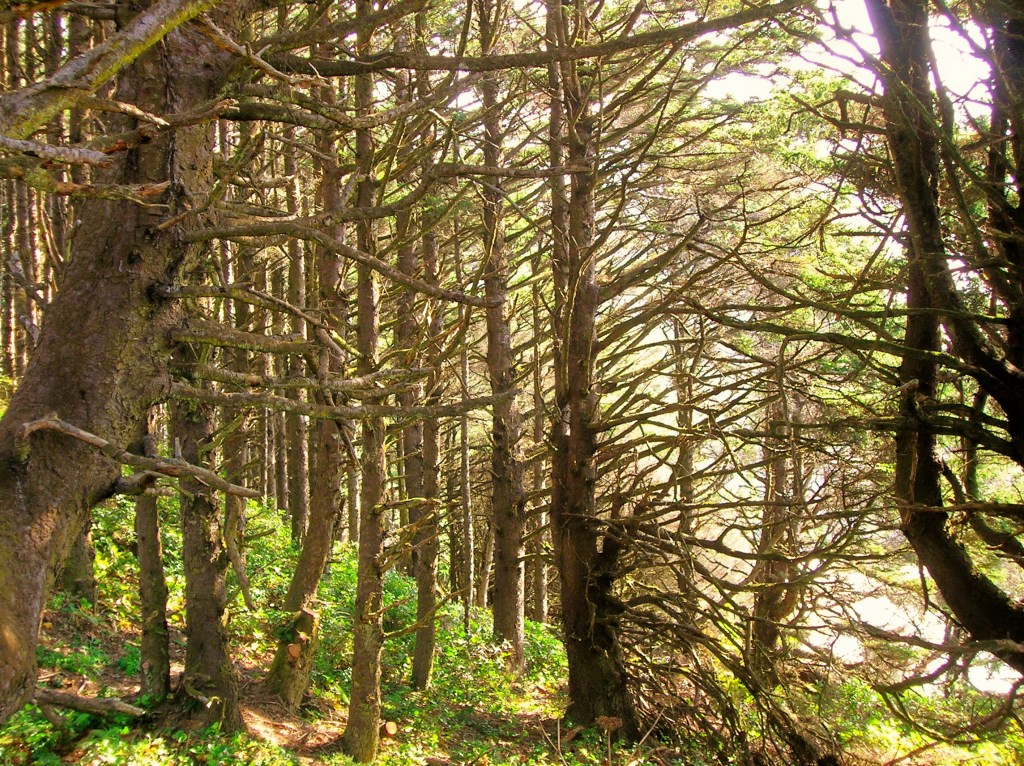
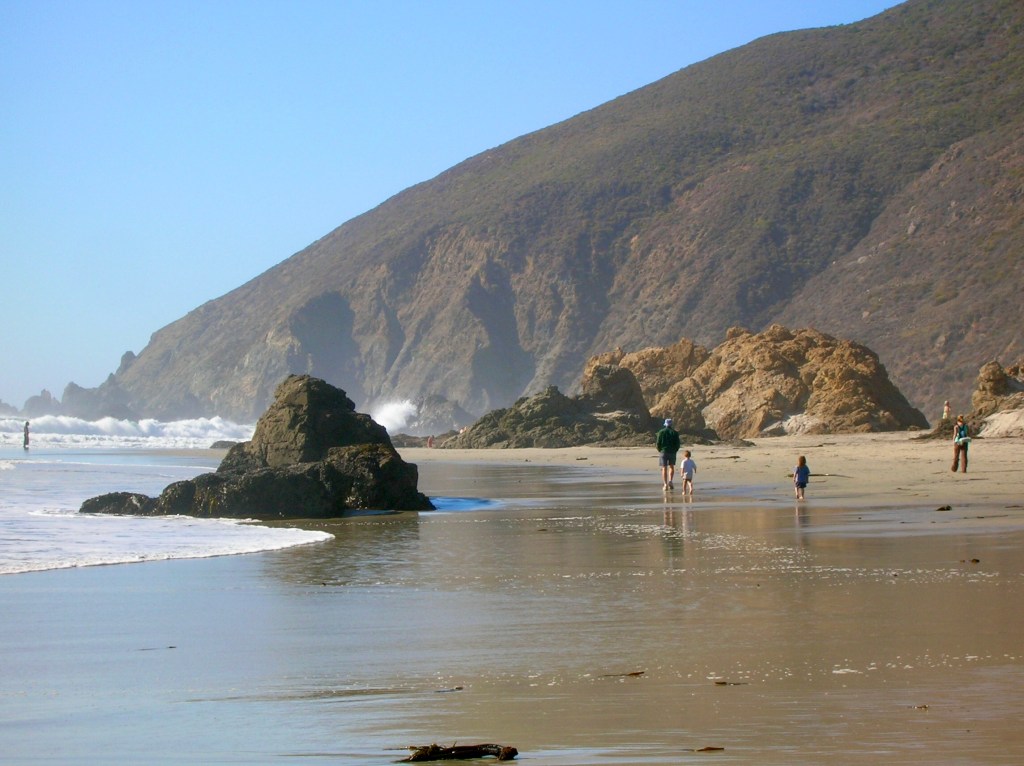
Northern California

Enjoying the ocean air?  Breathing the air at the beach can enhance overall health by diversifying the microbes in our guts, says Dr. Zach Bush, one of the few triple-board certified physicians in the US.  The microbiome of most Americans, due to the standard American diet & overconsumption of antibiotics, includes a very small percentage of the 20,000 – 40,000 species of bacteria that constitute a heathy gut.  Breathing in diverse environments can help in a big way.

Dogs love the beach, too!

Has your heart rate increased?  We’re burning extra calories!  Walking in the sand requires more energy than walking on, say, a sidewalk.  If you’ve walked or jogged in the sand before, you know it’s a great workout.  And if we’re going to indulge in those yummy vacation sweet treats and cocktails later, burning extra calories is a must! 

Seaside, Oregon

Are you beginning to feel more of a connection with Nature?  Wallace J. Nichols, marine biologist and author of Blue Mind: The Surprising Science That Shows How Being Near, In, On, or Under Water Can Make You Happier, Healthier, More Connected, and Better at What You Do, says, While in the restful, contemplative state associated with observing or interacting with water, it’s also common to experience feelings of awe.  Awe, he continues, increases our sense of connection with all that is.  

Northern California

Have you worked up an appetite?  Ok, ok, we’ll go for lunch!  I’m famished too!  There’s a great little open-air Mediterranean cafe within walking distance . . .

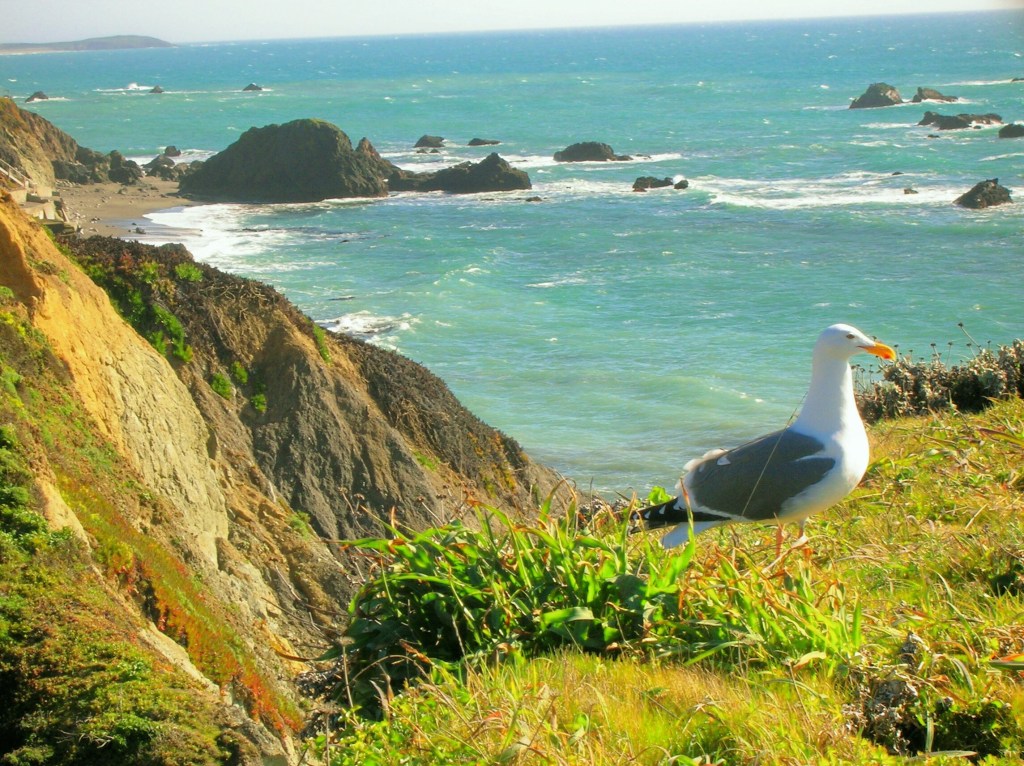
St. Maarten

Some day soon, we’ll resume our physical visits to the beach.  But for now, our imaginations take charge, engaging our senses and prompting an array of health benefits.  Thanks for joining us! We hope you had fun & feel rejuvenated!

Beach Blessings,

Lisa

The content of this article is for educational and informational purposes only, and is not intended as medical advice. Please consult with a qualified health care professional before acting on any information presented herein. Any statements about the possible health benefits of any subject discussed have not been evaluated by medical professionals or the Food & Drug Administration and are not intended to diagnose, treat, cure or prevent any disease or illness.

Six Small Actions That Will Change You

How we spend our days is, of course, how we spend our lives. ~Annie Dillard

And . . . we’re in December.  Wow.  This year will soon be a memory, to the relief of many.  The pandemic, now in its second wave in some countries, has presented a great number of us with unprecedented challenges.  We have been forced to change our habits, and for most, the majority of those changes have not been positive, affecting our perception of ourselves and the world in general.  It is said that about half our actions are not conscious, but a result of our habits.  I would like to share a few small actions that, when practiced consistently and made into new habits, can change you for the better.  What’s more, they will change the way you feel about yourself.

  1. Read something inspirational each day, even if it’s a simple quote.  After reading, close your eyes and savor it, focusing on how it lifts your spirit, opens your heart, or motivates you.  This savoring acts on the brain in a similar manner as the concept of muscle memory in strength training or stretching.  The more you do it, the easier you’ll find it is to access those good feelings throughout the day.

Change your thoughts and you change your world. ~Norman Vincent Peale

  1. Speak your blessings and express gratitude daily.  Even if nobody is around to hear you.  I am so blessed to have food on my table.  I am super grateful that my family has been safe from coronavirus.  I am so fortunate that I am able to work from my home.  Gregg Braden, five-time New York Times best-selling author, scientist, and international educator, says, Just the way sound creates visible waves as it travels through a droplet of water, our “belief waves” ripple through the quantum fabric of the universe to become . . . the healing, abundance, and peace – or disease, lack, and suffering – that we experience in life. And just the way we can tune a sound . . . , we can tune our beliefs to preserve or destroy all that we cherish, including life itself.  By reinforcing beliefs that we’re blessed and grateful, we tune ourselves into more goodness.

Put your heart, mind, and soul into even your smallest acts. This is the secret of success. ~Swami Sivananda

3. Practice little acts of kindness daily.  Let a car merge in front of you; send a text or card to an out-of-touch loved one; give a small hand-made item to a neighbor.  Do these things without expectation of reciprocation or even expressions of gratitude.  Most folks will respond favorably, but not always.  The first couple times my acts of kindness were not acknowledged, I was hurt.  But then I realized that the recipients could be so busy with the sometimes overwhelming nature of life that they simply forgot.  Giving is the part that will make you feel good.  Hold on to that.

  1. Leave all your devices inside and get outside for (at least) a few minutes a day.  While outside, allow your attention to be captivated by wildlife, trees, flowers, and the sky.  Why did that tree grow in such an odd manner?  That cloud looks like Snoopy!  I wonder what kind of bird that is.  Look at that incredible moon!  These wildflowers are gorgeous!  Placing your full focus on Nature has numerous health benefits and helps you remember somewhere deep inside that you are a part of it.

Look deep into nature, and then you will understand everything better. ~Albert Einstein

  1. Spend a couple minutes each day working on some small action that you find difficult.  I have done yoga for decades, and until just recently, I was always embarrassed in class during balancing poses.  I was never able to hold the poses as long as most others without falling out and resetting.  Because I’ve learned the hard way that unaddressed issues have a tendency to get worse over time, I decided to do something about it.  So, a couple years ago, I started practicing half-moon pose (Ardha Chandrasana) every day.  As a result, my balance has improved tremendously, and my embarrassing falls are in the past.  I also have a sense of pride for conquering a limitation!
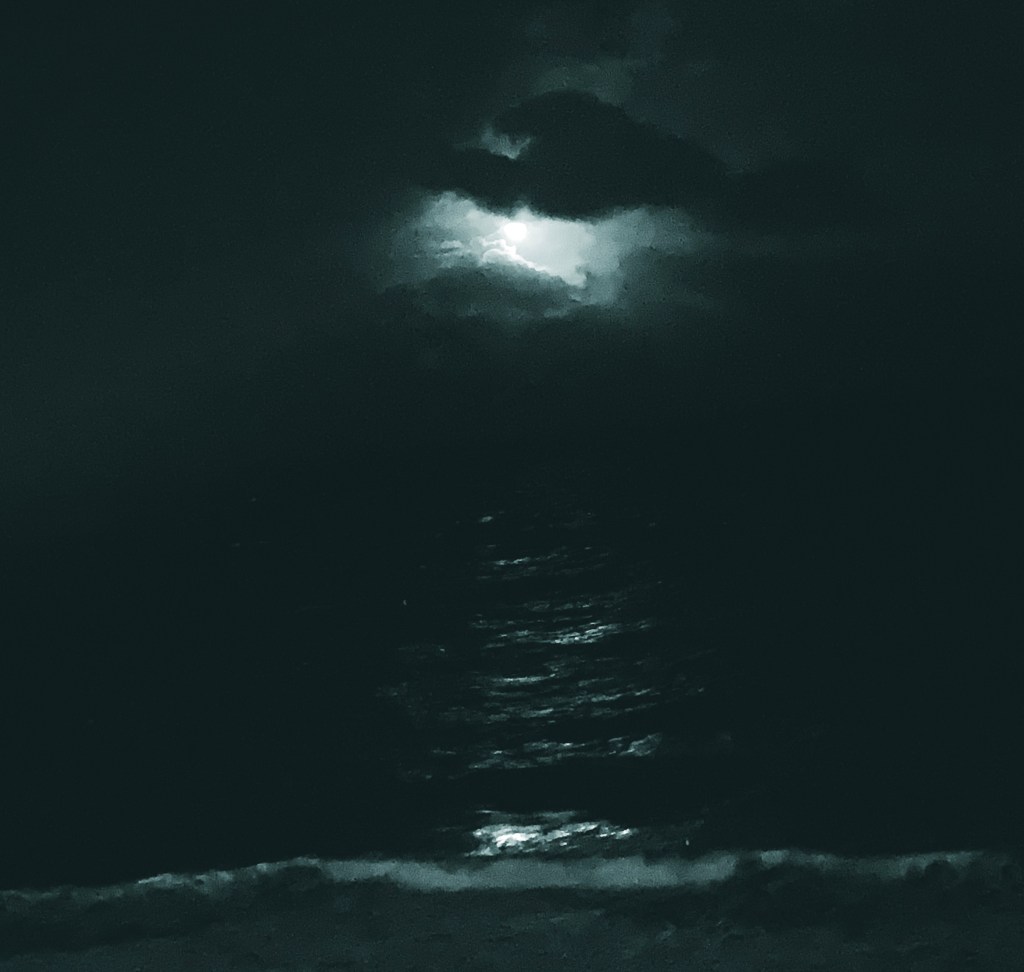
Moonlight over Lauderdale Beach in December of 2019

Don’t judge each day by the harvest you reap but by the seeds that you plant. ~Robert Louis Stevenson

Our morning smoothie contents
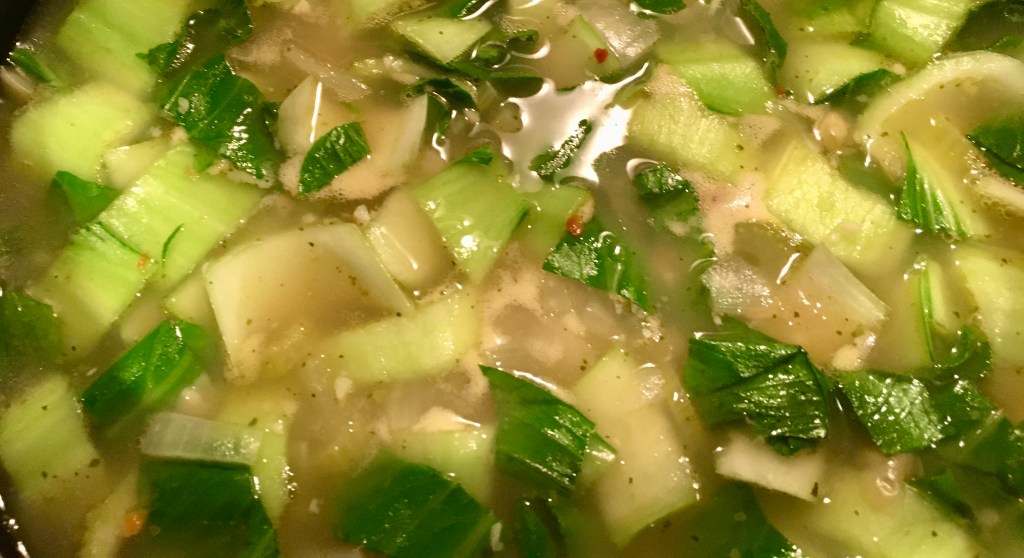
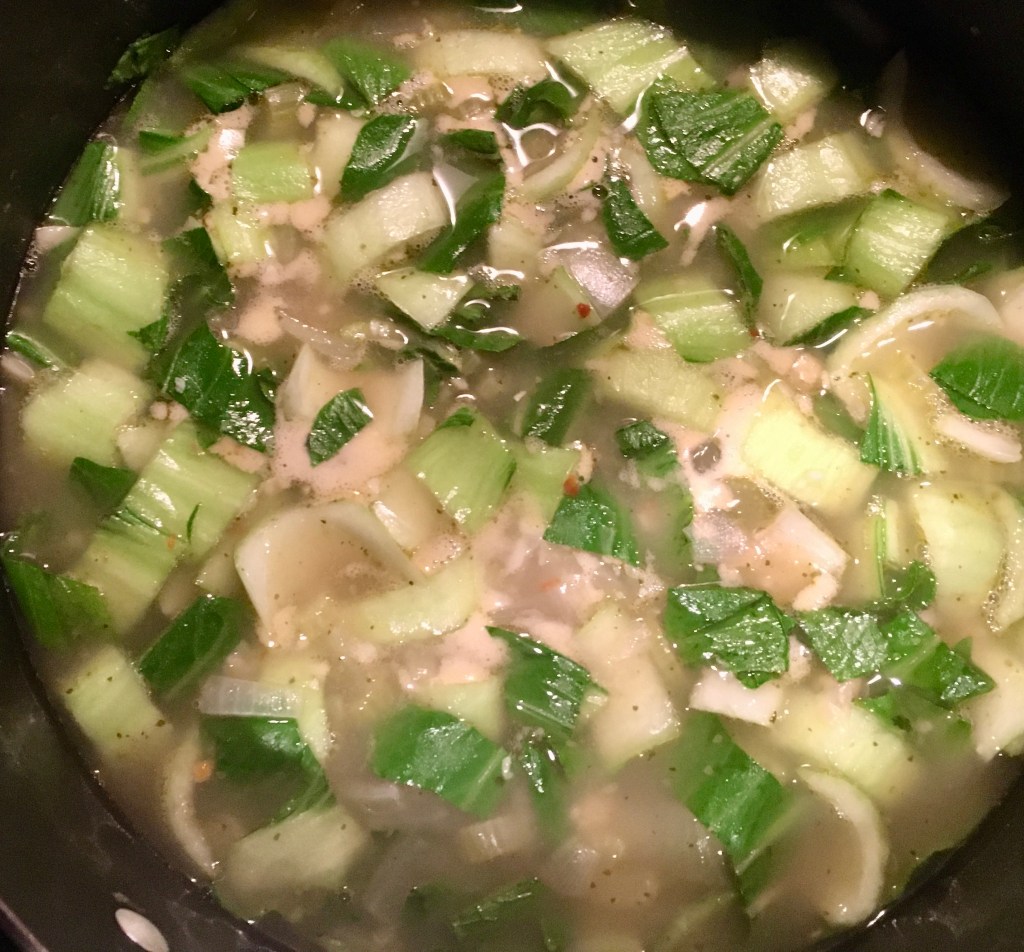
  1. Get more fresh organic or non-GMO fruits and veggies into your diet to upgrade your microbiome, lose weight, and improve overall health.  (You might also find, like I did, that this helps increase athletic performance.)  If your doc gives a thumbs up, replace one meal a day with a smoothie made from 1 part fruit, 3 parts veggies, and coconut water to your preferred consistency.  (For example, 1 pear, 3 stalks of celery, a beet, and a couple handfuls of spinach.  Or 2 fruits and 6 servings of veggies, if you need more to fill you up.  In addition to the coconut water, I like to add cinnamon and cacao powder, and top the smoothie with goji berries and unsweetened flaked coconut.)  I also suggest learning to prepare a few quick and easy meals.  Brown rice with green lentils topped with chopped red onions, cherry tomatoes, and cilantro is possibly the easiest meal I prepare, and it’s delicious.  A simple stir-fry with rice is always a good choice.  Also, check out my Bok Choy Soup recipe.  You can easily substitute another leafy green or a different bean in the soup while keeping the other ingredients and utilizing the same instructions.

In these strange times that have forced change upon us, it’s more important than ever for each of us to bring beauty and positivity to our days.  Our daily experiences, after all, compose our lives.  The small actions above can go a long way in changing a negative mindset, and, once habituated, change your life.

Blessings for Happy Changes,

Lisa

The content of this article is for educational and informational purposes only, and is not intended as medical advice. Please consult with a qualified health care professional before acting on any information presented herein. Any statements about the possible health benefits of any subject discussed have not been evaluated by medical professionals or the Food & Drug Administration and are not intended to diagnose, treat, cure or prevent any disease or illness.
Put the Talk on Pause and Heal with Wildlife

I first posted this essay with the title Put the Talk on Pause: A Photo Essay back in mid-April, when the pandemic was relatively new to the US and Micro of the Macro had very few readers. Since the message is still applicable and the photos are some of my favorites, I have done a bit of editing to repost for my newer readers. For those of you who have already seen the post, please enjoy the trip down memory lane!

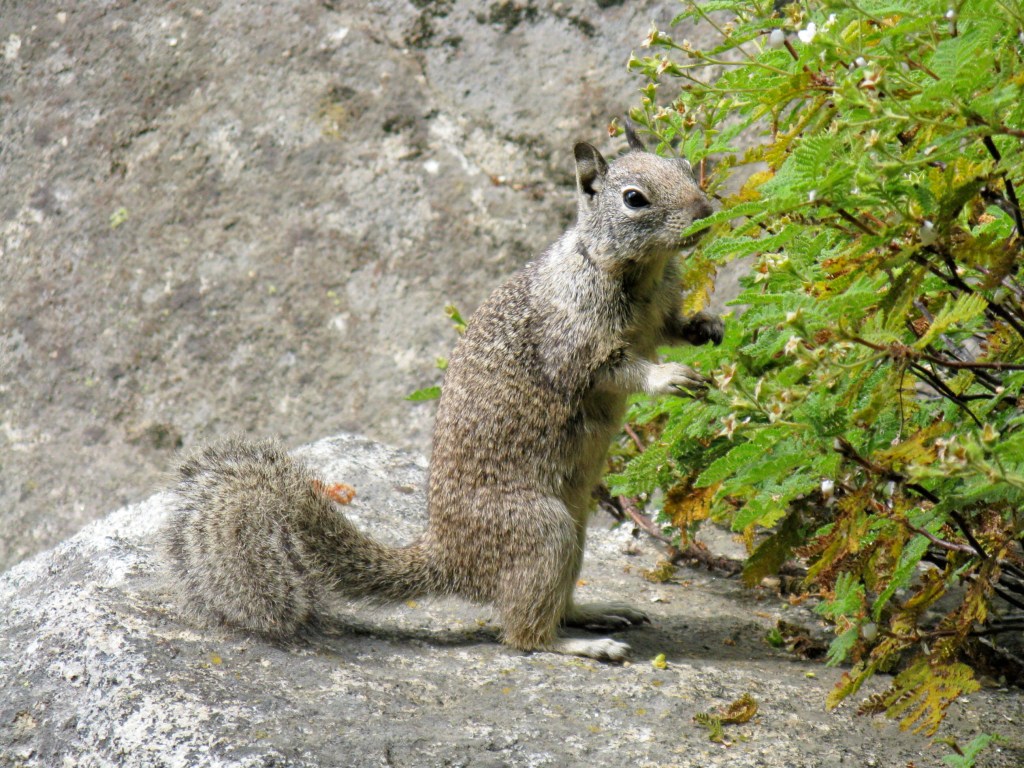
Mom & baby near a hiking trail in California

I don’t know about you, but I’m in a definite time warp. I can’t keep up with the date or the day of the week. On the one hand, this year is flying, much like last year. On the other hand, the stifling control of pandemic and its unyielding, pervasive gloom talk seem to have been with us for ages. There’s nothing I would love more than to wave a magic wand, making the next several months a part of our collective past.

A new friend on the coast of northern California.

But until I come across that magic wand, I’ll make do with smaller mundane acts that get me from one day to the next while help keeping me sane. One of those acts is turning off the tv. Listening to incessant politics and bad news from reporters, government officials, and even commercials, causes feelings of impatience and anger to surface on my normally peaceful mindset. So it’s high time, as my grandmother used to say, to put the talk on pause.

One of the friendliest strangers I ever met!

In that pause, what can I count on to transform my troubled thoughts and feelings? Today, I’ll utilize the healing balm of animals. According to 69 scientific studies on human-animal interaction reviewed by The National Center for Biotechnology Information, interacting with animals can be quite therapeutic. Some of the benefits shown in these studies include improved mood & behavior; reduced stress, fear & anxiety; improved heart health & immune function; and reduced aggression. Doesn’t your pet make you feel better, especially now in the time of covid?

These funny traffic enforcers made an appearance in northern New Mexico.

Even though we cannot interact with animals in pictures, it is my belief that simply viewing them must have positive effects as well. According to Statista, viewing wildlife while hiking, mountain biking, diving, etc. is extremely popular in this country, with about 20 million folks participating annually.

This big Wyoming dude forgot to finish shaving before his morning stroll.

The wildlife pics included in this post are a few personal favorites, taken during my travels around the American West. It is my hope that you’ll find yourself smiling as you look at them while taking a well-deserved pause from all the talk.

I think bears may enjoy swimming as much as humans!

Blessings for Animal Healing,

Lisa

The content of this article is for educational and informational purposes only, and is not intended as medical advice. Please consult with a qualified health care professional before acting on any information presented herein. Any statements about the possible health benefits of any subject discussed have not been evaluated by medical professionals or the Food & Drug Administration and are not intended to diagnose, treat, cure or prevent any disease or illness.
For the Love of Mountains: A Photo Odyssey

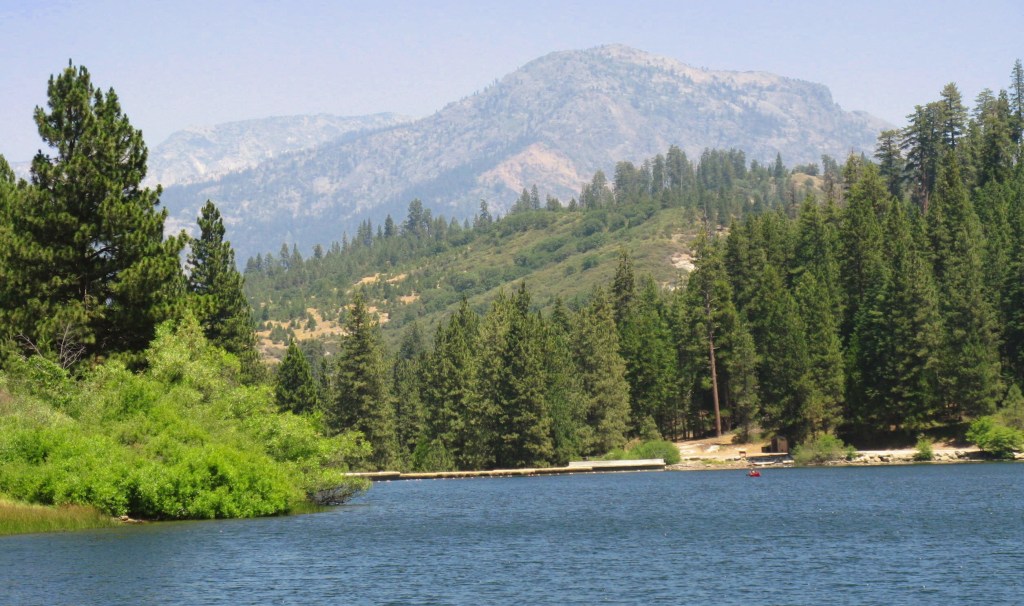
Yosemite National Park, California

We are now in the mountains and they are in us, kindling enthusiasm, making every nerve quiver, filling every pore and cell of us. Our flesh-and-bone tabernacle seems transparent as glass to the beauty about us, as if truly an inseparable part of it, thrilling with the air and trees, streams and rocks, in the waves of the sun,—a part of all nature, neither old nor young, sick nor well, but immortal.  ~John Muir

Yosemite’s High Country

I’ve been thinking a lot about mountains.  It’s been too long since I last visited some of the ranges I’m especially fond of.  With their lovely snow caps, exquisite waterfalls, clear-running streams, crystal alpine lakes, rugged terrain, variety of trees & wildlife, and incredible vistas, what’s not to miss?  John Muir, the Scottish-American who dedicated the latter part of his life to exploring and preserving the mountains of the Western US, was also enamored by them.  It is said that Muir exemplified our oneness with the earth, and biographer Donald Worster wrote that (Muir) believed his mission was saving the American soul from total surrender to materialism.”  When I read Muir’s quote above, I can feel my heart open to profound spiritual truth.

Great Basin National Park, Nevada

You must ascend a mountain to learn your relation to matter, and so to your own body, for it is at home there . . .  ~Henry David Thoreau

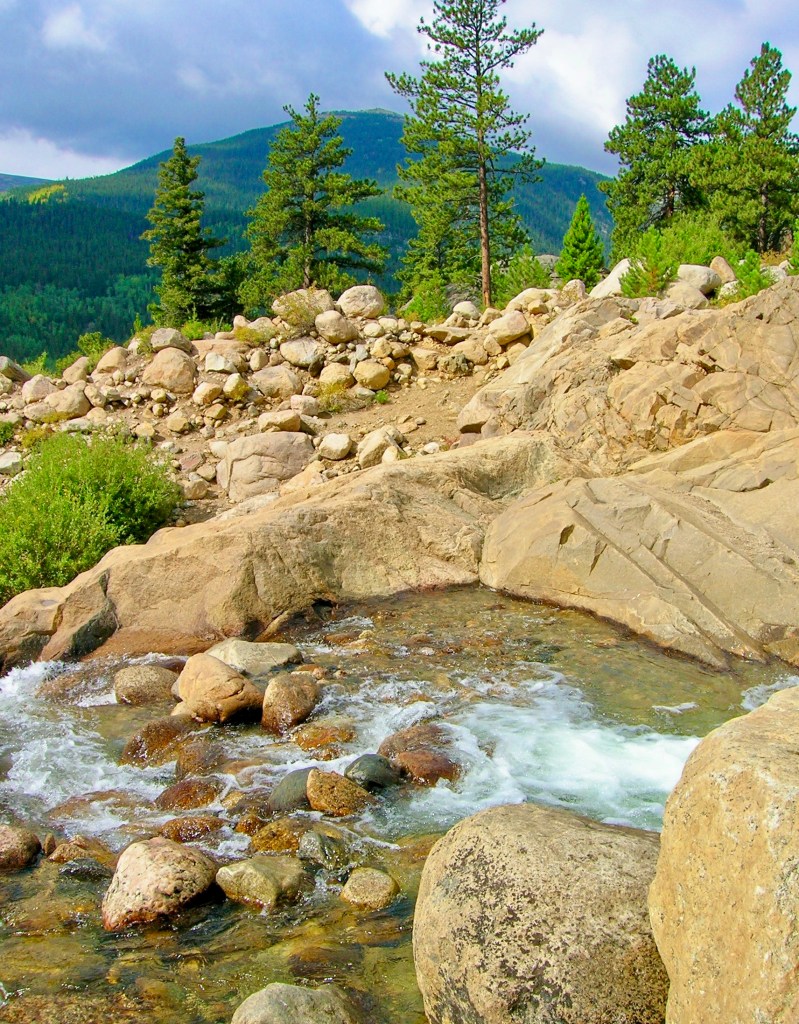
Rocky Mountain National Park, Colorado

I suppose my love of mountains was forged at an early age. As a young child, I lived in the foothills of the Smoky Mountains, and my family would sometimes drive north to see the more majestic areas of the range.  You might imagine how, years later, my infatuation grew as I began exploring ranges with higher and higher elevations.

Rocky Mountains

Every inch of the mountains is scarred by unimaginable convulsions, yet the new day is purple with the bloom of youth and love.  ~Ralph Waldo Emerson

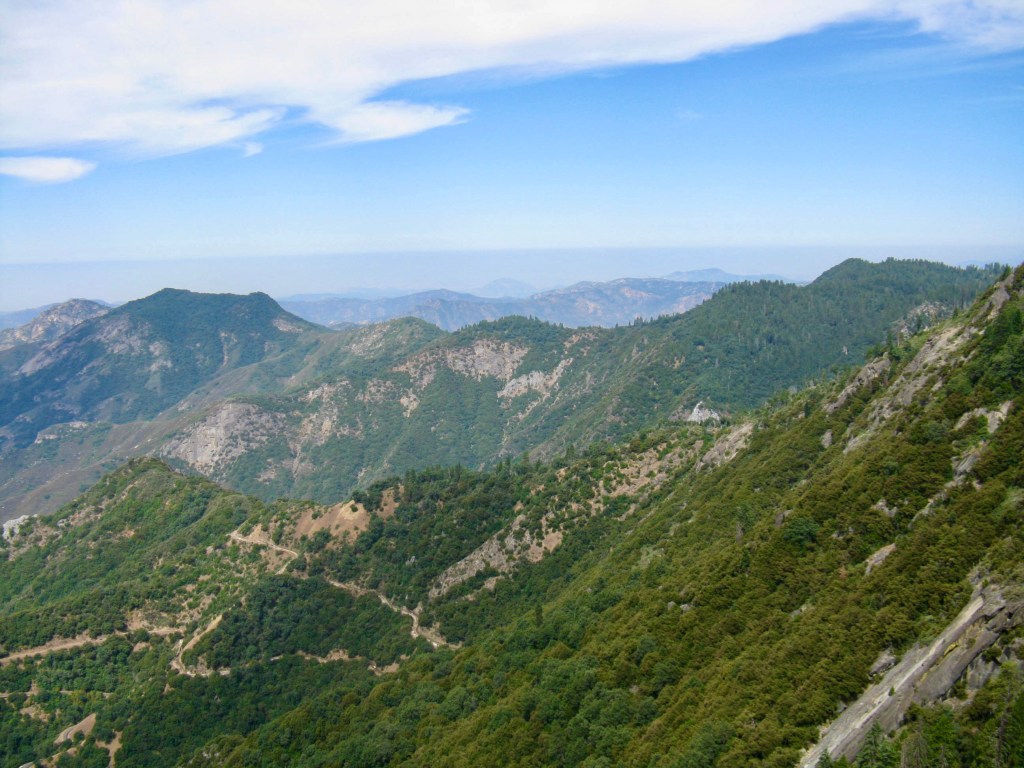
Sequoia National Park, California

I have visited a lot of little mountain towns in this country.  Oftentimes, I hear that the indigenous people of the area consider their mountains sacred and go to great measures to protect them.  That’s not hard for me to understand, as mountains evoke a sense of reverent connection within me.  I believe that’s what Muir must have experienced, as well.  He wrote letters, articles, & books, and shared conversations with scientists, artists, celebrities, and statesmen in his preservation efforts.  Perhaps the pinnacle of his life’s work was co-founding the Sierra Club, thereby helping establish a number of National Parks in this country, which serve to protect his beloved mountains.

King’s Canyon National Park, California

The mountains are calling and I must go.  ~John Muir

King’s Canyon

Do you live in the mountains?  Does your family vacation in the mountains?  Do you spend time hiking or biking them, given the opportunity?  What is your favorite memory of mountains?  Which is your favorite range?

Grand Tetons, Wyoming

Oh, these vast, calm, measureless mountain days, days in whose light everything seems equally divine, opening a thousand windows to show us God. ~John Muir

Grand Teton National Park

If you enjoyed this essay, check out Micro of the Macro’s new Categories link for more on Environment, including posts & photos of wildflowers, animals, trees, and natural water features.

Blessings for Mountain Love,

Lisa

The content of this article is for educational and informational purposes only, and is not intended as medical advice. Please consult with a qualified health care professional before acting on any information presented herein. Any statements about the possible health benefits of any subject discussed have not been evaluated by medical professionals or the Food & Drug Administration and are not intended to diagnose, treat, cure or prevent any disease or illness.
Chai My Way

It’s chai season here. Although it’s my favorite hot tea and I drink it throughout the year, the chillier months seem to claim it as their own, and who am I to argue?


I first tried chai while living in community and working in the kitchen at Omega Institute in Upstate New York. One of my supervisors was Kim from Michigan. She brewed up new (to me) and wonderful concoctions almost every day. Once I smelled and sampled her simmering chai, I knew that it would become a part of my life, til death do us part. Before the end of the season, she was kind enough to include its ingredients in a personal letter that I keep in a recipe book to this day. The recipe below is a combination of her ingredients and the measurements of each that I’ve found works best over years of making it.

Omega Institute, Rhinebeck, NY Campus

In the past, I never really thought of the nutritional benefits of spices in the same way as regular foods, but I’ve learned they are surprisingly healthy. Each of the ingredients in this recipe contributes to health & well-being in a number of ways. In addition to its sublime smell and taste, chai is a nutritional powerhouse among teas.

According to Healthline.com, fresh ginger not only helps with nausea, which is the one benefit most of us are familiar with, but can also help lower cholesterol, improve brain function, and reduce A1c levels. Cloves may benefit bone health, liver function, and reduce stomach ulcers. Cinnamon has the potential to reduce chronic inflammation, protect from free radical damage, and lower the risk for heart disease. Black pepper may help with gut health, pain relief, and appetite reduction. Cardamom is shown to fight cavities, improve digestion, and lessen anxiety. The few studies that have been done on bay leaves show that they may help prevent seizures, kidney stones, and kill cancer cells. Pure Chinese star anise has been used for thousands of years to fight viral, bacterial, and fungal infections. And black tea may help lower blood pressure, reduce stroke risk, and improve focus. Impressive for an humble tea, huh?


Chai recipes abound on the internet, all with varied flavor profiles. But this one, made super-spicy, is my favorite. You’ll find the taste out of this world, and the aroma just perfect for the holidays.

(And if this recipe sounds good to you, please check out my other healthy, delicious recipes in Micro of the Macro’s new Categories link!)

Makes 1/2 gallon

Ingredients
8 cups water
2-3 inches of thinly sliced ginger (choose your spice level)
2 cinnamon sticks
12 whole black peppercorns
2 bay leaves
8 green cardamom pods
8-12 whole cloves (choose your spice level)
3 whole star anise
6 black or Earl Grey tea bags
Sweetener of choice (optional)
Milk of choice (optional – for lattes)

Directions
Place first 8 ingredients (through star anise) in a large covered pot & bring to a boil. Reduce heat to a simmer for one hour. Remove from heat and add tea bags to steep for 20 minutes. Squeeze out tea bags, strain & enjoy with or without sweetener of your choice. Or add sweetener & milk of your choice for a delicious chai latte. Store extra (without milk) in the fridge in a covered glass container for 3-4 days.

The content of this article is for educational and informational purposes only, and is not intended as medical advice. Please consult with a qualified health care professional before acting on any information presented herein. Any statements about the possible health benefits of any subject discussed have not been evaluated by medical professionals or the Food & Drug Administration and are not intended to diagnose, treat, cure or prevent any disease or illness.
Interdependent by Design

The whole idea of compassion is based on a keen awareness of the interdependence of all living beings, which are all part of one another, and all involved in one another.  ~Thomas Merton

Merriam-Webster.com defines the term interdependence as the state of being dependent upon one another.  Examples are given for interdependent economies as well as little universes we call ecosystems.  On a macro level, coronavirus has shown us just how interdependent we all are.  On a micro level, the workings of this concept are not always so evident.

For example, we humans host an ecosystem in our guts called the microbiome.  That community consists of up to 40,000 species of bacteria that help digest food, extract nutrients, build or diminish the immune system, and release waste products which inform the brain on mood and metabolism.  The microbiome is interdependent with every other system in the body, a fact which should be considered when any kind of health issue or disease presents itself.  (Learn how the microbiome can help with weight loss here.)

Similar to our hosting of this internal ecosystem, Nature hosts humans within an external ecosystem.  We depend on soil, plants, the ocean, and animals for our basic needs.  Soil, like our microbiome, is an ecosystem unto itself.  The life in our soils determine the health of our plants.  (Read more on our struggling but resilient soils here.)  Plants release oxygen, absorb carbon dioxide and have the ability to clean our toxic wastes.  (Check out this article for more on that.)  Our oceans’ seaweed is responsible for producing even more oxygen than land plants.  (Both rainforests and oceans have been referred to as the lungs of the planet.)  Animals play an important role in the population control of other animals as well as inhibiting plant overgrowth. And domesticated animals, as you know, can provide us with companionship and unconditional love.  By caring for our environment, we are interdependently supporting the soil, plants, ocean, and animals that sustain us.

In her book Symbiosis in Cell Evolution: Microbial Communities in the Archean and Proterozoic Eons, microbiologist Lynn Margulis writes about the process undertaken by ancient bacteria which resulted in their becoming interdependent.  About 2 billion years ago, she explains, bacteria covered our planet.  To complete their life processes of respiration, photosynthesis, and fermentation, they “fought” with other bacteria for natural resources.  When the number of bacteria increased, forcing resources to go further, the bacteria found themselves in crisis, and began exploiting each other.  Many died as a result.  Because it became evident that none of them would survive if this competitive, abusive way of living continued, they realized the need for interdependence.  Due to making a shift which was better for all, their kind is still around today, living in a cooperative known as the nucleated cell.  Doesn’t that account, paused at the crisis, remind you of the human story?  

According to creationwiki.org, The interdependence of biological systems offers strong evidence for intelligent design . . . They function synergistically in such a way that the sum of their actions is greater than the addition of the separate, individual actions.  It’s pretty clear that we were intelligently created to coexist with soil, plants, other animals, the ocean, and all of humankind.  Maybe this would be a good time to embrace our interdependence with the micro and the macro so that our kind might still be around for the next billion or so years.

Blessings for Embracing Interdependence,

Lisa

The content of this article is for educational and informational purposes only, and is not intended as medical advice. Please consult with a qualified health care professional before acting on any information presented herein. Any statements about the possible health benefits of any subject discussed have not been evaluated by medical professionals or the Food & Drug Administration and are not intended to diagnose, treat, cure or prevent any disease or illness.

Empathy and Compassion Have My Vote

In the time when the world is sick and dying, a tribe of people will come together of many races. They will be a people who put their faith in deeds, not words, and the world shall become green again.  ~Cree Prophecy

Our world is broken.  The political situation in the US and elsewhere since the onset of the pandemic has reinforced that idea to a terrifying extent.  It feels like we’re on a runaway train, with powerful, egocentric politicians and wealthy elitists handling the locomotives in hasty pursuit of even more power and wealth.  By repeatedly denying climate change from their lofty platforms, it is possible to convince folks like us that their unrelenting acts of negligence and devastation of our environment are having little if any impact on our lives.  All too often, as Americans are witnessing now maybe more than ever, the ones in charge with tremendous power and wealth do not model desired qualities such as empathy and compassion.   

NY Times Best Selling Author Glennon Doyle addresses the manner in which our deplorable status quo is maintained in her excellent book Untamed.  Qualities like tenderness, vulnerability, mercy, and empathy are labeled as feminine and therefore discounted, she says; as a result they can be viewed as shameful qualities for men to possess. Due to this centuries-long manipulated belief system, Doyle writes, there is no more messy, world-changing tenderness to deal with. . .  Mercy and empathy are great threats to an unjust society.

Love and compassion are necessities, not luxuries. Without them humanity cannot survive.  ~Dalai Lama

According to an article in Psychology Today, empathy is the ability to recognize, understand, and share the thoughts and feelings of another . . .  It is important, the article states, for healthy relationships and compassionate actions, enabling altruistic helping behaviors.  

Dacher Keltner, PhD, Professor of Psychology at UC Berkeley, writes about how the empathic behavior of sharing can benefit the giver as much as the receiver, just as the act of forgiveness benefits the one forgiving.  (Check out this article for more on that.) Furthermore, Keltner asserts, when people feel compassion, they start to feel deeply connected to very different groups. In particular, they feel like they are similar to and share a common humanity with people who are really in need, who are really vulnerable.  Owing to the virus and those capitalizing on it since inception, our Earth and the great majority of Her inhabitants are suffering more than ever; what could be more important than empathy and compassion now?

Bear ye one another’s burdens, and so fulfill the law of Christ. ~Galatians 6:2

In The Greater Good Magazine, also from UC Berkeley, empathy is referred to as a building block of morality.  Studies show that it reduces bullying, prejudice, racism, and inequality.  Other research shows that it deepens intimacy, promotes health, and can help police officers use less physical force, and feel less distant from the people they’re dealing with.  That could go a long way in easing systemic race issues, don’t you think?

The earth is the mother of all people, and all people should have equal rights upon it.  ~Chief Joseph

Do other animals show empathy?  According to OneKindPlanet.org, separate studies done on elephants, rats, and chimpanzees prove they do.  Grooming, comforting, and protecting seem to be common altruistic behaviors in the animal kingdom.  And, not just for those of their own species.  Animals can be sensitive to the feelings of humans.  (This article shares more on that idea.)  Also, I’ve seen countless photos and video clips on social media of dogs caring for kittens, cats adopting birds, etc.

What about plants?  Empathic-type behaviors are regularly displayed by plants, according to Daniel Chamovitz, director of the Manna Center for Plant Biosciences at Tel Aviv University.  When attacked by bugs, trees release pheromones that cause neighboring plant life to produce chemicals that help them fight the attack.  In addition, roots can communicate to warn of drought so others in their community can prepare.  (For more on how plants benefit other botanicals as well as humans, see this article.)

Christopher Bergland, world-class endurance athlete, coach, author, and political activist, writes that, even for those completely lacking, empathy can in fact be learned.  In this article, he shares a quick loving-kindness meditation to help rewire your brain for empathy and compassion.  In short, each day, take a few minutes to sit quietly and send compassionate thoughts to loved ones, a current adversary, those suffering around the world, and yourself.  Bergland says, by doing this daily, you can sense your brain shift and open up to empathy . . .

On the threshold of a national decision that has potential to further increase the velocity of our collective runaway train, empathy and compassion are pivotal.  My prayer is that these ideas become a driving force with politicians, the wealthy elite, and all the rest of us.  With consistent practice, we can heal the Earth and change the course of humanity, thereby mending our broken world.

When historians pick up their pens to write the story of the 21st century, let them say that it was your generation who laid down the heavy burdens of hate at last and that peace finally triumphed over violence, aggression and war . . . So I say to you . . . brothers and sisters, let the spirit of peace and the power of everlasting love be your guide.  ~US Representative John Lewis (recently deceased)

Blessings for Empathy & Compassion,

Lisa

The content of this article is for educational and informational purposes only, and is not intended as medical advice. Please consult with a qualified health care professional before acting on any information presented herein. Any statements about the possible health benefits of any subject discussed have not been evaluated by medical professionals or the Food & Drug Administration and are not intended to diagnose, treat, cure or prevent any disease or illness.

Spirit Traditions

Looking back, this year feels like it’s lasted for eons.  But from a different perspective, it also seems to have flown by.  Do you know what I mean?  Does it seem possible that the little ones, at least in some areas, will be trick-or-treating next weekend?  I find it hard to believe.

There have been times that I haven’t celebrated the autumn and winter holidays.  For years, I was hung up on the over-commercialization and materialism of it all, and therefore, I had no desire to take part.  But one of the things covid has taught me is that time with friends and family should not be taken for granted.  Traditions should be celebrated and relationships should be cherished.  

According to Frank Sonnenberg, an award-winning author who was recently named one of America’s Top 100 Thought Leaders, Traditions represent a critical piece of our culture. They help form the structure and foundation of our families and our society. They remind us that we are part of a history that defines our past, shapes who we are today and who we are likely to become.  He goes on to say that traditions reinforce values such as selflessness and responsibility, provide a sense of belonging, and give us an opportunity for reflection while making memories with loved ones.

The American Halloween tradition originated with our Celtic ancestors about 2000 years ago.  Their new year began on November 1, and they believed the ghosts of the dead returned to earth the night before.  To commemorate, the Celts built sacred bonfires, wore costumes, and engaged in fortune-telling.  Over the centuries, the Roman Empire and the Catholic Church both played roles in changing some of the meaning and customs of the celebration.  In the US, due in part to religious beliefs, Halloween did not become popular nationally until late in the 19th century, when millions of Irish migrated to this country to flee the potato famine.

Dia de los Muertos (Day of the Dead) is an annual holiday celebrated on November 1 & 2 by those of Mexican heritage.  (It is, however, gaining popularity in this country, as I’ve taken part in its celebration in 3 states over the years.)  I’ve read there is no crossover between Dia de los Muertos and Halloween, but there are many similarities.  In the Mexican holiday, it is believed that spirits of the dead are allowed to return to their homes for 24 hours, and it is celebrated with parades, special foods, costumes, and lovingly designed altars filled with skulls, flowers, and pictures of the deceased.  According to the National Hispanic Cultural Center, Dia de los Muertos is a day set aside for families and communities to honor ancestors and loved ones, while celebrating the cycle of life.  

Ah, yes, the cycle of life.  Like every living thing on Earth, we have a life cycle.  Each stage in the human life cycle presents specific challenges for experiencing, learning, and loving, in preparation for the next stage.  This ties in with Sonnenberg’s statement, (Traditions) remind us that we are part of a history that defines our past, shapes who we are today and who we are likely to become.  Traditions are an important part of our life cycles.

Don’t let covid take away your traditions.  Make modifications as necessary for safety, ignore the commercialization as best you can, and make happy memories with family and friends.  The visiting spirits of your deceased loved ones will appreciate it.

Blessings for Halloween & Dia de los Muertos,

Lisa

The content of this article is for educational and informational purposes only, and is not intended as medical advice. Please consult with a qualified health care professional before acting on any information presented herein. Any statements about the possible health benefits of any subject discussed have not been evaluated by medical professionals or the Food & Drug Administration and are not intended to diagnose, treat, cure or prevent any disease or illness.
Southwestern Stuffed Peppers with Avocado-Cilantro Sauce

If you’ve tried stuffing bell peppers and found the process tedious, or the peppers get too soft or not soft enough, this recipe is for you. Until I ran across the precursor for the recipe below, I had stopped making them. Too much effort yielding a so-so result is not a good formula for me. I want (relatively) easy and super yummy!

My stuffed peppers are of course made without meat or cheese, and to be honest, I can’t remember how the meat- & cheese-filled peppers taste. I am willing to bet that you will absolutely love this recipe, though, if you are a fan of Southwestern cuisine.

Are they healthy? You bet. The bells are loaded with antioxidants and Vitamin C, with good amounts of Vitamin A, B6, folate, fiber, and potassium. According to The World’s Healthiest Foods website, the nutrients in bell peppers are shown to reduce oxidative stress, and can thereby reduce your risk for heart disease and blood sugar issues.

As for quinoa, according to Dr. Josh Axe, a functional medicine practitioner & clinical nutritionist, it is considered one of the healthiest foods on the planet. It also has a mother load of nutrients, including protein, fiber, essential fatty acids, tons of minerals, and antioxidants. It has been shown to support bone health, staving off osteoporosis, which is so common among older adults (especially women.)

What’s more, both bell peppers and quinoa support weight loss. So what are you waiting for? Let’s get to cooking!

The inspiration for this dish came from a recipe by Jordan Cord at thefitchen.com. Thanks, Jordan!


Yield: 5-6 servings

Ingredients (Use all organic and/or non-GMO if possible)
2 cups water
1 cup uncooked red or tri-colored quinoa, rinsed well
1 medium onion, diced
1 can diced tomatoes
2 green chilis, seeds removed & diced
1 tsp salt
1 tsp paprika
1/2 tsp chipotle powder
1 cup frozen corn, defrosted by running under cold water a bit, drained
1 cup small-diced zucchini
5-6 bell peppers, various colors, tops removed & reserved; seeds &
ribs removed & discarded
A little avocado oil for the baking pan (or line with aluminum foil)
1/2 avocado
1 tbsp fresh lemon juice
1/2 cup fresh cilantro leaves & stems
1 small garlic clove, chopped
1 tbsp olive oil
1/8 tsp salt, or to taste
3 tbsp water, or as needed for sauce consistency

Directions

Place the first 8 ingredients into a medium saucepan. Bring to a boil, cover, and reduce to a simmer for about 12 minutes. Stir in corn & zucchini. Replace lid & cook another 8 – 10 minutes, or until all the water has been absorbed. (If after 25 minutes the water is not fully absorbed, you can drain it.) Remove from heat and set aside.

Heat the oven to 415 F. After removing the stems, small-dice the bell pepper tops reserved earlier. Stir into the quinoa mixture. Stuff each pepper with the mixture and place upright on a lightly-oiled baking pan. Bake for 30 minutes.

In a small blender or food processor, add the final 7 ingredients. Whirl into a smooth sauce, adding more water and salt to desired consistency & taste.

After removing the baked peppers from the oven, top with the sauce, squeezed through the snipped corner of a plastic food storage bag to make it really pretty!

I like to serve these with thickly-sliced cremini mushrooms that have been sautéed for a few short minutes in olive oil & fresh garlic, with a sprinkling of chili powder, salt, & crushed red pepper. Enjoy!

The content of this article is for educational and informational purposes only, and is not intended as medical advice. Please consult with a qualified health care professional before acting on any information presented herein. Any statements about the possible health benefits of any subject discussed have not been evaluated by medical professionals or the Food & Drug Administration and are not intended to diagnose, treat, cure or prevent any disease or illness.

Forgive? Why Should I?

It’s one of the greatest gifts you can give yourself . . . Forgive everybody. ~Maya Angelou

Valerie Kauer is a civil rights lawyer, author of SEE NO STRANGER: A Memoir & Manifesto of Revolutionary Love, and an award-winning filmmaker.   In a very popular TED Talk, Valerie tells a heart-wrenching story about the first post-September 11 hate crime, the murder of a Sikh family friend whom she called Uncle, by a man who called himself Patriot.  Years after the crime, Valerie accompanied the brother of the deceased to the prison where Patriot was detained.  They spoke with the murderer, who expressed sorrow, saying when he gets to Heaven to be judged by God, he will ask to see the man he killed, hug him, and ask his forgiveness.  To this, the brother responds, “We’ve already forgiven you.”  Hearing those words melts me.  I don’t believe there could be a more loving, generous, empathic statement he could make to the murderer of his brother.  Valerie concludes the story with the idea, “Forgiveness is not forgetting.  Forgiveness is freedom from hate.”  And, freedom from hate, she continues, grants us the ability to see those that harm us not as monsters, but as wounded, threatened, and insecure, with their own sad stories. 

Forgiveness is a practice that doesn’t come easy.  It can take incredible effort to let go of hard feelings toward someone who has wronged us, especially if they have taken someone or something away from us.  I was intrigued when I first learned that the process of forgiveness benefits me (the forgiver) more than the person that I need to forgive.

It is in pardoning that we are pardoned.  ~Francis of Assisi

The Aramaic meaning of the term forgiveness is to let go, to cut loose (as in a tied animal), to release, to leave physically & psychologically.  So you see, going through this challenging practice allows you to let go of – to cut loose – the hardness of heart, resentment, and darkness you’ve been harboring, sometimes for years.

Forgiveness results in many benefits that affect us (the forgivers) mentally, physically, & spiritually, within families, communities, and nations, according to The New Science of Forgiveness, from UC Berkeley’s Greater Good Magazine.  In addition to diminishing negative emotions in general, the act of forgiving has been found to reduce stress, blood pressure & heart rate, improve immune function, and lessen or eliminate feelings of being out of control.  In middle-agers, it has also been reported to reduce feelings of nervousness and restlessness.  

An article from Mayo Clinic, Forgiveness: Letting Go of Grudges and Bitterness clearly states, “. . . If you don’t practice forgiveness, you might be the one who pays . . . By embracing forgiveness, you can also embrace peace, hope, gratitude and joy.  Forgiveness can even lead to feelings of understanding, empathy and compassion for the one who hurt you.”  The article goes on to say that the act of forgiving is not the equivalent of excusing or forgetting, nor does it mean reconciliation is required.

Reconciliation doesn’t even need to be considered.  In a PDF entitled Forgiveness Counseling Guide, created by Dallas Baptist University’s Counseling Center, it is suggested, “If the person who has hurt you is unsafe (such as an individual who is emotionally, verbally, or physically abusive) or contributes to unhealthy thoughts, feelings, and behaviors in your life then reconciliation may not be wise . . .”  As a matter of fact, the other person doesn’t need to know you’ve forgiven him/her, and frankly might not care.  Again, the process is one to benefit you.

Forgiveness is (practiced) for yourself because it frees you. It lets you out of that prison you put yourself in.  ~Louise L. Hay

Long ago, I read a quote that went something like this: Not forgiving is like drinking poison and expecting someone else to die.  Recently, when I went online to find the source, I found many variations on the statement from writers, celebrities, activists, and others.  After searching a little longer, I found information that the idea may have originated with the great Religious Science leader and writer Emmet Fox during the early part of the last century.  This idea resonates strongly with me.  I’ve realized in retrospect that some of the hardest times I’ve gone through with an individual were made more difficult for me by feelings of resentment toward that person that I had been holding on to, sometimes for decades.  By forgiving and releasing those hurts, they become a part of my past, and therefore don’t find their way into new situations.

I want to gift you with a simple tool that I shared with my workshop participants years ago.  We’ve all heard that journaling is a great tool for personal release and mental health in general.  That also applies to the process of writing a letter (that you’ll never send) to someone who wounded you.  Here’s the format:

  1. In the first paragraph, BLAST THEM!  Curse them, let them know how deeply they hurt you, how angry you are, etc.  Don’t hold back!  This first paragraph can be as long as you need it to be – even pages.  
  2. After that big purge, close your eyes, breathe deeply for a couple minutes, and imagine exhaling all the residual sludge from the experience.
  3. In the next paragraph, write about the lessons you have learned as a result of your suffering, as well as your desire to let go and forgive.  (This part can be directed to yourself if necessary, remembering that the practice is for your benefit.)
  4. When the letter is complete, read it from beginning to end.  Take some time to appreciate the progress you have made/are making in such a difficult situation.
  5. Lastly, when you’re ready, either rip the letter into tiny pieces or burn it (carefully!) as you repeat to yourself, I am letting this go: it will no longer have a hold on me.  I am grateful.

Before closing, I’d like to mention the idea of forgiving yourself.  Personally, I’ve found that forgiving myself along with those that hurt me is often a necessary component for truly letting go.  (We often play some part in our trials with others, right?  Of course, this doesn’t always apply: abused children and elders, for example, may be helpless and blameless.)  If you go through the letter process above and don’t feel any relief, consider forgiving yourself, which may in fact be the most difficult part of the process.  (I forgive myself for my role in this situation, and I let go of all hard feelings.  Repeat, dozens of times if necessary, until you feel a shift.)
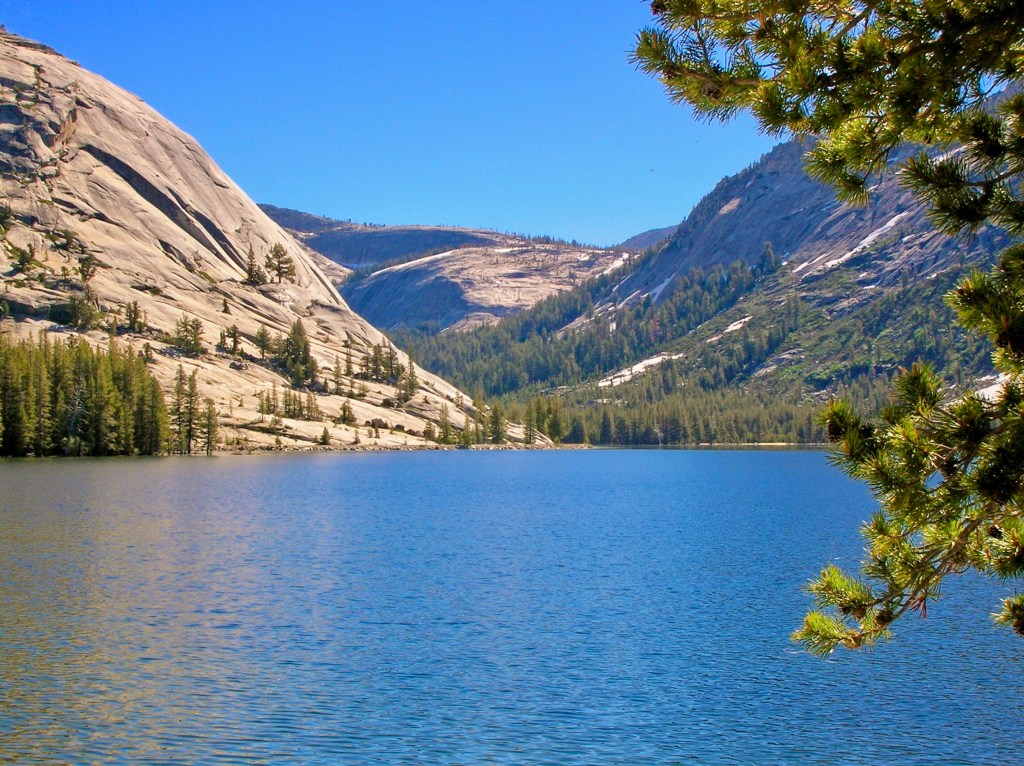
The practice of forgiveness is our most important contribution to the healing of the world.  ~Marianne Williamson
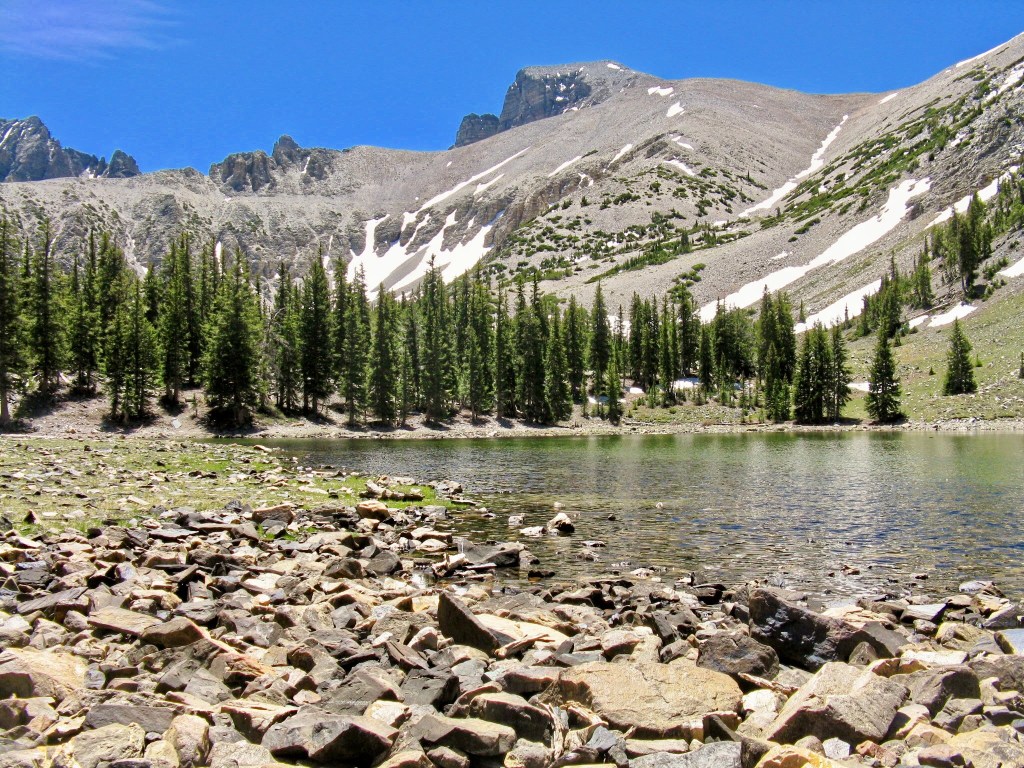
In a world divided by race, class, religion, and other walls, forgiveness and its resulting empathy can be very useful tonics.  Applying the practice to our own lives can result in increased love & understanding, better physical & mental health, and improved interactions within families & communities.  Applying our forgiveness practice out in the world can serve us all in ways yet unimagined.

Blessings for Forgiveness,

Lisa

The content of this article is for educational and informational purposes only, and is not intended as medical advice. Please consult with a qualified health care professional before acting on any information presented herein. Any statements about the possible health benefits of any subject discussed have not been evaluated by medical professionals or the Food & Drug Administration and are not intended to diagnose, treat, cure or prevent any disease or illness.