Escaping Normal

Two roads diverged in a wood and I took the one less traveled . . . And that has made all the difference. – Robert Frost

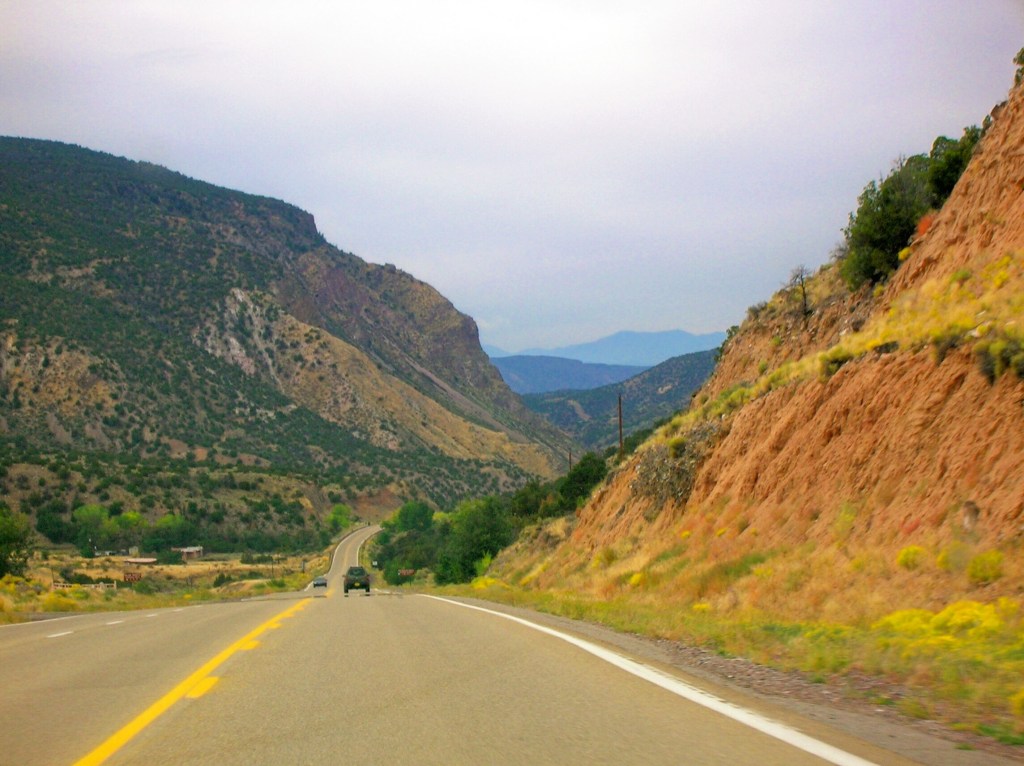
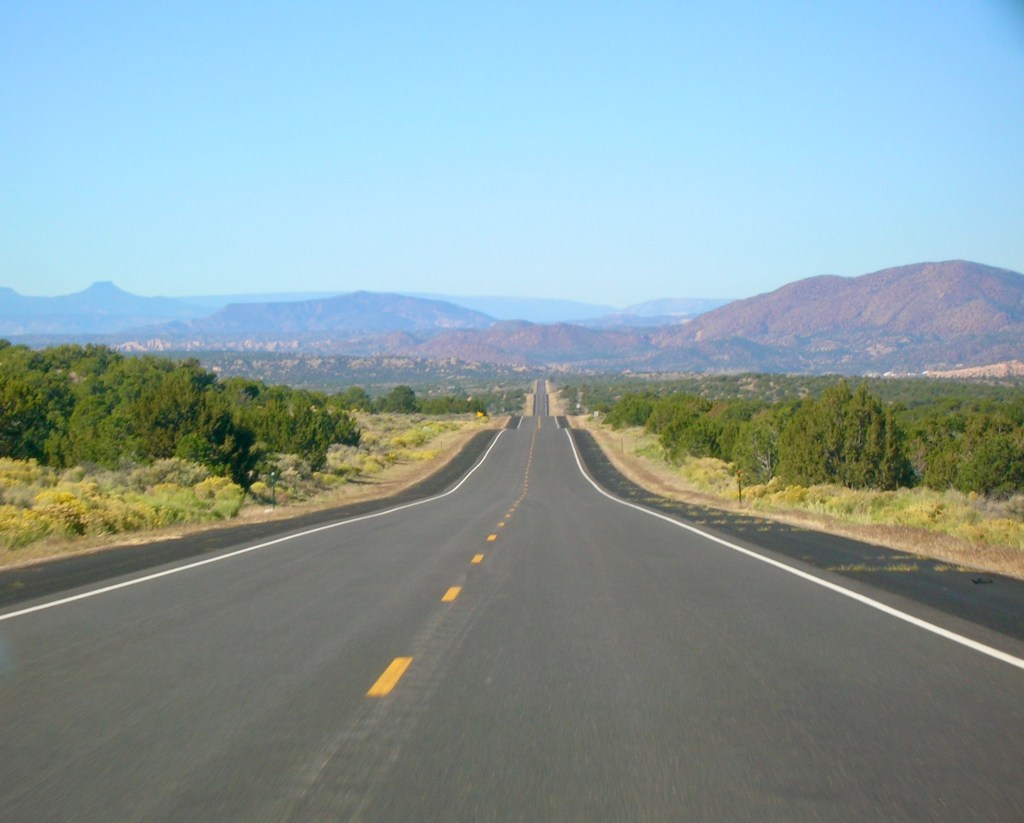
The road to Taos & the Chama River

With many hardships of the pandemic still looming, I think a great many of us would like to escape our new normal. Would you agree?

I recently watched Into the Wild, which is based on a true story. I had never seen a preview or read the book, but fell in love with “Society” & a couple other songs from the soundtrack, sung by Eddie Vedder of Pearl Jam, and knew I had to see the film. A Rolling Stone journalist wrote that the songs temper the romance of absolute freedom with an eerie foreboding. A perfect description.

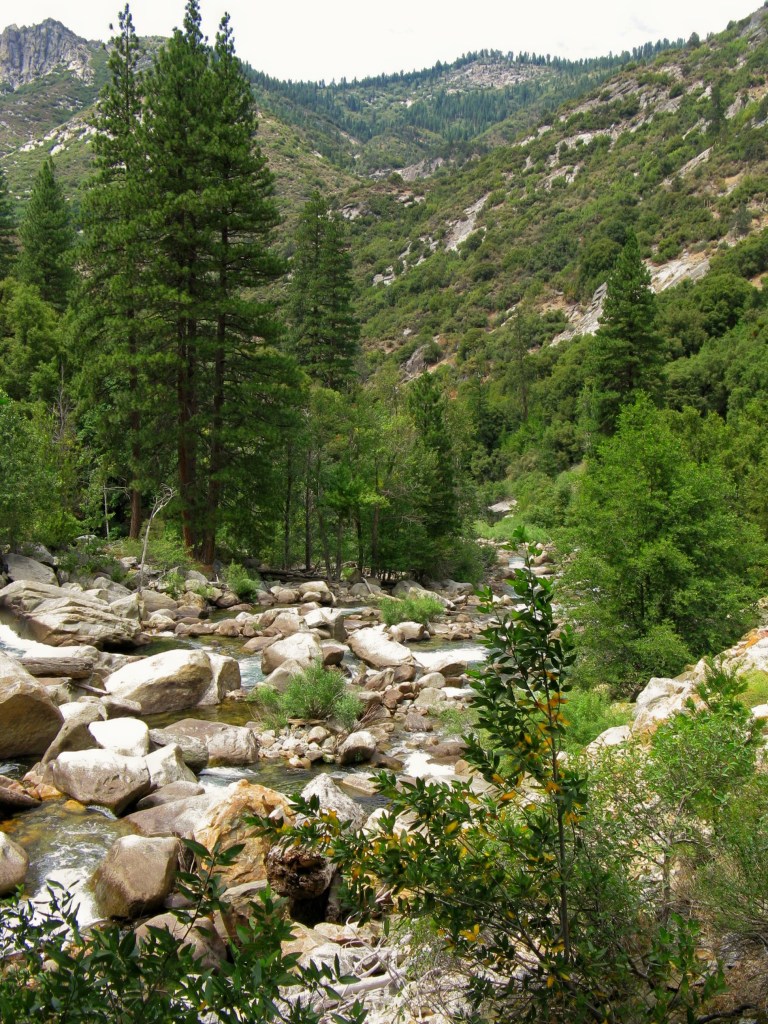
Another view of the Rio Chama

The movie, written and directed by Sean Penn, documents the cross-country journey of a young Emory University graduate, Christopher McCandless, after having given up most of his savings, credit cards, and other worldly possessions. During his travels, his heart is flung wide open by beauty, simple living, and some of the colorful characters he meets. Spoiler alert – the movie does not have a happy ending. But if you have ever escaped, or longed to escape, what society considers normal, the spirit of the movie will move you.

Life shrinks or expands in proportion with one’s courage. – Anaïs Nin

Before I left my home in South Florida years ago, I desperately wanted to escape. I didn’t know what I wanted to do or where I wanted to be; I did know that it was something and somewhere else. I had lost the job that was my primary source of income. My 5-year romantic relationship had ended. My best friend (of over 15 years) and I had stopped talking. And my favorite (husband & wife) ministers were moving over a thousand miles away. I shared with a Buddhist Monk Energy Healer that I felt the cornerstones of my life had collapsed. He suggested these painful changes were preparing me for a huge shift in my life’s trajectory. He couldn’t have been more accurate.

The Rio Grande Gorge Bridge, just north of Taos

There is a universal, intelligent life force that exists within . . . as a deep wisdom, an inner knowing. We can access (it) through our intuition, an inner sense that tells us what feels right and true for us at any given moment. – Shakti Gawain

After a few months of depressed isolation and subsisting on Merlot & Häagen-Dazs, I had an epiphany: the Universe MUST have a better plan for me. That insight opened my heart and inspired my determination. Because the idea of traveling had always appealed to me, (and frankly, I didn’t know what else to do) I decided to sell my home and almost all my possessions and hit the road. Once I made that decision, however, I was terrified. I couldn’t even talk about it without crying. I knew in my heart that it was right, but I wrestled with fearful thoughts most days and nights until leaving. Thankfully, once I embarked, a feeling of tranquility came over me almost immediately. The spirit of travel was revealed to me, and a ubiquitous sense of gratitude swelled inside me.

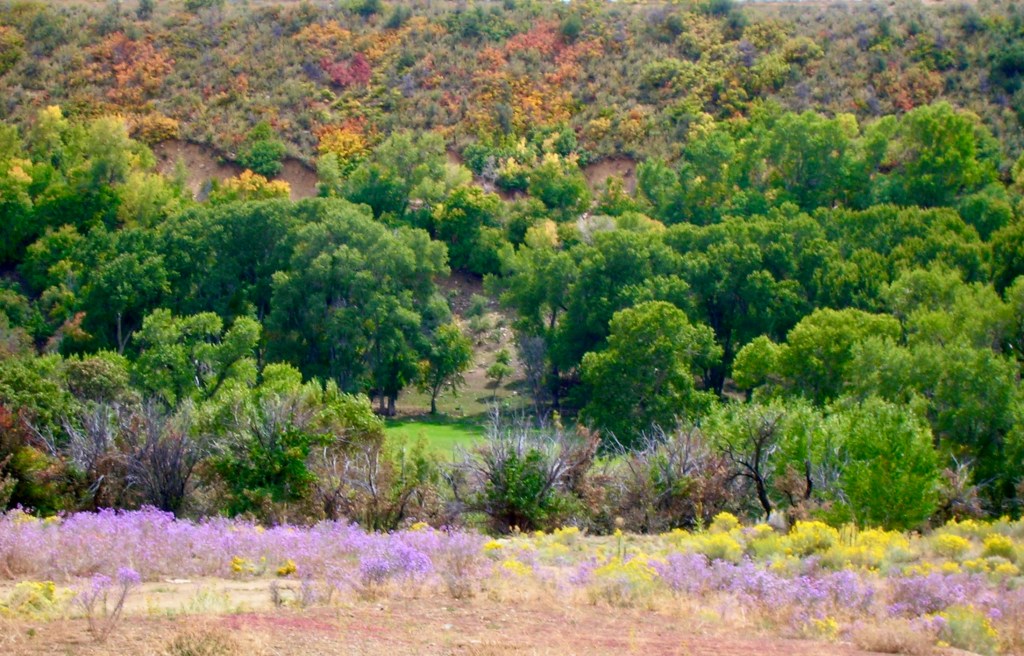
The untamed beauty of Northern New Mexico

On this path let the heart be your guide
for the body is hesitant and full of fear
. – Rumi

My first extended stay was in Taos, New Mexico. I had read about the wild beauty of Taos Mountain, sagebrush, buttes, and canyons, and I longed to see them for myself. Staying at a hostel, I met a group of people of various ages and backgrounds who felt like family after just a couple weeks. That group included a Vietnam Vet from New York who listened to a lot of Grateful Dead. There was a gal from Oregon who was taking a break from college. I met a 30-something guy who lived in a teepee nearby and got around on bicycle. I shared a dorm room with a Texas lady who was fleeing a life that had spiraled out of control. (I’m happy to say we are still friends today.) And, there was a young girl who had fled San Diego after learning her boyfriend had cheated & smashing his car windows. Like a family, we all shared food, rides, ideas, stories, and music. During the day, we explored Taos Ski Valley, the Rio Grande Gorge & the Mesa; drove the Turquoise Trail & visited Durango; and checked out art galleries, unique shops, & the farmers market. In the evening, after sharing meals, we would sit around a fire pit, stare into the mesmerizing flames & savor the sweet smell of the smoke, while one or more of us played guitar. It was a soothing balm for my sense of brokenness.

The Mesa, thick with delightfully-scented sagebrush

For three years, I would continue my journey on the road, staying in hostels, with friends & family, in community, and in my tent. I wintered in northern Florida, and during warmer months, visited California, Washington, Maine and most states between. I hiked hundreds of miles, experienced the love and healing power of Nature, and shot thousands of photos. I explored spectacular mountain ranges, witnessed extraordinary trees, discovered vast fields of wildflowers & breathtaking waters, and often found myself close to wildlife. I learned to love the ascent of a mountain and appreciate geography and topography in general. I met friendly strangers from many countries and learned to cook new foods. And when my big road trip was over, I felt wholly rehabilitated.

I resonate strongly with Christopher McCandless’ story. The beauty, education, kindness, and healing I experienced while traveling permeated every aspect of my being, changing me forever. Escaping the normal life I once had was the best decision I ever made.

The “Mother Road

Blessings for the Unorthodox,

Lisa

The original version of this post was first shared in May of 2020. Thanks for (re)reading!

The content of this article is for educational and informational purposes only, and is not intended as medical advice. Please consult with a qualified health care professional before acting on any information presented herein. Any statements about the possible health benefits of any subject discussed have not been evaluated by medical professionals or the Food & Drug Administration and are not intended to diagnose, treat, cure or prevent any disease or illness.


Rice & Beans Soup with Fresh Oregano

About once a week, I make what I call a kitchen soup (shortened from kitchen sink soup because it just sounds better!)  Fresh farmer’s market finds, veggies that have gone unused from earlier in the week, extra cooked grains, leftover fresh herbs, and sometimes beans go into the mix.  Spices are chosen that will accentuate the ingredients, and, voila, a new concoction is born!  I don’t make note of the ingredients unless the soup is over-the-top tasty.  This recipe is the result of a super tasty one.

I love black beans and rice, and I love soup, but none of the recipes I’ve seen (or tried) for combining the two have appealed to me.  So, I am grateful to the recipe developers, who shall go unnamed, that inspired me with the idea of creating my own! 

Not only is this soup delicious, it has many health-giving properties as well.  According to a write-up on Web MD, black beans are loaded with fiber, antioxidants, iron, folate, and magnesium. Eating them regularly may help in preventing various cancers, protecting eye health, reducing heart attack risk, and even controlling weight and cholesterol.  Further, a Healthline article reveals studies have shown that if people eat black beans with rice, the beans can reduce the rise in blood sugar compared to when people eat rice alone.

According to an article from Medical News Today, oregano has been used as an herbal remedy for centuries for treating many ailments, including colds, indigestion, asthma, and diarrhea. Studies show that the herb contains a host of antioxidants, and has anti-bacterial and anti-cancer properties. The article goes on to say that oregano may also be helpful for depression, cramping, allergies, diabetes, and arthritis. It’s a powerful little plant!

Sweet potatoes, I’ve found after years of reading many different sources, are one of the most beneficial foods around.  From the informational page on sweet potatoes at The World’s Healthiest Foods website, one difficulty in describing the health benefits of sweet potatoes is knowing where to begin. I eat them regularly due to their rich content of fiber, Vitamin C, many B vitamins, potassium, and beta carotene.  I also appreciate the fact that they’re anti-inflammatory and good for my gut in various ways.  Not to mention, they are sooooo flavorful!  If you’ve been buying the same type of sweet potato for a while and they don’t seem as sweet as before, try a different kind.  After sampling a few varieties, I’ve landed on a new favorite: the Japanese sweet.  Biting into a morsel of sweetness while eating this spicy soup is sure to make you say mmmmmmmmmm

I’d love to hear if you give the recipe a try!

Yield: 6 Servings

Ingredients (use organic and/or non-GMO when possible)
2 tbsp avocado or olive oil
5 med cloves garlic, minced
1 med yellow onion, diced
3 stalks celery, sliced
1 large carrot, sliced
1 med-large Japanese sweet potato, peeled & med diced
1 jalapeño, seeds removed & minced
2 cups home-cooked or one 15 oz can black beans, partially drained
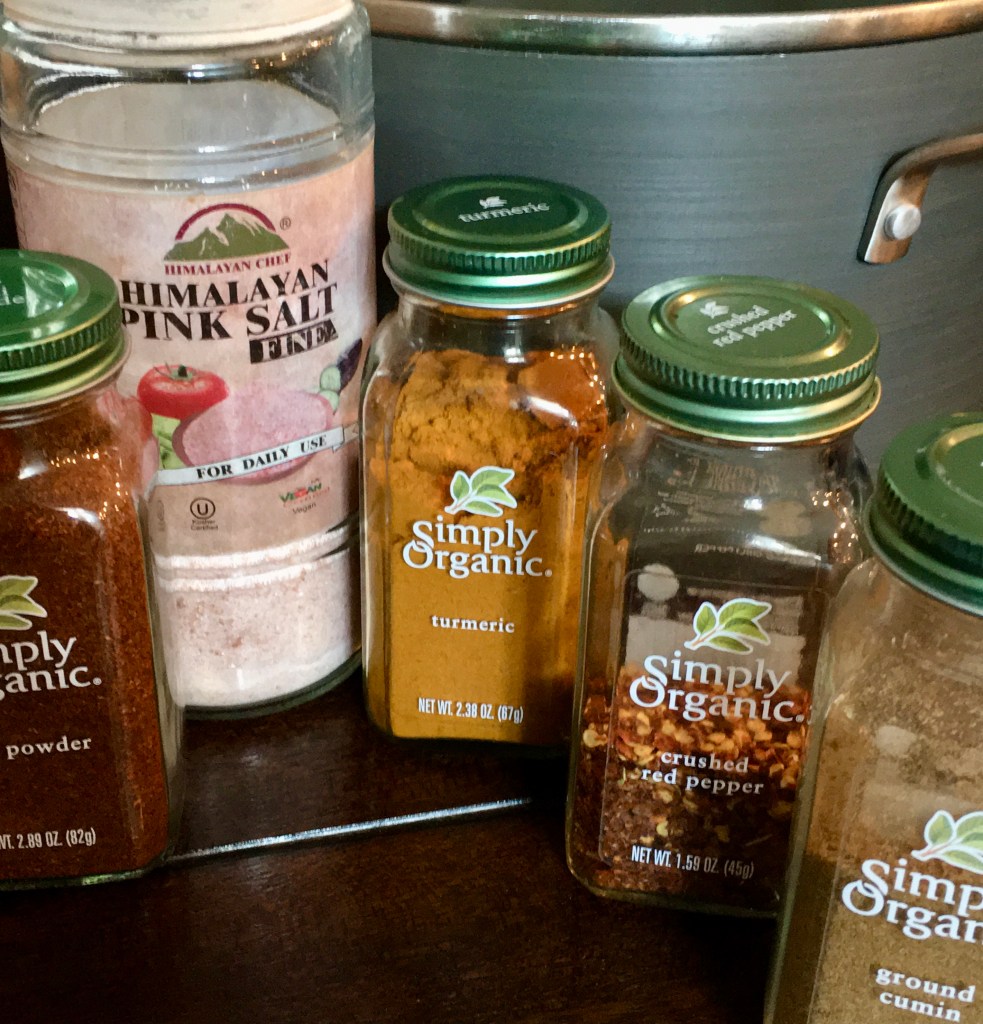
1/4 tsp turmeric
1 tsp cumin
1 tsp chili powder
1/4 tsp crushed red pepper
*3 bouillon cubes
*6 cups water
1 med zucchini, med diced
2 tbsp fresh oregano leaves
1 heaping cup cooked brown rice
salt to taste

*You may sub 6 cups broth for the bouillon & water, if you’d like.

Directions
Warm the oil over medium-low heat in a heavy-bottomed soup pot. Add the next 6 ingredients (garlic – jalapeño.) Stir regularly to prevent garlic from burning and cook for 10 minutes. Add beans and seasonings (turmeric – crushed red pepper) and stir while cooking for 3 minutes. Break up the bouillon cubes over the veggies & add the water, increasing heat to a quick boil. Bring down to a simmer for about 7 minutes, until veggies are firm-tender. Add zucchini & fresh oregano to simmer for 5 minutes. Finally, stir in the cooked brown rice and salt to taste. Allow to warm through, about 3 minutes more.

Serve alongside a green salad with avocado cubes & diced red onion seasoned with salt and fresh lime juice. Enjoy!

The content of this article is for educational and informational purposes only, and is not intended as medical advice. Please consult with a qualified health care professional before acting on any information presented herein. Any statements about the possible health benefits of any subject discussed have not been evaluated by medical professionals or the Food & Drug Administration and are not intended to diagnose, treat, cure or prevent any disease or illness.

Scenes from a Hiking Trail

Are you looking for a little family adventure while you’re not yet comfortable with a return to full-on traveling? Maybe finding a new trail to hike in Nature’s exquisite surroundings can satisfy that yearning while inspiring a little awe.  From prior posts, you know that I love hiking, and I thought it’d be fun to share a few of my favorite trail scenes.

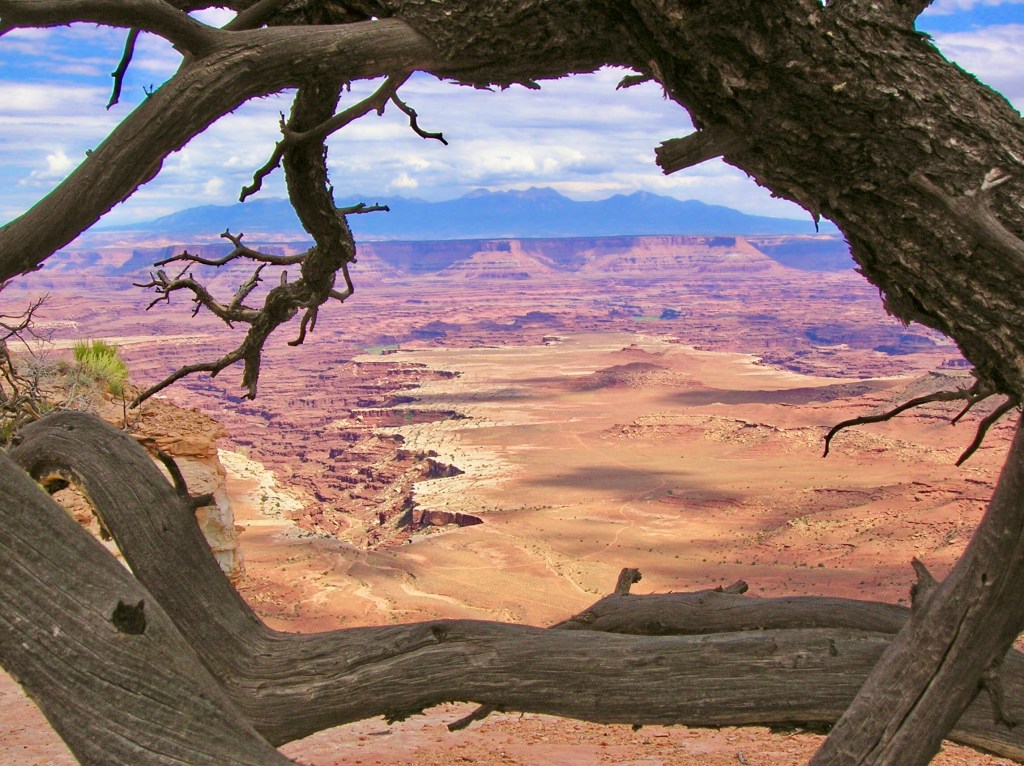
Canyonlands National Park, Utah

Canyonlands National Park, near Moab, Utah, is one of the first parks I visited in the American Southwest.  I’ve heard it called the Little Grand Canyon, and at the time of my visit, it was one of the least-visited National Parks.  From various trails, I saw unforgettable colored canyons, interesting rock formations, various wildflowers, and trees with roots growing up to a foot above the ground.  There was even a big, bushy flowered plant that smelled like chocolate cake!  (If ever I learn its name, you can bet I’ll be planting a few around my house!)

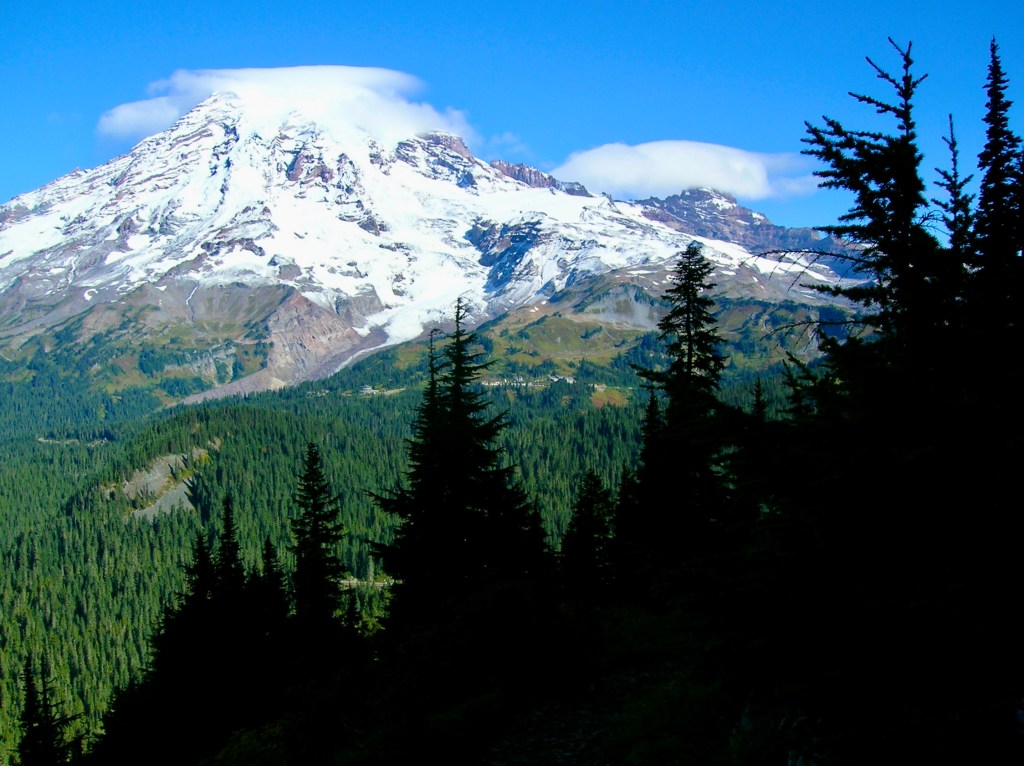
Mt. Rainier from behind the pines

Climb the mountains and get their good tidings. Nature’s peace will flow into you as sunshine flows into trees. The winds will blow their own freshness into you, and the storms their energy, while cares will drop away from you like the leaves of Autumn. ~John Muir

Mt. Rainier, Washington’s tallest peak, topping out at 14,411 feet, is about 60 miles south of Seattle.  The region around the mountain is thick with evergreen trees and wildflower meadows, and has several rivers running through it.  Weather in the area is generally rainy, but I was fortunate to catch a couple days of sun and royally blue skies.

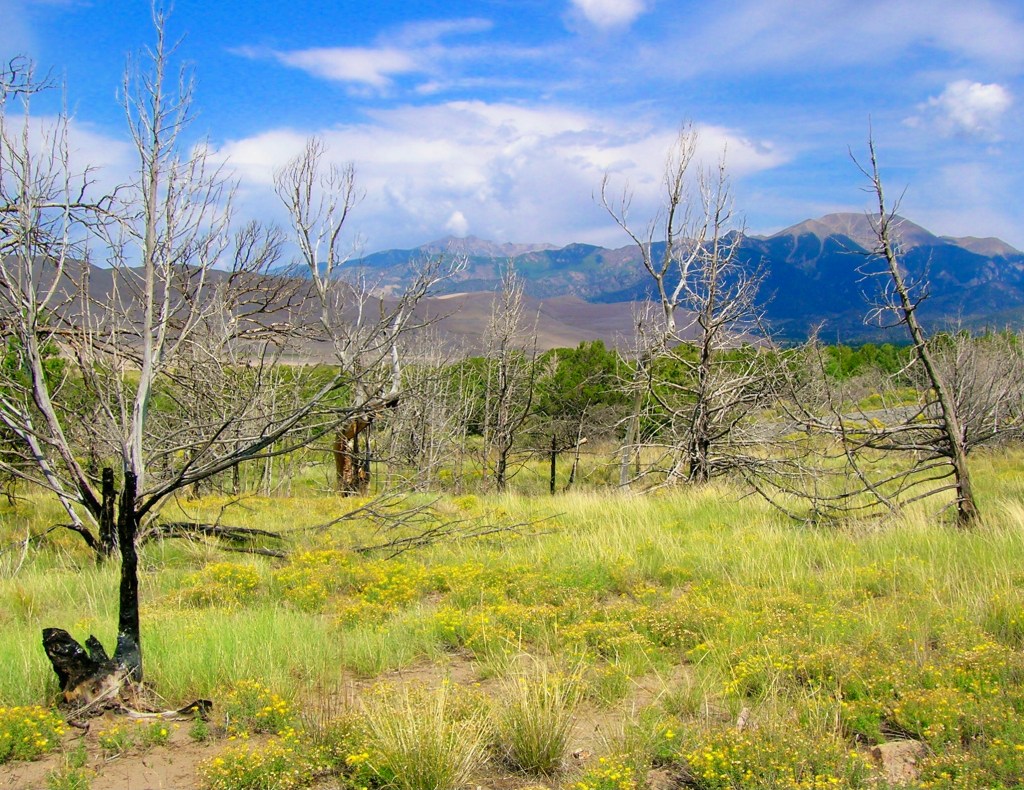
Sand dunes behind the vegetation, with the Rocky Mountains in the background

In southern Colorado, much to my surprise, I saw sand, and lots of it.  Great Sand Dunes National Park encompasses 30 square miles of sand dunes, including the tallest ones on the continent, reaching heights of 750 feet.  The area also has its share of 13,000 foot mountains, creeks, cedars, spruce trees, vibrant wildflowers, and diverse wildlife.

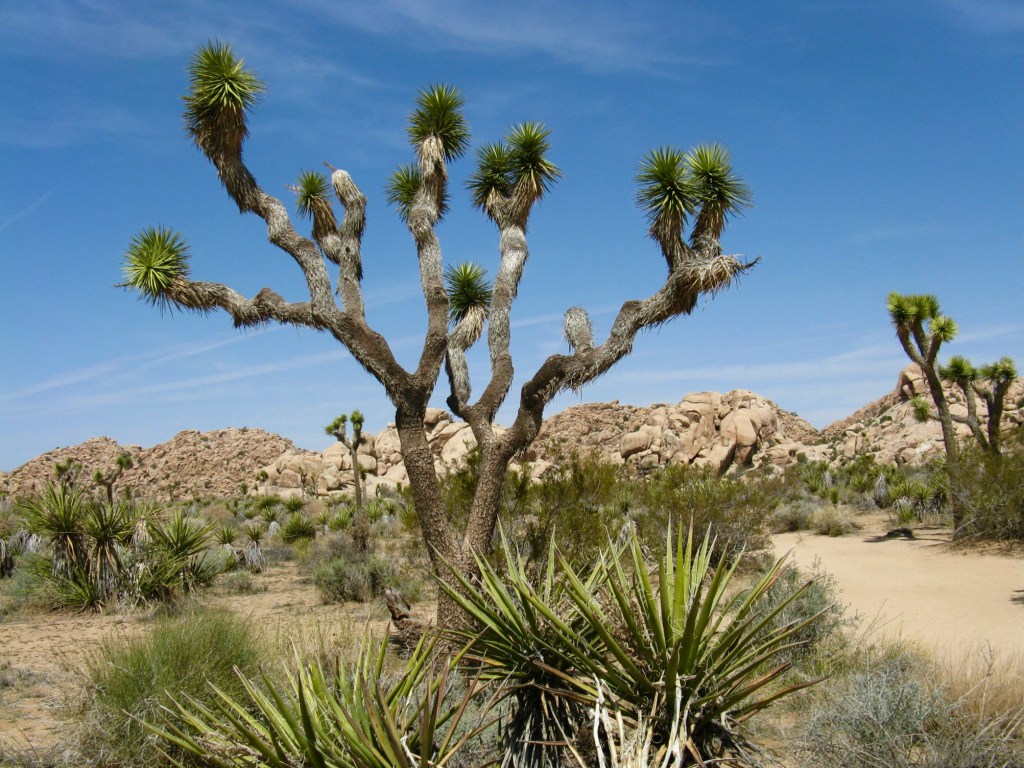
Joshua Trees in the desert

Southern California’s Mojave Desert is host to the Joshua Tree (see more about that & other uncommon trees here.)  This tree always makes me smile, due to its formation: sometimes stick straight, but most of the time, twisted with branches going willy-nilly. The surrounding shrubs, sparse multi-colored wildflowers and heaps of small boulders are a perfect backdrop.  If you like deserts, this one is a beauty, but be sure to take lots of water!

Grazing Bison along the Snake River, Wyoming

Ansel Adams, the American landscape artist and environmentalist, gifted us with an amazing photograph of the Grand Tetons overlooking the head waters of the Snake River in Wyoming.  This breathtaking area is home to lots of amazing wildlife.  During hikes there, I saw wolves, moose, bison, elk, and deer.

Devil’s Bridge, Sedona, Arizona

The red rocks of Sedona, Arizona, are one of my favorite winter hiking spots.  High temperatures are usually in the 30’s or 40’s, but at 4000 feet in elevation, the bright sun and low humidity always make it feel much warmer.  There are various rock formations with names like Snoopy Rock, Coffee Pot Rock, Chimney Rock, Bell Rock, and Devil’s Bridge.  The red earth is dotted with vivid green in the form of oak shrubs, sugar bush, junipers and cypress trees.  Nature’s striking contrast of colors could be a reason this area is so popular with tourists.

Near a trail in northern Nevada

Hiking can be a thrilling experience offering magnificent beauty and an opportunity to feel closer to Nature. The scenes I’ve witnessed on hiking trails have awed me, and serve as constant reminders of just how incredible our planet is.  At a time when pandemic uncertainty prevails, exploring new hiking trails may be the perfect family adventure.

In every walk with nature one receives far more than he seeks. ~John Muir

Blessings on the Trail,

Lisa

The content of this article is for educational and informational purposes only, and is not intended as medical advice. Please consult with a qualified health care professional before acting on any information presented herein. Any statements about the possible health benefits of any subject discussed have not been evaluated by medical professionals or the Food & Drug Administration and are not intended to diagnose, treat, cure or prevent any disease or illness.
Water: The Miraculous Molecule

For a substance that seems so simple, there appears to be no end to the functions and benefits of water.  Many have written about it through the ages, including poets, artists, explorers, statesmen, philosophers, and spiritual leaders. They’ve addressed water as our source, as the driving force in Nature, and as a metaphor for the whole of humanity.  Presently, research on the universal solvent may in fact be more popular than ever.  I have touched on the value of water in a few posts, including the ideas of viewing it for inspiration, breathing it to enhance immunity, drinking it for help with looking & feeling younger, and consuming water-rich food and drink to assist with weight loss.  I’ve also shared health benefits of being near a waterfall and at the beach.  Water, whether in our bodies or in our environment, is truly miraculous.

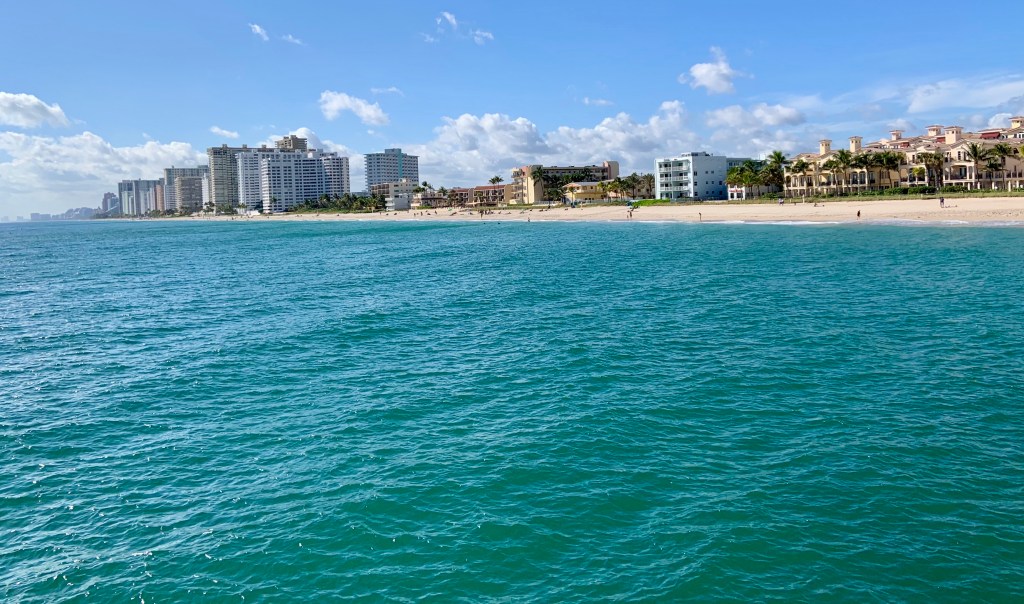
Ft. Lauderdale Beach, Florida

The sea, once it casts its spell, holds one in its net of wonder forever. ~Jacques Cousteau

Over 70% of our planet is covered in water.  Microscopic plants that live in the sea, called phytoplankton, produce a great deal of the oxygen we breathe and help support the life of all other ocean animals and plants, according to an article from the Davidson Institute of Science Education entitled The Real Lungs of the Earth.  Huge assignments for such tiny sea creatures, wouldn’t you say?

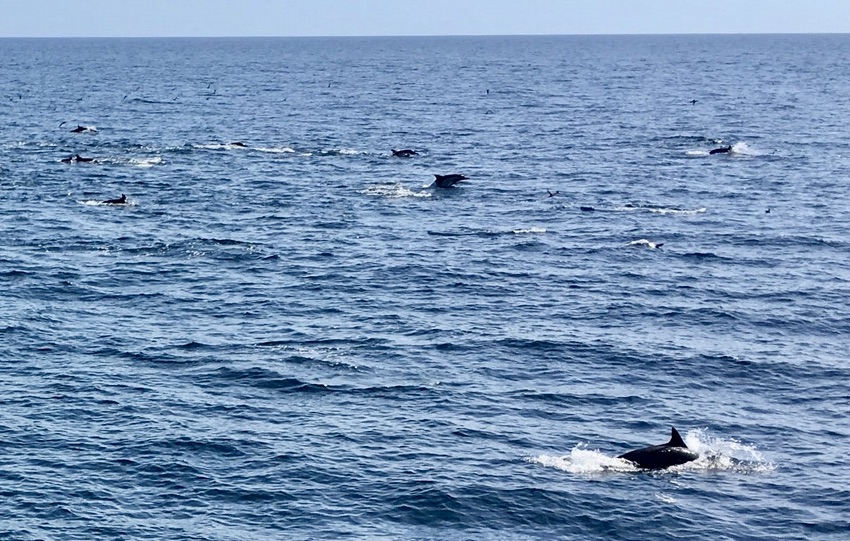
Another kind of sea creature, off the coast of Newport Beach, California

A Senior Research Scientist at Massachusetts Institute of Technology, Dr. Stephanie Seneff, theorizes that water (in its structured form) is responsible for the ushering of protons into our cells, causing the pH balance of organelles to be altered, making possible functions such as energy production and cellular clean-up.  Debris that is not removed from our cells can cause inflammation, a part of many disease processes.  Dr. Zach Bush, internationally recognized health educator, says that almost all inflammation is the result of dehydration.

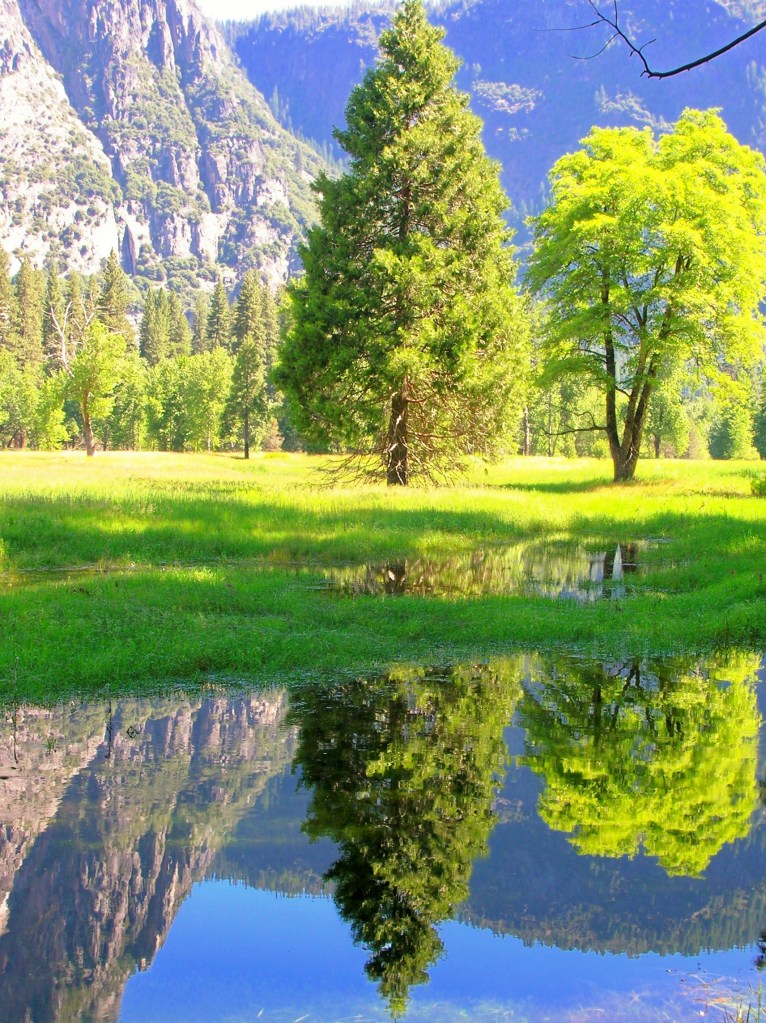
Mirror Lake, Yosemite Natl Pk, California

You could be forgiven for concluding that (biology) is all about proteins and genes embodied in DNA. This is only a form of shorthand; for biology is really all about the interactions of such molecules in and with water. ~Phillip Ball, Physicist & Science Writer

Lisa Mosconi, who has a PhD in Neuroscience and Nuclear Medicine, writes in her book Brain Food: The Surprising Science of Eating for Cognitive Power that our brains are composed of about 80% water, and every single chemical reaction therein involves its molecules.  Lack of proper hydration, she says, causes the brain to shrink, setting the stage for Alzheimer’s Disease.  I have discovered recently that when my memory is not at its best, eating & drinking substances with a high water and mineral content quickly restores my ability to recall.  See this link for my write-up on proper hydration.

Sunset over Lake Mary, Northern Arizona

In a TEDx talk, Gillian Ferrabee, Director of the Creative Lab at Cirque Du Soleil Media, equates the idea of water in our fascia with our flow of imagination, consciousness, and creativity.  (I’ve also read other sources that have broached the subject of water as consciousness.) Ferrabee says when she and her fellow creatives are blocked, they dance it out!  Dancing (or any kind of movement, actually) helps distribute water within the fascia network of our bodies, and this increased flow prompts new ideas, she states.   Could be a fun solution to a case of writer’s block!

Water is in many ways responsible for life on our planet, both its origins and its continuation.  It blesses us with a myriad of health benefits, regardless of how we receive it.  Whether viewed through the eyes of a poet, explorer, or spiritual leader, the miraculous nature of water cannot be denied.

Wyoming rapids

Rocks and waters are words of God, and so are men. We all flow from one fountain Soul. All are expressions of one Love. ~John Muir

Miraculous Blessings,

Lisa

The content of this article is for educational and informational purposes only, and is not intended as medical advice. Please consult with a qualified health care professional before acting on any information presented herein. Any statements about the possible health benefits of any subject discussed have not been evaluated by medical professionals or the Food & Drug Administration and are not intended to diagnose, treat, cure or prevent any disease or illness.

6 Favorite Inspiration Primers

Inspiration is God making contact with itself.  ~Ram Dass

In various reference sources, the definition of inspiration is first described as the act of drawing air into the lungs.  The term is further defined as a divine influence on expression. The opposite of the term, expiration, refers not only to exhaling, but also the cessation of breathing, or death.  I find these implications pretty profound, don’t you?

A publication on Research Gate shares a review of scientific studies on inspiration. Writers, artists, and other creators have long argued that inspiration is a key motivator of creativity, the paper reads. Over the past decade, scientists have tested and found strong support for these claims.  I just love when science confirms pieces of time-honored wisdom that make life more meaningful!

Monument Valley

According to the Harvard Business Review, psychologists Todd Thrash and Andrew Elliot have identified three foundational aspects of inspiration: spontaneous evocation, transcendence over self-serving concerns, and motivation to actualize a new idea. Further, they say, the heights of human motivation spring from the beauty and goodness that precede us and awaken us to better possibilities.

In the spirit of enhancing the beauty & goodness that precede us, I want to share 6 of the best ways I know for priming the heart and mind to receive inspiration.

  1. Start each day by reading something inspirational or closely observing beauty in some other form.  Even if you, like me, wake up thinking of your to-do list, redirect your thoughts of doing and immerse yourself in being in an aesthetically pleasing manner.  Cognitive researcher and psychologist Nancy Etcoff says that beauty inspires and motivates us.
New Mexico color

  1. Attend an art exhibit or museum.  Viewing the works of creatives, whether local or world renowned, not only brings more beauty and interest into our lives, but also has a way of returning focus to our own creativity.
  2. Go to a concert or other live music event.  Psychologists from McGill University in Montreal studied music’s effects on the brain and found dopamine, a primary feel-good chemical, can be released both in response to music and in anticipation of it.  A great basis for a strike of inspiration, wouldn’t you say?
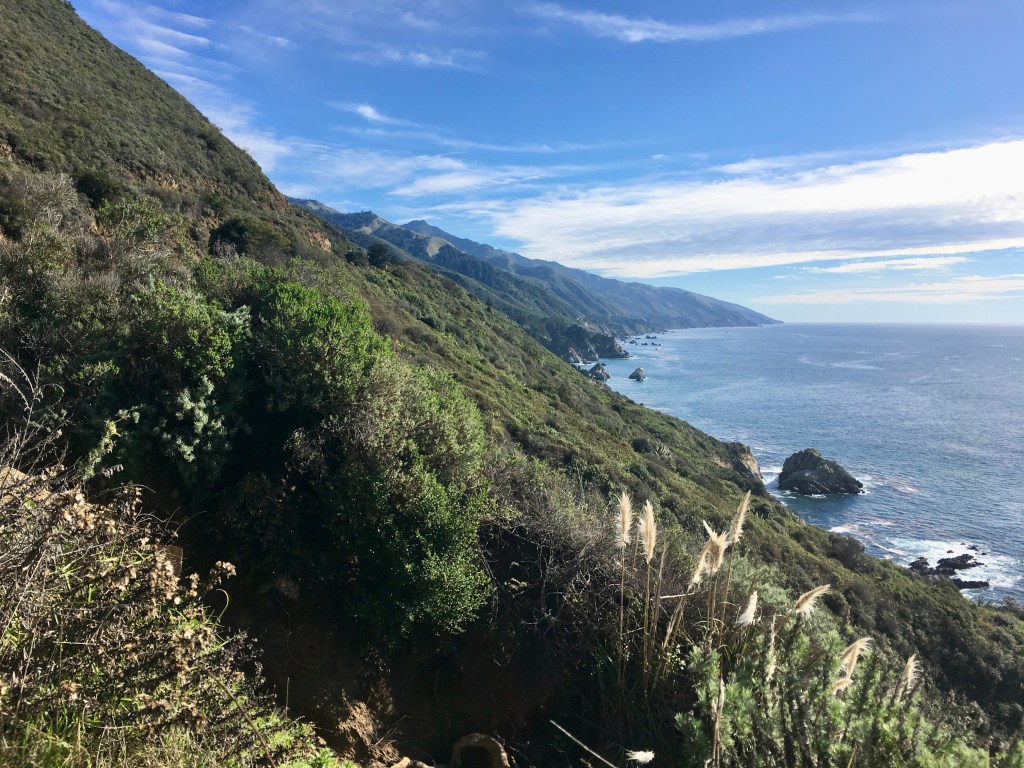
California coast

Nature is my manifestation of God. I go to nature for inspiration in the day’s work. I follow in building the principles which nature has used in its domain. ~Frank Lloyd Wright

  1. Get outside!  Leave all your devices inside and get outdoors for at least a few minutes each day.  Allow your attention to be fully captivated by the the extraordinary creation surrounding you: wildlife, trees, flowers, boulders, bodies of water, canyons, or other natural beauty.  Martha Stewart, creative extraordinaire, says,  I’m very inspired by nature.  I look around me and get all kinds of inspiration daily.  
  2. Do at least one activity outside of your norm each week.  Schedule it in your planner or on your calendar so it doesn’t fall through the cracks.  New experiences provide new knowledge, opening the way for inspired thoughts, conversations, creative urges, and even new ways of being in the world.
Wyoming

  1. Make note of inspired ideas, even undeveloped ones.  If you’re like me, inspiration can sometimes come in small bits, or in the form of a question.  By recording these little nuggets and pondering them over weeks or months, a complete idea can emerge.  In her book Big Magic, Elizabeth Gilbert writes about inspiration gifting her with ideas which, after going unused, were passed along to others (as evidenced by later publications of her unique, discarded concepts.)  Don’t let your inspired ideas be regifted!

When we clear the physical clutter from our lives, we literally make way for inspiration and ‘Good, orderly direction’ (God) to enter.  ~Julia Cameron

Whether we’re referring to the act of drawing air into our lungs or being divinely influenced, inspiration is paramount. As long as we are breathing, we are creating, designing our lives in the smaller and larger contexts.  By priming ourselves with beauty and goodness to receive inspiration, we open the way for expanded possibilities that infuse all our creations with deeper meaning.

Blessings for Inspiration,

Lisa

The content of this article is for educational and informational purposes only, and is not intended as medical advice. Please consult with a qualified health care professional before acting on any information presented herein. Any statements about the possible health benefits of any subject discussed have not been evaluated by medical professionals or the Food & Drug Administration and are not intended to diagnose, treat, cure or prevent any disease or illness.

Blessed Are the Adventurous

Driving through New Mexico

An adventure can be defined as a daring and exciting activity calling for enterprise and enthusiasm.  Due to studies showing the many benefits of adventure activities, there are now possibilities for adventure travel, adventure therapy, and even adventure prescriptions handed out by physicians.

In other posts, I’ve shared how my personal adventures have changed the way I view myself and Nature, as well as my interpretation of life.  Driving new roads, hiking trails surrounded by wilderness, climbing, camping, discovering areas with immense natural beauty, and exploring the architecture, culture, and history of new destinations: these are the activities that have illuminated me from within, rehabilitating and revitalizing me from a life that had become undone.  Without having read any studies, I knew these experiences must be healthy.  Now I’ve seen proof, and I want to share it with you.

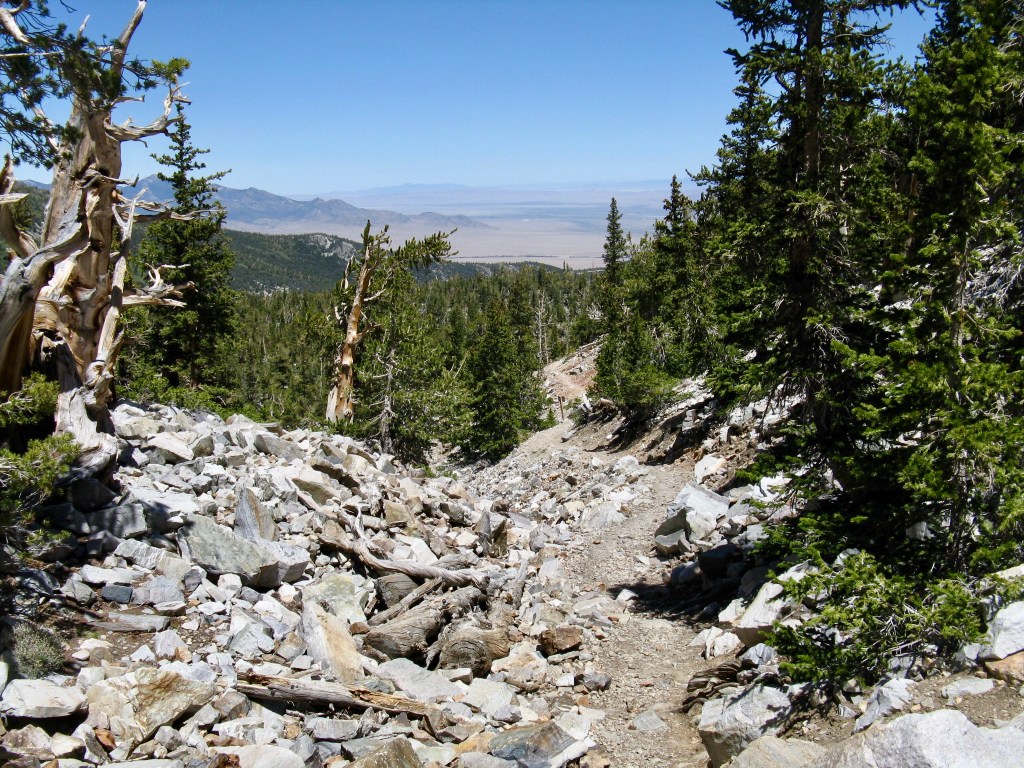
Hiking among Bristlecone Pines

In an article written for Good Nature Travel, Candace Andrews, world traveler & nature writer, says adventure travel is good for physical & mental health as well as the planet.  According to Andrews, regular hiking can increase the size of the hippocampus and help prevent age-related memory loss.  Adventures can also help us better cope with uncertainty, a skill that we could all use more of these days.  She goes on to imply that adventure travelers typically have a better appreciation for Nature, and are therefore more likely to help protect Her.

In a paper on Research Gate, three university authors look at various studies on adventure therapy (AT) and their outcomes. Key characteristics of adventure therapy, the paper states, are challenge, risk, reflection, novel settings, and experiential learning.  AT invites the participant to act, make quick decisions, and move their bodies in new ways.  These actions, once assimilated into previously learned behaviors and attitudes, can translate into “real life” benefits, like increased courage, adaptability, and self-confidence at work and home.

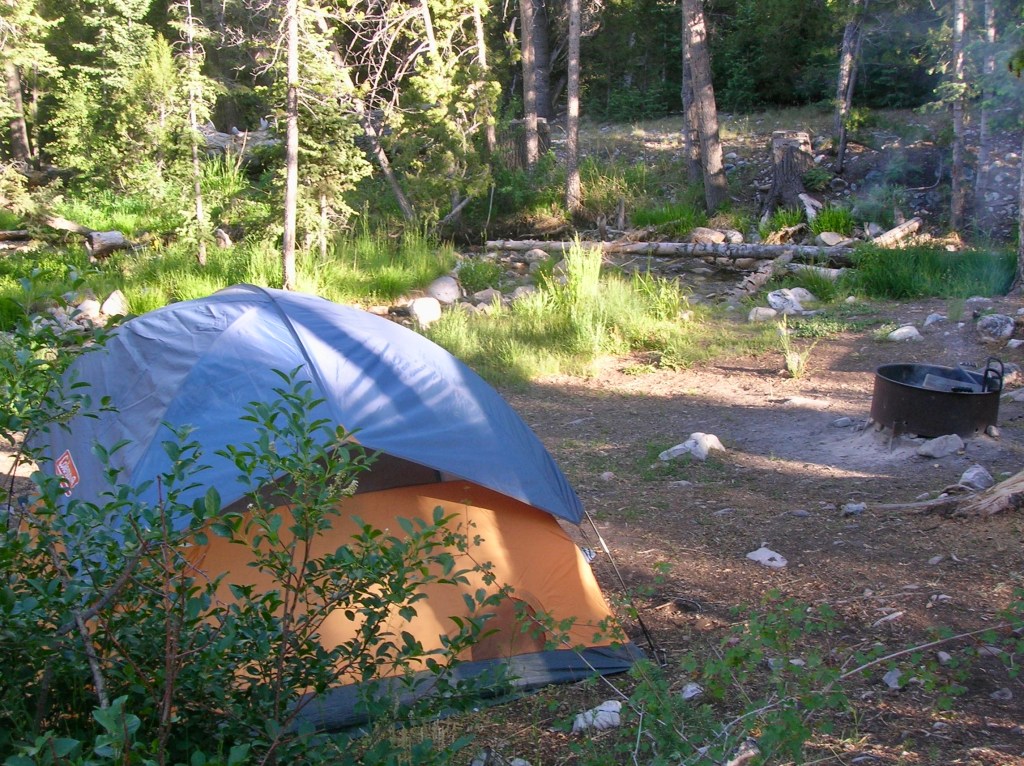
My favorite-ever campsite, with a creek running through the back

According to a study in the journal Neuron shared on the National Institute of Health website, adventurous behavior makes us feel good; it fires up the same regions of the brain as reward.  And Frank Farley, Ph.D., former President of the American Psychological Association, says that adventurous people have a sense of flourishing in their lives.  I can vouch for that!

An article in the Children and Nature Network Research Library reviews the long-term benefits of outdoor adventure programs for youngsters under the age of 25.  The lasting impacts (maintained at least a year after the program) most reported included independence, life skills, confidence, and the willingness to try new things.

Hike to an alpine lake

A 2018 essay from The Guardian announced that General Practitioners in Scotland were starting to write prescriptions for outdoor adventures.  Patients are instructed to go hill walking on Shetland’s upland moors, directed towards coastal paths to watch fulmars, to beachcomb for shells, and spot long-tailed ducks, oystercatchers and lapwings, the article readsThe adventures are prescribed to assist patients in improving specific health conditions, of course, but I like to think of all the unexpected peripheral benefits they’ll gain, as well.

Due to covid restrictions putting a hiatus on going and doing, I feel the last year and a half has just flown.  David Eagleman, Neuroscientist at Stanford University, says, The more familiar the world becomes, the less information your brain writes down, and the more quickly time seems to pass.  By embracing new adventures, we provide our brains with opportunities to record novel, diverse experiences, expanding our sense of time.

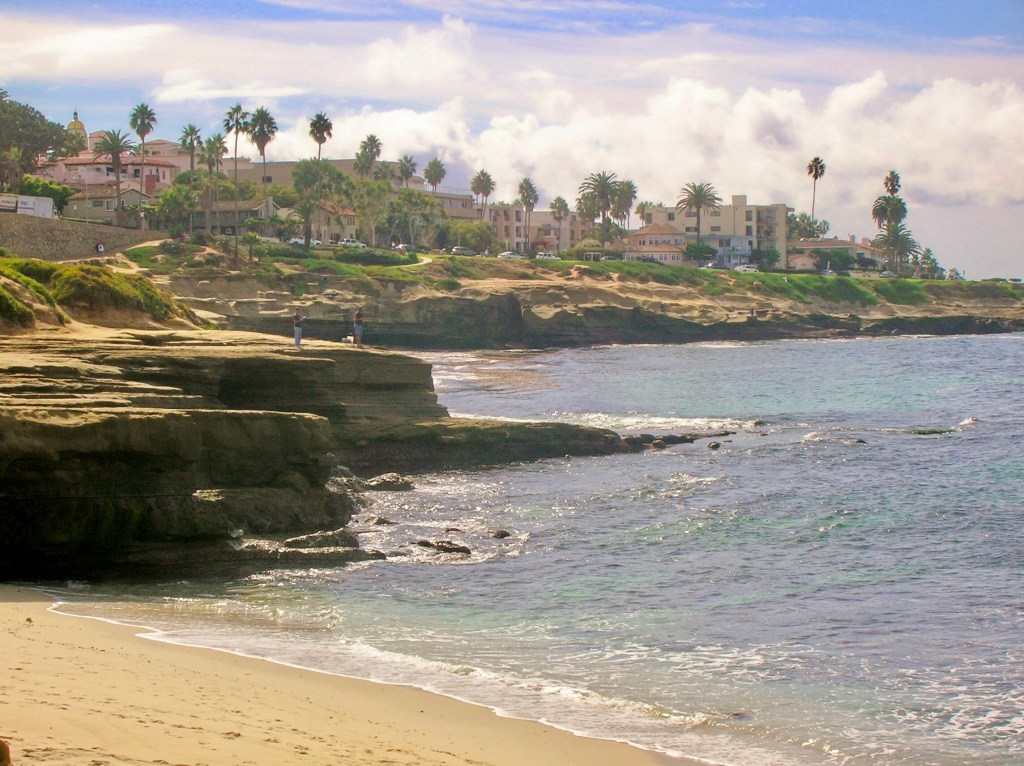
Exploring the coast of San Diego

The human body thrives on adventure, whether a result of travel, AT programs, physician prescriptions, or other fun activities.  My adventures have changed my thinking and given me a more positive sense of being in the world, causing me to feel truly alive.  Are you blessed with an adventurous spirit? If not, in the pursuit of health and well-being, what can a little more daring, excitement, enterprise, and enthusiasm do for you?

Blessings for Adventure,

Lisa

The content of this article is for educational and informational purposes only, and is not intended as medical advice. Please consult with a qualified health care professional before acting on any information presented herein. Any statements about the possible health benefits of any subject discussed have not been evaluated by medical professionals or the Food & Drug Administration and are not intended to diagnose, treat, cure or prevent any disease or illness.

Thinking Outside the COVID-19 Box: 10 Ways to Boost Immune Function

Over the past 18 months, I’ve heard a lot about masking, hand washing, and social distancing to protect yourself and others from coronavirus. Sadly, I’ve also heard about many immunocompromised people dying from the virus. But I haven’t heard top health officials talk much about boosting immune function. Have you? Doesn’t it make sense that we should all be working to strengthen our immune systems now more than ever?

Immunity is our first line of defense, meaning, more than anything else, it works to keep us healthy regardless of what’s going on around us. But it’s up to each of us to provide this mighty defender with good fuel and take other beneficial steps to enhance its efforts. You will find below 10 of my best ideas to accomplish just that.

  • Hydrate, hydrate, hydrate. In addition to drinking plenty of mineralized water, eat lots of (home-cooked & organic, if possible) soups, suggests Gina Bria, co-author of Quench: Beat Fatigue, Drop Weight, and Heal Your Body Through the New Science of Optimum Hydration. Also, I’ve read from many sources, daily green smoothies with (organic if possible) fruits and veggies are deeply hydrating, as well as nutrient-rich. Think apples, oranges, pears, mangoes, grapes, blueberries, avocados, celery, cucumbers, sprouts, cilantro, Italian parsley, spinach, red leaf kale, spirulina, cinnamon, cardamom, fresh ginger, chia seeds, and turmeric with fresh-ground pepper. (Shoot for using more veggies than fruits.) Any combination is tasty, and will gift your body with perfect, structured plant water. Anthony William, the New York Times Bestselling Author of Liver Rescue, says your hydration level (or lack thereof) can be a pivotal factor between getting sick and staying healthy.

  • Exercise moderately several times a week. A study published in the British Journal of Sports Medicine found that participants who did aerobic exercise 5 days a week reduced upper respiratory tract infections over a 12-week period by 43%. Exercises in that category include brisk walking, running, cycling, swimming, and other cardio pursuits sustained for an extended period. An article on Health.com states exercise helps highly specialized immune cells—such as natural killer cells and T cells—find pathogens (like viruses) and wipe them out.
  • Consume natural probiotic food & drinks such as (organic & raw, if possible) kombucha, sauerkraut, kimchi, and miso soup. Stanford University of Medicine researchers Justin & Erica Sonnenburg, PhDs, say their family gets a different natural probiotic food or drink each day to diversify the population in their microbiomes as well as those of their kids. Studies show that diversity in the gut is a major key to staying healthy.

  • Eat fewer pre-processed foods, including fast foods and junk foods, and more high-fiber whole vegetables, including beans and lentils, as well as prebiotic foods such as onions, garlic, dandelion greens, and asparagus. Again, all in service of a microbiome that can promote good immunity.
  • One more tip for the microbiome, from Dr. Zach Bush, a physician specializing in internal medicine, endocrinology and hospice care. A healthy microbiome, according to Dr. Bush, consists of between 20,000 and 40,000 species of bacteria. (Which explains why you should not eat the same foods all the time.) Spending time outside and in multiple ecosystems (for example, a rainforest, beach, desert, waterfall, lake, and river) can diversify your gut’s bacteria. And, if you’re far enough away from others, take off your mask! (Unless that is prohibited in your area.)

  • Diffuse essential oils inside your home, which is the next best thing to being outside. Dr. Josh Axe, Certified Doctor of Natural Medicine, says that many essential oils are antibacterial, anti-fungal, and antiseptic. He suggests eucalyptus, peppermint, oregano, lemon, and cinnamon for immunity. Add a few drops of some or all of them to your diffuser, vaporizer, or humidifier, if it offers that function, to purify the inside air that you breathe.
  • Even though you are practicing social distancing, make emotional connections. Phone or text a loved one, just to check in. According to Dr. Dean Ornish, Clinical Professor of Medicine at the University of California, San Francisco, those societies and cultures over the past several hundred thousand years who learned to take care of each other were more likely to survive than those who did not. Our species has a primal need to feel cared for.
  • Practice expressing gratitude for your life and your blessings. Your feelings and beliefs have a strong impact on your biology, according to Gregg Braden, 2020 Templeton Prize Nominee. Your cells are always listening in on your thoughts, Braden says. Therefore, immune function is directly affected by your state of mind.

  • Take a break from watching or reading the news. Non-stop negative reports about the pandemic, environmental degradation, violence, dirty politics, etc., can result in a fearful mindset, constantly activating the fight-or-flight mode in our bodies. This can result in biological conditions that suppress immune function. Check in on the news only once or twice a day, or maybe even skip a day (unless you feel more anxious as a result.) Instead of spending so much time sitting on the sofa watching or reading the news, get outside to walk, do some yoga, or other enjoyable activity. (Since exercise and time in Nature are also good for immune function, this one idea offers three times the benes for your hard-working immune system!)
  • And finally, get enough sleep that you awake feeling rested. With so much ongoing illness around us, our biological functions may be working harder than usual to keep us well. You may find your need for sleep has increased. Listen to your body.

I hope this list empowers you to become healthier and diminishes your fears of the virus. It is important to continue following the many protocols in place. But it is also critical, in my opinion, to do all you can to boost immune function at this time when illness abounds.

Blessings for Immunity,

Lisa

Note: The original version of this post was published in March of 2020, just as the pandemic was first revving up in this country.

The content of this article is for educational and informational purposes only, and is not intended as medical advice. Please consult with a qualified health care professional before acting on any information presented herein. Any statements about the possible health benefits of any subject discussed have not been evaluated by medical professionals or the Food & Drug Administration and are not intended to diagnose, treat, cure or prevent any disease or illness.

5 Little-Known Secrets for Looking and Feeling Younger

I can remember the first time I heard the expression Youth is wasted on the young.  It came from a 40-something character sitting on a beach during an episode of Beverly Hills 90210.  At the time, I was too young to understand the meaning, but for some reason, the curious sentiment stuck with me.  Now, I get it. The vitality, fitness level, and lightheartedness of youngsters can become enviable as we age.  And although it’s impossible to return to those carefree days, there are natural ways to reclaim or retain youthful attributes, regardless of our current age.

We live in a beauty-obsessed society; Americans spent more than $9 billion on plastic surgery for purely aesthetic reasons in 2020. (And who knows how much we invested in beauty products!) With this kind of money being spent on little procedures, they can start to become the norm. This kind of normal can cause us to forget the fact that the human body is a revitalizing marvel.  Countless rejuvenating processes are going on at all times in our bodies below the level of our awareness. We were designed to heal ourselves with proper support; our cells work unceasingly to help us feel and look better. No liposuction, tummy tucks, or facelifts required.

After many years of studying the workings of a healthy body, I want to share a few of the best ways I’ve found to support my body’s efforts to help me look and feel younger.

  1. Daily Stretching – Dr. Gil Hedley, Board President for the Institute for Anatomical Research, produced a YouTube series called The Integral Anatomy Series: Deep Fascia & Muscle. Working with a cadaver, he shares The Fuzz Speech, demonstrating how fascia creates a fuzzy connection to muscles as we sleep.  When we stretch each morning, the fuzz dissolves, he says.  But when we forget to stretch or refrain from stretching due to injury, the fuzz gets thicker and thicker, resulting in stiffness, limited movement, and chronic pain often associated with growing old.  To continue enjoying the full expression of the physical body throughout life, stretching each day is a must.
  2. Proper Hydration – Gina Bria, Anthropologist & Founder of the Hydration Foundation, has done much to shed light on the critical importance of hydration.  This is an example of the extraordinary information you can find on her website: Fascia has recently been discovered . . . to be not only our connective tissue, holding us up and together like a crocheted sack, but a hidden irrigation system, a hidden electrical system, conducted by water, that sends cell-to-cell communication instantly.  To work well, it must be fully hydrated. Most of us go through our lives chronically dehydrated, which can present as low energy, various adverse conditions, disease, pain, and premature aging.  (For more on this, check out my article Hydration – No, Really.)  Additionally, Dr. Christiane Northrup, in an interview with Gina Bria, says that properly moisturizing the skin begins with internal hydration. Mineralizing water with a bit of fresh lemon juice or a pinch of Himalayan salt, eating fruits, getting outside, and taking Epsom salt baths can all contribute to better skin health and cellular communication.
  3. Fasting – Fasting has been a part of many spiritual traditions for eons, and for good reason. In his life-changing book, Conscious Eating, Dr. Gabriel Cousens writes, During a fast, digestive enzymes are relieved from their digestive role and mobilized for the cleansing and rejuvenation of the body . . . rapidly removing dead and dying cells and toxins.  Aging occurs when we have more cells die than are being built. Autophagy is the process described by Dr. Cousens, and according to Nutrition Expert Naomi Whittel, the process starts in as few as 16 hours.  Intermittent fasting for this period of time could be a good starting point for first-timers who have their physician’s consent.
  4. Protect your Telomeres – In an article on NutritionFacts.org, Dr. Michael Greger, author of the book How Not to Die, shares that a plant-based diet is foundational for longer telomeres, the protective caps at the end of our chromosomes that typically shorten with age. Other lifestyle factors, like normalizing weight and regular exercise are important, but without the right kinds of fuel, the telomeres continue to shorten, research shows.  Dr. Greger writes, Swapping just 1% of saturated fat calories in our diet (for high-fiber plant foods) can add nearly a whole year of length onto our telomeres. By slowing the shortening of the telomeres, he says, we can slow the aging process.
  5. Up your DHEA – In his book Ageless Body, Timeless Mind, Deepak Chopra, MD, discusses how DHEA, a hormone that is depleted by stress over the course of a lifetime, is found in elevated levels among regular meditators of any age.  Studies show DHEA improves physical and psychological well-being, muscle strength and bone density, and reduces body fat and age-related skin atrophy stimulating procollagen/sebum production. (It also) reduces total cholesterol and improves sexual satisfaction and insulin sensitivity.  But, according to Dr. Chopra, oral DHEA supplementation is not very beneficial due to it being broken down in the digestive tract.  From other sources, I’ve read that, in addition to meditation, DHEA levels may be naturally increased by sufficient rest, regular exercise, time in Nature, and a diet rich in omega-3 fatty acids (think walnuts & chia seeds.)

Reading through these tips, I’m noticing parallels of a healthy diet and regular movement. The bottom line, I believe, is this: youthful aging results from a commitment to a lifestyle that supplies your body with what it actually needs. Making good choices each day brings about beneficial ingrained habits. Soon, you’ll realize, trying to be healthy doesn’t feel like extra effort – it’s just what you do.  And your body will thank you.

Aging doesn’t have to be a dreaded or lamented process compensated for by plastic surgery.  Healthier skin, a stronger body, increased energy, and a joyful disposition can be ours throughout our time on the planet by making daily choices contributing to optimal body function.  Cheers to the phenomenal design of our bodies!

Blessings for Youthful Aging,

Lisa

The content of this article is for educational and informational purposes only, and is not intended as medical advice. Please consult with a qualified health care professional before acting on any information presented herein. Any statements about the possible health benefits of any subject discussed have not been evaluated by medical professionals or the Food & Drug Administration and are not intended to diagnose, treat, cure or prevent any disease or illness.

Pestoed Pasta Summer Salad

During the time I lived in South Florida, I worked for a few years in an office on Palmetto Park Road near the Intracoastal Waterway. The area offered an incredible choice of really good restaurants, but my lunch go-to was a little Italian place called Lilly’s New Cuisine. Their signature salad was my favorite, a bed of greens topped with marinated chicken, penne, toasted walnuts and light pesto dressing. Once I became vegan, I made some adjustments, and the recipe you’ll see below came into being. I like it even more than the original!

The nutritional value of this salad is off the charts! You can read about many of the benefits of romaine in my Quick & Crispy Chickpea Salad post. Basil offers a number of nutrients, including those contributing to bone health, oxygenation of the cells, cancer prevention, and inflammation regulation. Walnuts are also rich in the good stuff, including a load of omega-3 fatty acids which reduce risk of stroke & coronary artery disease, as well as an abundance of vitamin E which contributes to the health of cell membranes and the skin. Extra virgin olive oil (EVOO), you may have heard, is one of the mainstays of the Mediterranean Diet, which for over half a century has been considered by many one of the healthiest ways to eat. According to an article from the National Institute of Health, EVOO contributes to health by assisting in prevention and treatment of chronic diseases thanks to anti-inflammatory, antioxidant, neuroprotective, and immunomodulatory components. An impressive line-up of benefits for a salad, wouldn’t you say?

The ingredient list & directions here are a little longer than my other recipes, but each step is straight-forward and doesn’t take much time, so I hope you won’t avoid trying it due to its length. The bold flavors and varying textures in this delicious, filling salad make it one you’ll find well worth the effort for a special dinner with family and friends.

As always, I’d love to hear in the comments if you give it a go!


Yield: 6 Servings

Ingredients (use organic and/or non-GMO when possible)
For the vegan parmesan
heaping 1/4 cup almond flour
1/2 tbsp nutritional yeast
1/8 tsp Himalayan salt
1/2 tsp lemon zest

For the pesto
2 cups basil leaves
1 – 2 large garlic cloves, chopped
1/3 cup walnuts, chopped & lightly toasted
vegan parmesan (use all made from recipe above)
salt & fresh ground pepper to taste
1/3 cup extra virgin olive oil

For the salad dressing
2 tbsp extra virgin olive oil
6 tbsp balsamic vinegar
1/4 tsp dried oregano

For the salad
12 oz penne, cooked, drained and mostly cooled, spritzed with a bit of EVOO & gently stirred if needed to keep it from sticking as it cools
pesto (use all made from recipe above)
1 large head romaine, torn into bite-size pieces
1 1/2 cups broccoli, broken into small florets
4 medium carrots, sliced 1/4″ thick
1 cup whole walnuts, lightly toasted

Directions
Make the vegan parmesan by placing all ingredients in a small jar and shaking vigorously until well combined. Taste for salt & zest.

Make the pesto by placing all ingredients except for olive oil in a medium food processor bowl. Pulse until broken into small pieces. Add oil through feeder tube to form a smooth paste. Taste for salt.

Make the dressing by whisking the 3 ingredients in a small bowl until well combined.

Gently combine the pesto with the penne, using a wooden spoon or your hands, until the ziti is well coated.

Make beds of romaine on up to 6 plates. Add pestoed penne, broccoli, carrots, and a good sprinkling of walnuts to each. Add dressing as desired. Serve with crusty bread and a nice Merlot.

Bon appétit!

Unfortunately, I tried a new gluten-free pasta. The pestoed pasta usually looks much nicer!

The content of this article is for educational and informational purposes only, and is not intended as medical advice. Please consult with a qualified health care professional before acting on any information presented herein. Any statements about the possible health benefits of any subject discussed have not been evaluated by medical professionals or the Food & Drug Administration and are not intended to diagnose, treat, cure or prevent any disease or illness.

A Secret to Happiness

Beach day at St. Maarten

If I were to tell you about a new medication that relieves pain, reduces stress & anxiety, lessens your risk for type 2 diabetes, helps improve memory, increases longevity, and enhances overall life satisfaction, would you drop your to-do list and rush to phone your doctor’s office for a prescription?  According to an article on Medical News Today, social interactions can result in all those benefits and more.

Exploring the Victorian Charm of Cape May, New Jersey

According to Dean Ornish, MD, whose Program for Reversing Heart Disease has been covered by Medicare since 2011, no other lifestyle factor has a greater impact on our quality of life, incidence of illness and premature death from all causes than loneliness and isolation. The real epidemic in our culture is not only physical heart disease, but also what I call emotional and spiritual heart disease, Dr. Ornish explains.  

Enjoying the adobe architecture in Taos Plaza, New Mexico

A write-up from Harvard Health informs us that scientists are finding social connections not only give us pleasure, they also influence our long-term health in ways every bit as powerful as adequate sleep, a good diet, and not smoking.  The article goes on to say that caring involvement with others may be one of the easiest health strategies to access. It’s inexpensive, it requires no special equipment or regimen, and we can engage in it in many ways.

A Psychology Today article says that engaging socially not only lessens feelings of depression, but also helps you fight off colds, the flu, and even some types of cancer.  I’d say that’s some pretty strong medicine!

Independence Day Parade, Flagstaff, Arizona

Dan Buettner, in writing The Blue Zones of Happiness, reviewed various polls and surveys from countries around the world to discover the factors that contribute to making the happiest populations.  Costa Rica, he found, is one of the countries whose citizens reported being the most content. He attributes this to their focus on spending a great deal of time with others.  Costa Ricans are socially interacting five to six hours a day, face to face, he writes, including barbecues with friends, church services, family meals, and soccer games. The U.S., with its rigorous work philosophy, did not make the top 12 in Buettner’s tally.  

Recent concert at the original Woodstock venue, upstate New York

Being outside is the easiest way for me to feel part of a physical community.  I find open-air concerts absolutely exhilarating. And time outdoors with friends, food, and drink is one of my favorite ways to spend an afternoon.  But even strangers who are hiking, biking, fishing, or sitting in a park are often cheerfully willing to engage in conversation. According to an Evidence Note from Forest Research in the UK, green infrastructure can help bring people together, . . . increasing social activity, improving community cohesion, & developing local attachment. These benefits, the research says, reduce domestic violence and overall crime rates.  It’s no surprise that spending time in the embrace of our Primal Mother brings us together in a way that makes us more tolerant, loving, and supportive.

Strolling around a German village

Social interactions can contribute immeasurably to our lives, helping us feel better about ourselves, enhancing immune function, and prolonging our lives.  Focusing less on life’s never-ending to-do list and more on sharing time with others is a sure way to increase happiness.  How often are you willing to become happier?
The need for connection and community is primal, as fundamental as the need for air, water, and food. ~Dean Ornish, MD

Blessings for Community,

Lisa

The content of this article is for educational and informational purposes only, and is not intended as medical advice. Please consult with a qualified health care professional before acting on any information presented herein. Any statements about the possible health benefits of any subject discussed have not been evaluated by medical professionals or the Food & Drug Administration and are not intended to diagnose, treat, cure or prevent any disease or illness.