Smoky Mixed Bean Burgers

You may remember me saying in a post a while back that veggie burgers are my favorite thing to cook.  That’s because homemade is always better than store-bought, and I have found a number of fun ways to prepare them.  This recipe combines ingredients from 3 of my favorites. It’s quick and absolutely delicious!  The final product is firm to the bite, and you get to decide whether to bake them (takes longer, but healthier) or fry them (quicker & makes them taste closer to a regular burger.)

You also get to choose how to eat them: on a bun, in a lettuce wrap, as a fillet, or my favorite way: broken up over a salad.  Crumbling one of these burgers over a bed of romaine & adding brown rice, avocado, and red onion with a bit of Himalayan salt makes my heart, and my belly, happy!

Beans (or legumes, really, including lentils, chickpeas, & soybeans) are almost daily fare in our house.  Besides the fact that they are versatile & tasty, they are super healthy. As vegans, we get much of our protein and iron from beans.  They are also loaded with fiber, folate, magnesium, and potassium.  A publication out of North Dakota State University explains that due to their high concentration of health-promoting nutrients, consuming more beans in the American diet could improve overall health and also decrease the risk of developing certain diseases, including heart disease, obesity and many types of cancers. 

I hope you’ll give the recipe a try.  I don’t think you’ll be disappointed!

Yield: 6 burgers

Ingredients (use organic or non-GMO whenever possible)
1 cup cooked pinto beans, drained, liquid reserved
1 cup cooked black beans, drained
3 shallots, minced
1/4 cup chopped Italian parsley leaves
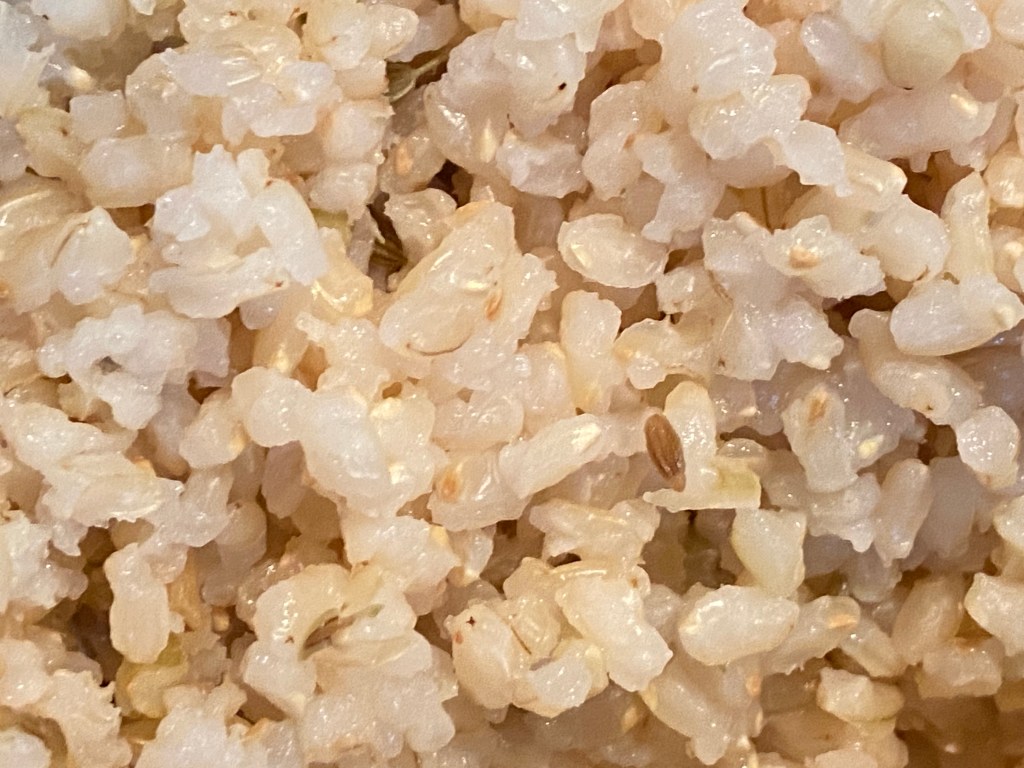
1 cup cooked brown rice
1 cup oat flour
2 tbsp sriracha
1 tbsp chili powder
1 tsp Himalayan salt (or more to taste)
1 tsp cumin
1 tsp smoked paprika
Avocado oil for baking or frying
fixings for eating on a bun or salad

Directions
Place beans in a large bowl, smashing about 2/3 of them with a potato masher. Add the next 9 ingredients (through smoked paprika.) Mix the ingredients together, first with a spatula, and then with very clean hands. If the mixture feels too dry, add some of the reserved bean liquid, a little at a time, until the mixture is burger-worthy. Test for salt, adding more if needed.

Form 6 burgers with slightly wet hands and either:
-place on an oiled baking tray and bake in a preheated 350 degree oven for 25 minutes, turning them over at the halfway point, or

-fry in a bit of oil for 8 – 10 minutes on medium heat, flipping after the first 4 – 5 minutes.

If you’re eating on buns, add ketchup, tomato, onion, lettuce, & avocado to reach burger nirvana, and make it a heavenly meal with spiced, roasted potatoes.  Enjoy! 


The content of this article is for educational and informational purposes only, and is not intended as medical advice. Please consult with a qualified health care professional before acting on any information presented herein. Any statements about the possible health benefits of any subject discussed have not been evaluated by medical professionals or the Food & Drug Administration and are not intended to diagnose, treat, cure or prevent any disease or illness
.

5 Little-Known Tips for Seasonal Allergy Relief

Seasonal allergies affect up to 30% of the world’s population, according to an article from The Conversation, an independent, worldwide publisher committed to sharing academic research for the common good. Fueled by warmer temperatures and increased carbon dioxide levels, pollen seasons are now longer, and pollen counts are higher, the article explains. Continued climate change, experts believe, will make matters even worse.

For those of us who suffer with sneezing, itchy eyes, and congestion in Spring or Autumn, conventional methods for managing symptoms are not ideal.  Anti-histamines can result in dehydration of the entire body leading to drowsiness, and the process of taking allergy shots can last up to 5 years.

There are gentler, natural ways to address seasonal allergies, and I’d like to share the best ones I know.

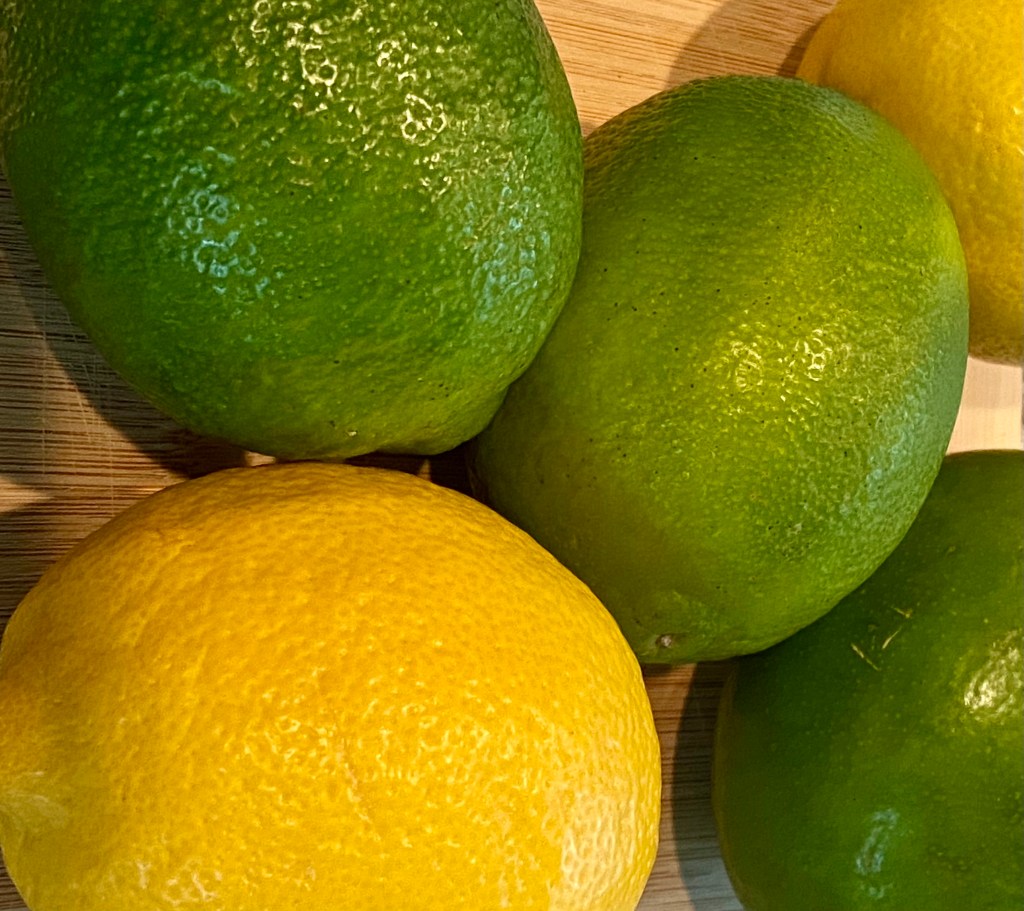
  1. Improve hydration. Fereydoon Batmanghelidj, M.D. & water researcher, writes that the overproduction of histamine is a result of mucous membranes drying out.  For example, many of us become dehydrated as we sleep and wake up with a stuffy nose, making us feel our allergies are worse in the mornings.  Hydrating better by adding the natural electrolytes of fresh lemon juice to drinking water can help control histamine production.
  2. Eat more quercetin.  A study published in the journal Allergy, Asthma & Clinical Immunology explains that quercetin has anti-allergic functions that are known for inhibiting histamine production and pro-inflammatory mediators. Quercetin foods include apples, blueberries, citrus fruits, cauliflower, broccoli, kale, onions, and green tea.  Tossing several of these in a daily smoothie makes it easy to get plenty of this plant pigment. (But save the onions for something else!)
  3. Eat locally according to the season.  Food grown in the area you live offers a much better boost to your immune system than that grown & shipped across the country (or across the world.)  Also, eating with the seasons and including local raw honey in your diet can act in a similar manner as an inoculation.
  4. Use essential oils.  Diffusing or putting a few drops of an essential oil like eucalyptus, lavender, tea tree, or peppermint in your bath water gives the water an electrical charge, according to a write-up from the Hydration Foundation. This charge acts as a liaison for hydration by helping water move across the cell membrane and get inside each cell.  Essential oils also help calm the inflammation of your mucous membranes.
  5. Try a nasal spray or rinse.  Using a simple saline spray or neti pot hydrates your sinus passages and helps get the gunk out.  If you’re unfamiliar with neti pots, Cleveland Clinic has posted a great article describing them and explaining how to use them.

Regardless of what side of the world you’re on, seasonal allergies may be making you crazy right now.  Trying one or more of the above tips may ease your symptoms.  As the planet gets warmer and pollen production increases, having an array of reliable remedies at your disposal might not be a bad idea.

Seasonal Blessings,

Lisa

The content of this article is for educational and informational purposes only, and is not intended as medical advice. Please consult with a qualified health care professional before acting on any information presented herein. Any statements about the possible health benefits of any subject discussed have not been evaluated by medical professionals or the Food & Drug Administration and are not intended to diagnose, treat, cure or prevent any disease or illness.

Nudges Along the Path

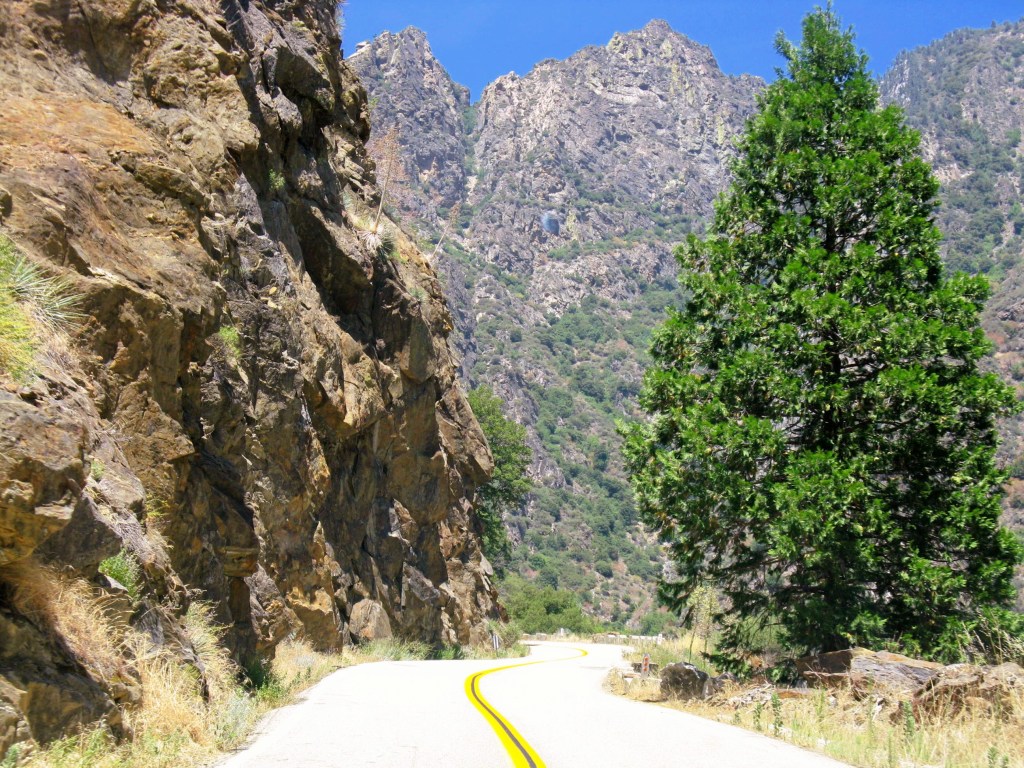
The road through King’s Canyon, California

Last week, I commented on a few lovely photos of footpaths in the woods and started thinking about all the pictures I have taken of rural paths and roads through the years.  There is something reverently hopeful about the sight of them; I suppose that’s why we have so many sayings like take the high road, the road less traveled, finding your own path, and the idea of being at a crossroads.

LaSalle Loop Road, near Moab, Utah

I am not one to push my philosophy of life on others; I appreciate the right of everyone to believe differently. But for the purpose of this post, I’d like to share mine:  Each of our individual paths is leading us to the same destination with unlimited opportunities for detours of our choosing.  Love toward ourselves, our family, and our friends often suffers when we are on detours for long periods. (For example, working at a soul-sucking job, being in an unhealthy relationship, feeding addictions, or other situations that we know in our hearts are not right.) Lucky for us, if we are paying attention, we are often nudged to return from these self-sabotaging detours.

Look at every path closely and deliberately, then ask this crucial question: Does this path have heart? ~Carlos Castaneda

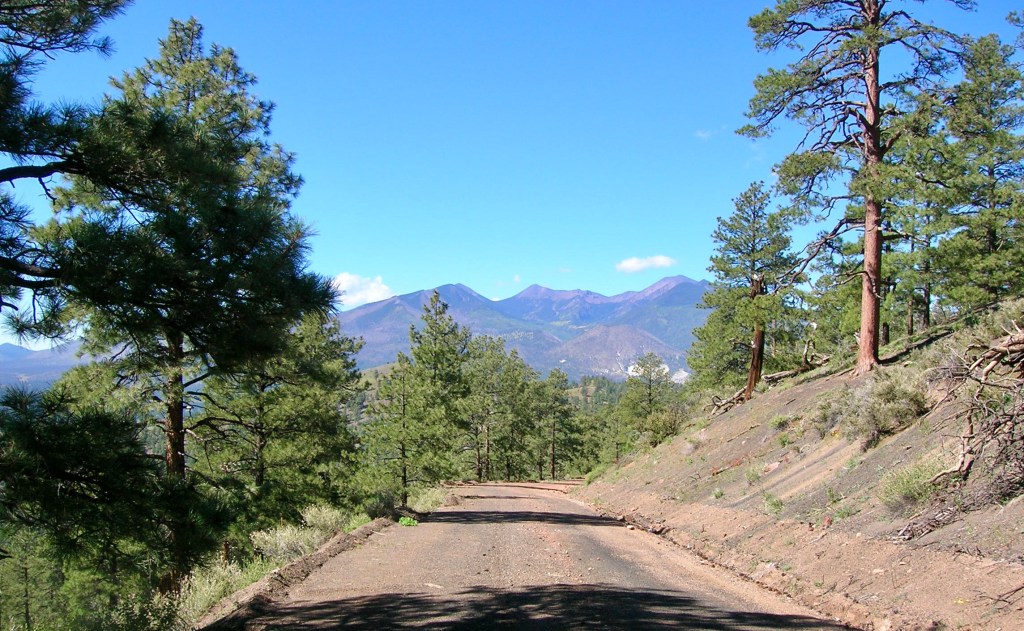
View of the San Francisco Peaks from O’Leary Peak in northern Arizona

I arrived at this philosophy through study (during college and beyond), observing others, time in Nature, living & working at holistic centers, Sunday morning lessons, and other personal experience.  Looking back, I can clearly see the nudges provided for me, and they turned out to be huge blessings.

A quiet trail in Sedona, Arizona

In my early 20’s, I took a job at an investment banking firm.  After 3 years of learning the ropes and getting registered, I began working with a seasoned financial advisor who would prove to be the most difficult person I’ve ever known.  Regardless of how busy we were, if things went wrong, he often stormed out of the office, leaving me to figure out how to fix them while conducting business as usual. And some of our individual clients allowed the Dow Jones Industrial Average & the price of their stocks to dictate their moods, phoning several times a day.  When the market was down sharply, they could be really vicious.  I hated – and I do mean hated – every day of it, but did it for the money while self-medicating with alcohol, unhealthy food, and bad relationships.  One day, 11 years in, we were on a conference call to the back office to learn about a new tax deferral possibility for a favorite client. I was familiar with some of the info, and due to the way I conducted my part of the conversation, I was accused of leading the back office person to an unfavorable outcome for our client.  That was it.  That was the nudge I needed.  I handed in my notice a few minutes later.  And it turned out to be the perfect decision, even though, at the time, I didn’t have a clear idea of what came next.

It is important to take every experience, including the negative ones, as merely steps on the path, and to proceed. ~Ram Dass

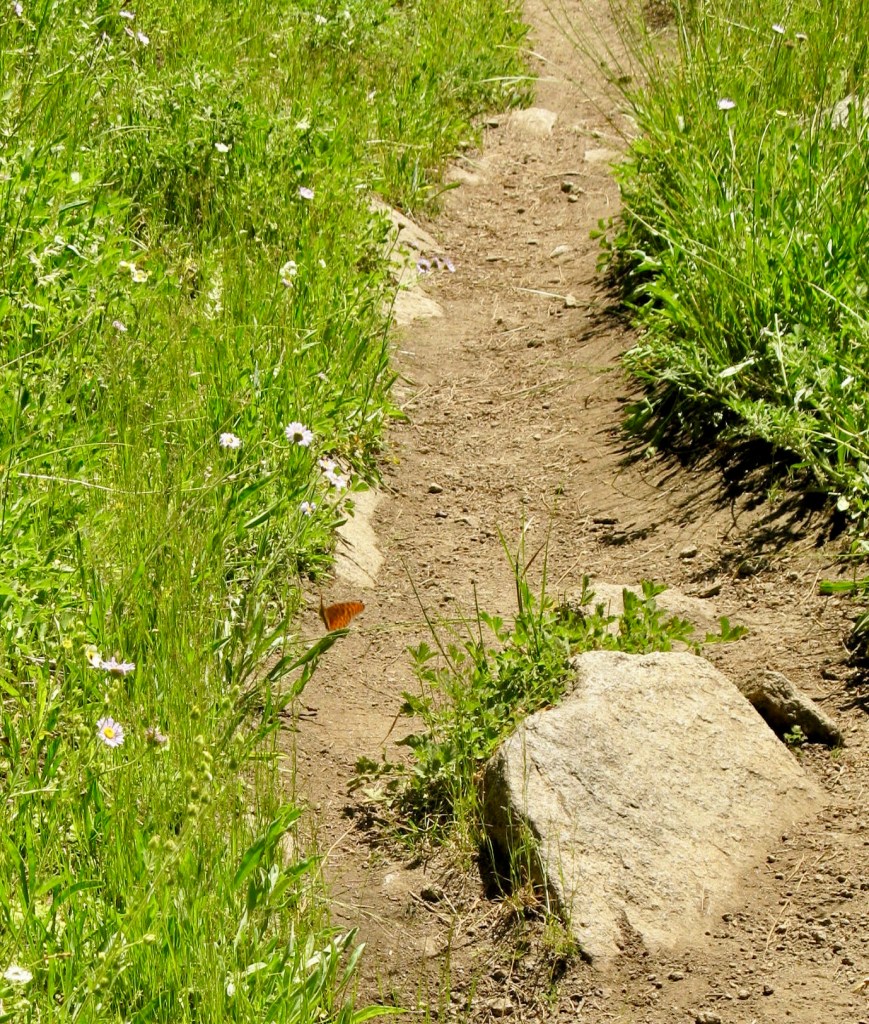
A butterfly and some cheerful wildflowers line a hiking trail in California

After a period of licking my wounds, I struck out on my own in a very different field – holistic healing.  I had earned my Doctorate, and I was eager to use my knowledge to help others.  I did one-on-one consulting, conducted group discussions, wrote articles for a local health magazine, lectured at various venues, developed & taught classes and workshops, and practiced reciprocal marketing.  Although I worked long days, usually 12 – 14 hours each, I had to dip into savings every month to pay the bills.  During this 2-year span, relationships with my romantic partner, my best friend, and my ministers fell apart.  I began to feel like a failure in every way.  I wallowed in depressed isolation for a while, until another much-needed nudge came in the form of a spiritual epiphany. It inspired me to sell my home and most everything else in exchange for long-term travel.  (Read about that adventure in my post Escaping Normal.)  Again, the outcome couldn’t have been more perfect. (And happily, I have reconnected with my minister friends!)  

Hiking at elevation in Nevada

I sometimes hear people talk about the things they would go back and change on their life path if given the chance.  I wouldn’t change anything.  I’m happy with where I am and who I’ve become, and I know all of my ill-advised detours and redirecting nudges have been necessary components. 

Have you had similar experiences? I’d love to hear about them if you’re willing to share!

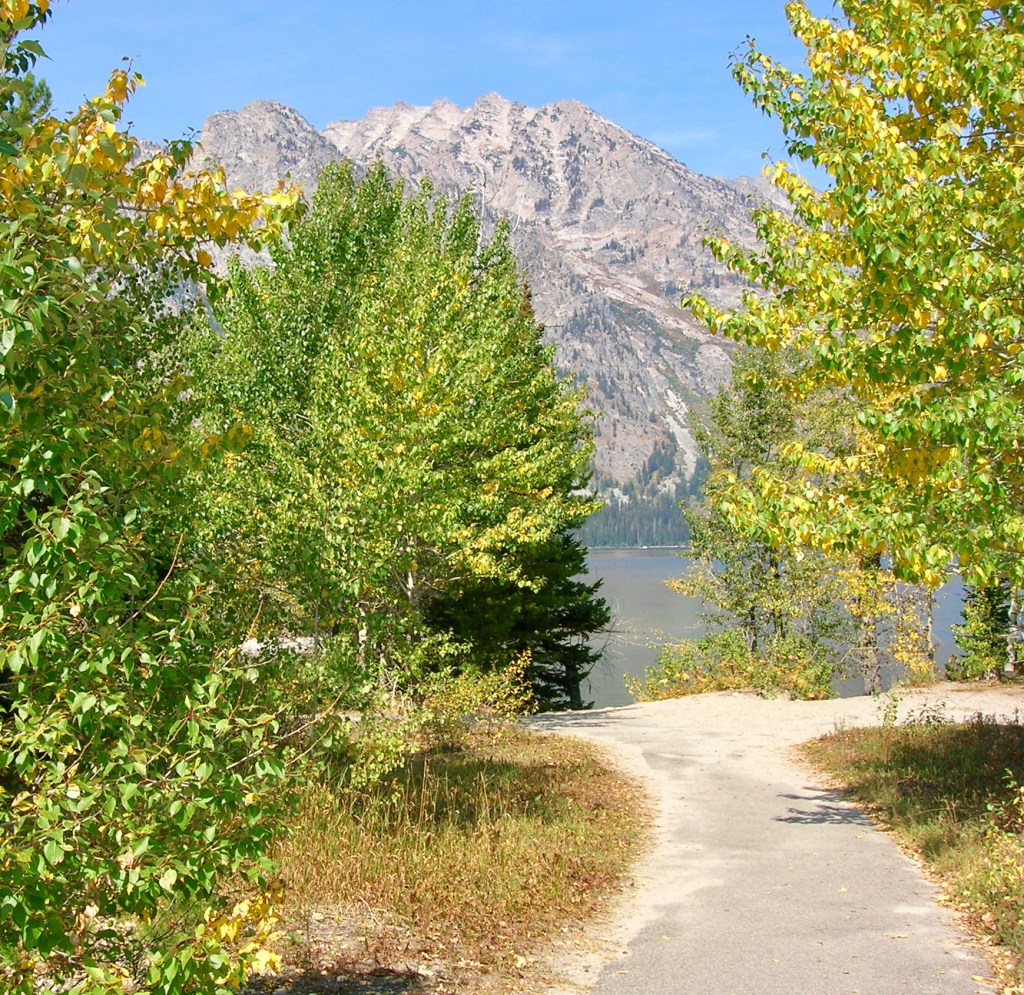
A path to a mountain lake in Wyoming

No one saves us but ourselves. No one can and no one may. We ourselves must walk the path. ~Guatama Buddha

Blessings on the Path,

Lisa

The content of this article is for educational and informational purposes only, and is not intended as medical advice. Please consult with a qualified health care professional before acting on any information presented herein. Any statements about the possible health benefits of any subject discussed have not been evaluated by medical professionals or the Food & Drug Administration and are not intended to diagnose, treat, cure or prevent any disease or illness.

Beauty in the Desert

Earlier this week, I met up with Janet from This, That, and the Other Thing on her stomping ground near Phoenix.  Janet is a photographer with an eye for the unique, often employing wit with her daily posts.  After chatting a bit at a coffeehouse, we visited the Riparian Preserve at Water Ranch.  Janet has shared many lovely images from the Preserve on her blog, and I wanted to see it for myself. 

The 110-acre Preserve was developed in 1999, using waste and reclaimed waters.  According to their web page, approximately 298 species of birds have been identified on the site, and many insects, fish, amphibians, reptiles, and mammals have found homes there as well.  The area also offers an ethnobotanical garden, a paleontology dig site, gardens for pollinators including a hummingbird garden and butterfly garden, plus a state-of-the-art observatory and hilltop outdoor classroom.  It is a photographer’s paradise, an opportunity for up-close learning, and a sweet respite from the concrete and hurried pace of the nearby metropolitan area.

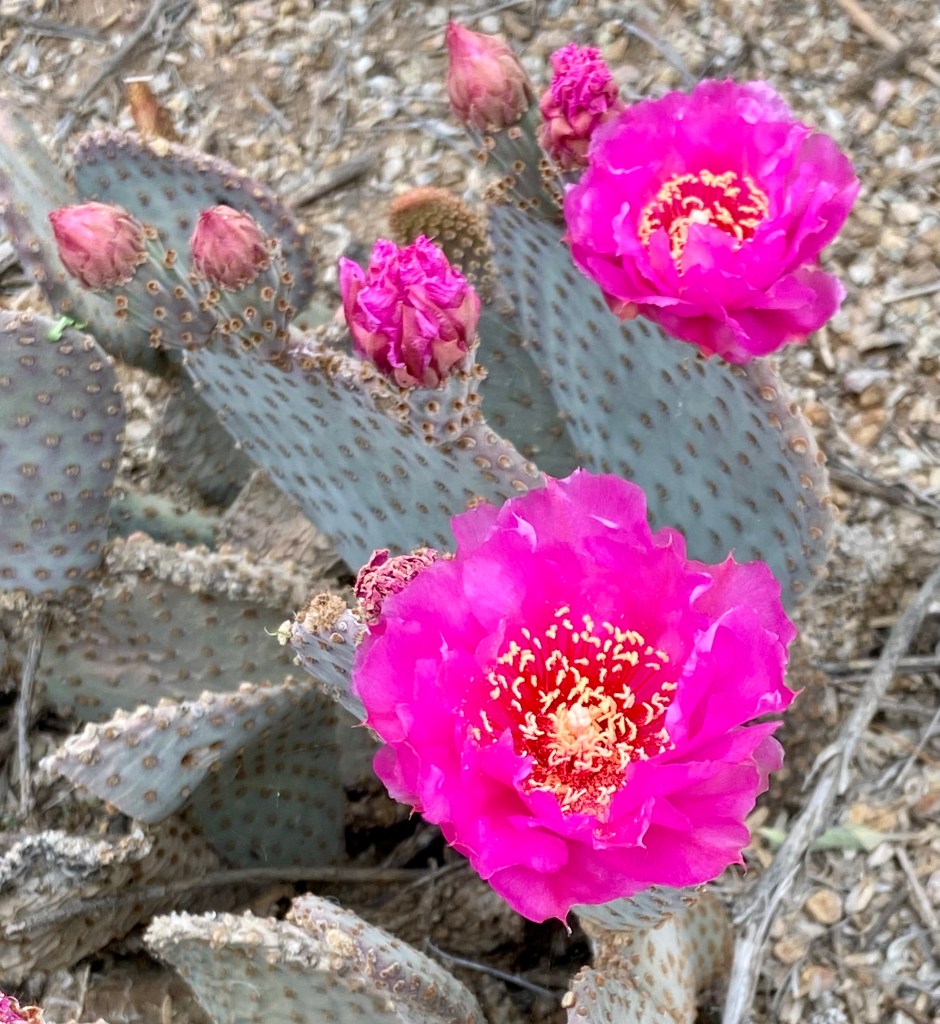
The sky was overcast and the temperature in the low 80’s, making it a perfect day for strolling around the lovely sanctuary.  (That evening, we had snow in the northern part of the state, so it was a quick, warm escape for me!)  We saw many rabbits and birds.  In fact, I’ve never seen so many bunnies & mourning doves in one place.  There were also fish, turtles, honey bees and what we believed to be plump bumblebees.  And the colors of the blooming plants and trees ranged from yellow to orange, red, pink, and fuchsia. If your image of the Sonoran Desert is drab and lifeless, the Preserve will forever change that. 

The number of bird species was astounding, and Janet commented that there weren’t nearly as many as usual.  There were various ducks, cormorants, egrets, pelicans, hummingbirds, woodpeckers, sparrows, noisy grackles, and some birds we couldn’t identify.

One area of the Preserve hosts tall-growing saguaros, surrounded by rocks, flowers, and other cactus plants.  We stopped there for a long while to watch birds flying in and out of the holes they had fashioned in the cacti to serve as entryways to their homes.  I was surprised by the number of woodpeckers; I had seen them only on trees.

There were other areas near the water where a cotton-like substance covered the plants and ground.  It was so thick in places, it looked like a white, hairy mold.  And then we noticed little pieces floating through the air.  It was falling from the trees above. 

After admiring an abundance of natural beauty and snapping a considerable number of photos, we went for a delicious vegan lunch.  It was great seeing Janet again and visiting one of her favorite sanctuaries of the Southwest.  We talked of possibly meeting in the sublime red rocks of Sedona for our next get-together. 

The Riparian Preserve at Water Ranch kindled our fascination and brought us lots of smiles.  The beauty in this part of the desert is unique and unforgettable.  I hope you’ll enjoy the photos here, and check out Janet’s blog for more.

Desert Blessings,

Lisa

The content of this article is for educational and informational purposes only, and is not intended as medical advice. Please consult with a qualified health care professional before acting on any information presented herein. Any statements about the possible health benefits of any subject discussed have not been evaluated by medical professionals or the Food & Drug Administration and are not intended to diagnose, treat, cure or prevent any disease or illness.

What Makes the Standard American Diet SAD?

In 2020, the US ranked 35th on the Bloomberg Global Health Index, indicating that the populations of 34 countries are healthier than ours.  Even though we spend almost twice as much on healthcare, our life expectancy is lower than any other developed country, due in large part to 3 out of 4 American adults and 1 out of 5 children (ages 6 – 19) being overweight or obese.  According to an article in the Journal of the American Dietetic Association, obesity is often accompanied by coronary heart disease, type 2 diabetes, stroke, sleep apnea and other respiratory problems, osteoarthritis, gallbladder disease, and other conditions.  What one chooses to eat is not the only determinant of poor health and early death, but the Standard American Diet (SAD) plays a starring role.

The average calorie breakdown of the SAD, according to a 2009 graph from the USDA Economic Research Service, is as follows: 63% from processed foods, 25% from animal products, and only 12% from plants.  (My guess is, the first 2 percentages have increased & the third decreased since the graph data was compiled.) The dominance of nutrient-poor refined grains, fried foods, red & processed meats, and food additives results in biological chaos in our bodies.

Fresh veggies & brown rice with cubed tofu & homemade peanut dressing

If you are uncertain as to what processed foods are, think prepared & packaged, with added salts, sweeteners, preservatives, colors, and other chemicals.  Examples can include frozen pizza, fish sticks, chicken nuggets, french fries, tv dinners, canned soups, ice cream, snacks, breads, pastries, and soda & other sugar-sweetened drinks, even most juices.  Fast foods make the list, as do meals from “slow food” restaurants that utilize highly refined substances like artificial flavor enhancers, poor quality cooking oils, white flour & sugar, and sauces made with genetically modified corn syrup or other chemical additives.  

Prepackaged foods are often stripped of their nutrient content to extend shelf life.  Although they count toward the calories we consume (an astronomical 2775 on average daily) they don’t contribute a great deal to nourishing our cells.  It is common for food manufacturers to add plenty of cheap refined sweeteners, salt, and unhealthy fats to improve taste, mouthfeel, and encourage addiction. 

Veggie burger made from scratch & fixings

I’ve talked to many people who are unable to accept that the US government would allow food items to be sold here that cause harm.  But according to this report from the National Research Council (US) Committee on Diet, Nutrition, and Cancer, more than 2,500 chemical substances are intentionally added to foods to modify flavor, color, stability, texture, or cost. There has been no requirement to perform tests to determine carcinogenicity for most of them. Presently, over 43,000 research articles can be found on PubMed when searching food additives and disease.

If you eat a lot of processed foods, you might find that you don’t like the taste of fresh, home-prepared veggies.  Manufactured foods change the population of our gut microbes that control cravings and establish taste bias. (It is possible to change your taste preferences, if you’re wondering. Regularly trying new-to-you, healthier foods and doing a physician-approved 1-day water fast can help.)

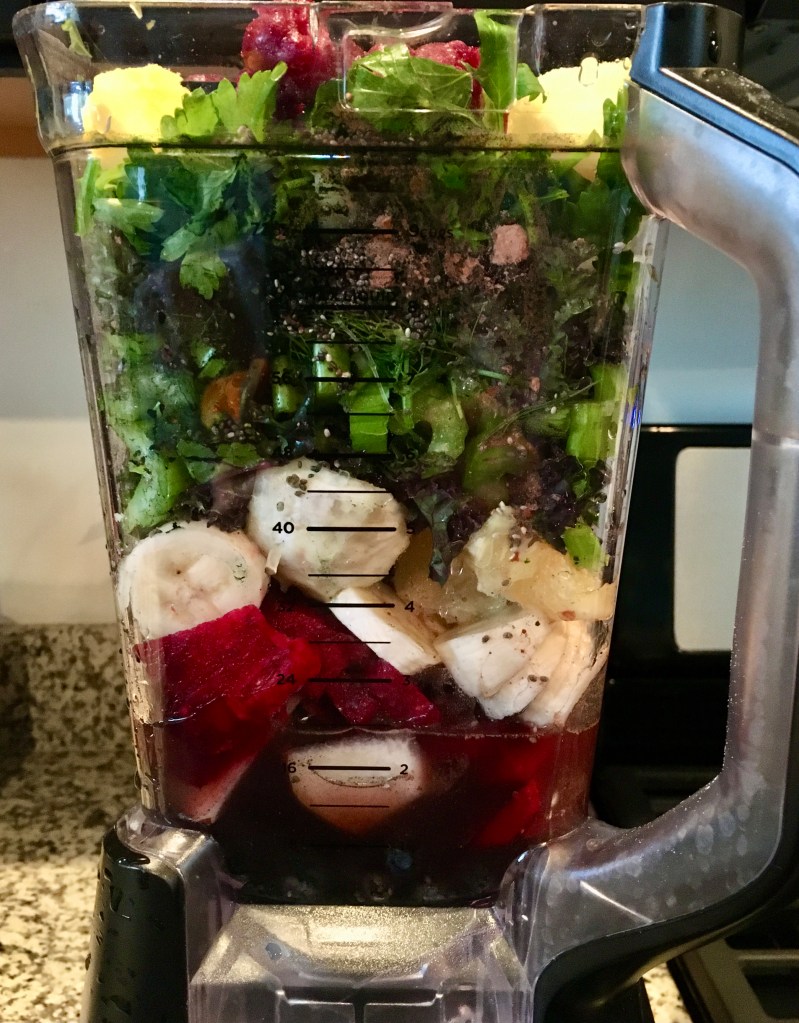
Green breakfast smoothie preparation

The 25% of food from animal products eaten as a part of the SAD are not often stellar choices, either. Most livestock raised for commercial consumption in this country receive regular antibiotics and other chemical injections to hasten growth and promote survival within the deplorable conditions in which they live and die.  Further, according to the ASPCA, due to bovine growth hormones, unnatural diets, and selective breeding for increased milk production, a single dairy cow now produces 50 – 100 pounds of milk each day, a 10-fold increase from a few decades ago.  Personally, I believe the chemical exposure and inhumane treatment of these animals must contribute to the inflammation and disease caused by eating red & processed meats and dairy products.

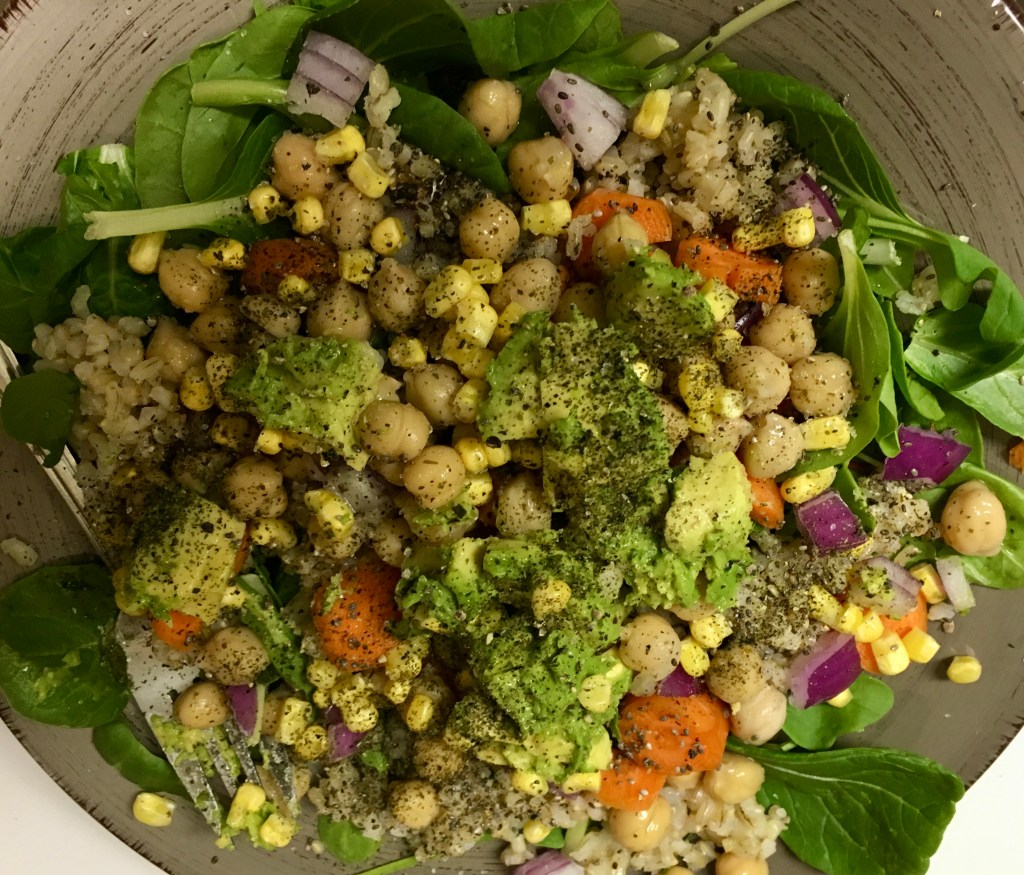
Southwestern bowl with kelp

The Standard American Diet does not in any way promote well-being.  Taking responsibility for improving your health by eating fewer processed foods and animal products can result in a longer life with less risk for a debilitating disease.  Eating more of the Earth’s gifts of plants can help protect you from the SAD, the number one cause of death in the US.

Blessings for Health & Longevity,

Lisa

The content of this article is for educational and informational purposes only, and is not intended as medical advice. Please consult with a qualified health care professional before acting on any information presented herein. Any statements about the possible health benefits of any subject discussed have not been evaluated by medical professionals or the Food & Drug Administration and are not intended to diagnose, treat, cure or prevent any disease or illness.

Awaken Your Healer Within

Reflections of Downtown Chicago
Our capacity for self-healing reflects our Divine origins

I have begun rereading The Healer Within: Using Traditional Chinese Techniques to Release Your Body’s Own Medicine by Roger Jahnke, Doctor of Chinese Medicine and the Director of the Institute of Integral Qigong and Tai Chi in Santa Barbara, California.  This book contains a wealth of information that really spoke to me.  Reading it the first time left me considering its teachings for months afterwards, until finally I bought it.  (You may remember me referencing Dr. Jahnke’s work in previous posts on favorite asanas and nudges for optimal function.)

The methods in the book, borrowed from Qigong, include gentle movement, self massage, deep relaxation, and conscious breathing.  The simple formula for self-healing is awakening the medicine within, the author writes, and one of the most effective ways to activate this formula is the regular practice of the four essential self-care methods.  (In addition to healthy eating & hydrating, I would add!)

Dr. Jahnke reports on research out of the New England Journal of Medicine stating that 8 out of every 9 deaths are preventable (meaning they occurred due to a preventable health condition.)  It has been shown that increasing physical activity a small amount has a powerful disease-reducing effect, he writes.  That applies to everyone, even those of us who are completely inactive.

Reflections at Yosemite National Park in California

The good doctor shares that thousands of people have learned these techniques, and many have experienced dramatic health improvements, often within two weeks’ time.  Commitment to a daily practice, albeit short and simple, is necessary, he says.

Now, on to the specifics.  All quotes below are from the book.

Method 1 is gentle movement.  Not to say that we should give up our regular exercise routines.  But in addition, or for those who are not really active, a few minutes of gentle fitness practice increases levels of healing internal resources that will not be gobbled up as fuel by hungry muscles.  Gentle movements help push water deep into our cells, increase oxygen and nutrient circulation, build strength, enhance balance, and accelerate propulsion of lymphatic fluid.

Method 2 is self-massage.  This, of course, is in addition to the benefit of a massage therapist if you are so inclined.  Daily self-massage, especially of the ears, hands, and feet, can aid sleep (I can confirm that!), hydration, & PMS symptoms, and address addictions.  This practice soothes the sympathetic aspect of the autonomic nervous system, which controls the function of the organs, resulting in the release of restorative neurotransmitters and the reduction of adrenaline.

Reflection from a shop window in Rome

Method 3 is deep relaxation, including meditation.  Research shows that many diseases can be caused or exacerbated by stress, and deep relaxation can resolve or neutralize the effects of stress on the body and heal disease.  This is accomplished by lowered brain wave activity, reduced blood pressure, dilated capillaries, and enhanced production of healing hormones.

The final method Dr. Jahnke shares is conscious breathing.  Inspiration (meaning to breathe in) is what we call the force that impels us forward into life with enthusiasm; it is the divine influence that brings forth creativity and vitality.  Breathing deeply in a calm fashion can also give us a sense of control. This practice pumps lymphatic fluid, causes neuropeptides to be released, increases endurance, and shifts the nervous system toward relaxation.

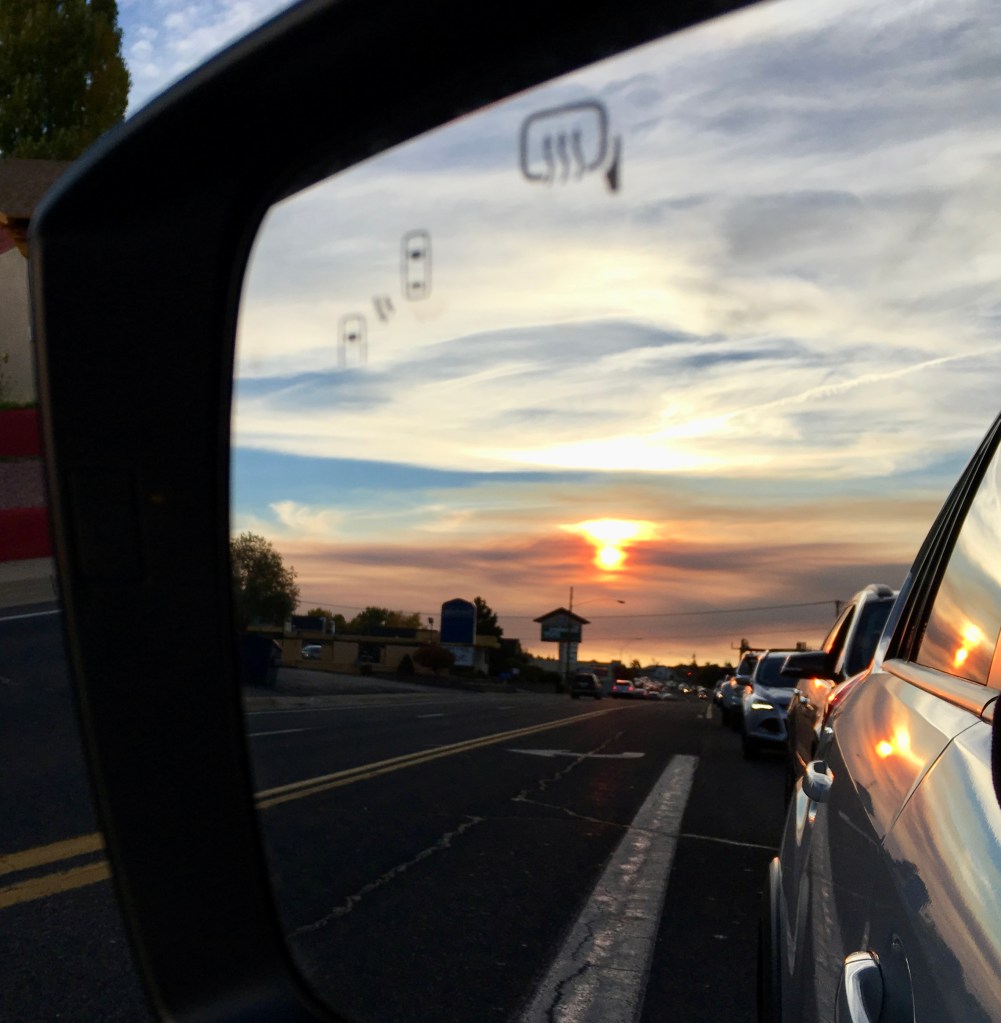
Rearview mirror reflection of the setting sun on Route 66 in Northern Arizona

The book provides a good number of examples, including illustrations, for each of the above techniques.  And if you’d like to experience a free Qigong practice that incorporates all 4 methods, check out this page on the website of The Institute of Integral Qigong and Tai Chi.

The human body contains an amazing internal pharmacy, if only we learn to activate it and keep it in good running order.  Dr. Roger Jahnke’s The Healer Within serves as an instruction manual, offering simple suggestions with profound effects.

Healing Blessings,

Lisa

The content of this article is for educational and informational purposes only, and is not intended as medical advice. Please consult with a qualified health care professional before acting on any information presented herein. Any statements about the possible health benefits of any subject discussed have not been evaluated by medical professionals or the Food & Drug Administration and are not intended to diagnose, treat, cure or prevent any disease or illness.

Cozy Roasted Veggie Polenta

I first tried polenta in a swanky little restaurant on Las Olas Boulevard in Downtown Ft. Lauderdale.  The small, uniform pieces had been baked and grilled, then topped with sautéed wild mushrooms.  It was delicious.  That was years ago, and I have prepared this staple from Northern Italy many times in a variety of cuisines since.  The recipe below is an adaptation of one of my favorites from Mollie Katzen’s The New Moosewood Cookbook.

Mollie refers to her version as a deep-dish pizza with a thick, crunchy cornmeal crust.  Before becoming vegan, I enjoyed her recipe with its 1/4 pound of mozzarella many times.  But I’ve learned that plant-based cheeses can be just as tasty and much healthier.  For my adaptation, I use vegan parm instead of mozzarella, and the dish is more casserole-like.  It’s one of those dishes that’s hard not to nibble, even after eating a full lunch or dinner portion!

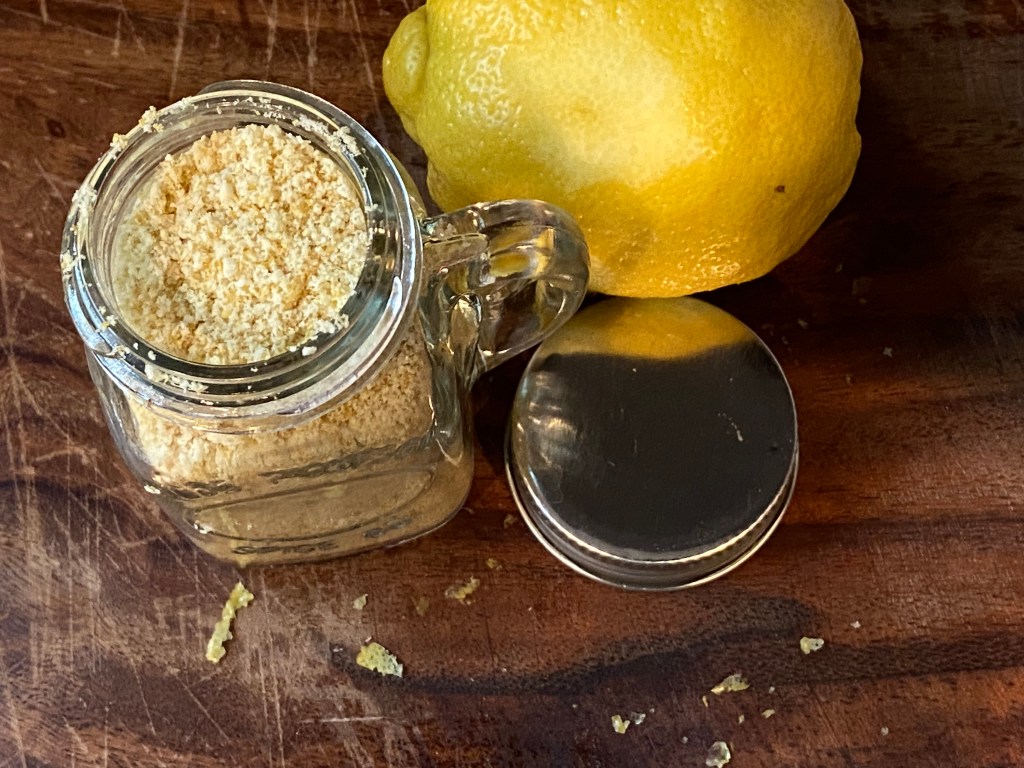
Vegan parmesan

Stoneground polenta yields larger grains and retains more nutrients than regular cornmeal.  Look for organic or non-GMO certifications, especially in the US, where most corn is grown from seeds modified in a lab and their stalks heavily sprayed with toxic glyphosate.  The nutrition in polenta includes complex carbs that are slow to digest and thereby assist blood sugar levels; carotenoids that can help prevent cancers and eye diseases; and the minerals iron, zinc, and magnesium that are essential to many bodily functions.

Cremini mushrooms, aka baby bellas, are teeming with nutrition.  In addition to having a variety of minerals including an abundance of copper, needed for energy production, and selenium, required for healthy thyroid function & DNA synthesis, they also contain a host of B vitamins and protein.  Furthermore, the enzymes and good bacteria in creminis boost immune function.  Their bold flavor makes them my favorite among domesticated mushrooms.

You won’t soon forget the flavorful presence of zucchini in this dish.  And its health benefits abound, too.  Its water content provides for hydration and electrolytes, while its bevy of phytonutrients help protect against inflammation and oxidative stress.  The science of Ayurveda considers zucchini a tonic for upset stomach, bloating, constipation and acid reflux.

Don’t let the number of ingredients stop you from trying this delicious, nutritious recipe.  The preparation is simple and moves along quickly, and you might just find the result as irresistible as I do. 

Yield: 5 – 6 servings

Ingredients (use organic or non-GMO when possible)
6 heaping tbsp almond meal
1 heaping tbsp nutritional yeast
1 tsp lemon zest
1/4 tsp Himalayan salt (or more to taste)
——————————————
1 cup polenta
1 tsp Himalayan salt (or more to taste)
3 cups water (or as much as your polenta package calls for)
——————————————
2 tbsp avocado oil for pan (olive oil will work, too)
1 yellow onion, med diced
8 cloves garlic, peeled & sliced thin
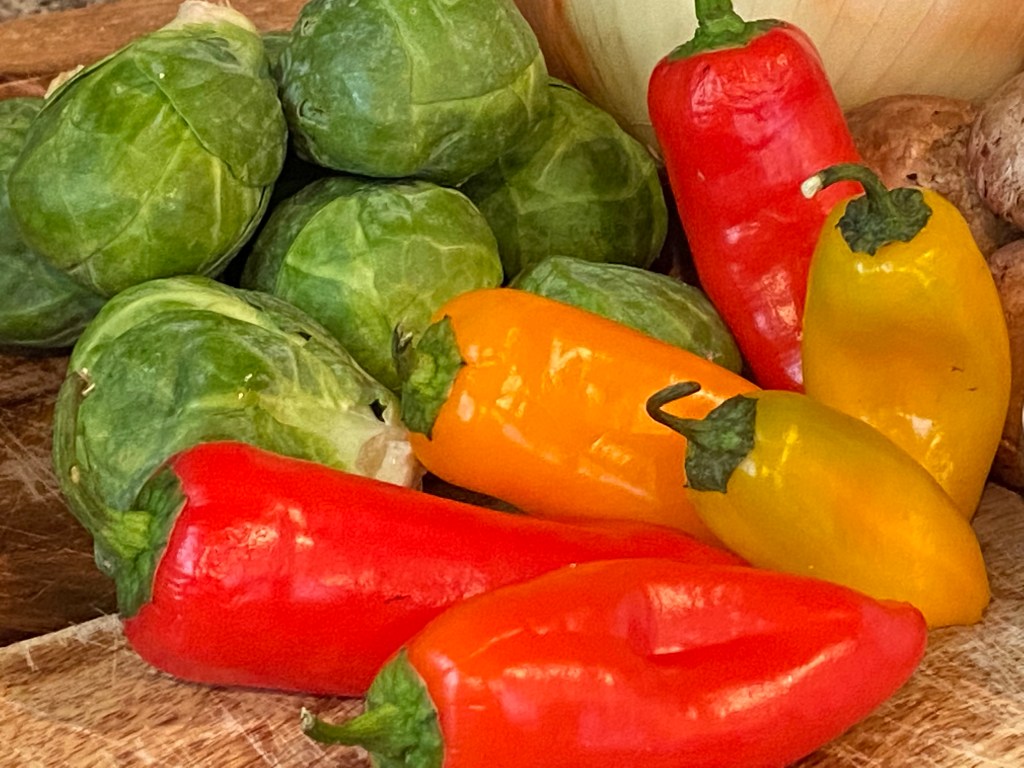
6 baby bell peppers, various colors, trimmed & sliced into 1 inch pieces
6 – 8 med brussels sprouts, trimmed & quartered
2 med carrots, sliced into nickel-thick rounds
1/3 med head cauliflower, cut into small-medium florets
2 med zucchini, sliced into 1/4 inch rounds
10 med cremini mushrooms, cut in half
handful of grape tomatoes, cut in half (optional)
1 more tbsp avocado or olive oil for veggies
2 tsp dried basil
1/2 tsp dried oregano
1/4 tsp crushed red pepper
1/4 tsp fresh ground black pepper
1 tsp Himalayan salt (or more to taste)
———————————————
avocado or olive oil spray for baking dish
1/4 tsp paprika

Directions
Prepare the vegan parmesan by combining the first 4 ingredients (almond meal – salt) in a small bowl and mix well. Taste for salt, adding more if necessary.

Cook 1 cup of polenta according to your package directions (water could be more or less than 3 cups), whisking often & using a lid to partially cover between whisks.  (If you’ve never worked with polenta, I’d suggest wearing oven mitts the first time due to its potential to pop out of the pot & burn you while simmering.)  Be sure to include a teaspoon of salt, and taste for salt once it’s done cooking, adding more if needed.  Replace the lid and set aside.

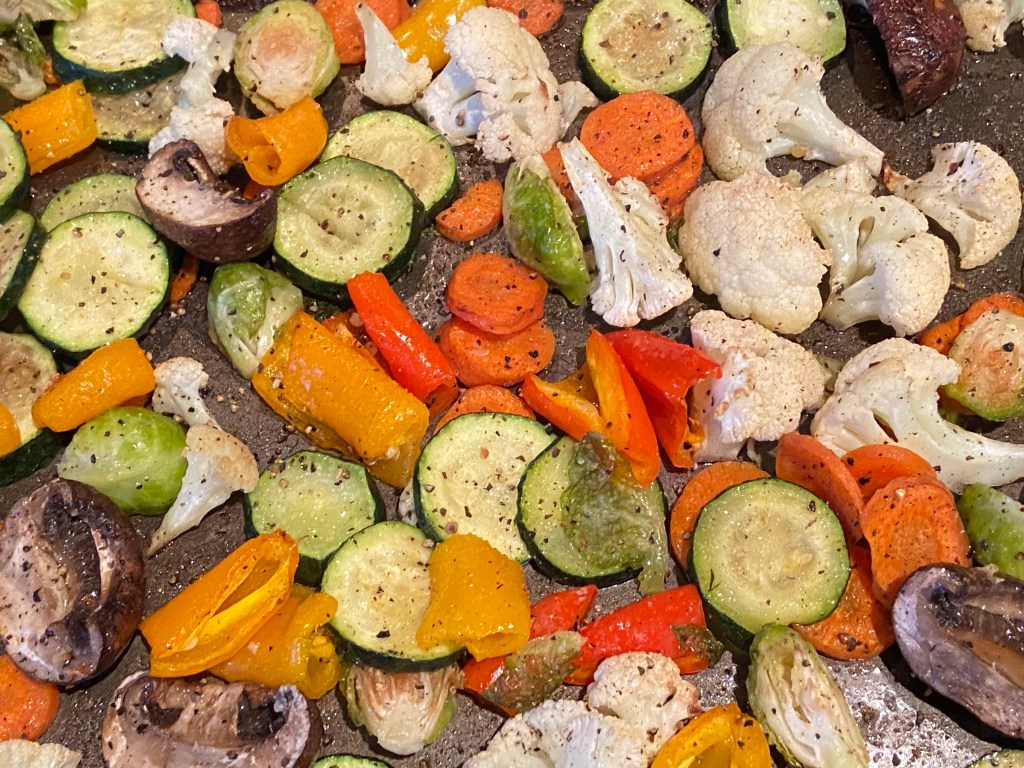
Preheat oven to 400 degrees.  Oil the bottom and sides of a baking pan.  Add the cut veggies & additional 1 tbsp oil, and toss around until the oil is well distributed. (They can overlap – no need to get them all on 1 layer.)  Add basil, oregano, crushed red, black pepper, and salt.  Bake for 20 minutes, until firm-tender, just a bit less firm than stir-fried veggies.  You don’t want them soft – a little crunch after baking under the polenta is the goal. Taste for salt when you take them out of the oven.

Spray the bottom and sides of a 10″ x 13″ baking dish with oil.  Place the roasted veggies in the dish.  Sprinkle 1/4 cup of the vegan parm evenly over them.  Cover with the cooked polenta, using a wet rubber spatula to smooth out the top, covering all the veggies.  Sprinkle with the paprika.  Bake at 400 degrees for 10 mins, then turn the oven to broil for 3 – 6 mins, or until the polenta topping becomes a little tan in spots.  (Of course, watch it closely once you turn on the broiler.  What takes 6 minutes in my oven might take only 3 minutes in yours.  And you don’t want to burn it, after all that preparation!)

Enjoy your yummy creation, adding a little more parm once divided onto plates.

The content of this article is for educational and informational purposes only, and is not intended as medical advice. Please consult with a qualified health care professional before acting on any information presented herein. Any statements about the possible health benefits of any subject discussed have not been evaluated by medical professionals or the Food & Drug Administration and are not intended to diagnose, treat, cure or prevent any disease or illness.

Smellscapes

Have you ever noticed how a familiar smell can sometimes take you back to childhood?  How the scent of roasting coffee beans can cause you to close your eyes and deeply inhale its lusciousness?  And how the odor of stinky garbage consumes your attention until you can get rid of it?  In addition to our sense of smell evoking memories and providing for pleasure or its opposite, its impact is surprisingly extensive.

The term smellscape was devised in 1985 by J. Douglas Porteous, Professor of Geography at the University of Victoria, British Columbia, to describe the totality of the olfactory landscape in a specific environment.  It  is a concept used liberally now, to characterize both urban and rural environments.  For the purpose of this post, we’ll focus on the kind of scents that embrace you when surrounded by trees, flowers, garden veggies, ground cover, and other outdoor elements.

According to an article from Science Direct, various studies show that aromas, smells, and scents all set off bodily reactions, they serve as connections and codes, and produce new means of engaging with space; an odor often defines a setting.  Further, smell is a crucial factor in how people experience spaces of health and wellbeing.

A Pub Med article entitled A Review of the Benefits of Nature Experiences: More Than Meets the Eye explains that the olfactory system is connected to emotions, and problems with that system can result in depression.  The sense of smell affects mood, cognition, and behavior. This suggests a clear avenue through which nature benefits could be received via smell.  I always feel elated when smelling Autumn leaves, fresh herbs, tomatoes on the vine, and night blooming jasmine, don’t you?

A write-up on Frontiers in Psychology tells us that pleasant natural scents can evoke the feeling of joy and have a calming effect.  When separating the visual, auditory, and olfactory nature stimuli on stress reduction, smells seem to have a more profound effect than visual and auditory stimuli.  So maybe when we are feeling stressed, walking through a sweet-smelling meadow could do more for us than listening to calming music.

In the early 1980s, the Japanese National Ministry of Forestry saw a need to decrease the pressures of modernization in the country, and began to promote forest bathing on its public lands.  Shinrin-yoku, its proper name, involves mindfully walking through a forest, taking in the experience not only with your eyes and ears, but also your nose.  Research shows that various pine trees produce olfactory compounds that positively affect blood pressure, heart-rate variability, salivary cortisol, alpha-amylase and oxygenation of the prefrontal cortex. (They also) stimulate immune system function, in particular the innate natural killer cells that are famous for destroying tumors and viral-infected cells.  Three mindful hours spent in a forest can positively affect natural killer cells for up to 30 days, a 2010 study shows.  I don’t believe any pharmaceutical could provide such significant benefit.

The smells of green landscapes offer an abundance of health advantages.  If you enjoy the outdoors, you now have another reason to get out there.  If time outside has never been your thing, maybe you’ll reassess.  The delightful fragrances of our Primal Mother await you with perks.

Bouquets of Blessings,

Lisa

The content of this article is for educational and informational purposes only, and is not intended as medical advice. Please consult with a qualified health care professional before acting on any information presented herein. Any statements about the possible health benefits of any subject discussed have not been evaluated by medical professionals or the Food & Drug Administration and are not intended to diagnose, treat, cure or prevent any disease or illness.

Healing Gone Wrong

South Carolina
These watery images called to me while writing about the fires of inflammation.

Last week’s post, Heart Matters, touched on the concept of chronic inflammation and its association with the majority of chronic diseases.  In addition to cardiac disease, these include cancers, Alzheimer’s, auto-immune disorders, pulmonary disease, diabetes, and bone & joint diseases.  Some of your comments inspired me to want to share more on the subject.  This post, therefore, is a sort of addendum.

You may be thinking, isn’t inflammation a good thing?  Yes and no.  On his website, Dr. Andrew Weil, founder and director of the Andrew Weil Center for Integrative Medicine, says inflammation is the cornerstone of the body’s healing response, bringing more nourishment and more immune activity to a site of injury or infection. But when inflammation persists, it damages the body and causes illness.  This type of illness often lasts for years, taking away from the quality of our lives until finally it takes our lives.

South Florida

Persistent inflammation is the body’s immune response to toxins as it works to “purify” itself, according to this write-up from Cleveland Clinic.  As our exposure to pseudo foods, polluted air & water, and overall stress increases, our bodies’ toxin levels rise, setting the stage for chronic inflammatory disease.

If your physician hasn’t tested you for chronic inflammation, ask if she/he will order a lab test for CRP or IL-6.  (Be aware that your insurance might not pay for it.)  If the result falls above the normal range, you’ll know that you need to make some lifestyle changes.

Oregon

There are many ways to assist your body in decreasing inflammation and improving, often even reversing, chronic disease. The University of Wisconsin School of Medicine & Public Health published a 10-page Patient Handout that gives a lot of great info for those wanting to make changes.  Their guidance includes the following: daily physical activity, stress management, restful & plentiful sleep, spending time with loved ones, managing your weight, and eating in a way that increases nutrients and decreases junk & fried foods, simple carbs, processed meats, and food allergens.

An anti-inflammatory diet is not a diet in the traditional sense.  It’s a way of eating that should be adopted for a lifetime of health.  The Mediterranean Diet is a perfect example, with its abundance of whole foods, including fresh fruits, veggies & beans, healthy oils, fish & other omega 3 foods, whole grains,  nuts & seeds, herbs & spices, moderate wine consumption, limited red meats & dairy, and no processed meats.  According to Michael Greger, MD, founder of NutritionFacts.org, emphasizing whole foods, and not supplements, is essential.  For example, antioxidants found in fresh veggies are shown to reduce inflammation, but antioxidant supplements are not.  The same goes for spices: studies show ground turmeric is beneficial, but not turmeric supplements.  Another reason to focus on whole foods, Dr. Greger says, is that not all plant foods are anti-inflammatory.  If all you do is boost your intake of less healthy plant foods, like juice, white bread, soda, and cake, you can end up even more inflamed, he writes. 

Maine

Of course, your new healthy lifestyle won’t bring results overnight – it’ll take time to change the years of abuse your body has endured.  An article on Livestrong.com explains that after a week of changing your habits, you might have lost 1 pound, feel less bloated, and find your triglycerides have dropped.  Two to three weeks can bring lowered blood pressure, a bit more weight loss, & positive changes in overall bloodwork.  After a month, you might find that your mood and energy have improved, and you have fewer aches and pains.  Sixty days into it, endurance will have improved, and you may see several more pounds have fallen off.  In 90 days, your A1c levels can drop, which is proof of a healthier functioning pancreas, liver, and small intestine. Also by that time, your new lifestyle has been habituated long enough for you not to worry about falling off the wagon!

It is my hope that you’ve found this information helpful.  Chronic inflammatory disease doesn’t have to be a part of your life.  Making lifestyle changes now can be the key to helping you avoid an illness that can steal your chances of a happy, healthy existence.

Blessings for Health,

Lisa

The content of this article is for educational and informational purposes only, and is not intended as medical advice. Please consult with a qualified health care professional before acting on any information presented herein. Any statements about the possible health benefits of any subject discussed have not been evaluated by medical professionals or the Food & Drug Administration and are not intended to diagnose, treat, cure or prevent any disease or illness.

Heart Matters

💕photo credit: Cocoamoni 💕

Cardiovascular disease is the leading cause of death worldwide, accounting for about 1/3 of all deaths, according to the World Health Organization. This frightening stat has been attributed to high blood pressure, high low-density lipoprotein (LDL), diabetes, smoking & secondhand smoke exposure, obesity, unhealthy diet, and physical inactivity.  A small percentage of us inherit genes that predispose us to the disease. But the great majority of us put ourselves at risk due to lifestyle choices.

Dr. F. Batmanghelidj, in his important book Your Body’s Many Cries for Water: You Are Not Sick, You Are Thirsty, writes that cell membranes require water to hold them together.  When the body is not sufficiently hydrated, cells produce cholesterol to take care of the job.  This, he says, can contribute to high cholesterol, which often correlates with heart disease.  (Just one of the myriad of reasons that proper hydration is so vital.)
Caldwell Esselstyn, MD, is a surgeon at Cleveland Clinic. After decades of performing operations on patients with heart disease, he began researching preventative measures.  Now, Dr. Esselstyn, no longer working as a surgeon, heads the Esselstyn Heart Disease Program at Cleveland Clinic, where he counsels on lifestyle choices (that) contribute to the development and progression of cardiovascular disease and how to slow or reverse it.  His primary recommendation is plant-based eating.  Within 12 weeks of committing to his program, patients’ symptoms have diminished or disappeared, and within a few months, angiograms have shown a widening of the coronary arteries — a reversal of heart disease.

Dr. Dean Ornish is another physician who has developed a program for reversing heart disease via lifestyle measures.  His program has been so successful that it is covered by patients’ Medicare benefits.  According to Dr. Ornish, it is the combined effect of four lifestyle elements that make the transformative difference: nutrition, fitness, stress management, and love & support. 

Love and support, you say?  Really?  A meta-analysis on Frontiers in Psychology reports on 1,187 studies done with more than 1,458 million participants on the roles of love and social support in health and longevity.  Their importance, the write-up concludes, is equivalent to that documented for other risk factors such as smoking or obesity.  Amazing, wouldn’t you say?

Dr. Zach Bush, my favorite triple-board certified physician, on the heart page of his website, shares information on the role of chronic inflammation in heart disease.  Those with chronic inflammatory diseases such as cancer, Alzheimer’s, COPD, diabetes, and autoimmune disorders (most of which can be improved or reversed with lifestyle changes, according to many sources) are shown to have an elevated risk of developing heart disease. Further, lack of exercise, poor diet, lack of sleep, and stress are associated with chronic systemic inflammation and an increased risk of developing cardiovascular disease.  

I think most of us believe that heart disease starts later in life, or at the earliest, in young adults.  That was my assumption until a few years ago.  But in the early 1950’s, the Journal of the American Medical Association reported on research that had been done on the autopsied bodies of 300 Americans killed in the Korean War.  Almost 80% had visible evidence of coronary atherosclerosis, and some of them had artery blockage of 90%.  The average age of these soldiers was 22.  Related studies are reported in an article shared on the US National Library of Medicine indicating that the beginnings of heart disease shows in children as young as 1 month of age.  And according to Dr. Michael Greger in his NY Times Bestselling book How Not to Die, Italian researchers who examined the arteries of miscarriages and premies that died shortly after birth report that the arteries of fetuses whose mothers had high LDL levels were likely to contain arterial lesions.  Therefore, beyond prevention, we should work to reverse the heart disease (we) very likely already have, Dr. Greger writes.

The choices you make each day create your lifestyle, and your lifestyle often dictates your tendency toward cardiovascular disease.  Take time to consider the foods you eat, your sleep, water intake, physical activity, stress management, and social support, and make changes as needed.  Don’t put yourself at risk for dying from a largely preventable disease.

Blessings for Healthy Choices,

Lisa

The content of this article is for educational and informational purposes only, and is not intended as medical advice. Please consult with a qualified health care professional before acting on any information presented herein. Any statements about the possible health benefits of any subject discussed have not been evaluated by medical professionals or the Food & Drug Administration and are not intended to diagnose, treat, cure or prevent any disease or illness.