5 Merits of Wonder

Mystery creates wonder and wonder is the basis of man’s desire to understand. ~Neil Armstrong

Earlier this week, I was watching Dr. Gay Hendricks, psychologist, body-mind therapist, & author of over 40 books, in an interview and the concept of wonder came up.  Human beings thrive on wonder, he said, and gave examples of his patients utilizing wonder with outstanding results. 

Psychology Today shared an article with a delightful definition of the term: Wonder is a complex emotion involving elements of surprise, curiosity, contemplation, and joy. It is perhaps best defined as a heightened state of consciousness and emotion brought about by something singularly beautiful, rare, or unexpected—that is, by a marvel.  

After exploring further these last few days, I’ve read several times that wonder is an emotion that is ever-present in us as small children, but by the time we get to high school, it’s all but forgotten.  Due to its profound advantages, I’d like to reintroduce you to this powerful concept.

The happiness of the bee and the dolphin is to exist. For man it is to know that and to wonder at it. ~Jacques Cousteau

  1. It can help with relationship issues.  After Dr. Hendricks’ interview, I searched the internet for more from him on the subject, and found these statements addressing relationships: Wonder is the opposite of blame. It opens all your brain and body intelligence powers to make new connections.  It takes you out of the state in which a problem gets generated, an Einsteinian move.  
  2. It fosters environmental protection.  Rachel Carson, author of The Sense of Wonder, among other books promoting environmental ethics, writes of the ways in which we have insulated ourselves in the artificial world of our creation, while quietly and desperately wanting to believe we have a future in the natural world.  The more clearly we can focus our attention on the wonders of the Universe about us, the less taste we shall have for destruction, she urges. 
  3. It prompts learning.  Wikipedia shares that historically, wonder has been seen as an important aspect of human nature, specifically being linked with curiosity and the drive behind intellectual exploration.  And the Greek philosopher Socrates set forth the idea wisdom begins in wonder
  4. It promotes prosocial behaviors.  A study published in the Journal of Personality & Social Psychology reports that the experience of wonder we feel in the presence of something vast that transcends our understanding of the world encourages lovingkindness, altruism, and generosity.  It’s like falling in love with all of life.
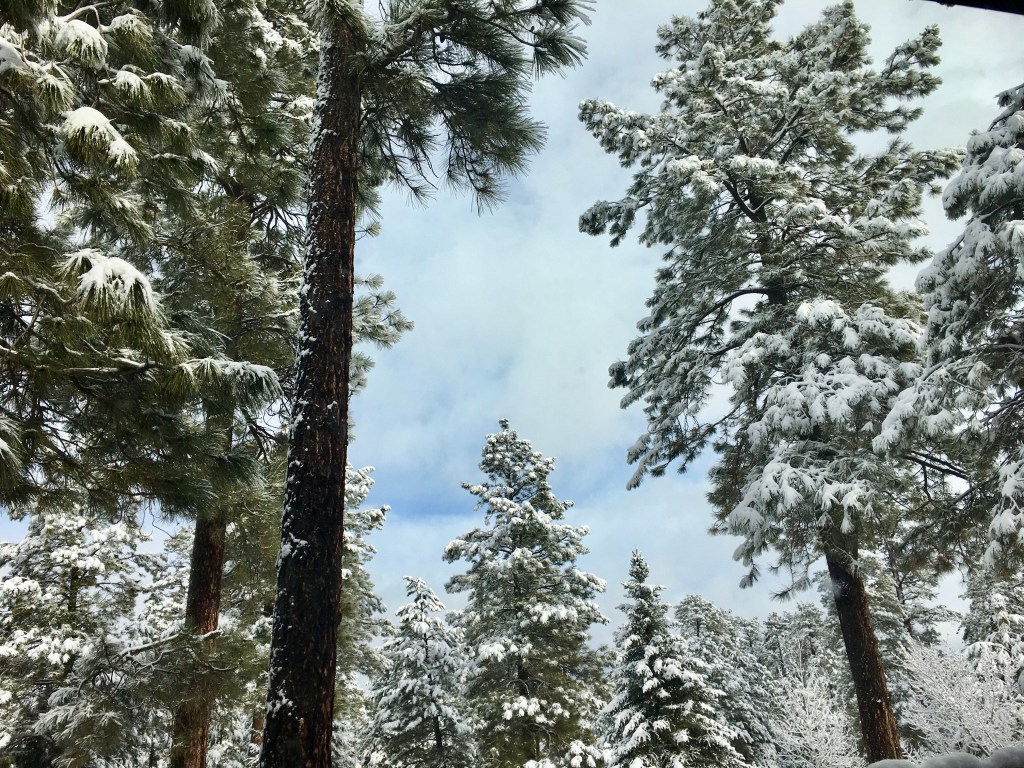
  5. It improves mood & mindset.  This point comes from my personal experiences of witnessing amazing sites like wildlife, larger-than-life trees, and wild landscapes so bedazzling that I am stopped in my tracks. A sudden childlike feeling sweeps over me, bringing me into to the present moment, replacing concerns with a sunny disposition.

Cultivating wonder opens a world of possibilities.  Marveling at the mysteries in which our lives are immersed can make us smarter, more loving toward all of life, and happier.  What could be a better way to live?

If this is the way the world is: extraordinary, surprising, beautiful, singular, mysterious and meaningful; then this is how I ought to act in that world: with respect and celebration, with care, and with full acceptance of the responsibilities that come with my role as a human being privileged to be a part of that community of living things. Wonder is the missing premise that can transform what is into a moral conviction about how one should act in that world. ~Kathleen Dean Moore, Writer & Professor of Philosophy, Oregon State University

Wonder-filled blessings,

Lisa

I shared the original version of this post two years ago, and you gave it lots of love in the form of likes, shares, and comments. I hope you enjoyed this edit. Thank you for reading!

The content of this article is for educational and informational purposes only, and is not intended as medical advice. Please consult with a qualified health care professional before acting on any information presented herein. Any statements about the possible health benefits of any subject discussed have not been evaluated by medical professionals or the Food & Drug Administration and are not intended to diagnose, treat, cure or prevent any disease or illness.

The Wilderness Connection

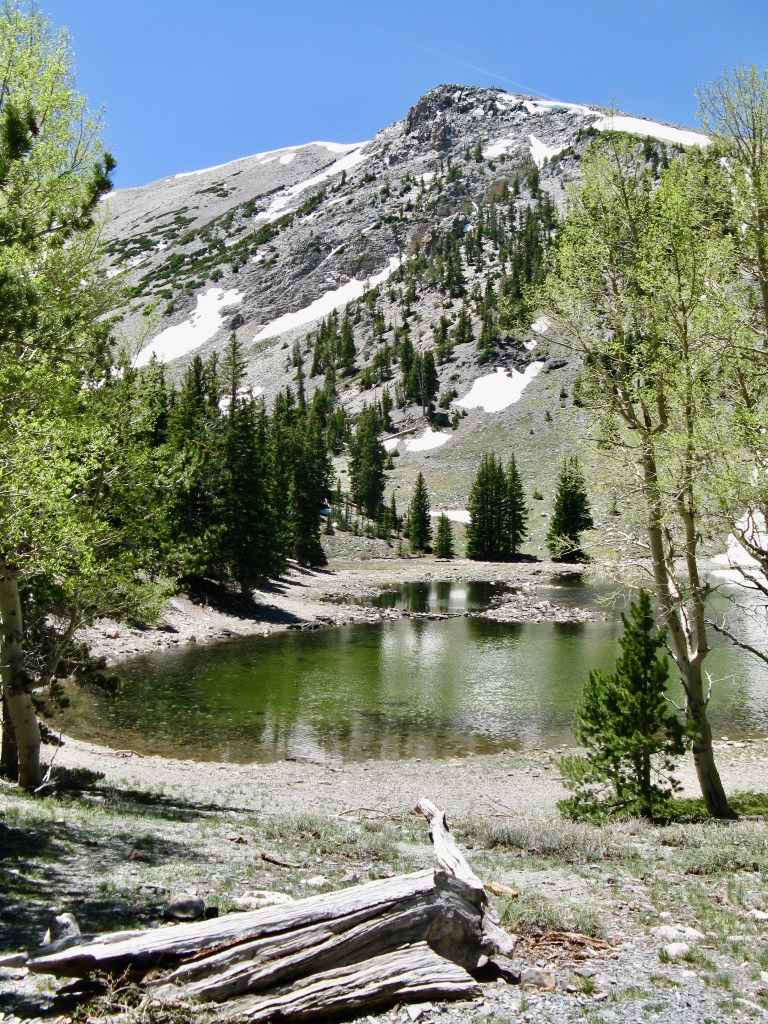
Great Basin National Park, Nevada

I’ve just finished reading Scott Stillman’s book Wilderness: The Gateway to the Soul.  It evokes many of the feelings and musings I experienced while exploring the wilds of this country.  I realize now that the words I’ve used in describing my 3-year experience (of road tripping, tent camping, hiking, photographing natural beauty, and finding my sacred center) haven’t accurately represented the depth of primal connection I felt or the new perspective of life I gained.

Colorado’s Rocky Mountains

In his book, Stillman describes the wild, raw places he visits with great beauty and soulfulness.  He has explored some of the same mountain ranges, canyons, and deserts I have, and has met with many of the same themes.  He is asked Don’t you get lonely out there all by yourself?, a question I was asked often.  He responds by saying that initially, yes, loneliness can strike, but by paying attention to the beauty of the present, it doesn’t linger.  I can remember feeling an almost overwhelming sense of loneliness in my tent one night in southern Colorado.  But daybreak revealed a cool mountain morning, incredibly blue sky, and abundant wildflowers & butterflies on the hiking trail, replacing that sad feeling; my bonding with Nature had begun.

Arches National Park, Utah

Stillman suggests that being alone in Nature is a time to reboot . . . a time for gratitude and healing, both spiritual and physical . . . a chance to remember the light in us is the same light in all of creation: rocks, streams, and a lizard’s eyes.  This light is the source of pure love.  The light of being.  The light of truth.  In the end there is no separateness.  No lines drawn between you, me, rock and tree.

You will be cleansed, you will be renewed, and given a new perspective.  A fresh start.  Born again into the world.  Wilderness can do all that!  ~ Scott Stillman

Grand Teton National Park, Wyoming

If you must bring a companion (on your wilderness visit), . . . agree that you are going on a sacred journey, he recommends.  Try not to bring along your everyday concerns.  Limit talking to things of the present.

To deal with the ever-pervasive noise around us, the author writes we develop selective hearing, narrow our attention spans, or tune out altogether with our devices.  But this tuning out blocks the good stuff as well.  We walk around with a longing – but for what?  We have everything we think we need, yet still feel unfulfilled.

Sequoia National Park in California

Then one day we experience a moment of clarity . . . perhaps in Hawaii, the Grand Canyon, the Rocky Mountains.  Recognizing the beauty all around, we see through the eyes of God and remember that everything is God.  If we’re lucky, we’ll take this back into our daily lives as we leave the wilds behind.

We create our own world.  Focus on beauty and beauty you find.  Focus on darkness and darkness prevails.  Beauty guides through the heart.  Darkness through the mind.  ~Scott Stillman

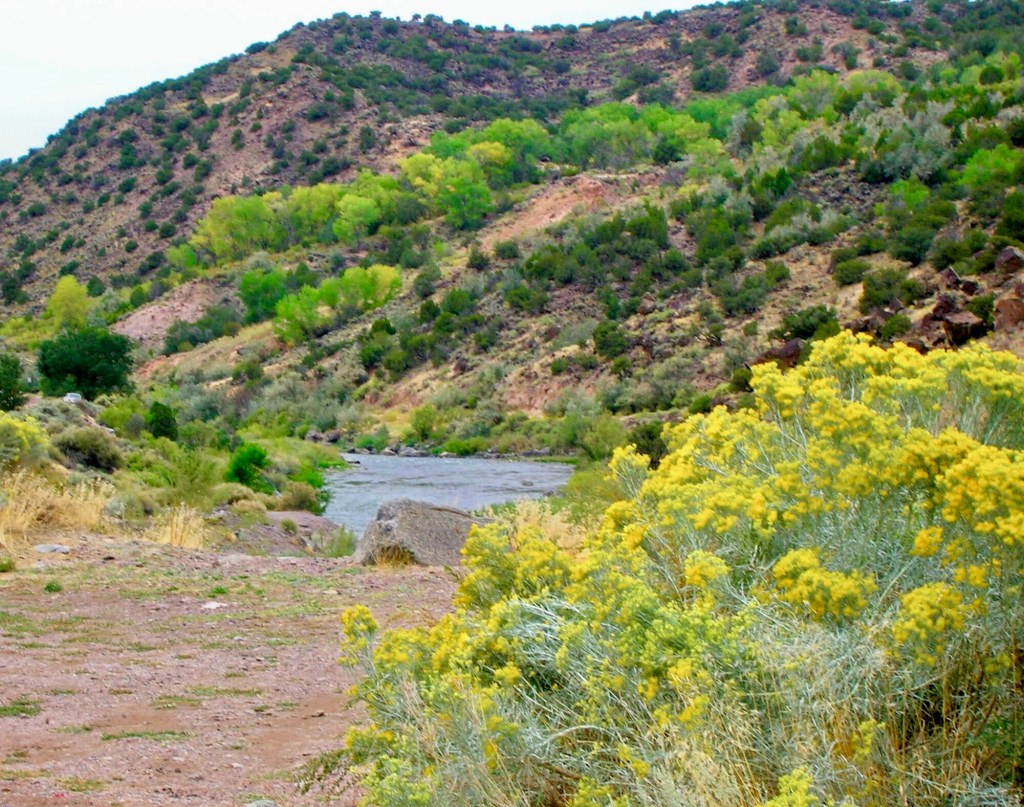
On the road to Taos, New Mexico

I wholeheartedly suggest you check out Scott Stillman’s Wilderness: The Gateway to the Soul.  More than that, I urge you to take time enough in Nature to discover your personal primal connection.  You may find, like I did, that it completely changes your perspective of life.

Wild Blessings,

Lisa

The content of this article is for educational and informational purposes only, and is not intended as medical advice. Please consult with a qualified health care professional before acting on any information presented herein. Any statements about the possible health benefits of any subject discussed have not been evaluated by medical professionals or the Food & Drug Administration and are not intended to diagnose, treat, cure or prevent any disease or illness.

Snowscapes

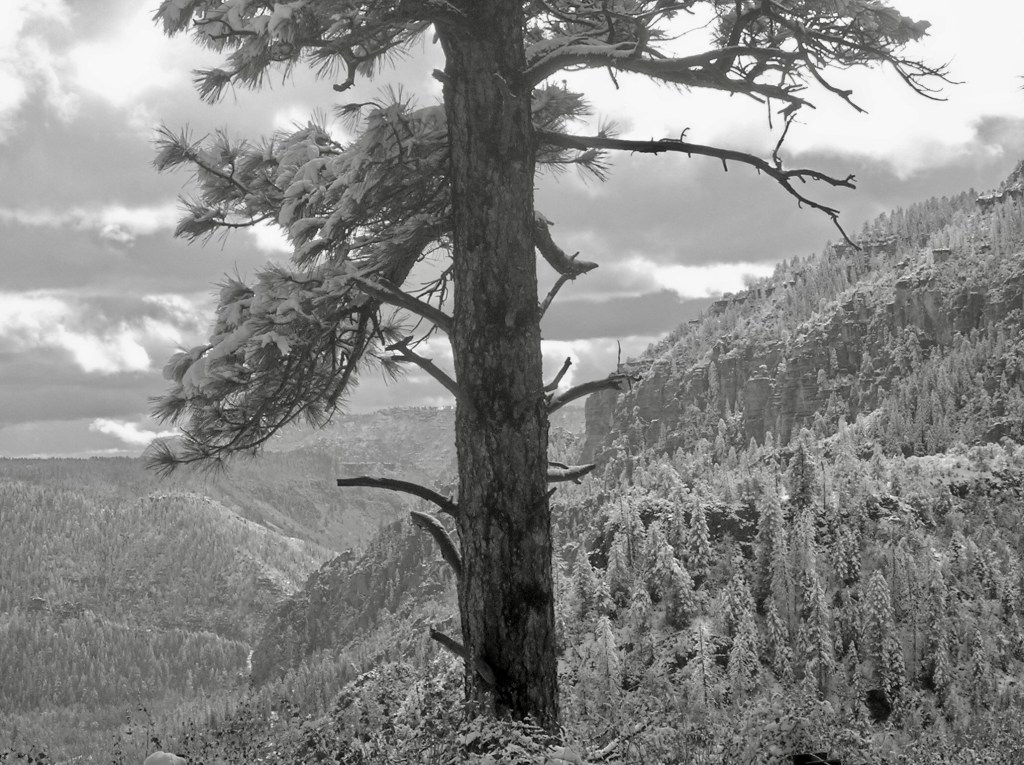
Oak Creek Canyon, between Flagstaff and Sedona

Before moving to the Southwest, I remember hearing on national news about the havoc caused by large amount of snow deposited in northern Arizona in January of 2010, just four  months before my planned relocation.  A total of 56 inches fell that month; the majority in a single week.  As a result, roofs collapsed, there were power outages for days, food and supplies had to be flown in by the National Guard for remote residents, and the town of Flagstaff was isolated due to road and airport closures.  Upon hearing this, my mother asked incredulously, “And that’s where you want to live?!”

Yup, that’s the place, Mom!  I’ve had no regrets about the move, but I’m truly grateful we haven’t seen a repeat of that winter.  We always get lots of snow (this January we had 61 inches, more than the January noted above) but it is typically more widely distributed throughout the month.

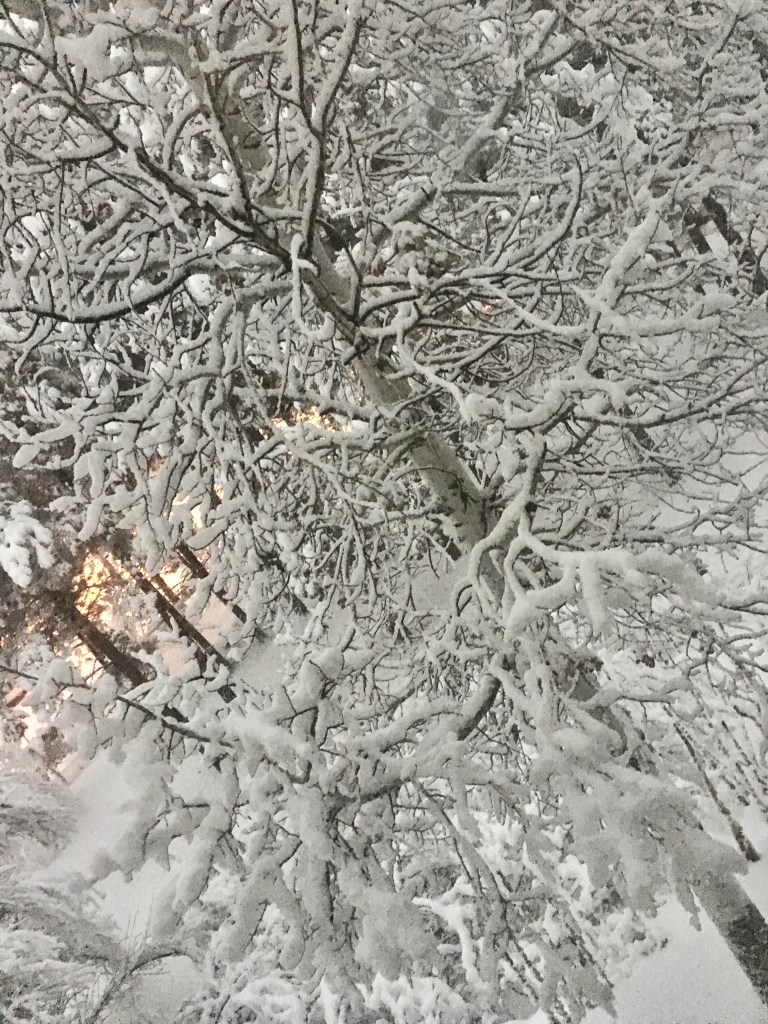
Snow is a marvelous phenomenon.  It can transform landscapes to a degree that getting lost in an area you know well becomes a distinct possibility.  It blankets rocks and boulders, creating a surface smooth enough for sledding.  And the way in which it cloaks mountain peaks elicits in me a sense of awe.

Living in a place that sees so much snow, I find it fascinating that each and every snowflake is unique.  There are so many!  I’ve read that their differences are attributed to the way they form around dust particles (or other substances) and the water vapor they collect as they move through the air.  

I can’t say I’ve ever witnessed a blizzard (a snowstorm lasting 3 or more hours with sustained winds of at least 35 mph.)  There are times that I’ve claimed it’s blizzarding, due to horizontally-blowing snow, but it didn’t go on for hours.

The snowiest spots in the U.S. (that have weather stations) are Mt. Rainier in Washington state, with about 645 inches a year, and Mt. Hood in Oregon, where 550 inches fall annually.  Northern Arizona hits the list at 19th, with just over 100 inches, and if our local ski area had a weather station, it would show up at #8, with 260 inches.

As a small girl living in the South, snow was seldom seen.  You could bet if an inch or 2 fell, it would be accompanied by freezing rain and school would be out for the day.  Woohoo!  Snow days were the best days!

Here, a foot or 2 can fall overnight, and schools and some businesses will have a delayed start.  That gives road crews long enough to take care of major thoroughfares to provide safe passage for school buses and the rest of us.

Having snow as a frequent visitor every year is truly wondrous.  But my mother would disagree. She still insists I’m crazy for living here. 😊

Winter Blessings,

Lisa

The content of this article is for educational and informational purposes only, and is not intended as medical advice. Please consult with a qualified health care professional before acting on any information presented herein. Any statements about the possible health benefits of any subject discussed have not been evaluated by medical professionals or the Food & Drug Administration and are not intended to diagnose, treat, cure or prevent any disease or illness.

Grandfathers of the Sonora Desert

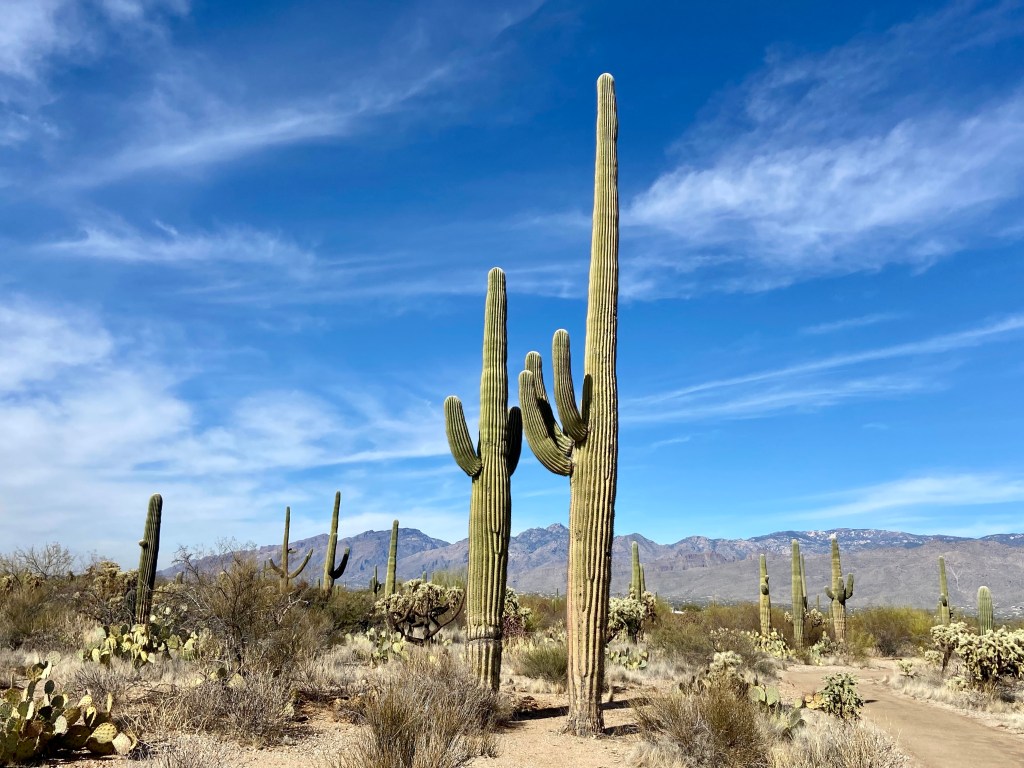
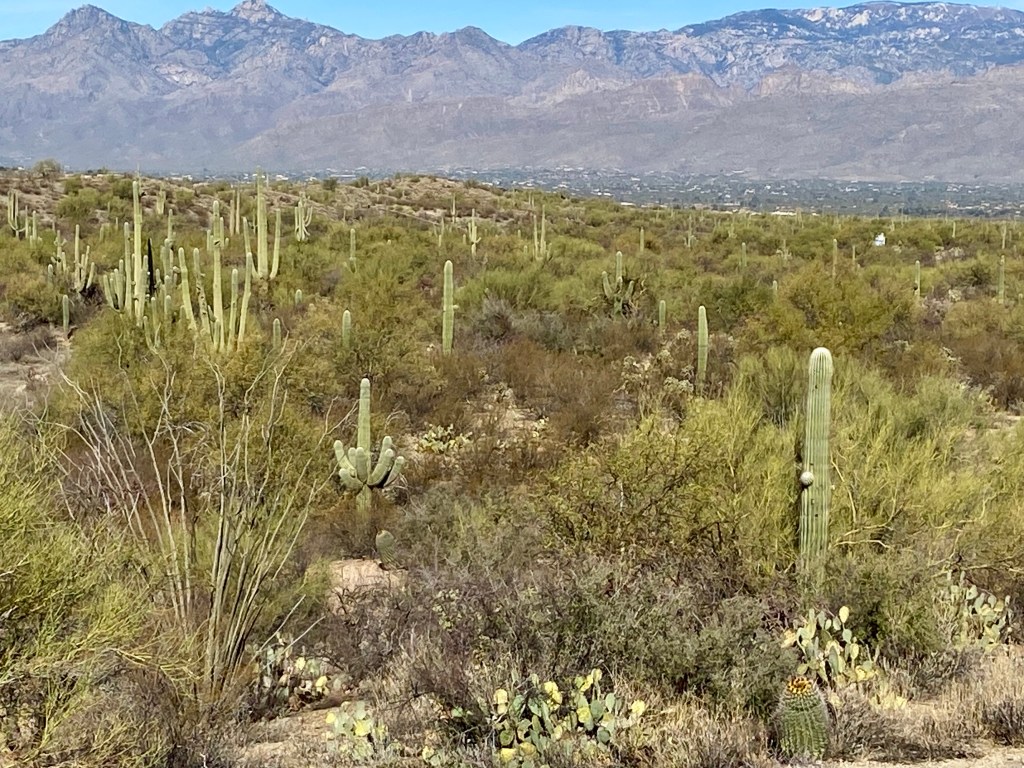
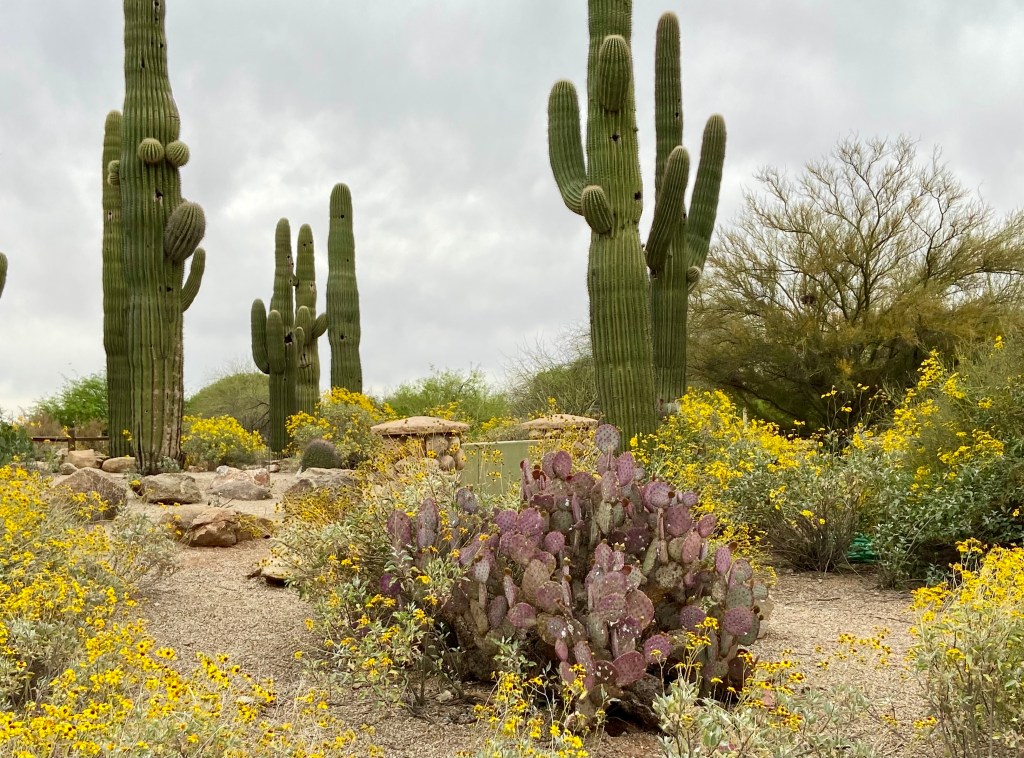
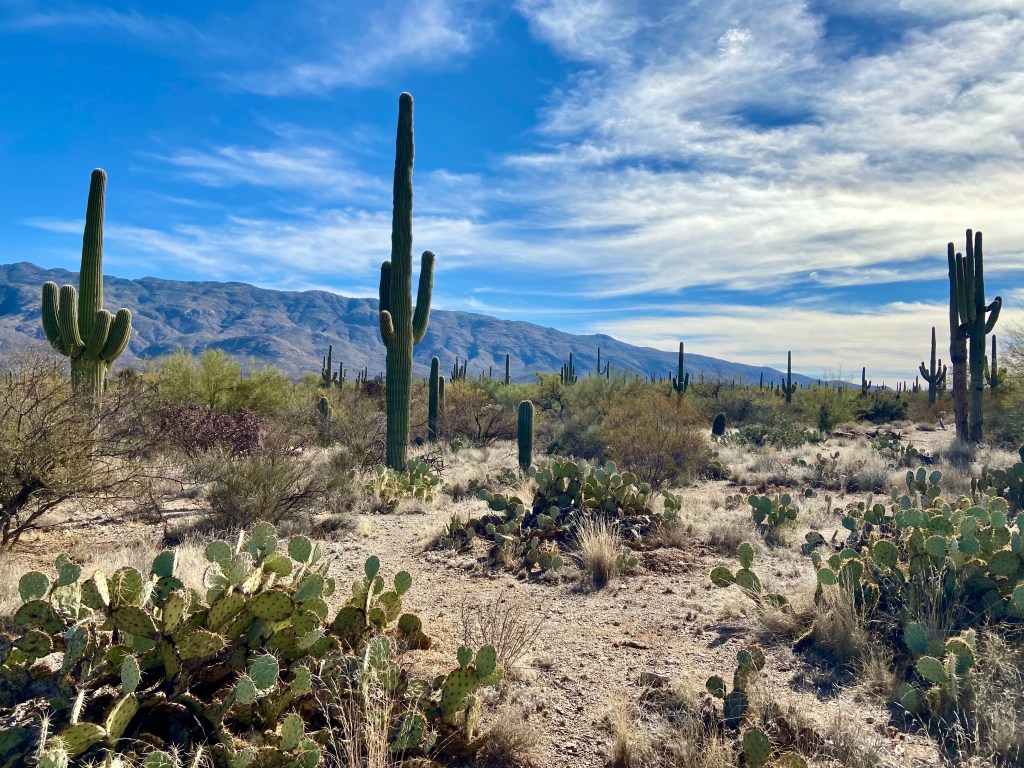
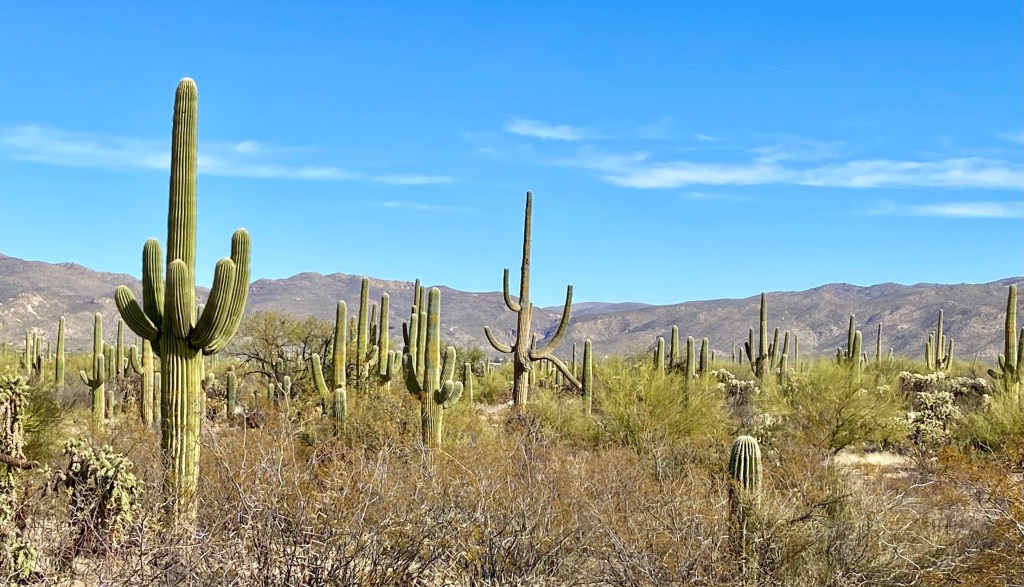
We recently vacationed in southern Arizona.  The weather was warm and dry, and we enjoyed hiking, biking, and riding horses through the desert.  Saguaro cactus plants were plentiful and huge.  Visiting Saguaro National Park, we saw some that towered over us.

I’ve learned a lot about the growth of saguaros.  I was surprised to find that they grow only 1 – 1.5 inches total during their first 8 years.  At about age 35, white flowers may appear on the plant, and continue throughout their lifetime.  Just before the white blooms close, green buds may emerge that eventually turn red and reveal sweet red fruit, to the delight of desert animals and humans alike.  Branches, or arms, form once the cactus has reached 50 – 100 years of age, depending on precipitation in the area.  Adult saguaros, those that are 125 years or older, can reach heights of 50 feet and weigh more than 6 tons.  Their average lifespan is 150 – 175 years, although it is believed some live over 200 years.

Small holes in saguaros at the Riparian Preserve are entryways to bird nests

I first witnessed birds nesting inside saguaros at the Riparian Preserve at Water Ranch in Gilbert, AZ, with my friend Janet from This, That, and the Other Thing.  I’ve read that these nests are actually created by gila woodpeckers and gilded flickers, who eventually abandon them.  Other winged creatures, such as elf owls, house finches, and purple martins, are happy to take them over.

According to Wikipedia, the saguaro provides voluminous amounts of pollen, nectar, and fruits. Its fruits are eaten by ants and white-winged doves.  These doves are important pollinators, visiting blooms more often than any other bird species. For white-winged doves making their homes in or near the desert, 60% or more of their diet is saguaro-based, and the blooming of the saguaros coincides with their breeding cycle.

For ages, every part of the saguaro, living or dead, has been used by Native Americans.  The fruits are carefully harvested and made into wine, jams, and syrup.  Seeds are eaten raw, ground into meal, pressed for oils, or used for chicken feed.  Once the plant dies, its ribs are used for building furniture or fences.  Even the old bird nests found inside are used as storage vessels.

The declining status of the saguaro cactus has resulted in protection initiatives.  On federal lands, it is now illegal to harm or remove them, and in other areas, a permit is needed to relocate them.  Additional requirements have been established in various municipalities.  Even when a saguaro dies, a permit is necessary to remove its dried ribs.

These desert grandfathers sparked joy and reverence in our hearts.  Saguaro National Park is a treasure that shouldn’t be missed when you’re near the Tucson, Arizona area.

Blessings for a Long, Productive Life,

Lisa

The content of this article is for educational and informational purposes only, and is not intended as medical advice. Please consult with a qualified health care professional before acting on any information presented herein. Any statements about the possible health benefits of any subject discussed have not been evaluated by medical professionals or the Food & Drug Administration and are not intended to diagnose, treat, cure or prevent any disease or illness.

6 Benefits of Winter Hiking

I hiked one of my favorite winter trails recently.  Its abundance of volcanic rock reflecting the heat of the sun makes it one of the warmest hikes around.  Snow and ice still covered over half the footpath, courtesy of a weather system that enshrouded parts of northern Arizona for over a week.  Ascending the slick ice was a little frightening (foolishly, I didn’t wear my Yaktrax).  But, lucky for me, the sun had cleared the descent.  The beauty of the entire mountain was transformed due to the snow, causing me to stop at times and assess if I was still on the trail. 

My trek through the winter woods elated me with picturesque views of the earth, crisp air, and azure sky.  I began thinking of other benefits Nature was conferring on me, and the idea for this post was born.  In addition to the enjoyment of exploring a seemingly new landscape, with its snow, ice, and leafless deciduous trees, below are 5 more benefits of hiking during winter months.

  1. Weight loss. A Scientific American article reports that brown fat, mitochondria-containing adipose tissue that converts calories into heat, is activated and increased with exercise in cold temperatures.  Recent research reveals that brown fat can reduce excess stores even in the obese, due in part to its browning activity of white fat.  The article also says this calorie-burning phenom can lessen chances of metabolic syndrome, heart disease, stroke, and diabetes, making cold weather hiking a great formula for weight loss and physical health in general.
  2. Increased fitness levels, faster.  If your heart is healthy (and only if your heart is healthy!), trekking in cold weather can make it even stronger.  Cold temperatures cause arteries to tighten, restricting blood flow and reducing the oxygen supply to the heart, a WebMD write-up states.  These factors cause the heart to work harder, improving endurance and respiratory function.
  3. Enhanced immunity.  According to this post from the ION (Intelligence of Nature) blog, Respiratory infections are especially prevalent in the winter months for two reasons: enclosed spaces and (lower) humidity.  These conditions (as well as holiday gatherings) often result in us eating more, exercising less, and failing to consider hydration.  Hoofing it in the cold, mineralized water in hand, allows us to deeply hydrate our bodies, helping to prevent respiratory issues.
  4. Improved mental health.  Hiking during winter can help with the winter blues and seasonal affective disorder (SAD).  An article from Mayo Clinic suggests on cold or cloudy days, outdoor light can help — especially within two hours of getting up in the morning, and further, exercise and other types of physical activity help relieve stress and anxiety, thereby reducing SAD symptoms.
  5. Heightened sense of awe.  Greater Good Magazine, published by the University of California, Berkeley, reports researchers are uncovering the benefits of awe for clear thinking, good health, and close relationships. Witnessing the splendor of deer, birds, and weasels (among many other animals) whose fur changes colors in winter induces wonder and delight.  Once during a cold weather hike, I saw a small herd of deer wearing lovely dark chocolate-colored coats. Spotting these beauties in their winter finest filled my heart with awe.

Although the weather is not presently balmy, it’s an ideal time to get outside and do some hiking.  I hope one of the benefits mentioned above piques your interest & motivates you to get on a trail.  Nature has a profusion of benefits just waiting for you.

Blessings on the Winter Trail,

Lisa

The original version of this post was published almost 2 years ago, and I thought it was worth a review. Thank you for reading, liking, commenting on, and sharing my posts throughout the year. I hope the holiday season fills you with love, including the love of Nature. Comments are off for this post. Let’s be sure to catch up in January!

The content of this article is for educational and informational purposes only, and is not intended as medical advice. Please consult with a qualified health care professional before acting on any information presented herein. Any statements about the possible health benefits of any subject discussed have not been evaluated by medical professionals or the Food & Drug Administration and are not intended to diagnose, treat, cure or prevent any disease or illness.

Protein: Functions & Risks

This is another in a series of posts from my Nutritional Certification program.  I hope you are enjoying learning what I was taught!

Protein is the subject of today’s post.  I’ve studied protein in years past, but mostly about the problems it can cause. I know that more protein is required as we get older, so in addition to learning more about it in general, I’ve started paying more attention to how much I consume.  

This delicious rice has 4 grams of protein per serving.

The functions of proteins in our body are many.  In addition to growth, repair, and structure, they also act as chemical messengers, aid digestion, help fluid balance & immune function, play a major role in maintaining pH levels, and transport nutrients.  Proteins are critical, but we should be aware of their risks, too.

The dried beans I’ve bought from this company are by far the best I’ve eaten! These have 9 grams of protein per serving.

Over the past few decades, animal protein has been considered superior to plant protein (due in large part to marketing by those who benefit financially from our eating animal products.)  But many functional medicine physicians and other experts on natural healing, including Dr. Joel Fuhrman, have shined a light on studies that disprove that.  In fact, research shows that those who eat more animal proteins have a greater risk of disease and a shorter life span.

Tahini boasts 6 grams of protein per serving & is delicious in sauces!

Recommendations for how much protein we should get vary greatly.  I’ve known many athletic people through the years that swear by a very high-protein diet. Throughout my certification program, various presenters suggested between 1.2 grams to .6 gram per kg of body weight.  That’s a huge disparity.  Especially considering that too much protein can result in advanced aging, osteoporosis, and degeneration of capillary circulation. (Those are some of the first things I learned about high protein diets, from Dr. Gabriel Cousens’ book Conscious Eating.)  A lengthy report on the World Health Organization website includes a table entitled Safe level of protein intake for adult men and women showing .83 g/kg of body weight.  I wonder about the word safe in the naming of the chart. 

Broccoli has 2.3 grams of protein per cup.

I have upped my protein intake in recent months to .6 – .7 g/kg of body weight.  Most plant foods have protein – not just nuts, beans, and grains, but also sweet potatoes, asparagus, broccoli, and even seaweed!  And soy products, of course, are packed with protein.

Spirulina supplies 2 grams of protein per teaspoon.

I have come to believe that it’s best to err on the side of caution, shooting for the lower end of suggested protein consumption and obtaining it primarily from plant foods.  But we’re all different, and even the experts are far from agreeing on how much we need.  Maybe by becoming aware of the amount of protein we’re consuming and switching out some animal foods to plant foods, we can live longer & be healthier to the end.  

Blessings for Healthy Choices,

Lisa

The content of this article is for educational and informational purposes only, and is not intended as medical advice. Please consult with a qualified health care professional before acting on any information presented herein. Any statements about the possible health benefits of any subject discussed have not been evaluated by medical professionals or the Food & Drug Administration and are not intended to diagnose, treat, cure or prevent any disease or illness.

What’s Really Up with Dietary Fats?

For as long as I can remember, I’ve lived and breathed the mantra fatty foods cause body fat, and I’ve gone to great lengths to limit or avoid them.  There was a period of time that I completely avoided using oil in my cooking. In recent years, I’ve added water for part of the oil required in pestos, sauces, and sautés. I’ve felt guilty eating nuts, but continued to do so because they helped provide the protein that I was missing from animal foods.  And of course, sweet treats have been strictly rationed, even raw, healthier ones.

These healthy treats can be in regular rotation now!

During my Nutrition Certification course, I learned a little about the importance of fats, but wanted to know more, so I picked up Dr. Mark Hyman’s Eat Fat, Get Thin.  Dr. Hyman is the founder and Senior Advisor for the Cleveland Clinic Center for Functional Medicine.  I’m happy I chose to learn from his writing, as it incorporates a plethora of studies (not just about weight loss, but health in general), as well as research he himself has done and the experience of thousands of his patients.

One of the most striking truths I will share is that fats, in and of themselves, are not the cause of obesity and other inflammatory issues.  (Except for trans fats – avoid them at all costs!)  In fact, we need more fat, omega 3 fatty acids in particular, in order to truly thrive. Omega 6s (like in nuts & sunflower seeds) are important, too, but the ratio between the number of omega 3s and omega 6s that we consume is critical.  That ratio should be around 1:2, but as a result of the Standard American Diet, about 90% us consume about 10 times the amount of omega 6s we need.  This, it turns out, is a precursor for disease.

When looking to increase omega 3s and decrease omega 6s, there are some important considerations.  Omega 3s can be found in chia, flax, hemp seeds, walnuts, and wild-caught fatty fish.  And the omega 3s in pasture-raised meats, dairy, and eggs are substantially higher than those in factory-farmed animals. Omega 6 overconsumption is largely due to vegetable oils: the inexpensive corn, soybean, canola, and safflower oils sometimes used at home & in restaurants and often found in processed foods. Healthy alternatives include extra virgin olive oil, coconut oil, sustainably grown palm oil, and ghee from pasture-raised cows.

But omega fatty acids have not been the only misunderstanding.  Saturated fats have been blamed for the majority of our cholesterol and heart disease problems for decades. But we were never given the full story. I’ve learned that healthy saturated fats (like those in coconut oil, cacao butter, & humanely raised animal products) can actually suppress inflammation and provide many much-needed nutrients. Here’s what we weren’t told: to avoid health problems, saturated fats should be eaten with plenty of fiber, without refined carbs or added sugars, and in the absence of omega 3 deficiency.  (That is not a direct quote, but was gathered from several pages of Dr. Hyman’s book.) So if you are a big junk food, fast food, or even restaurant food eater, it might not be a bad idea to make some lifestyle changes before continuing to consume saturated fats.

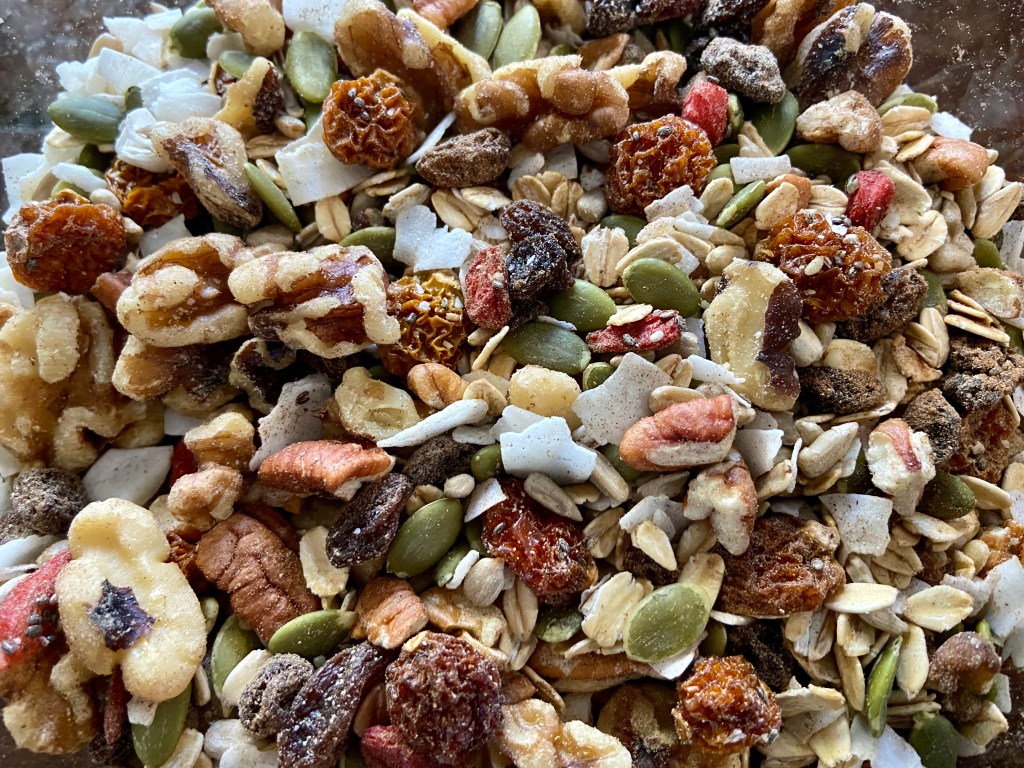
My muesli – an overnight soak makes it easier to digest

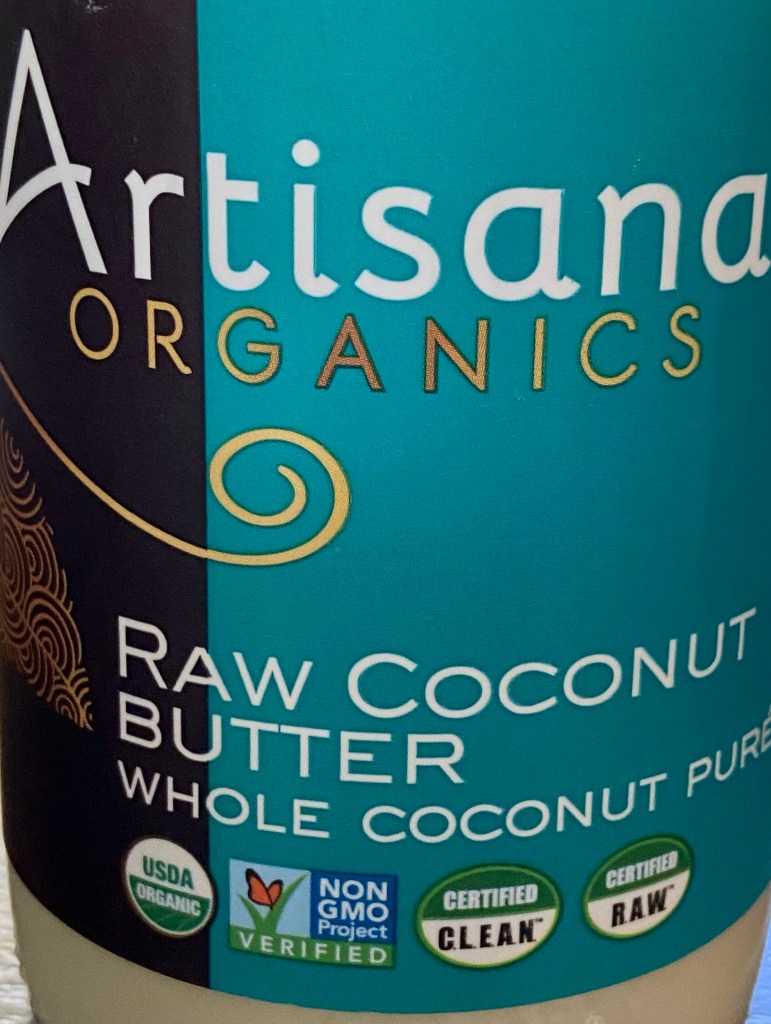
As a result of my new knowledge, I have made changes to my diet.  I’m no longer afraid to use good olive or coconut oil in my cooking, sauces, and on my salads.  I prepare a muesli of oats, nuts, seeds, spices, and dried fruit for breakfast when I’m not having a green smoothie (that also contains nuts & seeds!)  I’m eating coconut butter right out of the jar. (Sooooo yummy!)  Olives and avocados have become regular joyful indulgences. And before buying anything packaged, I make sure it has no added sugar or bad oils.  (Even dried fruit can contain these menaces!)

Dr. Hyman refers to coconut oil as superfuel for your cells
(coconut butter is 60% oil plus fiber)

I no longer fear fats, and I hope you don’t either.  Understanding what fats to maximize, which to minimize, and how best to consume the good ones is key to a healthier you.  Now, where is that coconut butter??

Big Fat Blessings,

Lisa

The content of this article is for educational and informational purposes only, and is not intended as medical advice. Please consult with a qualified health care professional before acting on any information presented herein. Any statements about the possible health benefits of any subject discussed have not been evaluated by medical professionals or the Food & Drug Administration and are not intended to diagnose, treat, cure or prevent any disease or illness.

The Amazing Science of Grounding

Through the years, I’ve written a lot about the healing powers of Nature.  In Escaping Normal, I shared how my experience of spending many months exploring areas of natural beauty rehabilitated me from burn-out and loss, bringing me back to life.  The Waterfall Effect outlined a number of health benefits of natural crashing natural waters.  Smellscapes told of how the scents of trees and other plants can bless us physically and mentally.  And Healing Made Simple presented the idea that we’re only as healthy as our connection with Nature.  But only recently have I learned of and experienced the power of grounding, and I am so excited to share it with you!

Grounding, or earthing, is a technique that realigns the human body with the electrical charges of the earth.  When our skin makes contact with the ground, or natural elements touching the ground like trees or lakes, we absorb electrons that act as potent antioxidants.  (Manufactured items are also available that allow you to bring this incredible technology into your home.)  Studies show these electrons reduce inflammation, lessen persistent pain, help with sleep, and significantly improve symptoms of anxiety, depression, and chronic fatigue.  I have read many self-reported benefits related to a variety of other conditions, as well.

Indigenous peoples of long ago received ongoing benefits of grounding by being closer to Nature: sleeping on natural materials on the earth and wearing shoes like leather moccasins.  In modern times, with our indoor beds and plastic or rubber-soled shoes, we’ve lost that daily connection.  (For more on the history and science of it, I encourage you to check out The Earthing Movie: The Remarkable Science of Grounding on YouTube.)

As for personal experience, I have been using a grounding mattress pad for about 4 weeks now, and I’ve really noticed a difference in my sleep: I fall asleep more quickly, awaken fewer times, and fall back to sleep faster than before grounding.  I also sleep more deeply and feel more rested each morning.  (My kitty, Izzy, really likes the mattress pad, too!)  Additionally, the swelling and pain in my knuckles that almost always results from climbing disappears fast.  And an ongoing pain and tightness in the palms of my hands, also from climbing, is completely gone.  In general, I have more energy and stamina, which helps with everything! 

Mother Nature offers amazing healing potential; it’s up to each of us to take advantage of the gifts we’re extended.  Grounding is an old way of being in the world that may be more advantageous now than ever.  Your chances of getting or staying healthy can be greatly enhanced by this natural technology.

Grounded Blessings,

Lisa

The content of this article is for educational and informational purposes only, and is not intended as medical advice. Please consult with a qualified health care professional before acting on any information presented herein. Any statements about the possible health benefits of any subject discussed have not been evaluated by medical professionals or the Food & Drug Administration and are not intended to diagnose, treat, cure or prevent any disease or illness.

5 Ways for All of Us to Work with Our Body’s Hormones

In my last post, I shared that I’d begun a Nutrition Certification Program.  Today, I’m excited to share with you some info on hormones from a recent module. 

Even if the morning sun is obscured by clouds, it still helps.

I knew hormones were important for good health, but never really understood just how important until now.  In case you’re unclear like I was, I’ll start with a definition: hormones are chemical messengers secreted in the body that travel through the blood, regulating tissue function.  They are produced by both our larger organs, like the kidneys, brain, stomach, and liver, as well as our smaller endocrine organs, like the thyroid, pineal gland, pancreas, hypothalamus, and adrenals.  All of us, regardless of sex or other differences, share the same hormones, found in different quantities.  There are more than 50 total, including estrogen, testosterone, progesterone, insulin, adrenaline, cortisol, human growth hormone, and oxytocin.

When our hormones are working in balance, health is optimal on all levels.  But that is seldom, if ever, the case.  This fragile system is hindered by lifestyle choices such as poor sleep, stress, & unhealthy foods, as well as chemicals (found in plastics, can linings, nonstick cookware, cosmetics, cleaning products, conventionally-grown food, tap water, & many other sources) called endocrine disruptor compounds. These hindrances can lead to abnormal functioning including cancer & other chronic diseases, infertility and birth defects, nutritional deficiencies, impaired immunity, anxiety, depression, and ever-present fatigue.

Making changes to our daily activities can help correct hormonal imbalances and avoid dire outcomes.  Below, I’ve listed some important changes for your consideration.

Izzy demonstrating sound sleep.

  1. Find ways to manage your stress, and practice daily.  Sing, write, spend time outside, snuggle with pets, meditate, do yoga, get a massage – whatever works best to chill you out.  Stress decreases insulin sensitivity and increases cortisol production, leading to diminished progesterone, a hormone which acts as a powerful antidepressant.
  1. Prepare for quality sleep.  Make your bedroom cool & dark, turn off screens an hour or two before bed, get out in the morning sun, go to bed & get up at the same time each day whenever possible, and minimize caffeine & alcohol.  Quality sleep helps stabilize stress-related cortisol and regulates the release of anxiety-reducing progesterone.
  1. Choose your body’s fuel carefully.  Limit or avoid processed foods, fast foods, and factory-farmed meat, eggs, and dairy.  Fast and processed foods are not real foods that aid in hormonal balance.  And the hormones used in factory farming have adverse effects on animals, including humans.  Choose organic whole foods like fiber-rich cruciferous veggies, healthy fats like nuts, avocado, chia, olives & coconut oil, and good proteins like organic tempeh, tofu, and pasture-raised meats, eggs, and dairy products. 
If you don’t love these crucifers, you haven’t had them prepared well.

  1. Avoid buying and using plastics whenever possible.  Switch out your plastic storage containers for glass.  If you purchase water, use large refillable glass or steel containers at a refill machine.  Don’t microwave your leftover take-out in its plastic container.  A compound called BPA found in plastics has been linked with diabetes, cancer, infertility, obesity, and heart disease.
  1. Use clean cosmetics, toiletries, and cleaning products.  When feasible, buy organic.  Otherwise, buy products with mostly natural ingredients.  A great way to check the cleanness of a product is by scanning its UPC code on an app called EWG Healthy Living.  (EWG stands for the Environmental Working Group, the same folks who bring us the Dirty Dozen and the Clean Fifteen each year.)  Over 85,000 chemicals are used in US products, the great majority of which are unregulated, meaning manufacturers can use them as they wish, regardless of the harm they cause our bodies.

I know, I know. The situation is overwhelming and we need to change almost everything. But our new chemically-laden world is dangerous to our ancient biology (as well as that of all forms of life); we must protect ourselves.  It is critical for us to adopt new ways of being in the world for the benefit of our health and longevity.  (You may have noticed, these changes benefit the planet, as well!)

Hormones are an intricate part of the workings of our entire body, and imbalances are common in our modern world.  Making efforts to correct them by managing stress, sleep, food intake, and otherwise limiting chemicals can help us avoid disease, feel better, and live longer.  

Blessings for Balance,

Lisa

The content of this article is for educational and informational purposes only, and is not intended as medical advice. Please consult with a qualified health care professional before acting on any information presented herein. Any statements about the possible health benefits of any subject discussed have not been evaluated by medical professionals or the Food & Drug Administration and are not intended to diagnose, treat, cure or prevent any disease or illness.
The Superpower of Antioxidants

Recently, I enrolled in a Nutrition Certification Program.  Currently in week 5, I’m surprised at how much I’ve already learned.  I’m guessing I’ll be sharing quite a bit of information from the program with you over the next few months.  I’ll start today by focusing on antioxidants.
Wikipedia explains: antioxidants are compounds that inhibit oxidation (usually occurring as autoxidation), a chemical reaction that can produce free radicals. Free radicals are oxygen molecules that are missing an electron, making them unstable and dangerous to our health.  Wiki continues:  Autoxidation leads to degradation of organic compounds, including living matter.  In doing so, it establishes the groundwork for disease and premature aging. Any kind of stressor can contribute to oxidation, including chemicals in our food, water, & air, as well as the stress we feel at work or home, so getting more antioxidants into our diets is always a good idea.

According to Christa Orecchio, clinical & holistic nutritionist, there are two primary types of antioxidants: direct and indirect.  Direct antioxidants (DA) include those that donate an electron to a free radical, rendering them harmless, after which, the DA is no longer effective.  Indirect antioxidants (IA) work for hours at disabling free radicals.  Who knew?!

We need both direct and indirect antioxidant foods in our diet, and I’ll share with you some of the best of each.  First, because I know you’re as excited as I am to learn about them :-), the IAs include turmeric, broccoli sprouts, ceylon cinnamon, and cloves.  Sources of other high antioxidant foods are wild blueberries, pecans, artichokes, kidney beans, green tea, cilantro, parsley, basil, ginger, and garlic.

Superfoods were discussed a little later in the program, and many of them include antioxidants in their arsenal of health properties, as well.  They include raw cacao, acai, maca root, goji berries, medicinal mushrooms, and bee products such as royal jelly, bee pollen, and wild honey.

A great way to incorporate lots of these free radical tamers into your daily fare is to toss them into a green smoothie along with some good organic veggies and fruits, which may contain even more antioxidants.  This can be done as a sub for any meal, not just breakfast.  Additionally, a concentrated form of green tea called matcha combined with medicinal mushrooms, turmeric, and cacao is a potent morning boost!

After just beginning my Nutrition Certification Program, I’m already making alterations to my diet, like getting in more powerful antioxidants, and considering other changes.  I hope you can benefit from my learning as well.  

Radical Blessings,

Lisa

The content of this article is for educational and informational purposes only, and is not intended as medical advice. Please consult with a qualified health care professional before acting on any information presented herein. Any statements about the possible health benefits of any subject discussed have not been evaluated by medical professionals or the Food & Drug Administration and are not intended to diagnose, treat, cure or prevent any disease or illness.