Recently, I watched an in-depth documentary series on chronic inflammation hosted by Sarah Otto, co-founder of Goodnesslover.com. I published a post on this subject back in 2022 giving general information and resources for helping decrease inflammation, but today I want to share some specifics.
I’ll start with a statistic that I found startling: about 92% of Americans are living with metabolic dysfunction, according to Dr. Cyrus Khambatta, internationally recognized nutrition and fitness coach and co-author of the book Mastering Diabetes, a New York Times Bestseller. This disrupts how food is converted into energy, and is strongly correlated with chronic inflammation, which can result in heart disease, diabetes, fatty liver disease, and other debilitating conditions. In fact, many of the 15 or so specialists that were presenting during the docuseries used the term inflammaging, suggesting those diseases we often consider maladies of aging are actually diseases of chronic inflammation.

Various factors can contribute to an overabundance of inflammation within our bodies, but a common culprit is the Standard American Diet. (Check out this post for more on that.) In general, eating more whole foods and fewer processed foods, animal products, and fast foods can go a long way in helping you reduce your inflammatory load and diminish or even reverse metabolic dysfunction. The plant foods I’ll describe below are real superstars in this process. Each of them not only decreases inflammation, but also helps bring the body back toward a healthy homeostasis in a number of ways.
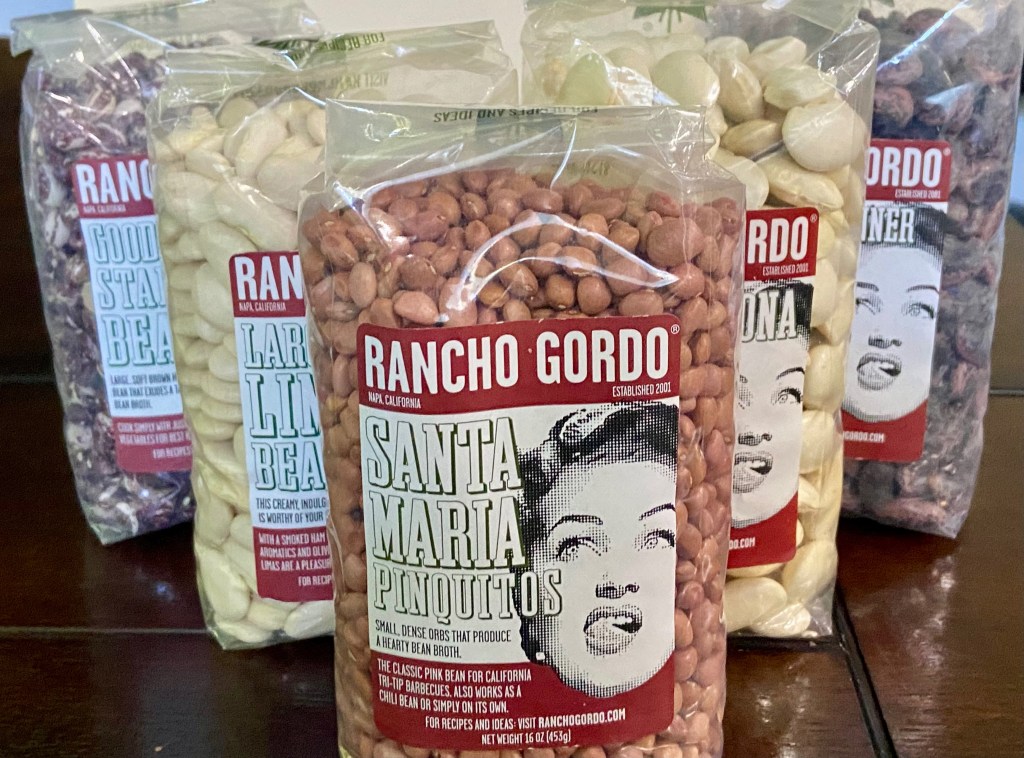
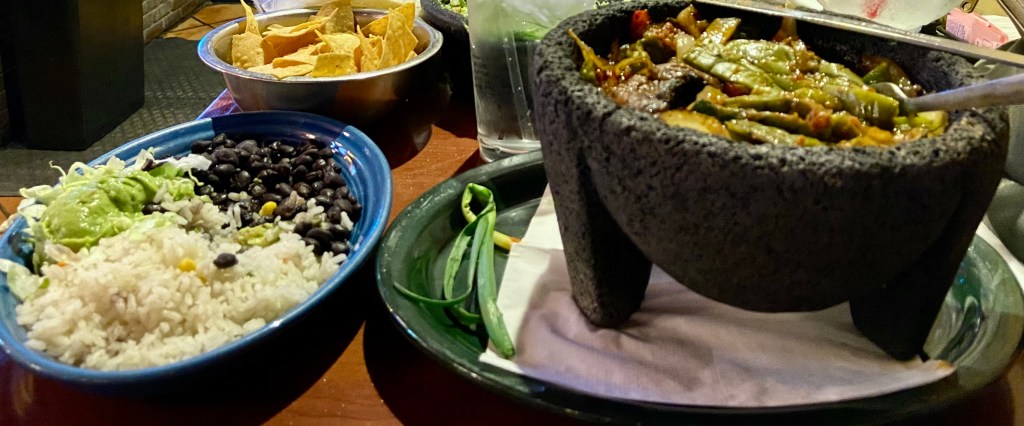
- Legumes & whole grains – I’m putting these in the same category because they have a lot in common, and who doesn’t eat beans and rice?! These plants are rich in complex carbohydrates, protein, fiber, vitamins, and minerals, providing your cells and your good gut bugs with some high quality fuel. Their slowly-digested fiber activates your body’s GLP-1 mechanism, similar to popular weight loss drugs, signaling the appetite control center in your brain without the expense or the possible side effects. In addition, after your gut bugs chomp on the much-desired fiber of beans and grains, they release butyrate, a medium-chain fatty acid that reduces inflammation, assists weight loss, promotes a healthy gut lining, boosts immune function, nurtures bone health, and improves insulin sensitivity and blood sugar regulation. Longevity is advanced, as well, as shown by Blue Zones centenarians who eat 1/2 – 1 cup of beans each day. If you’re afraid of flatulence due to increased bean consumption, soak them for 48 hours before cooking, changing the soaking water once every 12 hours, suggests Food Revolution co-founder Ocean Robbins. Swapping your white rice and other refined grains is pretty simple. The cooking time is longer, but the intense, yummy flavors of grains like brown basmati, quinoa and steel cut oats are well worth it.
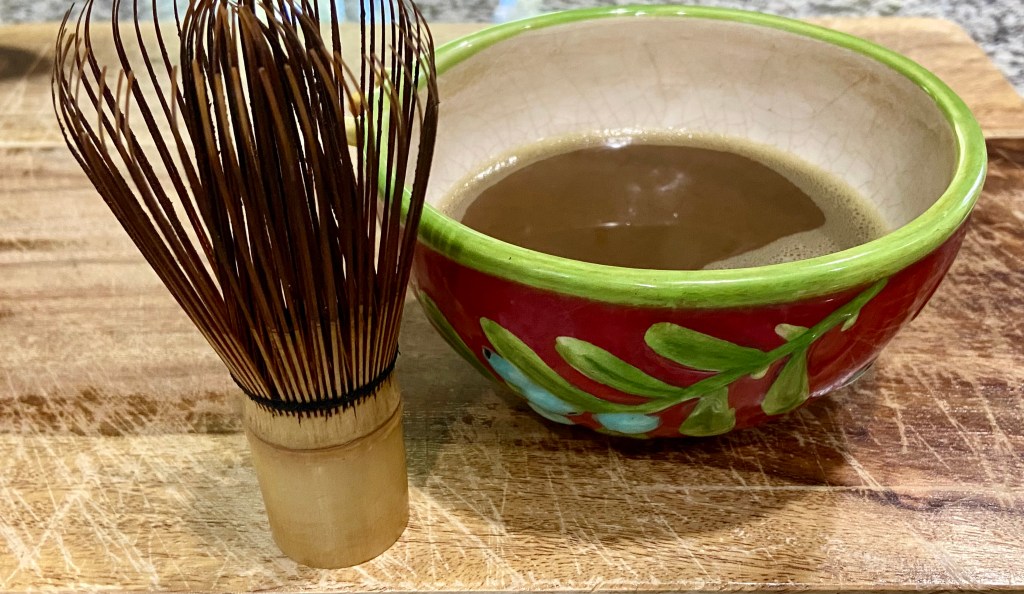
- Green tea or matcha – In an earlier post, I shared that matcha increases cognitive function & neuroprotection, decreases oxidative stress, slows the aging process, regulates insulin secretion, reduces glucose & lipid absorption, strengthens blood vessels, provides cardiovascular protection, and has anti-viral properties. One of the documentary presenters stated that matcha could be the most anti-inflammatory food on the planet. Green tea is good for detoxification pathways, anxiety, autoimmunity, and helps prevent cancer. It is a prebiotic that is good for skin health, telomeres, mitochondrial health, both the oral and gut microbiomes, and it is protective of prostate health. Before you purchase matcha, it’s important to know that it is expensive, and it’s only as good as the company supplying it. Make sure third-party testing is utilized, including testing for heavy metals. Rather than drinking matcha straight once a day, you can opt to add it to smoothies or baked goods. If you choose not to go the matcha route, shoot for 4 – 5 cups of regular green tea a day to get the benefits.
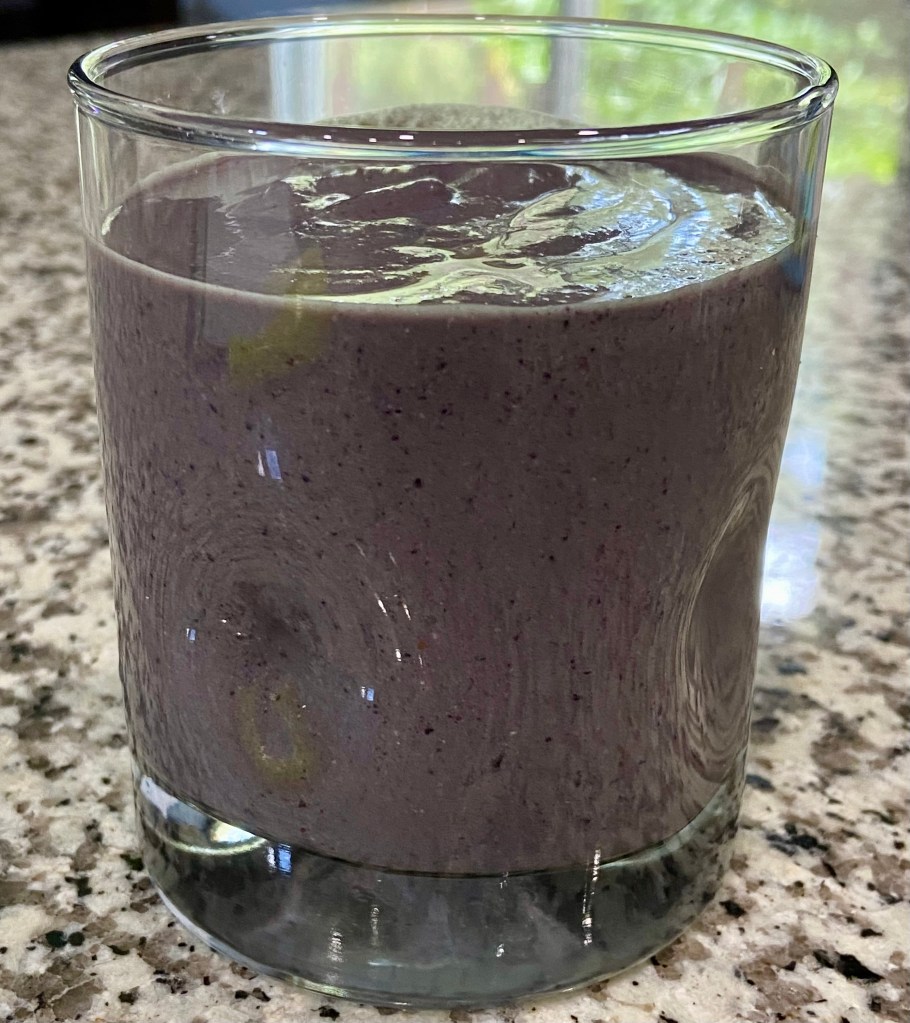
- Cacao – I’ve saved the best for last. Cacao, derived from the dried, fermented seeds of the cacao tree grown in South America and Africa, is used to make chocolate, cocoa, and cocoa butter used in cosmetics. The advantages of cacao are many, as well. One of its flavonols blocks a master pro-inflammatory cascade in the body. Cacao increases mitochondrial density in cells, leading to a boost in energy and better overall functioning. It protects endothelial linings to support vascular health, stimulates glutathione for more efficient detox and less oxidative stress, and helps create more butyrate. It improves metabolic factors and exercise physiology. It enhances the health of hair & nails, and helps with immunity, brain function, anti-aging, and heart function. One half to one full tablespoon a day is recommended for these benefits. But don’t confuse cacao with cocoa. The former is raw, the latter is refined and therefore stripped of much of its goodness. Buy raw cacao powder and add it to your smoothies or use it in desserts like you would use cocoa powder. On days I don’t put cacao in my smoothies, I mix it in with my morning matcha. Cacao nibs can be found in healthy food stores and can be sprinkled on oatmeal, smoothie bowls, or fruit salads.
Metabolic dysfunction and its downstream effects don’t have to be issues we expect or endure as we age. We have the power to control the fire of inflammation in our bodies and reduce the likelihood of these conditions. I hope this post has inspired you to get started doing just that.
Blessings for a Healthier Life,
Lisa
The content of this article is for educational and informational purposes only, and is not intended as medical advice. Please consult with a qualified health care professional before acting on any information presented herein. Any statements about the possible health benefits of any subject discussed have not been evaluated by medical professionals or the Food & Drug Administration and are not intended to diagnose, treat, cure or prevent any disease or illness.

 Micro of the Macro
like my love of sugar
son tom calls it sooicide
LikeLiked by 1 person
Oooooh I agree with your son. Sugar is not your friend.
LikeLike
Very informative, Lisa. Learned something new. Thanks.
LikeLiked by 1 person
Great to hear, Rosaliene. Thanks for your feedback.☀️
LikeLiked by 1 person
Hi. You’ve provided very useful and helpful information. I appreciate it.
LikeLiked by 1 person
Hi, Neil, I appreciate your appreciation! I’m glad you found this post helpful.☀️
LikeLiked by 1 person
Thank you, Lisa. I always appreciate how you make complex health information both accessible and practical.
This is a helpful reminder that small, everyday choices can support our long-term health.
LikeLiked by 1 person
Thanks for your kindness and appreciation, LaDonna. Yes, everyday good choices are the preferred way of getting/staying healthy!☀️
LikeLiked by 1 person
❤️❤️
LikeLiked by 1 person
very interesting. Green tea is already a staple. I’ll have to start the cacao. 🤣😎🙃
LikeLiked by 1 person
Fantastic. I’m glad you found the post informative!☀️
LikeLike
Clearly I’m a gonner ha!
LikeLiked by 1 person
LOL! Hopefully all your running makes up for a lot of your less than stellar food choices!☀️
LikeLiked by 1 person
Very good, interesting, thank you!
LikeLiked by 2 people
Thanks for your visit & comment!☀️
LikeLiked by 1 person
Wonderful post!!! Thank you for sharing all this information with us. I learn so much from you! 🙂
LikeLiked by 4 people
Hi Linda, thank you for saying so! Have a great week!☀️
LikeLiked by 1 person
🙂 🙂 🙂
LikeLiked by 1 person
So informative – thank you!
LikeLiked by 1 person
Thanks for taking the time to read & comment!☀️
LikeLiked by 1 person
My absolute pleasure! xx
LikeLiked by 1 person