Happy February! Wow, did January slip by quickly for anyone else?!
Last month, I posted on 3 of the 6 daily practices that I believe are fundamental to my overall health and wellbeing: using electrolytes, healing my gut, and reading labels. Today I will complete the set by sharing some of the best information on nutrition I’ve learned to date. It is my hope that this info can help you conquer your new year’s resolutions and live healthier in general.

- Drink matcha. If you’re unfamiliar, matcha is a green tea grown in Japan that is 10 times as powerful as regular green tea. We started drinking it daily around 2016 for its mood-boosting, anti-carcinogenic, and fat burning properties. Recently, I found a research article establishing its exceptionally high antioxidant and anti-inflammatory abilities. The paper also tells us that it increases cognitive function & neuroprotection, decreases oxidative stress, slows the aging process, regulates insulin secretion, reduces glucose & lipids absorption, strengthens blood vessels, provides cardiovascular protection, and has anti-viral properties, including inhibiting COVID. (Maybe a reason neither of us has had COVID, even though some friends and clients have suffered through it 2 or 3 times.) Of course, the quality of your matcha determines just how beneficial it is. I’ve always ordered ours from Got Matcha, a small company with amazing business practices and outstanding products.
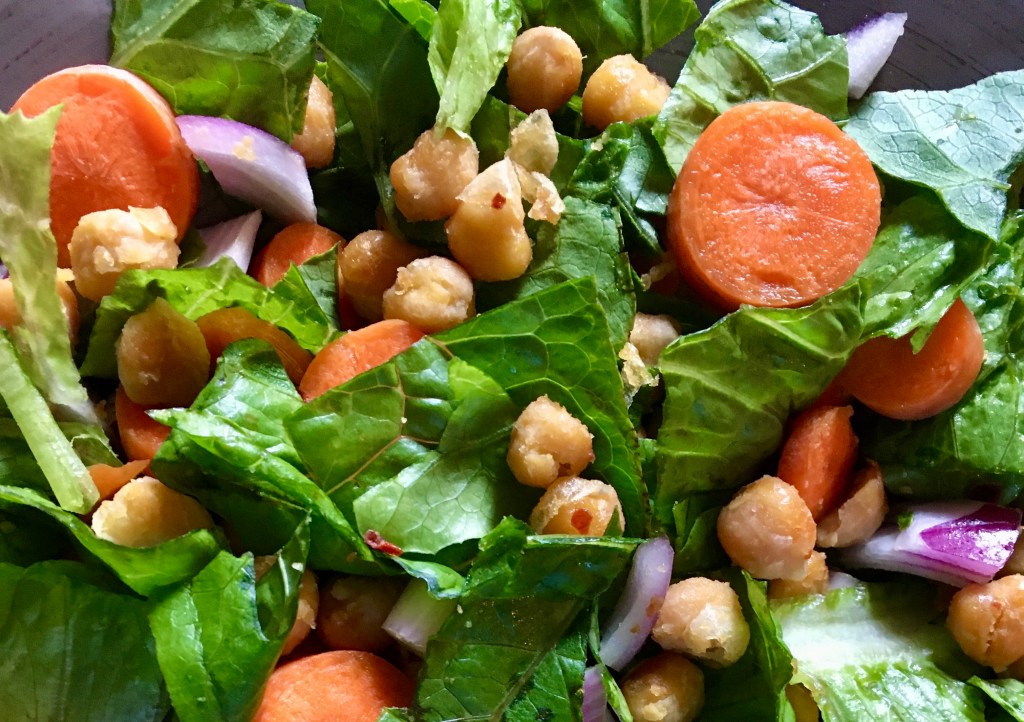
- Eat legumes, greens, nuts & berries at least once a day. (Smoothies can help with the last 3 on that list.) In his book How Not to Age, Dr. Michael Greger reviews thousands of nutrition studies & these are a few of his findings: Legume consumption has been linked to reducing the risk for cancer, depression, and stroke, as well as inducing weight loss and lowering blood pressure and cholesterol. The brains of daily leafy green eaters are shown to be 11 years younger than others, and the risks of vision loss, premature death, stroke, and heart disease for that group are lessened. A half ounce of nuts per day extends your life more than anything else studied. And berries also have longevity benefits, perhaps because they help prevent damaging senescent cells (also known as zombie cells) from spreading inflammation and contributing to chronic disease. As you’ve no doubt read here before, locally grown produce is best.
- Increase your omega-3 fatty acids while reducing omega-6 intake. In this write-up, Dr. Mark Hyman, founder of the Cleveland Clinic Center for Functional Medicine, says about 90% of Americans have an omega-3 deficiency. This is in large part due to the standard American diet, which includes many processed foods containing omega-6 oils. This creates an imbalance that can predict your risk for many chronic diseases, he says, including heart disease, cancer, diabetes, dementia, depression, and autoimmune disorders. (Studies also show that an increase in omega-6 oil products has been linked to rises in violent crime in the US, UK, Australia, Argentina, & Canada.) To correct this imbalance, eat fewer processed foods and fast foods. At home, choose only olive or coconut oils for low-heat cooking and avocado oil for higher heat. Eat SMASH fish (salmon, mackerel, anchovies, sardines and herring) and pasture-raised eggs, or take an algae-based supplement if you don’t eat animal products. I like Garden of Life Vegan DHA.

Now you know my 6 fundamental practices. These daily habits establish a strong foundation upon which other healthy choices come easier.
May this be the year that you build a stronger foundation for your health and achieve resolutions that stay with you for a lifetime.

Foundational Blessings,
Lisa
The content of this article is for educational and informational purposes only, and is not intended as medical advice. Please consult with a qualified health care professional before acting on any information presented herein. Any statements about the possible health benefits of any subject discussed have not been evaluated by medical professionals or the Food & Drug Administration and are not intended to diagnose, treat, cure or prevent any disease or illness.

 Micro of the Macro
Good, sensible advice here! We follow a relatively similar diet although at this time of year the range of fresh vegetables is not always the best. Wishing you well, from a dark and dreary Northern Ireland.
LikeLiked by 1 person
It’s so good to see you, Ashley. Hoping your dark, dreary weather soon lifts! All the best to you & your beloved! ☀️
LikeLiked by 1 person
Love this Lisa, I couldnt agree more! I would love to hear your thoughts some time on the microplastics we are consuming.
LikeLiked by 1 person
Hi, Cindy, it’s great to see you here again! Hmmm, maybe I’ll do some research on microplastics. Hope your weekend is blessed!☀️
LikeLike
Wonderful tips Lisa, all of them. So very important and I do think more and more people are becoming more aware of how their food choices are affecting their health. Loving your health posts!!
LikeLiked by 2 people
Thanks for your kind words, Miriam. I feel the state of the food supply at this point is like warfare on the human body. If we want the chance of living long lives, we must pay attention! Enjoy the weekend! ☀️
LikeLiked by 1 person
A very profound Amen to that, sadly!
LikeLiked by 1 person
Wonderful tips for us to try this springtime!!! Thank you!
LikeLiked by 1 person
I am so pleased to hear you’re inspired, Linda!☀️
LikeLiked by 1 person
🙂 🙂 🙂
LikeLiked by 1 person
Great healthy ideas, and you have inspired me to start drinking matcha again!
LikeLiked by 1 person
Fantastic, Allie! It is such good stuff. Have a great weekend!☀️
LikeLiked by 1 person
So many valuable tips to boost our health and wellbeing. That black bean and date cake looks amazing, Lisa.
LikeLiked by 1 person
Thank you, Ritish! That cake is amazing! I once took it to a birthday celebration & everyone commented on how decadent it was. When I admitted it had black beans in it, they were shocked!☀️
LikeLike
Any chance number 7 is to eat a lot of desserts and then try to run the calories off? … asking for a friend.
LikeLiked by 2 people
Funny! ☀️
LikeLiked by 1 person