Hello, blogging friends. I apologize for my absence over the past few months. I’ve been out of town helping with family matters. I hope your holidays sparkled & your new year is off to a beautiful start.
In researching my subject matter for this post, I was stunned by the statistics. News outlets report very little about air pollution in general, and certainly nothing I’ve heard or read until now addresses the critical health problems it contributes to around the world. In fact, reporting leans more toward news of the environmental degradation it brings about than its effects on humans. How unusual is that?
According to the American Lung Association’s 2025 State of the Air Report, 156 million people in the US live in areas with ongoing unhealthy air quality. That number is an increase of 25 million people from last year, and represents about half of this country’s population. The report explains extreme heat, drought and wildfires are contributing to worsening levels of air pollution across much of the U.S., exposing a growing proportion of the population to ozone and particle pollution that put their health at risk.
A news release at Healthdata.org states air pollution remains the leading
environmental risk factor for death around the world, contributing to 7.9 million deaths in 2023. Over 85% of these deaths involved chronic, noncommunicable diseases, including cancer, heart disease, COPD, and stroke. Dementia related to air pollution in 2023 resulted in 625,000 deaths globally, and almost 12 million years of healthy life lost. (Did I mention I was stunned by the statistics?)
Fine particle pollution, primarily derived from the burning of fossil fuels, agriculture, and wildfires, is the air’s biggest contributor to disease. But pollution sources, as you might imagine, are diverse. See this article for more on that.
Legislative changes are required to improve these sad statistics on a macro level. (And as hard as it is to believe, progress has been made in some countries.) Meanwhile, there are measures we can take as individuals to help protect ourselves from the ravages of air pollution. Below I’ve listed 4 of my suggestions.
- Use an indoor air purifier. The American Lung Association explains that indoor air can be up to 100 times worse than outdoor air. Yikes! You can find air purifiers online that are not terribly expensive. Change their filters as indicated for best results.
- Avoid breathing gasoline or other car fumes. Close your windows or hit the inside air button if you’re driving behind a vehicle emitting exhaust fumes. Put on a mask or breathe through your sleeve if you’re outside and smell fumes.
- When your area is smoky due to nearby wildfires, wear a mask outside. Even if you’re just walking across a parking lot. You want to keep those little particles from accumulating in your lungs, and each small action you take helps.
- Eat more fruits, vegetables, & fish, and less refined sugar and saturated fats. (I bet you knew I would get around to this idea!) From a write-up in the journal Nutrients titled Nutritional Solutions to Reduce Risks of Negative Health Impacts of Air Pollution, nutrients like omega-3 fatty acids and antioxidants may attenuate the damage induced by air pollution. Omega-3s can be obtained not only through fish like salmon and mackerel, but also algae oil. As for antioxidants, increase your intake of matcha, berries, cruciferous veggies, mushrooms, olive oil, nuts, whole grains, and dark chocolate.
Pollution is a growing problem worldwide, resulting in staggering numbers of diseases and deaths. But we can help mitigate its effects on our biology. Taking a few steps toward protecting our bodies could be the catalyst for a longer, healthier life.
Blessings for Cleaner Air & Healthier Bodies,
Lisa
The content of this article is for educational and informational purposes only, and is not intended as medical advice. Please consult with a qualified health care professional before acting on any information presented herein. Any statements about the possible health benefits of any subject discussed have not been evaluated by medical professionals or the Food & Drug Administration and are not intended to diagnose, treat, cure or prevent any disease or illness.

 Micro of the Macro
here in utah
we have inversion in winter
and ozone in summer
LikeLiked by 3 people
There’s lots of craziness here, too. Enjoy the rest of your weekend!☀️
LikeLike
I wonder if Trump cares about air pollution, respiratory ailments, climate change. Wait, I know the answer: NO!
LikeLiked by 3 people
I am unable to talk/write about American politics without ranting, so I won’t even get started! Hope the winter storm isn’t too rough on you this weekend.☀️
LikeLiked by 1 person
Timely.as Linda is currently cussing out the Cedar Fever she is battling down here in south Texas
LikeLiked by 3 people
I had to look up cedar fever. I don’t remember ever hearing about it. Hope she feels better soon & you two can enjoy your visit to south TX!☀️
LikeLiked by 1 person
Sad and alarming stats. I wonder if it’s similar here in Australia. It’s bushfire season now and with temperatures reaching 45C the potential for increasing bad air pollution is pretty scary.
LikeLiked by 4 people
Alarming, indeed, Miriam. From what I read, I believe it is a worldwide problem, but I’m not sure how many countries are as bad as the US right now. I hope your bushfire season is a light one! But always carry a mask just in case!☀️
LikeLiked by 1 person
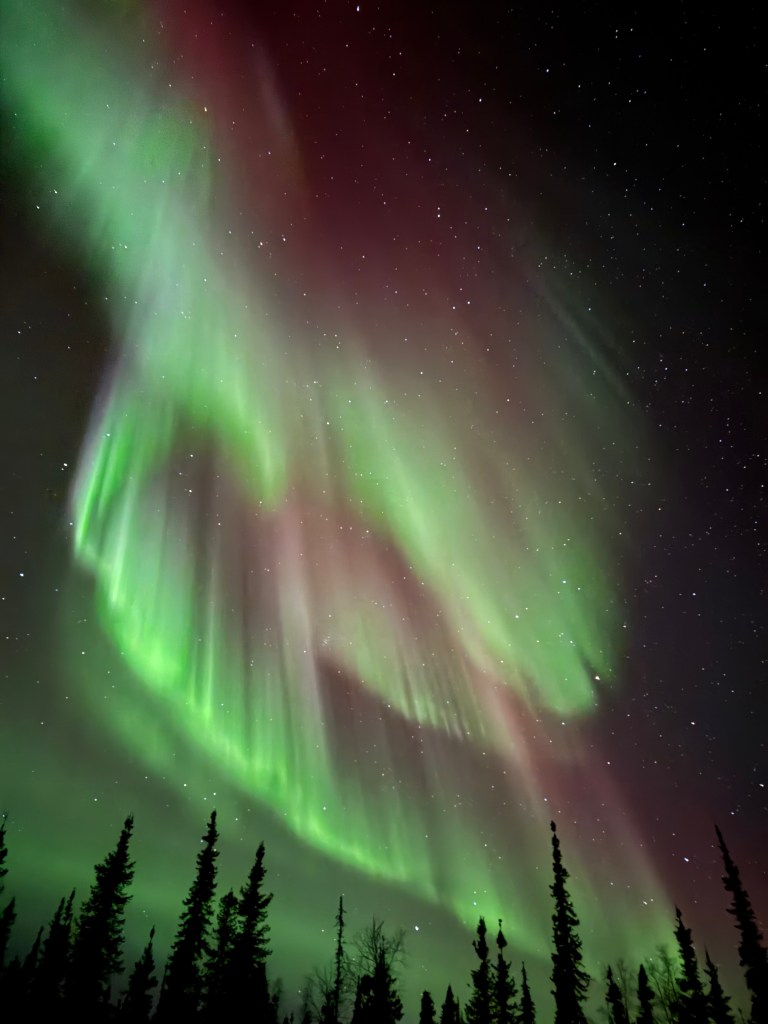
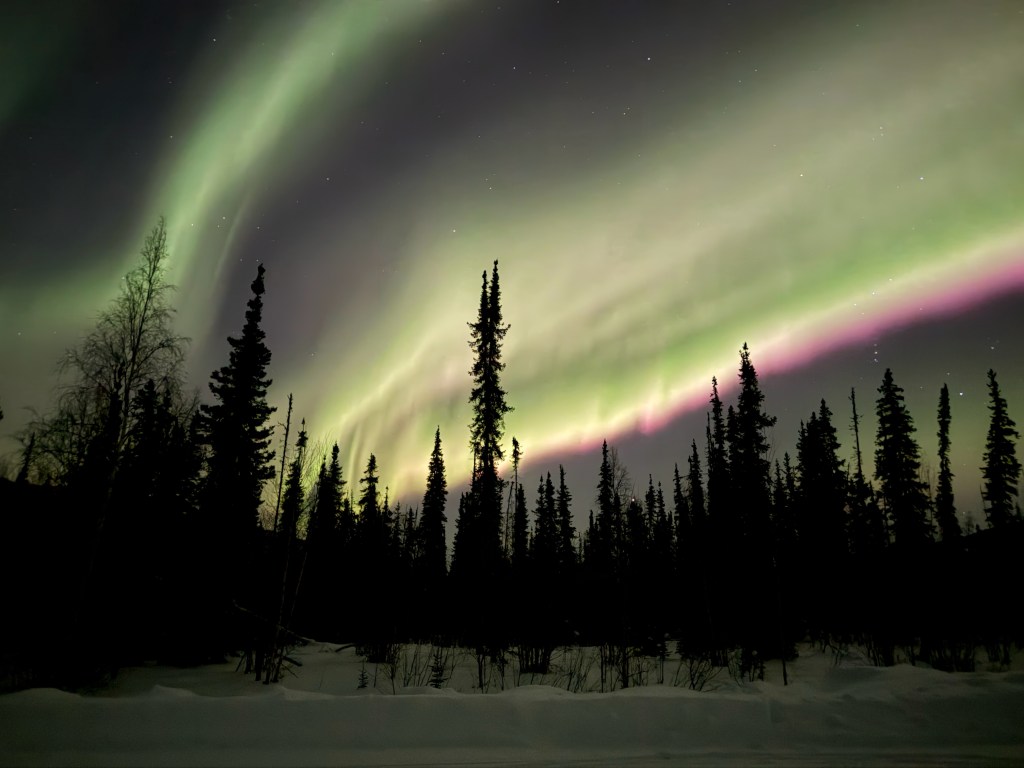
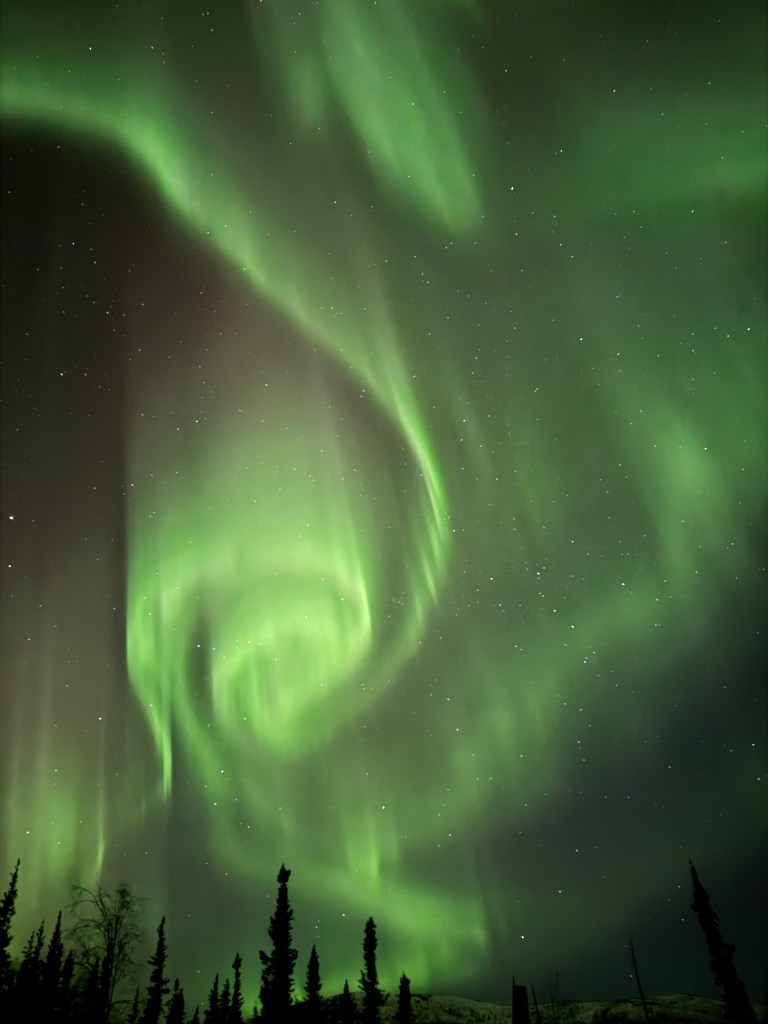
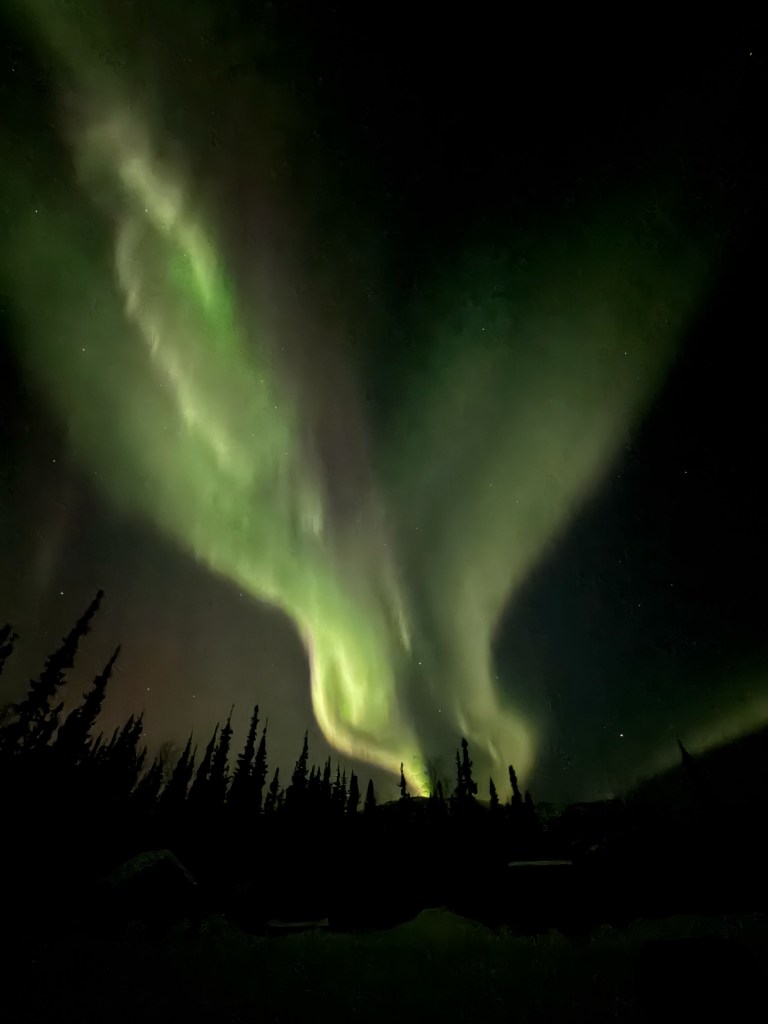
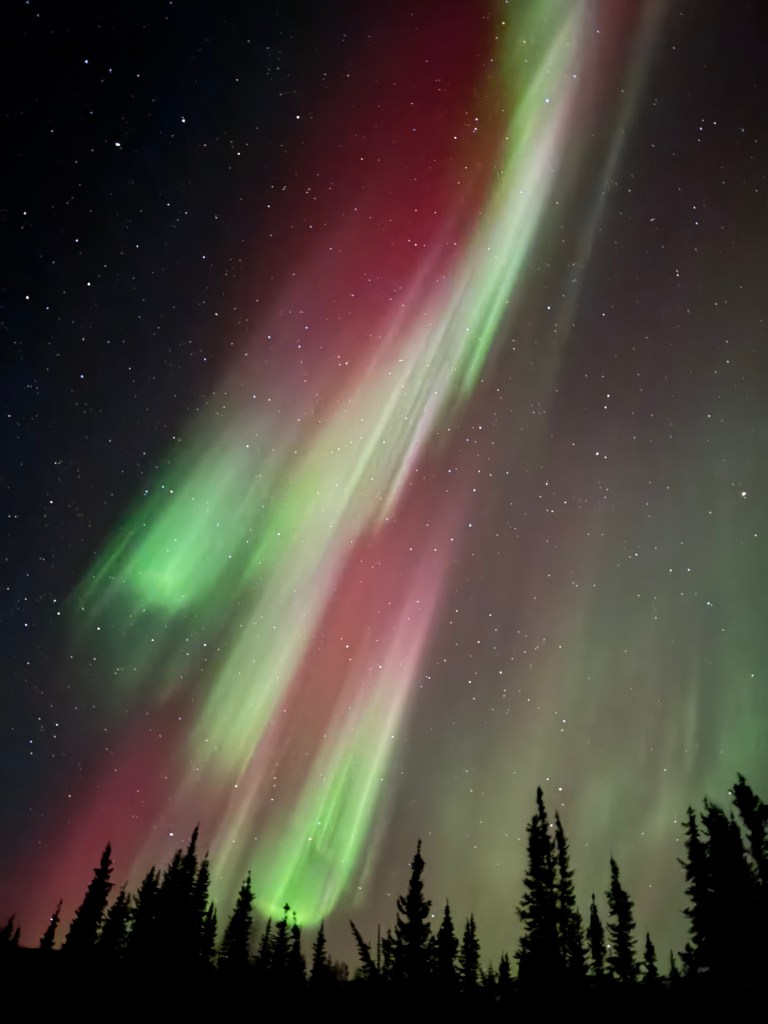
Important topic and words, Lisa. Beautifully said, and the photos… wow! Incredible shot!
LikeLiked by 2 people
Hi, DC, yes, my neighbors shot some incredible photos & videos of the Northern Lights. Glad you enjoyed the post.☀️
LikeLike
These are alarming statistics. Thank you for sharing the strategies regarding both indoor and outdoor a risks.
Overall, I am glad to see you back and hope all is well for you and yours.
LikeLiked by 3 people
Thanks so much, LaDonna. All is well now, thankfully.☀️
LikeLiked by 1 person
Wow..How wonderful!!
LikeLiked by 1 person
I assume you mean the pictures and not the information!☀️
LikeLiked by 1 person
Of course the pictures!!
LikeLiked by 1 person
This is an informative post. The reality of air pollution hits harder than we think and creeps up on us. Like what Miriam said in the comments, here in Australia we are having really hot weather. Multiple 40°C plus days. Quite a few evenings I’ve smelt smoke from my place or some days seems smokey outside. It does not help air pollution.
A balanced diet is certainly important in looking after ourselves. We may not be able to erase air pollution overnight. But we can start by taking care of ourselves and taking small steps to make our planet more sustainable, such as recycling our rubbish over burning it and be more mindful of taking transportation and our carbon footprint. Beautiful photos of the northern lights from your friends. Thank you for sharing, Lisa.
LikeLiked by 2 people
Thank you for adding to the conversation, Mabel. Don’t forget to wear a mask to protect your lungs from smoke particles. ☀️
LikeLiked by 1 person
Nice post, Lisa!
I was also surprised at the stats on air pollution. I looked into it briefly in a post on the Planetary Boundaries:
“This is another planetary boundary that’s currently in the safe zone on a global level. But tell that to people who live in areas that experience chronic air pollution . Air pollution is the second leading cause of death, after high blood pressure, being responsible for roughly 8 million of the 62 million deaths that occur on Earth, each year. There are also large impacts on land and marine ecosystems.”
Cheers!
James
LikeLiked by 2 people
Frightening, right James? Thanks for stopping by!☀️
LikeLiked by 1 person