If you’ve been around Micro of the Macro for a while, no doubt you’ve read a lot about the benefits of spending time in Nature. For example, being at the beach can reduce stress & cancer risk. Interacting with animals can result in improved heart & immune function. Visiting a waterfall can reduce chronic pain. I have written about how working with plants can reduce depression, trauma, and anxiety, and how wildflowers support all living systems. Nature, in Her infinite wisdom, contributes unceasingly to life, including ours. But let’s drill down further: does the Earth, our Primal Mother, love us?
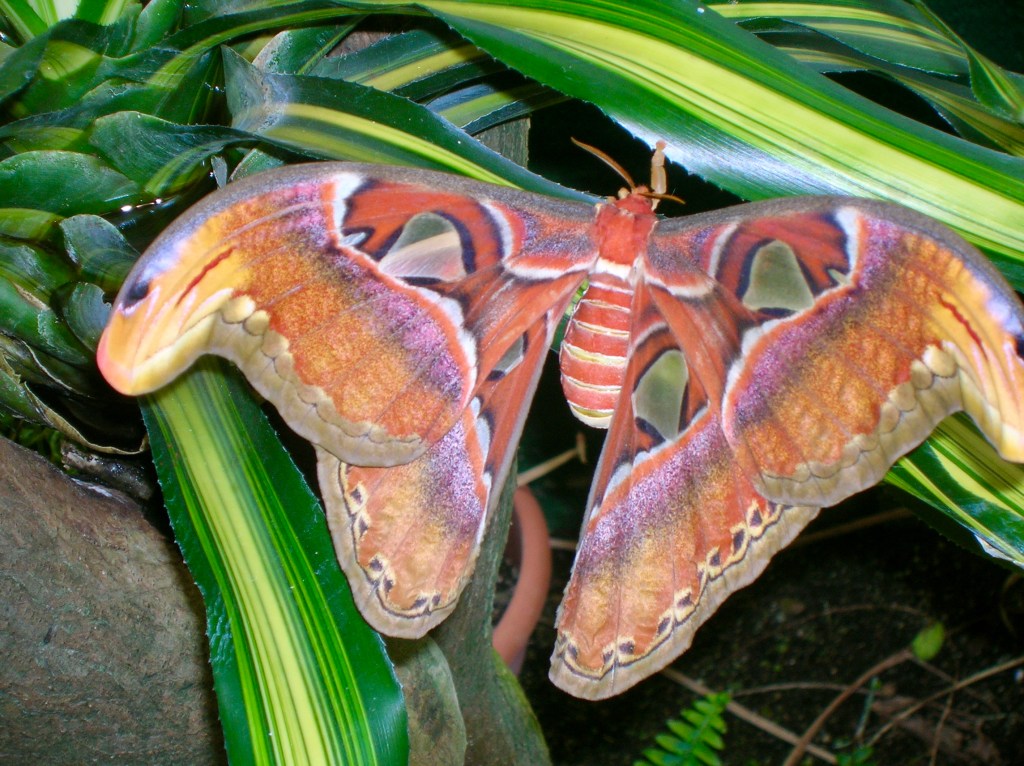
In another older post, I mentioned the beautiful book Braiding Sweetgrass: Indigenous Wisdom, Scientific Knowledge, and the Teachings of Plants by Robin Wall Kimmerer, member of the Potawatomi Nation and Distinguished Teaching Professor of Environmental Biology at The State University of New York. Early in the book, she writes of the differences in two foundations which have strongly influenced the ways we think of Nature: the Creation Story and the language we use.

In Kimmerer’s Native American culture, and many others, the Creation Story does not involve an unhappy expulsion from a perfect garden due to Eve partaking of forbidden fruit. Instead, it is a story of Skywoman, who falls from the Skyworld, grasping for the Tree of Life on her way down, bringing with her seeds, flowers, and branches, and leaving an opening for the sun to shine through. During and after her landing, animals lovingly assist her. We are inevitably shaped by (Creation stories) no matter how distant they may be from our consciousness, the author writes. One (of the stories mentioned) leads to the generous embrace of the living world, the other to banishment. One woman is our ancestral gardener, a cocreator of the good green world . . . The other, an exile, just passing through an alien world on a rough road to her real home in heaven. A huge difference between perspectives for the followers of each tradition, wouldn’t you agree?

Kimmerer’s native language, alive with the energies of the natural world, is almost completely gone. (This is due in large part to forced government board schooling of Native American children centuries ago, where speaking their native tongue was forbidden.) The language of her ancestors addressed the Spirit in Nature; it was a mirror for seeing the animacy of the world, the life that pulses through all things, through pines and nuthatches and mushrooms, she writes. The language reminds us, in every sentence, of our kinship with all of the animate world. This is a far cry from English, which categorizes the living world as either people or things. And how easy is it to neglect or abuse when we objectify? How could we possibly come to believe that things love us?

The author, a scientist and teacher, is a mother of two, as well. She writes with the greatest affection of her daughters, and says she taught them to garden so they would always have a mother, even after she’s gone. She composed a list of loving behaviors shared with her girls. Included in the list are: nurturing health and well-being, protection from harm, encouraging growth, interdependence, and creation of beauty. When we observe these behaviors between people, she says, we recognize they love each other. We even make the statement, “She loves her garden” when the same behaviors are demonstrated by someone carefully tending a plot of land. Why then, the author asks, would we not make the leap to say that the garden loves her back? The thriving of one is in the best interest of the other. This, to me, sounds a bit like love, the author concludes. I couldn’t agree more.

Braiding Sweetgrass is packed with practical teachings of the old ways, offering a clear way forward out of the environmental disaster we are presently living. But there is so much more to this book. The beauty of Kimmerer’s prose could make a willing student out of anyone. I find myself rereading some of her lines 3 or 4 times to relish gentle teachings that feed my soul. Her descriptive, love-infused narrative brings the science of botany to life, revealing the exquisite luminosity of Mother Earth.
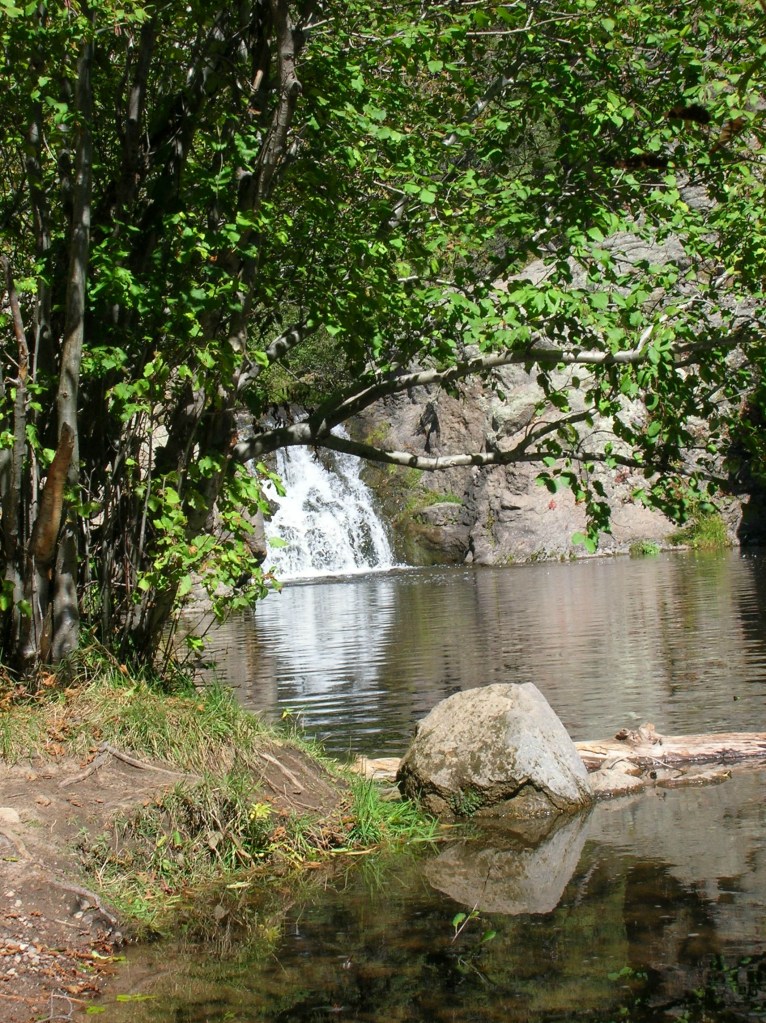
An endless supply of loving support is made available to us by Nature. In addition to making things beautiful, She also provides us with ways to help us feel better and improve our lives overall. Like Robin Wall Kimmerer, I strongly believe that the Earth cares for us beyond measure, and spending time in Nature is the easiest way to feel the embrace of that unconditional love.
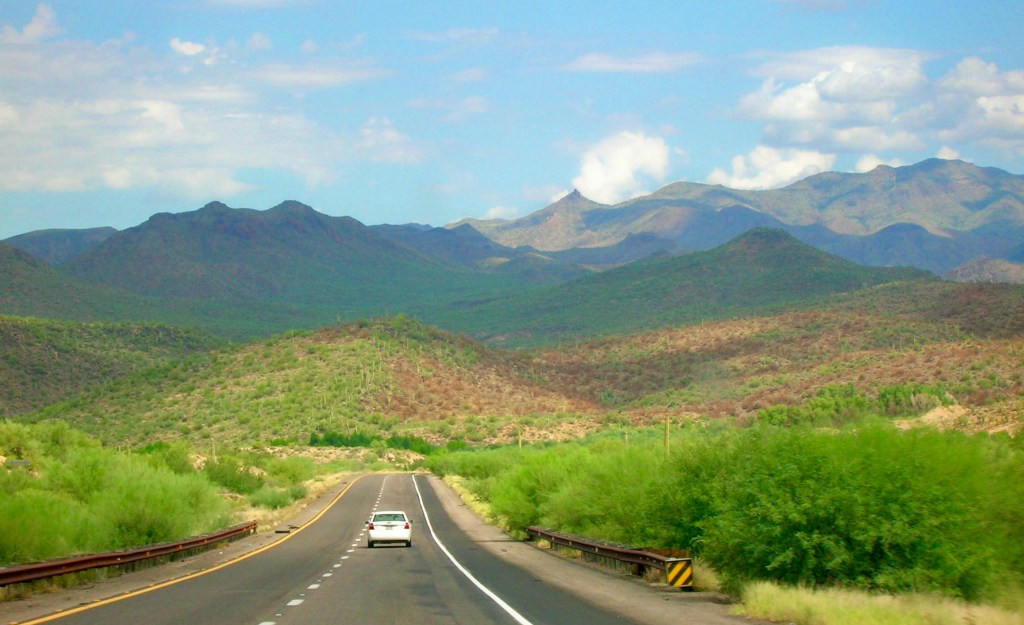
Blessings for Motherly Love,
Lisa
The original version of this post was shared in 2021. Robin Wall Kimmerer was a guest speaker at a recent Northern Arizona University presentation. Hearing her speak reminded me just how much I enjoyed her book.
The content of this article is for educational and informational purposes only, and is not intended as medical advice. Please consult with a qualified health care professional before acting on any information presented herein. Any statements about the possible health benefits of any subject discussed have not been evaluated by medical professionals or the Food & Drug Administration and are not intended to diagnose, treat, cure or prevent any disease or illness.

 Micro of the Macro
I completely agree with you and the author about nature being full of love and blessings of which we are a part, but our modern lives and religion have mostly disconnected us from.
LikeLiked by 1 person
Thanks for sharing your thoughts, Brad. Enjoy the weekend! ☀️
LikeLiked by 1 person
Thanks Lisa. You too! 😊
LikeLiked by 1 person
Such a beautiful post that full of beauty can view all your photos 🌷🙏🌍👍🏻
Enjoying the beauty of nature to the fullest and explanations of the places 👌
Thank you so much for sharing my dear friend and well wishes 👏❤️🌷
LikeLiked by 1 person
Hi, Thattamma, I appreciate the love you convey through your comments! Have a beautiful week ahead, my friend! ☀️
LikeLiked by 1 person
Thank you so much for likes my feedback and most welcome my dear friend 💖🙏🌹
LikeLiked by 1 person
Keep spreading the word about the benefits of being in touch with Nature. Your pictures always add so much to your posts.
LikeLiked by 1 person
Thanks for saying so, Bev! Happy weekend!☀️
LikeLike
So many beautiful photos. I completely agree with your post – spending time outside and getting lots of fresh air has great physical health benefits. And you don’t even have to go out and about in the wilderness; even a stroll through a city park can make a big difference. Thanks for sharing, and have a good day 🙂 Aiva xx
LikeLiked by 1 person
I appreciate your adding to the conversation, Aiva! Agreed, spending some outdoor time somewhere is better than none at all. Have a great evening! ☀️
LikeLiked by 1 person
🥰🥰🥰
LikeLiked by 1 person
Lisa, thanks for bringing Kimmerer’s book to our attention. I’ve added it to my To Read List. Stunning photos. Blessings for Motherly love ❤
LikeLiked by 1 person
Hi, Rosaliene, I think you will really enjoy Braiding Sweetgrass. Glad you enjoyed the post & photos! ☀️
LikeLiked by 1 person
🙂 ❤
LikeLiked by 1 person
I love Braiding Sweetgrass too. Thanks for the beautiful photos.
LikeLiked by 1 person
Hi, Rebecca, great to see you! It’s an amazing book, right? So glad you enjoyed the photos!☀️
LikeLiked by 1 person
I loved the book, it changed my thinking about the natural world. Living beings are all around us. My teenager is reading it now and enjoying it.
LikeLiked by 1 person
I love that book. I recently read Kimmerer’s book “The Serviceberry”. It was fabulous too!
LikeLiked by 1 person
Michelle, hi, and happy weekend! I’ll have to check out The Serviceberry.☀️
LikeLiked by 1 person
It’s excellent. A short book but so filled with wisdom. I predict you’ll love it!
LikeLiked by 1 person
What a beautiful sounding book, full of nourishment for the soul and packed with wisdom. Your photos are gorgeous too Lisa and you know I agree with you wholeheartedly that being in nature is the absolute best medicine in the world. Keep sharing!
LikeLiked by 1 person
Oh, Miriam, the book is truly nourishing. So glad you enjoyed the post & pics! ☀️
LikeLiked by 1 person
A terrific piece! Written and laced with love. Mother Earth, I love you too!
LikeLiked by 1 person
Thanks for your beautiful comment, Deacon G! Have a lovely week!☀️
LikeLiked by 1 person
Sent from my iPhone
LikeLiked by 1 person
I was just thinking about you!☀️
LikeLike
This is a beautiful post, Lisa. Thank you for sharing. Have a wonderful weekend.
LikeLiked by 1 person
Nice to see you, Shaunelius! Glad you enjoyed this post.☀️
LikeLiked by 1 person
I know I have been away for a while, but I have been studying trying to complete my education. I have a 4.0 GPA in all of my classes, and I’m so happy. How have you been?
LikeLiked by 1 person
Glad to hear you are happy & doing something you love! I am great, thanks Shaunelius!☀️
LikeLike
Lisa, this is a beautiful and encouraging post, thank you for sharing this!
LikeLiked by 2 people
Hi, Allie, I am pleased you enjoyed this writeup! Thank you for being here! ☀️
LikeLiked by 1 person