
during a recent visit with a dear friend
In researching for my post this month, I was surprised to find studies on nutrients in the air we breathe, called aeronutrients. I’ve written about improving the state of our gut’s microbiome by spending time in diverse environments like oceans, forests, mountains, and waterfalls, (see this post & also this one) but that idea points to inhaled microbes, not nutrients. Still, the idea of getting out in Nature is necessary for both.

Oxygen is a nutrient, but wasn’t considered so until a 2019 report due to its primary absorption through our noses rather than our digestive tract. The science behind aeronutrients has now been expanded to the point that it is currently utilized in clinical applications.

Iodine, critical for healthy thyroid function, is one of the aeronutrients I read about most. A study done in 2011 compared iodine levels in 3 groups of school children in Ireland: one group living near a coast with plenty of seaweed, another living near a coast with little seaweed, and the third group living about 100 km from the coast. All three groups were said to have low dietary intake of iodine. The group living in the coastal area with lots of seaweed was almost 5 times less likely to have iodine deficiency than the inland group, with the coastal group near little seaweed falling somewhere in the middle.
Although I didn’t read it in the above study, I believe the kids near the seaweed-poor coast would have shown higher levels of other vitamins and minerals absorbed from the air than the group living further inland, closer to cities. A Science Direct paper explains people living in rural locations inhale several million (beneficial) bacteria every minute whereas city dwellers may inhale just a few hundred. My guess is, this applies to aeronutrients, as well.
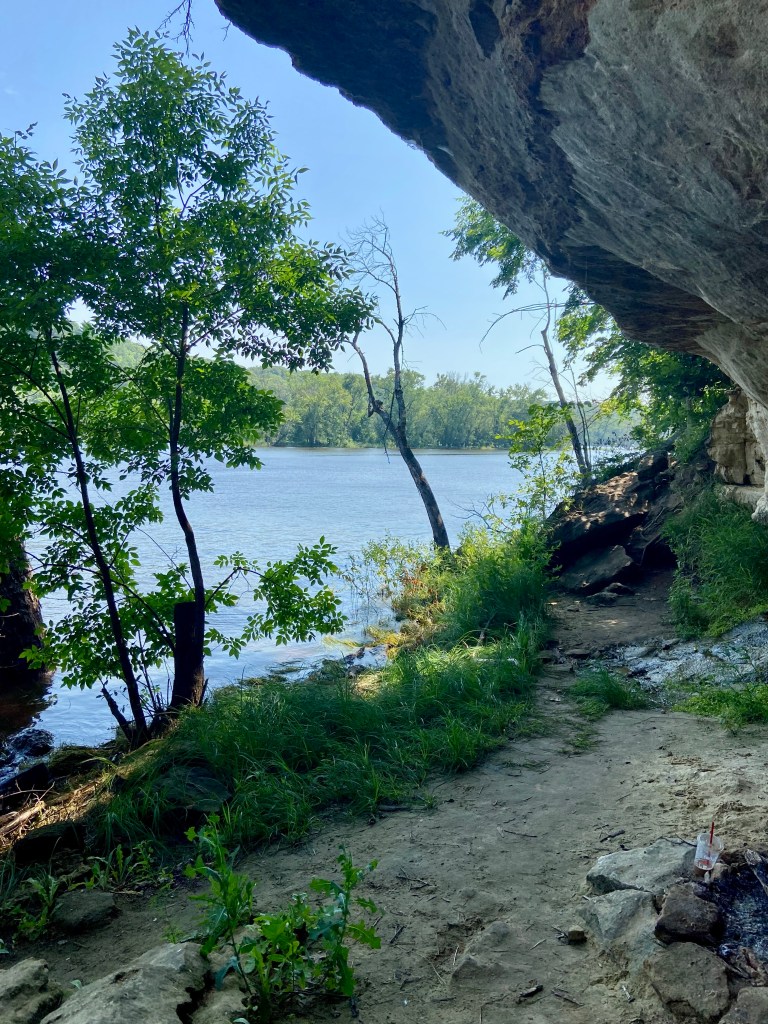
Manganese, needed for macronutrient metabolism and bone formation, is another highly absorbable aeronutrient. In fact, according to this article, welders exposed to high levels of airborne manganese are at risk of accumulating neurotoxic amounts via the nose-to-brain route, sometimes resulting in cognitive impairment.
On the clinical side, inhaled vitamin B12 has been shown to increase blood levels 25-fold in less than half an hour. This is an indication that drugs absorbed through inhalation, unlike those taken up by the GI tract, are not sequestered and detoxified by the liver, requiring a far lower dose of the drug (or nutrient) to achieve the same potency and blood concentration.
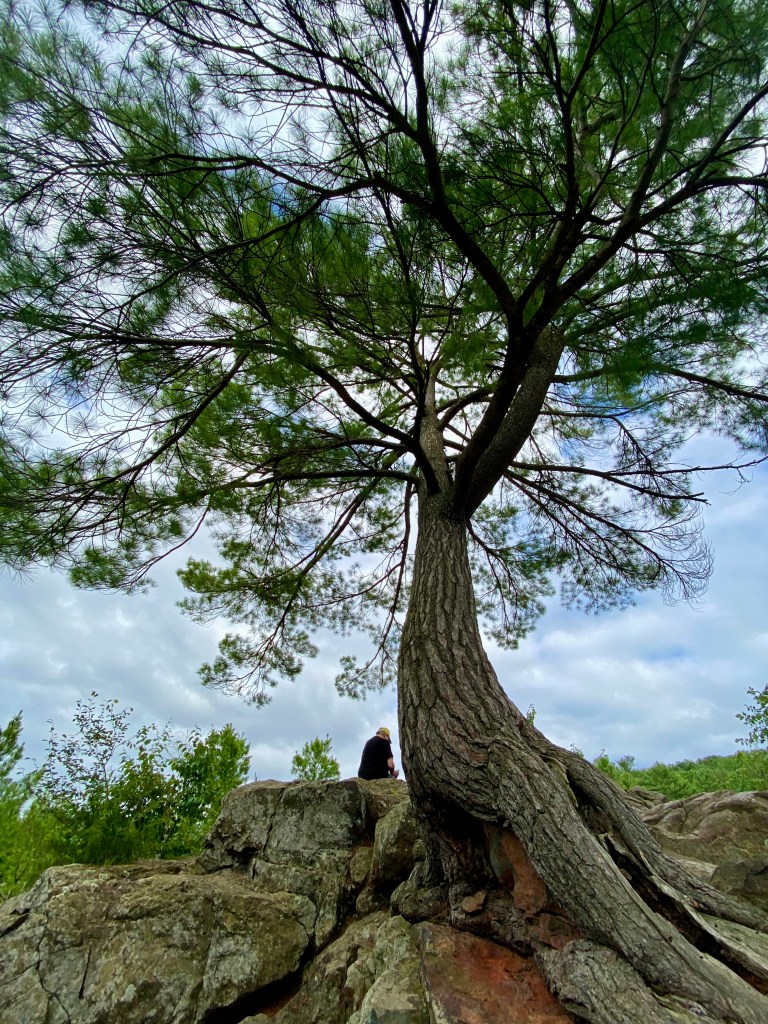
Further, this research article explains that intranasal insulin administered to patients with mild cognitive impairment improves brain function, attention, and memory. The same application is now approved for those with PTSD and mood disorders.
The air we breathe each day has a much broader effect on us than we realize. The more we can immerse ourselves in Nature, the healthier the air we can find, and the more our bodies can benefit.
Aeronutrient Blessings,
Lisa
The content of this article is for educational and informational purposes only, and is not intended as medical advice. Please consult with a qualified health care professional before acting on any information presented herein. Any statements about the possible health benefits of any subject discussed have not been evaluated by medical professionals or the Food & Drug Administration and are not intended to diagnose, treat, cure or prevent any disease or illness.

 Micro of the Macro
Beautiful photos and great info; I’m a total believer.
LikeLiked by 1 person
Hello, I appreciate your visit & comment!☀️
LikeLiked by 1 person
Thanks Lisa. Aeronutrients are new to me, and add to my motivation to be in nature more.
LikeLiked by 2 people
Hi, Brad, I’m glad to know you found my post motivating!☀️
LikeLiked by 1 person
Love the pictures 💖
LikeLiked by 1 person
Thanks for saying so! I appreciate your visit.☀️
LikeLike
Lisa, I have always thought that sea air was great for ozone but never realised there were other benefits for us in the air. Air pollution has been known about for ages but not this. Interesting information. Thank you.
LikeLiked by 1 person
Hi, Sandy, I’m pleased you found this interesting. I did too!☀️
LikeLiked by 1 person
fire and water
and we in
being her gaia s son s and daughter s
fire burn scares and flash floods
the damage is real
too many people
and not enough
kindness
for mother nature
from her children
LikeLiked by 1 person
Indeed! Thanks for popping by!☀️
LikeLike
So wonderful beauty of nature, gorgeous photography 🌷🙏👍🏻 thank you for sharing dear friend ❤️🌷
LikeLiked by 2 people
Hi, Thattamma, thank you for your beautiful comment. Many blessings to you.☀️
LikeLiked by 1 person
Most welcome and thank you so much for dear your wishes and same to you too 🌷🙏🥰🌷
LikeLiked by 1 person
Excellent article!!
LikeLiked by 1 person
Thanks, Deacon G!☀️
LikeLiked by 1 person
Thanks for information new to me. Being in nature has so many positive effects.
LikeLiked by 1 person
Hi, Bev, I agree – Nature confers so many benefits on us!☀️
LikeLike
I had no idea about aeronutrients, Lisa. Thanks for sharing.
LikeLiked by 1 person
Thanks for your visit & comment, Roasaliene! Enjoy the weekend.☀️
LikeLiked by 1 person
You, too, Lisa 🙂
LikeLiked by 1 person
I never gave this a thought. No wonder we sleep good after a day outdoors.
LikeLiked by 1 person
Exactly! How many times have we said “all that fresh air made me tired?!” Thanks for visiting, Alice.☀️
LikeLiked by 1 person
Very interesting and informative. Spending good amounts of time in Nature is definitely the way to go.
LikeLiked by 2 people
The more, the better, Neil. I appreciate your stopping by.☀️
LikeLiked by 1 person
A fascinating post! A friend of mine in China has been explaining how important the air where you live is, and I listened, but really didn’t listen. This post made me listen 😊 I had no idea that so many beneficial nutrients could actually be absorbed just by breathing in the right environments. Thank you for your explanation of aeronutrients…a great reminder to spend more time outdoors.
LikeLiked by 2 people
Hi, Randall, I’ve read that air pollution is responsible for upwards of 9 million early deaths each year, and that data is almost 10 years old. Listen to your friend in China!😀 I’m glad you enjoyed the post.☀️
LikeLike
How very interesting Lisa. I must admit I’ve never heard of aeronutrients but it makes perfect sense. No wonder I feel so much better when immersed in nature. Thanks for the lovely pics and a very informative post.
LikeLiked by 2 people
Hi, Miriam, thank you for your comment. I’m happy you found the post interesting. How fortunate that you spend so much time outside in remote locations!☀️
LikeLike
Thank you so much for sharing this post with us! I do love to be out in nature, and now I have even more reasons to spend time outdoors!!! 🙂
LikeLiked by 2 people
Hi, Linda, yes, Nature is the best! I appreciate your visit.☀️
LikeLiked by 1 person
🙂 🙂 🙂
LikeLiked by 1 person
More outside, less inside, sounds great to me.
LikeLiked by 1 person
Absolutely!☀️
LikeLiked by 1 person
So that’s why I feel so great after a week at the beach! Thanks for the tip, Lisa!
LikeLiked by 1 person
I appreciate your visit, Pam!☀️
LikeLiked by 1 person
Wonderful photos! For someone who’s stuck at home a lot, I really enjoyed the adventure! Thank you, Linda xx
LikeLiked by 1 person
Hi Linda, I am so pleased you enjoyed the photos. Being stuck at home is no fun. Thanks for popping by!☀️
LikeLiked by 1 person
Super welcome!! 🌻
LikeLiked by 1 person
Another informative and interesting post, Lisa. I appreciate this information. It makes good sense.
LikeLiked by 1 person
Great to see you, LaDonna. Glad you appreciate the post!☀️
LikeLiked by 1 person
Always fun to learn from our research Lisa! Although I’ve now lived over half my life in rural settings (former urbanite), I enjoy being in the clean and fresh air…and then catch the yellow crop duster getting ready for another run and wonder just how much that has an impact on the overall air quality. Luckily surrounded by a forest so hoping the leaves are sucking up those bad elements and releasing better ones ha.
LikeLiked by 3 people
Hi, Brian, I’m sure the forest helps to some degree. It’s good that you & Linda travel to lots of remote locations with super fresh air. Enjoy the holiday weekend!☀️
LikeLiked by 1 person
This is good information to know Lisa, thank you for sharing this. The family and I always feel better after going hiking in nature, and now I know why! Very cool!
LikeLiked by 2 people
Nature is cool indeed! So good to see you Allie!☀️
LikeLike
Lisa, this was such a breath of fresh air to read 🫡I’d honestly never thought about “aeronutrients” before, but it makes so much sense. Love these picutres ❤️
LikeLiked by 1 person
Hi Ritish, glad you enjoyed this one. Thanks for popping by! ☀️
LikeLike