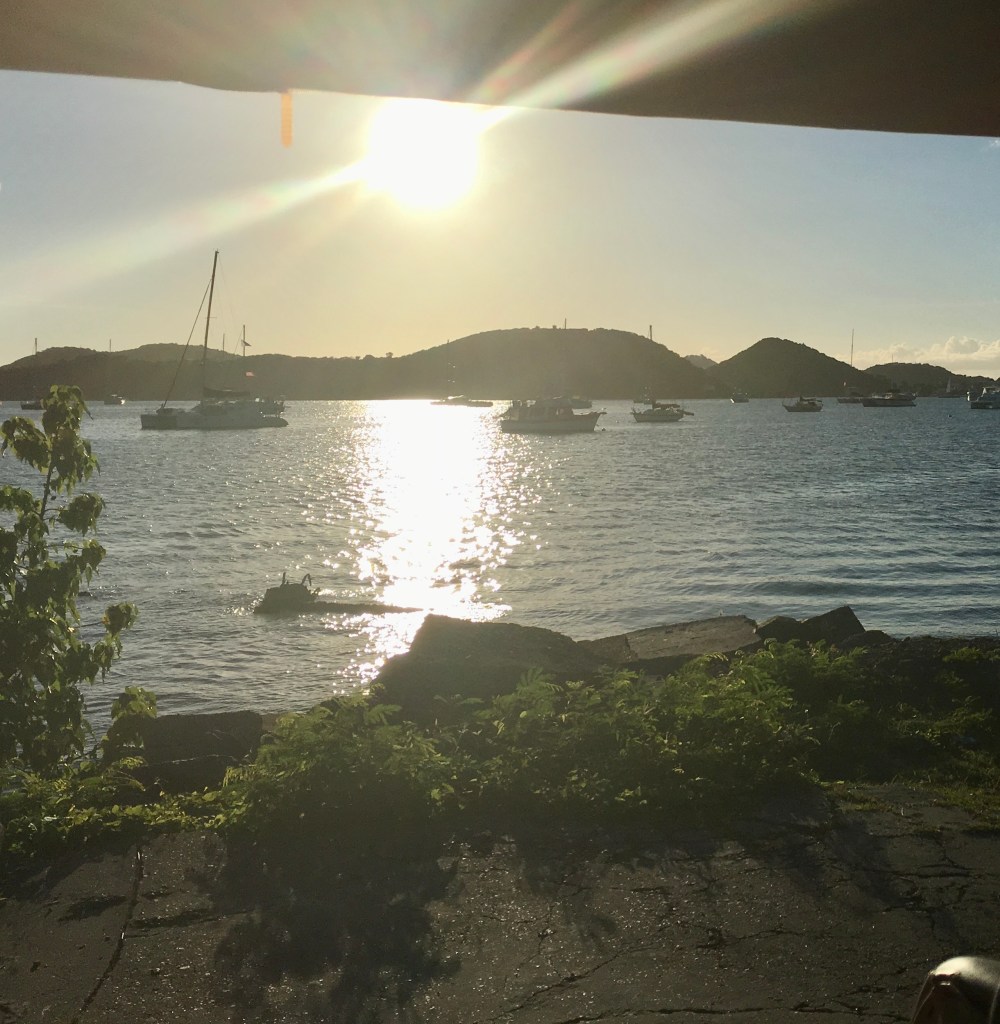
Recently, I watched an online health and longevity presentation, and one of the episodes was on the critical importance of circadian rhythms. If you’ve been reading my blog for a while, you may remember the post I wrote on this subject a few years back. Today’s post might be considered an addendum.
As a quick review, circadian rhythms influence the sleep-wake cycle, metabolism, immunity, hormone production, emotional coping skills, energy regulation, and the aging process, among other functions. In this article, I’ll explore the effects that sunshine and other forms of light have on our innate timekeeping system.

From a PubMed article, our circadian pacemaker, the suprachiasmatic nuclei (SCN) in the hypothalamus, is entrained to the 24-hour solar day via a pathway from the retina and synchronises our internal biological rhythms. In other words, our eyes take in light information that helps regulate our physiology.
An Endocrine Reviews write-up states since the advent of electric lights around the turn of the 20th century, exposure to artificial and irregular light schedules has become commonplace. And research from the National Library of Medicine tells us during the day, light intensities outside can reach illuminances up to 100,000 lx in direct sunlight. Light intensities in closed rooms are considerably lower and standard office lighting is only ~500 lx. So you can understand how our bodies can easily become light deficient.
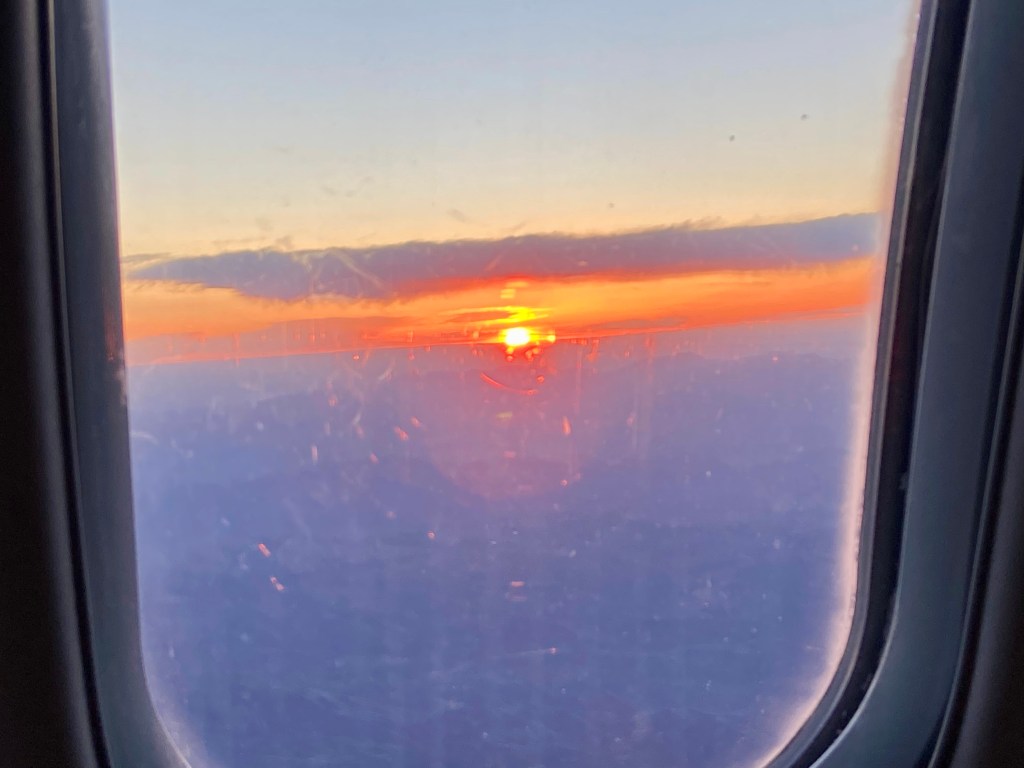
An Oxford Academic paper declares people in industrialized societies typically spend approximately 88% of their time in enclosed buildings, sheltered from natural light. Time spent outdoors in Canada, Great Britain, and the United States is commonly 1 to 3 hours daily, not a lot of time for our eyes to soak up much-needed sunlight as compared with our ancestors.
For the chronically sunlight-deprived among us who may be experiencing sleep problems, there are measures we can take to get back on track. Making a point to spend more time in Nature is a good start. Additionally, according to the CDC, the circadian clock is most sensitive to light from 2 hours prior to our regular bedtime until 1 hour after our regular wake-up time, including the hours through the night. Therefore, avoiding bright lights, including screens, 2 hours before bed may help you fall asleep faster. During the hours you are trying to sleep, keeping the room cool and dark provides an ideal environment. And getting direct morning sun shortly after waking can help retrain your SCN, setting you up for better sleep, improved mental activity, and increased physical health.

Synchronizing our circadian rhythms with the cycles of the sun is essential to health and longevity. Prioritizing the workings of our biorhythms could be fundamental for feeling better on a daily basis.
Blessings for Rhythm,
Lisa
The content of this article is for educational and informational purposes only, and is not intended as medical advice. Please consult with a qualified health care professional before acting on any information presented herein. Any statements about the possible health benefits of any subject discussed have not been evaluated by medical professionals or the Food & Drug Administration and are not intended to diagnose, treat, cure or prevent any disease or illness.

 Micro of the Macro
This is such a great post. Disrupted rhythms can lead to various health problems, including sleep disorders, metabolic issues, and even an increased risk of chronic diseases. Maintaining a consistent sleep schedule, exposure to daylight, and regular physical activity are key to aligning our internal clock with the external environment. Thanks for sharing, and have a good day 🙂 Aiva xx
LikeLiked by 1 person
Hi, Aiva, I’m glad you liked the post & thanks for your comment. Yes, circadian rhythm function is so vital, yet so little talked about. Enjoy your weekend! ☀️
LikeLike
Sunshine is important to us in so many ways. We all need to spend more time outdoors in the sunshine and in touch with nature – grounding is also important. Thanks for writing about this.
LikeLiked by 2 people
Hi, Bev, good to see you. Yes, outdoor time is essential to good health! Happy weekend! ☀️
LikeLike
Thanks for this, Lisa. I definitely notice a difference in energy levels during the winter months. That’s why I try to get outdoors every day, no matter how cold it gets.
LikeLike
Hi, Michelle, great to see you. Your comment went to spam for some reason. Getting outside really has an effect on me as well. But like many of us, the everyday keeps me inside more than I’d like! Have a wonderful weekend!☀️
LikeLiked by 1 person
Must admit I’m often guilty of using screens (especially reading my kindle) very close to sleep time. But on the other hand I do try and spend a lot of time in the sunshine. So important. Great post and reminders Lisa!
LikeLiked by 1 person
Thanks, Miriam! I think for many of us, screens are tough to put down late in the day. Great to see you here & looking forward to seeing you on your side!☀️
LikeLiked by 1 person
A great post as always, Lisa! Summer continues to be my favorite with more light and sunshine which definitely elevates everything around me and internally! Hope you’re having a great one!!
🩷🩷🩷
LikeLiked by 1 person
So good to see you Cindy! Glad you are enjoying summer. And glad you liked my post! 😘☀️
LikeLiked by 1 person
Thanks dearest!!!!! I am for sure, thanks a bunch. I LOVE your post!
😘
LikeLiked by 1 person
🙏
LikeLike
Right — spending a good amount of time outside during daylight is the right idea. I’m guilty of not doing this enough. I’m indoors a lot. Luckily for me, though, I usually sleep pretty well.
LikeLiked by 1 person
Lucky is right! Thanks for dropping by! ☀️
LikeLiked by 1 person
Excellent post! We do so need our sleep! A good night’s rest is the cure for so many ills. Thank you for sharing these tips!
LikeLiked by 2 people
Thanks for reading & sharing your excitement, Linda! ☀️
LikeLiked by 1 person
Lisa, thanks, I’ll keep gardening and walking the dog! ☀️
LikeLiked by 2 people
Hi Deb, what a nice surprise! Yes, keep on keeping on, Cousin! ☀️
LikeLike
Wonderful Post Thanks
LikeLike
Thank you for your visit & comment. I attempted to comment on your lemon post but got a message that comments were closed. Many blessings! ☀️
LikeLike
My sleep cycles are actually wrecked at the moment – I can definitely tell the difference as my body tries to rationalize the new norms for the next 11 weeks. I long for those college days where I could pull all nighters, take an exam that next day, head back out with friends and then crash the entire weekend – those were the days ha.
LikeLiked by 2 people
Oh gosh, I am glad those days are in the rearview mirror! It’s a wonder we survived! Hope your sleep improves soon, Brian. ☀️
LikeLiked by 1 person
Thank you for this post, Lisa. Sleep is vital for both body and spirit. How sunlight and circadian rhythms intertwine is fascinating, and your insights truly inspire a healthier, more mindful routine—wishing you many more bright and sunny days!
LikeLiked by 1 person
Hi, DC, I appreciate your visit. Yes, I too find it fascinating the way circadian rhythms respond to sunlight. Thank you for saying you found my post inspiring! ☀️
LikeLike