
The world’s warmest year on record was 2023, according to this write-up by the National Oceanic and Atmospheric Administration. That is, until 2024. And so far in 2025, the Southwestern US has seen most days with much higher temperatures than normal. In past blogs, I’ve shared some dire overarching consequences of global warming over time. But how is it affecting us individually right now? And what can we do to mitigate those challenges?
This CNN article tells us heat-related deaths in the US have been steadily increasing for years. In fact, between 2016 and 2023, they increased by about 17% each year. Our bodies have a tough time adjusting to our planet’s new norms.
Extreme heat can result in confusion, lowered kidney function, lung inflammation, and stress on the heart due to its increased workload. Add high humidity, and the skin can get to a point that it’s no longer able to cool itself. Within only 10 minutes, that can lead to permanent disability or death, per this CBC explanation.
I’m guessing our days will continue getting warmer (and our storms will continue getting more dangerous, and our wildfires will continue to proliferate and burn longer, and . . .) So rather than finding ourselves in the ER from overheating, maybe we can start doing little things to help our bodies better cope. I’ll share three of my favorite methods. (Please get the thumbs-up of your doc prior to making changes.)
When temps start to rise, increase your vitamin C intake. A paper from the Journal of Applied Physiology reviewed a study that indicates that the rate and degree of acclimatization (to heat stress) is enhanced by (250 – 500 mg) ascorbic acid supplementation. Easy enough so far, huh?
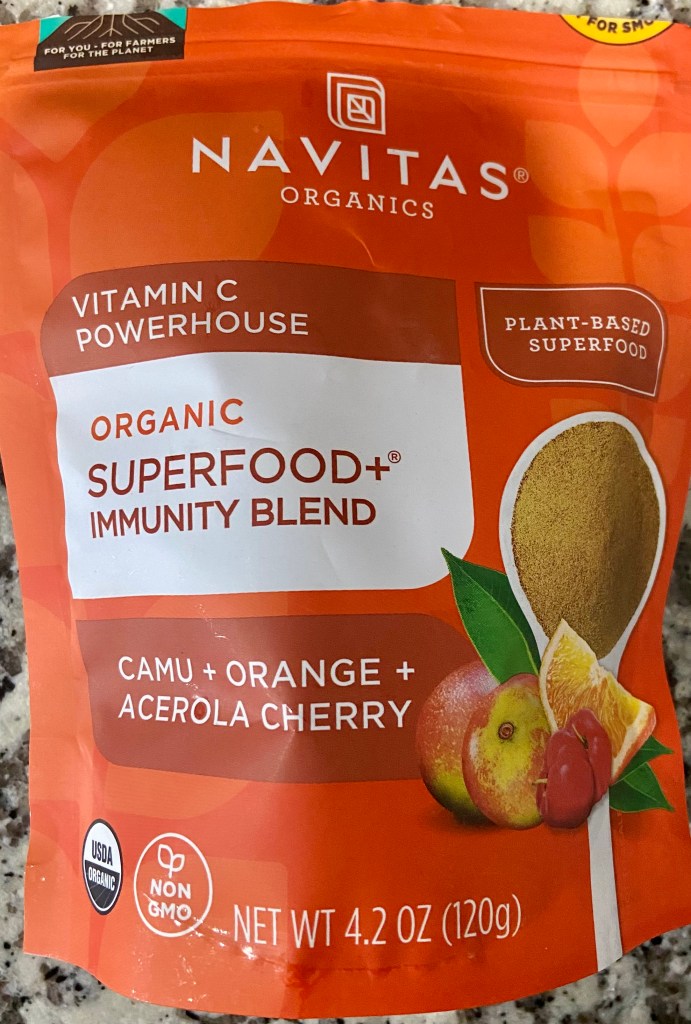
500% RDA for vitamin C.
Next, be sure to stay hydrated. If you’re a regular reader of my blog, you might feel that I beat you over the head with this suggestion. I won’t apologize, because good hydration is much more important than most of us realize. And I want you to be around and healthy for a long time! In addition to using powdered electrolytes and coconut water, newer readers can check out this post for more info on proper hydration and just how critical it is.
My final suggestion is to ~gradually~ increase your exercise time in warmer environments. An article in The Lancet states that this strategy provides additional adaptations to heat over exercise in climate-controlled environments, including a lowered resting core temperature, improved cutaneous vasodilation, increased maximal sweating capacity, improved cardiac function, expanded blood volume, and enhanced cellular protection.
Go ahead, do the things that will help your body adapt to these crazy high temperatures. You certainly don’t want to become part of our country’s heat-related statistics.
Blessings for Heat Resiliency,
Lisa
The content of this article is for educational and informational purposes only, and is not intended as medical advice. Please consult with a qualified health care professional before acting on any information presented herein. Any statements about the possible health benefits of any subject discussed have not been evaluated by medical professionals or the Food & Drug Administration and are not intended to diagnose, treat, cure or prevent any disease or illness.

 Micro of the Macro
those carbon footprints.
LikeLiked by 1 person
Too bad they can’t be MUCH smaller. Enjoy the weekend! ☀️
LikeLike
i agree even breathing is as such.
LikeLike
I think that your suggestions are on the money. And maybe humankind will wake up and become much more forward-thinking one day, doing all it can to try and stem global warming. I’m not betting on that, though.
LikeLiked by 1 person
Hi, Neil, I’m not betting on it either. There’s too much profit in our collective suffering for the few. Thanks for your visit. ☀️
LikeLiked by 1 person
Thanks for caring and your tips Lisa.
LikeLiked by 1 person
I appreciate your kind comment, Brad. Good to see you. ☀️
LikeLiked by 1 person
Nice to see you back.
LikeLiked by 1 person
Thanks!
LikeLiked by 1 person
That is great information to know!
LikeLiked by 1 person
Hi, Allie, I’m happy to share what I learn, especially when it can help others. Happy weekend! ☀️
LikeLiked by 1 person
Thank you for the advice, Lisa. It is good to have strategies for dealing with the heat to come! 🌞💕
LikeLiked by 1 person
Cheryl! Thanks for visiting. I hope these strategies will work for you. ☀️
LikeLiked by 1 person
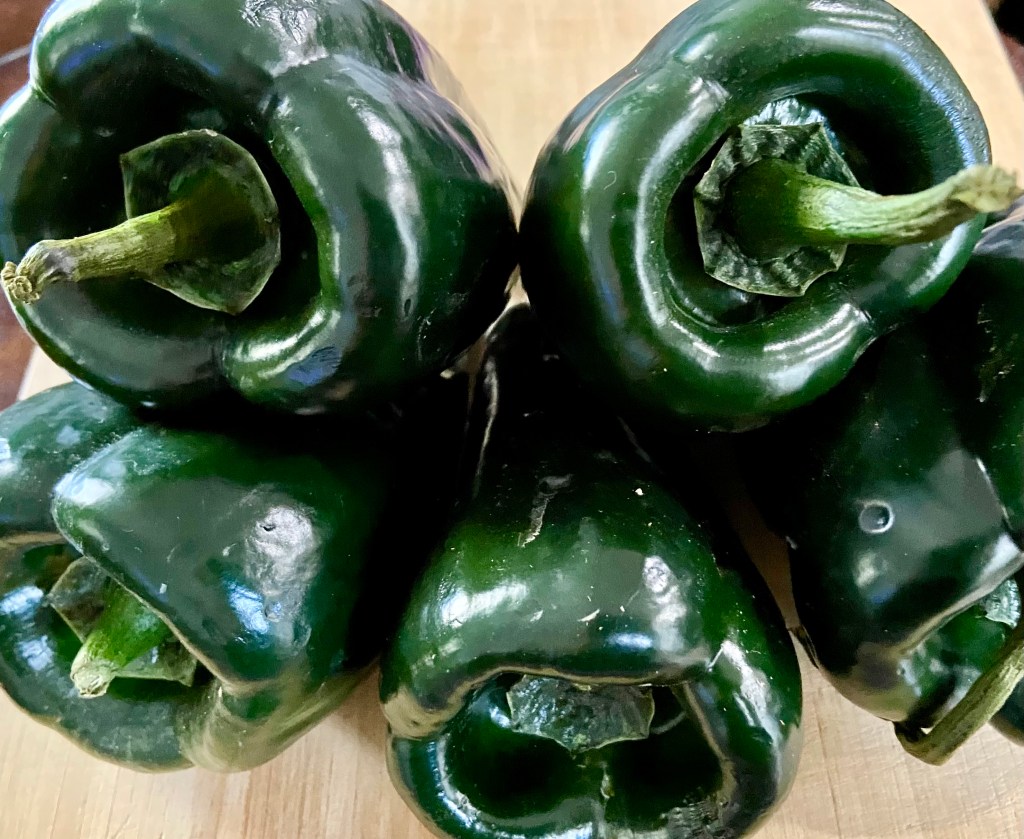
Great advice Lisa. Those green peppers…never seen them such dark green! I love the smell and smell of them! 🤗😊
LikeLiked by 1 person
Hi, Ashley! Those dark green peppers are actually poblanos. I love to roast up a few when I’m making Southwestern food. They’re also really good stuffed. Great seeing you! ☀️
LikeLiked by 1 person
The shops here sell green, red & yellow “peppers” (capsicums) usually one of each colour in a pack but the green, my favourite is usually quite pale in colour! Perhaps our home grown ones need more sunshine! A bit like us! 🌞
LikeLiked by 1 person
😁
LikeLike
Hi Lisa, weather changes and temperatures increasing seem to be the case all over the world. And you’re right, we need to do all we can to look after ourselves. Great tips and advice!
LikeLiked by 3 people
Thanks, Miriam. I didn’t realize this post seemed to be only for those of us in the US until I read your comment. My apologies! Yes, extreme heat is causing deaths and other health issues around the world. And we do, as you say, need to look after ourselves! ☀️
LikeLiked by 1 person
Leave it to you to research and find cutting edge information that is most imperative as we try to beat the heat in days ahead! Thanks so much, Lisa. It’s always a treat to read you an appreciated my friend! 💓💓💓
LikeLiked by 1 person
Awww, thanks for your kind compliment, Cindy. I’m happy to share my findings. I appreciate your being here! 🙏
LikeLike
You’re so very welcome, always Lisa!!! 💕
LikeLiked by 1 person
Yup staying cool and healthy is a top priority, especially with rising temperatures. Thanks for the timely tips, Lisa.
LikeLiked by 1 person
Hi Ritish, good to see you! I appreciate your visit & comment. ☀️
LikeLike
Thank you for sharing all of these tips! I did not know about the vitamin C in this regard. I learn so much from you! I hope spring is off to a good start for you. (I will put some lemon slices in my water.) 🙂
LikeLiked by 2 people
Absolutely – these are all three very good suggestions! We’ve just come out of a long and hot summer (but fortunately for us, it’s still more or less the same as previous years). I believe in hydration in hot weather conditions and support you 100% in this.
LikeLiked by 1 person
Thanks for popping by, Corna! I hope you get settled in your new place soon & your lives can return to “normal!” ☀️
LikeLiked by 1 person
I can say with my preferred activity, heat is a constant concern and one I can no longer take lightly thanks to dropping from both heat exhaustion and heat stroke (both events requiring me to be scooped up off the ground and taken to the ER). Trust me Lisa, you can never over-suggest the need to hydrate (and maintain electrolyte/salt balance). The worst part of it, if you let yourself go over the cliff metaphorically, the effects will linger for years. It takes hard work to get your internal regulator to trust your body’s feedback system again after that and will often prematurely “panic” at the first signs it might be getting anywhere close to the cliff (my body would immediately release all available fluid for sweating at once for months and months after those incidents until I was able to retrain it). Long story short…heed your spot on recommendations!
LikeLiked by 1 person
Thanks, Bri, I appreciate your adding to the conversation. I wasn’t aware our bodies panicked, like you said, after heat exhaustion or a heat stroke. And to retrain it?! Wow, biology is simply incredible. Good to know you take hydration seriously now!☀️
LikeLiked by 1 person
These are excellent suggestions, Lisa. I appreciate the information and hadn’t realized this in relationship to Vitamin c.
LikeLiked by 1 person
Thank you for your appreciation, LaDonna! ☀️
LikeLiked by 1 person