This time of year, I think and talk a lot about hummingbirds. Northern Arizona is cooling down for Fall, and those cute but fierce little pollinators have started leaving us for warmer temperatures.
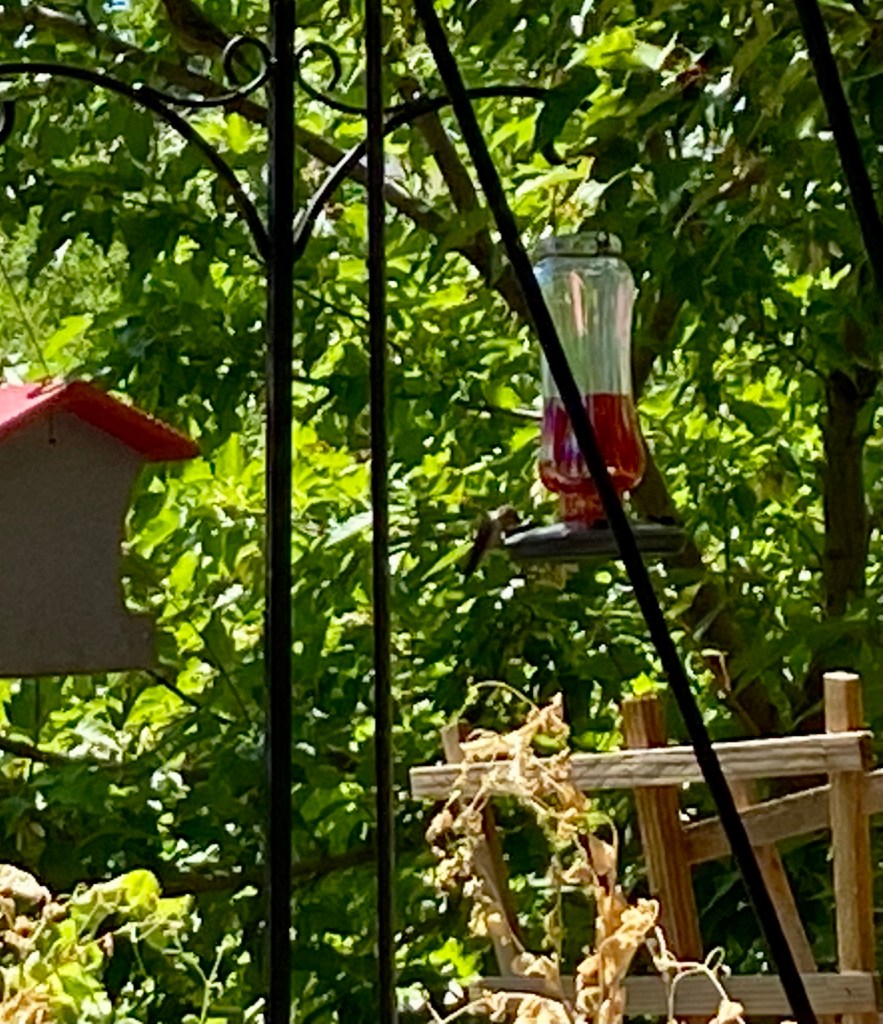
The journey to their overwintering spot can be exceed 2000 miles (18 – 22 hours) so I’ve refilled their feeder one last time for the few stragglers still here. I’m always surprised to see them after our nightly lows dip into the mid 30s. During cold snaps, I’ve learned, they have the ability to slow their heart rate and hang upside down like bats in a state resembling hibernation.😳
During migrations, they can eat up to 8 times their body weight, visiting and pollinating thousands of flowers along the way. They also eat tiny spiders, insects, and sugary tree sap. In fact, they sometimes follow sapsuckers during migration to enjoy the fruits of the larger bird’s tree-drilling labors.
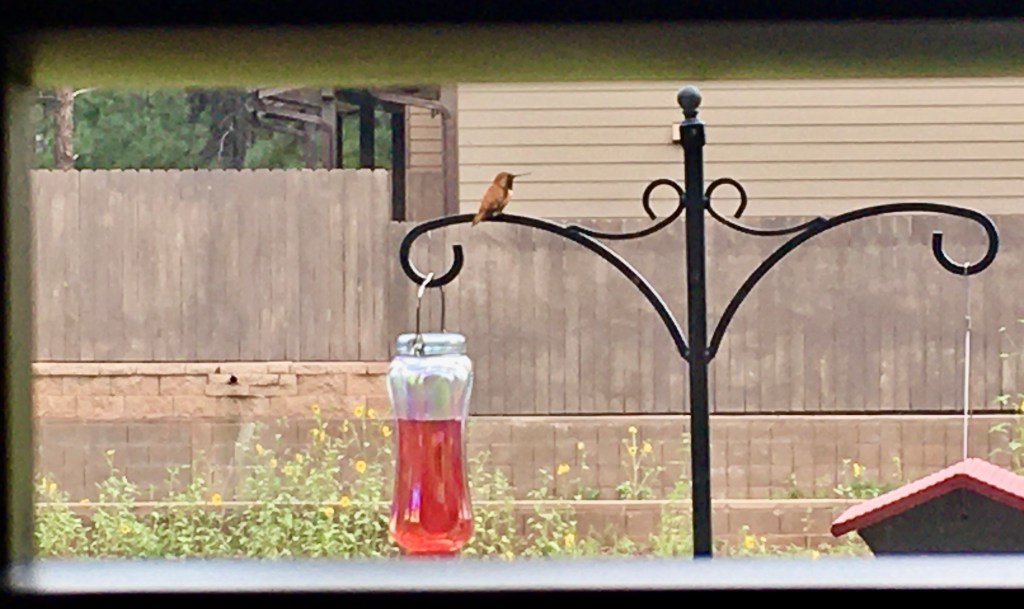
If you’ve ever seen them up close, I don’t have to tell you they are territorial little creatures. This could be a result of their size, or the fact that they need to eat about every 15 minutes to sustain their energy. With wings that flap about 80 times per second, flying speeds up to 50 mph and diving speeds up to 60 mph, you can imagine their incredible energy needs!
There are well over 300 species of hummingbirds in existence, but less than 10 species visit the US, and none venture outside of the Western Hemisphere. Global warming is altering their habitat and migration patterns, so they are depending more and more on us to supplement their food supply.
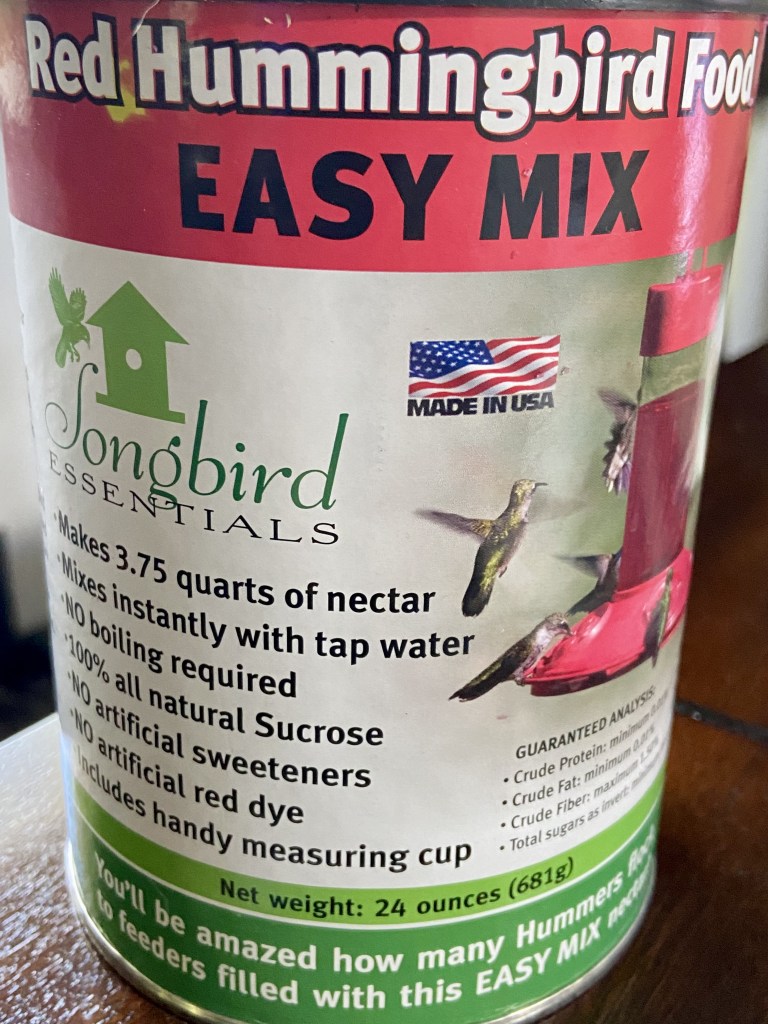
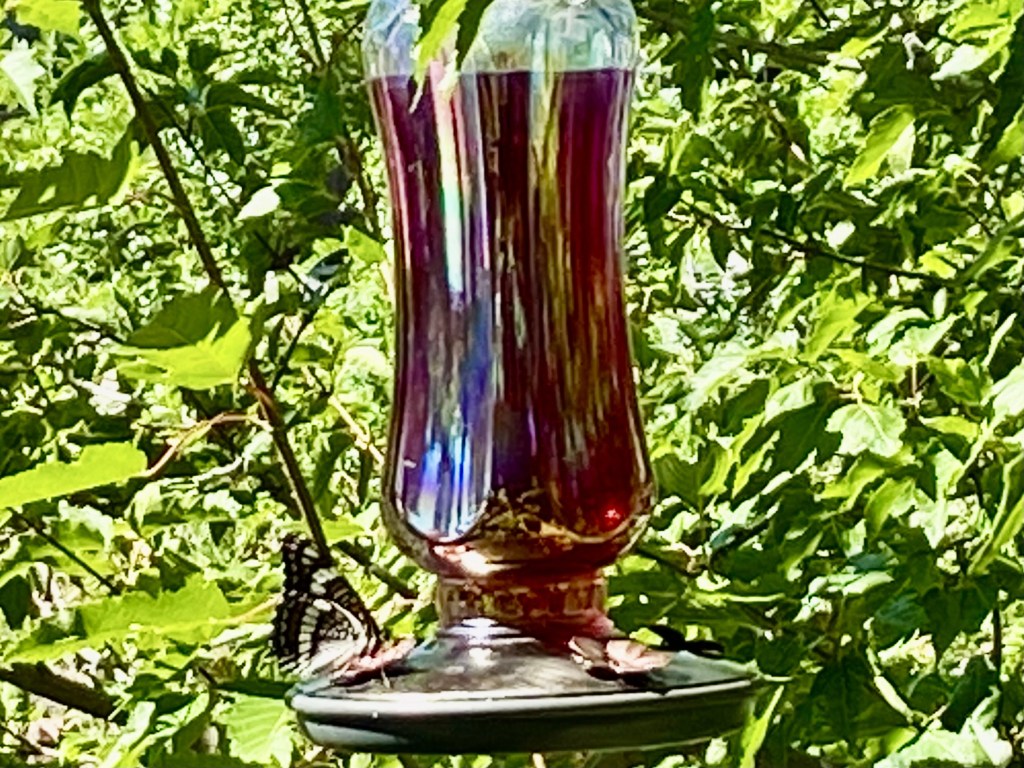
If you want to make sure the liquid in your hummingbird feeder is beneficial and not harmful, don’t use red dye in your sugar water. (It’s bad for us, so can you imagine how adversely it affects a creature 3 inches long weighing about the same as a penny?!) I buy a powder from Amazon that contains crushed carmine and hibiscus for color. Alternatively, you can just mix up some plain sugar water, but make sure your feeder displays plenty of red.
If you live in an area that stays warm all year, like Southern Arizona, Southern Texas, or South Florida, you can leave your feeders out year-round. Otherwise, check out this site to learn when to put your feeders out and when to take them down for winter. Hummingbirds also love tubular-shaped flowers, and a pollinator garden is always a welcome sight. This webpage has specific suggestions, along with the climates in which each flower can thrive.
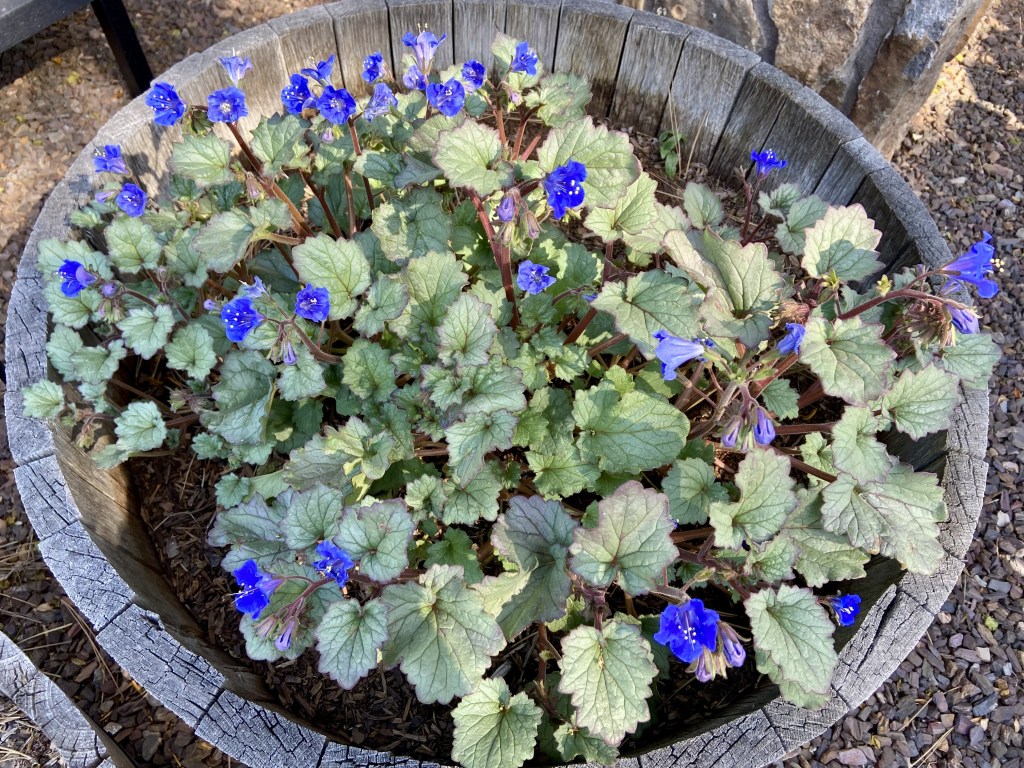
If you’ve never seen hummingbirds or you would like to see more of them, the National Parks Service reports that their domains are ideal refuges for breeding and nesting. I’ve never seen one of their nests, but I’ve read they are about 1 – 2 inches wide, an inch deep, have spider web silk layering the tops, with eggs about the size of jellybeans. The referenced site gives info on when to expect which hummers in various National Parks.
If you weren’t already enamored of them, I hope this post has sparked your interest in hummingbirds. Maybe you, too, will think more about them and help support the well-being of these tiny but mighty pollinators.
Blessings for Pollinators,
Lisa
The content of this article is for educational and informational purposes only, and is not intended as medical advice. Please consult with a qualified health care professional before acting on any information presented herein. Any statements about the possible health benefits of any subject discussed have not been evaluated by medical professionals or the Food & Drug Administration and are not intended to diagnose, treat, cure or prevent any disease or illness.


Thank you for sharing this very informative post! I love pink and I have a hot pink blouse that I especially like. One day I was out watering my flowers, and a hummingbird flew right into me. We were both surprised!!! They love red, but they like hot pink for sure! 🙂 A hot pink bird feeder would surely be a nice attraction for them…:)
LikeLiked by 1 person
Wow, that’s cool that a hummingbird flew into you! They have buzzed me many times, right over my head, but not run into me yet, thank goodness! Glad you enjoyed the post, and lemme know if you find a hot pink feeder!😀☀️
LikeLiked by 1 person
🙂 🙂 🙂
LikeLiked by 1 person
my mother loved hummingbirds she had a honey feeder and had large trumpet vine bushes in our back yard.
LikeLiked by 1 person
Nice! I had an aunt who loved them too. She had a couple feeders in her front window. I think watching them when I visited her sparked my interest in the little guys.☀️
LikeLike
Thanks for a little hummer happiness to brighten my day.
LikeLiked by 1 person
Awwww, hummer happiness, I love it! Years ago, I had a roommate who referred to hummingbirds as bringers of joy.☀️
LikeLiked by 1 person
Yes, they do seem to bring joy for many of us. 😊
LikeLiked by 1 person
They are so small, and yet can travel vast distances. They are amazing. And beautiful too.
LikeLiked by 1 person
Absolutely, Neil. Thanks for your visit & comment!
LikeLiked by 1 person
We only have hummingbird cousins in Singapore, sunbirds. Younger Child was fascinated by hummingbirds growing up and would ask for an ongoing telling of a hummingbird story.
I cannot imagine having to feed every 15 minutes. I am chuffed you aid them in their long journey.
LikeLiked by 1 person
How sweet to ask for hummingbird stories! I must admit, I had to look up the word chuffed.😀 Thank you for stopping by and sharing your experience!☀️
LikeLike
Thank you for taking time to look up “chuffed”. It must be a British expression!
LikeLiked by 1 person
The Ruby-Throated is the primary hummingbird in North Alabama. I have a couple of feeders for them in the trees in my yard. They always arrive between mid-late March and are gone by late September / early October. They are so beautiful and fun to watch BUT can definitely be very, very feisty!
LikeLiked by 1 person
Hi, Judy, I thought I saw a ruby throated hummer a few weeks ago, but afterward learned they don’t come this way. There’s a local one called broad-tailed hummer which also has a ruby throat, and that’s the little guy I saw. Great to see you commenting again!☀️
LikeLike
They’re amazing little birds, that’s for sure! Enjoy that cooler weather. I can’t wait ‘til it cools down even more here.
LikeLiked by 1 person
Janet, hi! Nice to see you! Thanks for stopping by and leaving your comment. The cooler weather is really a blessing. I’ll be glad when you get more of it too!☀️
LikeLiked by 1 person
Love Hummingbirds. They hang out with my lillys. 🤣😎🙃
LikeLiked by 1 person
Nice! I bet they really enjoy lilies!☀️
LikeLiked by 1 person
Hummingbirds are among the most beautiful and mesmerising creatures in the natural world. While they do not live in Ireland, we can often spot a fascinating lookalike known as the hummingbird hawk-moth. Thanks for sharing, and have a good day 🙂 Aiva xx
LikeLiked by 1 person
Hi, Aiva, good to see you! We have hawk moths here, but not hummingbird hawk moths. Yours are much prettier than ours! Thanks for visiting!☀️
LikeLike
Wow, drinking 8 times their body is a lot, Lisa. The sage, poppies and others bring mine which I love since I can’t bare to have another mouth to feed.. lol .. you know!! xx
LikeLiked by 1 person
Cindy, hi! Agreed, 8 times their body weight, even though they don’t weigh much, is still a lot! It’s nice to have plants they like so there’s no need for the feeder! Thanks for popping by!☀️
LikeLiked by 1 person
A ton!! Oh great!! Of course!! You talk, I listen! ❤️
LikeLiked by 1 person
🙂
LikeLiked by 1 person
Those desert bells are so lovely, I had to research them a bit to realize that I don’t have enough full sun to make them happy. Thank you for highlighting them, and for the reminder that I need to cook up some hummingbird food right now!
LikeLiked by 2 people
Hi, Joanna, thanks for stopping by and leaving a comment. I really love the desert bluebells, too. Happy to hear you’re a fellow hummingbird supporter! 🙂
LikeLiked by 1 person
Beautiful!
LikeLiked by 1 person
Thanks, Deacon G!☀️
LikeLike
Hummers are a joy to watch, but as you noted, they are not a sharing lot by any means. We didn’t get the chance to put up feeders this year due to being gone most of the spring/summer along with house construction etc. luckily our Azeleas covered for our lack of supply although I am sure their tweets translated to what awful people we were as a result ha.
LikeLiked by 1 person
LOL! You’ve probably gotten some really good photos of them, right? Ours are all gone now, I’m sad to say. I will miss their little trills as well as the entertainment they provide!☀️
LikeLiked by 1 person
Hummingbirds are fascinating to watch❤️. This is an interesting read, and I appreciate the information around the best nutrition options for them.
LikeLiked by 1 person
Thank you for stopping by, LaDonna!☀️
LikeLiked by 1 person
❤️❤️
LikeLiked by 1 person
Back home, my Mom loves her hummingbirds and feeder… It’s a marvel to think of such a small creature making a journey of thousands of miles—we’d often talk about this, which makes seeing them all the more meaningful. Loved this post.
LikeLiked by 1 person
Hi DC, I appreciate you sharing your sweet memories & I’m so pleased you enjoyed the post. In a previous comment, I mentioned my beloved Aunt who hung a feeder in her front window. My fascination with these tiny creatures began while visiting her. She’s gone now, but hummingbirds will always remind me of the joy she infused into the everyday.
LikeLike
Interestingly, this is similar to how I’ve been intrigued by hummingbirds as well. My Mom and sisters are ‘competing’ to see how many hummingbirds visit them, and I’ve learned a lot! 😊 With my sister living in the Willamette Valley in Oregon, she gets a lot of hummingbirds, so she always wins 😂!
LikeLiked by 1 person
😃
LikeLike